
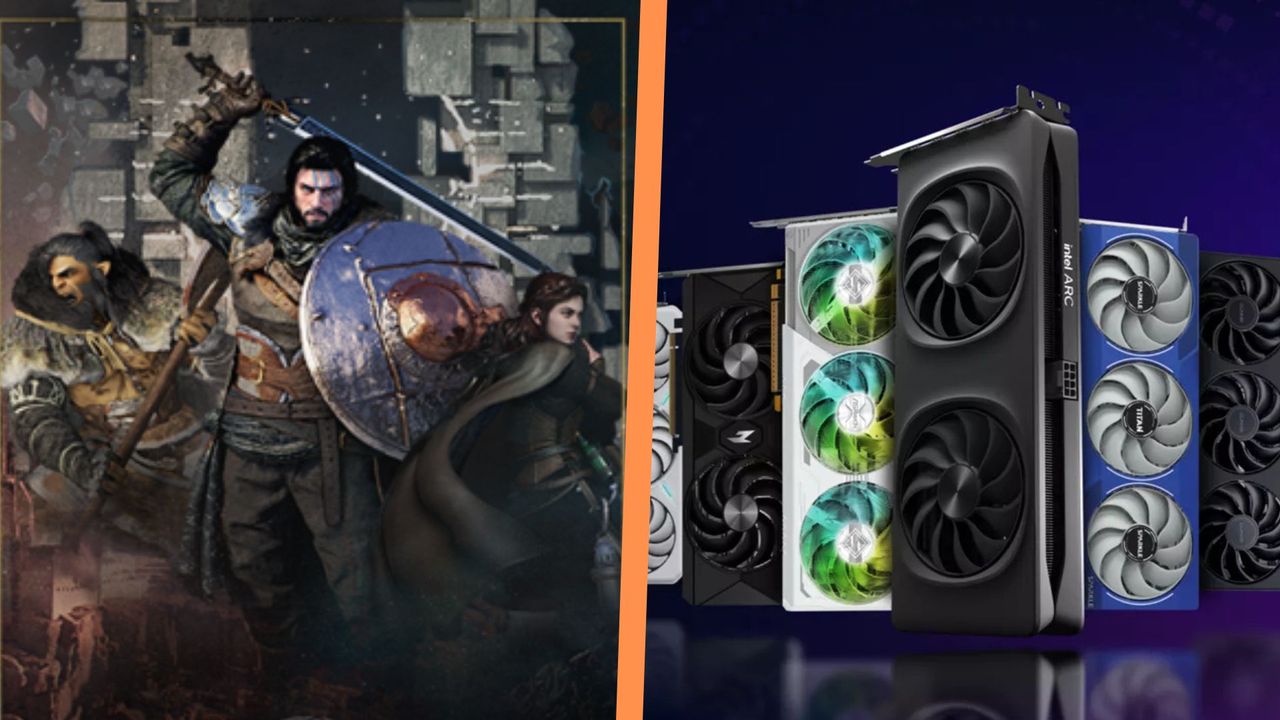
Since its launch last week, Crimson Desert has thrown up this message when PC gamers with an Intel Arc graphics card try to launch the game: "The graphics device is currently not supported". With that, the game hasn't been able to start, and it's caused outcry among gamers who aren't able to play one of the year's most anticipated games on their perfectly capable gaming PC.
Pearl Abyss didn't exactly seem like it was eager to support Intel Arc systems either, with one online FAQ on the studio's website asking if the game would be playable with this type of GPU said, "No, Crimson Desert currently does not support Intel Arc graphics cards," before directing players towards refund policies.
Seems pretty cut and dry, no? Pearl Abyss, for whatever reason, wasn't going to support one of the three biggest GPU manufacturers in its game. Thankfully, that seems to be changing, as the studio walked back on this on the game's Twitter (X) account:
Regarding #CrimsonDesert support for Intel Arc:We are currently working on compatibility and optimization support so that Crimson Desert can also be enjoyed on Intel Arc GPU systems. We are preparing to provide a smooth and stable gameplay experience, and we ask for your…March 23, 2026
It's a bit of an odd situation, especially when you take a statement Intel has provided about trying to work with Pearl Abyss until now:
"Getting games running smoothly is always a partnership between developers and hardware makers. Over the past several years, we’ve reached out to Pearl Abyss many times to help test, validate, and optimize support for Intel graphics, providing early hardware, drivers, and engineering resources across multiple generations," Intel told the press.
"We remain ready to assist Pearl Abyss however we can. For details on the choice not to enable Intel support at launch, please reach out directly to Pearl Abyss."
I'm sure there's a lot about the relationship between Intel and Pearl Abyss that we don't know about, but it's hard not to see from those statements that Pearl Abyss clearly misjudged how a lack of support for Intel components would harm its game.
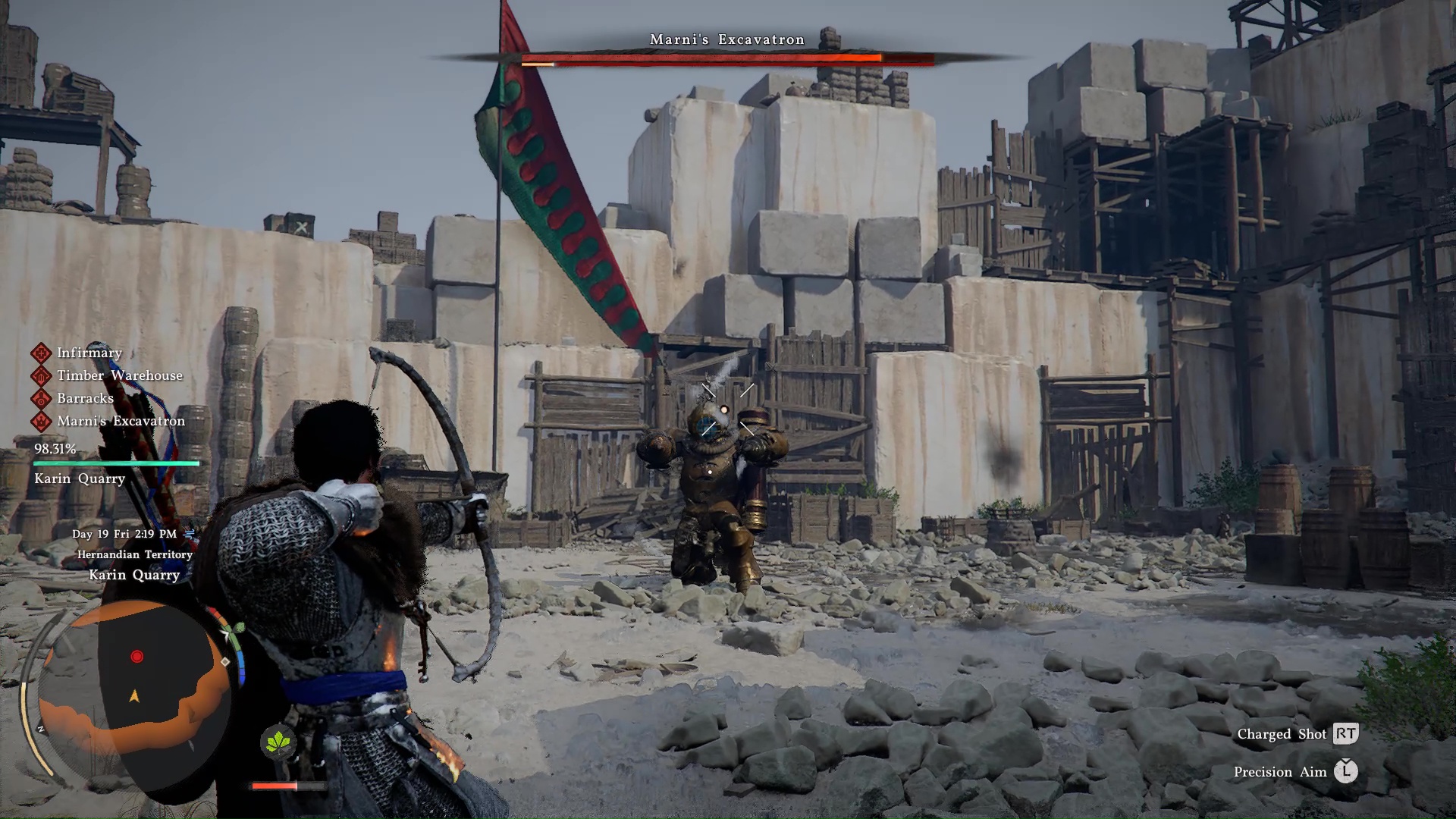
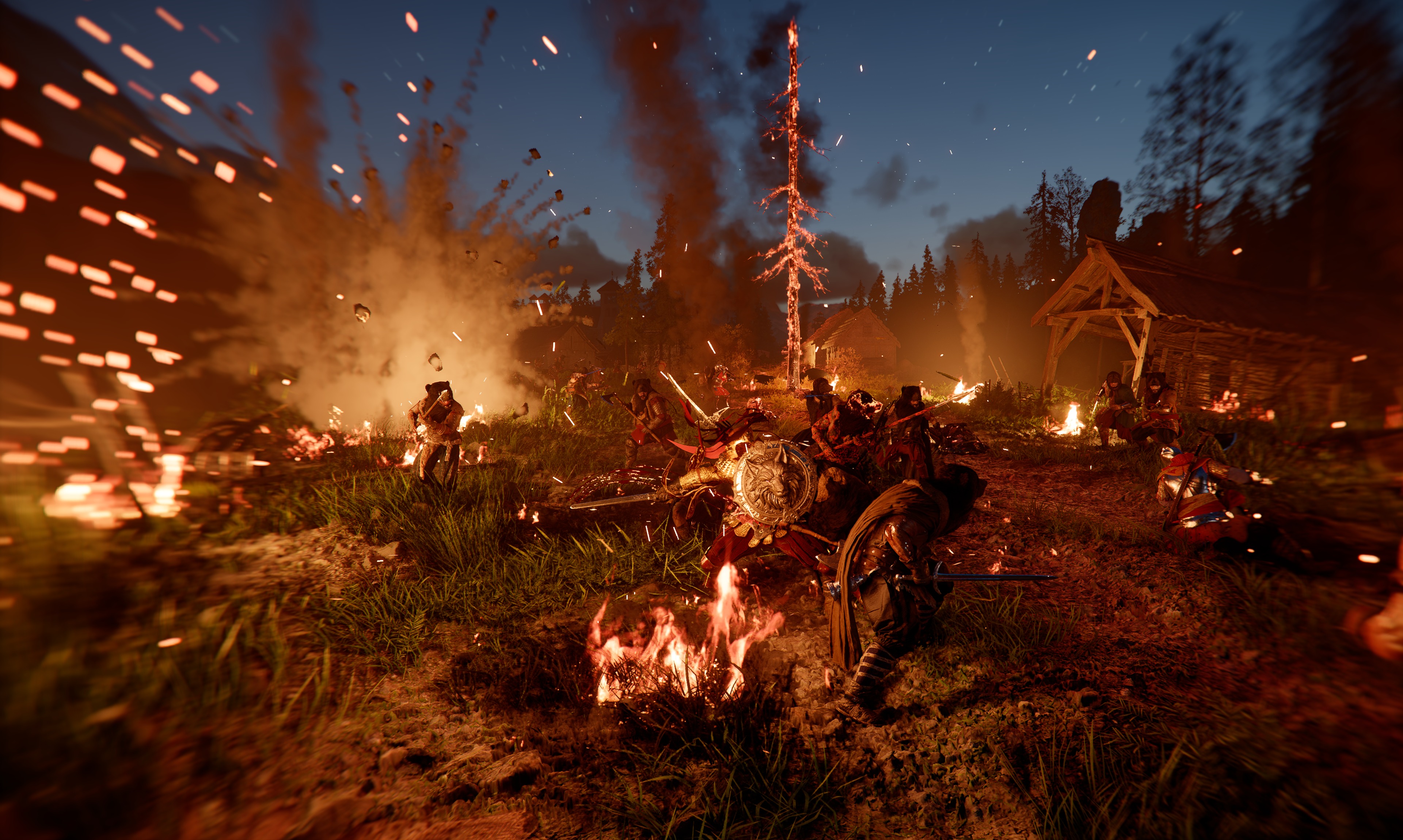
It's not exactly the perfect, gold-standard evidence of what graphics cards are being used, but in the latest Steam Hardware Survey results taken from February 2026, 4.48% of users were reported to have Intel GPUs in their systems. Granted, that's nothing compared to Nvidia's 84.68% and AMD's 10.61%, but roughly 5% of Steam users is still a substantial amount of gamers to not support.
If there was planned support for Intel systems set for after launch, why wouldn't the FAQs explain that, instead of the pretty clear "no" that was posted until recently? Now, the answer to that question on Pearl Abyss's website has changed, reading similarly to the tweet that was published:
"We are currently working on compatibility and optimization support so that Crimson Desert can also be enjoyed on Intel Arc GPU systems. We are preparing to provide a smooth and stable gameplay experience, and we ask for your patience until the support update becomes available.
"We apologize for any confusion our previous FAQ wording regarding playability on Intel Arc GPUs may have caused. Please regard this as our latest official news on the subject."
Like I say, there's a lot that's unclear about why Intel Arc GPUs haven't seen support from the studio yet, but since the game's review scores weren't as high as expected and caused a drop in the studio's share price, the U-turn could be seen as an attempt to recoup good faith with gamers and investors.
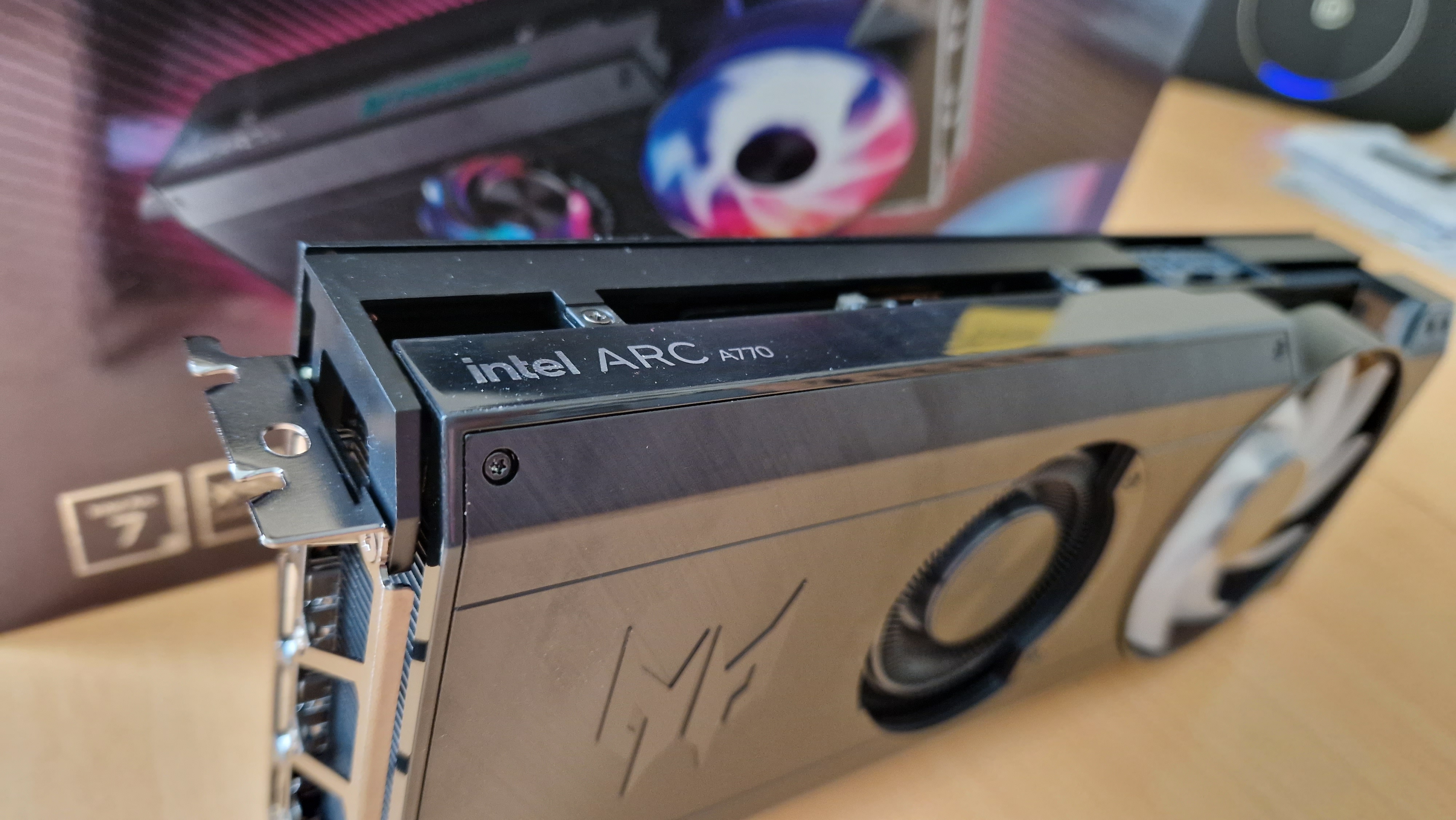
As you'll imagine, the public outcry from Intel Arc users has been easily heard, and it's something I can relate to. My first gaming PC used an Acer Intel Arc A770, and although support has gotten a lot better since the early days of that card, it's still massively frustrating to see a "big" game just isn't supporting your budget-friendly components for seemingly no reason.
Hopefully, the support for Crimson Desert arrives sooner rather than later, but I imagine a fair few Arc users have already refunded the game thanks to that initial FAQs response.
For more on gaming PC components, check out the best CPUs for gaming, the best RAM for gaming, and the best SSDs for gaming.