Sir Keir Starmer is facing fresh questions over his government’s response to the conflict in the Middle East in the final PMQs before parliamentary recess.
Rachel Reeves warned on Tuesday that the US-Israel war against Iran may cause ”significant” economic challenges for Britons.
But the chancellor indicated that millions of households will not get support to pay soaring energy bills, as she pledged to offer targeted, rather than universal, support “to those who need it most”.
The approach has drawn criticism, as the crisis in the Middle East has pushed up oil and gas prices and is set to hit other goods, with the average annual household energy bill predicted to rise by £332 in July.
UK inflation remained steady at 3 per cent on Wednesday – but this does not yet reflect the impact of the war on the cost of living in the UK, with economists saying inflation is now set to accelerate over the coming months
Larry Fink, chief of financial giant BlackRock, which is the world’s largest asset manager, has predicted there will be a global recession if the price of oil reaches $150 a barrel.
Mr Fink, whose firm controls $14 trillion (£10.5tn) worth of assets, told the BBC that the world economy faces “profound implications” if Iran “remains a threat” and oil prices continue to surge.
Key Points
- Starmer to face MPs as planning to reopen Strait of Hormuz continues
- Global recession will be sparked if price of oil reaches $150 a barrel, BlackRock chief warns
- Reeves faces criticism over government's approach to soaring energy bills
- Reeves warns Middle East conflict may cause 'significant' economic challenges in UK
- UK inflation remains steady at 3% prior to impact of Iran conflict
- Analysis: The concern is this inflation data is already out of date
An attack on Britain's Jewish community is an attack on all of us, says Starrmer
12:10 , Tara CobhamPolitical correspondent Millie Cooke reports:
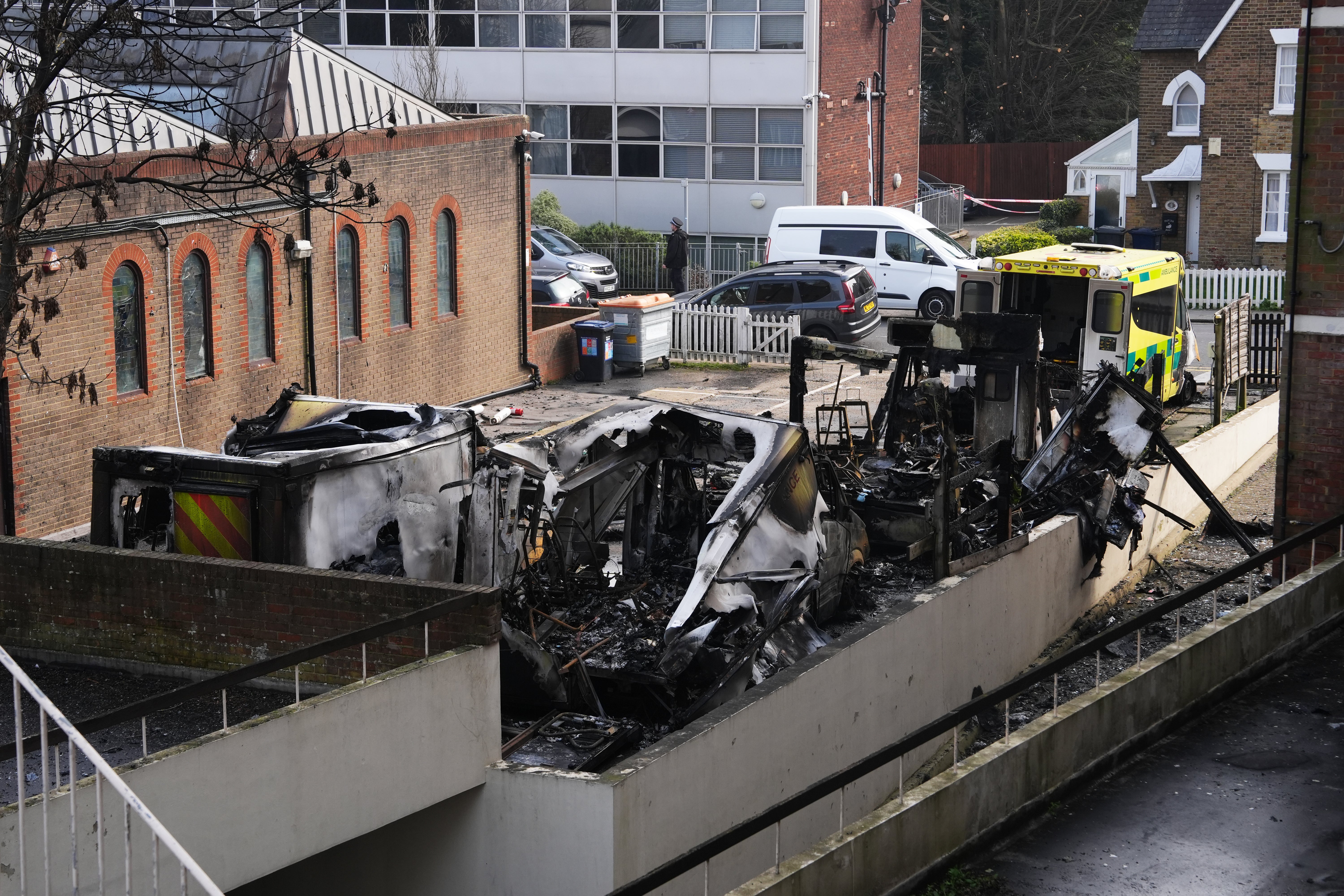
"An attack on Britain's Jewish community is an attack on all of us", Sir Keir Starmer has said, condemning the arson attack on four Jewish community ambulances.
It comes after four ambulances from Hatzola, a volunteer-led ambulance service operating in the Golders Green area of north London, were set on fire during an incident on Monday.
Opening PMQs, the prime minister said: "An attack on Britain's Jewish community is an attack on all of us. And I'm pleased to say that London ambulances have now replaced the Hatzola ambulances and the NHS will pay for the permanent replacements.
"We're also accelerating our social cohesion plan to strengthen our British values of tolerance, decency and respect."
Badenoch uses first question to highlight how Starmer dodged her questions last week
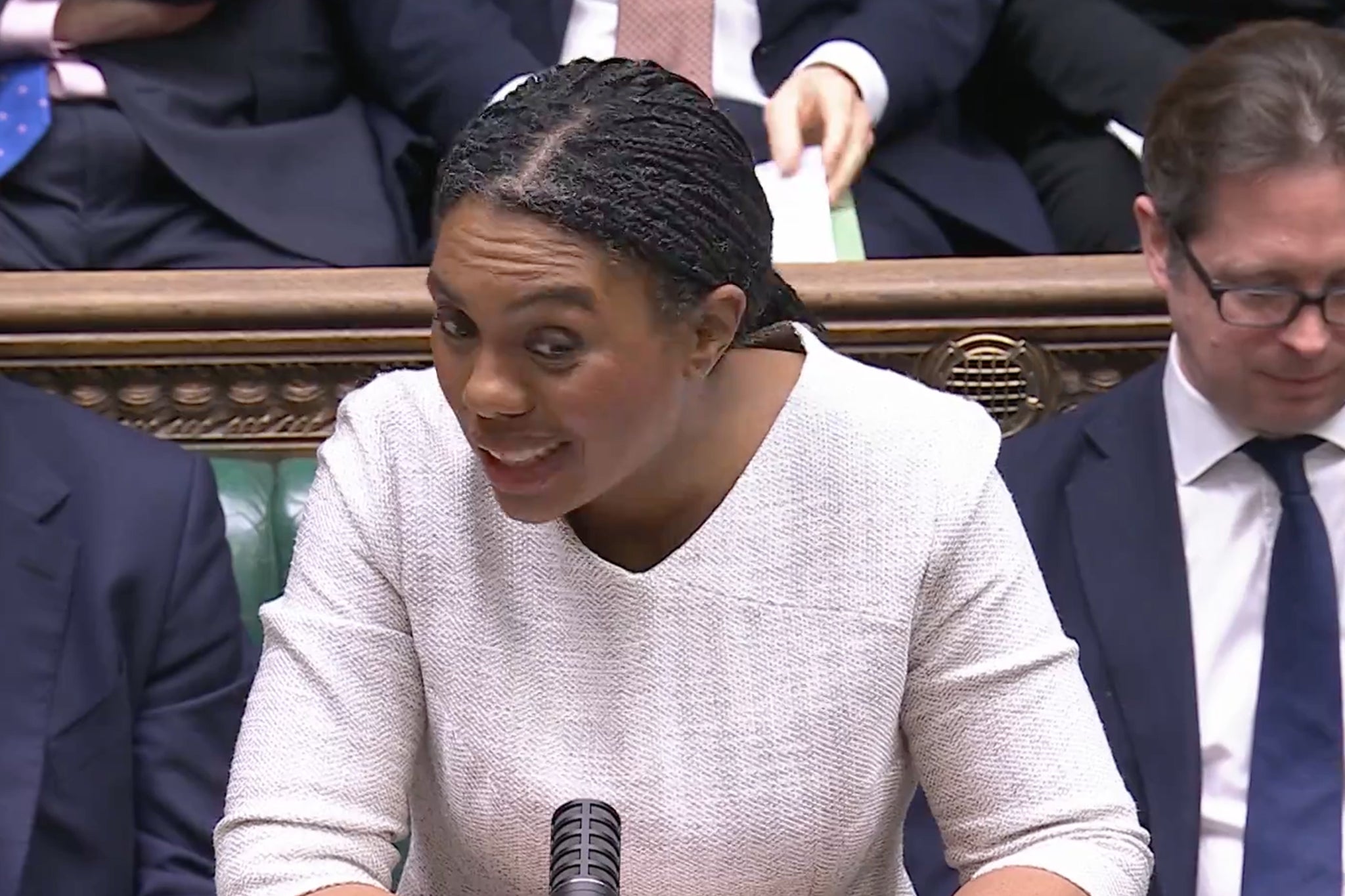
12:09 , Tara CobhamKemi Badenoch used her first question at PMQs to highlight how Sir Keir Starmer failed to answer six of her questions last week.
The Tory leader said: “I asked the prime minister six questions last week, and he didn't answer a single one.
“He has a duty to this house, Mr. Speaker, to answer the question. Let's see if he can do better this week.”
The prime minister dodged quetions on his appointment of Peter Mandelson as US ambassador during PMQs last week.
Analysis: Electioneering underway in PMQs
12:07 , Tara CobhamPolitical editor David Maddox reports:
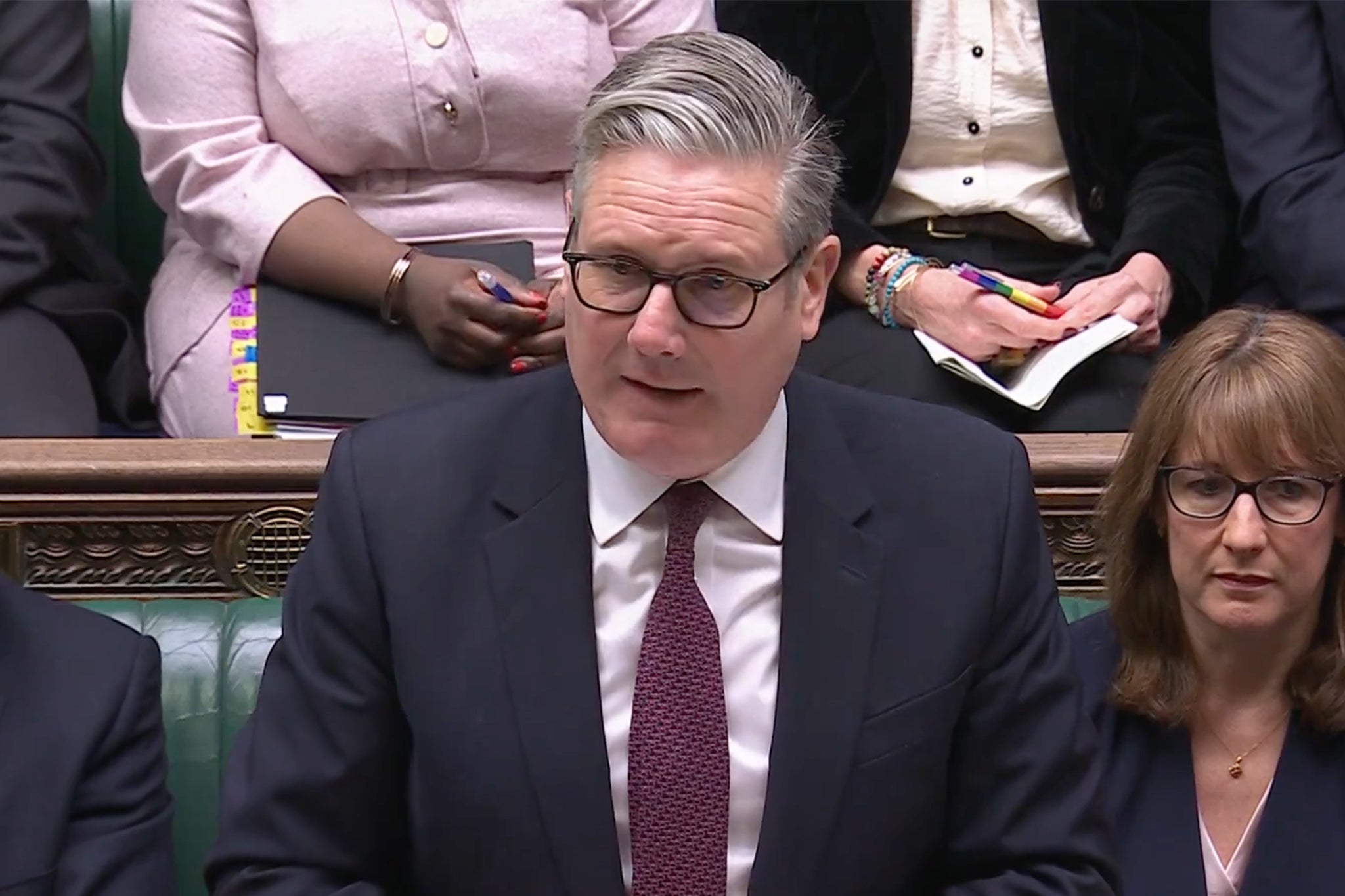
The first question to Sir Keir Starmer from Labour MP Cat Smith highlighted issues with Reform run Lancashire Council covering her constituency.
It gave the prime minister a chance to have a go at Reform’s record over the last year running councils from Kent in the south east to Lancashire in the north west.
This is going to be a running theme in PMQs today as the parties prepare for the local and devolved elections on 7 May.
Currently Reform is on course to win 1,500 seats while Labour could lose 1,700 seats.
'Reform have nothing to offer but chaos, grievance and division': Starmer begins PMQs by taking swipe at Farage's party
12:06 , Tara CobhamSir Keir Starmer has taken a swipe at Nigel Farage’s Reform UK and he began PMQs.
In what he called a “warning to the whole country”, the PM told MPs: “Reform have nothing to offer but chaos, grievance and division.”
PMQs begins as Starmer faces questions over response to Middle East conflict
12:02 , Tara CobhamSir Keir Starmer is facing fresh questions over his government’s response to the conflict in the Middle East in the final PMQs before parliamentary recess.
Rachel Reeves warned on Tuesday that the US-Israel war against Iran may cause ”significant” economic challenges for Britons.
But the chancellor indicated that millions of households will not get support to pay soaring energy bills, as she pledged to offer targeted, rather than universal, support “to those who need it most”.
The approach has drawn criticism, as the crisis in the Middle East has pushed up oil and gas prices and is set to hit other goods, with the average annual household energy bill predicted to rise by £332 in July.
Pause on cryptocurrency donations recommended in review of foreign interference
11:57 , Tara CobhamThe government should temporarily stop political parties being allowed to accept cryptocurrency donations, a review of foreign financial interference has recommended.
Former top civil servant Philip Rycroft urged ministers to legislate for a moratorium in its Representation of the People Bill going through Parliament.
This should be seen not as a “prelude to an outright and permanent ban” but an interlude for regulation to catch up to reality, he wrote in his report.
His recommendations come amid concerns that digital currencies could be used to hide where funding has come from.
Mr Rycroft also proposed an annual cap on donations from British voters living abroad and a ban on foreign-funded online political ads.
The publication of Mr Rycroft’s report on Wednesday comes amid heightened fears about political meddling by hostile states.
The review was commissioned in December last year following a series of high-profile cases of attempts by foreign states to influence UK politics, including the jailing of Reform UK’s former Welsh leader Nathan Gill for taking bribes to make pro-Russian statements.
Analysis: Starmer needs a job saving performance in PMQs - if it is not too late already
11:52 , Tara CobhamPolitical editor David Maddox reports:
The final PMQs before Easter recess has come at a crucial juncture for Sir Keir Starmer as he battles to stay in his job as prime minister and leader of the Labour Party.
Over the last week the parties have launched their local and devolved election campaigns with crucial contests in Scotland, Wales, London and across the English shires.
One recent projection suggested Labour is on course to lose an eye watering 1,700 council seats in England alone while they are in danger of being squeezed out of government in Wales for the first time coming a very poor third.
A similar result is expected in Scotland although they still have hopes of being the official opposition to the SNP in Holyrood.
So with rivals – particularly former deputy prime minister Angela Rayner – circling eyeing Sir Keir job, Labour MPs losing patience and a cost of living crisis caused by Donald Trump’s war on Iran set to envelop the country, all eyes will be on the prime minister’s performance today.
It may already be too late for him but if he has any hopes of surviving as PM Sir Keir needs to show he is on top of his game and leaves a strong impression with Labour MPs as they prepare to spend the next two weeks knocking doors in their constituencies to persuade voters not to lose faith in the party.
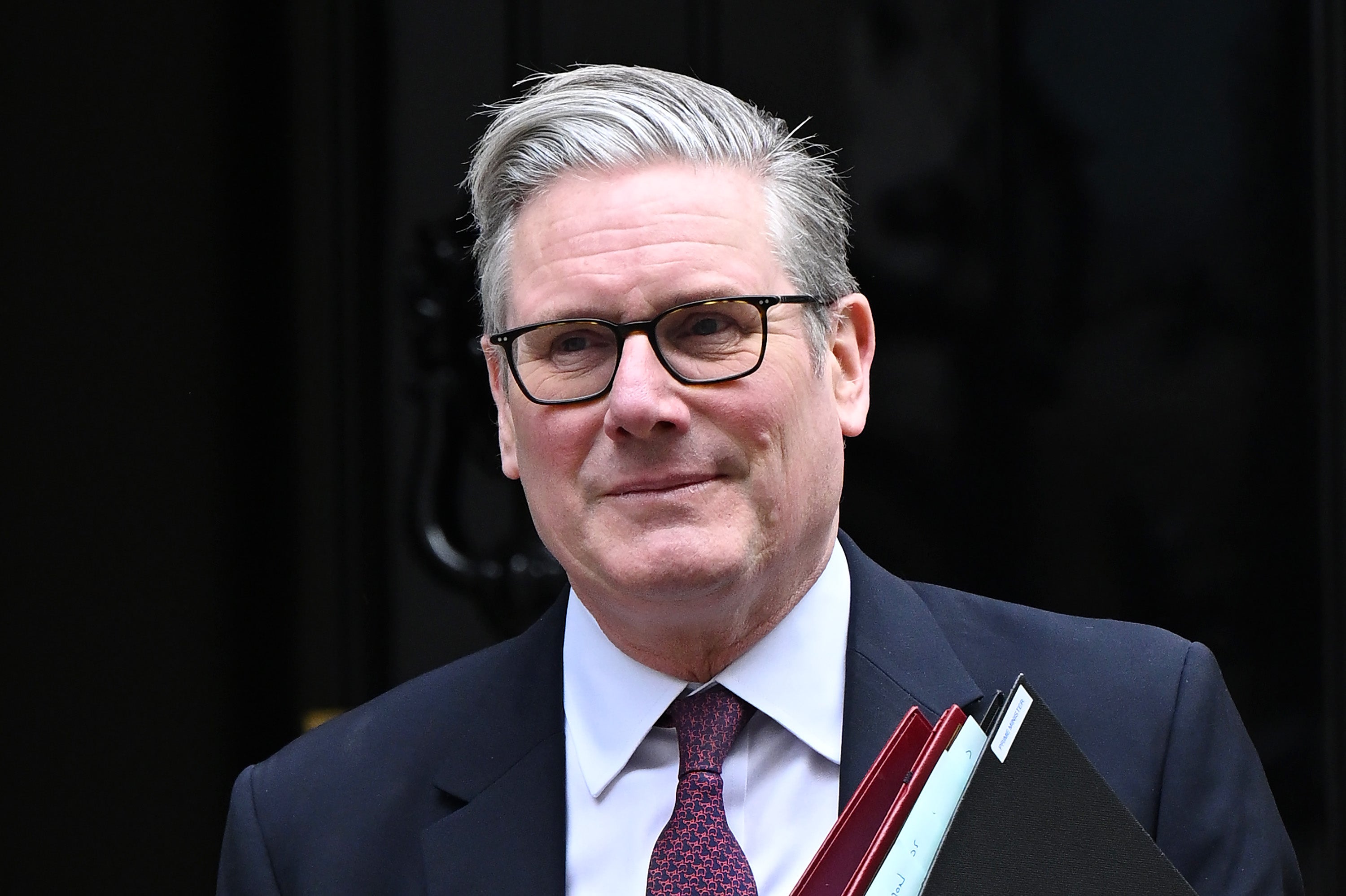
Starmer to be grilled by MPs over Iran war response in few minutes
11:49 , Tara CobhamThe prime minister will face MPs in a few minutes as the UK works to develop a plan to reopen the vital Strait of Hormuz.
Sir Keir Starmer is set to undergo his weekly grilling at Prime Minister’s Questions at midday, a day after Rachel Reeves warned the economic impact of the Iran war could be “significant”.
Central to that impact is Tehran’s effective blockade of the Strait of Hormuz, a vital shipping route for oil and gas.
The blockade has seen oil prices soar above 100 US dollars a barrel and prompted Shell boss Wael Sawan to warn at an industry conference on Tuesday that Europe could face oil shortages by next month if it remains closed.
Health secretary dodges questions over his job amid reshuffle rumours
11:30 , Tara CobhamHealth editor Rebecca Thomas reports from east London:
Speaking at the University of East London, health secretary Wes Streeting said the NHS is in a better place now than when he took office.
Mr. Streeting’s speech comes following rumours of the weekend that Prime Minister Sir Keir Starmer is planning a cabinet reshuffle in a bid to save his premiership
When asked by The Independent if he believes his job is safe following the improvements he has pointed to in the NHS’s performance, the health secretary said: “That is a question for the prime minister.”
“As I said in my speech, lots done, lots more to do, and I'm just getting started.”
Health secretary Wes Streeting says Reform party pose ‘existential threat’
11:10 , Tara CobhamHealth editor Rebecca Thomas reports from east London:
Mr Streeting has said that while his party will take on others like the Greens as any other party and while Labour had many differences with the Conservative party, Reform UK was a “different beast” in terms of threat.
He said: “Reform are threatening to dismantle it.”
Talking ahead of elections in May, he said he feared those thinking of voting Reform UK are not aware of the party’s plans for the NHS.
He said: "I’m thinking of Wales…the idea that the country of the NHS and Bevan would elect reform to dismantle it sends shivers down my spine.”
Streeting: NHS trust's delay in alerting health authority of first meningitis case is ‘unacceptable.’
11:09 , Tara CobhamHealth editor Rebecca Thomas reports from east London:
Health secretary Wes Streeting has said East Kent Hospital NHS Trust’s failure to notify UK Health Security Agency about its first meningitis case within 24 hours was “not acceptable", when asked about it following a speech at the University of East London.
Mr Streeting confirmed that the trust notified UKHSA 26 hours after the first meningitis case was admitted rather than the expected 24.
He said he will be expecting the trust to account for its failings.
However said that the delay of two hours does not seem to have impacted the national response to the outbreak.
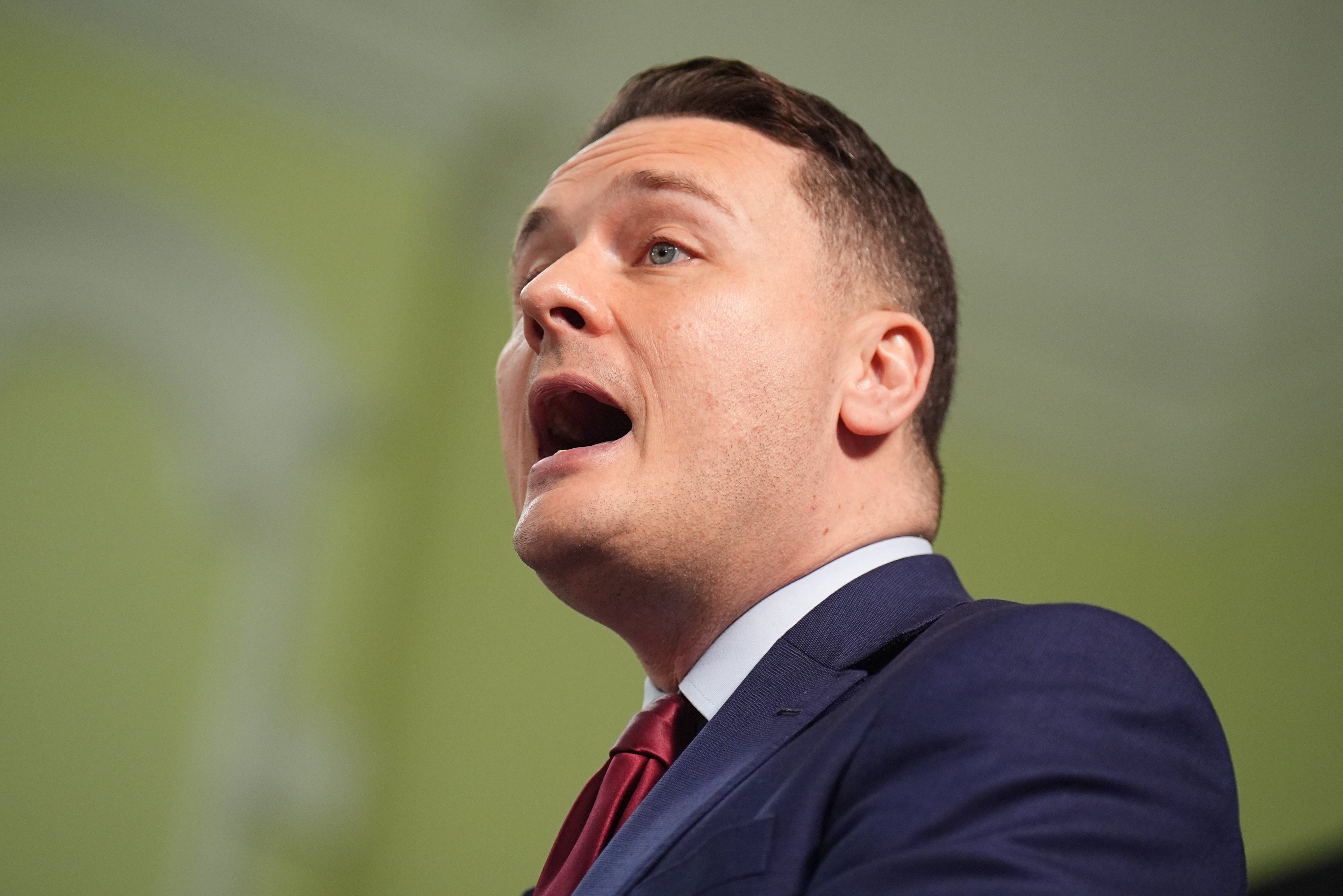
Experts warn energy and stock markets will remain highly volatile
11:00 , Tara CobhamExperts have warned that energy and stock markets will remain highly volatile.
Richard Hunter, head of markets at interactive investor, said: “It would be premature to call a recovery being in place for the UK’s premier index, although the FTSE 100 has at least crept back into positive territory for the year so far.
“A gain of 1.2 per cent is however almost 8 per cent away from the recent record high recorded at the end of February and underlying pressure remains in place.”
Matt Britzman, senior equity analyst at Hargreaves Lansdown, added that oil prices are unlikely to see a full recovery back to pre-war levels until the crucial Strait of Hormuz shipping route is opened.
He said: “Prices are still sitting at seriously elevated levels.
“Social media posts and press conferences can only go so far, and it will likely take a full reopening of the Strait of Hormuz to drive any meaningful and sustained move lower from here.”
NHS 'in a better place now than when I started’, Streeting says
10:41 , Tara CobhamHealth editor Rebecca Thomas reports from east London:
Health Secretary Wes Streeting has praised improvements since Labour came to government, amid rumours of a reshuffle.
Speaking at the University of East London, health secretary Wes Streeting said the NHS is in a better place now than when he started as health secretary.
Following the publication of the British Social Attitudes survery, a major poll of public opinion of the NHS, which showed an overall satisfaction with the NHS has risen for the first time since before the Covid-19 pandemic, and the biggest drop in dissatisfaction in the NHS since 1998.
The health secretary said improvements have been seen in the NHS but the service had also stayed “within its means.”
“This is the first time in a decade we haven’t asked the chancellor for more,” he said.
Former Tory MP Crispin Blunt pleads guilty to possession of drugs including cannabis and crystal meth
10:25 , Tara CobhamFormer MP Crispin Blunt has pleaded guilty at Westminster Magistrates’ Court to four charges of possession of drugs including cannabis and crystal meth.
Political reporter Athena Stavrou reports:
Former Tory MP Crispin Blunt pleads guilty to possession of drugs
Oil prices fall back and global stocks rally amid hopes of Iran war ceasefire
10:15 , Tara CobhamOil prices have eased back and global financial markets rebounded on the latest hopes of a resolution to the Middle East conflict on reports of a 15-point ceasefire plan offered by the Trump administration to Iran.
Brent crude fell back below 100 US dollars a barrel, down 6% at 98.23 dollars in morning trading on Wednesday, while UK natural gas prices fell 8 per cent.
Stock markets rallied higher in tandem, with the FTSE 100 Index in London up over 1 per cent within the first hour, ahead 103.6 points at 10068.22.
In Europe, the Dax in Germany surged 1.6 per cent while France’s Cac 40 was 1.5 per cent ahead, following big overnight gains on Asian markets.
Energy costs and stocks have seen turbulent trading in recent days, buffeted about by each piece of news on the latest developments in the Middle East.
The latest falls come after reports that Donald Trump’s 15-point plan had been submitted to Iranian officials by intermediaries from Pakistan, who have offered to host renewed negotiations between Washington and Tehran.
But Iranian officials denied any negotiations were taking place in another defiant statement, insisting the Americans were only negotiating with themselves.
The ceasefire hopes come as the US military is preparing to call up at least 1,000 more troops to add to the 50,000 already in the region.
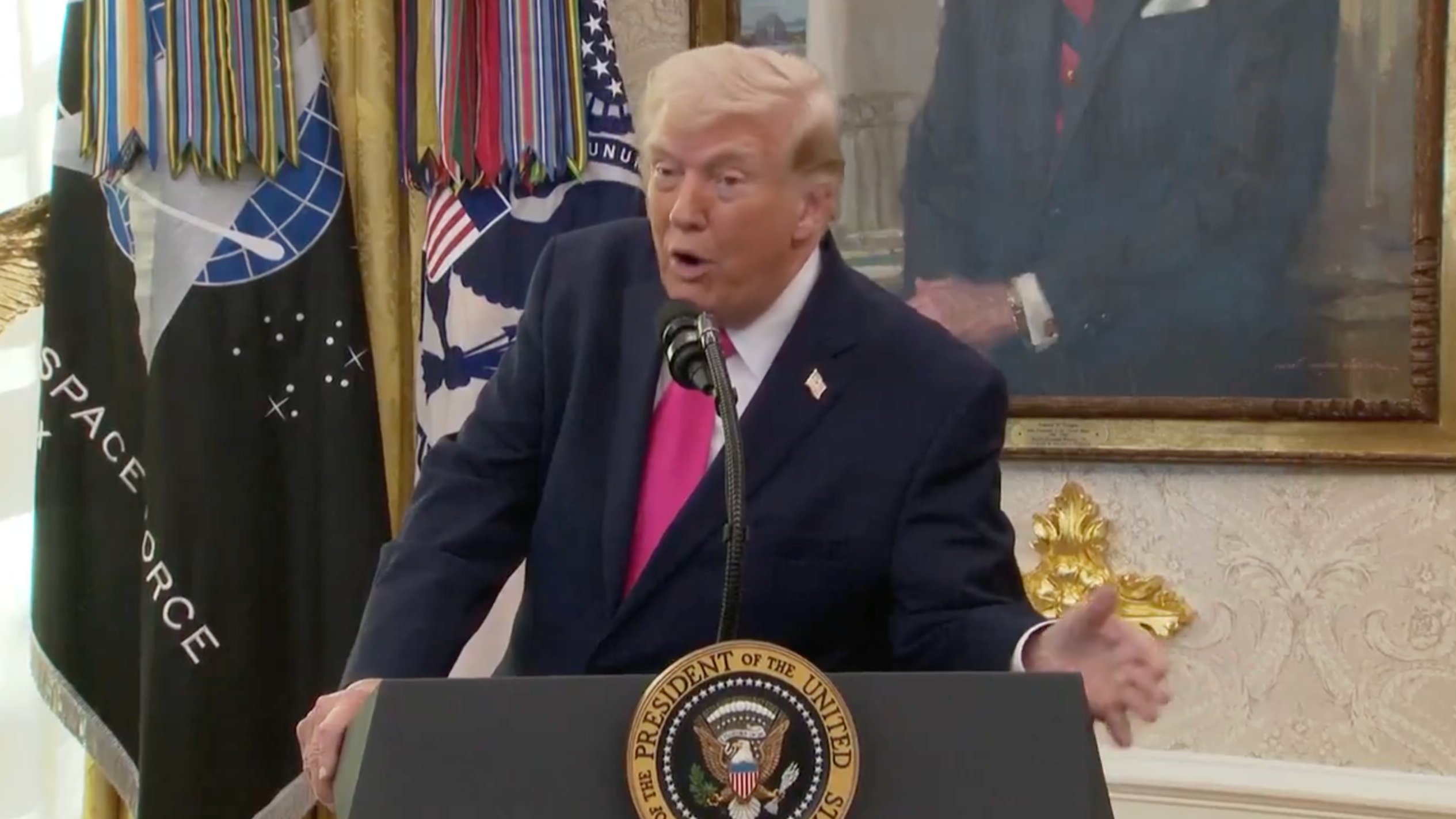
Average house price rises by 1.3% in 12 months to January, easing back from December's annual growth
10:00 , Tara CobhamThe average house price increased by 1.3 per cent in the 12 months to January, easing back from annual growth of 1.9 per cent in December, according to Office for National Statistics (ONS) figures.
Across the UK, the average house price in January was £268,000.
Average house prices increased to £290,000 (1.1 per cent annual growth) in England, £210,000 (2.0%) in Wales, and £188,000 (1.3 per cent) in Scotland, in the 12 months to January 2026.
The average house price for Northern Ireland was £196,000 in the fourth quarter of 2025, showing an annual increase of 7.5 per cent.
Streeting defends government's approach to expected rise in energy bills
09:45 , Tara CobhamWes Streeting sought to defend the government’s approach to an expected rise in energy bills amid the Iran war, which he warned would make improvement in the economy “much harder”.
Asked whether “targeted support” meant that the middle-class would have to feel the pain without any help, the Health Secretary told BBC Radio 4’s Today programme: “Or put a different way, I will be feeling, as a higher earner in this country, a difference in my living costs.
“Will they be pinching me in the pockets in the same way that they might impact on my mum, who is a cleaner on the minimum wage? No.”
Asked whether he thought that was fair, he said: “Look, we know that the public finances are in a precarious situation. That’s what we inherited.
“We know that the economy has had to go through a huge amount of strain over the last decade, partly as a result of things like the pandemic, partly as a result of reckless political choices like Liz Truss’s mini-budget, and the challenge the Chancellor has is, she’s got to try and drive improvement in the economy, confronting the world as it is, not as we would wish it to be.
“And I can’t tell you how much my heart sank when the Chancellor was delivering the spring statement only weeks ago, where she was able to talk confidently about falling interest rates, falling inflation, wages finally rising faster than the cost-of-living as a result of the choices she is making, knowing full well, as she did, we all did, that what was going on in Iran would make those numbers and that improvement much harder, but she’s confronting that challenge head-on.”
Reeves faces criticism over government's approach to soaring energy bills
09:34 , Tara CobhamMillions of households will get no help to pay soaring energy bills, Rachel Reeves has indicated while warning the Iran war will create “significant” challenges for the UK economy.
The chancellor rebuked the previous Conservative government for providing “blanket” support in the wake of Russia’s attack on Ukraine, which she said had cost the country tens of billions of pounds.
Instead, Ms Reeves made clear Labour ministers will offer targeted rather than universal support “to those who need it most”.
But the chancellor’s approach has drawn criticism as the crisis in the Middle East has pushed up oil and gas prices, hitting motorists as they fill up at the pumps, while the average annual household energy bill is predicted to rise by £332 in July.
The announcement was dismissed as “unbelievably weak” by Green Party leader Zack Polanski, who accused Ms Reeves of failing to “understand the scale of the cost of living crisis about to hit this country".
Meanwhile, Tory leader Kemi Badenoch said scrapping taxes on energy bills would be “much better” than offering targeted support to protect against an expected hike in costs.
Date of King’s Speech ‘locked in’ for days after local elections
09:30 , Tara CobhamThe date of the King’s Speech is said to have been set for 13 May, just days after local elections are held across Britain on 7 May.
According to Politico, this means parliament will be prorogued, or formally discontinued, in the week of 27 April.
The timetable could potentially pile further pressure on the government to publish the remaining Mandelson files by such a deadline, or risk facing backlash for delaying publication until after the May elections.
Global recession will be sparked if price of oil reaches $150 a barrel, BlackRock chief warns
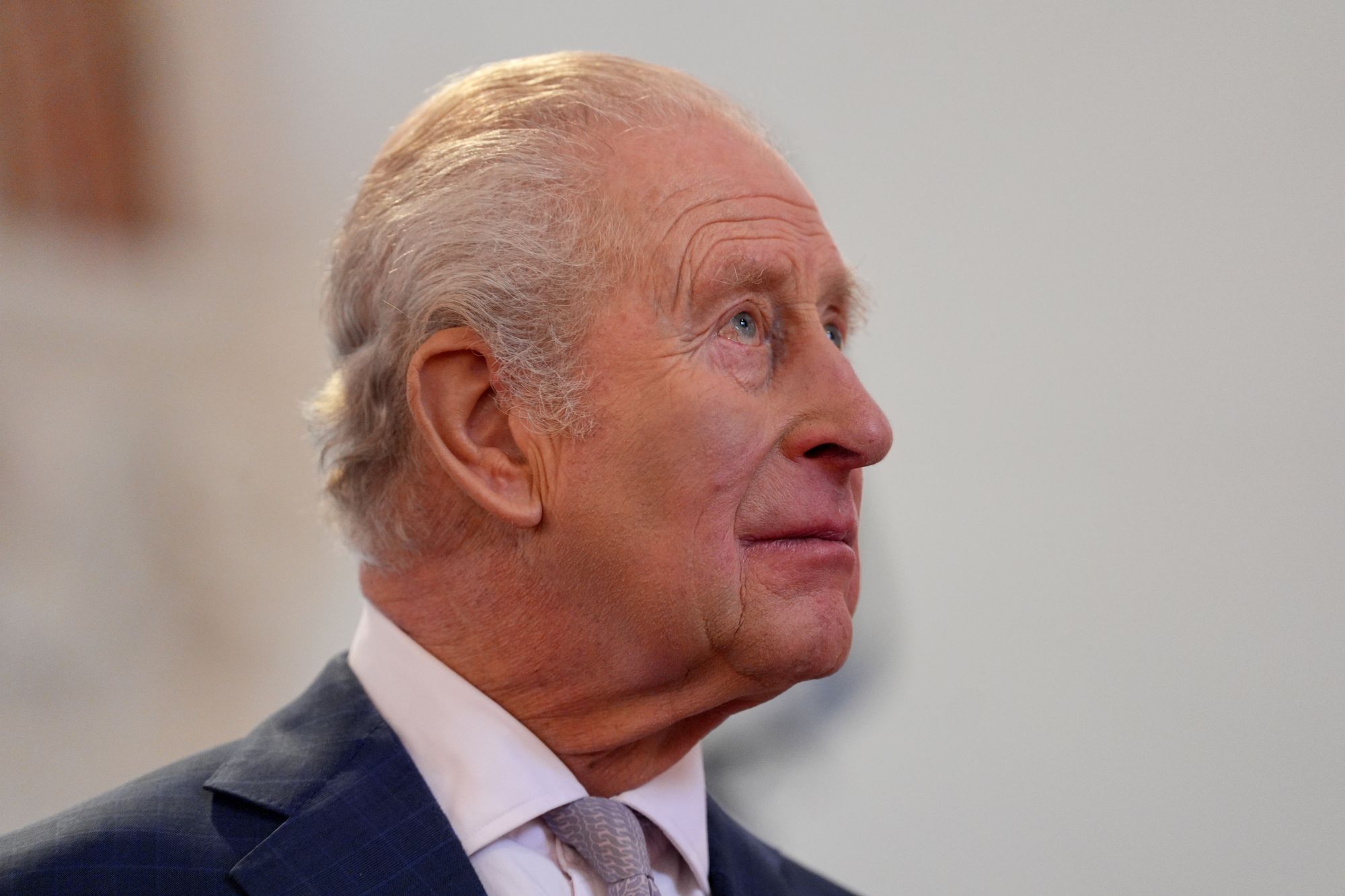
09:13 , Tara CobhamThere will be a global recession if the price of oil reaches $150 a barrel, the chief of financial giant BlackRock has warned.
Larry Fink, who runs the world's largest asset manager, told the BBC that the world economy faces “profound implications” if Iran “remains a threat” and oil prices remain high.
The Middle East conflict has sparked turmoil in the financial markets, and Mr Fink has a unique insight into the global economy, with BlackRock controlling $14 trillion (£10.5tn) worth of assets and being one of the largest investors in the world’s biggest firms.
He thinks it is too soon to judge but likely that one of two extreme scenarios will happen.
In the first instance, he told the broadcaster that the war could settle, Iran could be accepted again by the international community, and oil prices could drop to where they were before the conflict broke out.
In the second, he warned there could be “years of above $100, closer to $150 oil, which has profound implications in the economy”, leading to “a probably stark and steep recession”.
UK firms 'particularly exposed to economic impact of Middle East conflict, British Chambers of Commerce says
09:00 , Tara CobhamThe British Chambers of Commerce has warned that UK firms are “particularly exposed” to the economic impact of the crisis in the Middle East.
Stuart Morrison, research manager at the body, said: “For businesses across the UK, today’s inflation data represents the calm before the storm.
“CPI of 3 per cent in February shows an economy yet to be impacted by the shock of the Middle East conflict, with fuel prices falling. But our forecast published after the unrest began, shows that the war will delay the previously expected slowdown in inflation.
“UK firms are particularly exposed to the economic impact of the crisis in the Middle East as our electricity prices are tightly tethered to global gas prices. This will feed directly into higher costs and renewed inflationary pressure in the months to come.
“The cost of living and the cost of doing business are two sides of the same coin. The government must continue to keep all options on the table to help firms deal with rising energy bills. At the same time, tackling other cost pressures, from business rates to national insurance, must remain a key priority.”
Government shouldn’t go into ‘defensive crouch’ over Rayner comments, Streeting says
08:45 , Tara CobhamPolitical reporter Athena Stavrou reports:
Wes Streeting has insisted the government shouldn’t go into a “defensive crouch” following a string of critical comments made by Angela Rayner.
The former deputy prime minister, who has widely been seen as a potential successor to Sir Keir Starmer, has publicly warned the party is “running out of time” to win back voters.
Asked about her comments on Monday, the health secretary said: “We came in with an enormous challenge, and a country that is in desperate need of some hope and optimism, and so I don’t think Angela Rayner is saying anything that people around the Cabinet table, including the prime minister, aren’t feeling.”
Pushed on whether the comments were a leadership pitch, he said: “I’ve been victim of this myself. We can’t have a culture in politics – certainly the prime minister does not support a culture where people can’t float ideas, can’t influence the battle of ideas and take part in it. That’s what we want.”
He added: “So I don’t think people should go into a defensive crouch when members of our team are saying challenging things.”
February inflation data explained – as economists warn of acceleration in coming months
08:30 , Tara CobhamThe February inflation data showed that clothing and footwear prices contributed to inflation, with prices up 0.9 per cent for the month – its highest level since March 2025 – after previously staying flat in January.
However, this upward impact on inflation was cooling inflation in other areas.
Inflation across the services sector eased slightly to 4.3 per cent for the month, dipping to its lowest level for almost four years.
Slower alcohol and tobacco price rises were also a drag on inflation, easing to 3.6 per cent for the month – the lowest since February 2022.
The slowdown was driven by falling inflation for the prices of beers, wines and spirits over the month.
Elsewhere, motor fuel inflation also eased back, with the average price of petrol falling by 1.6p per litre between January and February.
However, petrol and diesel prices have risen significantly since the latest data after the price of crude oil jumped due to the conflict in the Middle East.
Economists said on Wednesday that inflation is now set to accelerate over the coming months as the impact of the conflict feeds into the price of goods.
Reeves warns Middle East conflict may cause 'significant' economic challenges in UK
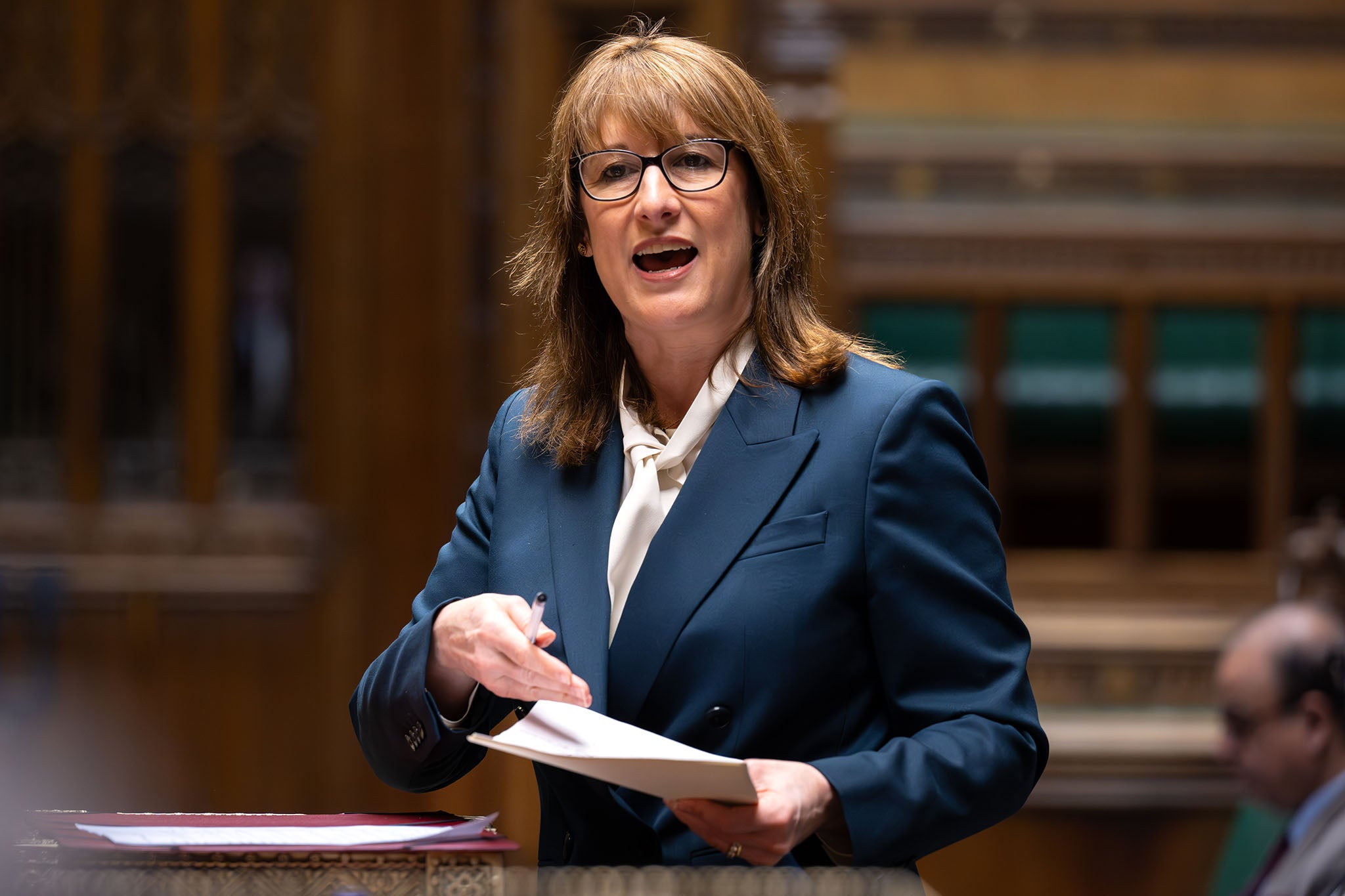
08:24 , Tara CobhamChancellor Rachel Reeves has said the economic challenges from the Iran war may be “significant” and contingency planning is under way for energy bill support “for those who need it most”.
The crisis in the Middle East has pushed up oil and gas prices, hitting motorists as they fill up at the pumps and potentially pushing up domestic energy bills later this year.
Ms Reeves said work is under way on targeted help for households when the current energy price cap expires at the end of June and global prices could push up domestic bills.
She told MPs on Tuesday: “Contingency planning is taking place for every eventuality so that we can keep costs down for everyone and provide support for those who need it most, acting within our iron-clad fiscal rules to keep inflation and interest rates as low as possible.
“This is not a war that we started, nor is it a war that we joined… but it is a war that will have an impact on our country.
“The challenges may be significant but I promise to do what is right and fair, being responsive in a changing world and responsible in the national interest.”
Outlook for inflation has ‘radically changed’ with Bank of England ‘clearly worried’
08:15 , Tara CobhamAn economist has warned the outlook for inflation has “radically changed” since the Middle East conflict broke out and the Bank of England is “clearly worried” about what this now means for the index.
Luke Bartholomew, deputy chief economist at Aberdeen, said: “Today’s inflation report is little more than a relic of the world before the Iran conflict. While the February report was broadly in line with expectations, and confirms that inflation was on a path back to 2 per cent, the outlook for inflation has radically changed.
“Yesterday’s PMIs offered the first sign of how much the energy price shock is changing the inflation outlook, and this will start to show up in next month’s data, before building later this year when the energy price cap moves higher.
“Clearly, the Bank of England is worried about inflation. And while the underlying weakness of the economy means rate cuts would be painful, policymakers may decide they do not have the luxury of ‘looking through’ higher inflation, especially if the conflict does last longer than the market currently seems to be hoping.”
Looking beyond inflation – morning update on oil and markets
07:55 , Tara CobhamBusiness and money editor Karl Matchett reports:
In looking beyond inflation figures to the numbers that might affect it in future, oil is the big one right now of course.
This morning, Brent crude is at $95.60 – a drop of around 4 per cent compared to yesterday. It is still very high, but sticking below that $100 marker might be psychologically important as much as an indication that gently trending downwards suggests an end to the Iran war might be in sight, in the eyes of some.
Elsewhere, the closely-watched 2-year UK bond yield has dropped back a little from its spike on Monday – that is what led to the headlines you will have seen around 'three or four interest rate hikes this year'. It is certainly not all the way back to where it was, and has actually inched back higher than yesterday – but regardless, few economists actually foresee the Bank of England raising rates at this moment. It does mean government borrowing costs are higher though, a concern to Rachel Reeves and co.
Shortly, stock markets around Europe will open and we will see what the day brings – overnight in Asia most indices were higher, including Japan, South Korea and India.
Food and Drink Federation raises concerns latest inflation figures are 'calm before the storm'
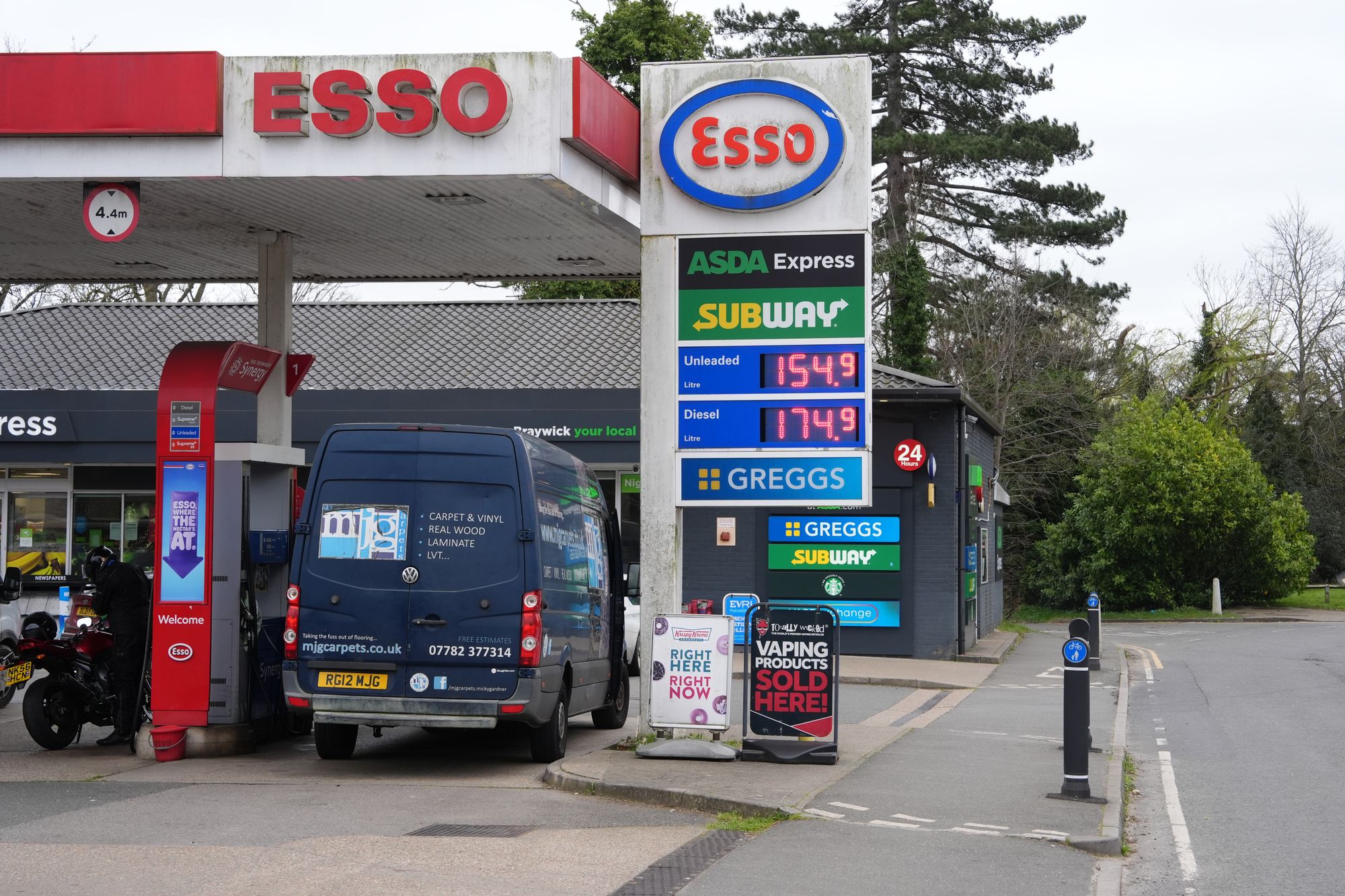
07:51 , Tara CobhamThe Food and Drink Federation (FDF) has warned the latest inflation figures could represent the “calm before the storm”.
Karen Betts, chief executive of the FDF, said: “While food inflation fell slightly in February 2026, I am concerned that this is the calm before the storm. The longer the conflict in the Middle East goes on, the bigger its impact will be on food prices. With food and drink price inflation already running above historical averages, heightened energy, maritime fuel and fertiliser costs will put further pressure on prices.
“Food and drink is an essential, bought by every household, every week. While it can take several months for cost rises to filter fully through to shop shelves, the cost of the Iran conflict will be felt by shoppers this year. If government is serious about tackling the rising cost of living, it must provide our industry with at least the same support as other manufacturing sectors. The current energy shock is yet another structural shock our industry will have to absorb, on top of the Ukraine war, the costs of realigning food law with the EU once again, and new regulatory burdens."
Analysis: The concern is this inflation data is already somewhat out of date
07:36 , Tara CobhamBusiness and money editor Karl Matchett reports:
Consumer Prices Index (CPI) inflation was already at 3 per cent for the 12 months to January, which marked the lowest level of inflation in the UK since March 2025.
However, despite the overall level remaining the same for the year to February, there were some differences in individual areas of goods and services. The 12-month cost of clothing and footwear rose to its highest point since March of last year, while food and non-alcoholic beverages slowed compared to January. Ironically, so too did transport costs – that is set for a sharp reversal though, when the next set of data comes through.
That is the overall concern here – that this data is already somewhat out of date. We already know that fuel has increased, we've been told how bad it could get with energy prices and there is a whole raft of additional areas that still face unknown price hikes depending on how long the situation goes on. That goes for everything from the very much day-to-day, such as grocery bills, to items that on first glance seem to have very little connection, like buying new mobile phones or your chances of getting a raise at work. That is how impactful, ultimately, something like this can be through the chain of oil supply, energy bills, inflation, interest rates, wage growth and the wider economy.
Full story: Inflation stays at 3% but Iran war set to send prices spiralling
07:26 , Tara CobhamBusiness and money editor Karl Matchett reports:
Inflation stays at 3% but Iran war set to send prices spiralling
Starmer to face MPs as planning to reopen Strait of Hormuz continues
07:25 , Tara CobhamThe prime minister will face MPs on Wednesday as the UK works to develop a plan to reopen the vital Strait of Hormuz.
Sir Keir Starmer will undergo his weekly grilling at Prime Minister’s Questions a day after Rachel Reeves warned the economic impact of the Iran war could be “significant”.
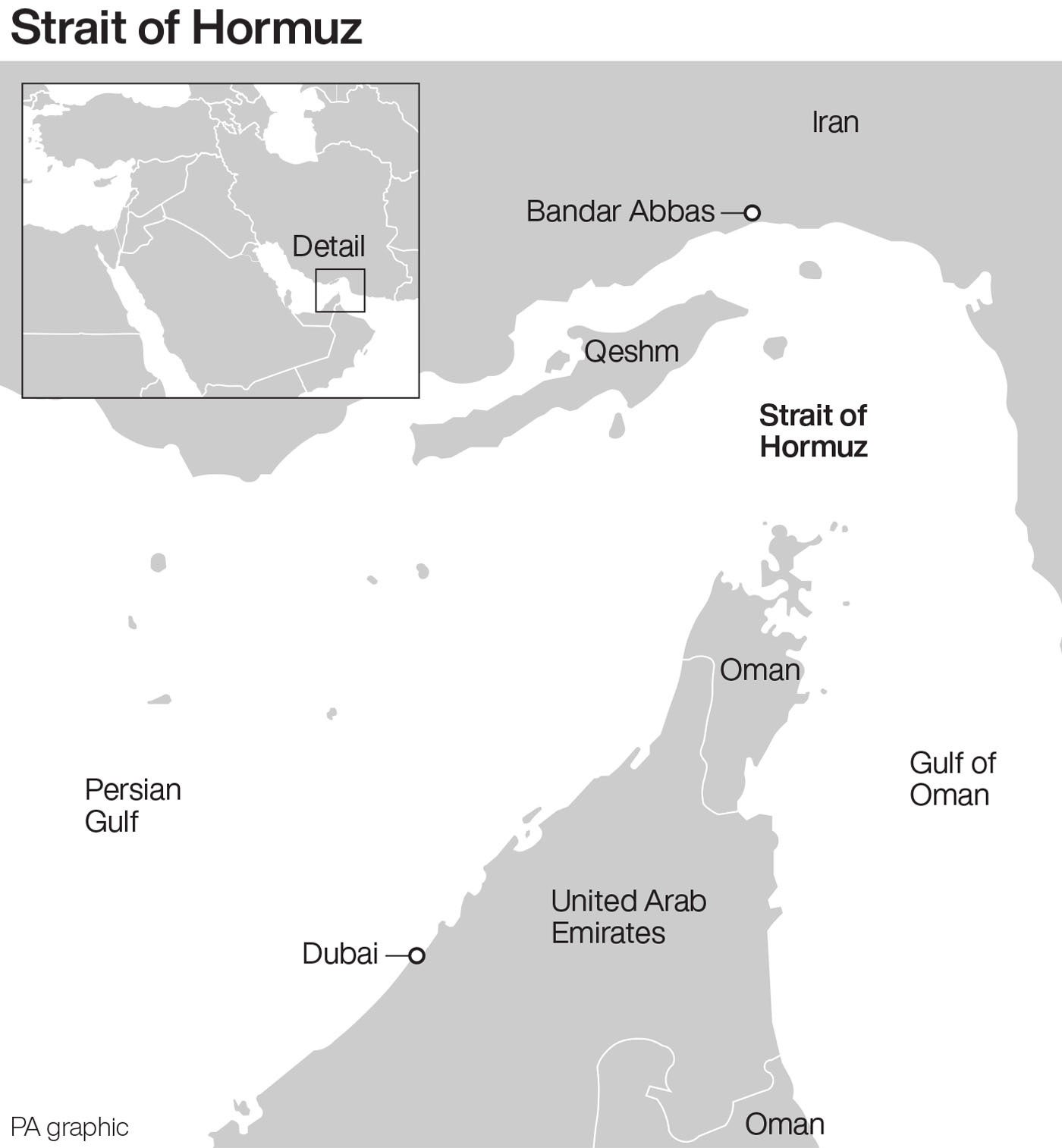
Central to that impact is Tehran’s effective blockade of the Strait of Hormuz, a vital shipping route for oil and gas.
The blockade has seen oil prices soar above 100 US dollars a barrel and prompted Shell boss Wael Sawan to warn at an industry conference on Tuesday that Europe could face oil shortages by next month if it remains closed.
Donald Trump has repeatedly demanded other nations take a role in opening the strait, and the UK is currently leading efforts to formulate a plan to achieve that objective.
In a call with Saudi Arabia’s crown prince Mohammed bin Salman on Tuesday night, Sir Keir said the UK was “now working with partners on what a viable plan could look like to ensure the flow of goods through the key maritime route”.
However, any deployment of naval vessels is understood to be unlikely to take place while Iran continues to threaten ships in the strait with missiles and drones.
For its part, Iran insists the strait remains open to ships not aligned with nations it deems hostile.
ONS chief's statement: 'Annual inflation unchanged in February after last month's slowdown'
07:23 , Tara CobhamONS chief economist Grant Fitzner said: “After last month’s slowdown, annual inflation was unchanged in February as various price movements offset each other.
“The largest upwards driver was the price of clothing, which rose this month but fell a year ago.
“This was offset by falls in petrol costs, with prices collected before the start of the conflict in the Middle East and subsequent rise in crude oil prices.”
Iran war set to send prices spiralling in UK
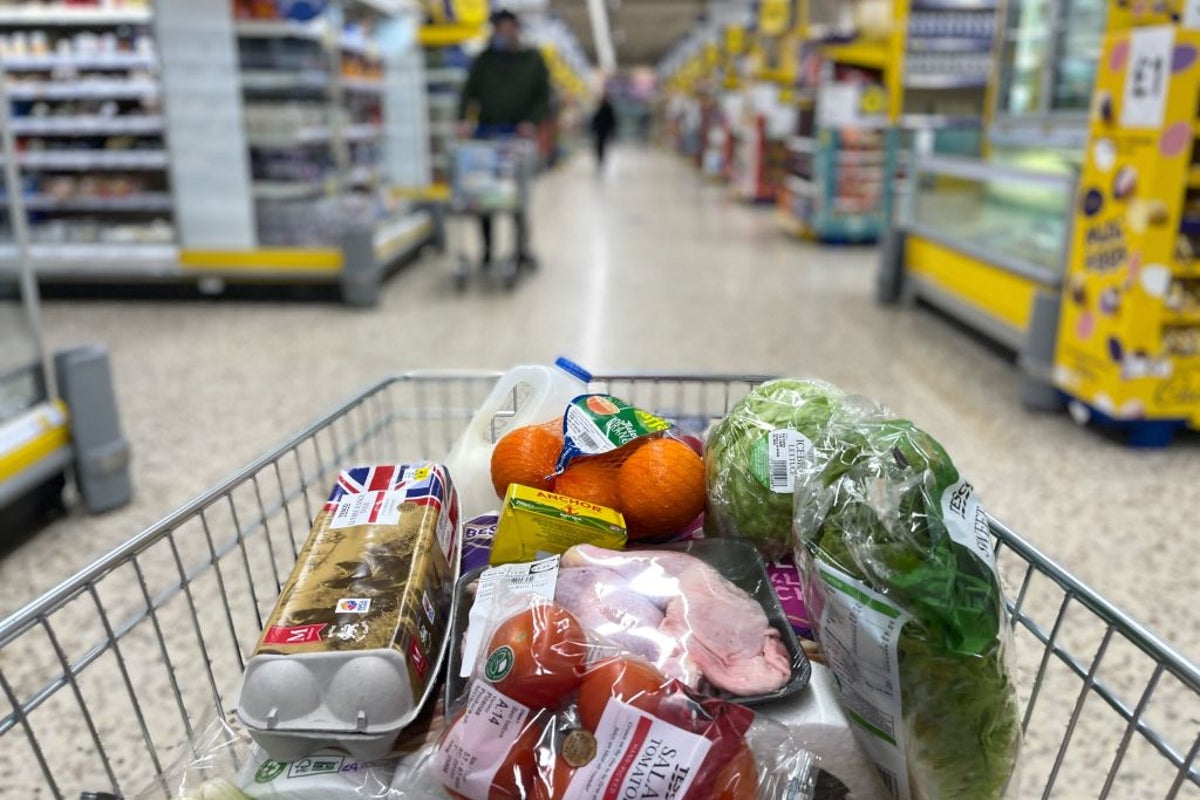
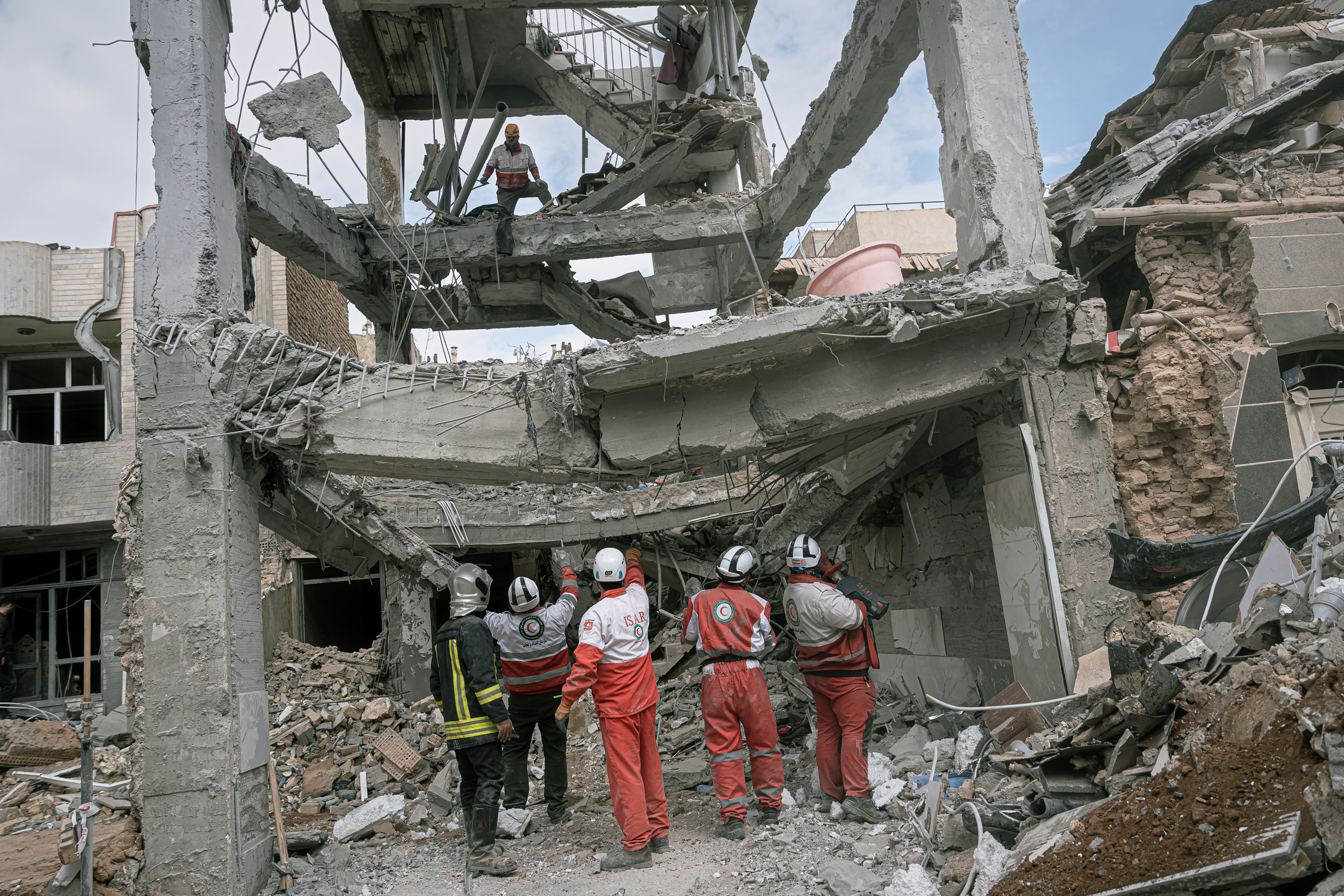
07:16 , Tara CobhamThe steady picture for inflation does not yet reflect the impact of the conflict in the Middle East on the cost of living in the UK, with the first attacks taking place at the very end of February.
Oil and gas prices have jumped in recent weeks due to the conflict and other goods prices could also be affected by disruption to shipping through the Strait of Hormuz.
With the Iran war still upending the flow of oil around the world, the UK is set to see prices head back upwards.
Oil has risen from around $70 before the war starting to just shy of $100 now, though has spiked well above that milestone on more than one occasion over the past few weeks.
That is expected to feed through into not just higher energy bills but also transport and production costs going up, pushing inflation back in the opposite direction. Prior to the war starting, the Bank of England had signalled inflation was on course to reach the government-set target of 2 per cent by spring.
Meanwhile, the Institute of Grocery Distribution (IGD) has warned food inflation could surpass 8 per cent by June of this year, if “disruption to global energy markets persists”.
Chancellor insists 'right economic plan' in place amid 'uncertain world'
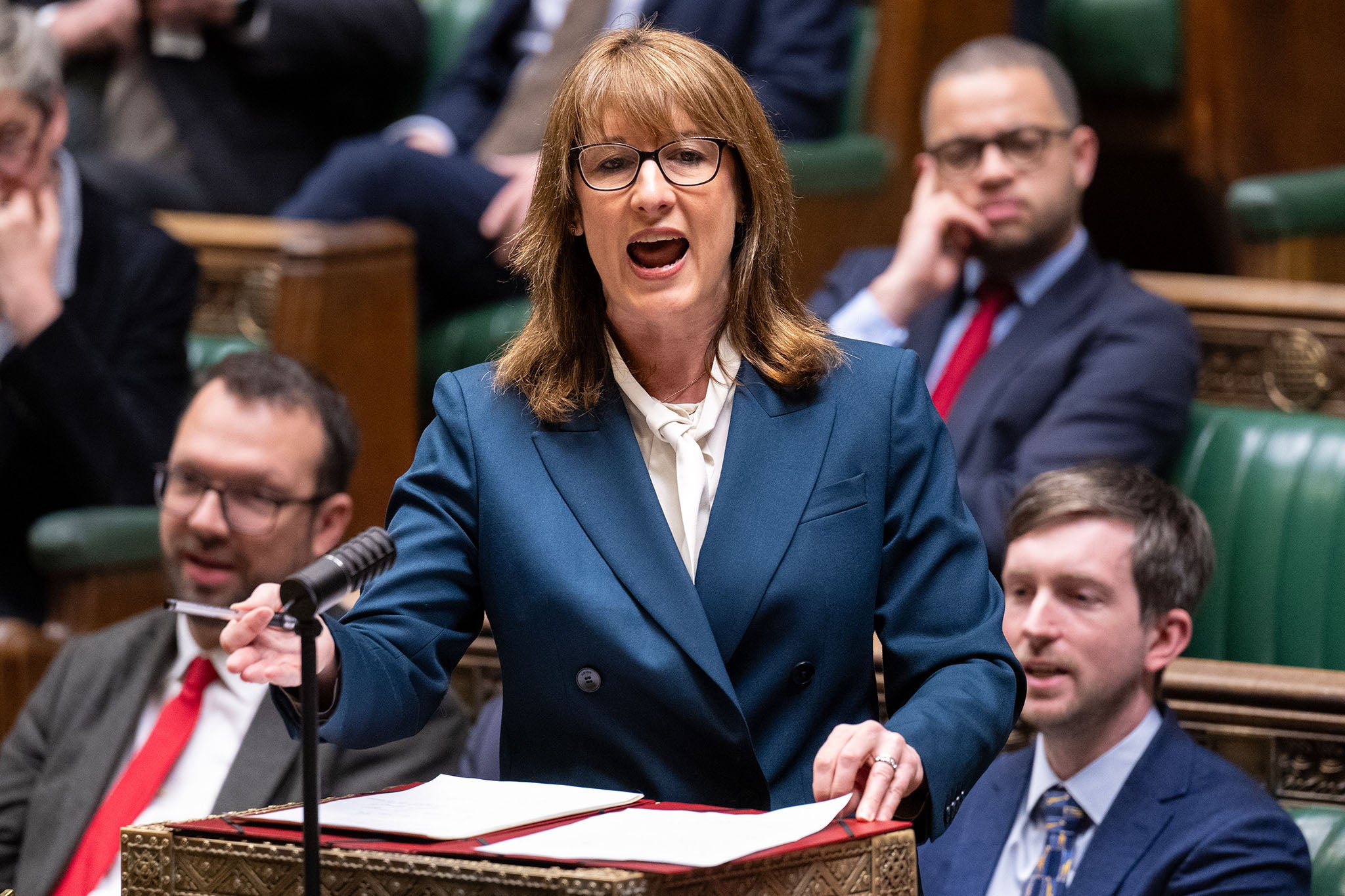
07:14 , Tara CobhamThe chancellor has insisted the “right economic plan” is in place amid an “uncertain world”.
Rachel Reeves said: “In an uncertain world we have the right economic plan, taking a responsive and responsible approach to supporting working people in the national interest.
“We’re taking £150 off energy bills and providing targeted support for those facing higher heating oil costs.
“We’re also acting to protect people from unfair price rises if they occur, bring down food prices at the till, and cut red tape to boost long-term energy security – building a stronger, more secure economy.”
UK inflation remains steady at 3% prior to impact of Iran conflict
07:12 , Tara CobhamUK inflation flatlined at 3 per cent last month prior to the impact of the Iran war, according to official figures.
The rate of Consumer Prices Index (CPI) inflation was unchanged from the level reported in January, the Office for National Statistics (ONS) said.
It was in line with predictions from economists.
However, the steady picture for inflation does not yet reflect the impact of the conflict in the Middle East on the cost of living, with the first attacks taking place at the very end of February.