Get Premium
Dark mode theme is available exclusively for premium users. Learn more about the benefits of subscribing.
No fees, cancel anytime.

 Dark Mode Ad-Free Browsing Unlimited Content
 Ad-Free Browsing Unlimited Content Dark Mode
Join 1.2 million Panda readers who get the best art, memes, and fun stories every week!
Society in the United States has its own unique characteristics that emerge in arts, cuisine, industry, and other areas. However, like many cultures, it keeps evolving with each generation. With time, we can become so immersed in current trends that we forget how different things once were.
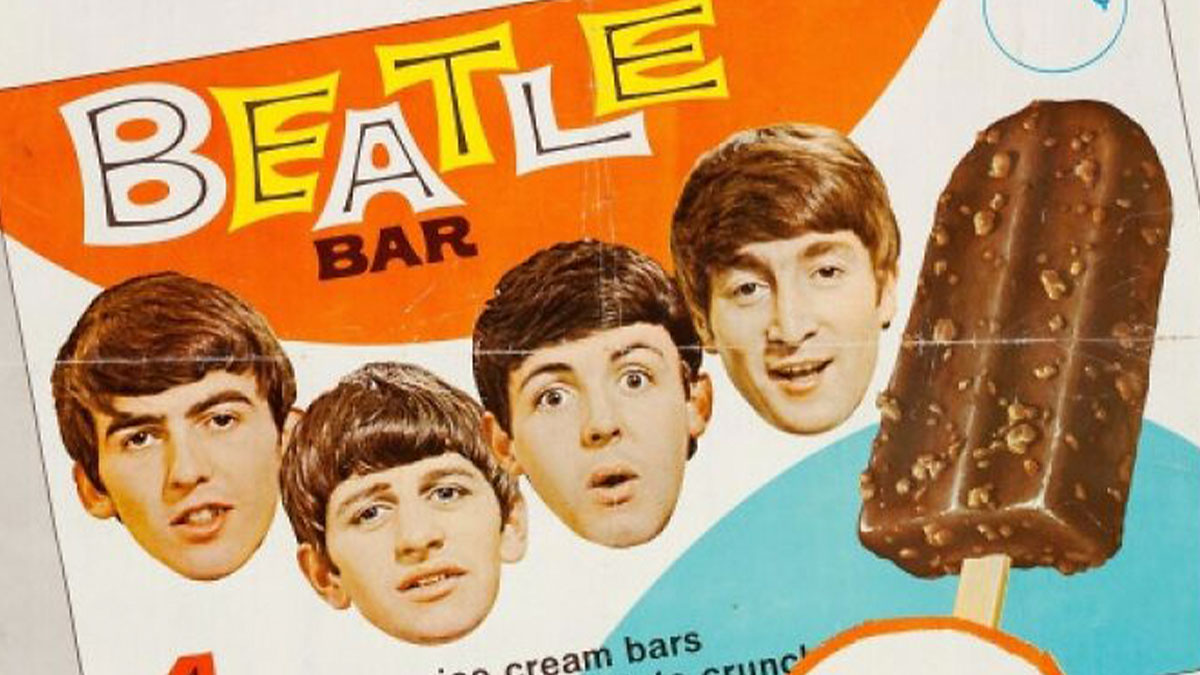
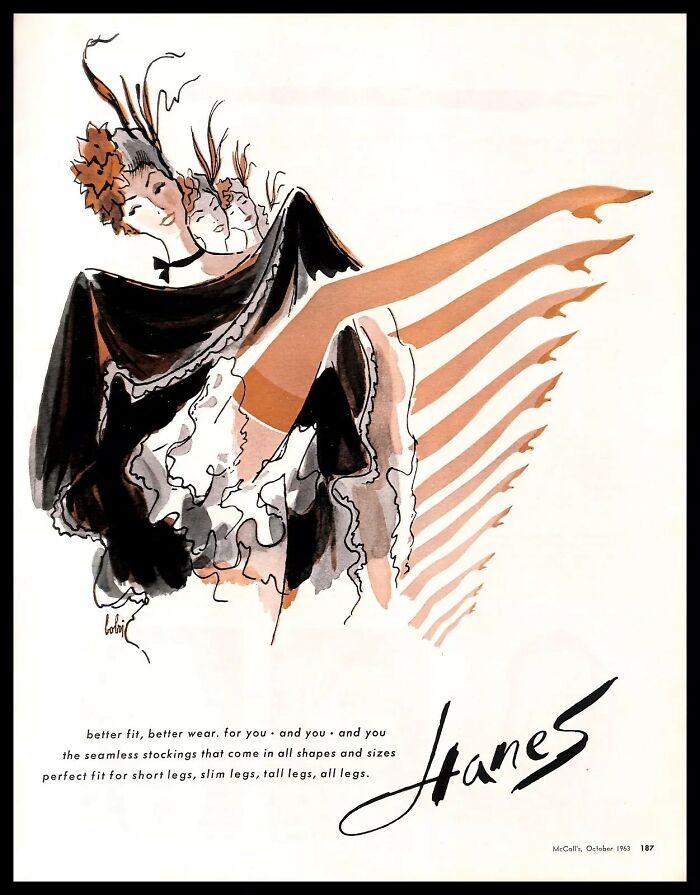
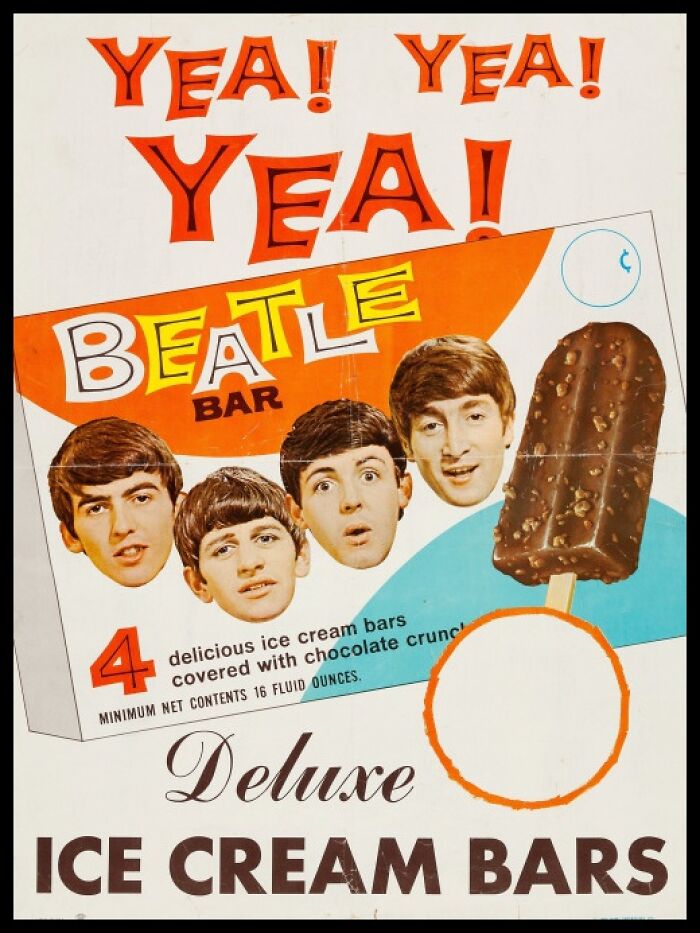
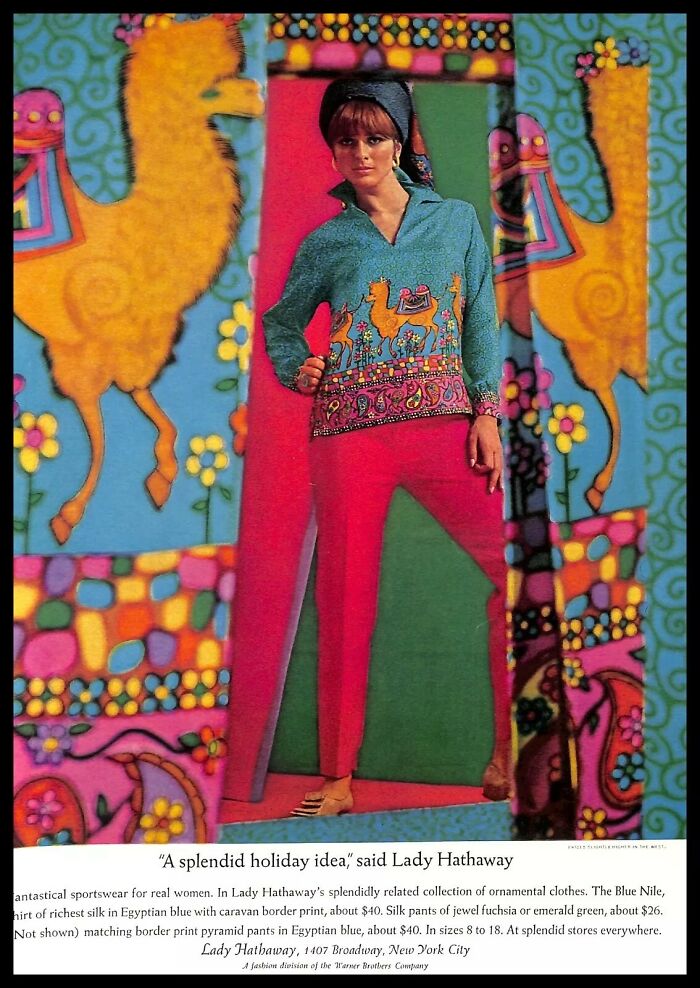
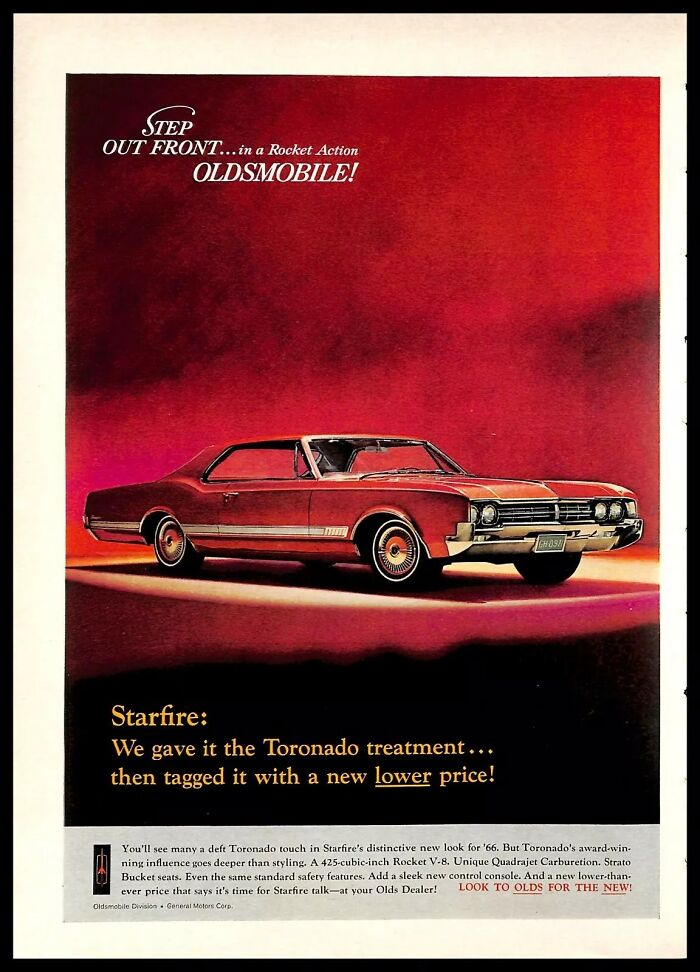
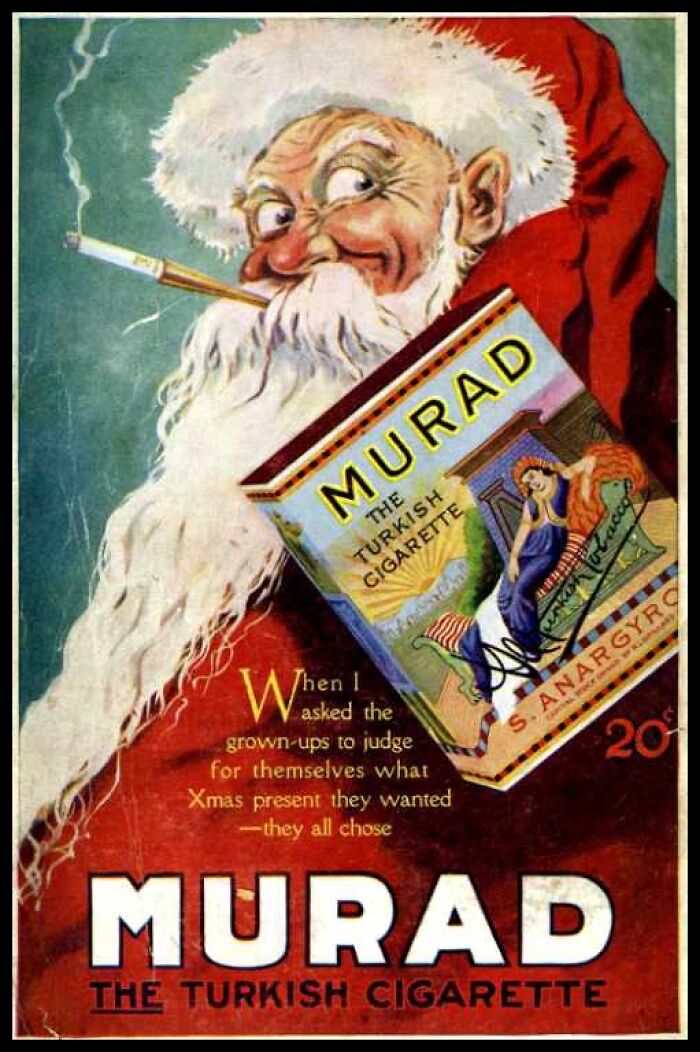
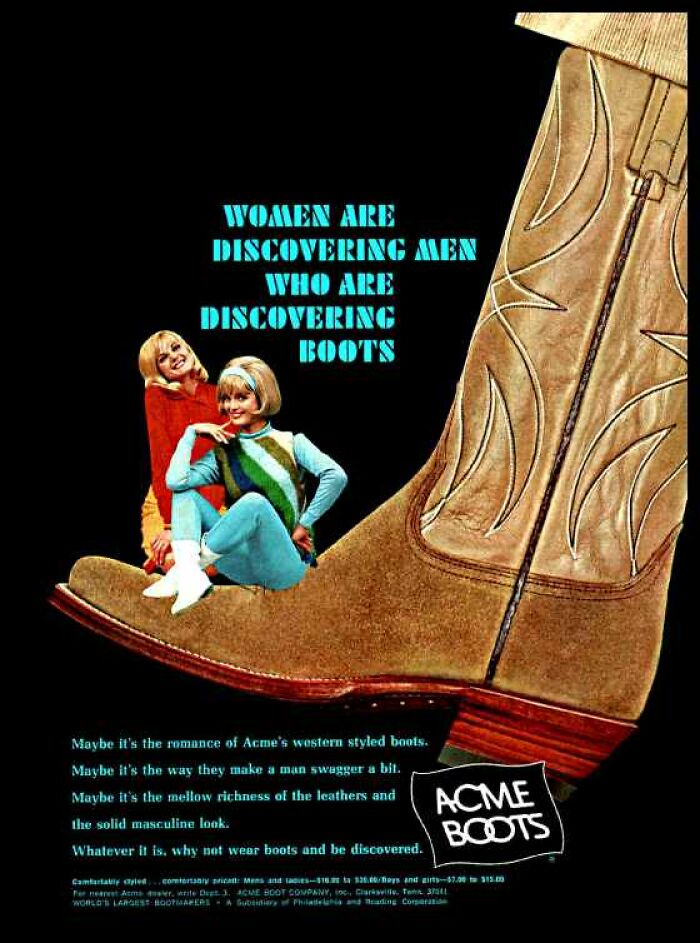
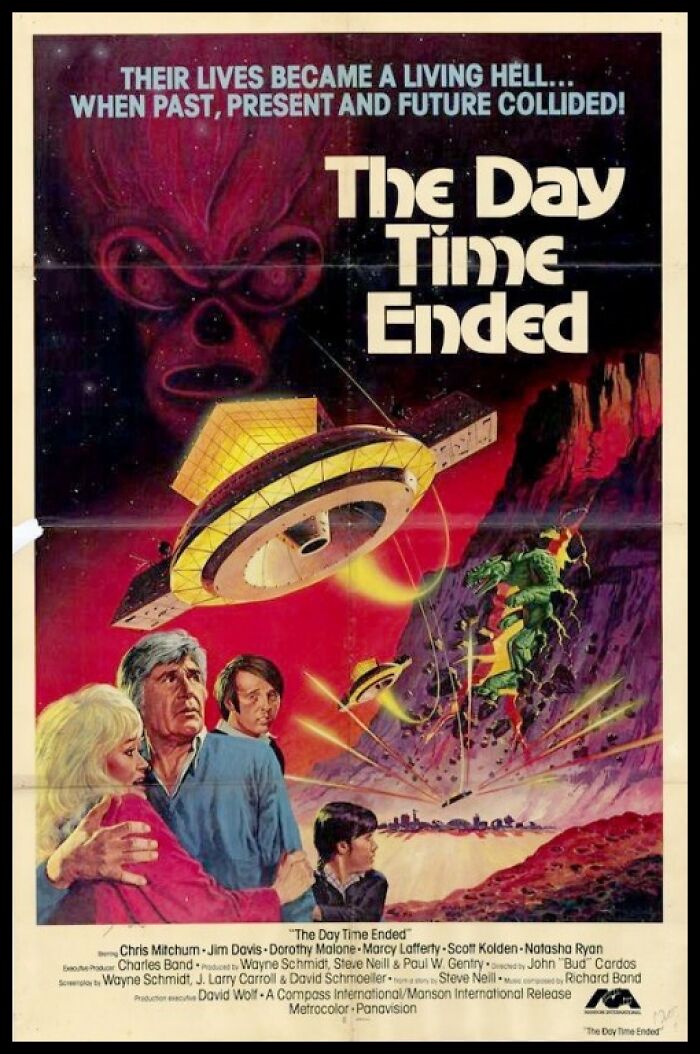
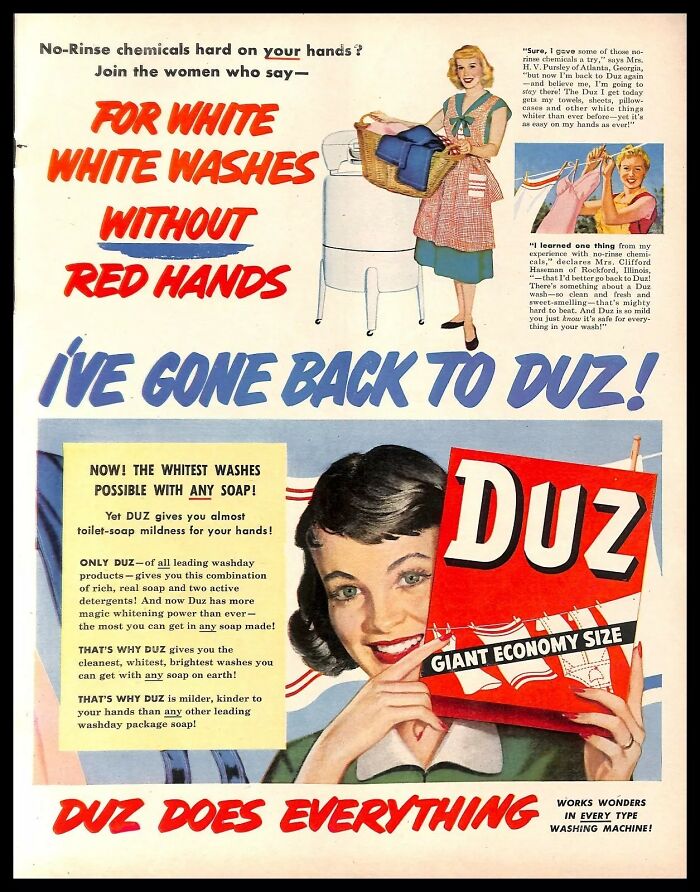
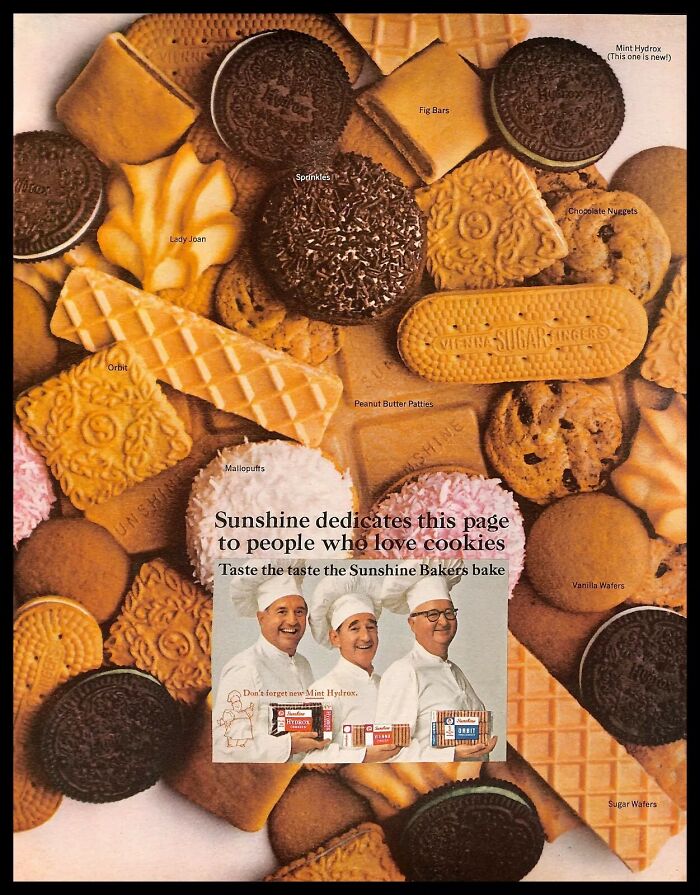
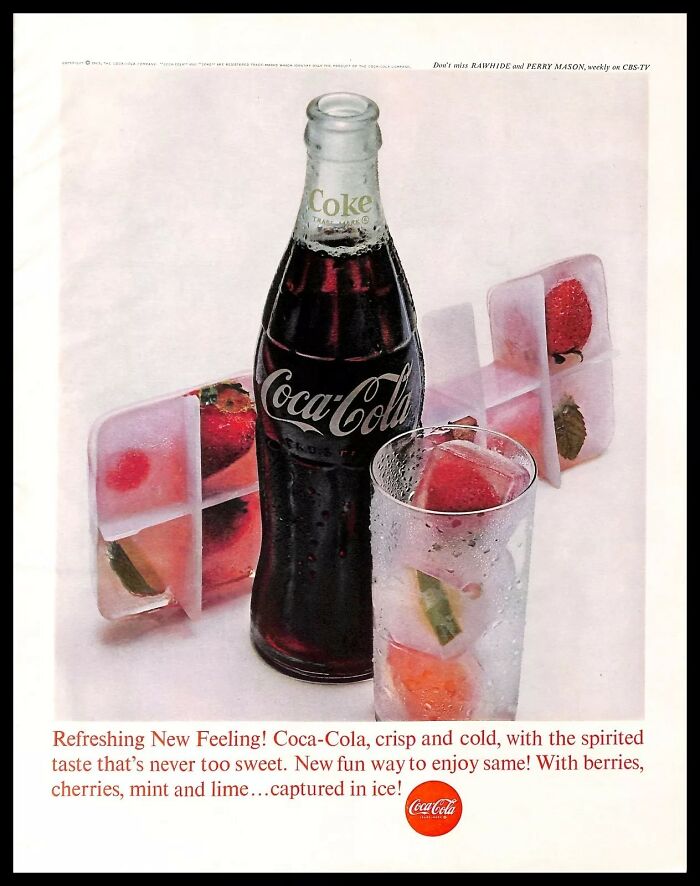
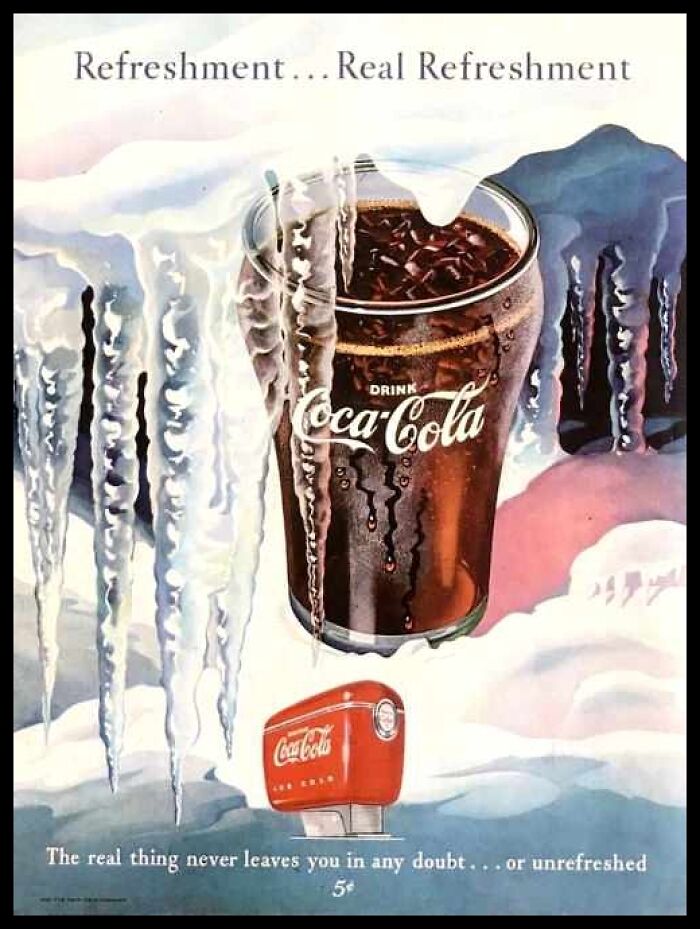
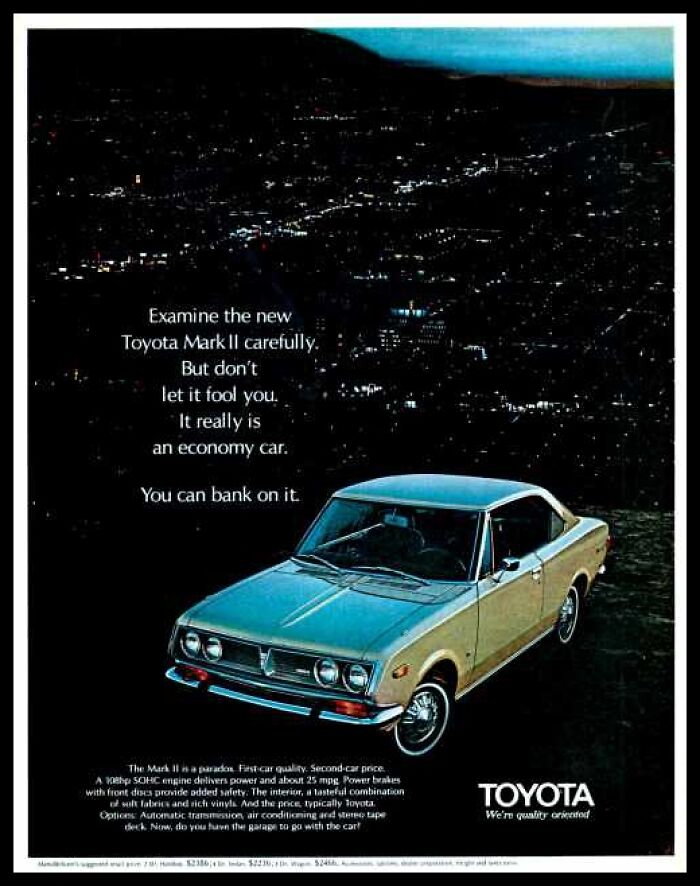
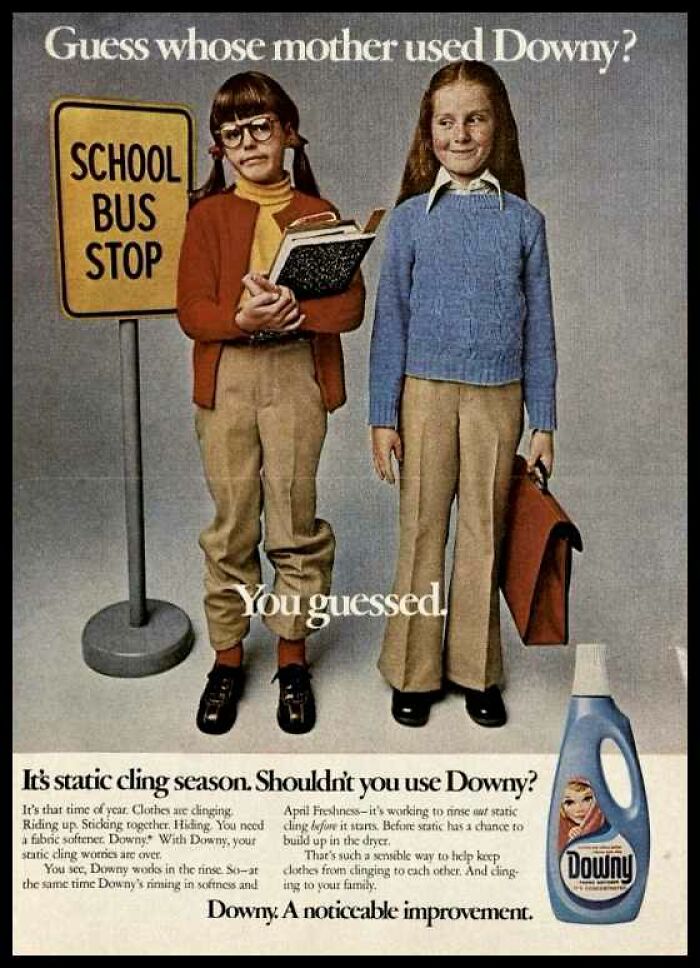
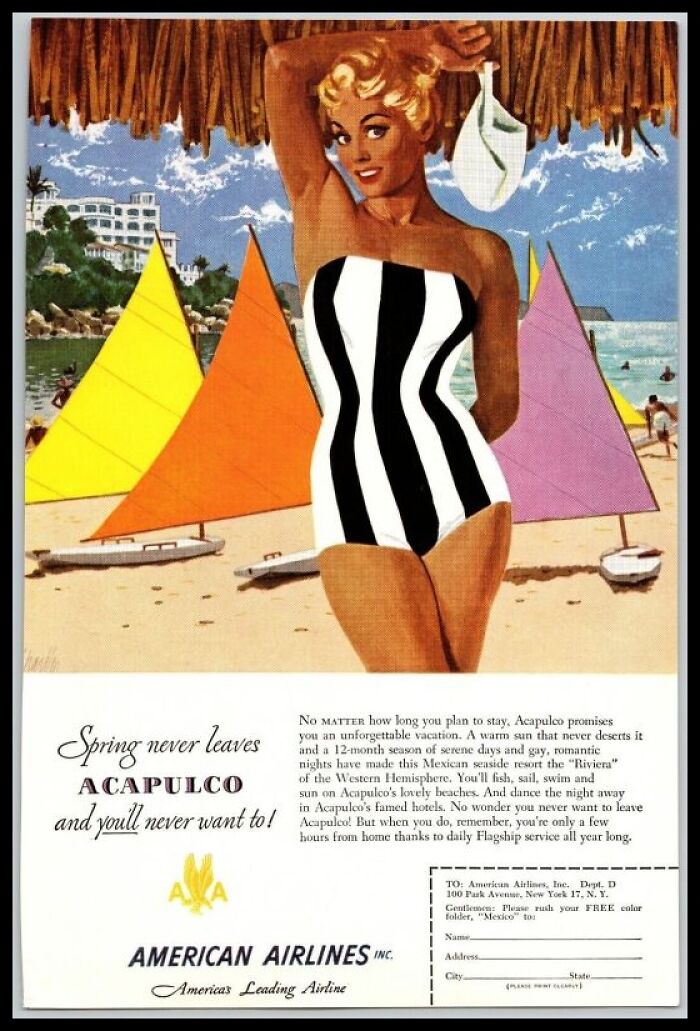
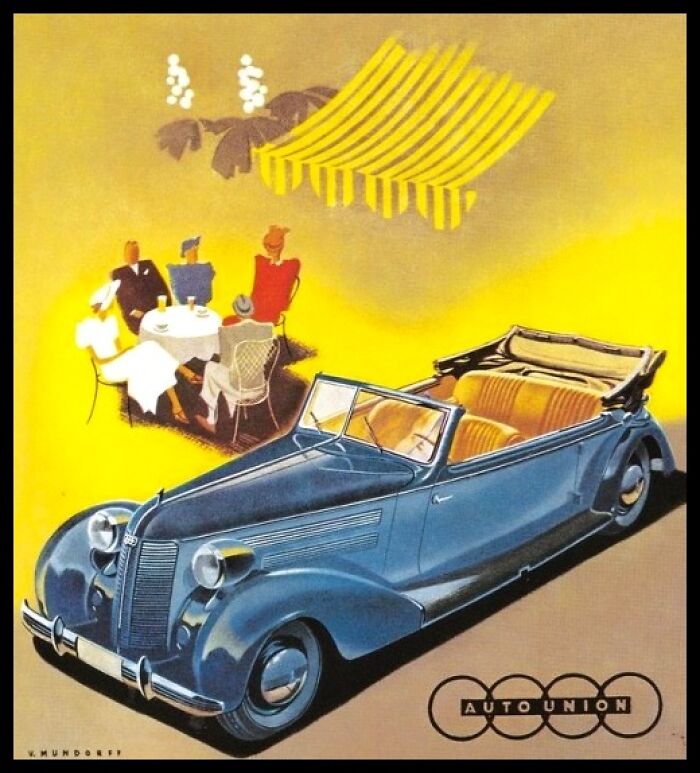
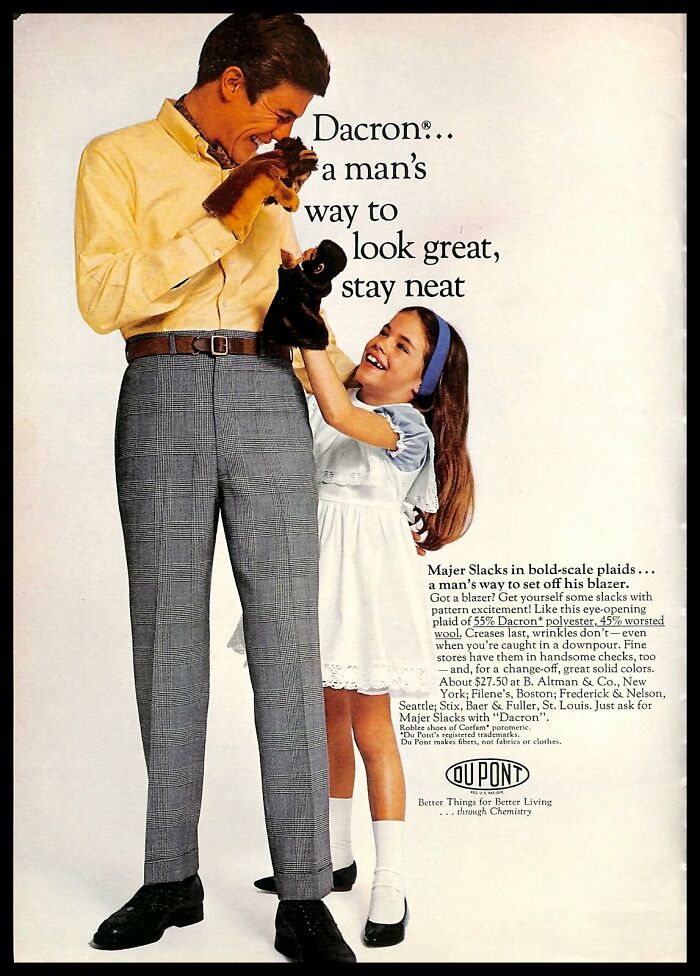
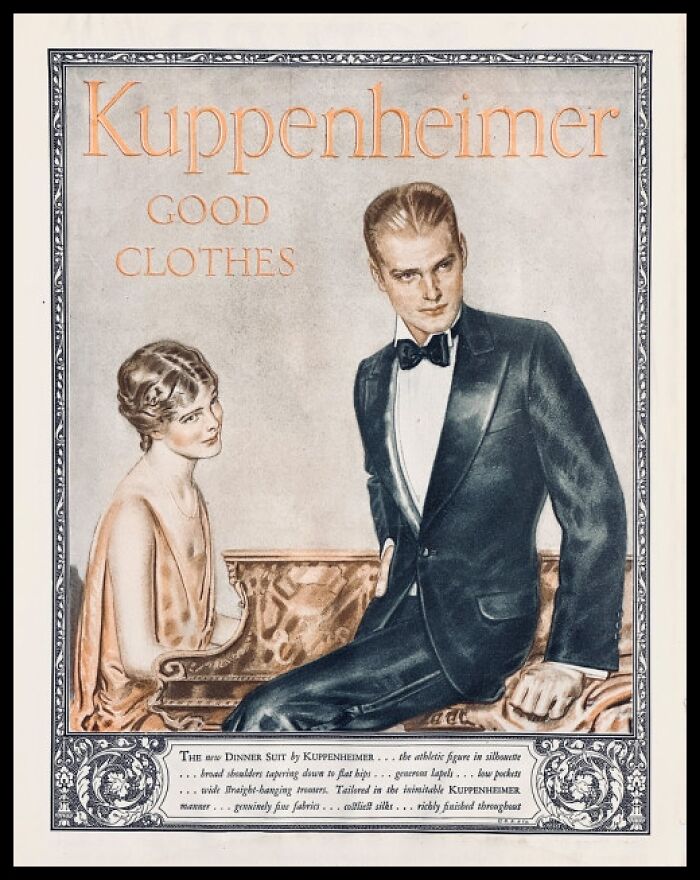
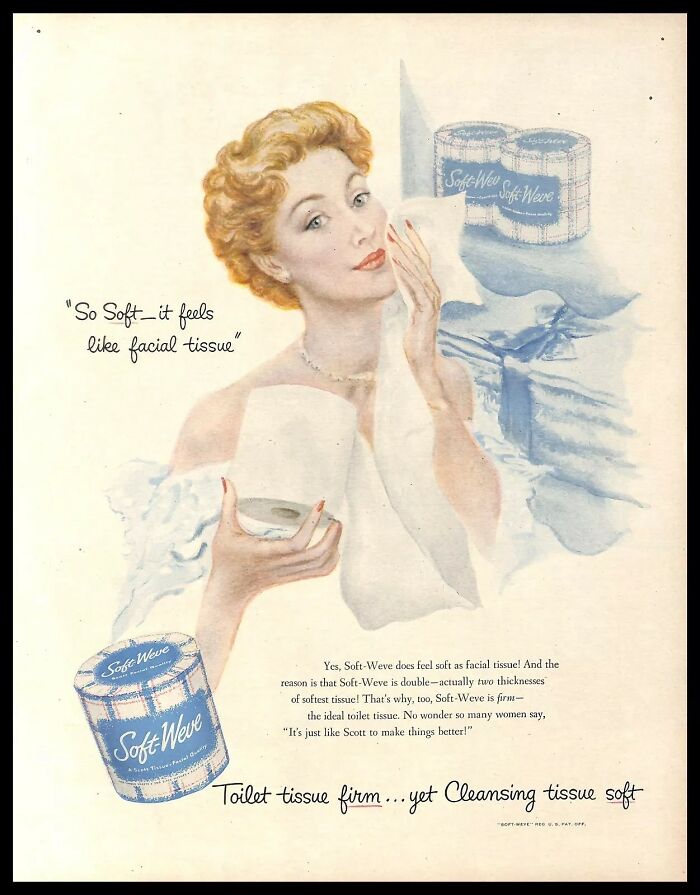
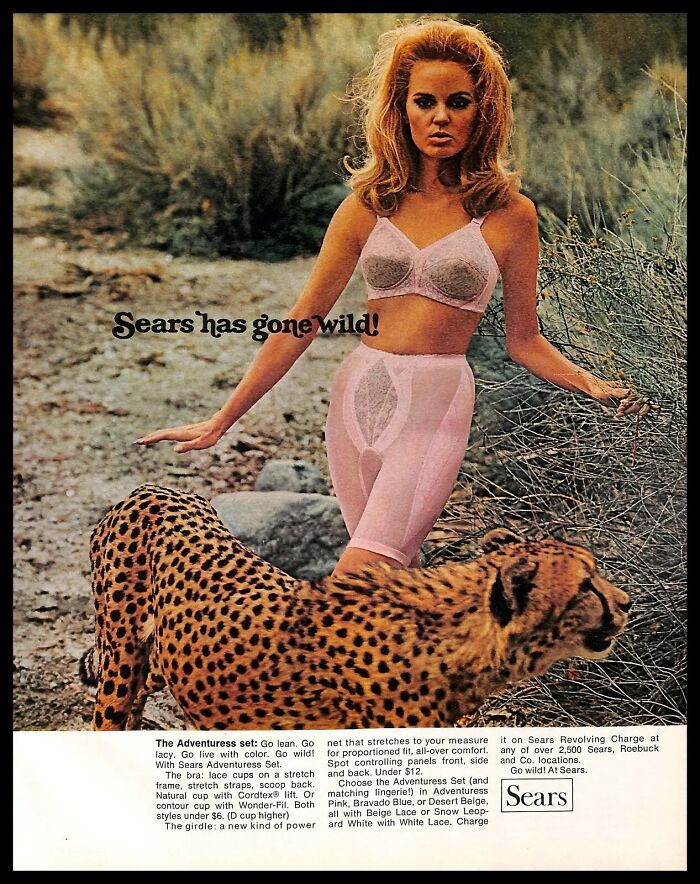
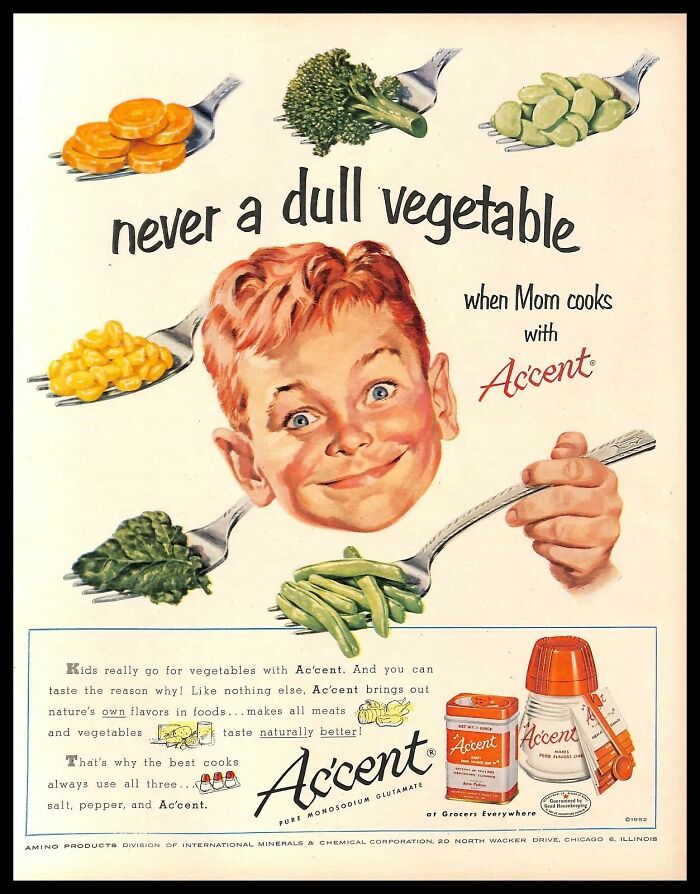
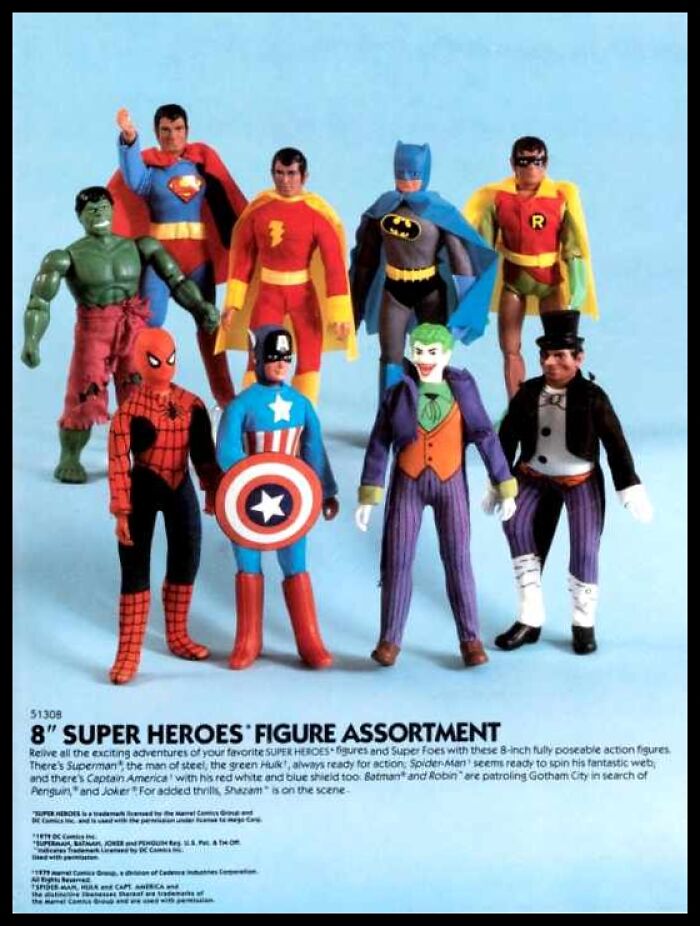
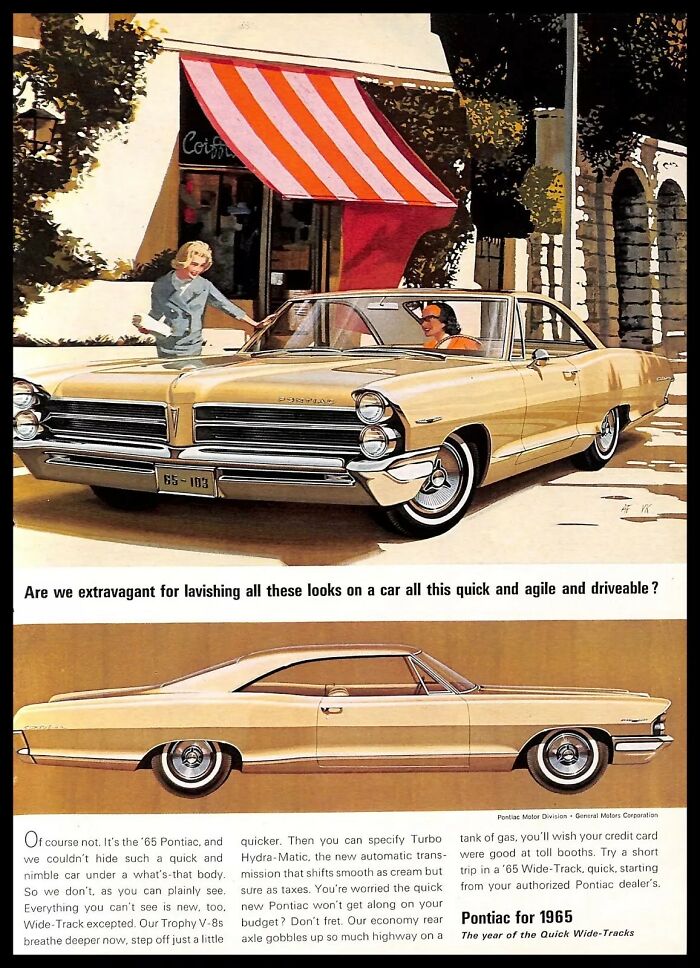
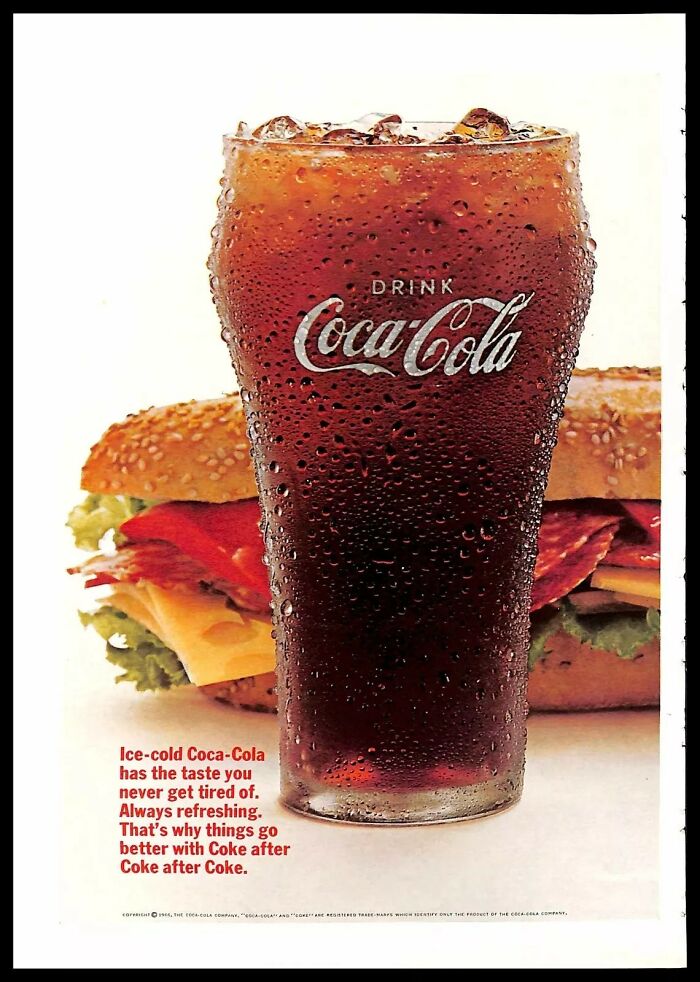
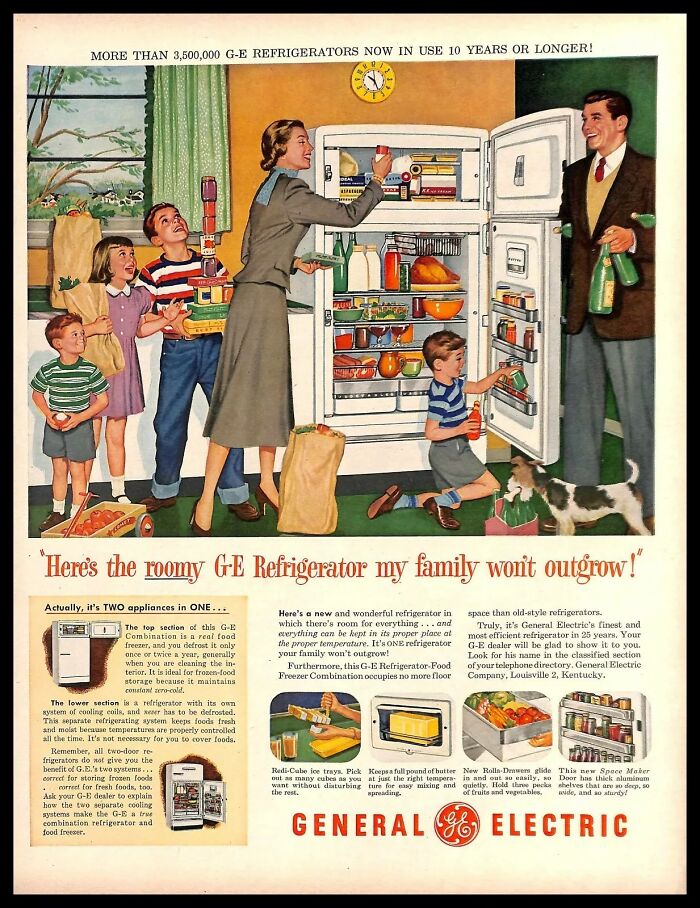
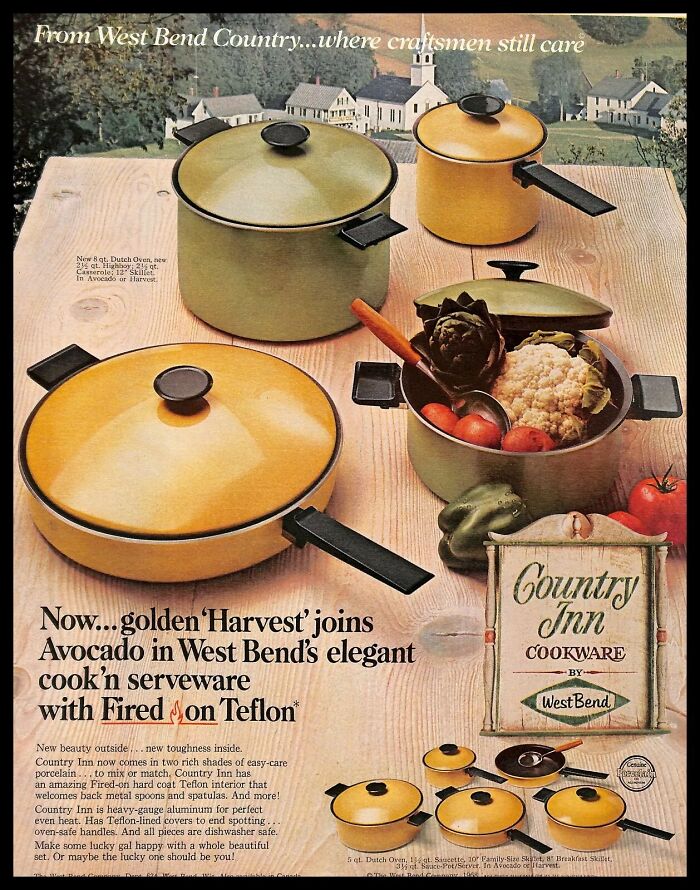
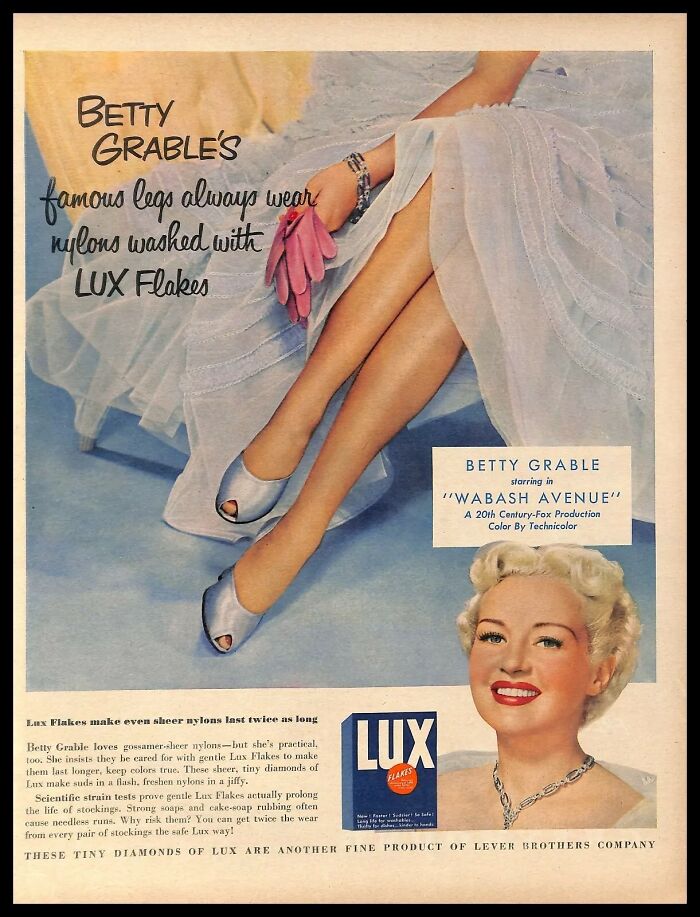
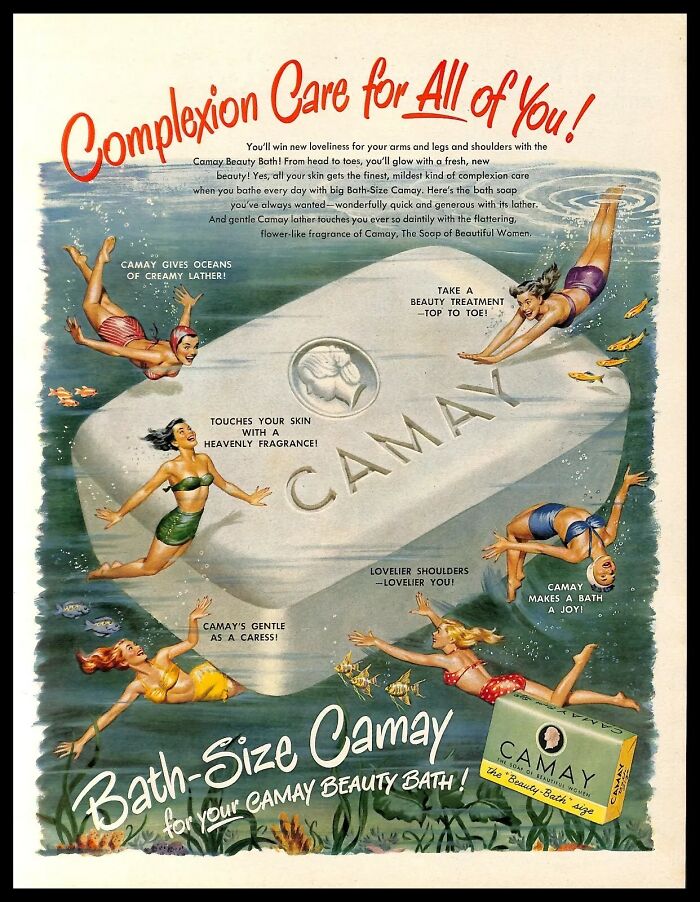
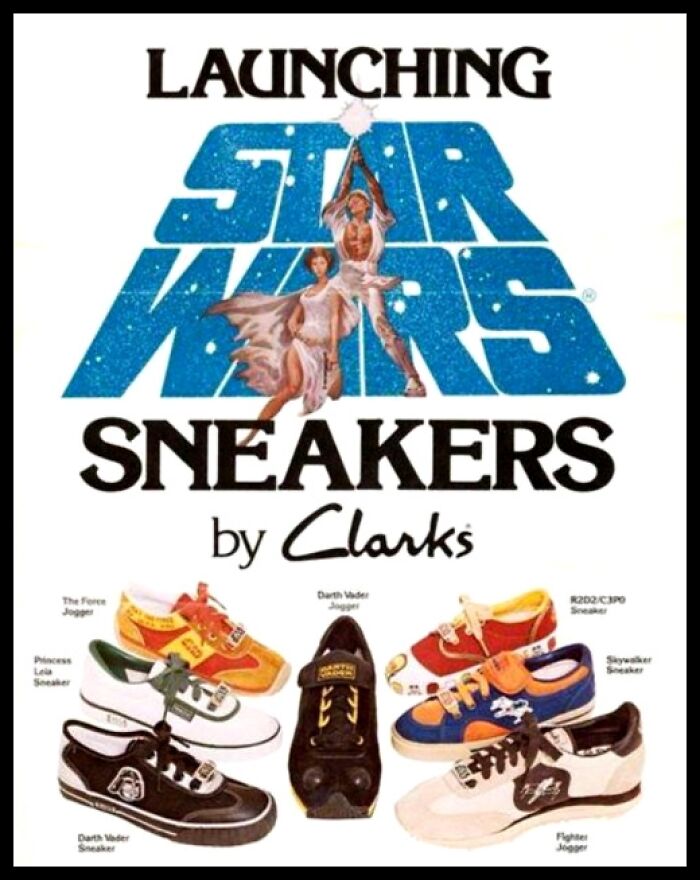
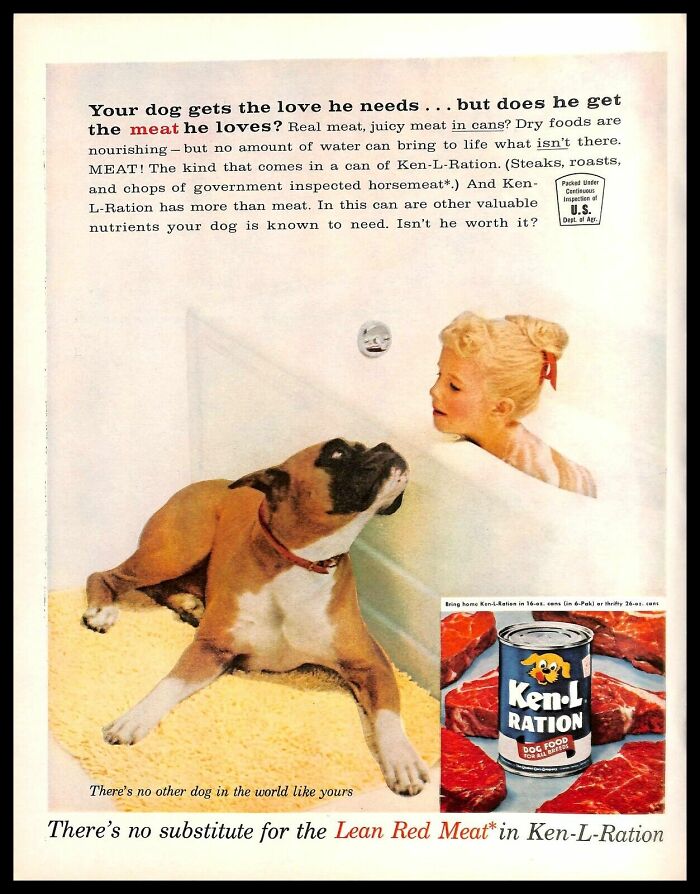
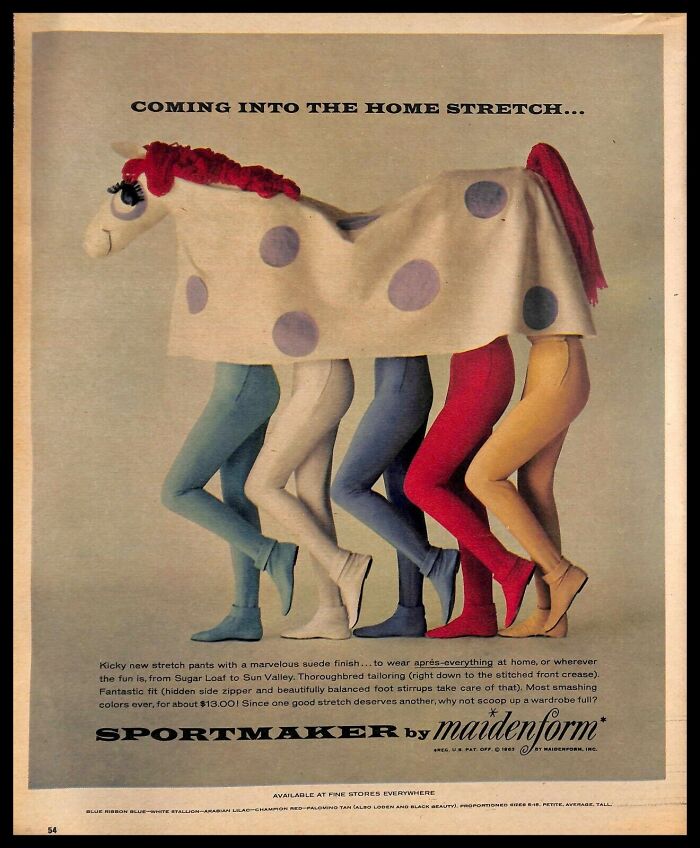
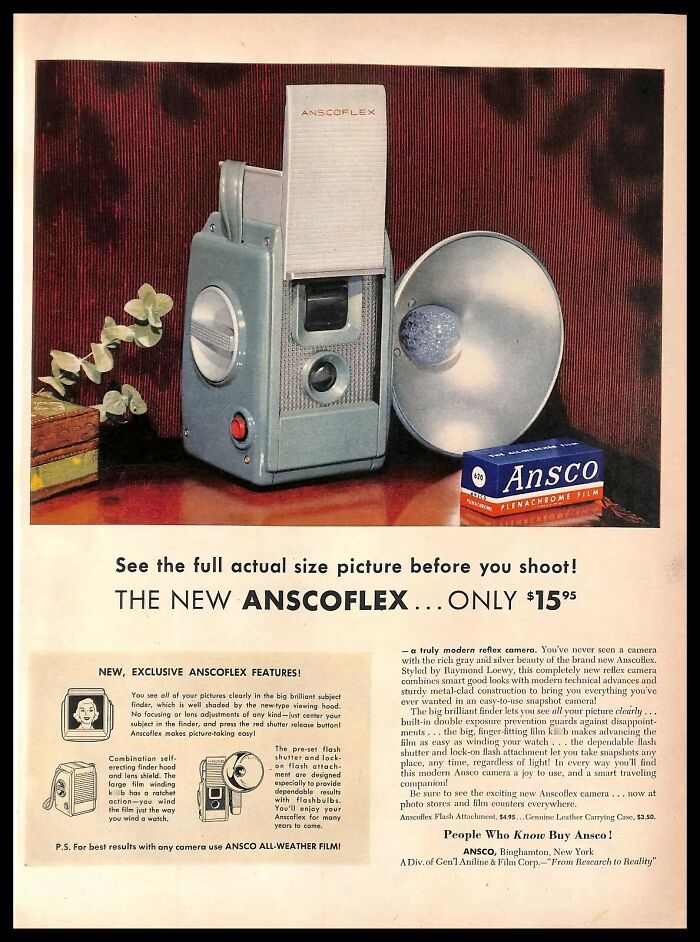
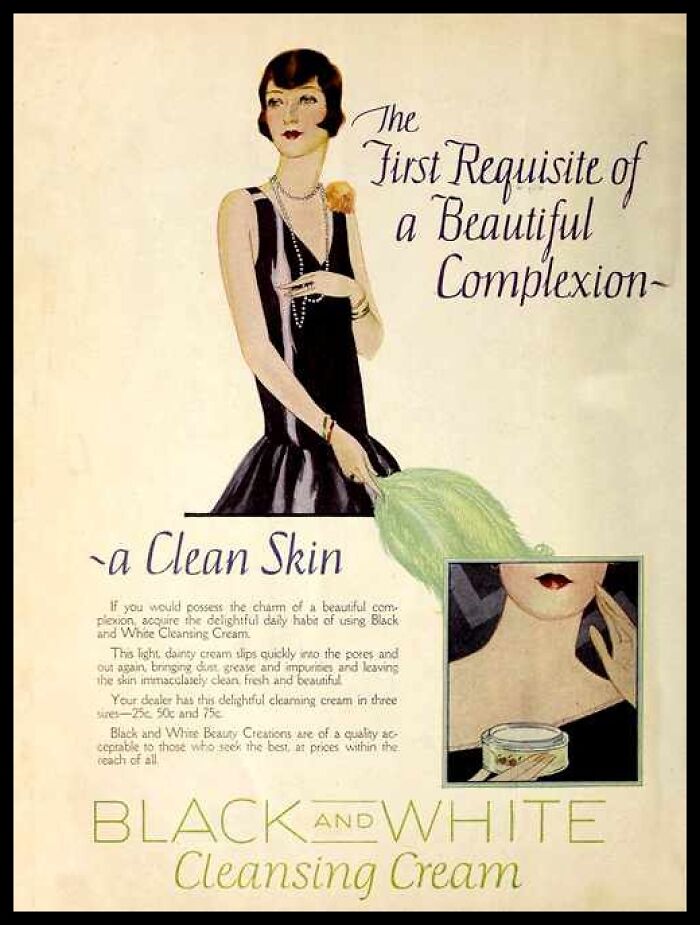
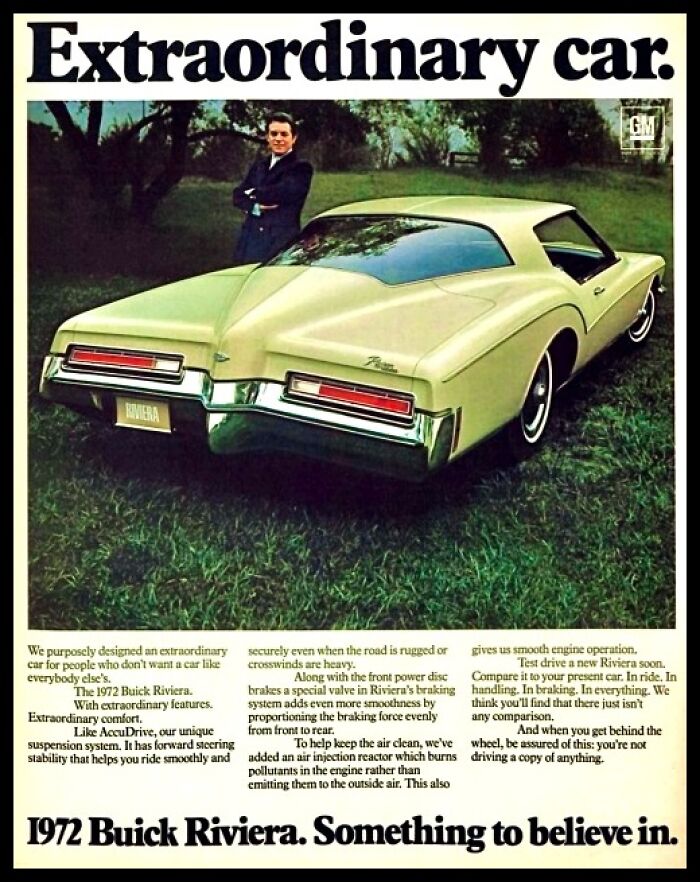
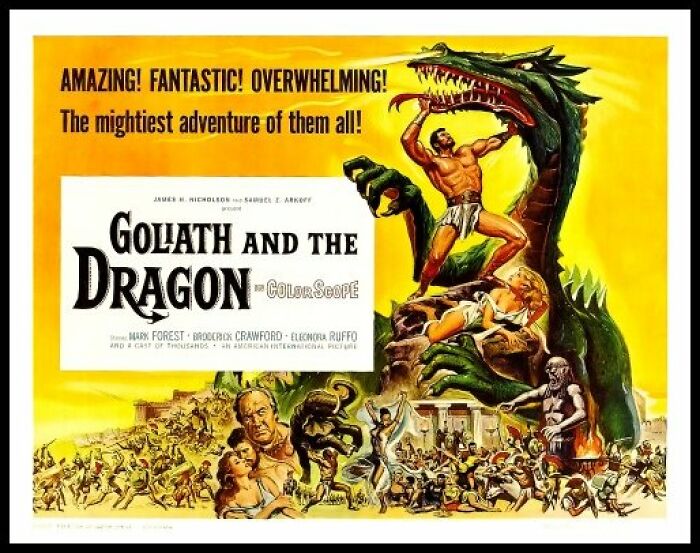
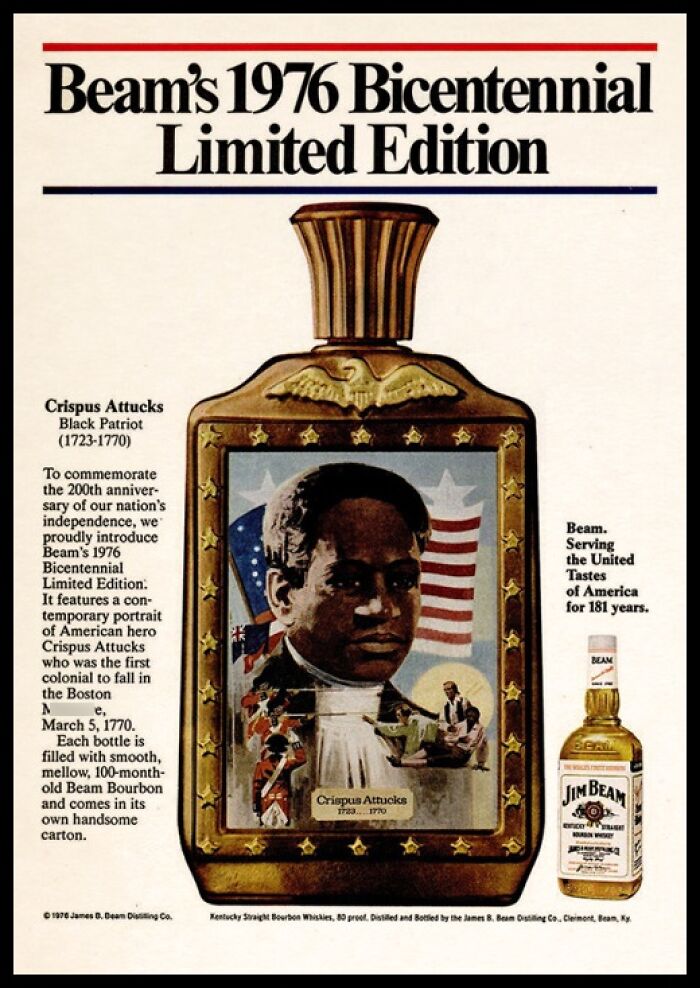
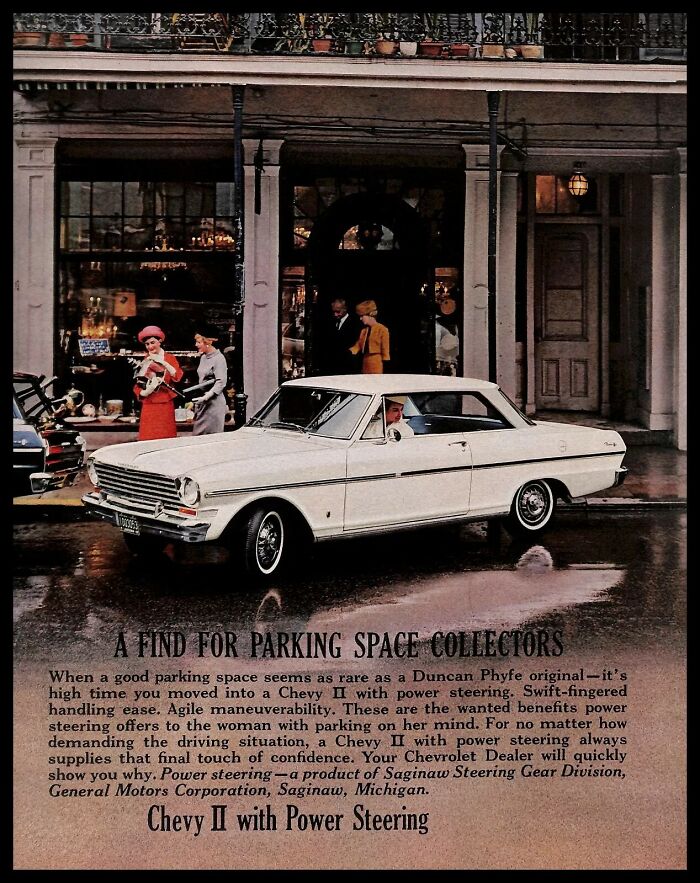
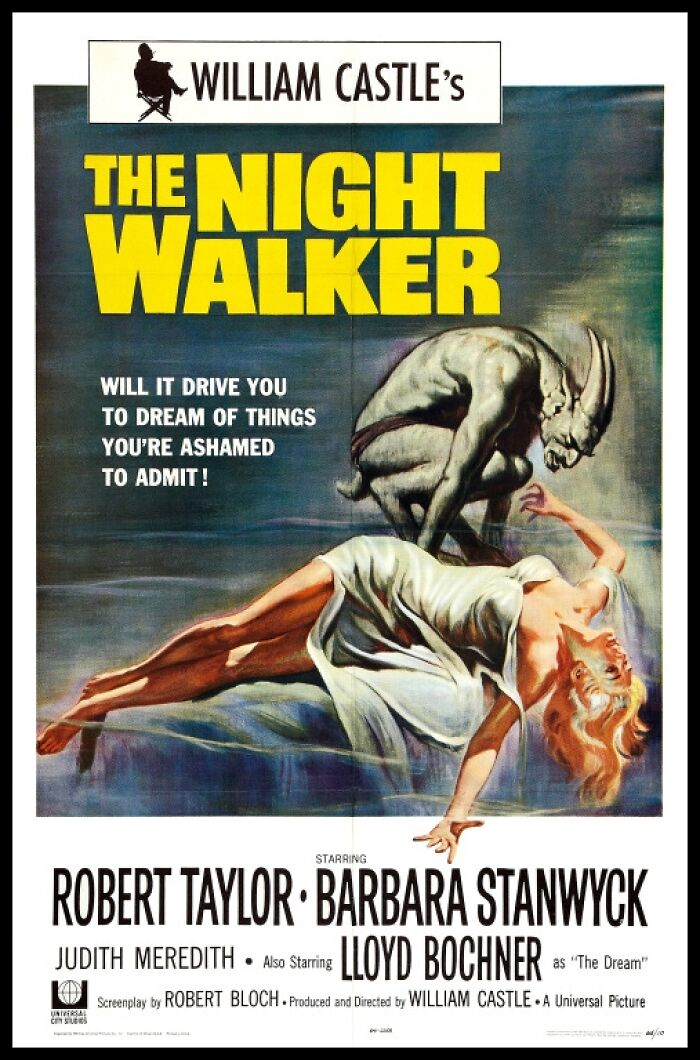
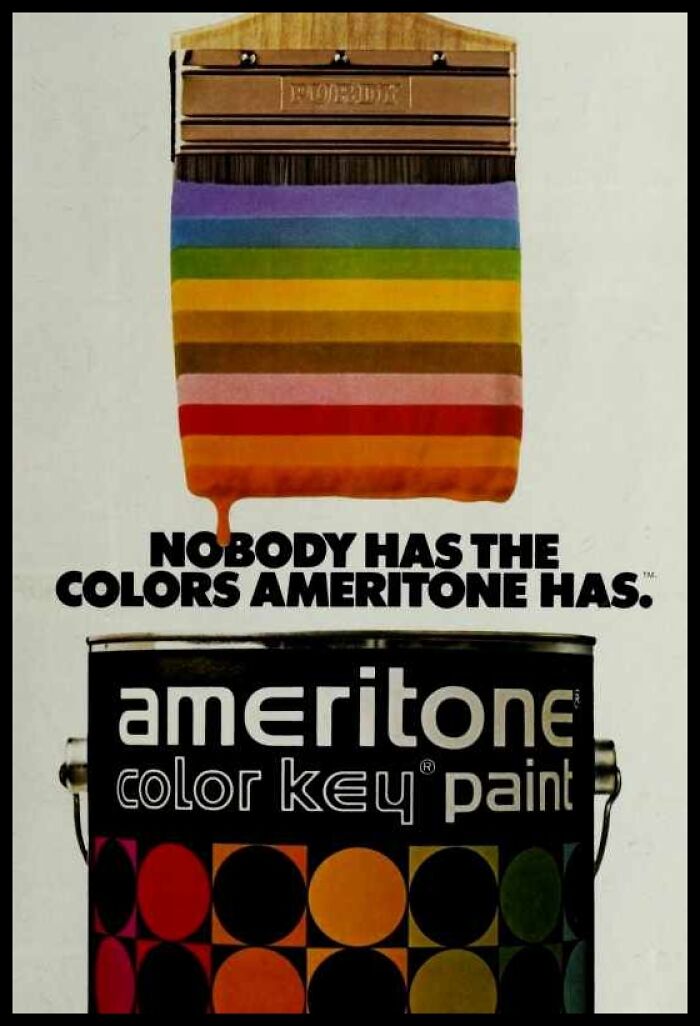
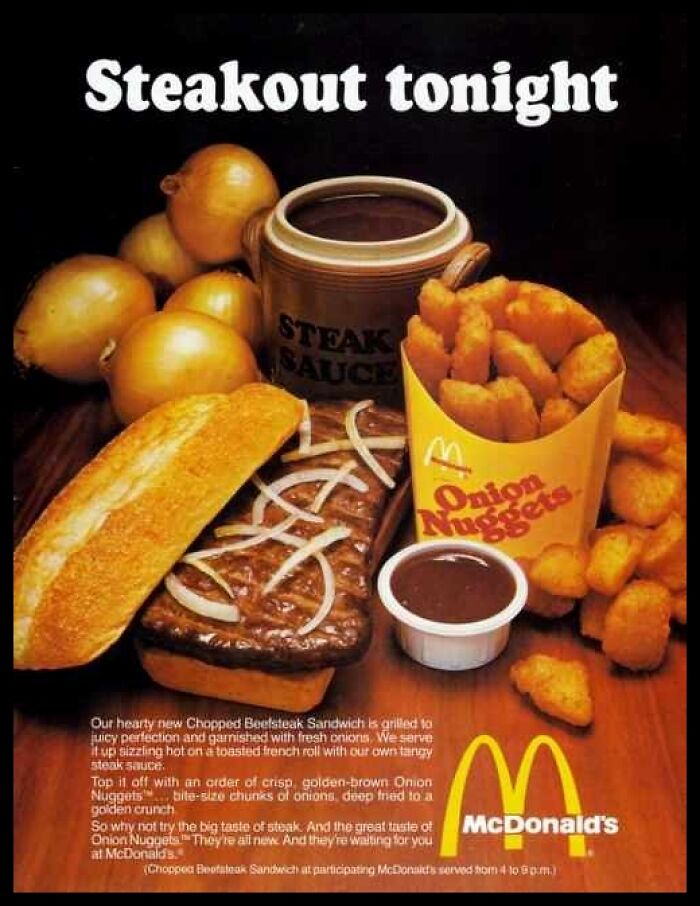
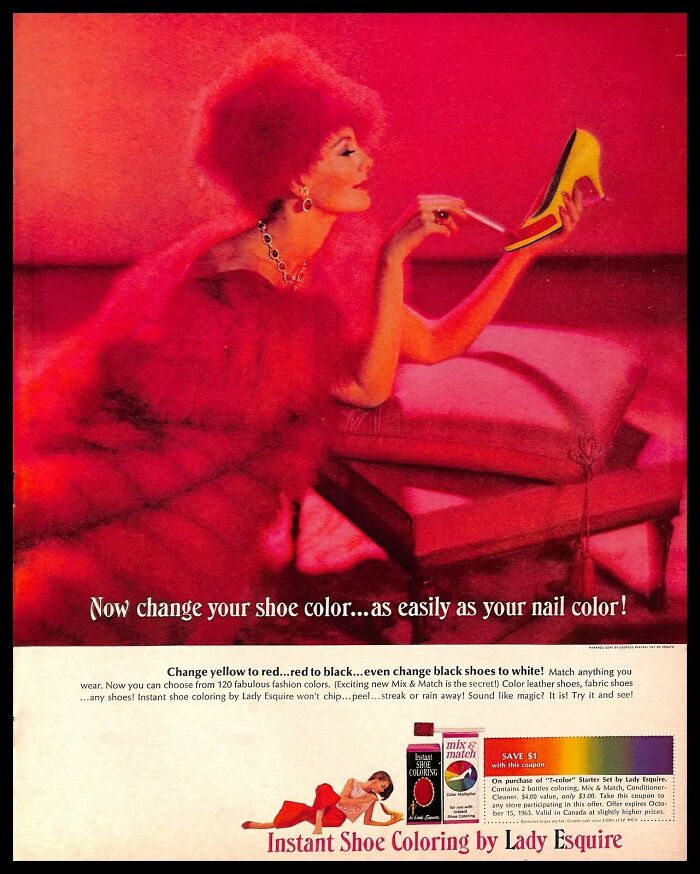
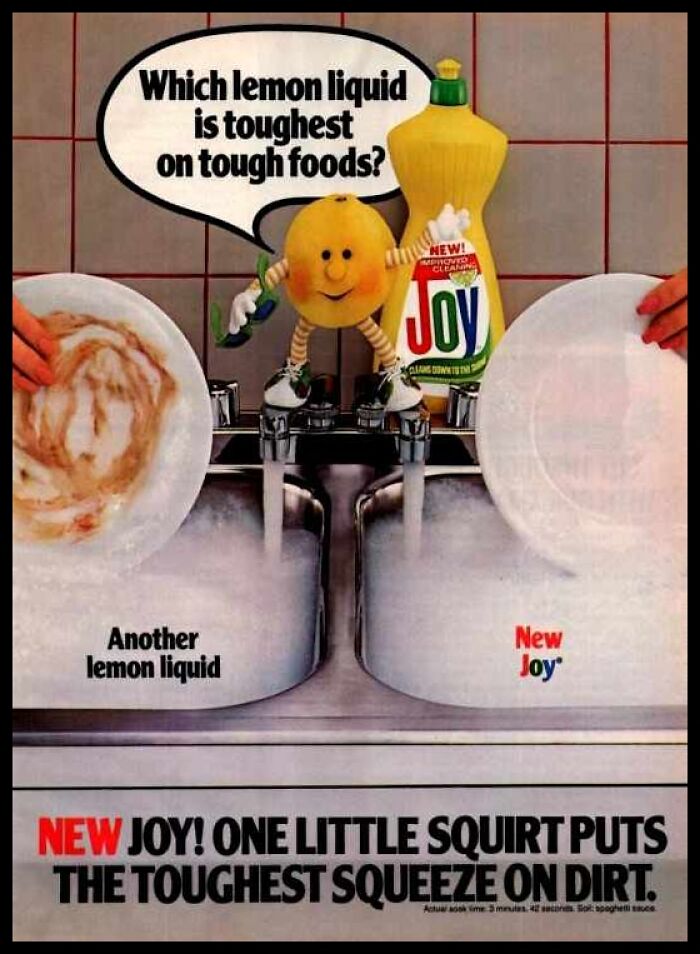
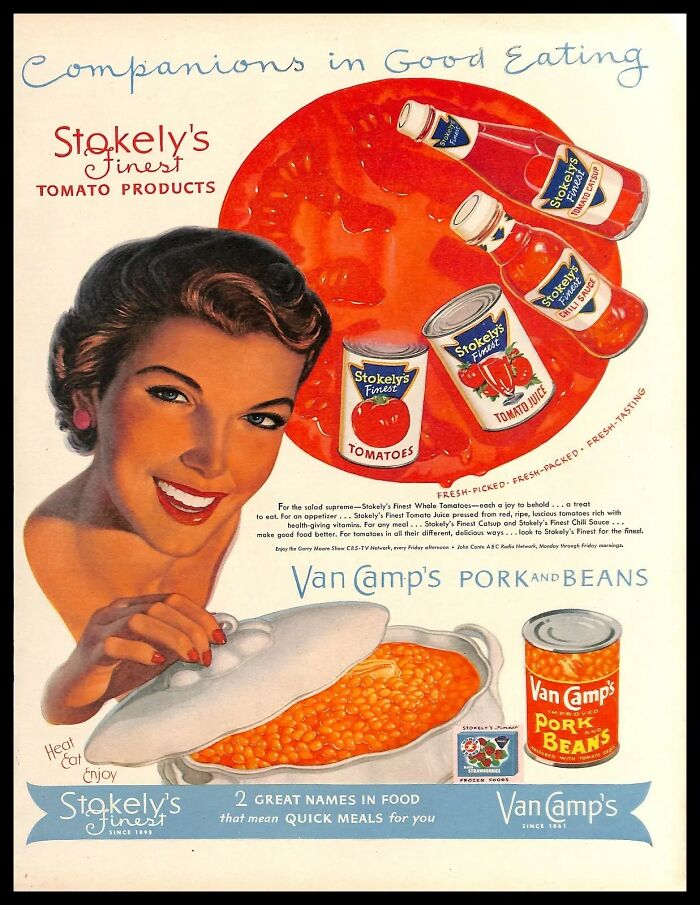
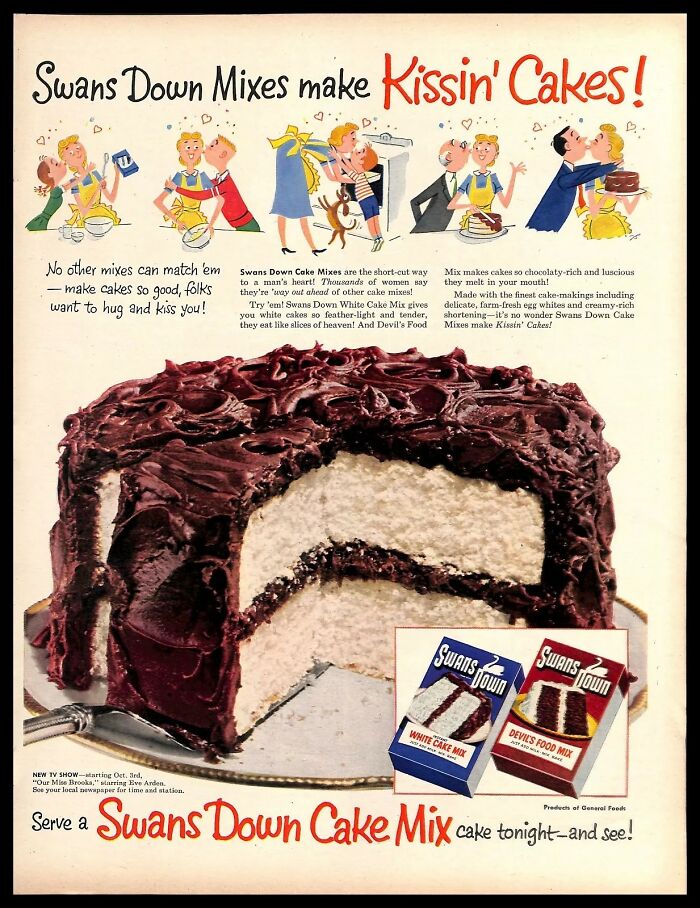
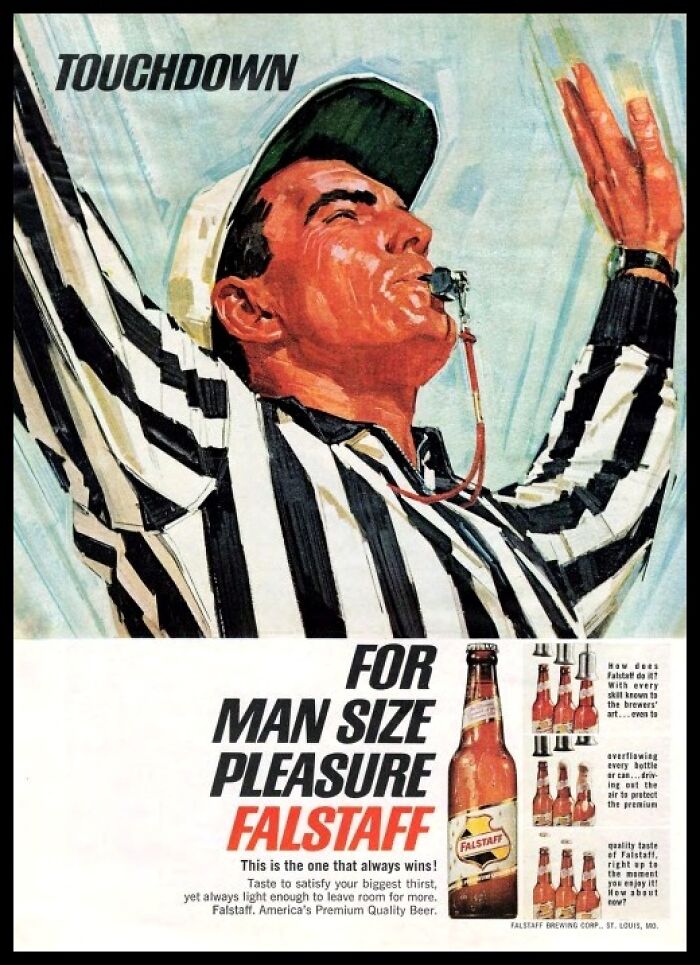
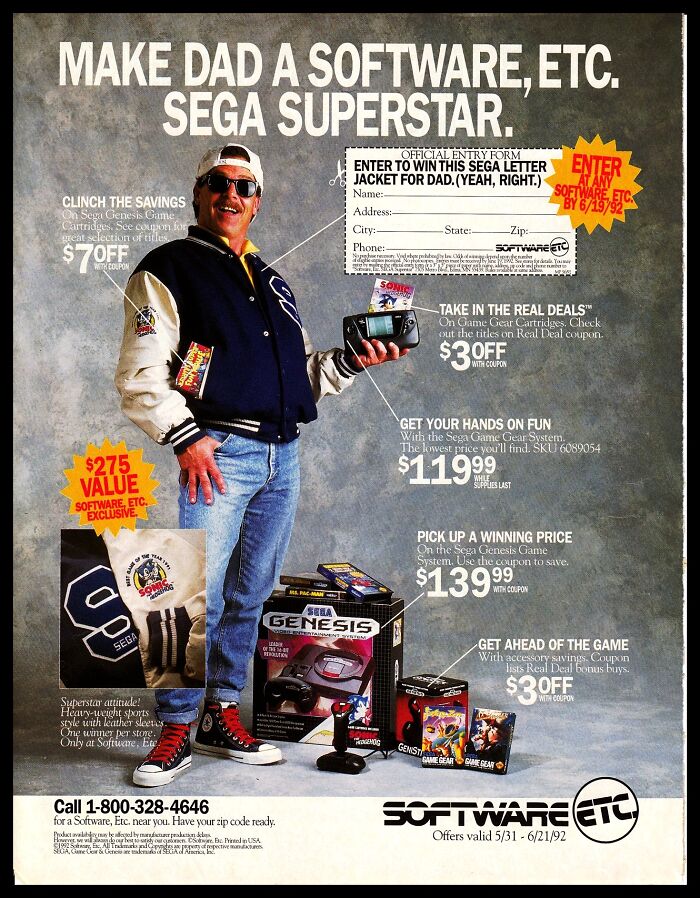
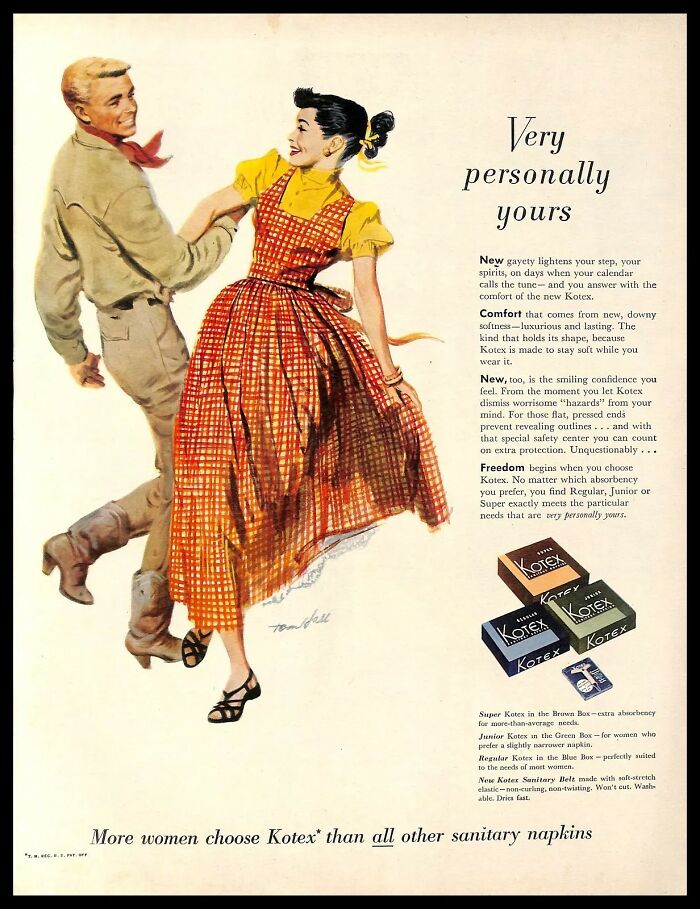
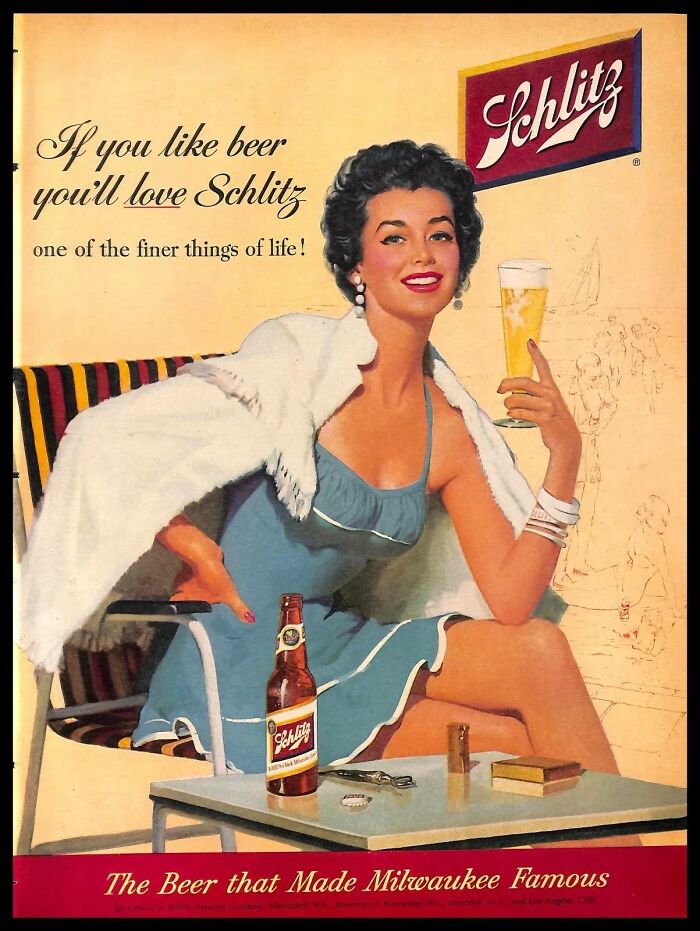
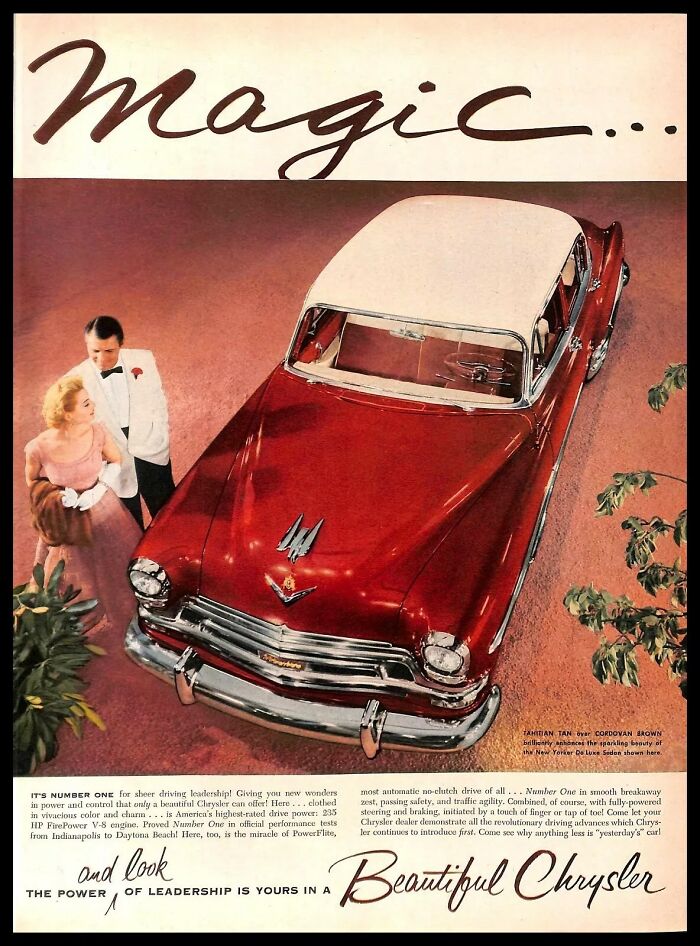
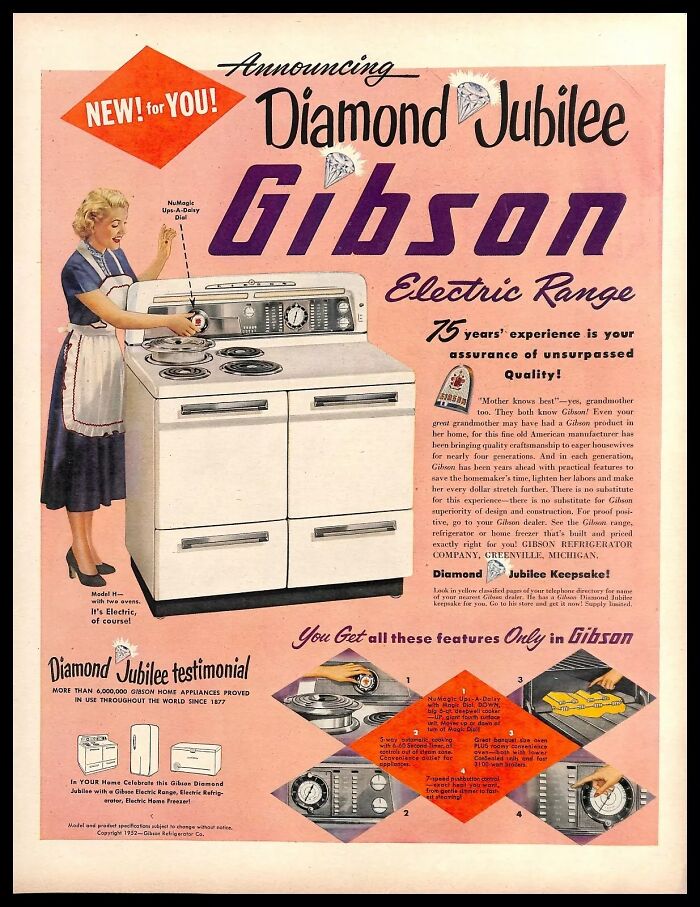
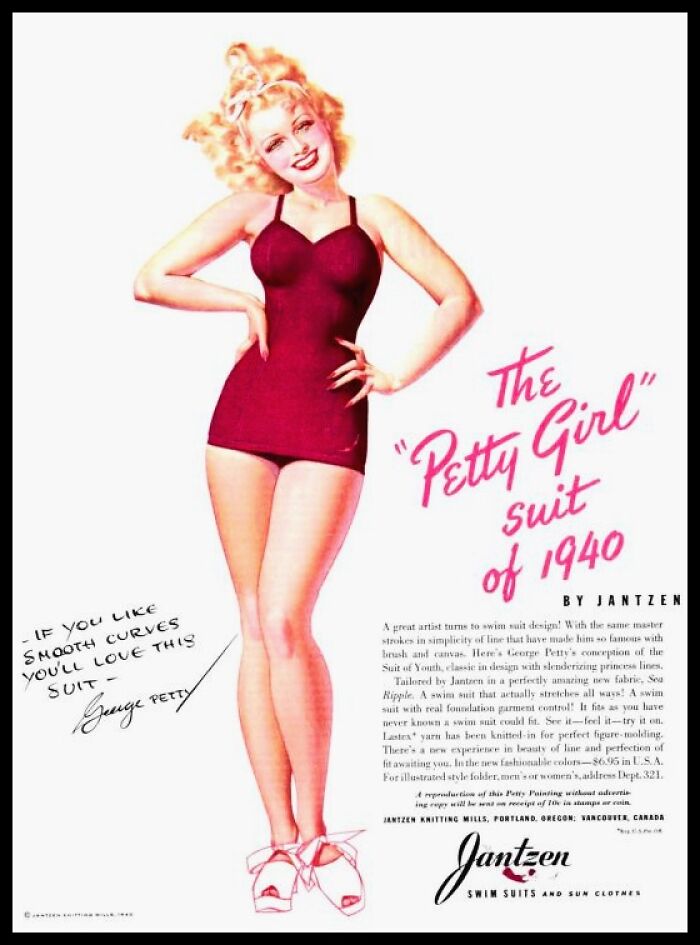
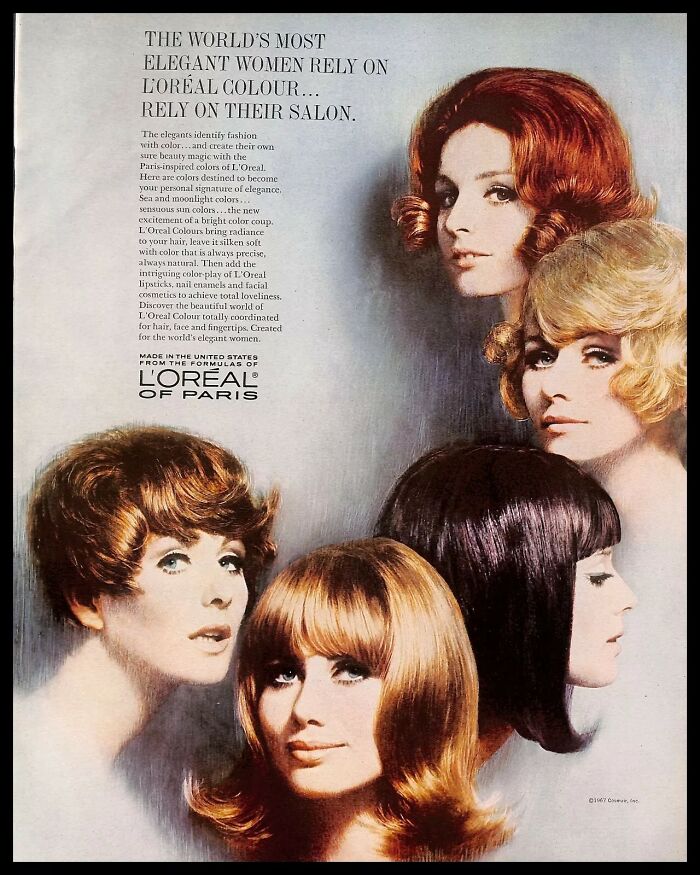
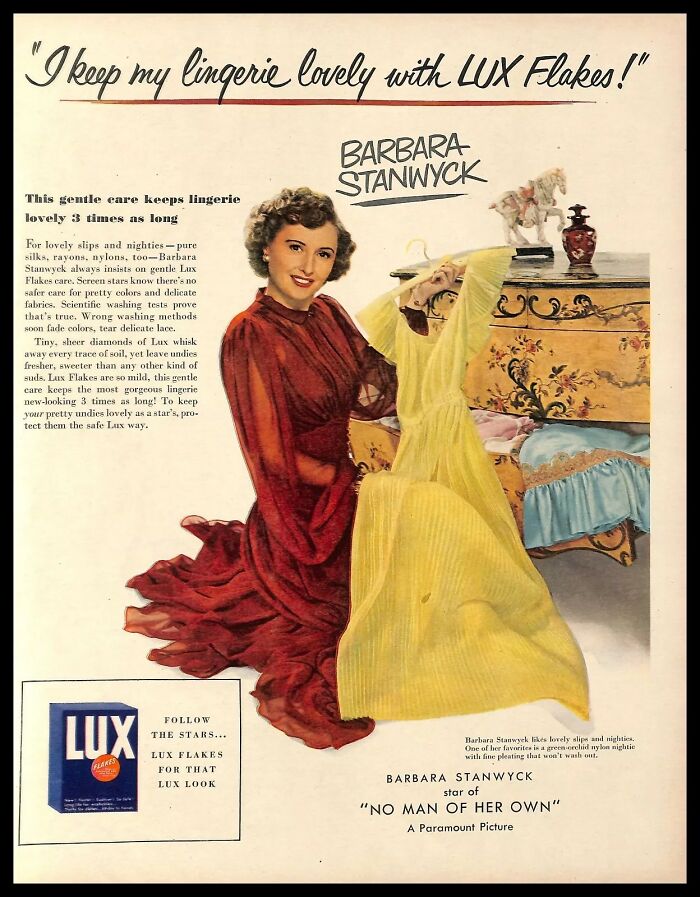
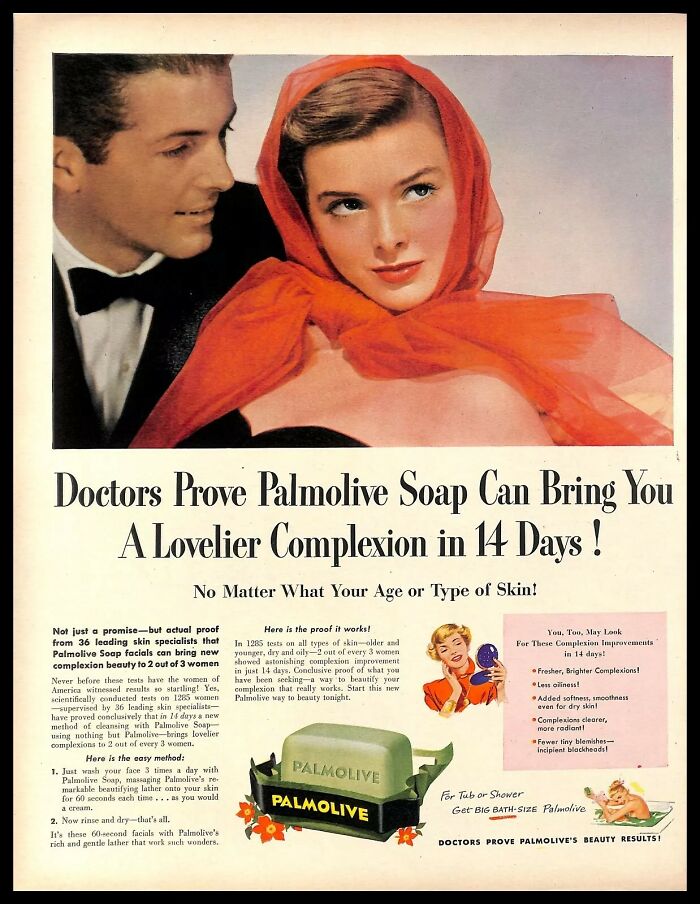
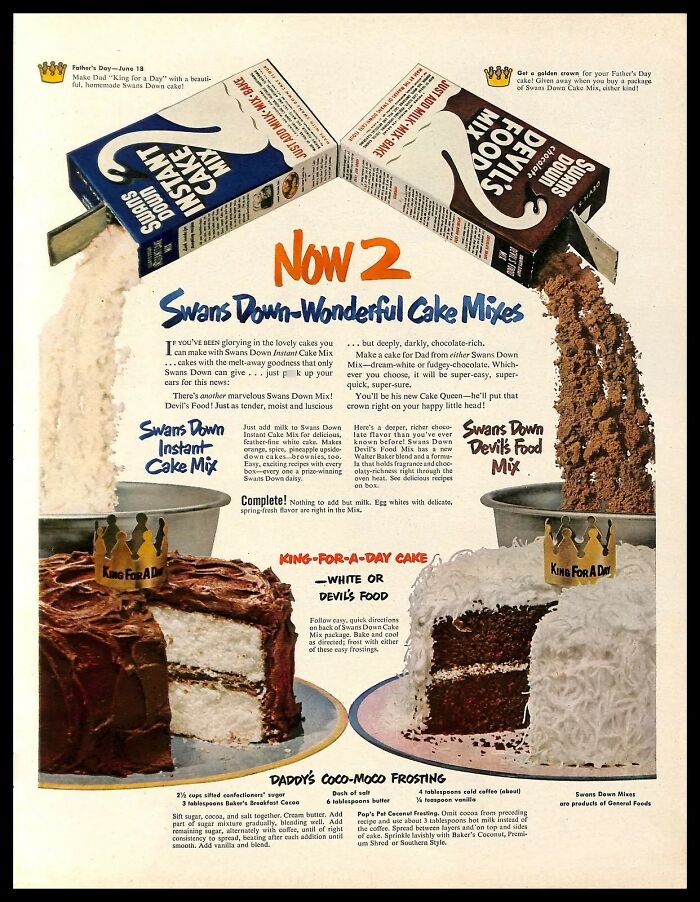
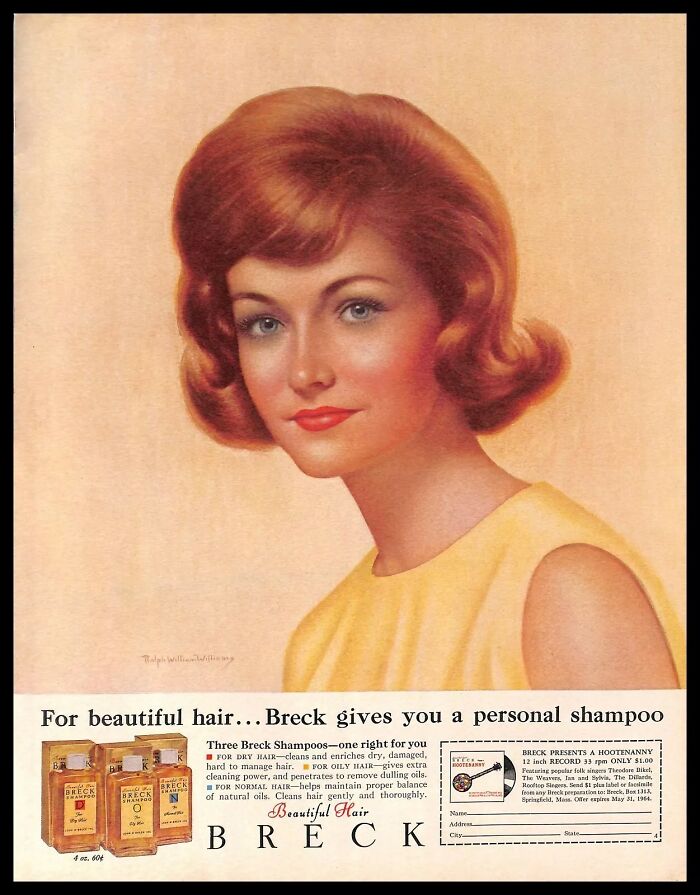
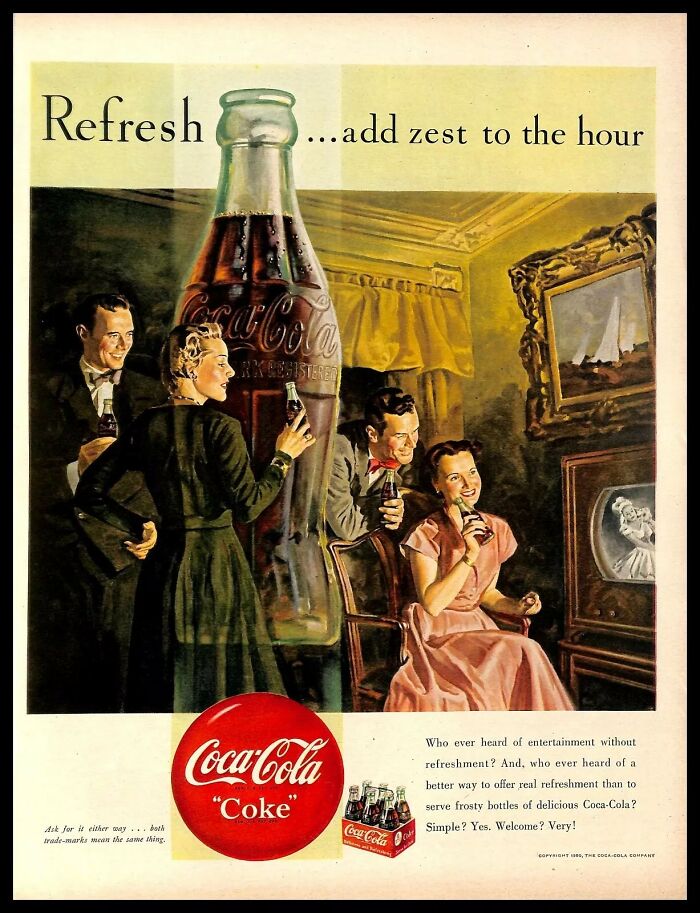
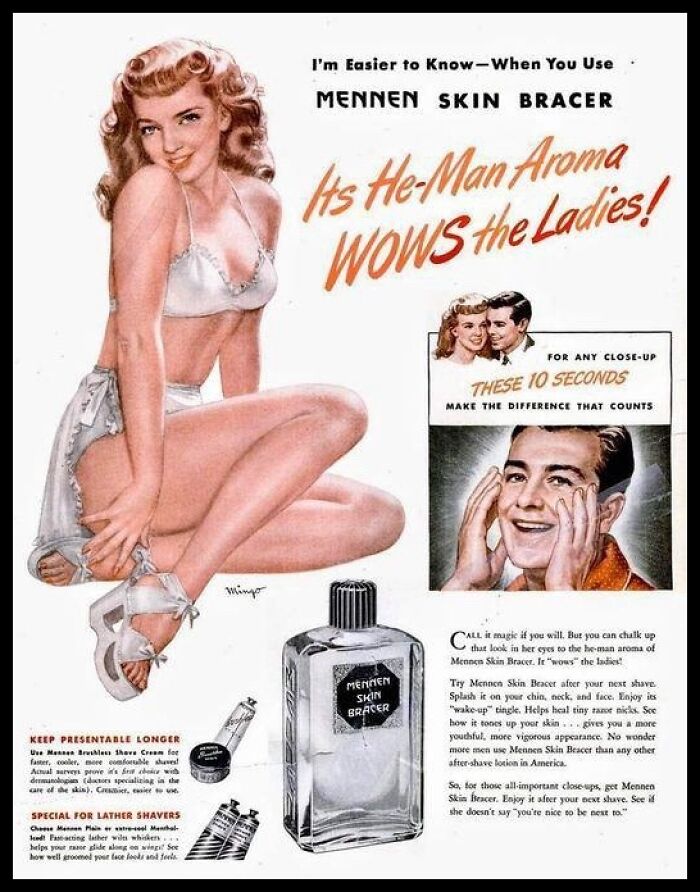
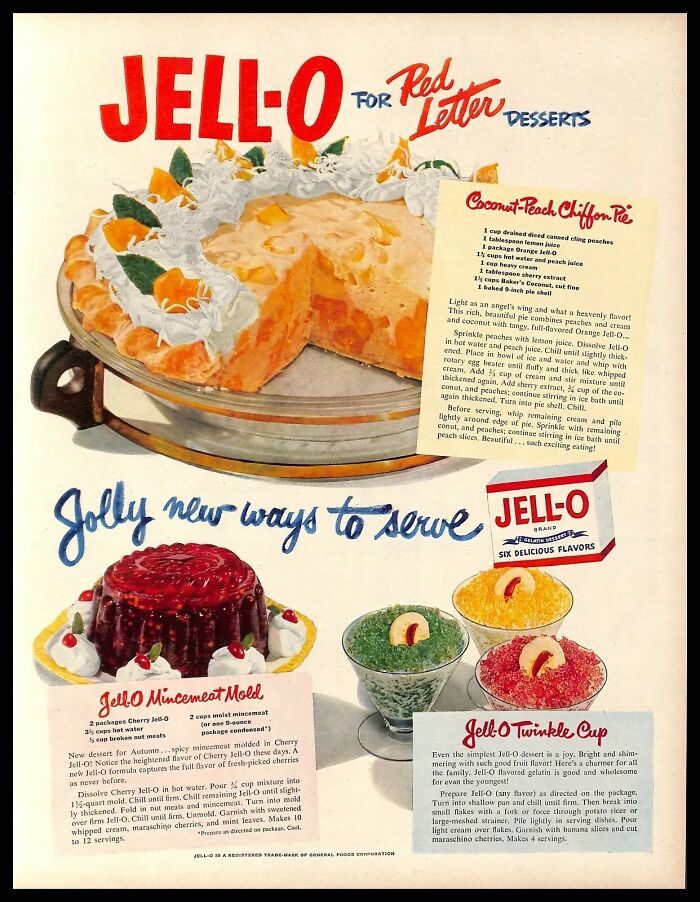
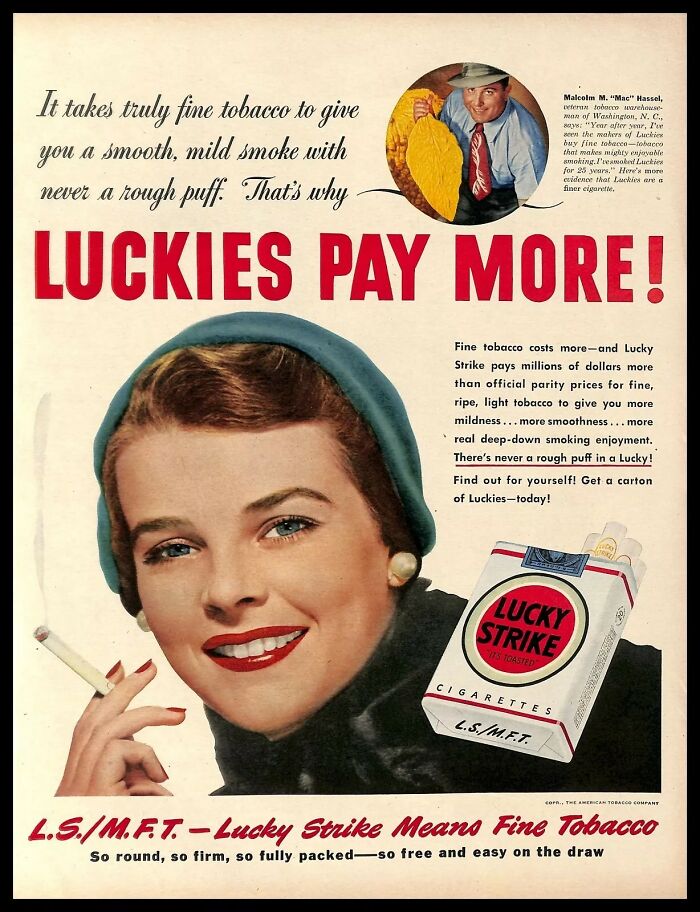
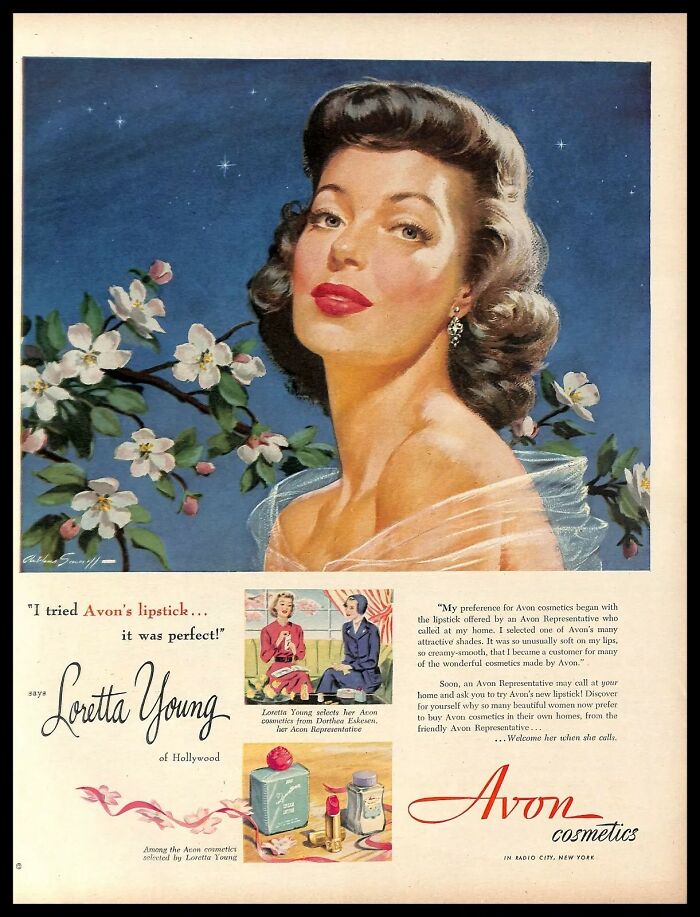
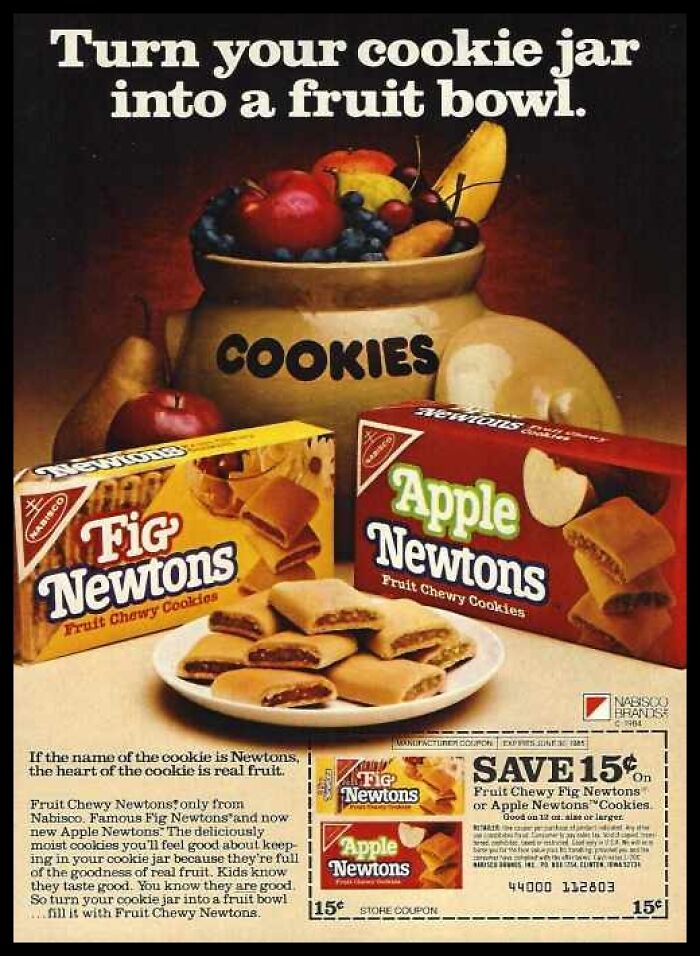
Not that the past was necessarily better, but it can still be fascinating to explore. A great way to refresh that perspective is through vintage advertisements. For example, there’s an account on Twitter/X that shares old American ads, revealing what people's values and dreams looked like back in the day.
More info: X
This post may include affiliate links.
According to the National Museum of American History, the advertising business in the United States grew up alongside mass production.
Selling strategies such as branding and national campaigns guaranteed a steady demand for new products. A new breed of agents created full-service agencies with transparent billing systems, and they designed as well as placed ads and staked their success on trust.
After World War I, advertising became a mature industry and a cultural force that presented the social benefits of consumption: individual liberty, social status, convenience, and even improved personal relationships.
The Great Depression, however, cut revenue and changed the tone of the industry heading into the 1930s. In these lean years, advertisers perfected the hard sell, invested in the new medium of radio, and studied consumers with gusto. And while Americans continued to consume, they did it with a mixture of interest and skepticism.
During the Consumer Era of the 1940s–1970s, production boomed, and consumerism shaped the American marketplace, spreading from cities to suburbs. Innovative technology, expansion of white-collar jobs, more credit, and new groups of consumers fueled prosperity. Business and political leaders started claiming that consumerism was more than shopping: it defined the benefits of capitalism.
This era marked a high point of American productivity and a high standard of living; however, it ended with many Americans questioning the promises of the system. As the economic engine slowed in the 1970s, productivity waned, wages flattened, and Americans faced an energy crisis that reshaped their expectations.
In the 1950s, television became the centerpiece of people's homes, fueling competition among broadcasters. Scrappy upstarts challenged established networks, innovated programming, and catered to underserved audiences.
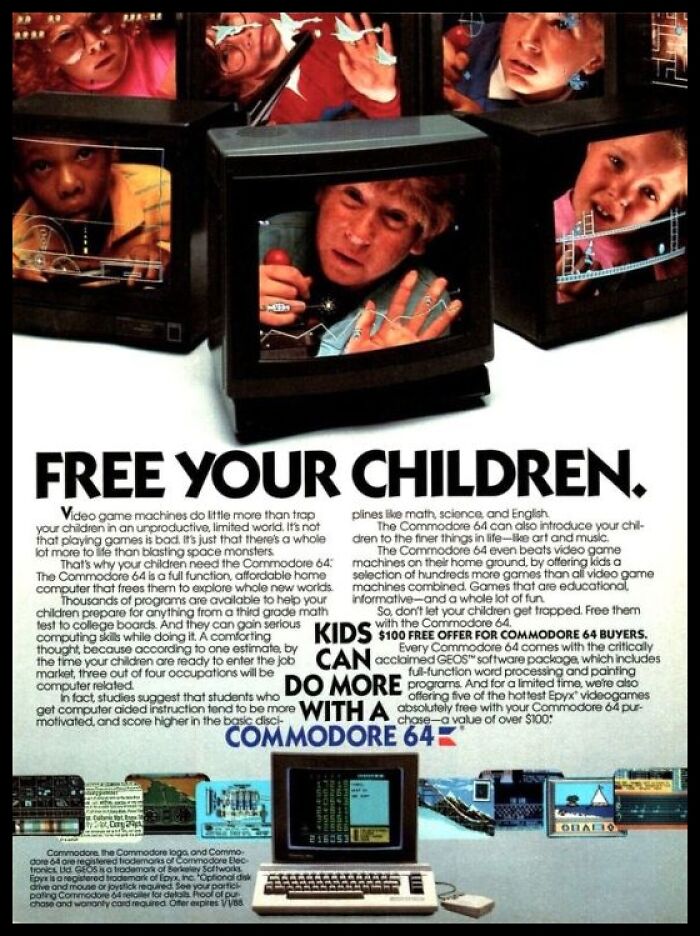
As the TV industry grew, Americans worried about its effect on children. A national conversation about television and the common good fostered public broadcasting.
During the 1970s–2010s, or what many call the Global Era, the United States became a nation of fewer limits, but also fewer guarantees. Consumers and producers adapted to rapid change driven by computers, large amounts of data, and smart devices. Increased global interdependence created efficiencies and opportunities for some, but erased safeguards and employment for others, and this turbulence was visible in advertising, too.
For example, in 1971, McDonald’s expanded to Japan. Some people worried that American brands endangered local traditions. Others argued that successful brands adapted to local culture.
A wave of mergers in the 1980s created five huge multinational advertising companies. At the same time, however, small independents and regional agencies sprouted on the margins and tried to compete with the giants. Advertising circulated around the globe and inspired debates about the power of American mega-brands. Many wondered: did global brands destroy local cultures, turning everyone into homogenized consumers? Or have local cultures made global brands their own?
In a globalized economy, innovative ideas as well as products were flowing easily across national borders. Businesses became dispersed, as decision-making, financing, design, labor, production, and marketing spread to many locations. Global trade improved opportunity for many, was disastrous for some, and challenged local cultures and customs.
Cable TV and eventually the internet changed broadcasting into narrowcasting. This technology allowed media firms and advertisers to divide consumers into ever more specific markets. They created channels such as MTV, Lifetime, Nickelodeon, HGTV, and the Fishing Channel. Advertisers used these outlets to link buying to distinct lifestyles.







































 No fees, cancel anytime