Get Premium
Dark mode theme is available exclusively for premium users. Learn more about the benefits of subscribing.
No fees, cancel anytime.

 Dark Mode Ad-Free Browsing Unlimited Content
 Ad-Free Browsing Unlimited Content Dark Mode
Join 1.2 million Panda readers who get the best art, memes, and fun stories every week!
It’s not easy to introduce a new product to the market—even for famous brands. Sometimes, consumers aren’t ready for the product, and sometimes bad marketing is to blame. And if that happens, even an enormous marketing budget can’t make people buy the failed products.
You see, when it comes to entrepreneurship and creativity, not every idea can be a home run. Some end up being such bad products that they leave us scratching our heads and asking, “What were they thinking?”
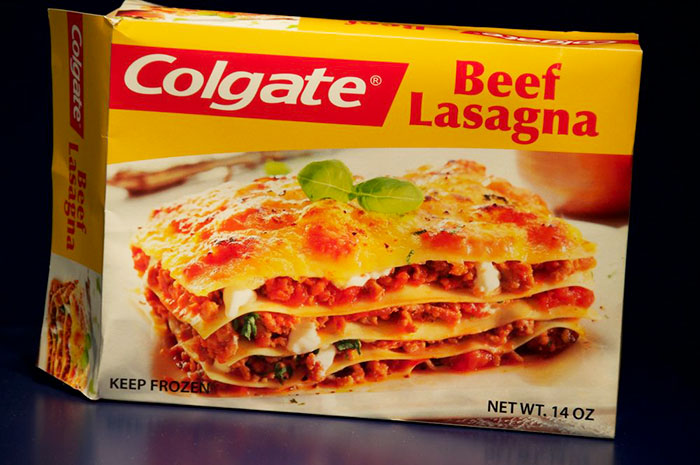
Here at Bored Panda, we’ve gathered 74 such failed products that are notorious for being so unsuccessful that some of them even managed to drive some companies out of business. From rebranding and product extension fails, such as the funny of Colgate lasagna, to startup companies, like Juicero, these products crashed and burned in the pursuit of innovation.
Scroll below to delve into the world of the biggest product failures ever. You’ll be downright outraged by some, while others will leave you in tears; either way, those are some pretty epic failed innovations.
This post may include affiliate links.
In 1982, Colgate came up with the weirdest brand extension idea. They decided to sell frozen dinners! This plan backfired, probably because consumers couldn’t help but think that the Colgate food tasted just like their toothpaste. No company launches a product thinking that it will decrease sales of their other products, but Colgate should’ve seen it coming. Their toothpaste sales plummeted after the launch of the kitchen entrees line.
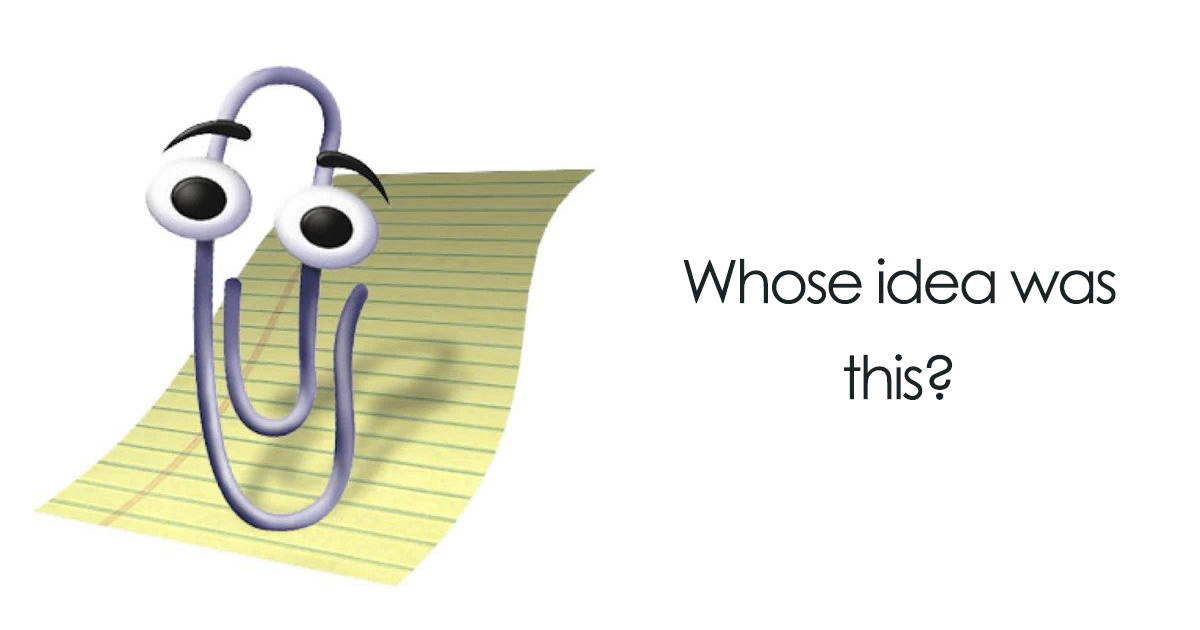
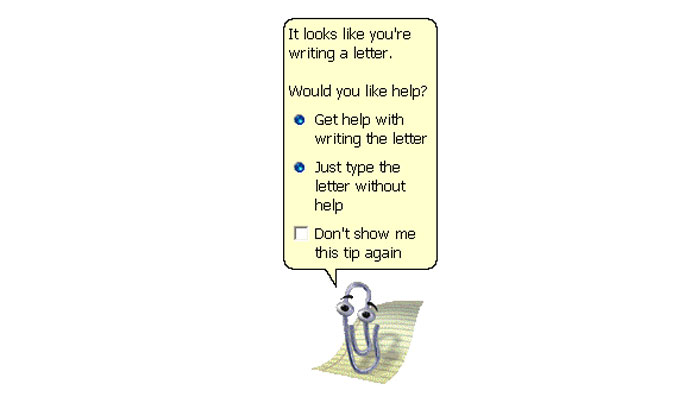
Clippy is described by some as one of the worst user interfaces ever developed. Clippy was designed to pop up whenever the software thought that the user needed help and managed to annoy quite a few people. After Microsoft acknowledged its unpopularity they decided to remove the feature.
In 2000, Heinz decided to add an unexpected twist to their ketchup to catch children’s attention. They came up with "EZ Squirt" colored ketchup, which came in three main colors: teal, green, and purple. The idea wasn’t meant to last on the market. After six years it was discontinued.
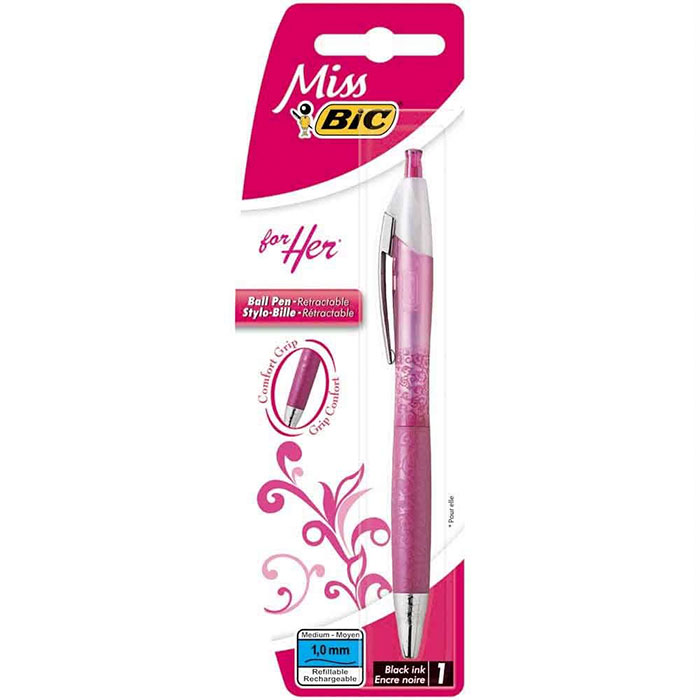
In 2012, Bic released a product for women they didn’t even know they needed—“lady pens”. These pointlessly gendered pens were mocked and failed to gain a consumer base.
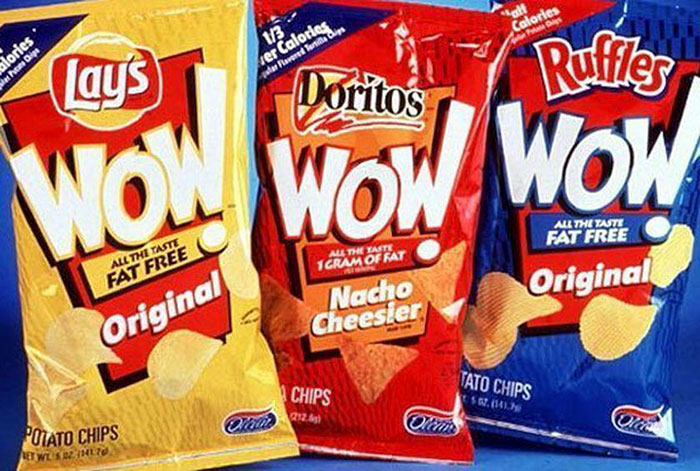
In 1998, Frito-Lay introduced new fat-free potato chips. People got caught up in the hype of this “miracle food,” and within the first year, sales reached $400 million. Sales plummeted soon after, however, when it was revealed that the chips contained Olestra, a fat substitute that causes abdominal cramping and loose stools.
In the fast-paced corporate world, even the big shots can sometimes trip over their own feet. It’s a reminder from the universe (and consumers): nobody is immune to change. We’ve rounded up five brands that took off with a lot of promise but fizzled out quickly. These failed brands made some questionable decisions that ultimately led to their demise.
Streaming platform Quibi had a rapid demise in 2020. It promised to revolutionize mobile entertainment with 10-minute clips but didn’t consider the similar free content available on YouTube and TikTok. The company folded just six months post-launch despite receiving $1.7 billion in funding.
Blockbuster was once a household name for movie rentals. However, it failed to adapt to the digital era when it refused to buy Netflix in 2000. Blockbuster’s brick-and-mortar rental model quickly became obsolete in a world dominated by streaming services.
Theranos claimed to revolutionize blood testing with its innovative technology. However, the company’s failed product didn’t live up to the hype. Theranos faced legal challenges and investigations and ultimately shut down in 2018. The CEO, Elizabeth Holmes, faced legal consequences for misleading investors and patients.
Yahoo is not a failed brand, as it is still around. However, it’s a tale of missed opportunities and colossal missteps. It got cold feet on mammoth opportunities—first, it refused to buy Google for $1 million in 1998 and Facebook for $1.1 billion in 2006. Then, it snubbed Microsoft’s $44.6 billion bid in 2008. It was humbled in 2016 when Verizon swooped in for a bargain, buying Yahoo for around $5 billion, a fraction of its former glory.
BlackBerry was leading the mobile phone market in the early 2000s. Their key differentiation was the ability to send emails and messages on the go. Its technology, however, quickly became obsolete with the rise of Android and iOS smartphones. The failed brand stopped manufacturing phones in 2017.
In 2011, Google launched its new social network Google+. However, it never lived up to their expectations of becoming a Facebook competitor. It was a huge disappointment.
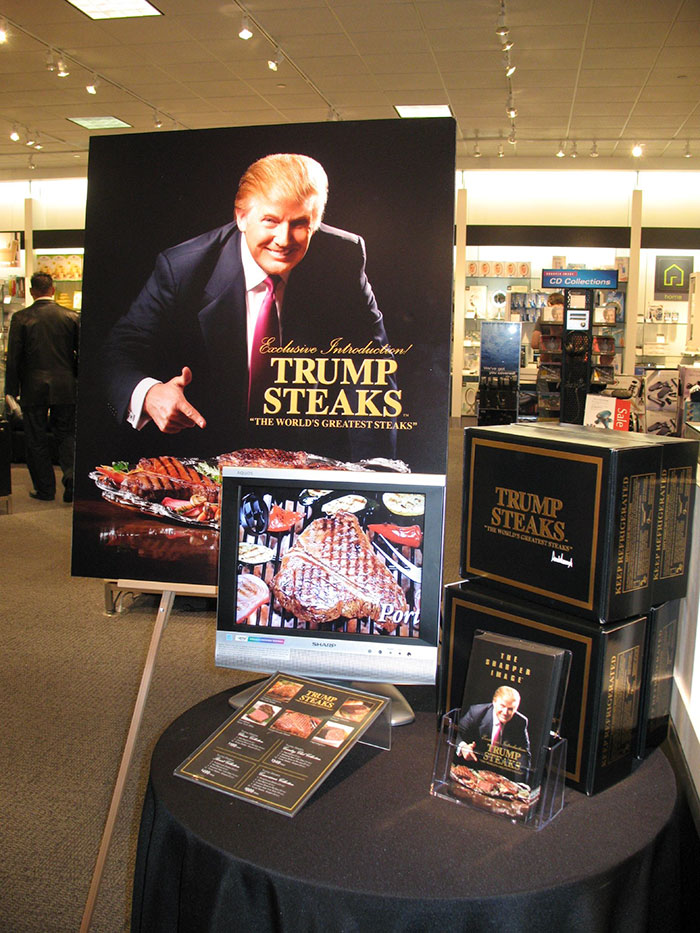
Donald Trump kicked off his “world’s greatest” line of premium steaks in 2007. However, consumers didn't agree with the description of 'great'. The product was discontinued after just two months because of low sales.
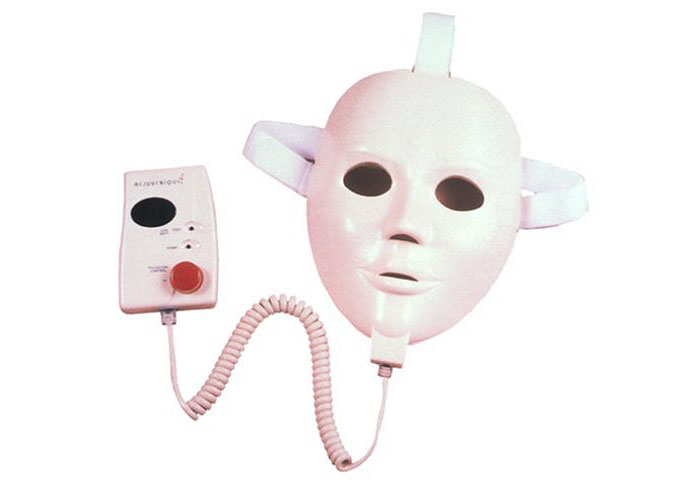
In 1999, the nightmarish "Rejuvenique Facial Toning Mask" was launched. This creepy mask was intended to tighten facial muscles with... shock therapy. Consumers revealed that it felt as bad as it sounded.
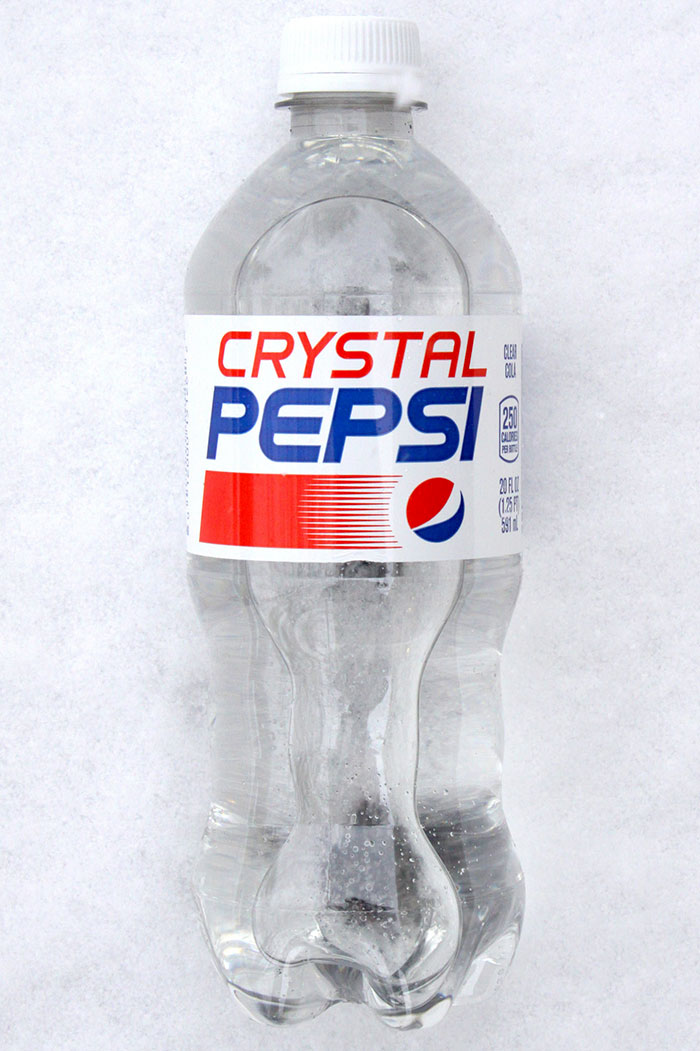
In 1992, Pepsi introduced a new product called “Crystal Pepsi”. The product died a year later. David C. Novak, who is credited with introducing the concept, admitted: “It would have been nice if I’d made sure the product tasted good.”
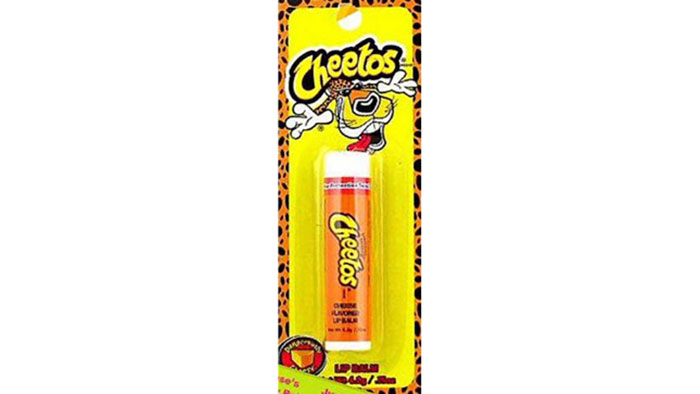
In 2005, someone at Frito-Lay decided launching a Cheetos-flavored lip balm would be a great idea. Even those of us who have never tried Cheetos can understand why this idea flopped.
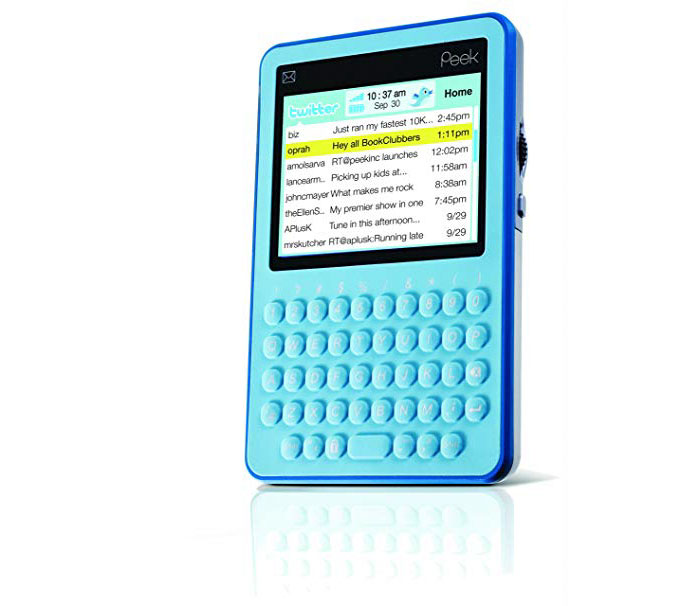
Launched in 2009, Twitter Peek was the first and the last Twitter-only mobile device. The product was created to do only one thing - send and receive tweets, but managed to fail at this simple function. The device gave only a 20-character preview of the tweets. It was no surprise that consumers made a hard pass on this device.
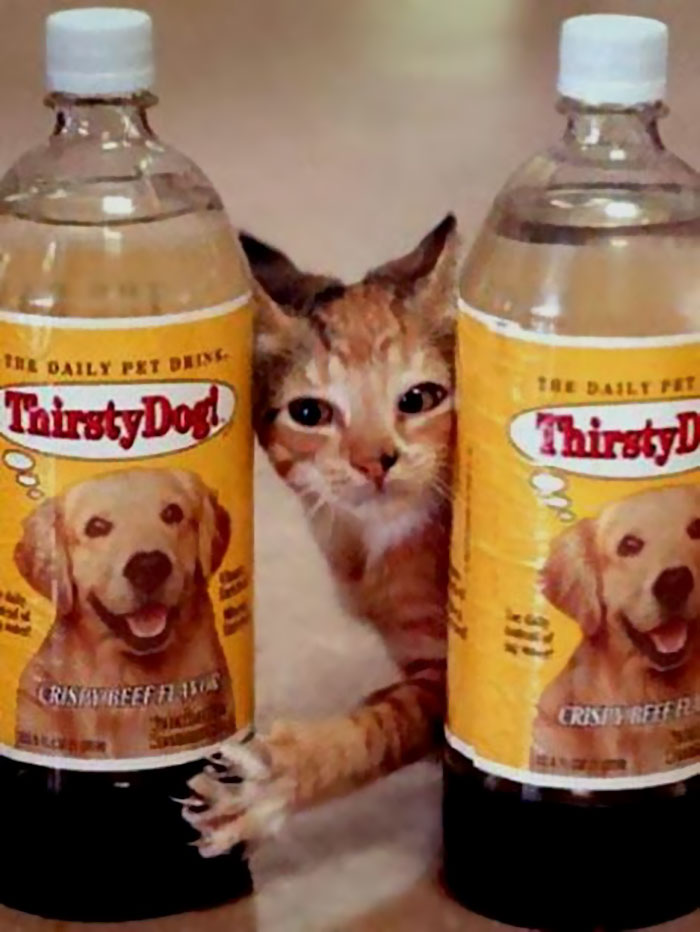
In 1994, a bottled water made for cats and dogs was launched. The beverage was carbonated, vitamin-enriched, and flavored. The product flopped after consumers realized it was essentially soda and completely unnecessary to give to their pets.
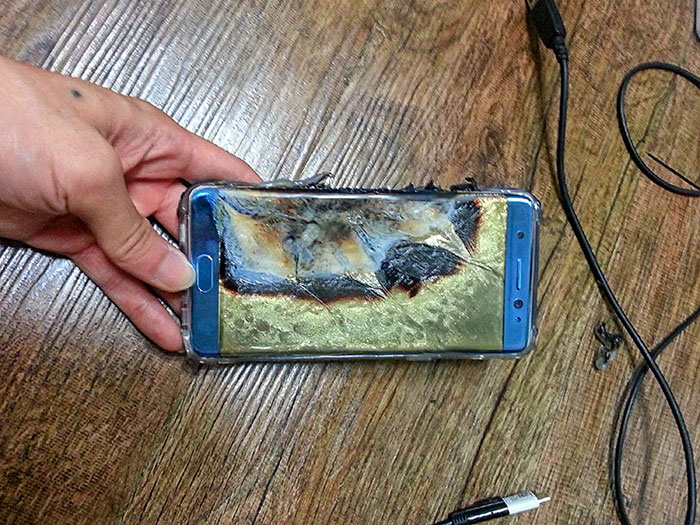
In 2017, everyone was talking about this explosive failure—the Samsung Galaxy Note 7. It lasted less than a year in the market after Samsung recalled around 2.5 million phones due to complaints of overheating and exploding batteries.
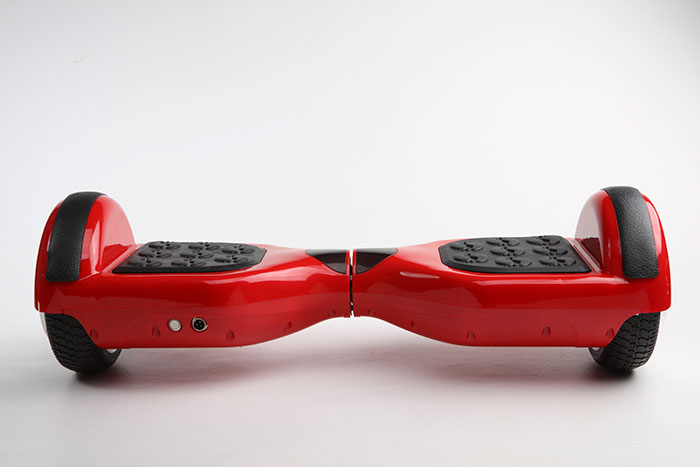
In 2015, Hoverboards became one of the biggest tech flops. Why? Because they could potentially catch fire and burn your house down.
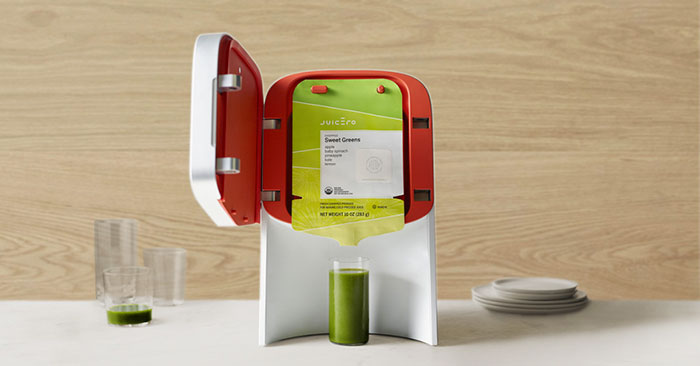
In 2013, Juicero introduced a juicer called the Juicero Press. This device was sold with packets of pre-juiced fruits and vegetables sold exclusively by the company. They were humiliated when consumers realized that the packets could be squeezed by hand just as efficiently as with the juicer. Later, Juicero announced that it was suspending its juicer sales and repurchasing the products from customers.
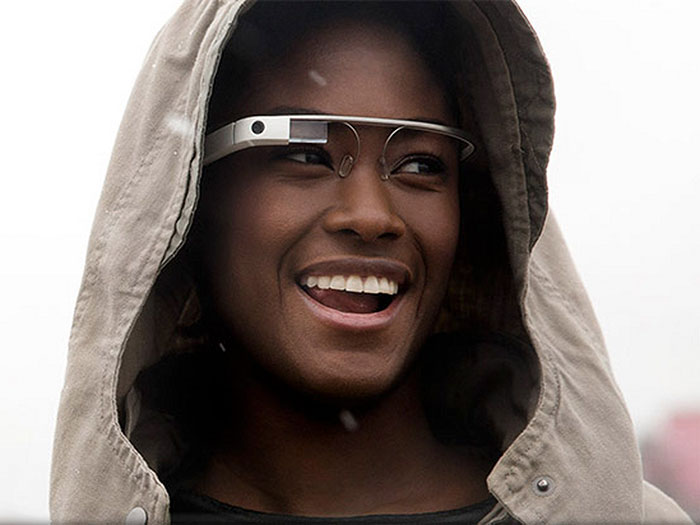
Google Glass, launched in 2013, was a very flawed attempt to create smart glasses. The device retailed for $1,500 and failed to perform its intended functions well. These high-tech glasses also reportedly raised some very serious safety and privacy concerns.
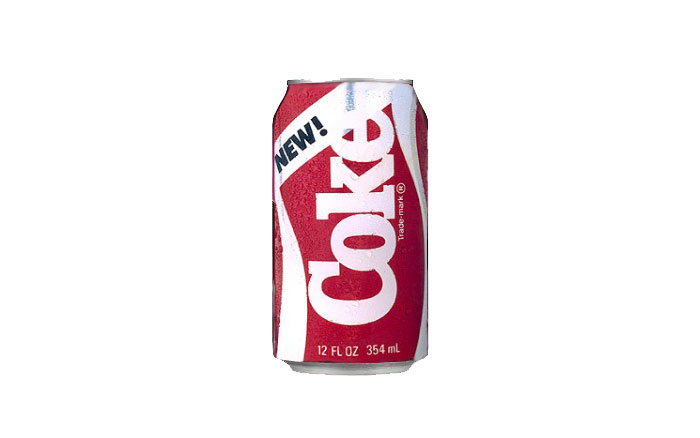
In 1985, Coca-Cola Co. decided to reformulate Coke. The company invested $4 million into a nationwide taste test. And despite the New Coke doing well in taste tests, people's reactions were extremely negative after the launch. Within three months of New Coke’s release, the company had to reintroduce the original formula and rebrand it as Coca-Cola Classic.
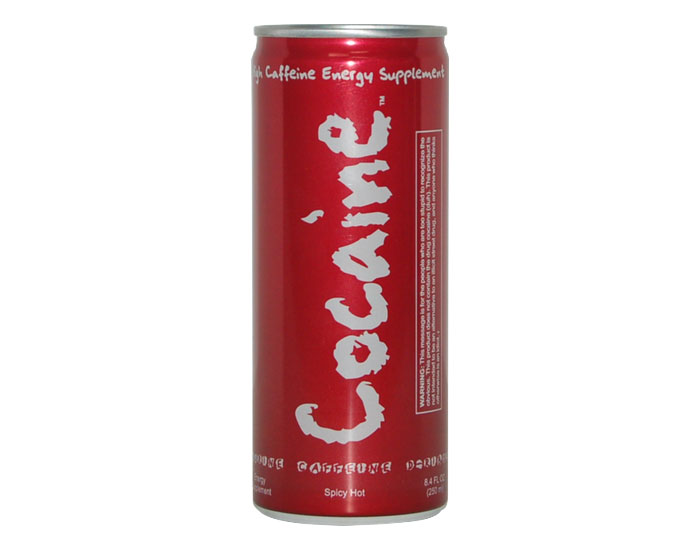
This energy drink was pulled from shelves in the US because of its suggestive name. The FDA decided that Cocaine was “illegally marketing the drink as both a street drug alternative and a dietary supplement.” The drink is still sold in Europe under its original name.
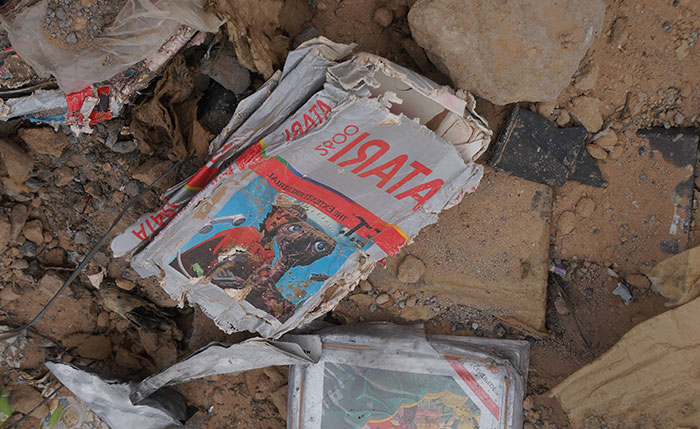
Atari spent $20 million to secure the box office hit E.T., The Extra-Terrestrial thinking they had found a profitable source for video game development. The company produced four million cartridges however 2.5 million were left unsold and were dumped in a landfill.
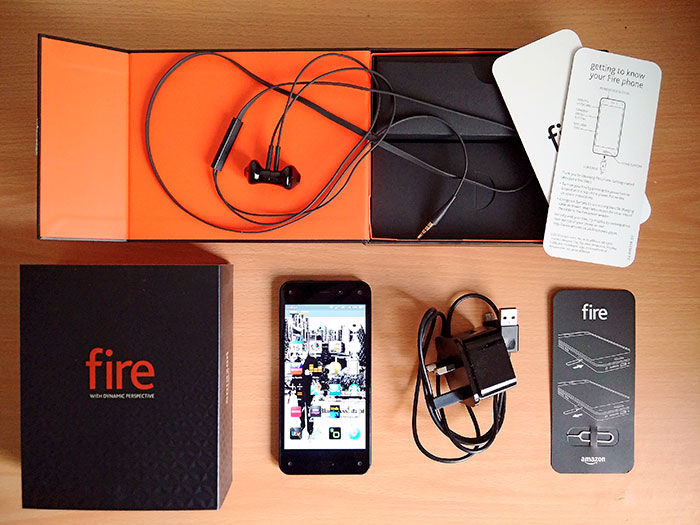
Amazon decided to enter the smartphone market with the Fire Phone in 2014. However, it was very unsuccessful and was discontinued a year later. The company’s CEO Tom Szkutak indicated that the pricing strategy was to blame for this product fail.
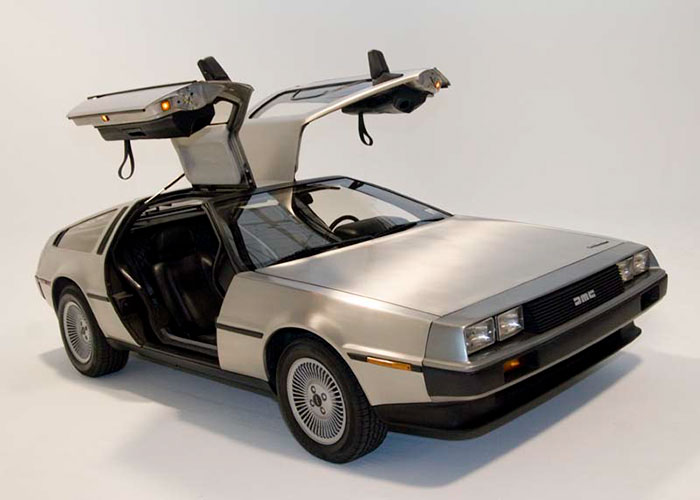
You probably know this car for its appearance in the movie, Back to the Future. Notable for its gull-wing doors, the car was plagued by performance and safety issues. It was on the market only for three years before production was stopped.
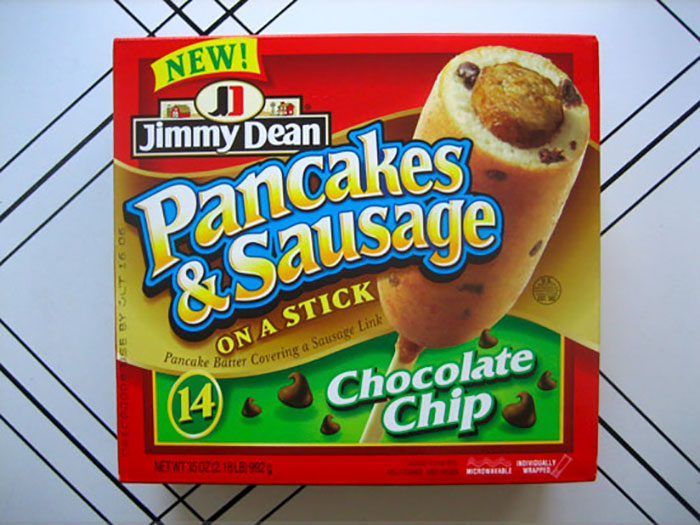
In 2016, Jimmy Dean introduced a strange combination - sausage links wrapped in chocolate chip pancakes on a stick. The saying “it might be crazy enough to work” did not apply to this product.
In 1988, RJ Reynolds Tobacco decided to develop a smokeless cigarette. The company invested $325 million into manufacturing their new Premier line which, according to the CEO of the company “tasted like sh*t”. It’s no surprise people didn’t buy them.
The operating system Windows Vista, released in 2007, was a huge failure. It flopped due to new security features, performance, driver support, and product activation issues.
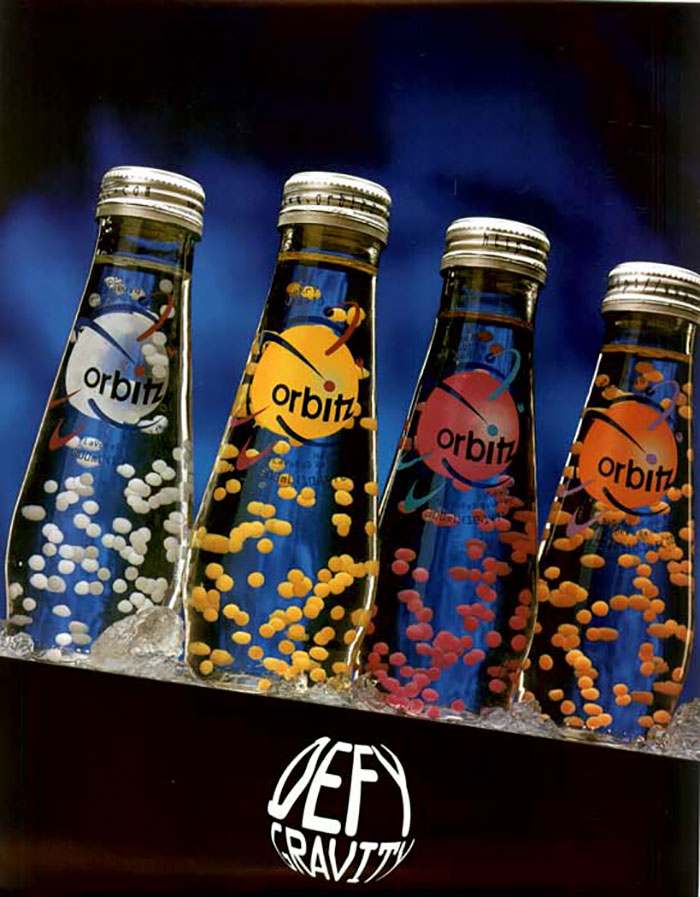
Orbitz drink, which resembles a lava lamp caught consumers’ attention in 1988. However, according to reviews, its taste wasn’t worth the hype. People began comparing the beverage to cough syrup and the gel balls only made the taste worse.
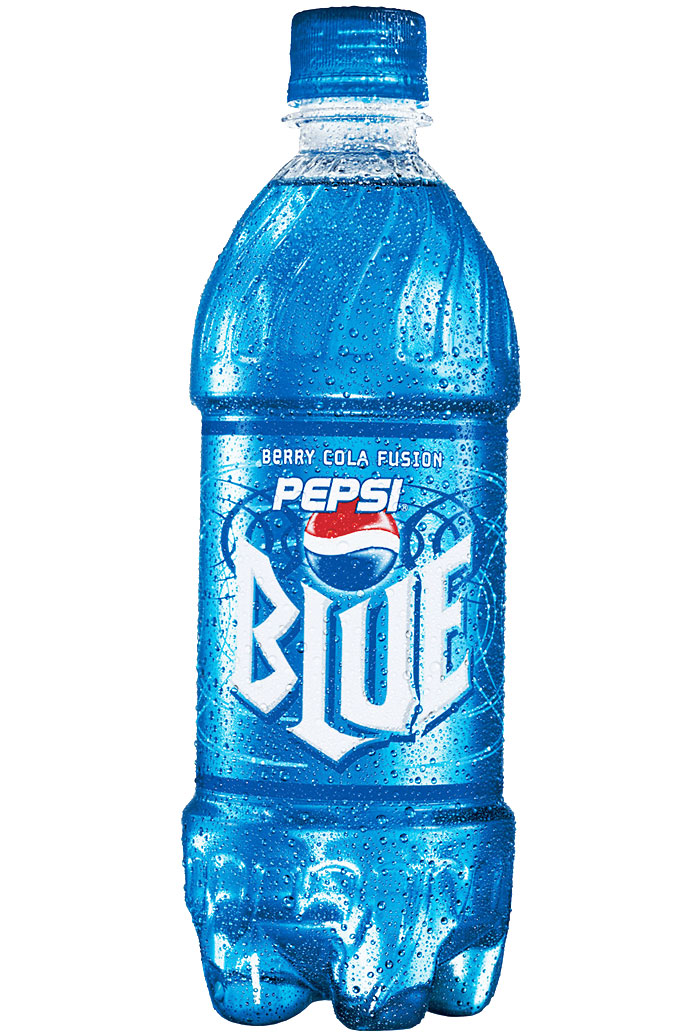
In 2002, Pepsi launched its Pepsi Blue drink to compete with Vanilla Coke. Despite being heavily promoted, this new beverage flopped. It was supposed to taste like berries. However, consumers said it tasted more like cotton candy with a berry-like aftertaste.
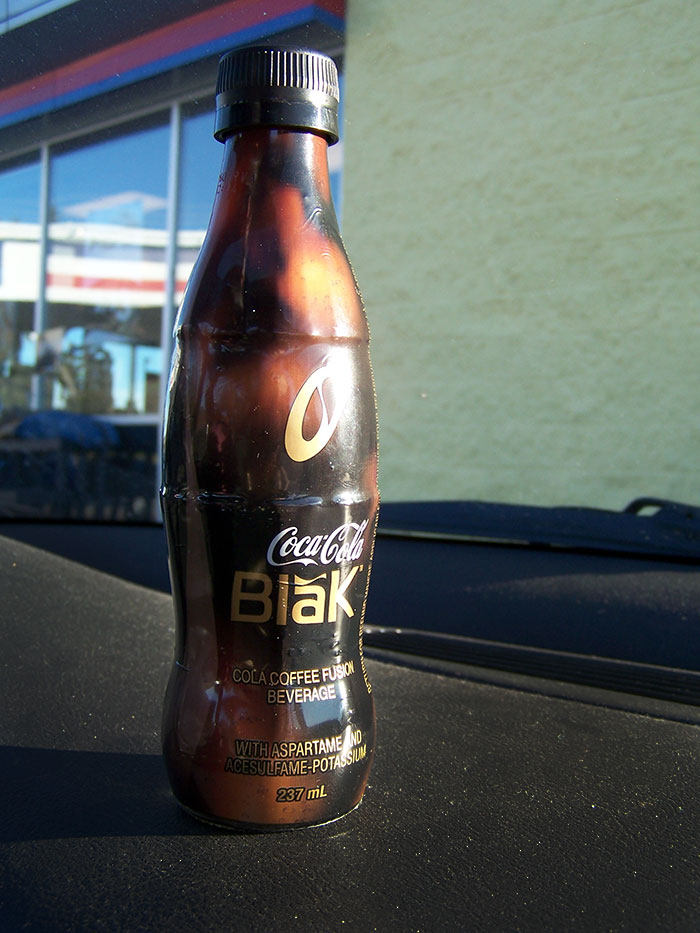
In 2006, Coca-Cola combined cola with coffee to create Coca-Cola Blak. The drink was shelved a couple of years later when people began complaining about the poor taste and excess caffeine.
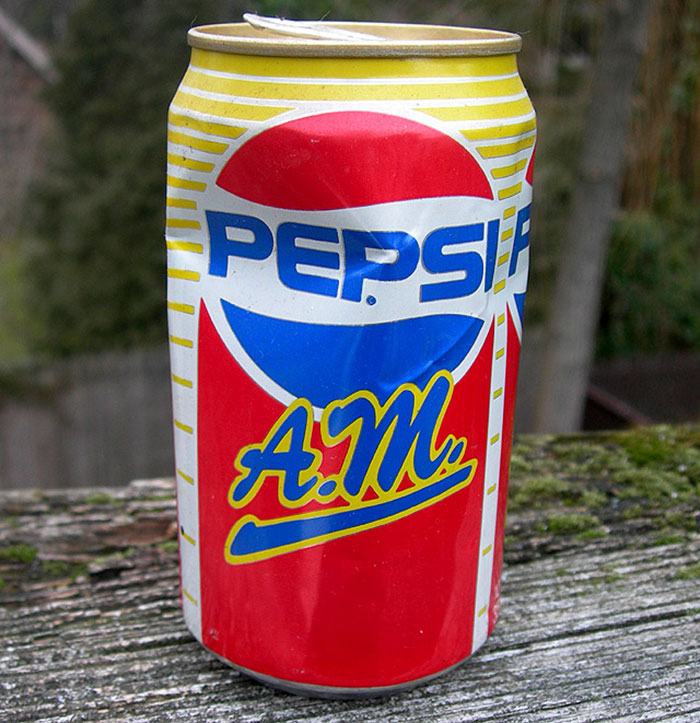
In 1989, Pepsi introduced Pepsi A.M. This new formula contained more caffeine than regular Pepsi and was marketed as a morning drink. However, consumers were not fond of the idea of drinking Pepsi for breakfast. As a result, Pepsi A.M. was discontinued a year later.
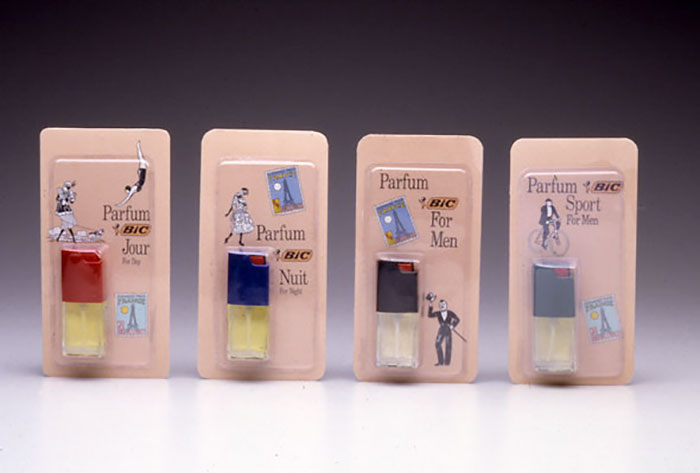
In 1989, Bic launched a completely unrelated product to its brand—perfumes. People were not impressed. Bic removed the fragrance from shelves the following year, swallowing an estimated $11 million loss.
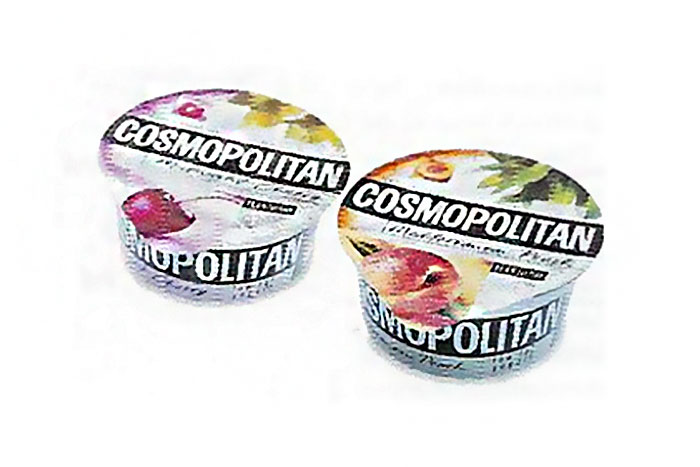
In 1999, Cosmopolitan magazine decided to get into the food game. They came up with the idea of Cosmopolitan yogurt. While yogurt itself seemed to appeal to their target demographic, Cosmopolitan was unable to sell their brand. It was discontinued after only 18 months.
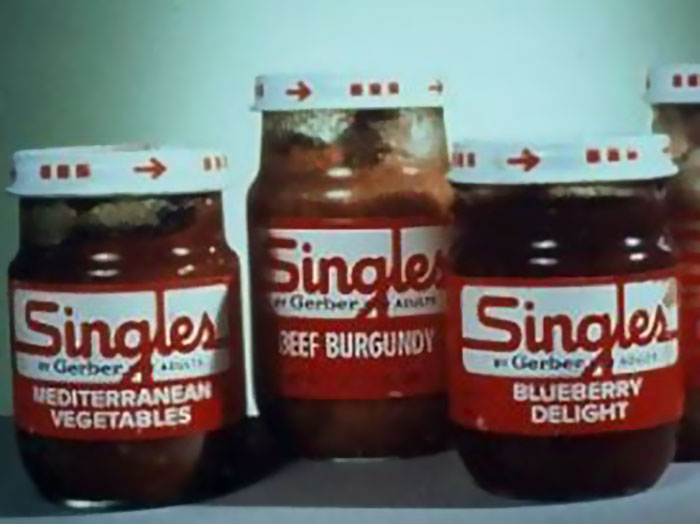
In 1974, the baby food giant Gerber came up with the idea of creating ‘baby food’ for adults. Gerber believed there was a market for ready-to-eat food in a jar, but oh how wrong they were. Consumers didn’t find jars of meat mush very appetizing, and Gerber Singles failed badly.
Segway was launched in 2001 with very high expectations. However, this two-wheeled expensive vehicle failed to live up to the hype. It came with a price tag of $5,000, and despite being quite innovative, it just wasn’t that appealing or necessary to consumers.
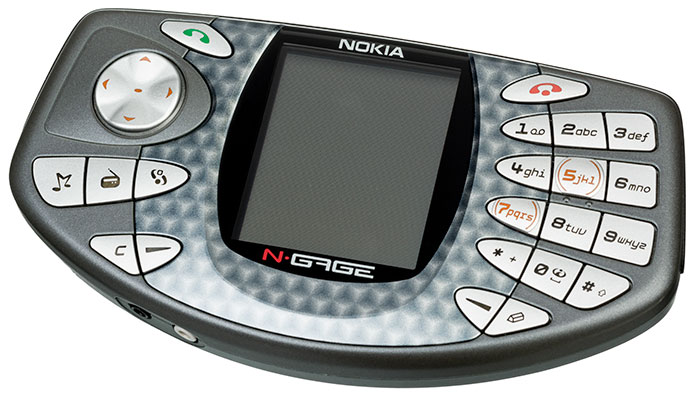
Back in 2003, before everyone was playing games on their smartphones, Nokia decided to combine phones and gaming. The company expected a better reception to their Nokia N-gage, but it ended up being a total failure. This ‘taco phone’, as some people began referring to it, only managed to reach one-third of its 6 million units in sales.
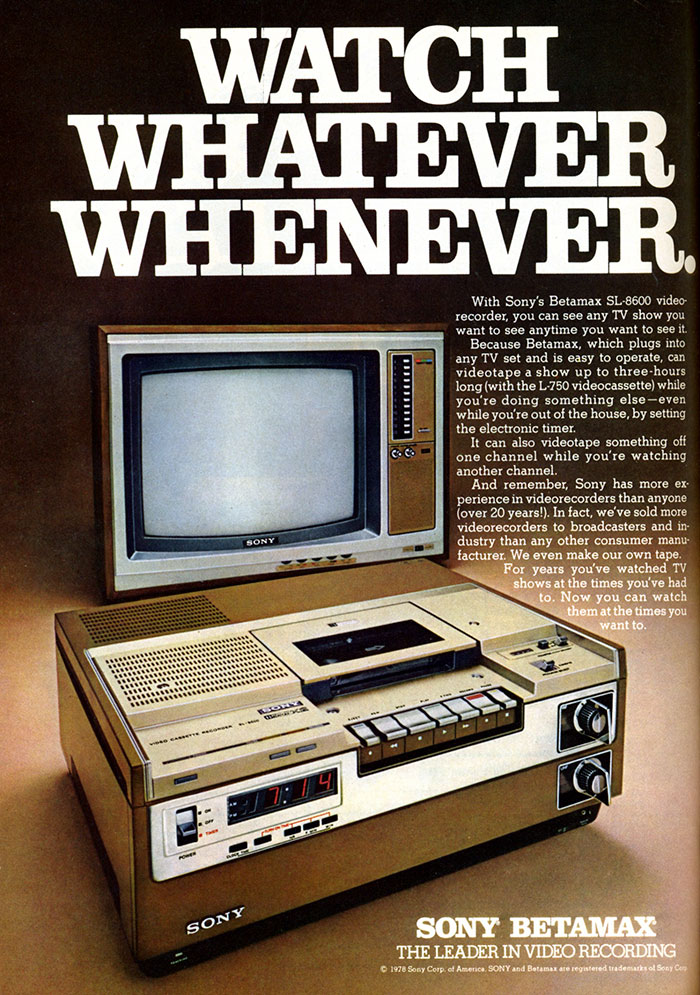
Sony Betamax was released in 1975, but it was a huge mistake because its rivals started selling VHS machines. The Betamax format was crushed in the videotape format war by the VHS. Consumers preferred it mainly because VHS recording time was 2 hours, allowing most feature films to be recorded without a tape change.
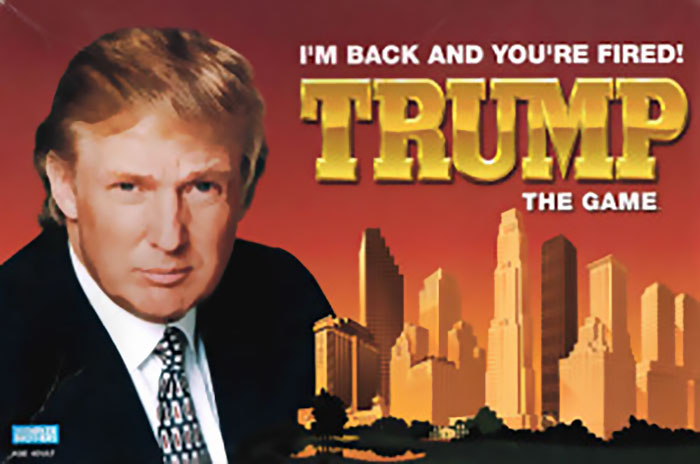
In 2011, Time magazine listed this game among the "Top 10 Donald Trump Failures". This game was released in 1989 with only 800,000 copies sold out of an expected two million.
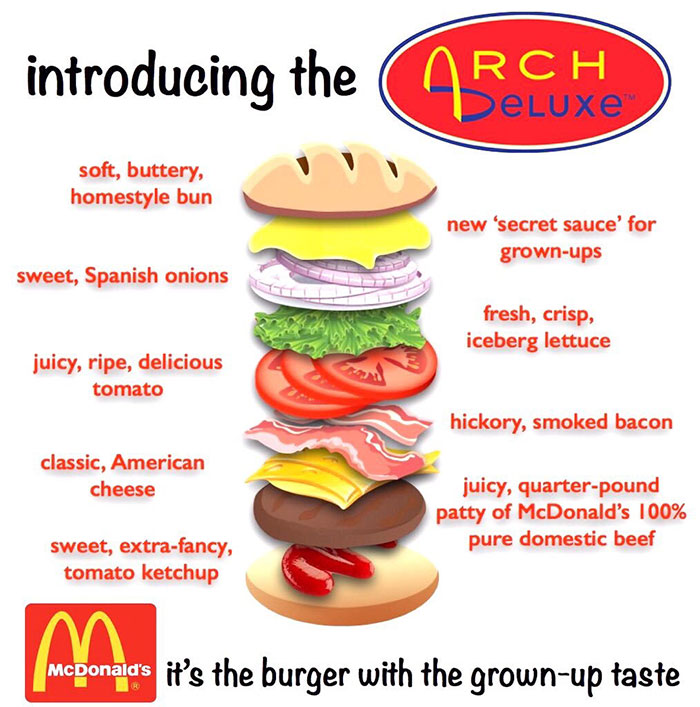
In 1996, McDonald’s decided to broaden its target demographic by introducing a burger, Arch Deluxe. The mustard-mayonnaise sauce was supposed to appeal to adult tastes. However, even a $100 million advertising campaign couldn’t convince grown-ups to eat the burger. The failed product was soon discontinued, and its marketing campaign is now considered to be one of the most expensive flops of all time.
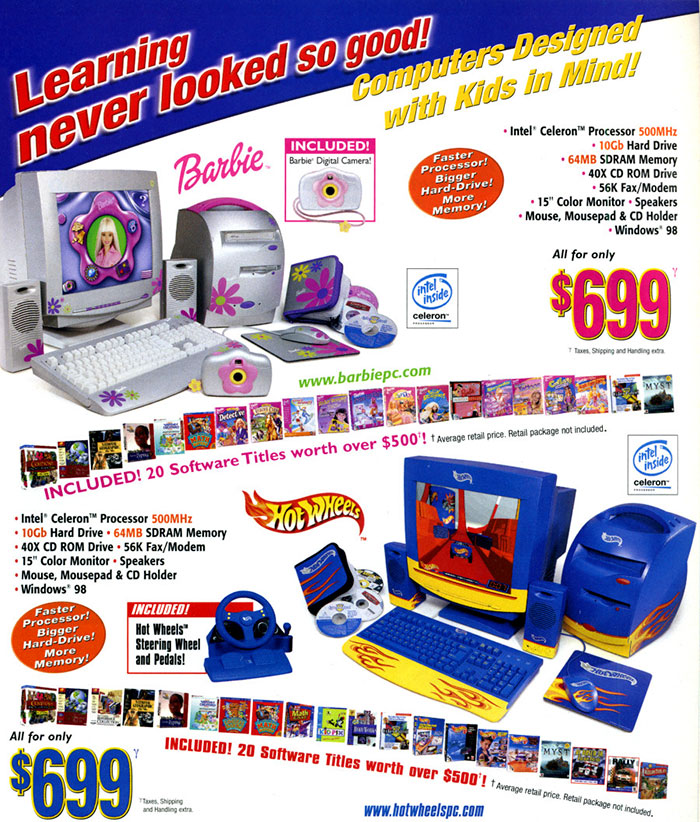
Hot Wheels and Barbie computers came with so many manufacturing issues that it drove the company out of business, with thousands of unfilled orders.
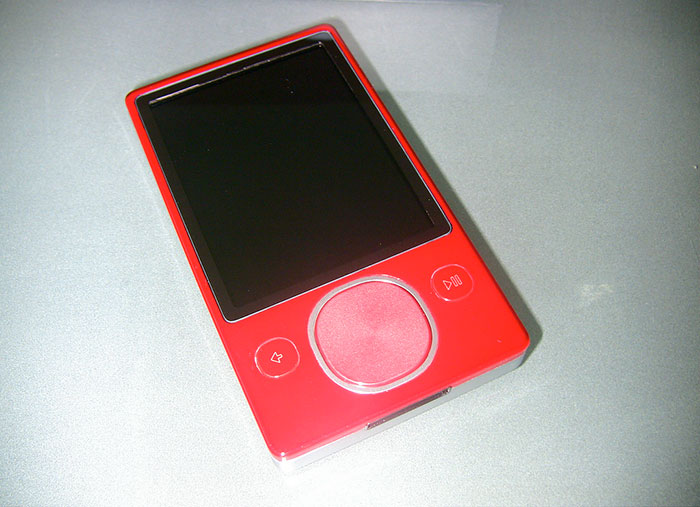
In 2006, Microsoft came up with the Zune, a failed product that was supposed to rival the iPod. However, Zune failed to convince consumers that it was on par with the iPod. In 2011, Zune players were discontinued.
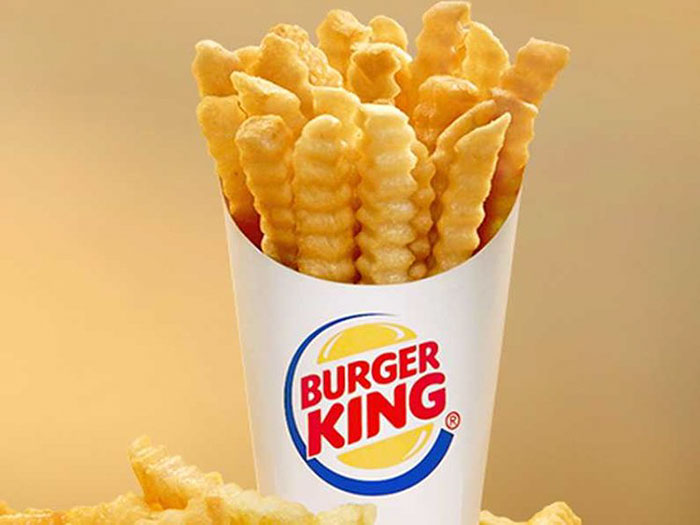
Burger King’s attempt to make french fries a little healthier backfired. They introduced Satisfries in 2013 as an alternative to regular fried, except with less fat and fewer calories. Consumers weren’t fond of these revamped fries, and Burger King had to go back to their original recipe.
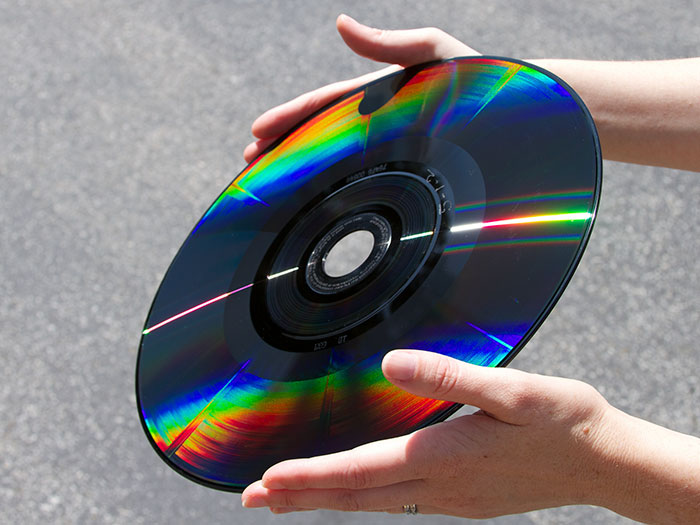
Despite being able to offer higher-quality video and audio than its rivals, Laserdisc failed to gain traction.
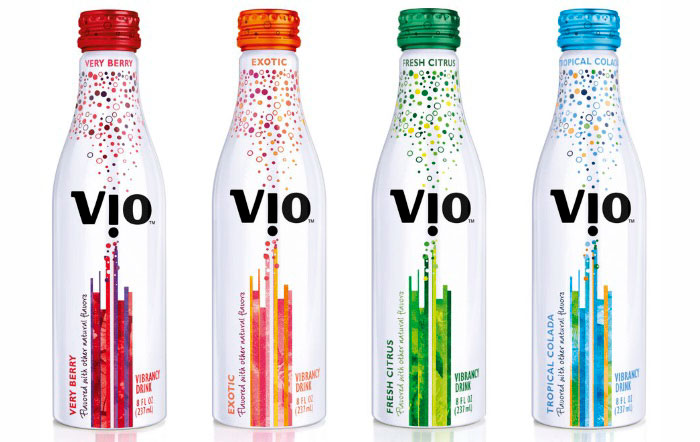
Introduced in 2009, Vio, a beverage by The Coca-Cola Company, failed to win consumer’s hearts. Why? Probably because flavored milk mixed with carbonated water is a very odd and unappealing combination.
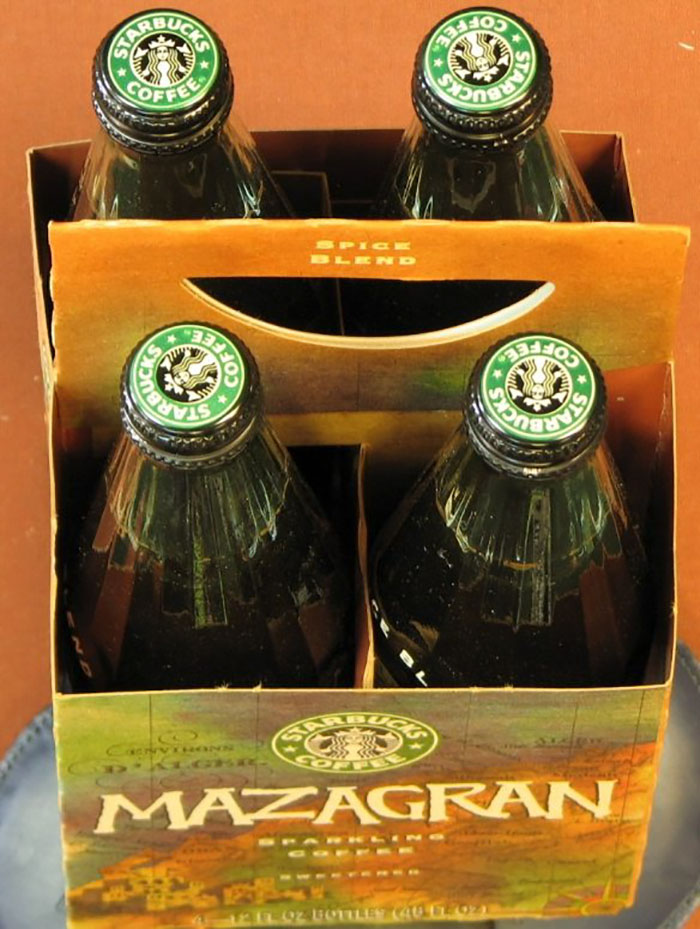
Starbucks and Pepsi partnered to make this carbonated coffee soda. People couldn’t decide whether they liked or hated the drink. Nevertheless, it was discontinued after failing to appeal to a broad audience.
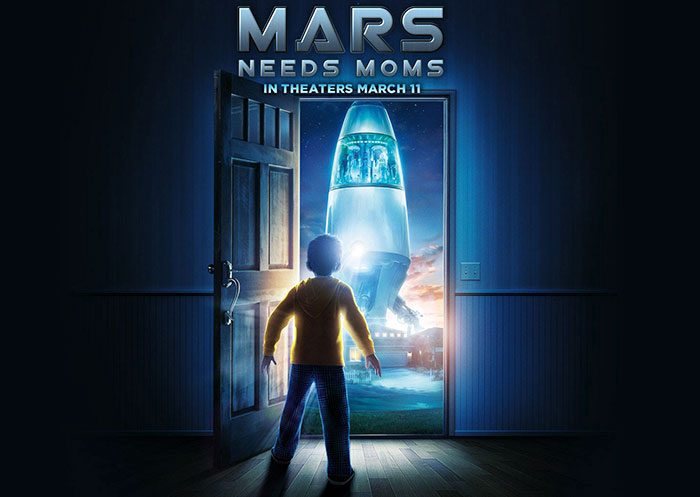
Mars Needs Moms was an utter disappointment for Disney. The animated film cost $150 million to produce and probably $50 million more went to marketing. The saddest part is that the movie only made only $6.9 million in its debut at the domestic box office. It is considered the worst flop of 2011.
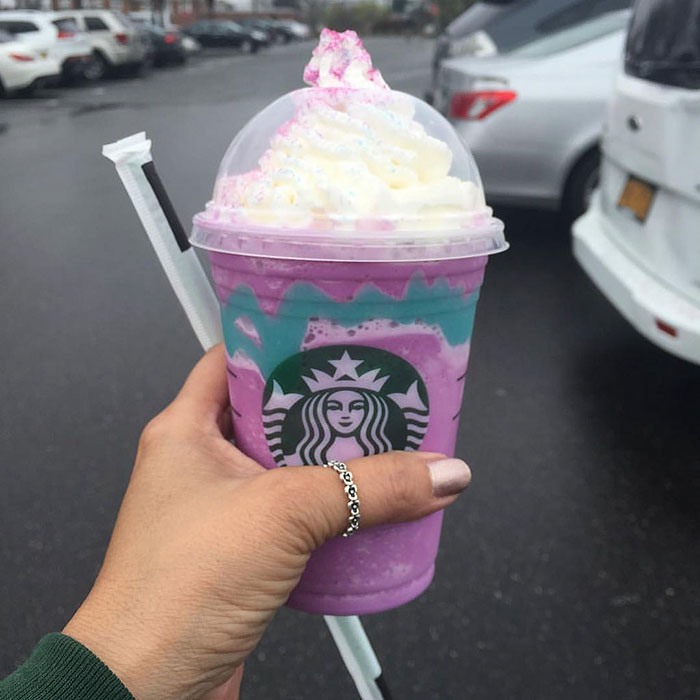
When Starbucks launched Unicorn Frappuccino, it made people freak out about how good it looked on their Instagram feeds. However, the taste didn’t match the hype and disappointed many people.
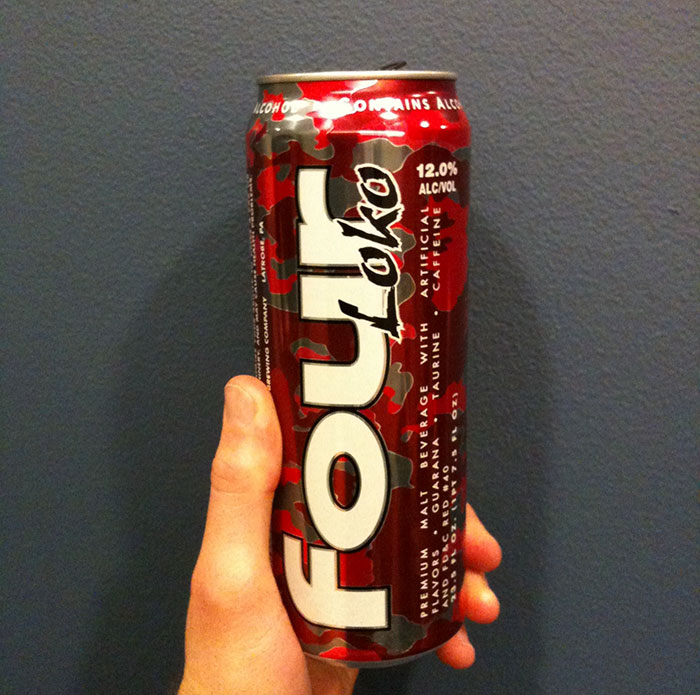
Four Loko used to be an alcoholic beverage combined with caffeine. The drink was the subject of ethical, legal, and health concerns. In 2011, the FDA declared alcoholic energy drinks a public health concern.
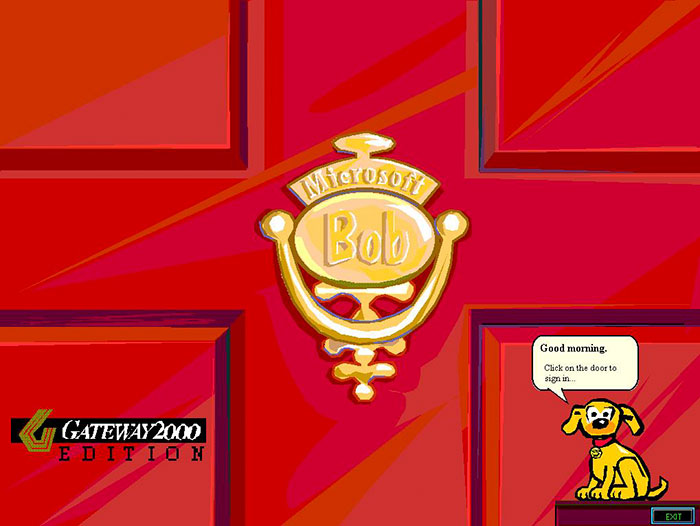
Microsoft introduced a software called Bob in 1995. Bob was supposed to make Windows more user-friendly by transforming the desktop screen into an image of a room to help users find and understand programs better. However, it was a huge, unworkable mess. Bob was discontinued a year later.
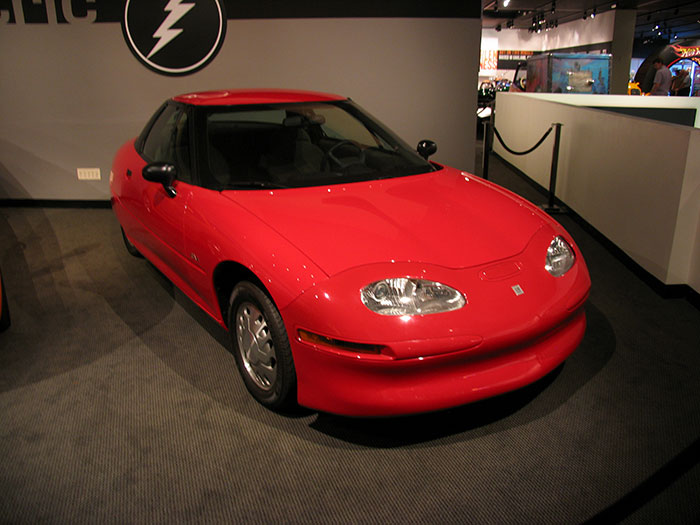
In 1996, General Motors introduced EV1 as the first mass-produced electric car. It was a big hit with consumers and environmentalists. However, six years after the release, General Motors recalled the model, claiming liability and spare parts problems, making quite a few people angry.
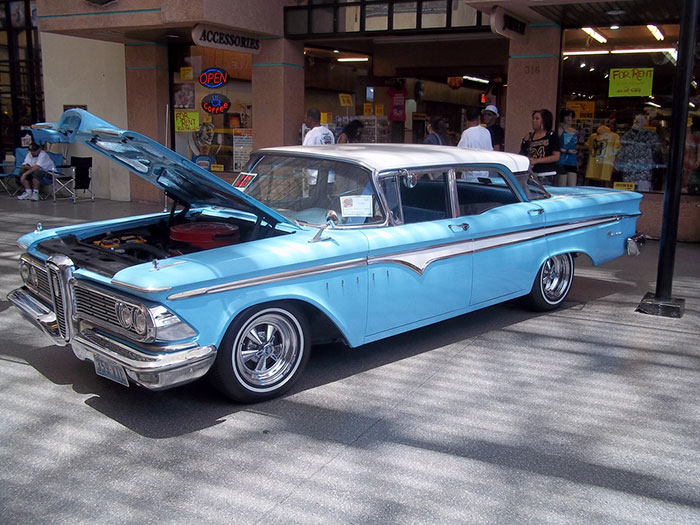
Back in 1957, Ford Motor Company manufactured a car called the Edsel. The company invested $400 million in the development, manufacturing, and marketing with the belief that Edsel was the "car of the future". However, once it was unveiled to the public, it failed so badly to appeal to the consumers that Ford ended up losing $250 million. Edsel was taken off the market in 1960 and became an example of how not to market a product.
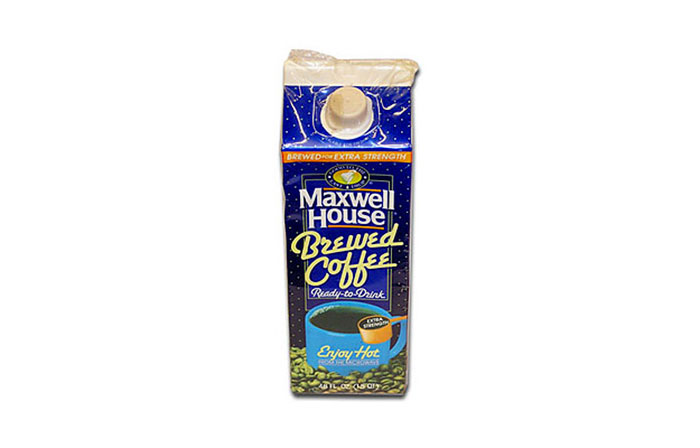
Maxwell House came up with the idea to sell pre-brewed coffee in a cardboard carton. The company missed the opportunity to start a cold-brew coffee trend and instead suggested that consumers should heat up their cold coffee. It’s no surprise that they were not into this idea.
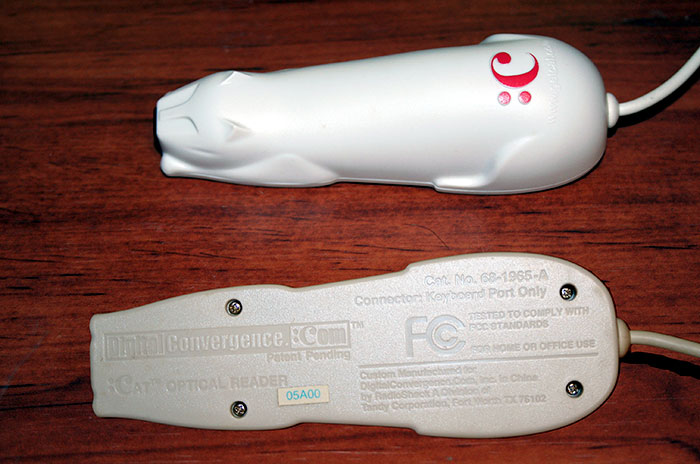
The CueCat was supposed to serve as a bridge between the print media world and the internet. After plugging the device into a PC, consumers could use it to scan barcodes on magazines; the browser would then open a specialized website associated with the barcode. The product left everyone scratching their heads, and it was discontinued after it was deemed useless.
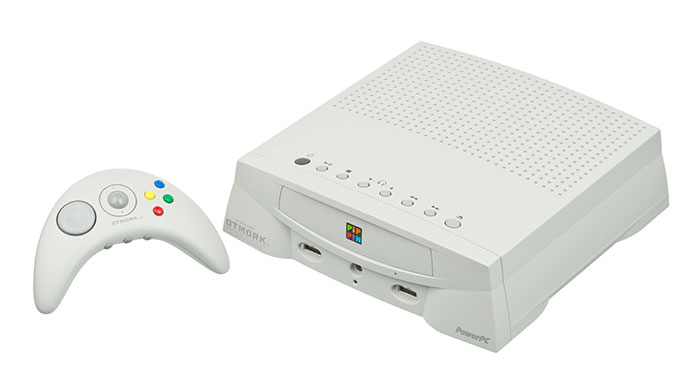
It is estimated that Apple produced 100,000 units of Pippin console and only 42,000 were sold. As it turns out, the console which was supposed to be a gaming, web browsing, and educational device wasn’t that appealing to the consumers.
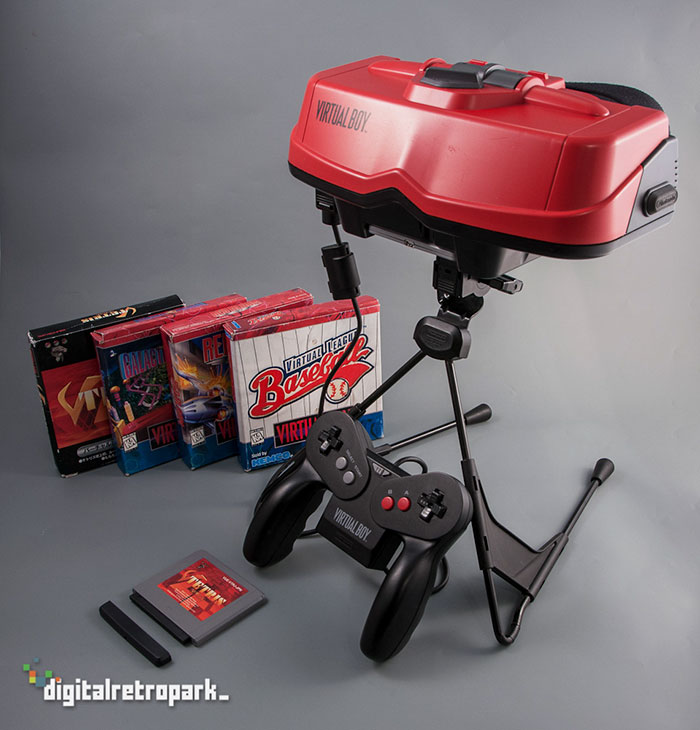
In 1995, Nintendo introduced a huge mess called the Virtual Boy, marketed as the first virtual reality console. In reality, it was far from it. The console actually used a parallax effect to create an illusion of depth. The reviews were mainly negative, and as the sales plummeted Virtual Boy was considered a failed product.
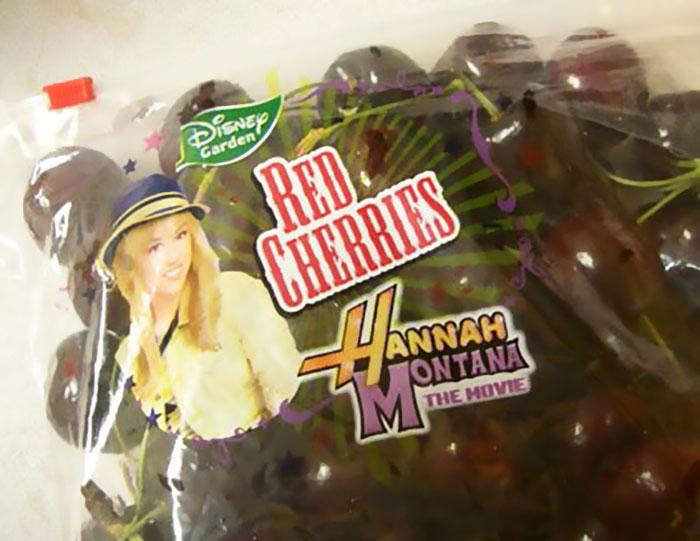
After Hannah Montana became a success, Disney merchandised dozens of products. Some were appropriate, others, like these cherries, not so much...
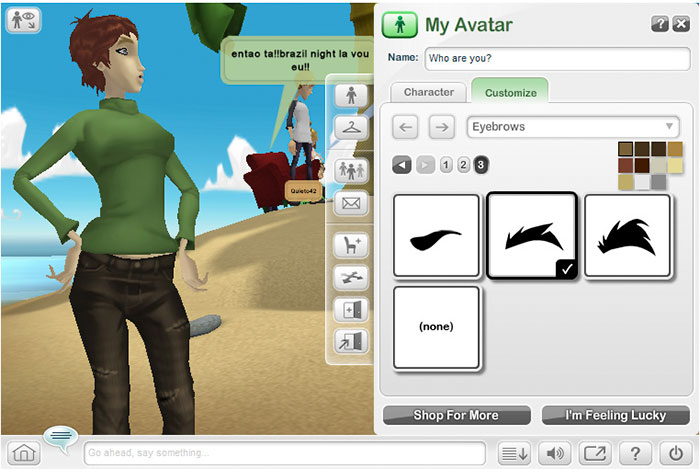
Back in 2008, when the virtual world “Second Life" was thriving, Google decided to create its own version and called it “Lively". It turned out to be a terrible idea, and "Lively" was closed after less than a year.
In 2013, Lululemon had to recall its Astro pants because consumers complained that their form-fitting pants were see-through. The incident led to a decrease in profits and a lawsuit.
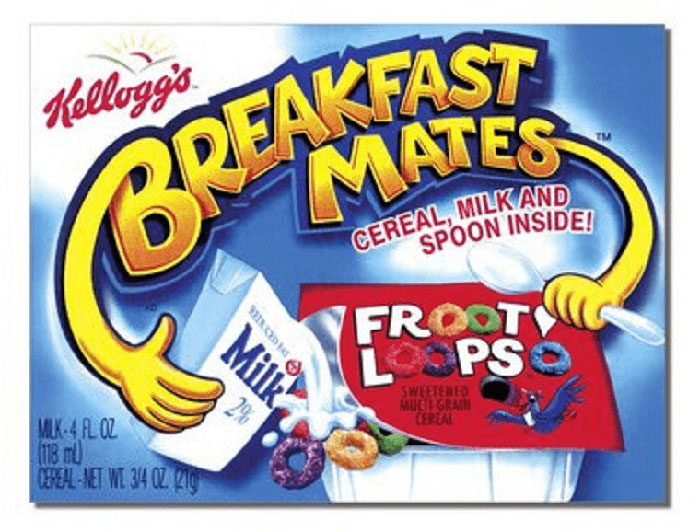
Milk and cereal are the perfect match, and Kellogg's knows it well. But too much of a good thing can still be too much. In 1998, the company came up with the idea of selling milk and cereal in the same box. This could’ve been a good and convenient idea. But after spending $30 million on TV and print ads, they realized that they had made a mistake. Breakfast mates were neither convenient for consumers nor tasty.
The Ford Pinto flop brought huge financial losses to the company and damaged its reputation. The reason behind it—the car is known for deadly fires related to rear-end collisions. These accidents resulted in around 117 lawsuits against Ford.
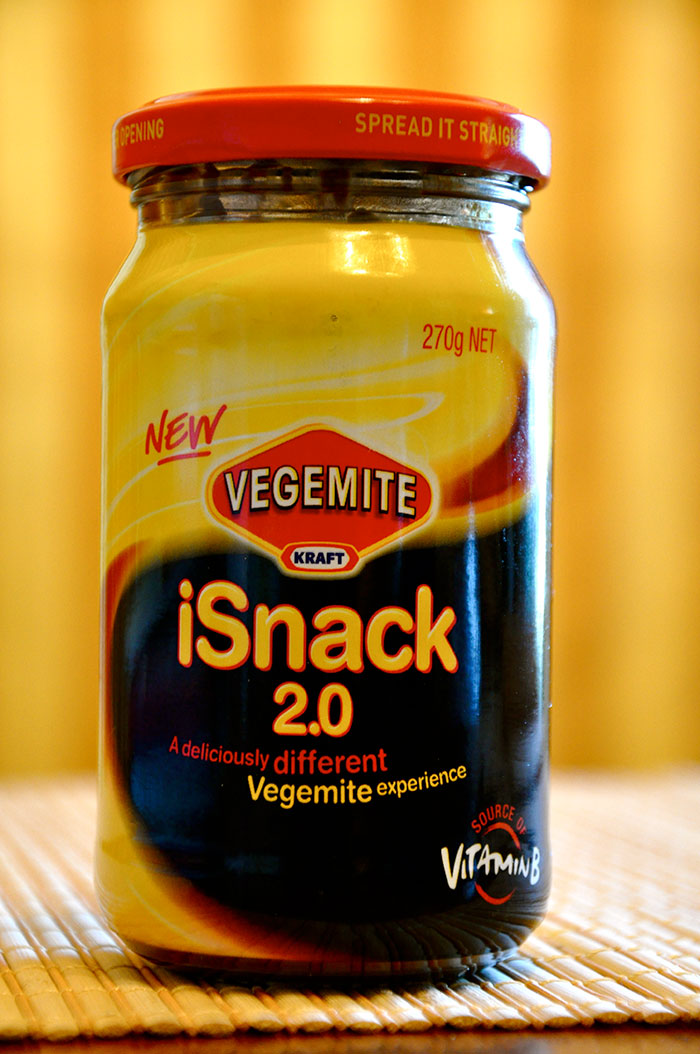
In 2009, Vegemite received 48,000 suggestions on what to name their new cheese-based spread. Out of all the ideas they received, they decided to go with the worst one—iSnack 2.0. It was widely ridiculed and protested and it made the company rethink their choice.
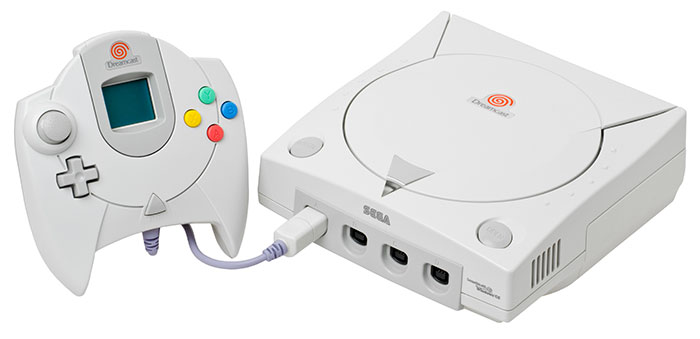
Dreamcast was supposed to put Sega back in the game. As it turned out, Dreamcast was just not as good as PS2. After this failed product, Sega decided to abandon the console business and become a third-party developer.
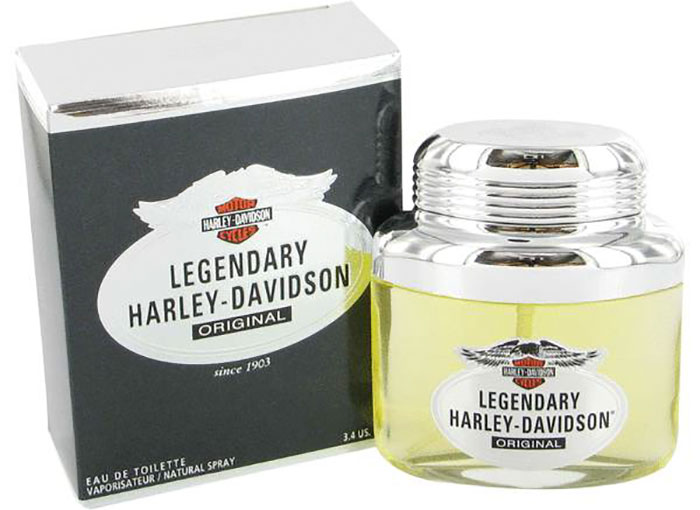
Back in 1990, Harley Davidson went too far with brand extension. The brand released many strange products, but it seems that bikers decided that enough was enough after Harley Davidson introduced colognes. The colognes failed to interest consumers and made Harley Davidson realize that they should stop stretching the brand into other product categories.
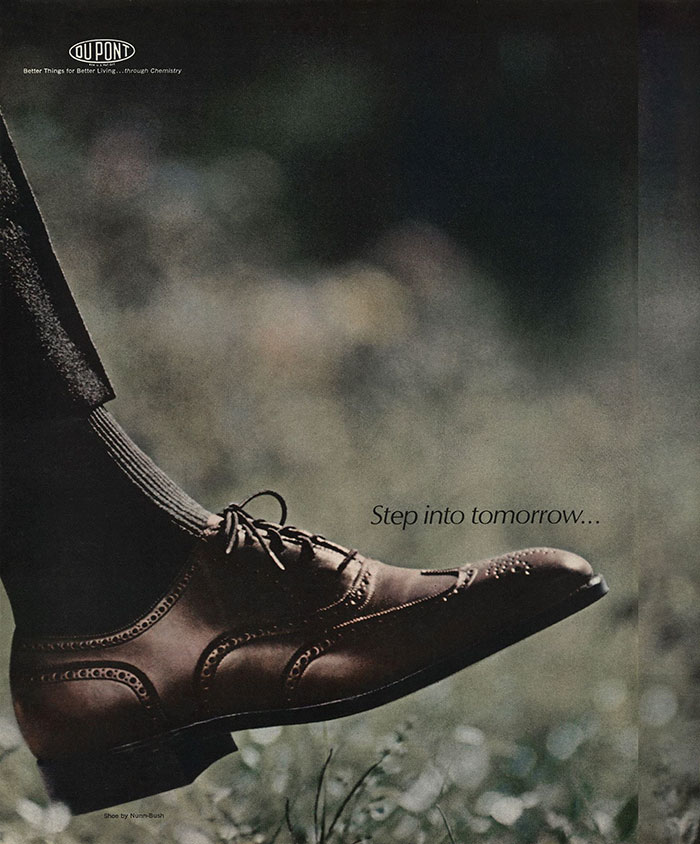
In 1964, DuPont launched Corfam shoes with synthetic leather. They were advertised as a much better alternative to leather shoes and managed to rustle up some excitement about their new product. However, these shoes flopped after people started complaining that the shoes were stiff and too hot for feet. It resulted in the company losing over $100 million.
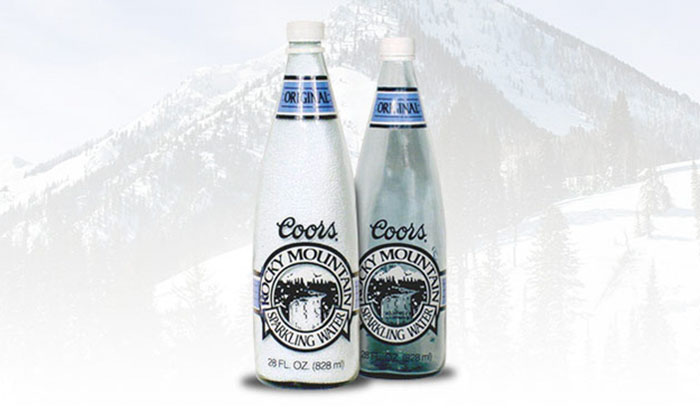
In 1990, the Coors Brewing Company decided to launch its first nonalcoholic beverage since Prohibition. As it turns out, many people were confused by Coors Rocky Mountain Sparkling Water since it had a name and label similar to that of Coors beer. The product was discontinued in 1997, and the low sales forced Coors to stick with selling beer.
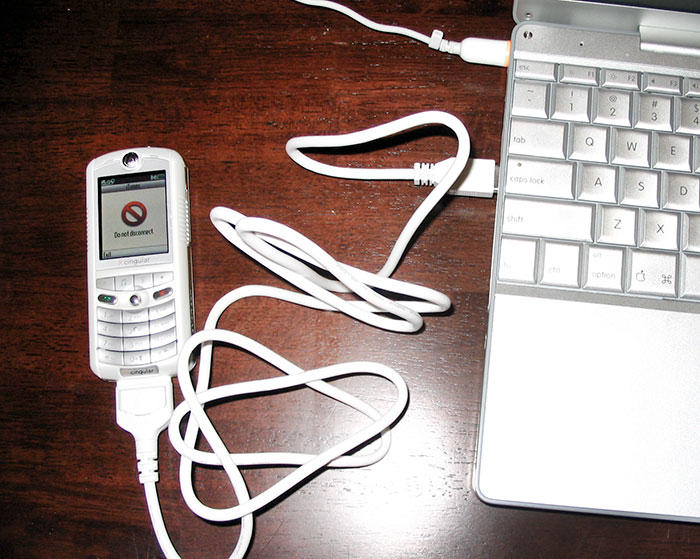
Before Apple created the iPhone, they partnered up with Motorola to create a new iTunes phone. Sadly, what they came up with was an underpowered phone with limited storage and that had difficulty uploading songs.
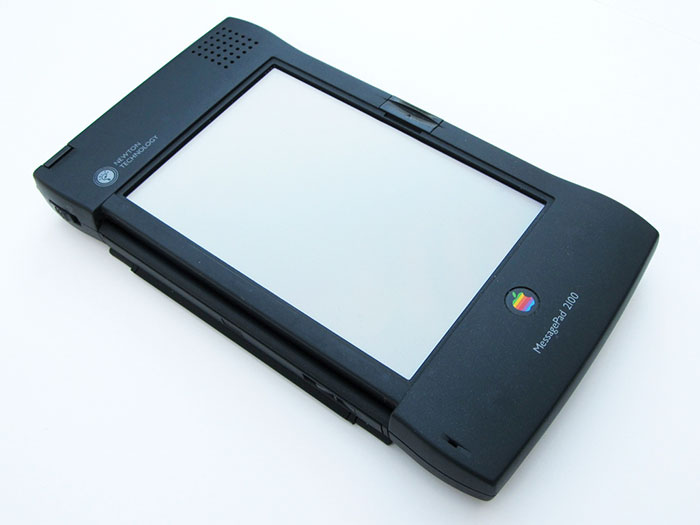
The Newton was a personal digital assistant developed by Apple. It was the first device to feature handwriting recognition. At first glance, the device was innovative but was later discontinued because of problems with the handwriting recognition feature and a high price tag.
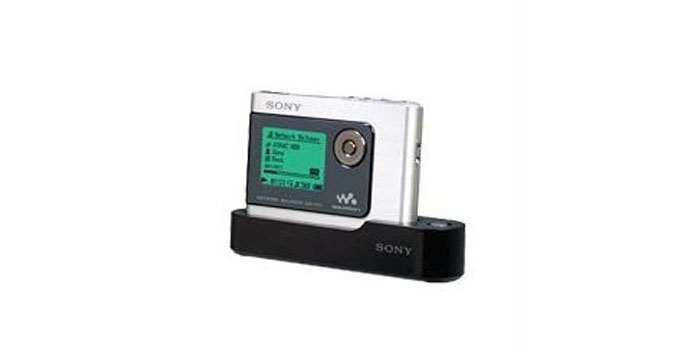
When this audio player came out, it was probably the smallest player at the time. However, it was a complete flop because it only supported Sony’s ATRAC3 format. So no MP3, WAV, or WMA support. Also, the price was way too high.
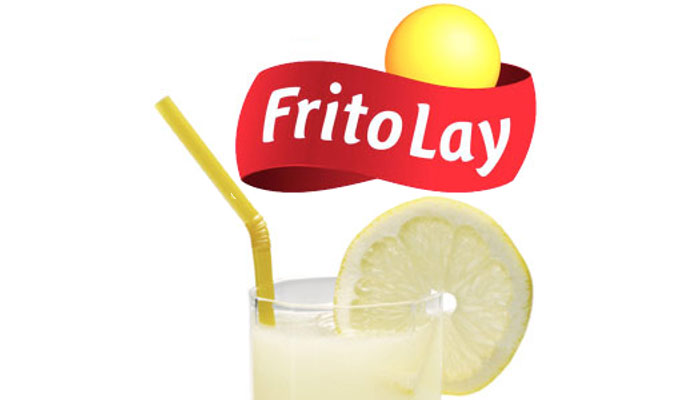
In 1998, Frito-Lay decided to launch a new drink. They believed that the Frito-Lay lemonade would go well with their chips, but consumers disagreed. The lemonade was soon shelved after failing to interest consumers.
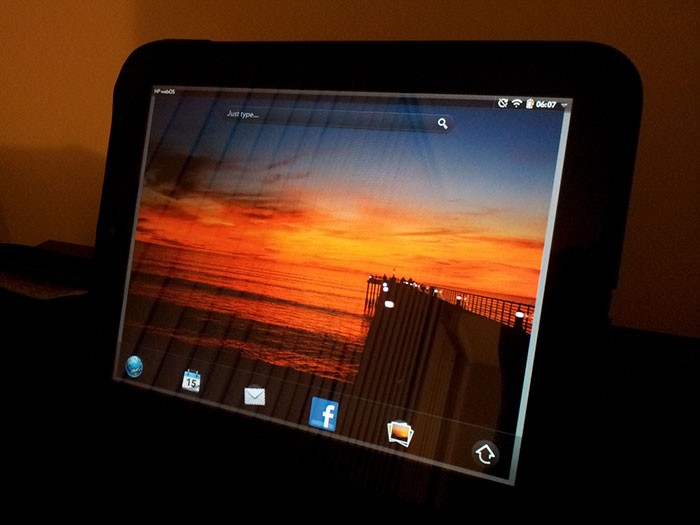
HP attempted to compete with the iPad in 2011 by creating the TouchPad. However, the new tablet was just like every other tablet and failed to deliver something new. It lasted only 49 days on the market selling just 20,000 units.
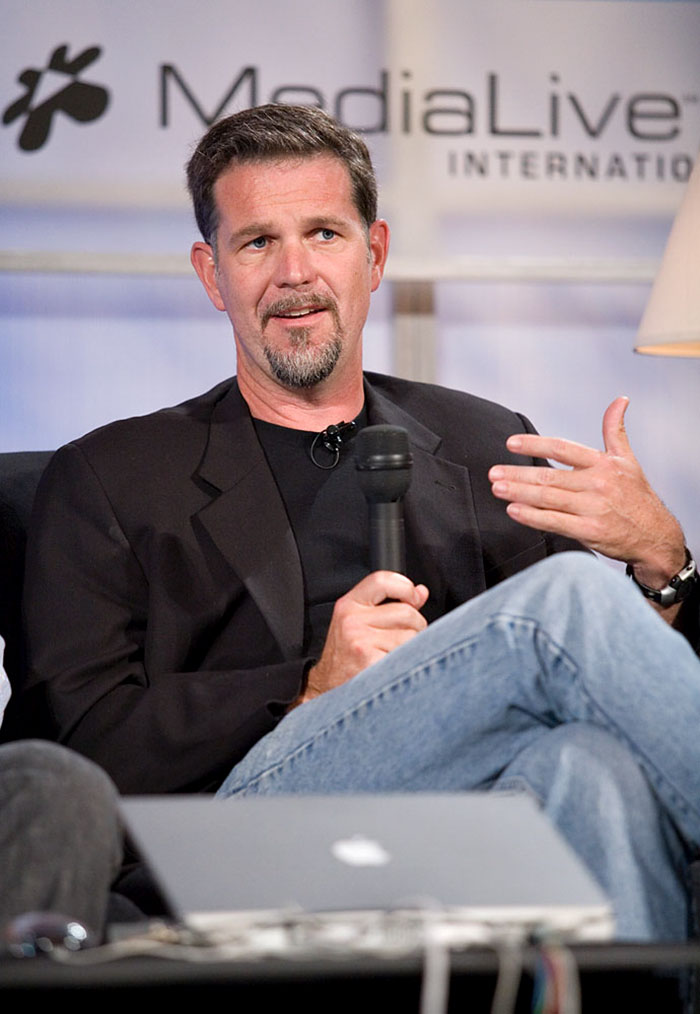
In 2011, Netflix offered streaming and DVD rental services. However, they thought it would be a good idea to divide them by creating Qwikster. The idea was to make two different websites for these services: Netflix for streaming and Qwikster for DVD rental. This would mean that customers would have to create two different accounts for these services and have two different subscription plans, leading to a high total price. After receiving harsh criticism, the re-branding was immediately shelved.
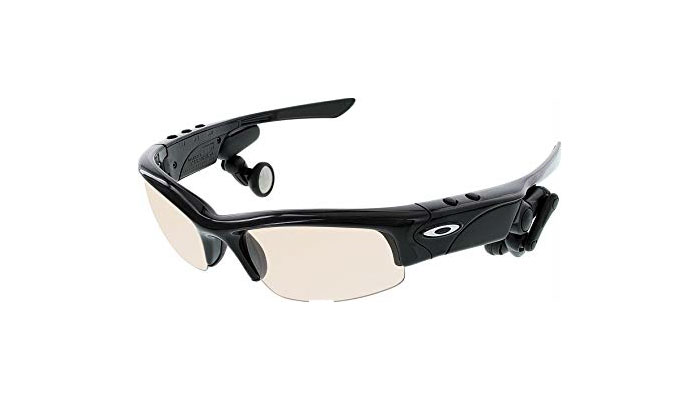
In 2004, Oakley THUMP was launched as the first audio player built into sunglasses. Weak sound, a high price (from $249 to $349), and the odd fashion design failed to attract consumers.
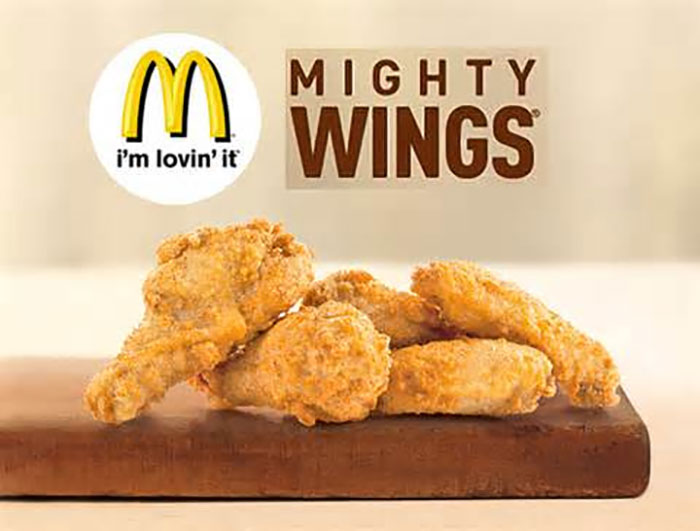
To lure in more customers, McDonald's once added Mighty Wings to their menu. But this new addition failed to succeed. It is believed that the reason for this flop was price, insufficient taste and the appearance wasn't appetizing enough. Mighty Wings lasted only a year in the market.
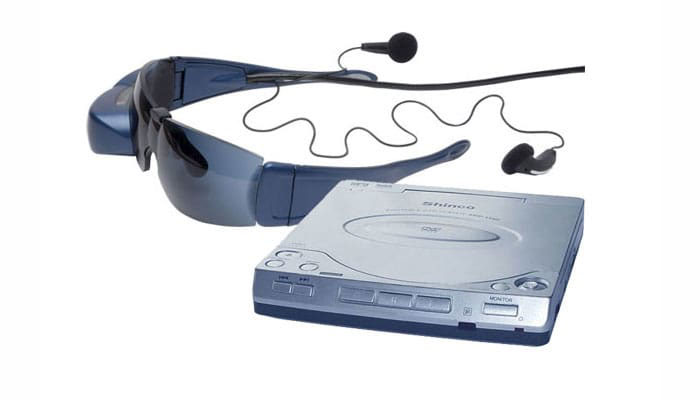
Eyetop Wearable DVD player was designed to allow you to watch DVDs on the go. A 320 x 240 pixel LCD screen mounted in the right eyepiece of the glasses was supposed to simulate a 14-inch screen. The product flopped as users began to complain about motion sickness.
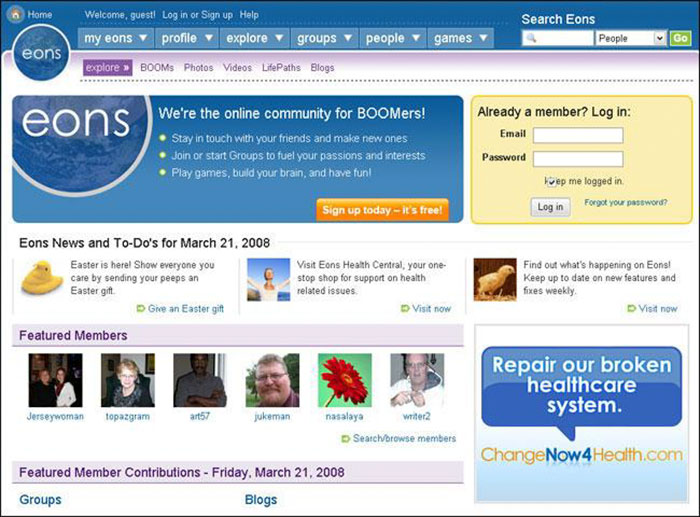
In 2006, a new social media platform for baby boomers and users over 40+ was introduced. But it failed to attract people to sign up. In 2011, it was acquired by an advertising agency that targets mature consumers.
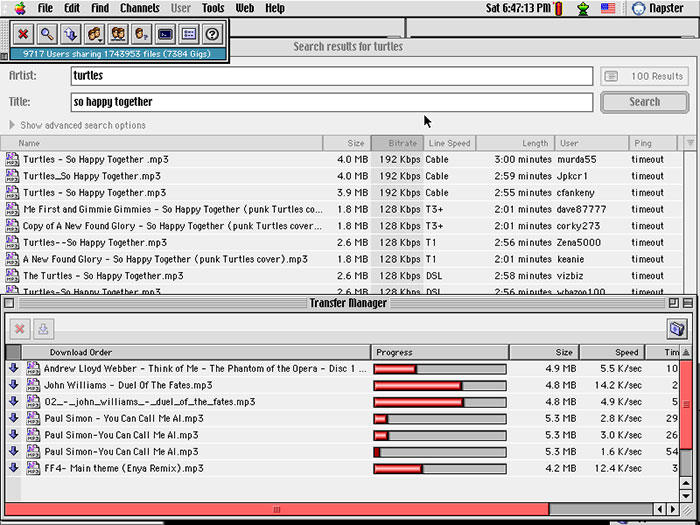
In the late 90s, the startup Napster was launched. Napster offered free music sharing services and was used by more than 80 million people. Soon enough, however, lawsuits against the company for copyright infringement began to pile up, and Napster had to end their services.
Most shampoo brands add natural ingredients, such as honey, herbs, and fruits. Clairol went a step ahead and added yogurt to its shampoo.
Consumers didn't like the idea of putting dairy in their hair. Some people even confused it with an actual yogurt and ingested the product.
Introducing a new product can be daunting, especially for established brands. Marketing mishaps can lead to epic fails that capture the public's attention in unexpected ways.
As we've seen time and again, sometimes these flops are even memorable for their sheer audacity, much like creative food names that backfire hilariously and become a part of internet lore.

Although this trip down memory lane was interesting, I almost abandoned reading halfway through the article. A mistake here and there is understandable, but this article is in serious need of a proofreader.
Although this trip down memory lane was interesting, I almost abandoned reading halfway through the article. A mistake here and there is understandable, but this article is in serious need of a proofreader.














 No fees, cancel anytime