Get Premium
Dark mode theme is available exclusively for premium users. Learn more about the benefits of subscribing.
No fees, cancel anytime.

 Dark Mode Ad-Free Browsing Unlimited Content
 Ad-Free Browsing Unlimited Content Dark Mode
Join 1.2 million Panda readers who get the best art, memes, and fun stories every week!
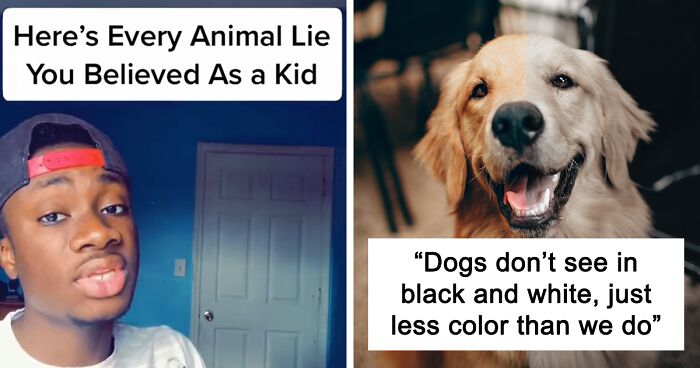
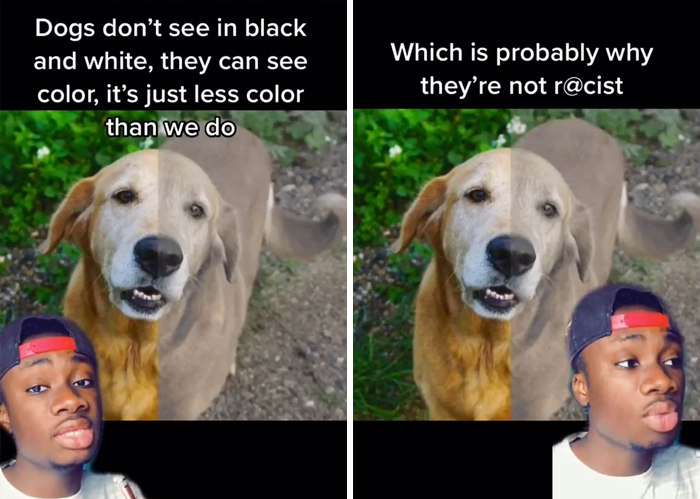
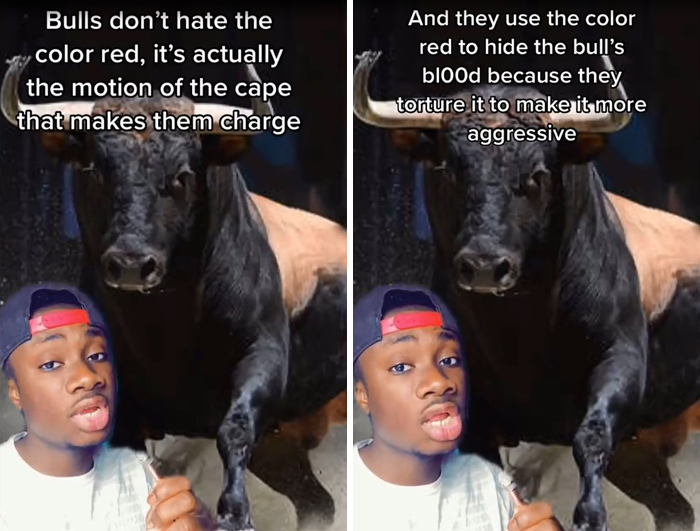
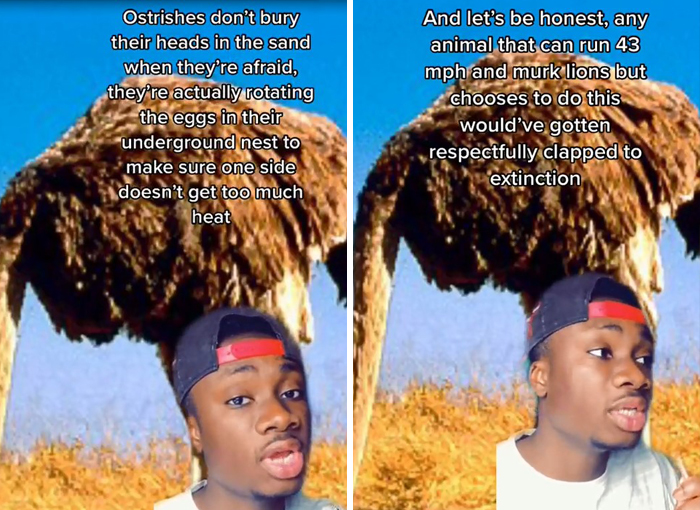
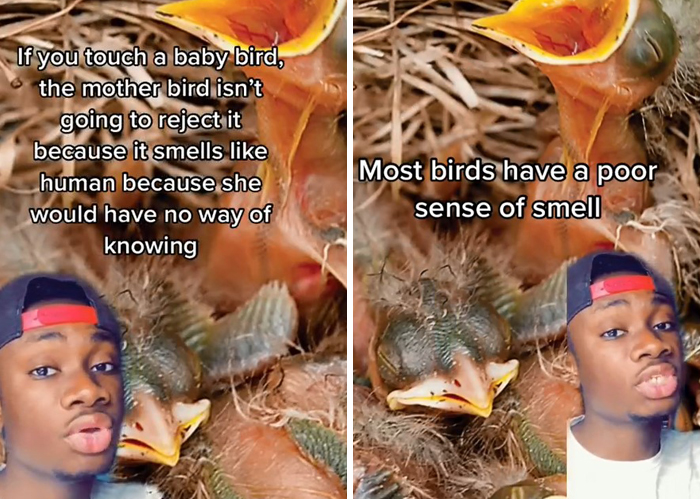
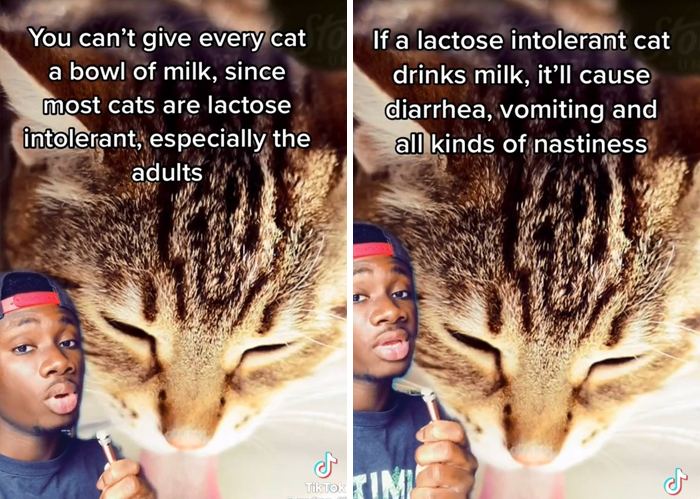
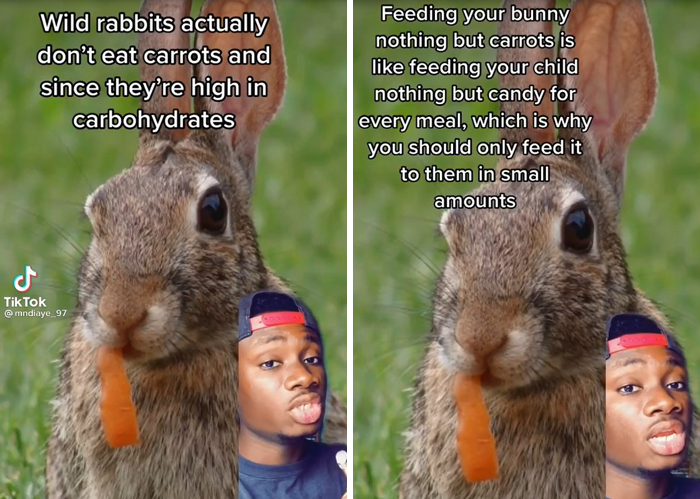
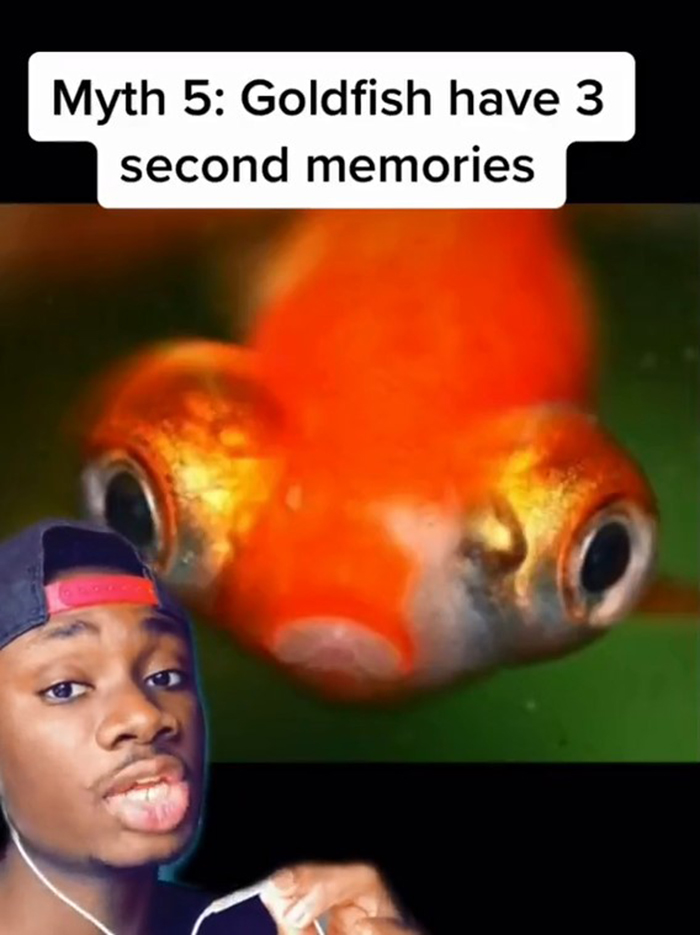
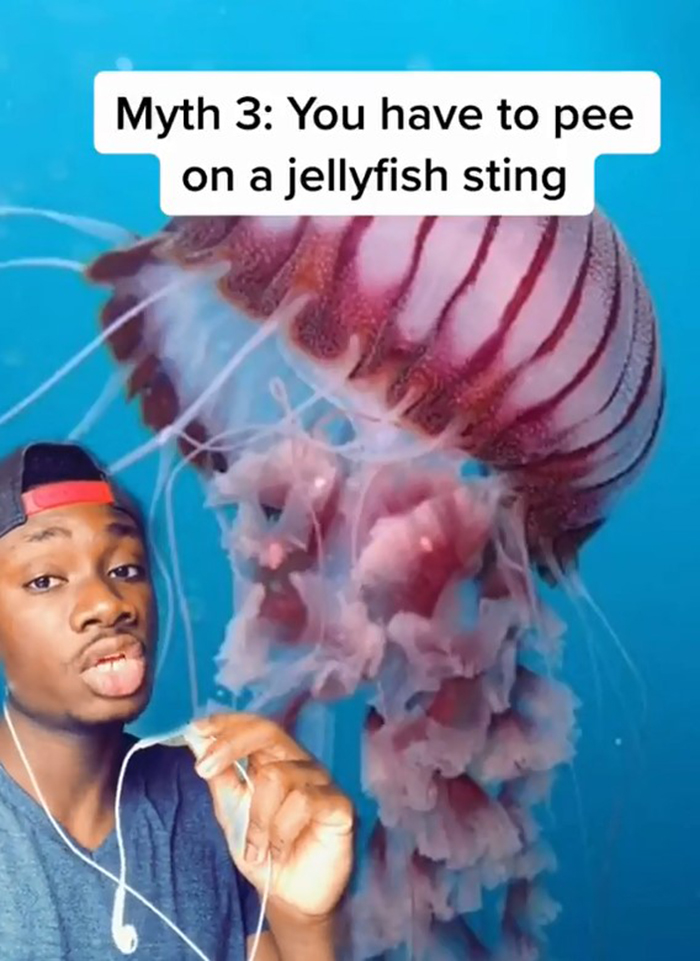
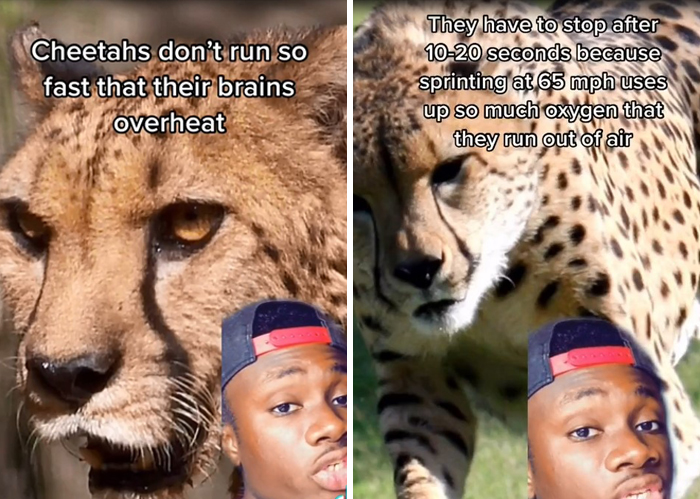
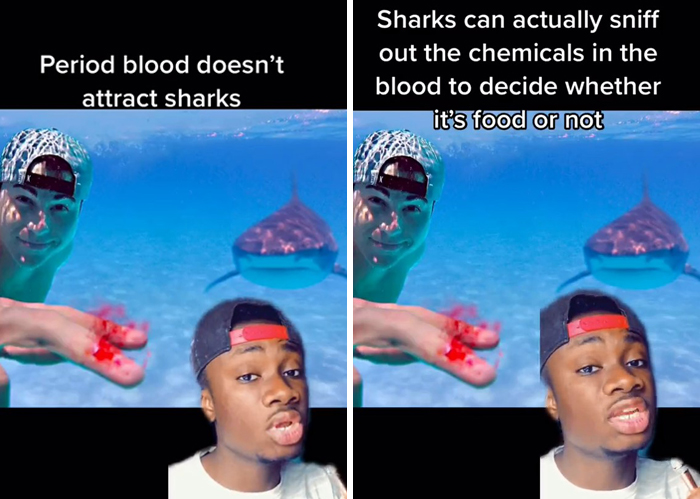
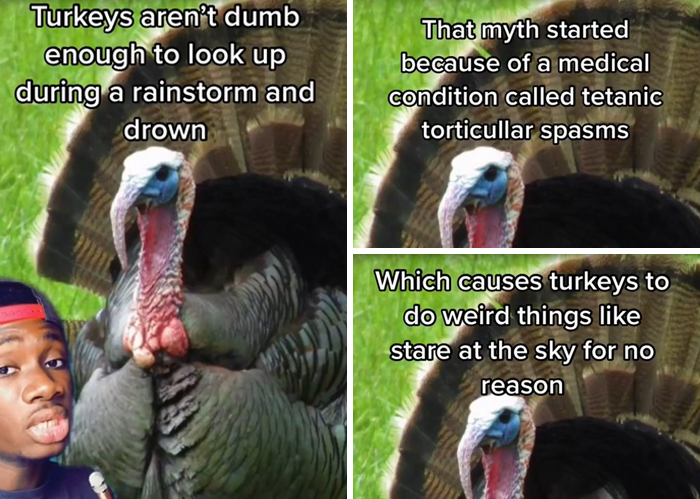
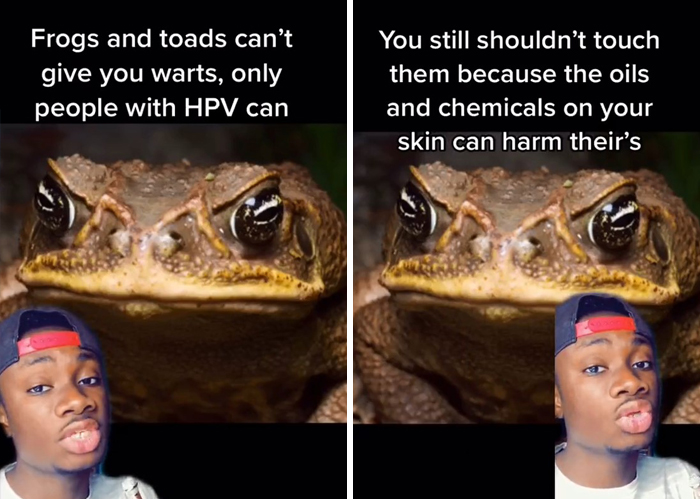
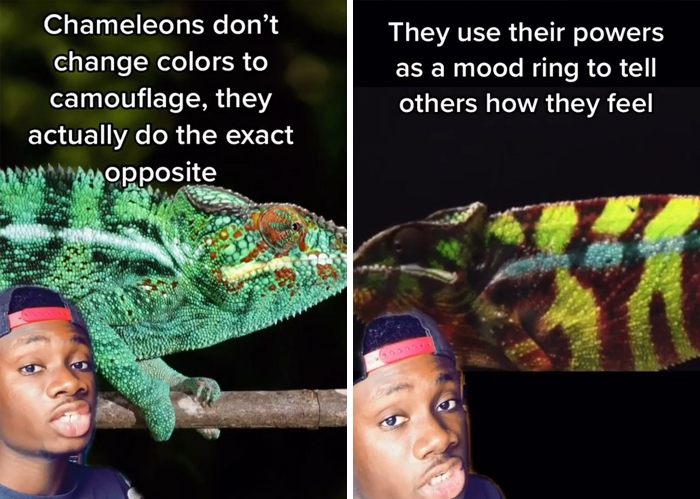
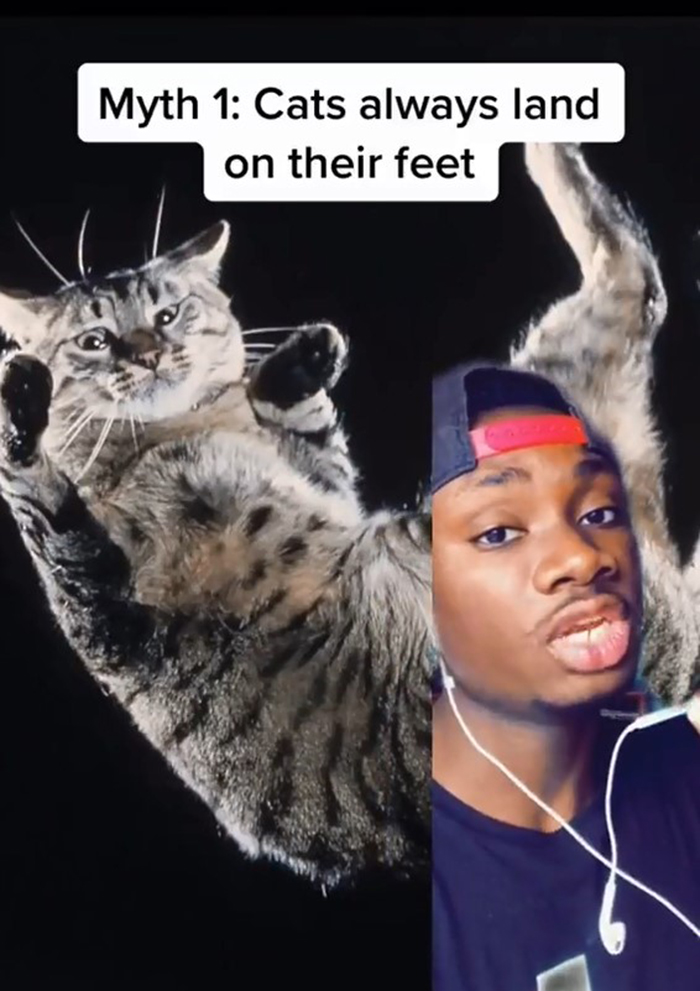
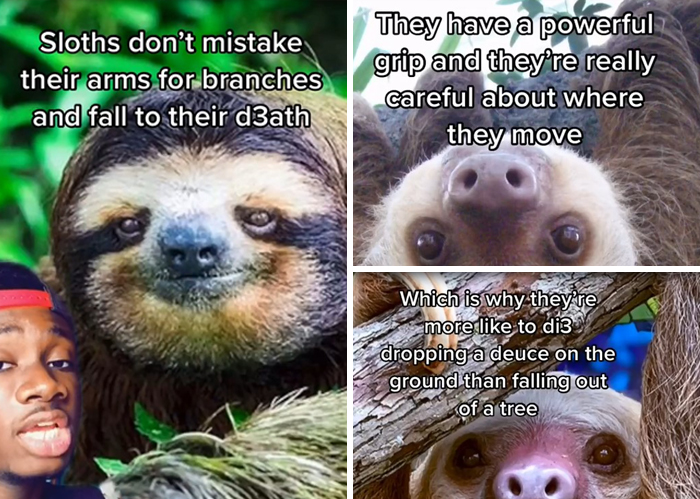
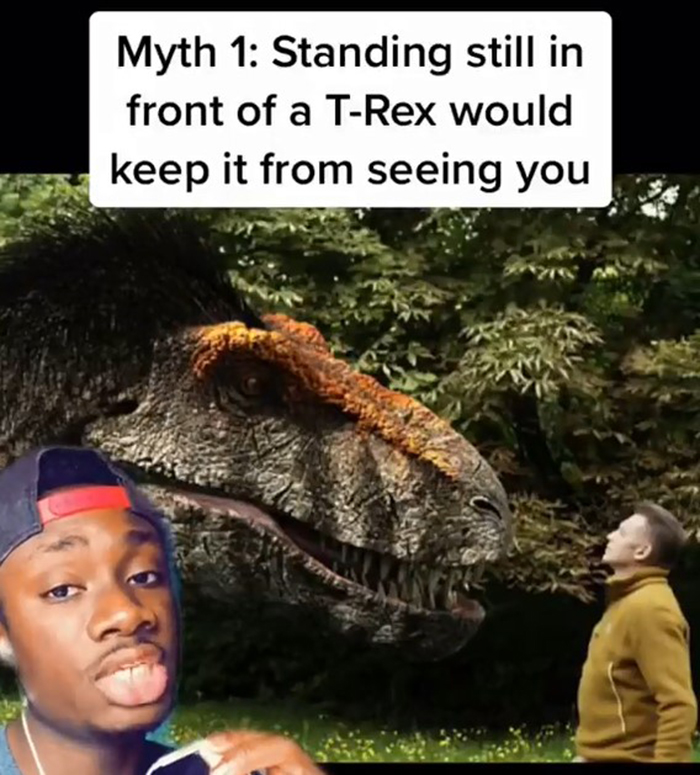
When you're a kid, you don't have every answer in the world. OK, nobody has, but the little ones are especially oblivious to the stuff that's happening around them. So they "invent" explanations. Like, the reason ostriches bury their head in the sand is because they're afraid. Or a goldfish's memory lasts only 3 seconds. Yes, these "facts" are perfect examples of how rich a child's imagination is but they're also incorrect. So, in order to educate his followers, TikTok user Mndiaye_97 has released a series of videos where he exposes all the animal myths we believe as kids. Thanks to the guy's charisma, the videos came out just as entertaining as they're educational. But before you continue, I have a warning: YOUR LIFE WAS A LIE. Happy scrolling!
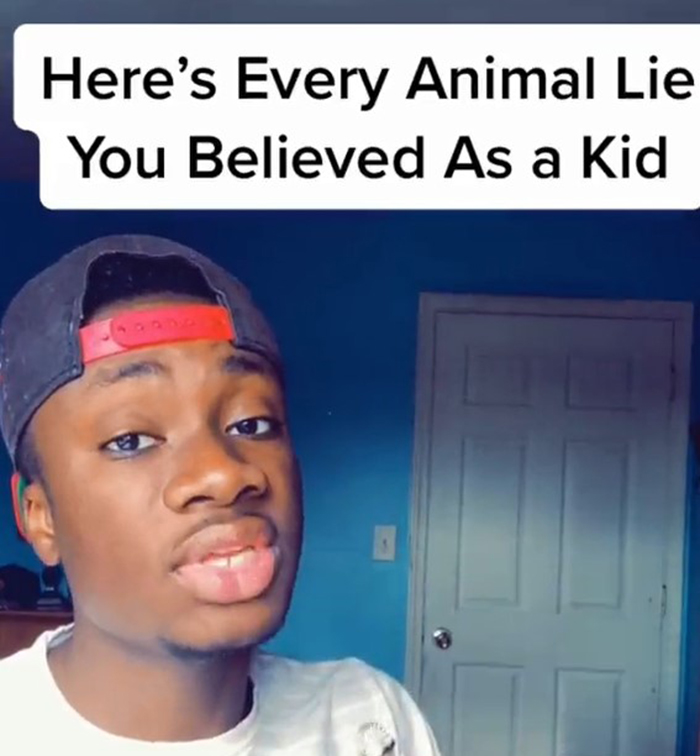
Image credits: mndiaye_97
This post may include affiliate links.
Interestingly, Milan Kubiatko of J. E. Purkyne University, Faculty of Science, and Pavol Prokop of Comenius University in Bratislava have analyzed this subject on an academic level. In 2007, they published a paper, called "Pupils' misconceptions about mammals" and presented quite a few intriguing findings.
Focusing on children aged 10 to 15, they developed a questionnaire with 35 multiple choice and open-ended questions. The researchers then handed out these questionnaires to 468 children from 6 elementary schools in Slovakia, Europe.
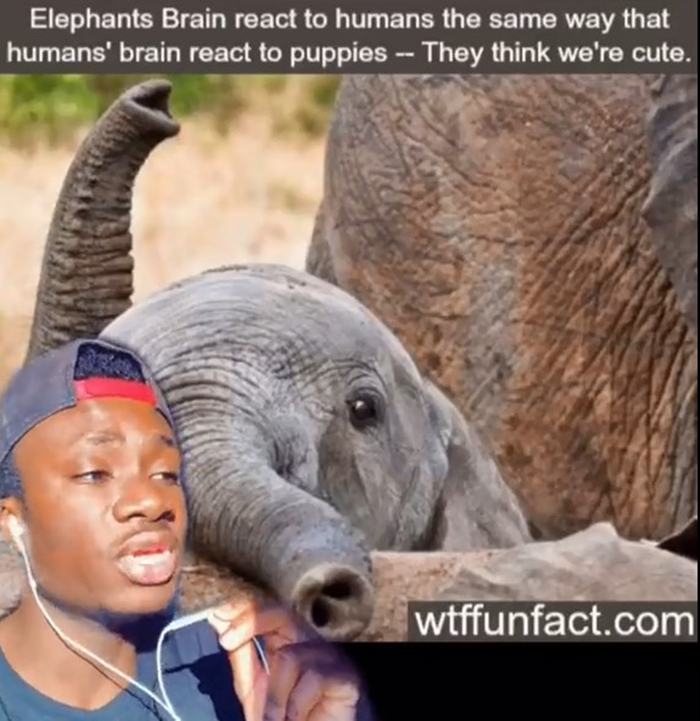
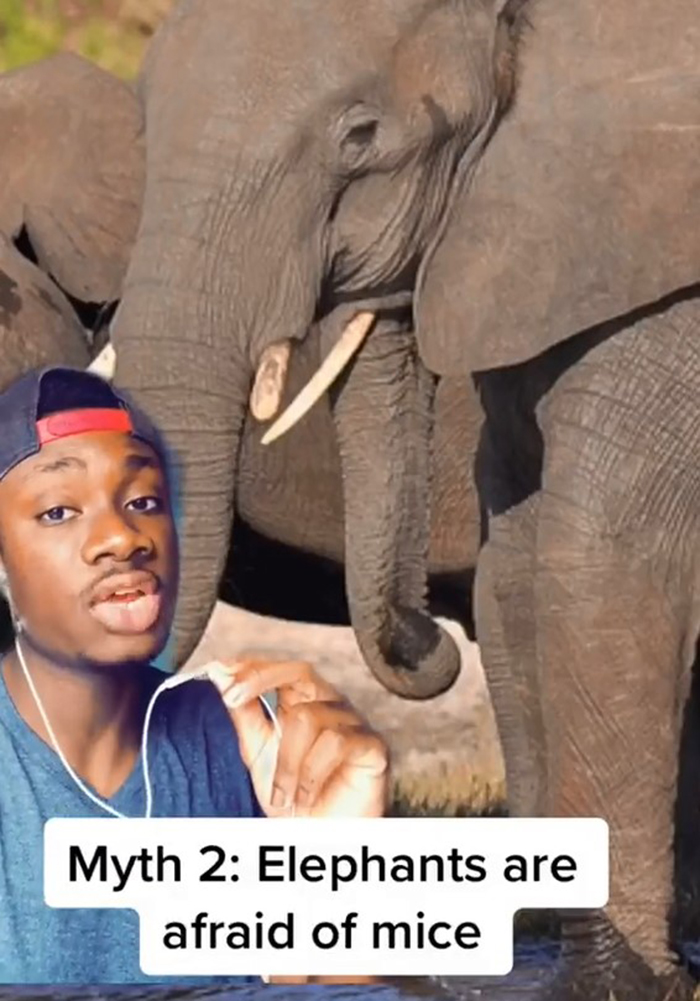
They don't. Even if they did, we wouldn't know because there isn't a machine big enough to scan their brains. We've killed thousands of them and after years of generational trauma they really don't see us as cute.
"The children's ideas were examined in five dimensions (animal classification and phylogeny; food; foraging strategies; parental care; senses, morphology, and anatomy)," Kubiatko and Prokop wrote, adding that they found "serious misconceptions" about mammals across all age groups.
For example, the majority of the children incorrectly thought that dinosaurs were closely related to mammoths (51%) and whales (8%) rather than birds (41%). And only 47.4% of the children surveyed knew that lions usually hunt in groups.
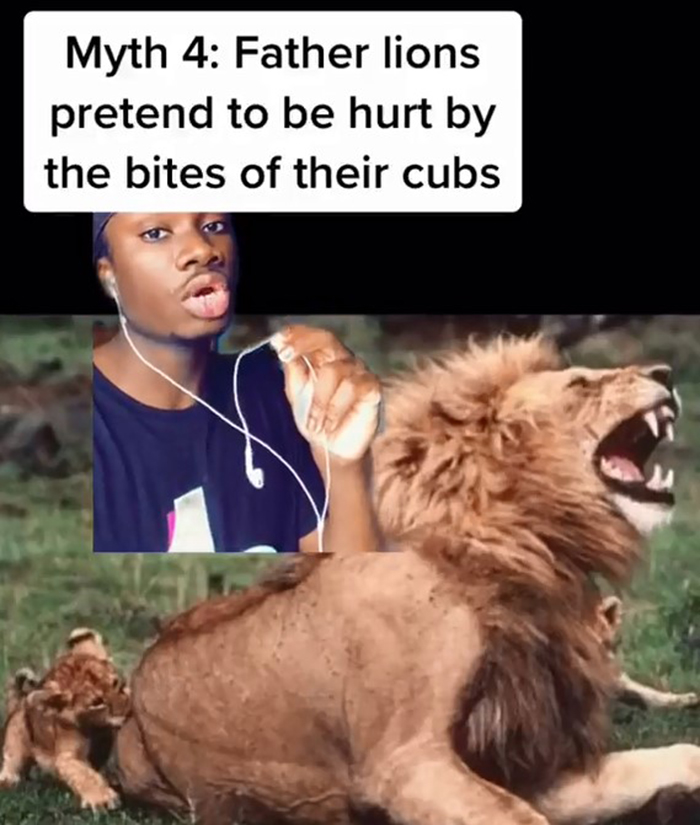
Lions often yawn to show irritation, so this isn't a father building confidence, it's just Mufasa about to backhand the lights out of Simba.
Also, the children had great misconceptions about the contents of the camel's hump. Nearly 80% said it's where the animal stores water and only 20% of the children answered correctly—the hump contains fat.
However, most of the children (91.8%) knew that whales did not lay eggs and that the function of the kangaroo's pouch is carrying young (95%). They got plenty of other questions right as well.
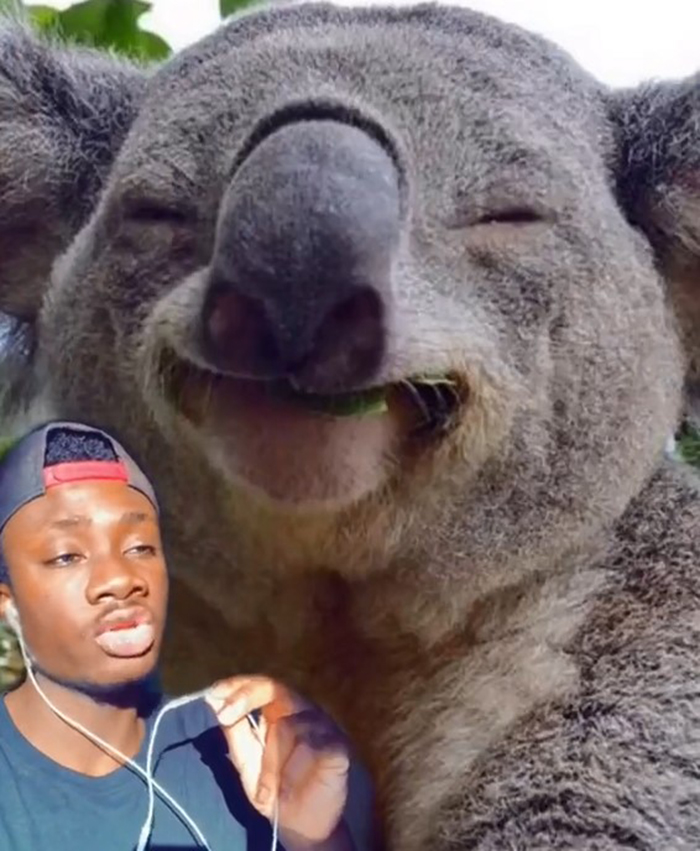
Koalas don't get high on eucalyptus, it's just that this genius animal insists on eating something that gives them zero energy which is why koalas look tired.
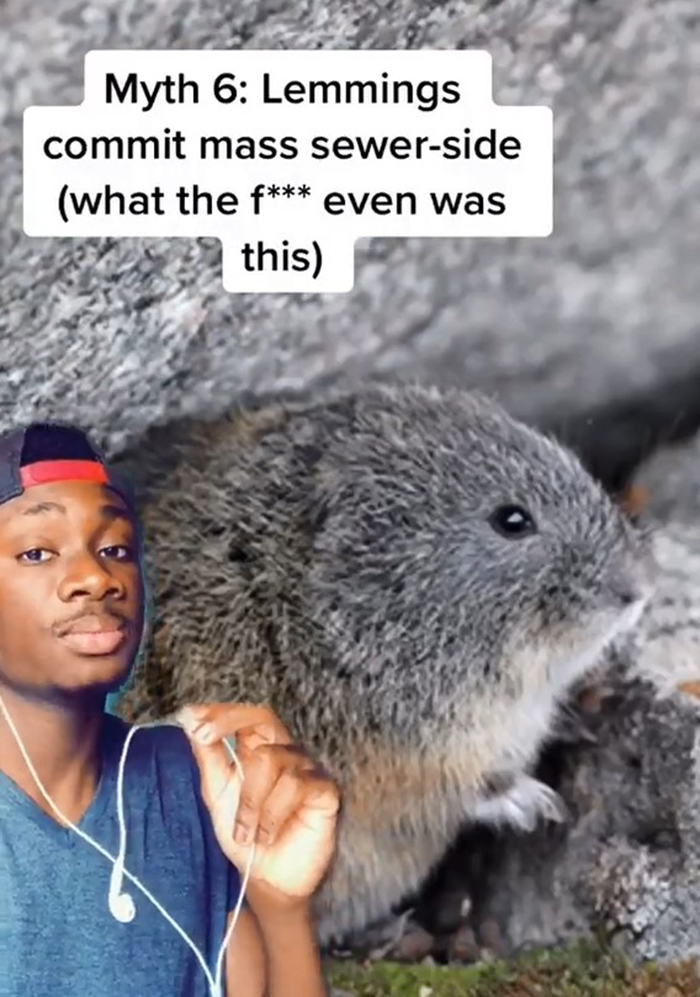
This myth started because a Disney documentary crew chased lemmings off a cliff to their death and then edited the footage to seem like the animals did it themselves.
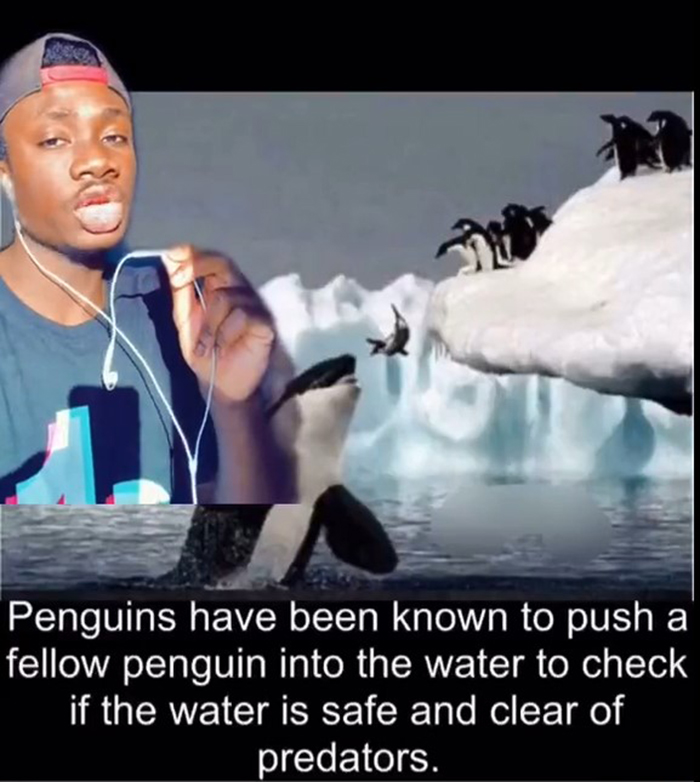
Penguins are just reluctant to jump into the water. Eventually one or two might dive so the rest decide to follow them, but they don't push each other.
They don't, it depends on height they fall from. The higher they fall the less injuries they get.






























 No fees, cancel anytime