Get Premium
Dark mode theme is available exclusively for premium users. Learn more about the benefits of subscribing.
No fees, cancel anytime.

 Dark Mode Ad-Free Browsing Unlimited Content
 Ad-Free Browsing Unlimited Content Dark Mode
Join 1.2 million Panda readers who get the best art, memes, and fun stories every week!
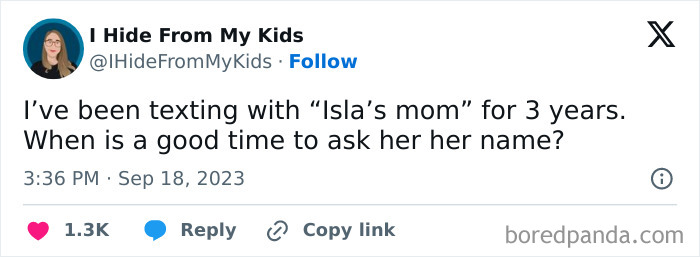
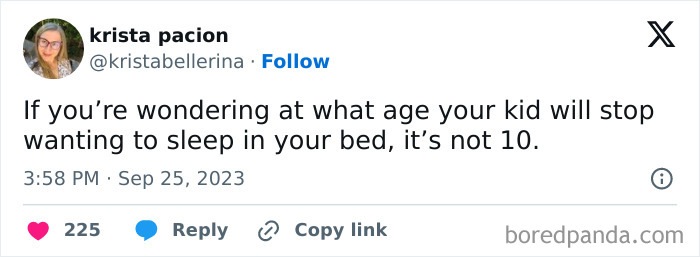
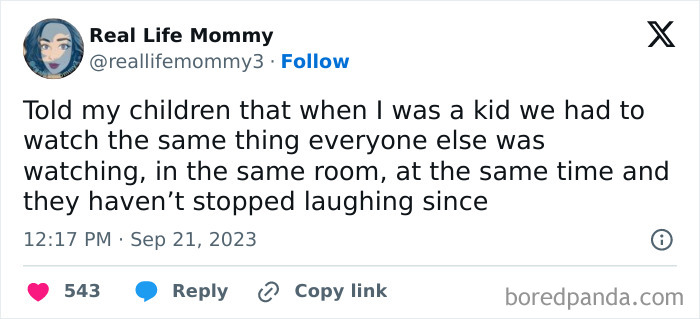
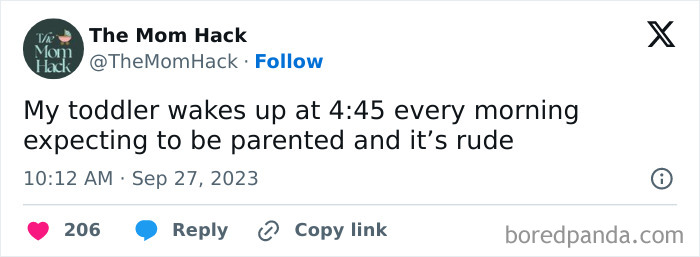
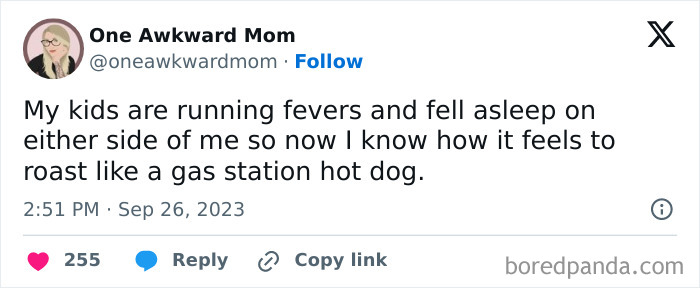
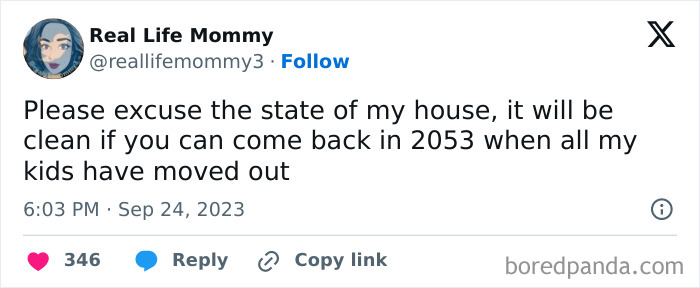
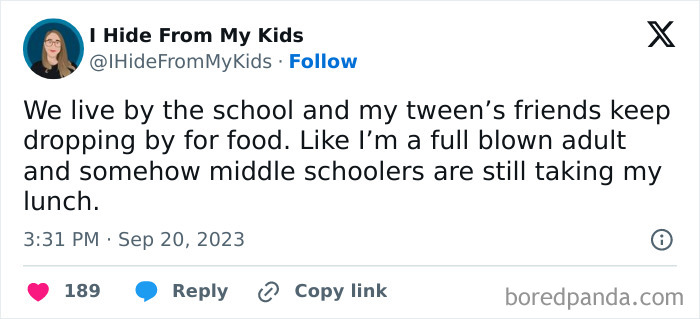
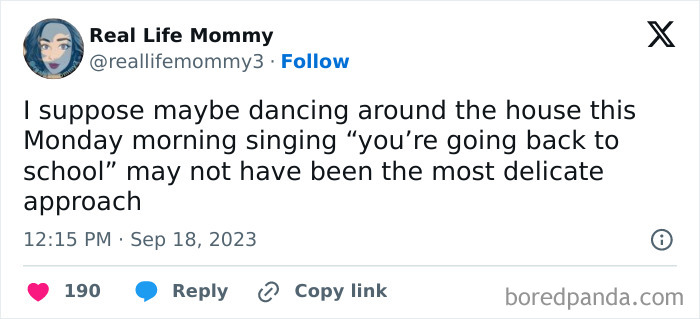
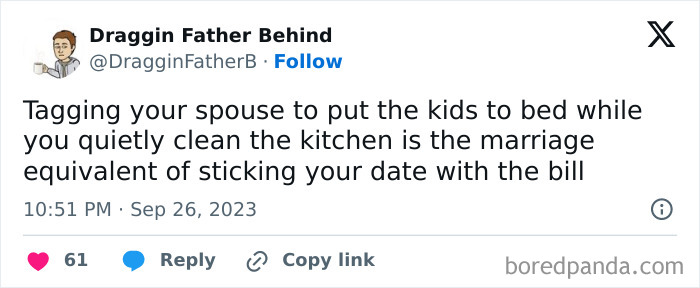
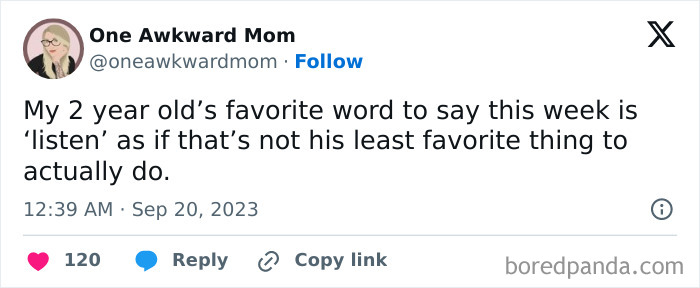
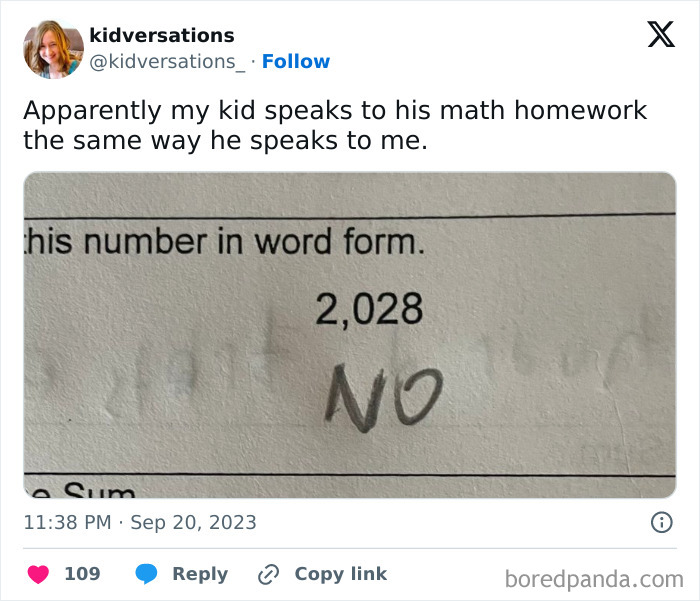
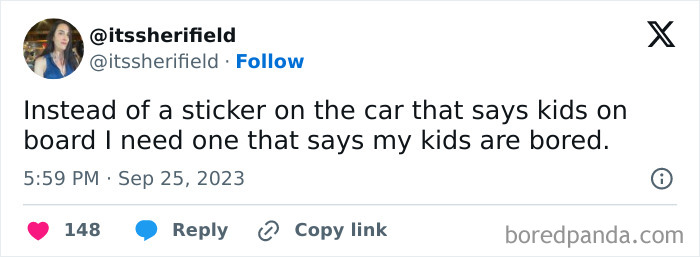
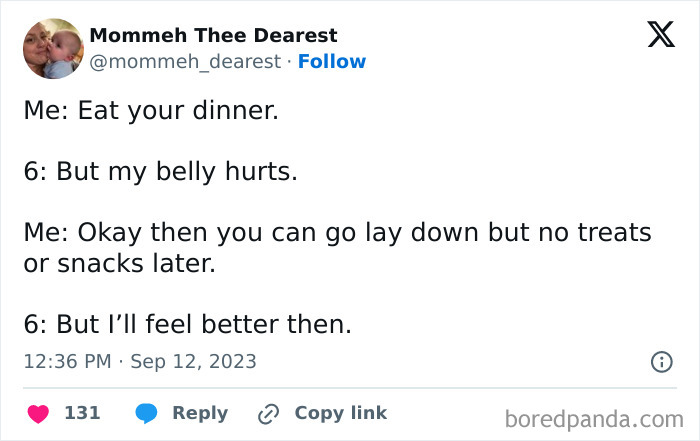
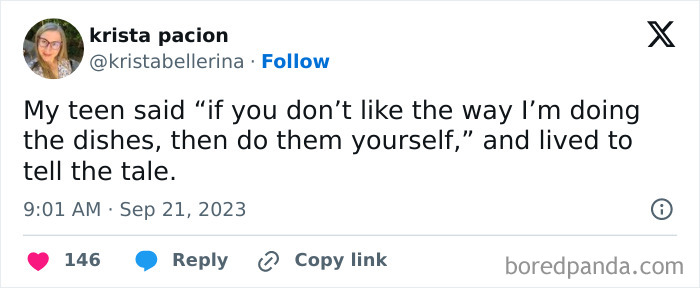
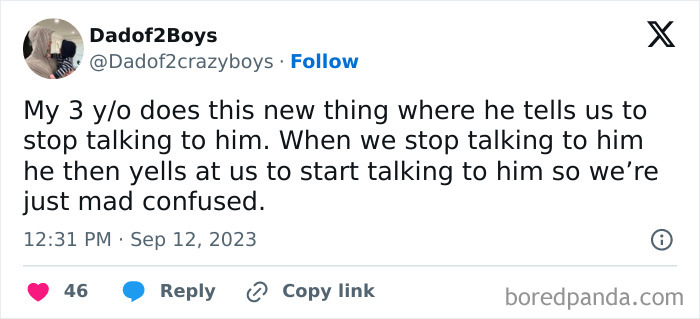
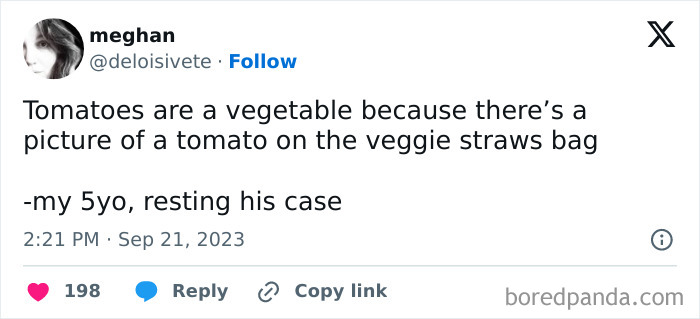
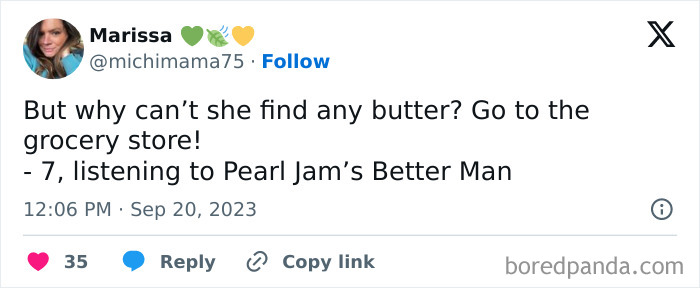
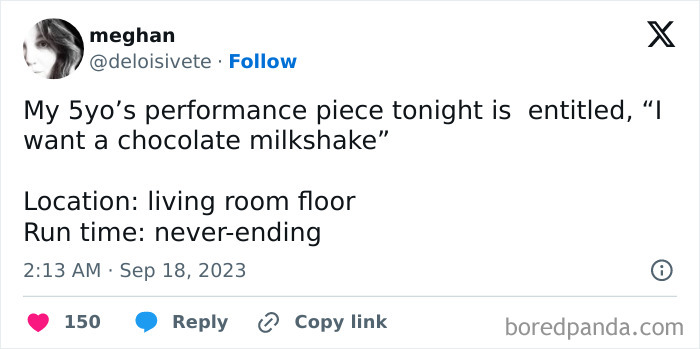
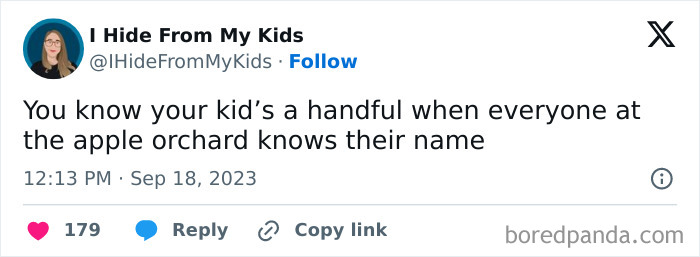
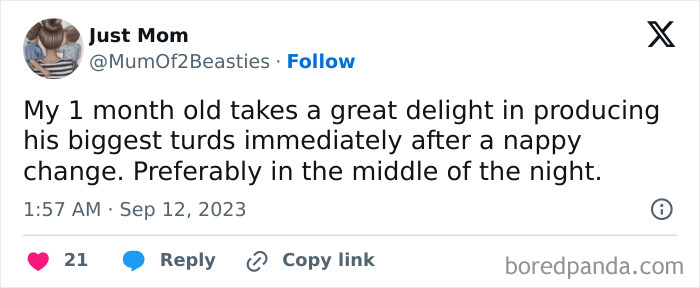
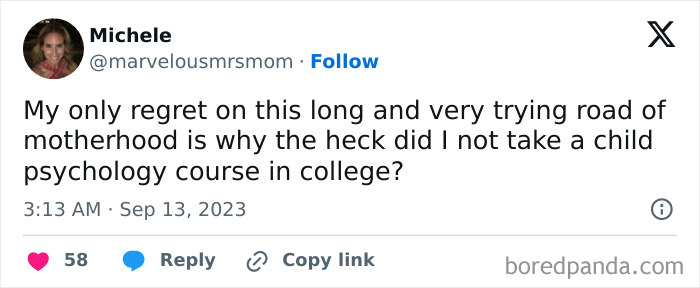
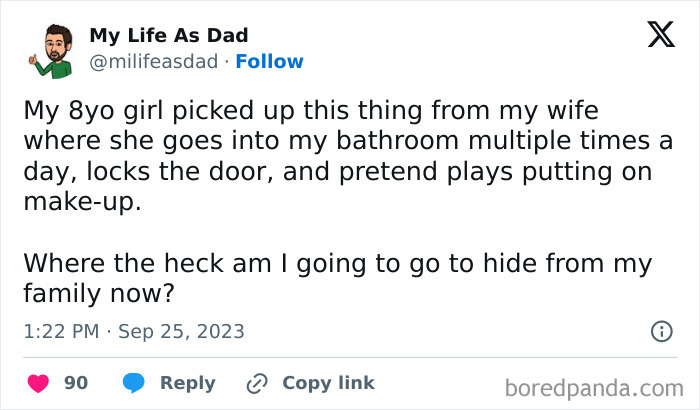
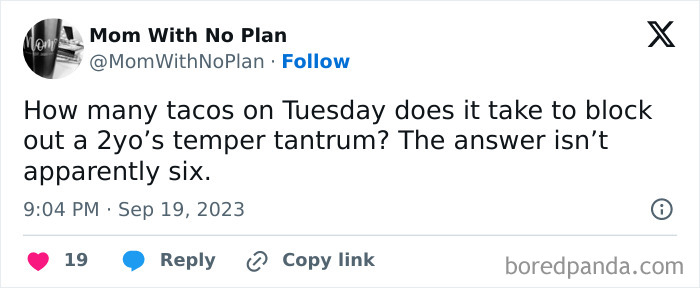
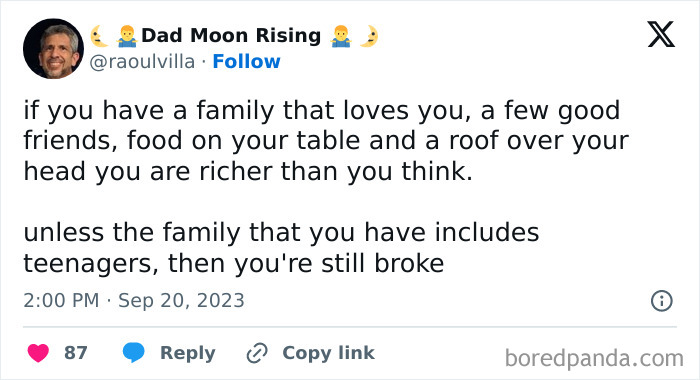
Kids can be the best. They might fill your life with joy and meaning. They can make you laugh and ugly cry with their firsts. Those same kids, however, can also be the worst. They can test your patience and make you question your sanity every single day. So ultimately all parents need to vent at some point.
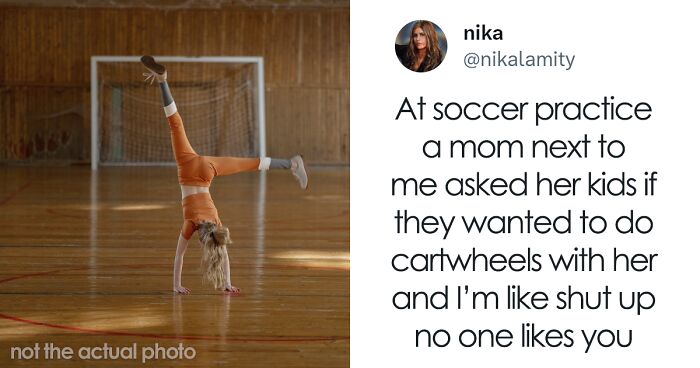
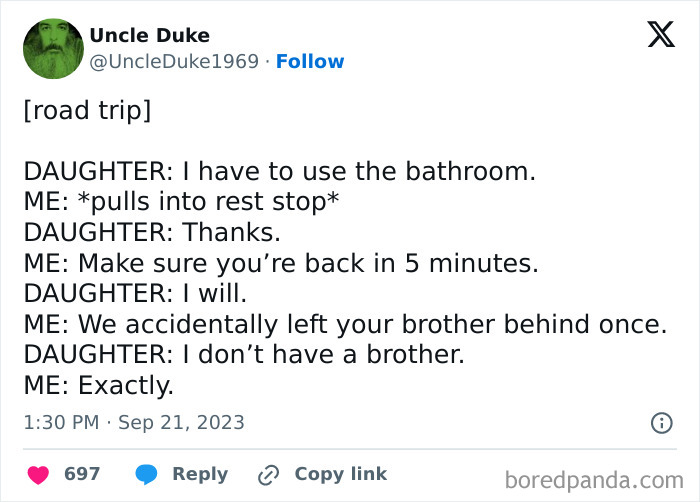
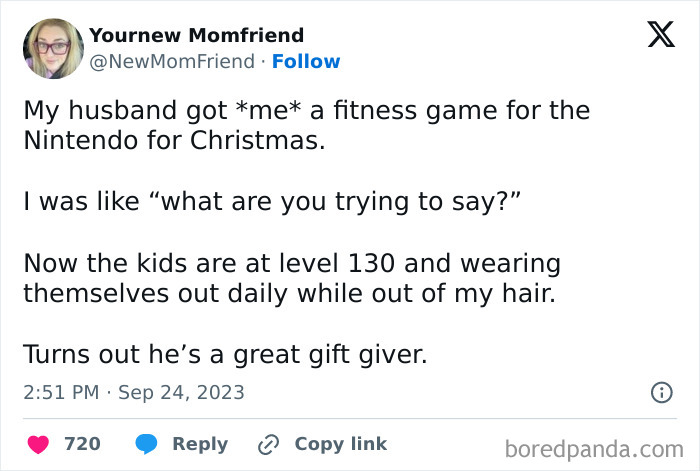
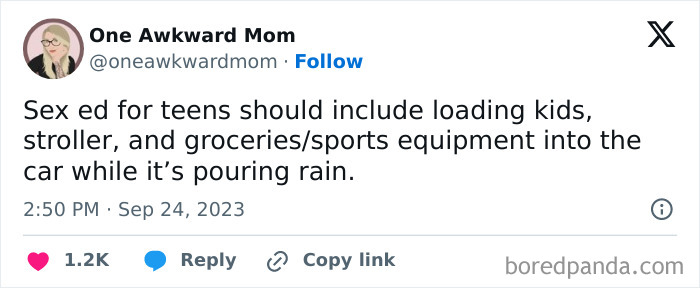
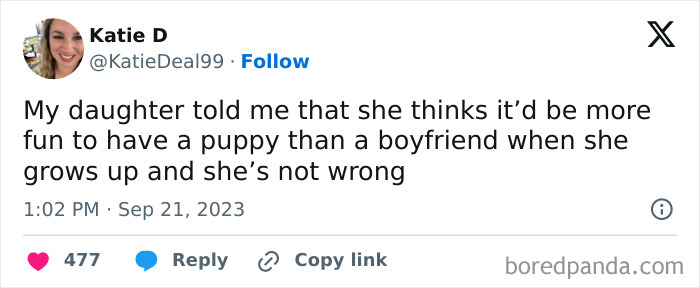
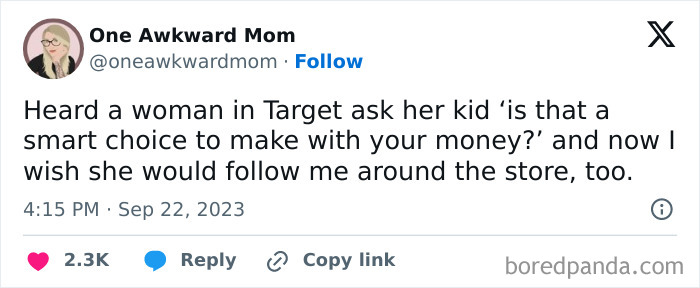
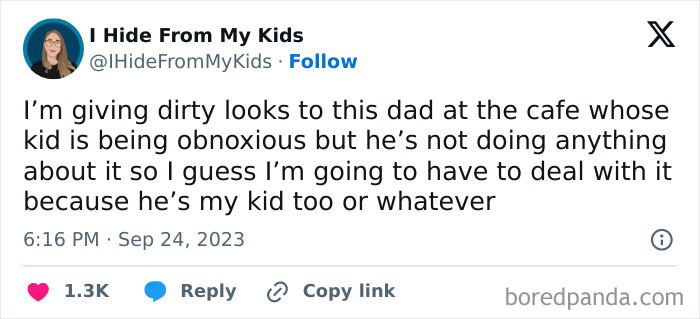
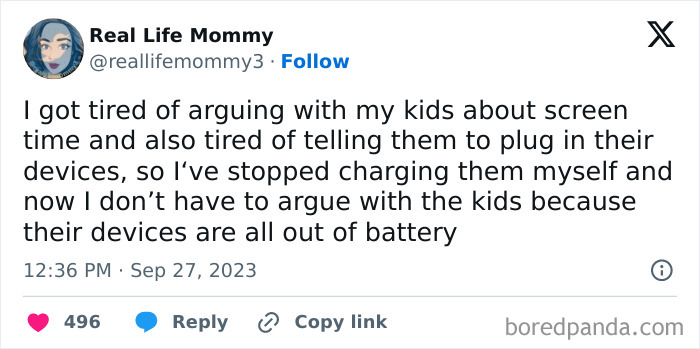
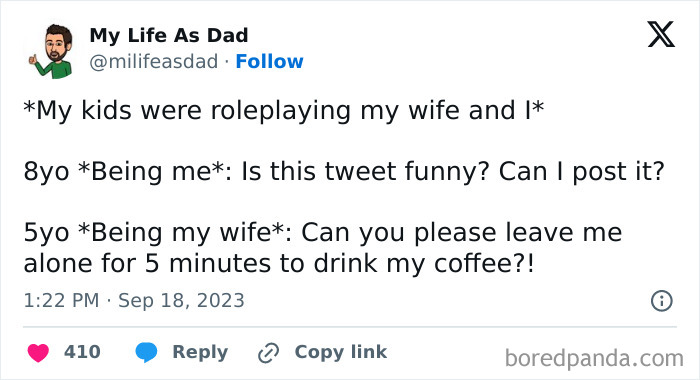
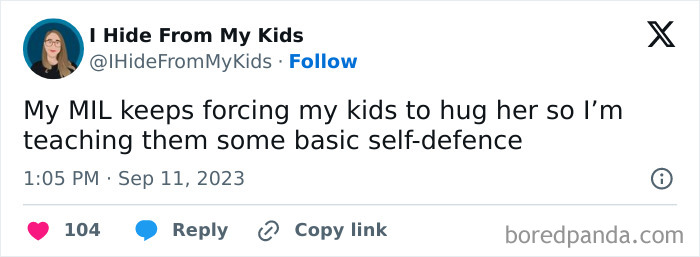
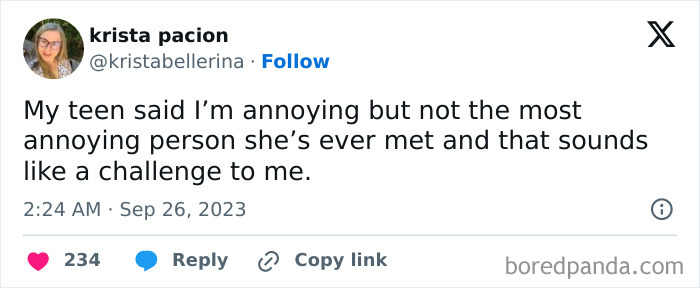
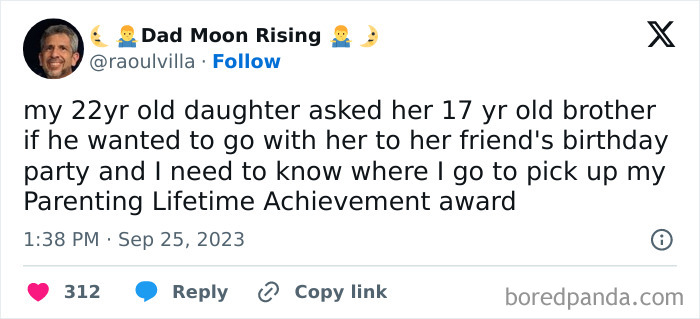
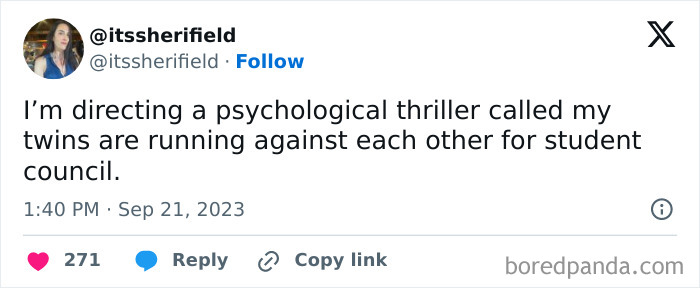
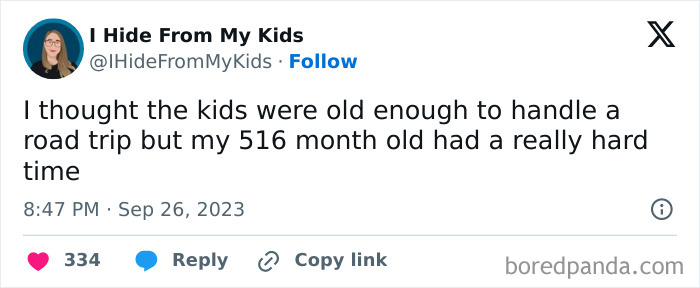
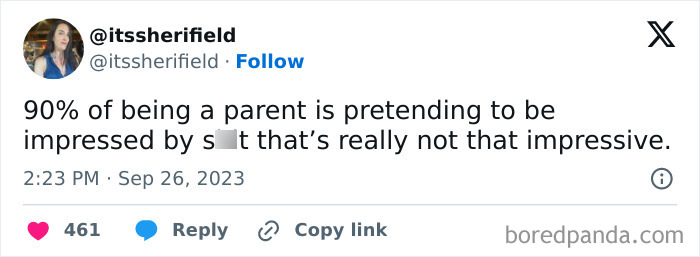
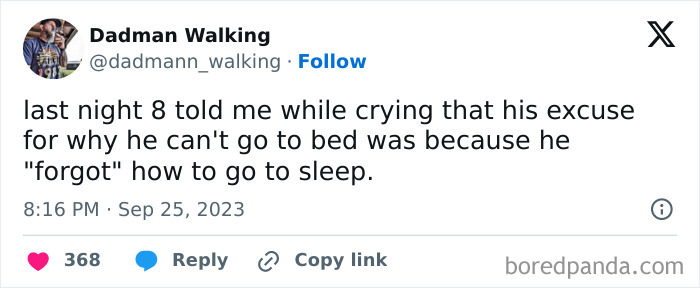
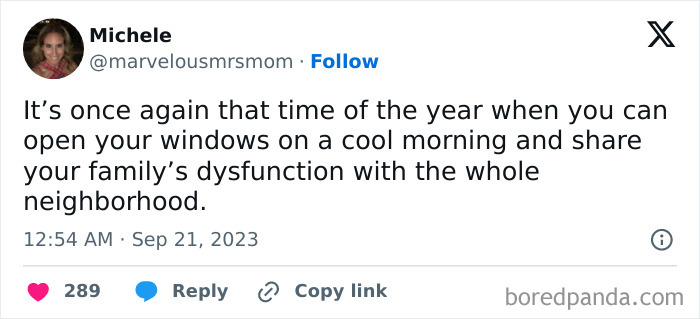
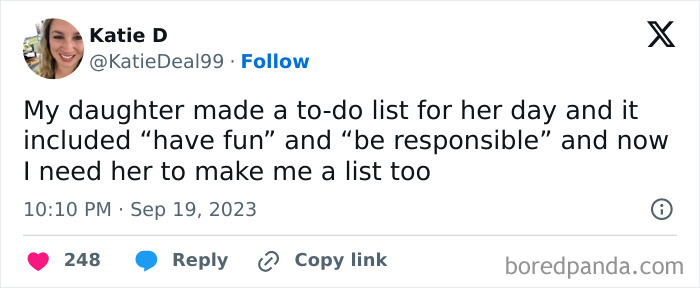
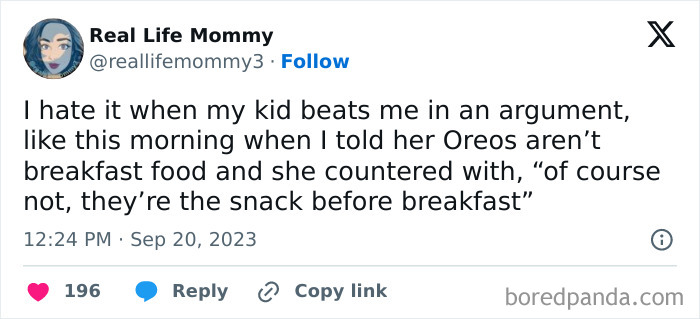
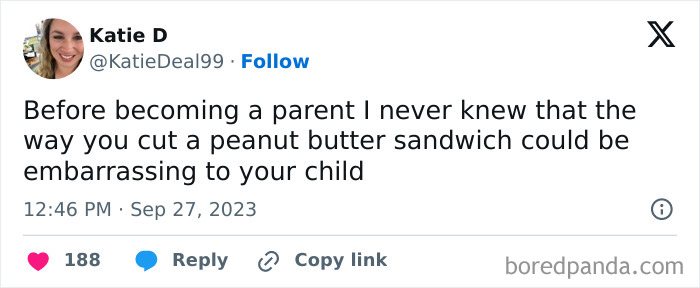
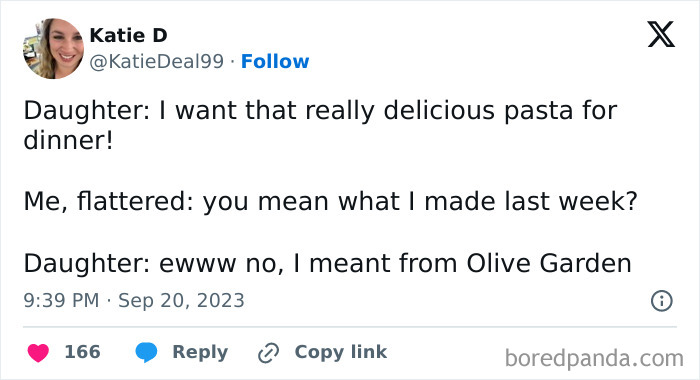
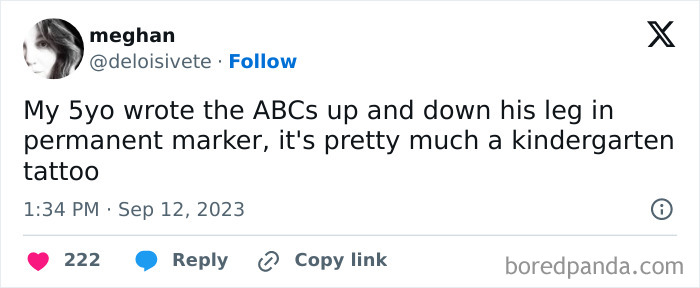
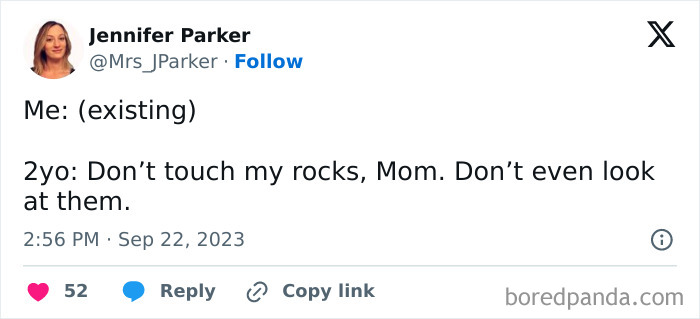
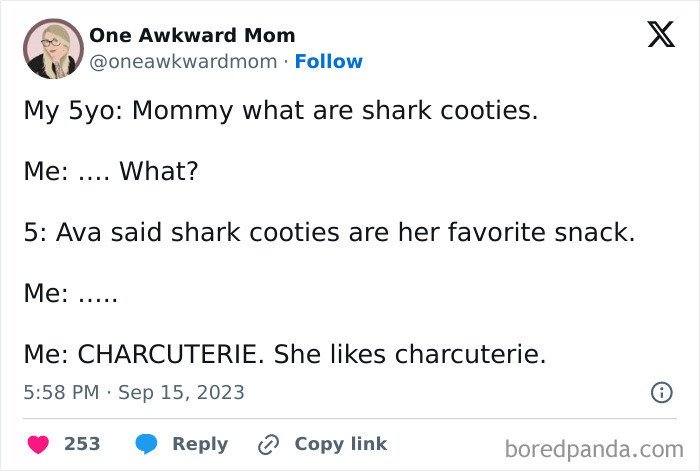
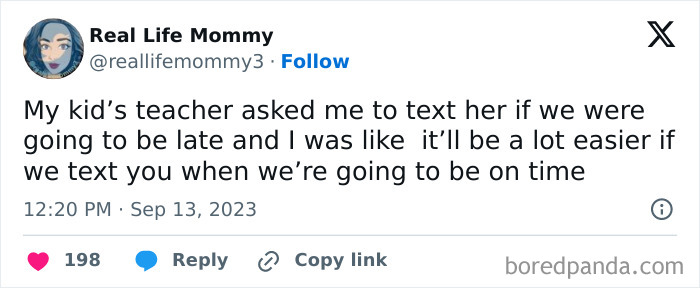
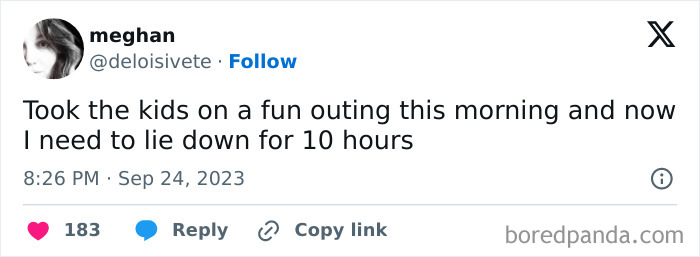
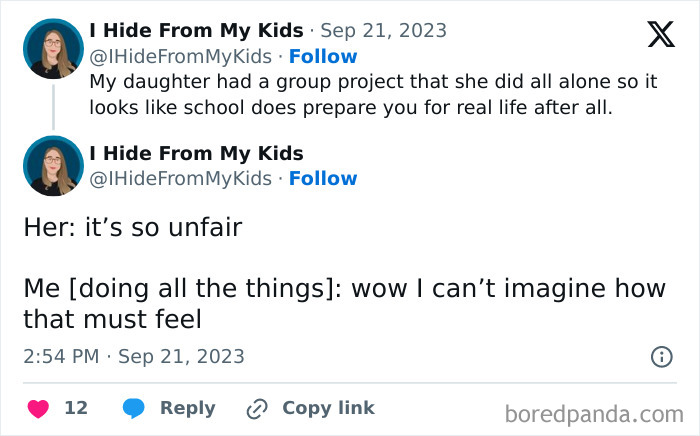
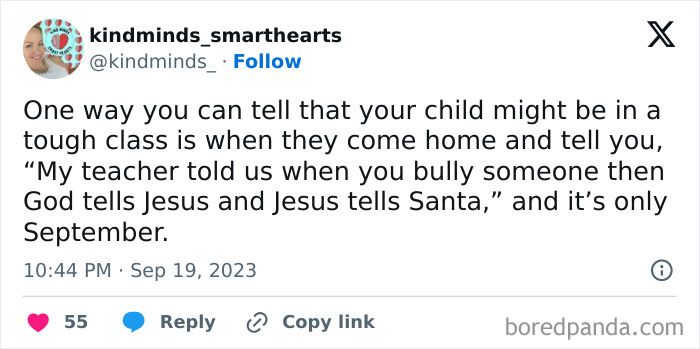
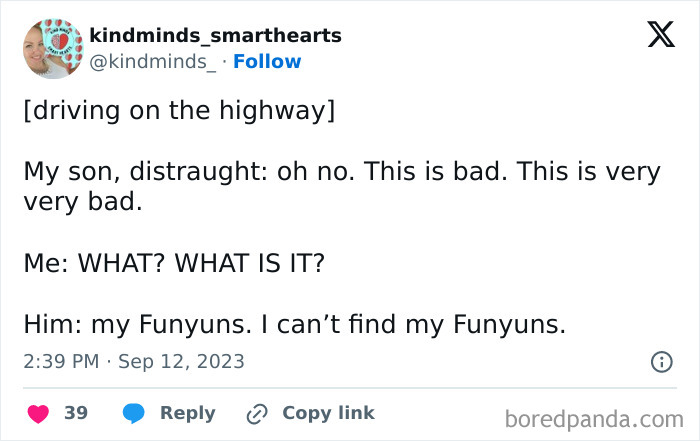
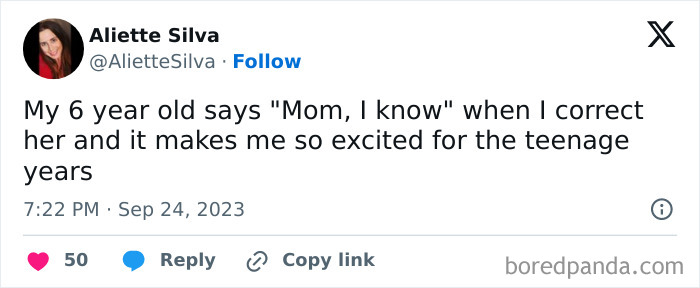
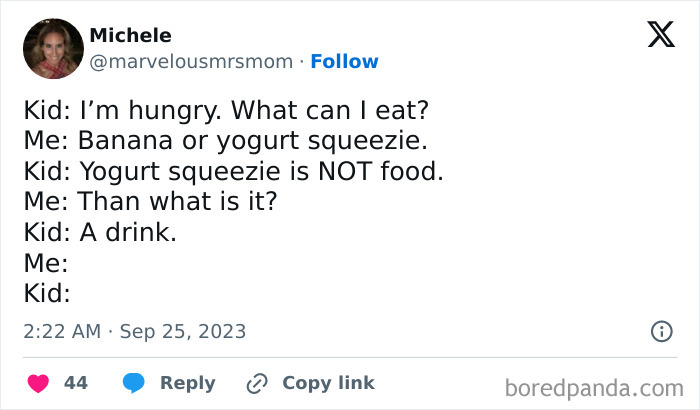
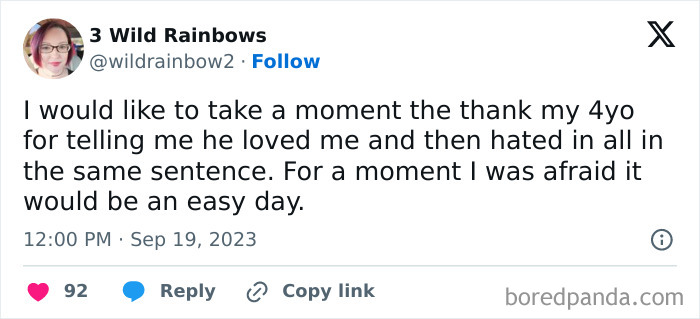
X (Twitter) is one of the best places for parents to share their realities. It’s a tradition here at Bored Panda to present to you the best selection of parenting posts every month. September is no exception, so scroll down and see the gems that the parents on X (Twitter) have shared this month!
This post may include affiliate links.
Oscar Wilde wrote in The Picture of Dorian Gray: “Children begin by loving their parents; as they grow older they judge them; sometimes they forgive them.” Most parents can enjoy the fruits of their hard labor only after many years have passed. And it really is true that most parents are in the trenches every day. Luckily, there’s places to share your struggles and cool off for just a moment – like scrolling through these funny and relatable posts about parenting.
The most important thing for all parents to remember is that there are no perfect parents. Most parents-to-be are wrong to think that they will be better at this parenting thing than their friends. Very early on in their journey, they have to learn the hard way that there is no such thing as a perfect parent.
It’s natural for children to have problems in their behavior. Healthy Children reports that on average, school-age children have five or six traits that their parents find difficult to deal with. Some of them might be plain old refusing to do chores, not listening to simple requests, and playing video games or watching TV for too long.
Some children that can be hard to parent might fall between two sides of a spectrum. A child might want too much independence or, on the contrary, might not have achieved enough autonomy. Both can be the result of certain parenting techniques, but that’s not to say there is no way to correct that behavior.
Healthy Children recommends to stop striving to be a perfect parent. It’s totally normal to feel inadequate, overwhelmed or guilty over what your child has done. It’s important to allow yourself to feel simple emotions such as anger, worry or shame. Parents know their children best – ultimately, they’re the ones that know them the longest. Thus it is natural to trust your instincts as a parent to know what is best for your child.
Many parents feel insecure and think: “How do I know if I’m a good parent?” Children’s Trust program One Tough Job names knowing how to forgive oneself as one of the traits that good parents possess. Showing yourself love in other ways – celebrating your accomplishments and taking care of your health and wellbeing – are other two. There’s no shame in asking for help – whether it’s from a professional, or from a family member. In order to raise well-adjusted kids, their parents have to be healthy, recharged and rested.
The children’s trust program also advises to raise your kids with love. That applies to discipline too: “You discipline your children with words that are instructive, not destructive, and caring, not callous. You understand that your children need love and guidance, and you treat them fairly when they make mistakes.” It’s also important to show your children love with everyday gestures or three simple words: “I love you.”
Research has found that out of the four most popular parenting styles, authoritative (sometimes also called positive) parenting is the most effective. It’s called “the sweet spot” between authoritarian and permissive parenting styles. Authoritative parents establish rules and boundaries, but they enforce them through honest discussions and reasoning.
While authoritarian parents are strict and don’t negotiate, authoritative parents try to reach an understanding through explaining possible outcomes, pros and cons of a decision. According to the aforementioned study, children of authoritative parents grow up to be more confident and might achieve better academic success. They’re also better at problem-solving and may have better social skills.
Positive parenting (or authoritative parenting) is based on the model of three Fs. They stand for Firm, Fair and Friendly, and stress the importance of setting boundaries, but maintaining a positive relationship with children while doing so.
However, parenting is not an exact science and there are no guarantees that one parenting style will work better for everyone. Child psychologist Francyne Zeltser wrote for CNBC: “There’s a difference between parenting styles and parenting practices. A parenting style is the emotional climate in which you raise your child, and a parenting practice is a specific action that parents employ in their parenting.” It’s okay to borrow different practices from different styles and apply them according to the situation.
Which posts from parents on X did you like the most this month? Don’t forget to upvote your favorites, pandas! Share with us your funny and relatable parenting stories, if you have any. And for panda parents – don’t be afraid to trust your instincts and remember that perfection doesn’t exist.

Some from my son: "Winner, winner chicken dinner....winning winning chicken dinning". Last Sunday he asked if I could go and buy him some Cornetto's. I had to tell him that as it was after 4pm, Tesco was closed. His response: "Sainsbury's Local is open." It was and I had to go. A couple of weeks ago he was watching a rather pretty sunset. His take on it: "The darkness is coming"

Some from my son: "Winner, winner chicken dinner....winning winning chicken dinning". Last Sunday he asked if I could go and buy him some Cornetto's. I had to tell him that as it was after 4pm, Tesco was closed. His response: "Sainsbury's Local is open." It was and I had to go. A couple of weeks ago he was watching a rather pretty sunset. His take on it: "The darkness is coming"



























 No fees, cancel anytime