Get Premium
Dark mode theme is available exclusively for premium users. Learn more about the benefits of subscribing.
No fees, cancel anytime.

 Dark Mode Ad-Free Browsing Unlimited Content
 Ad-Free Browsing Unlimited Content Dark Mode
Join 1.2 million Panda readers who get the best art, memes, and fun stories every week!
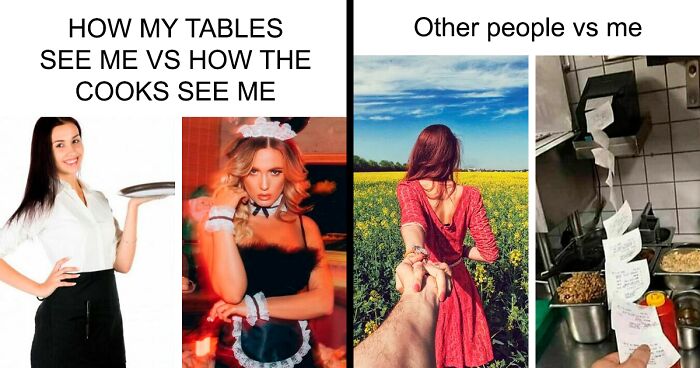
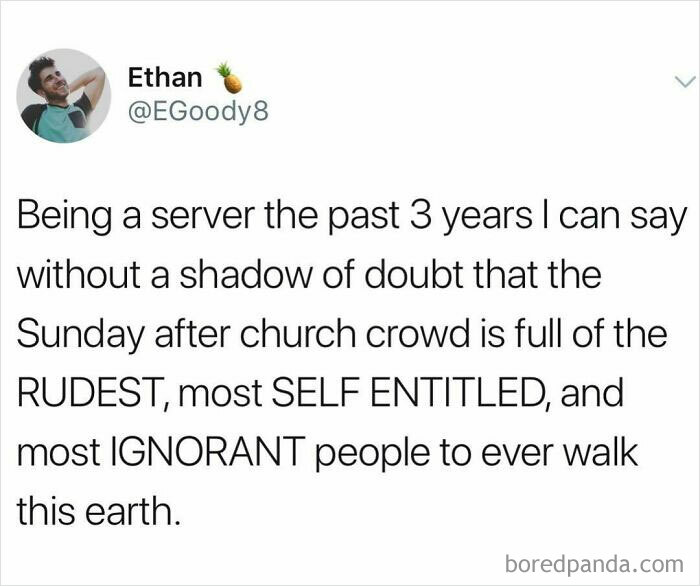
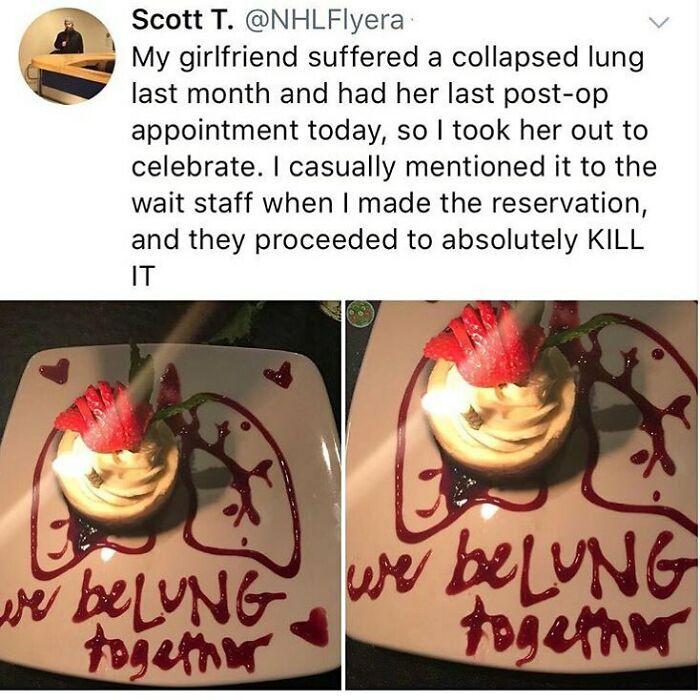
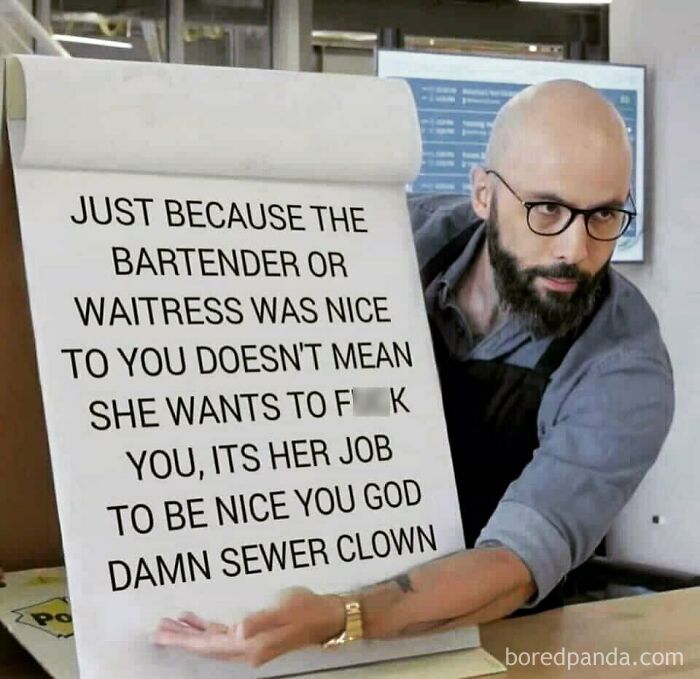
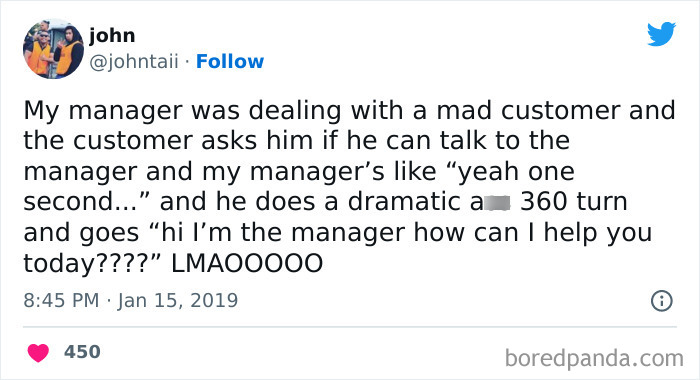
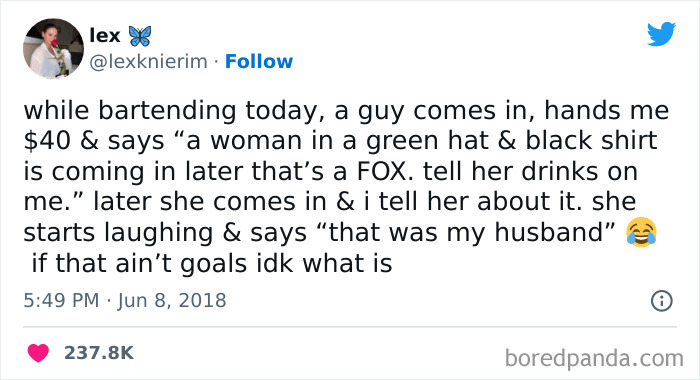
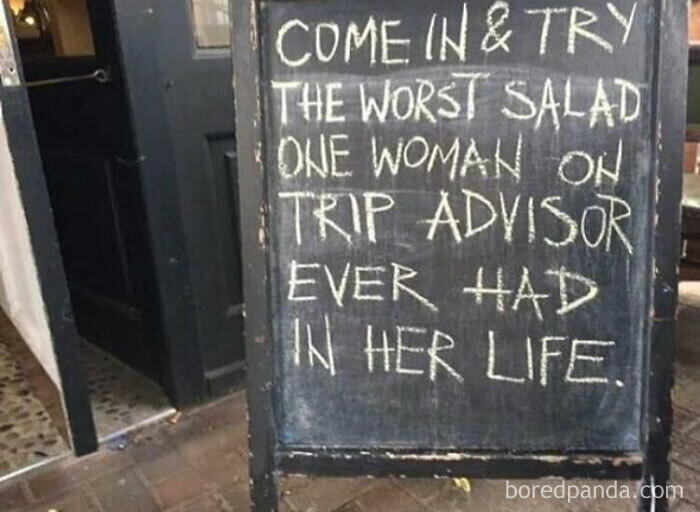
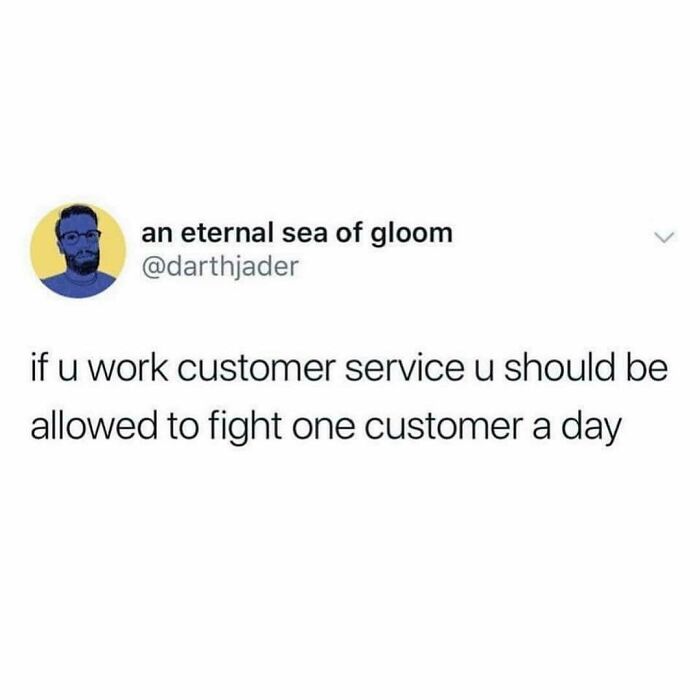
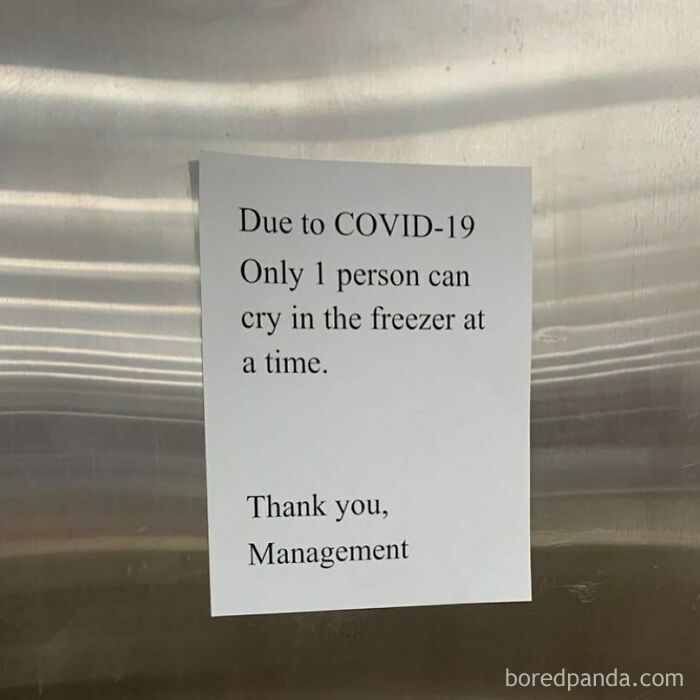
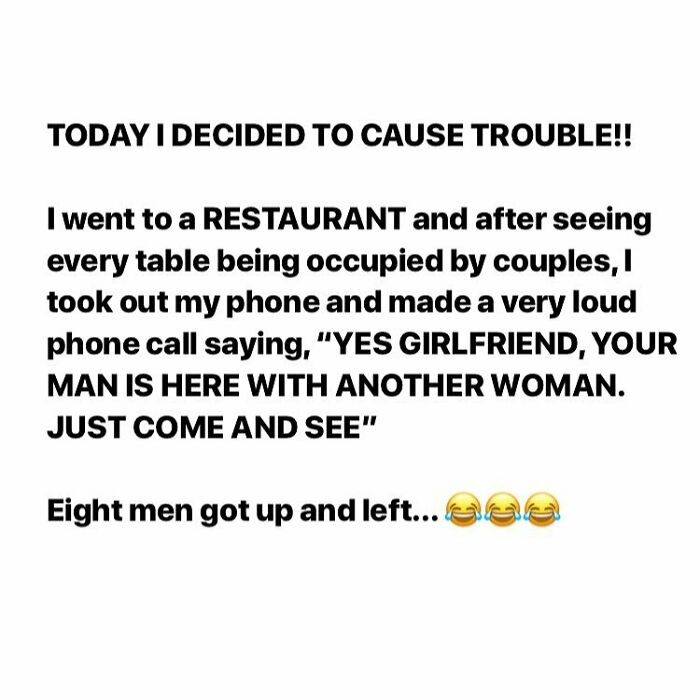
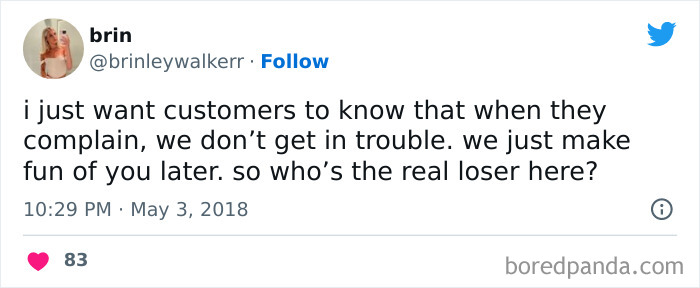
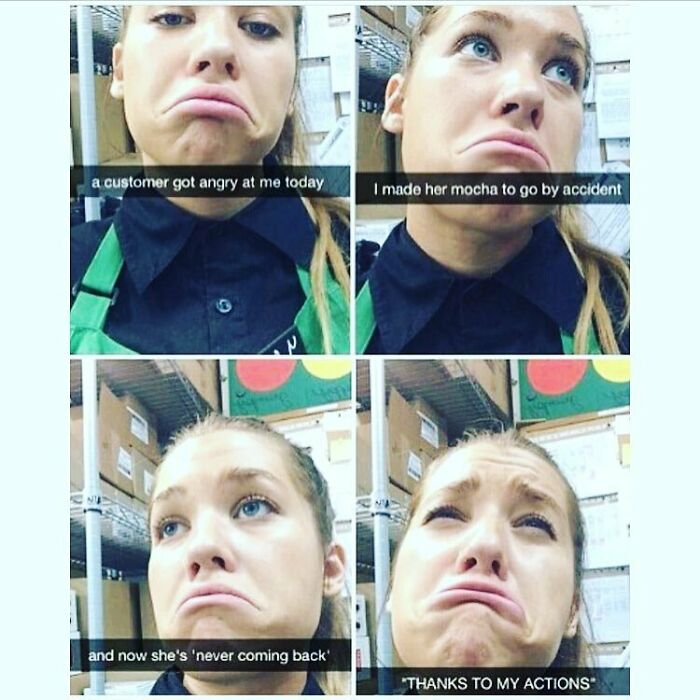
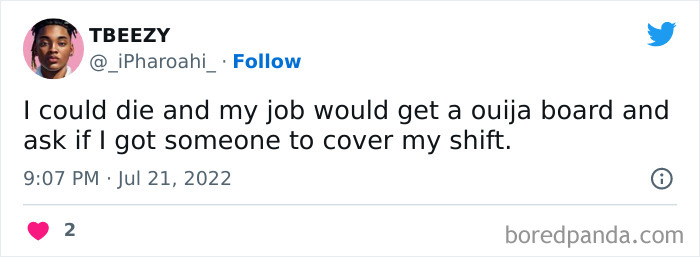
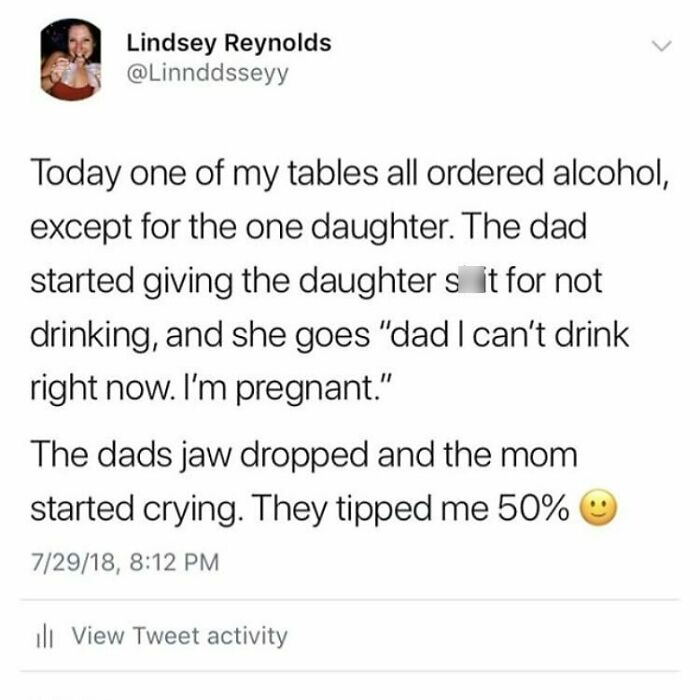
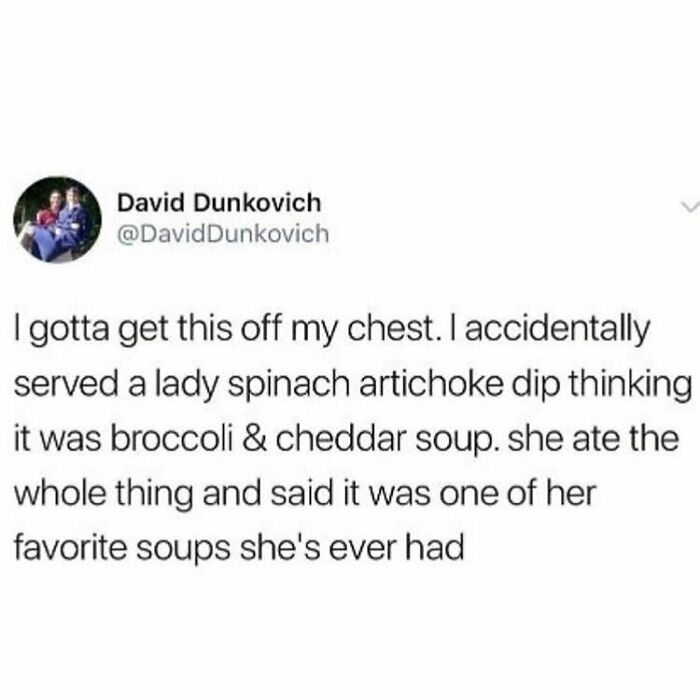
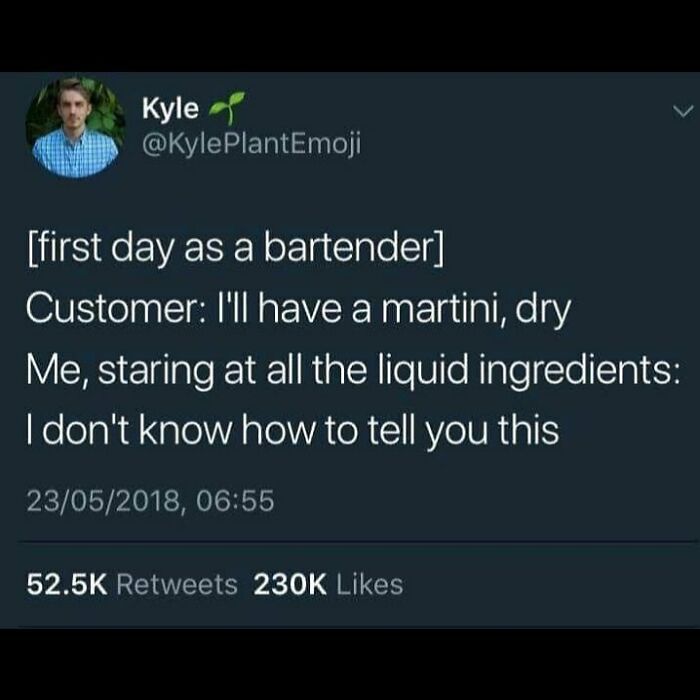
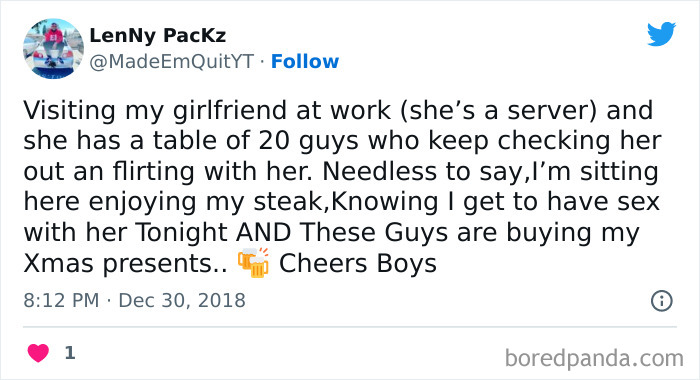
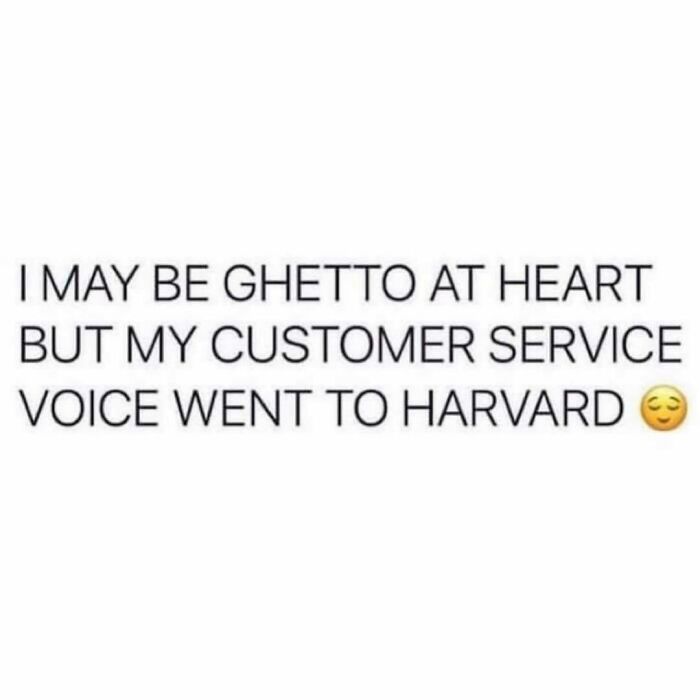
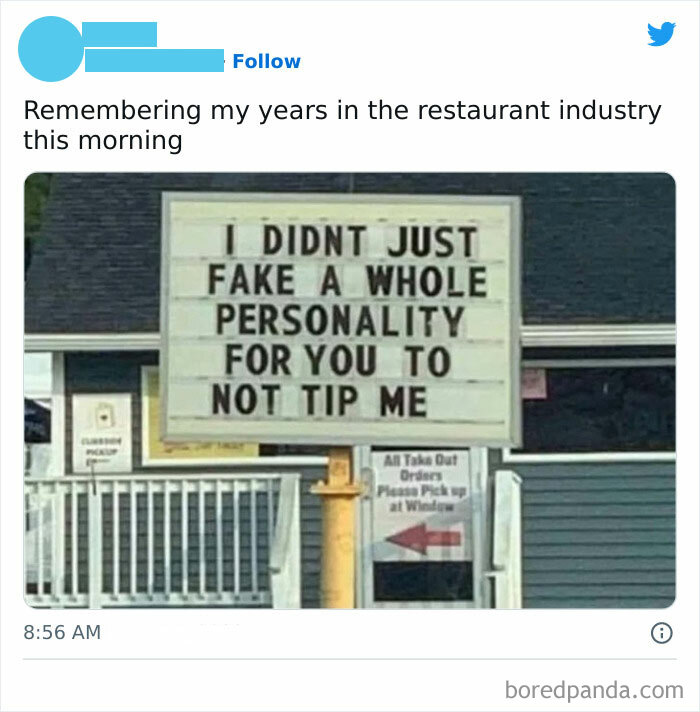
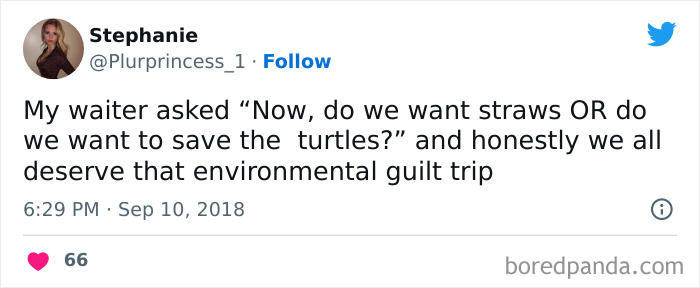
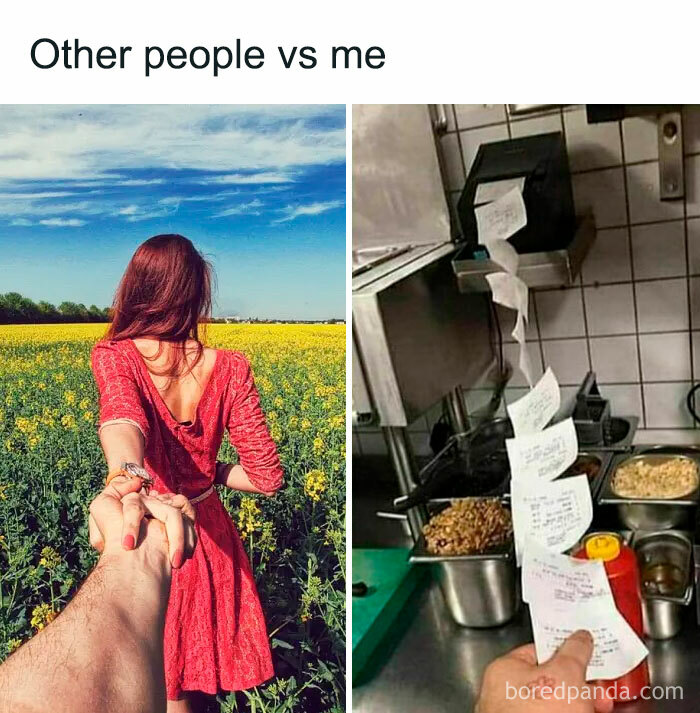
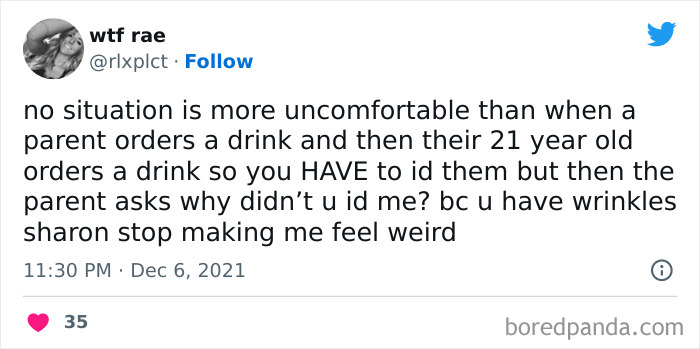
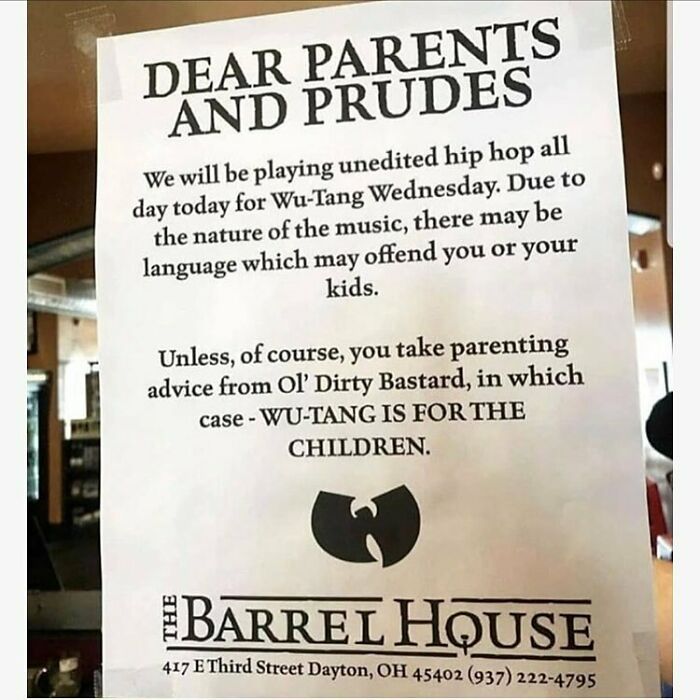
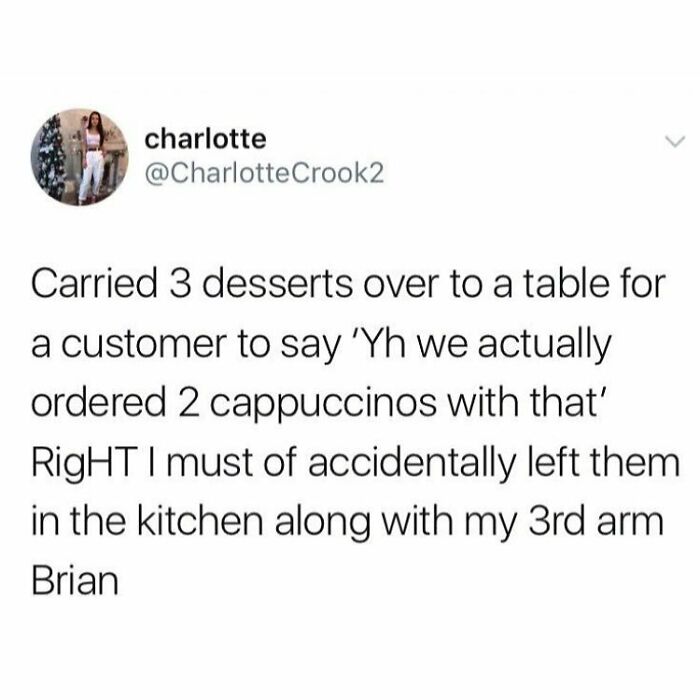
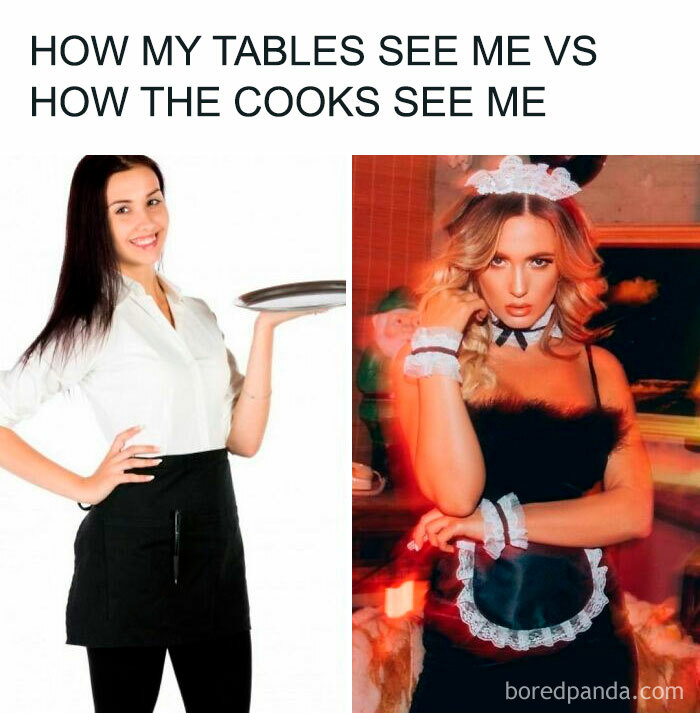
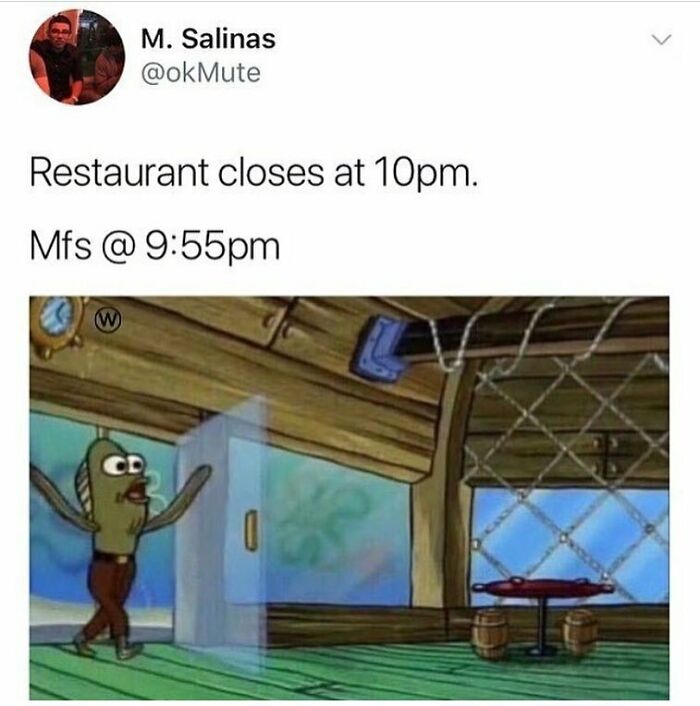
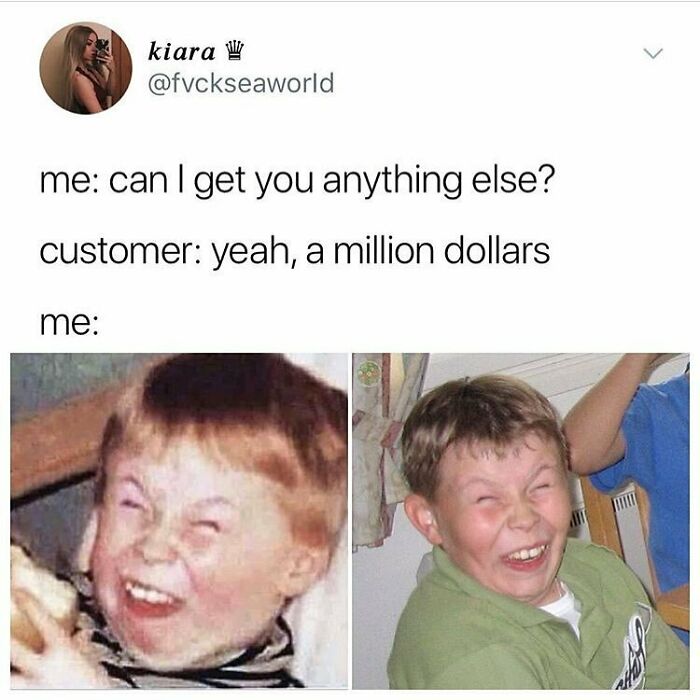
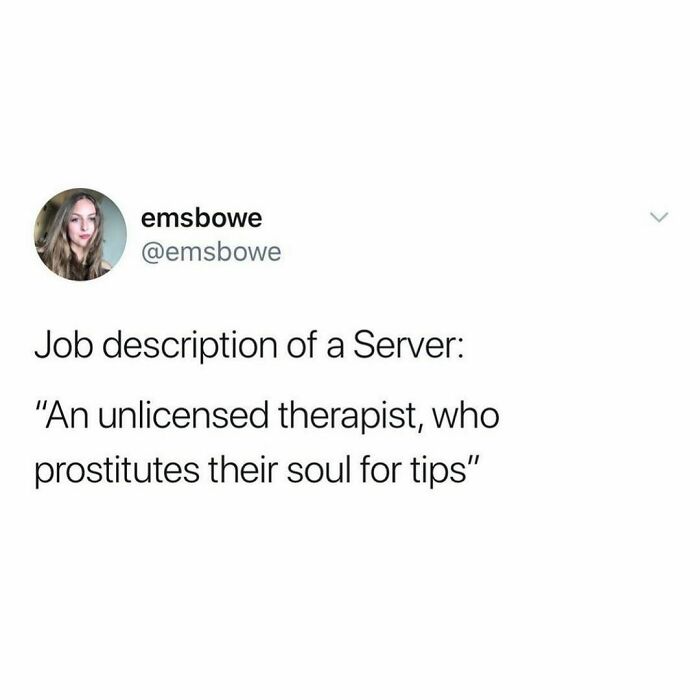
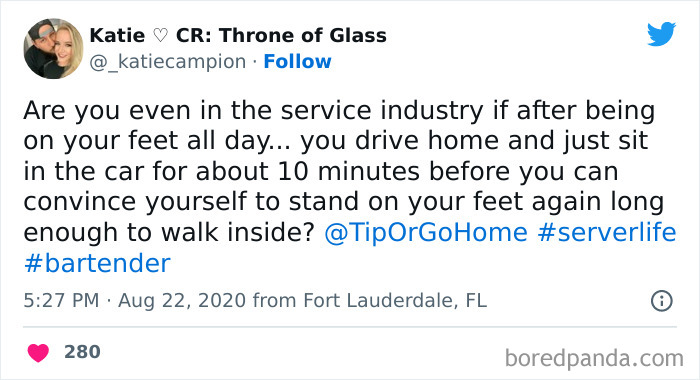
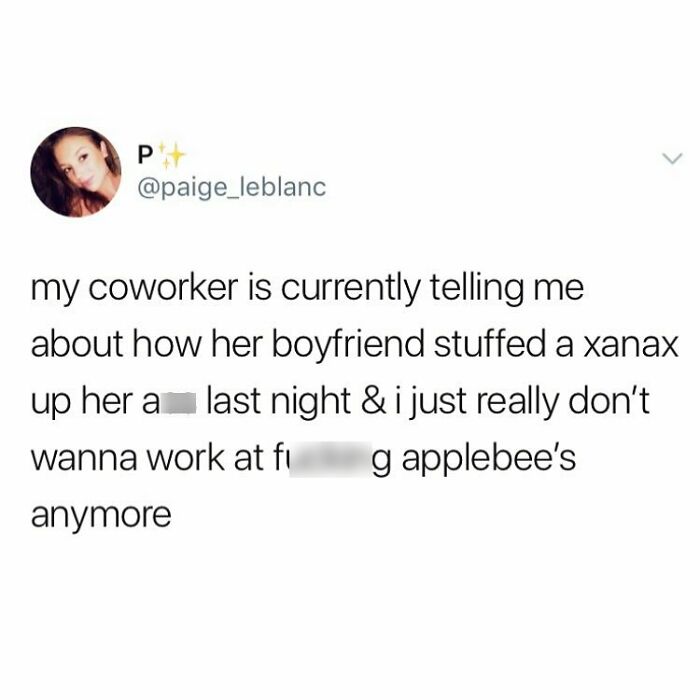
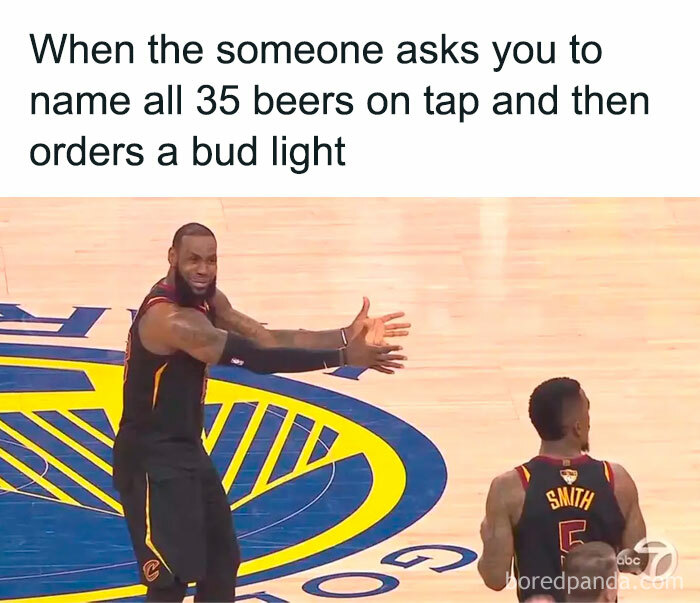
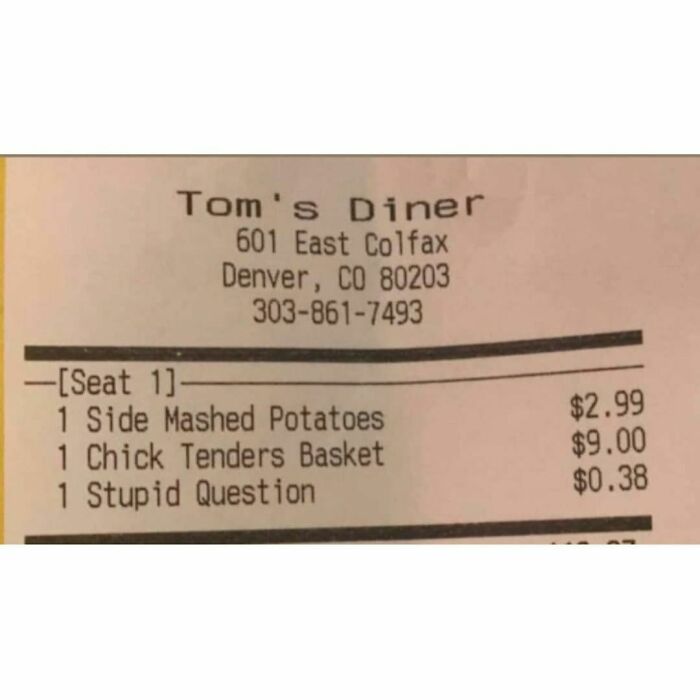
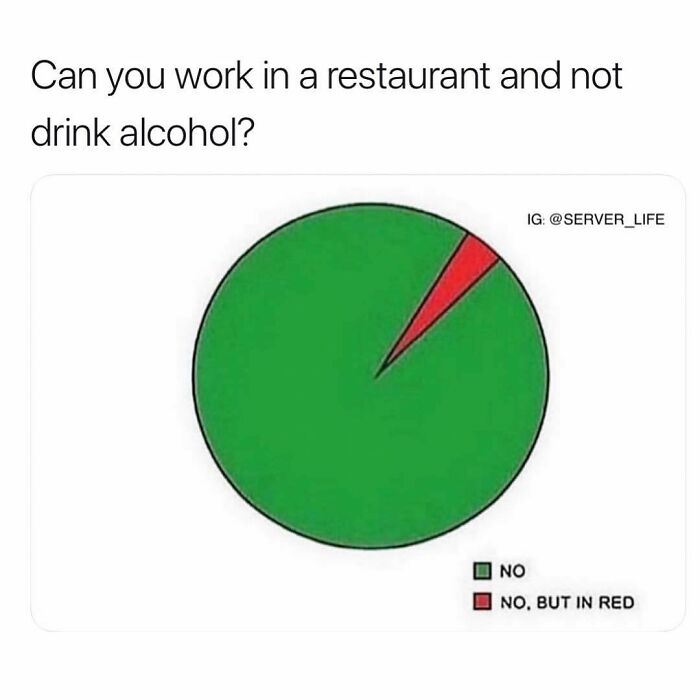
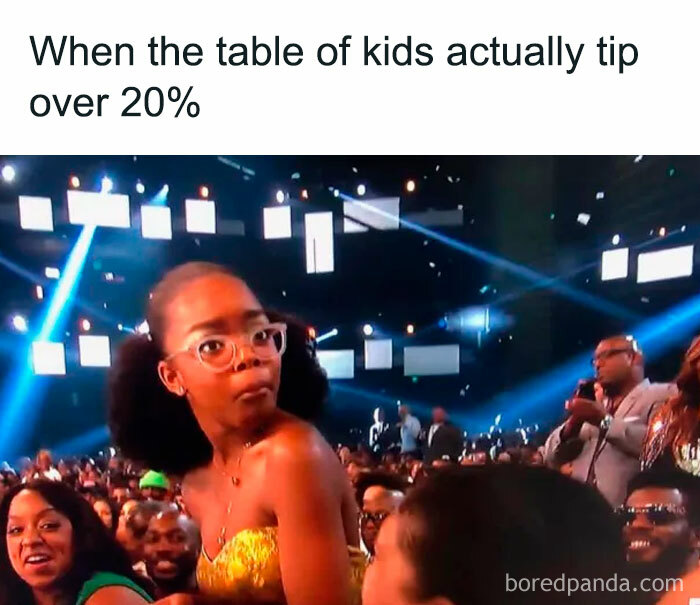
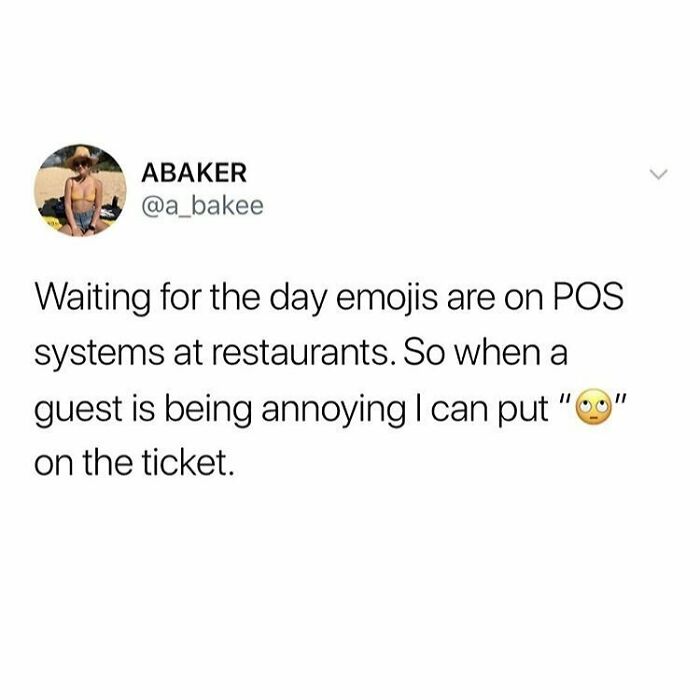
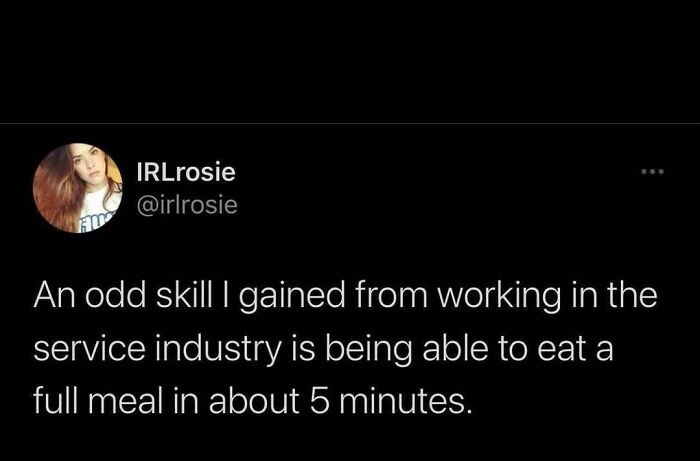
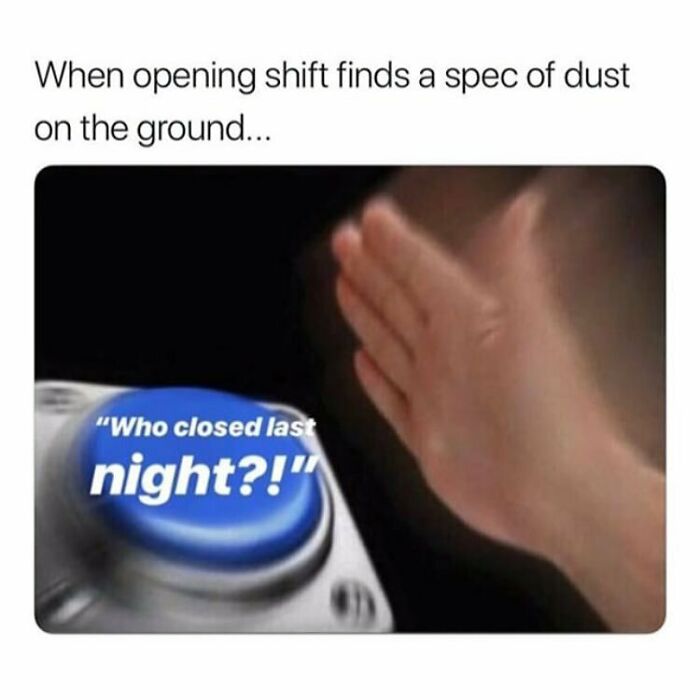
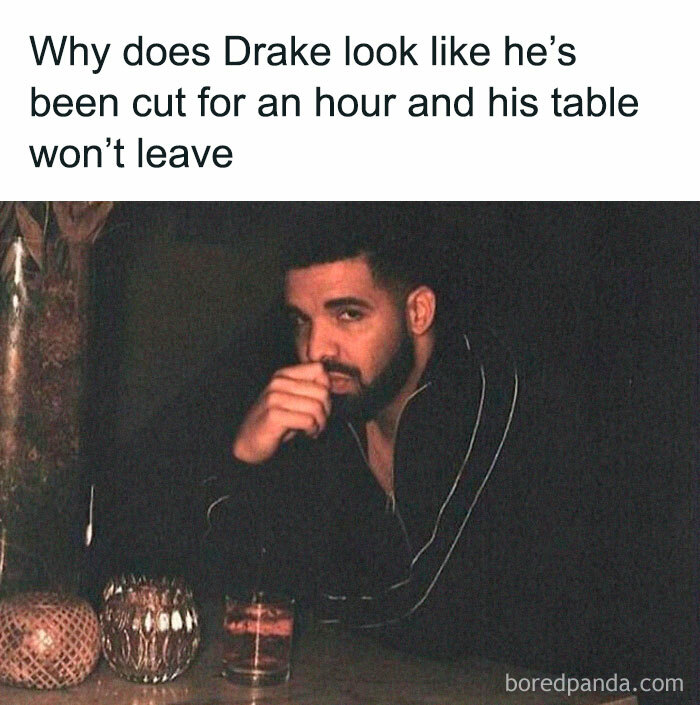
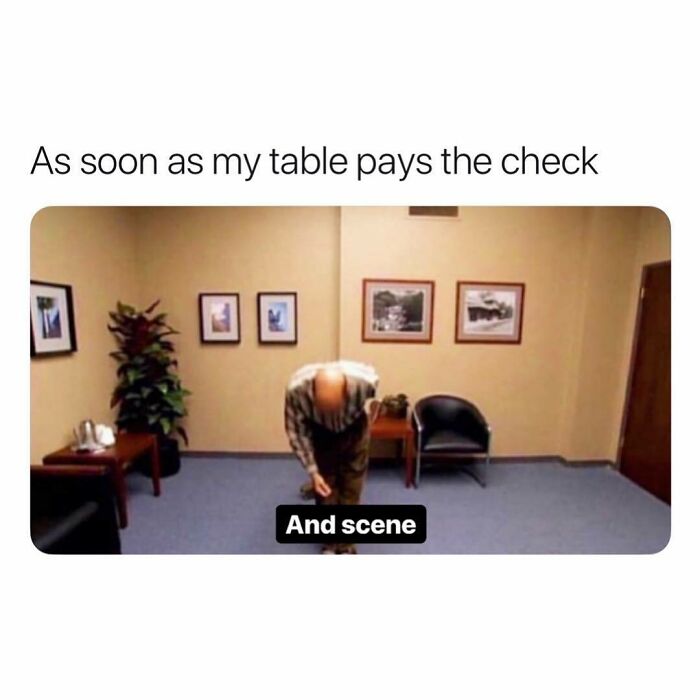
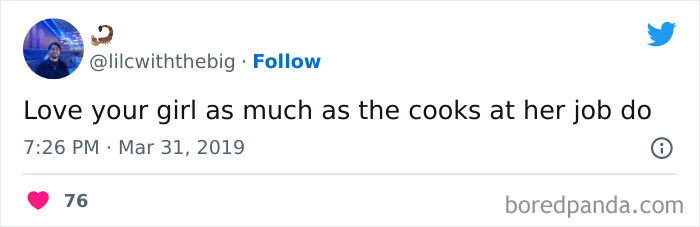
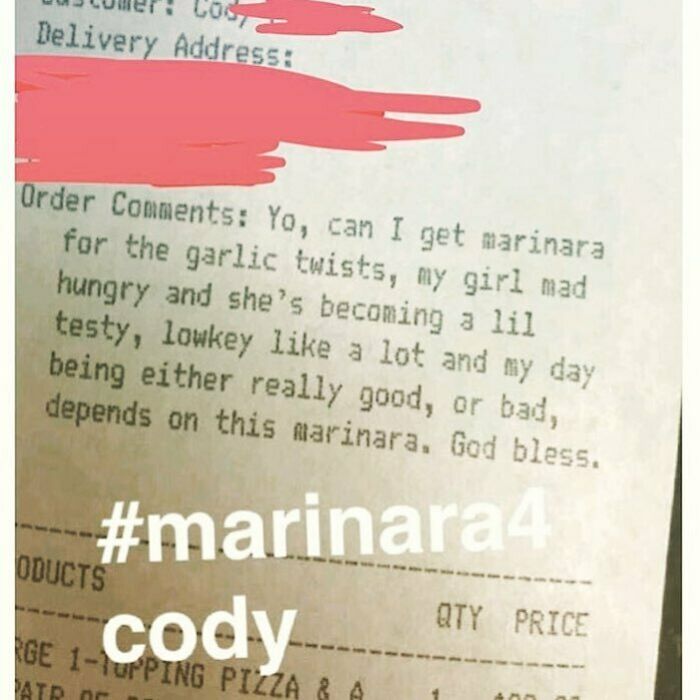
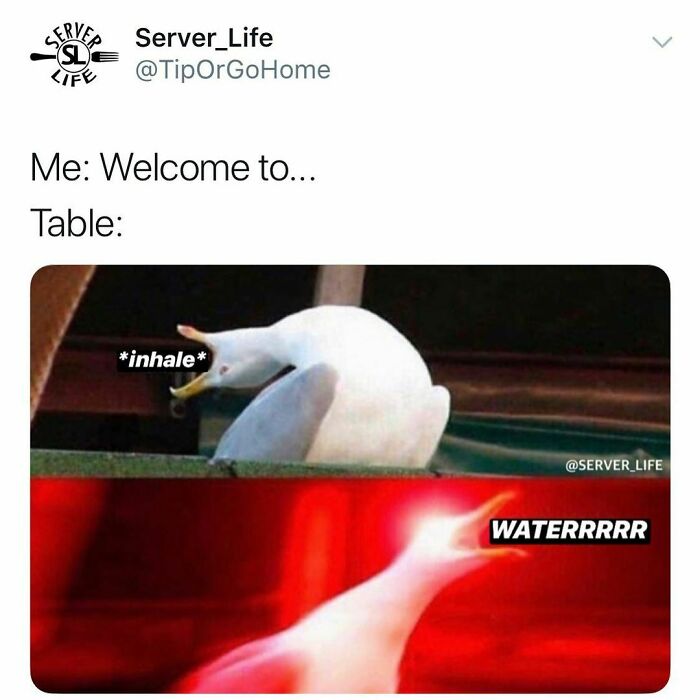
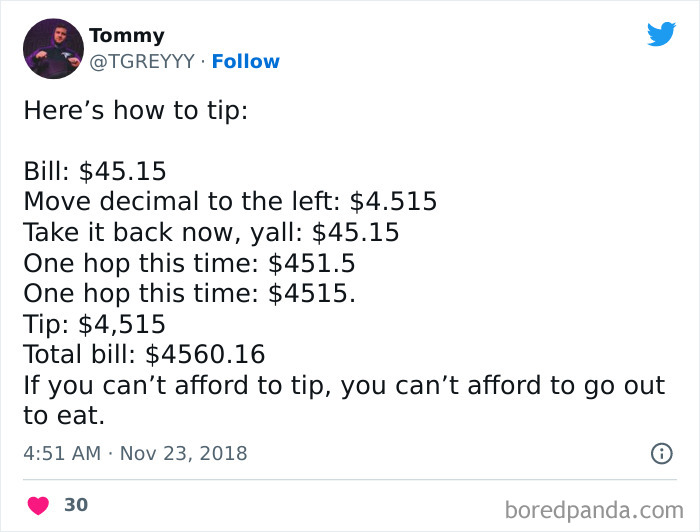
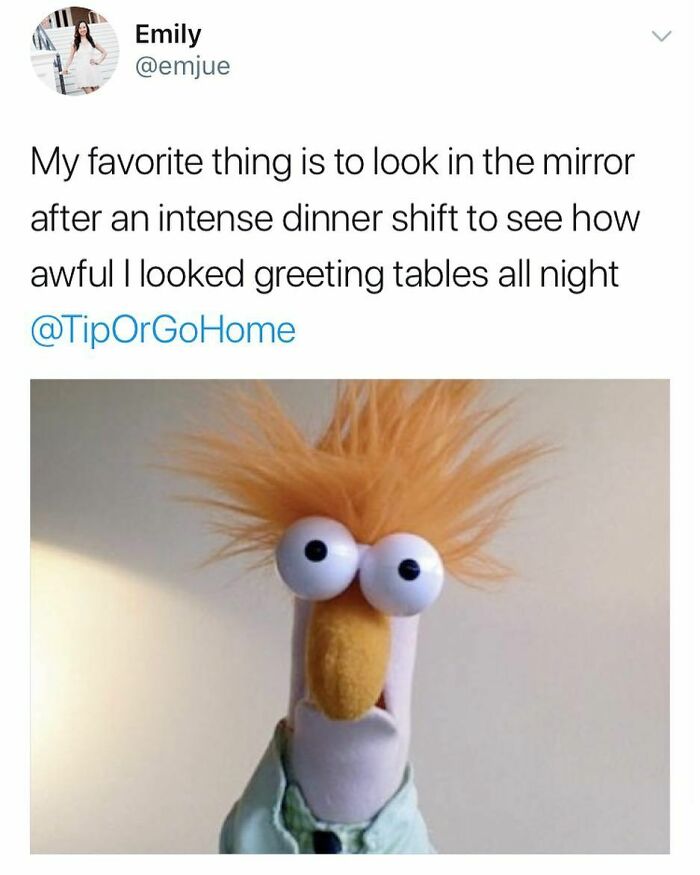
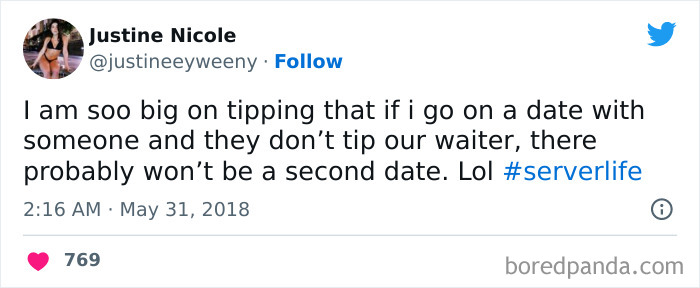
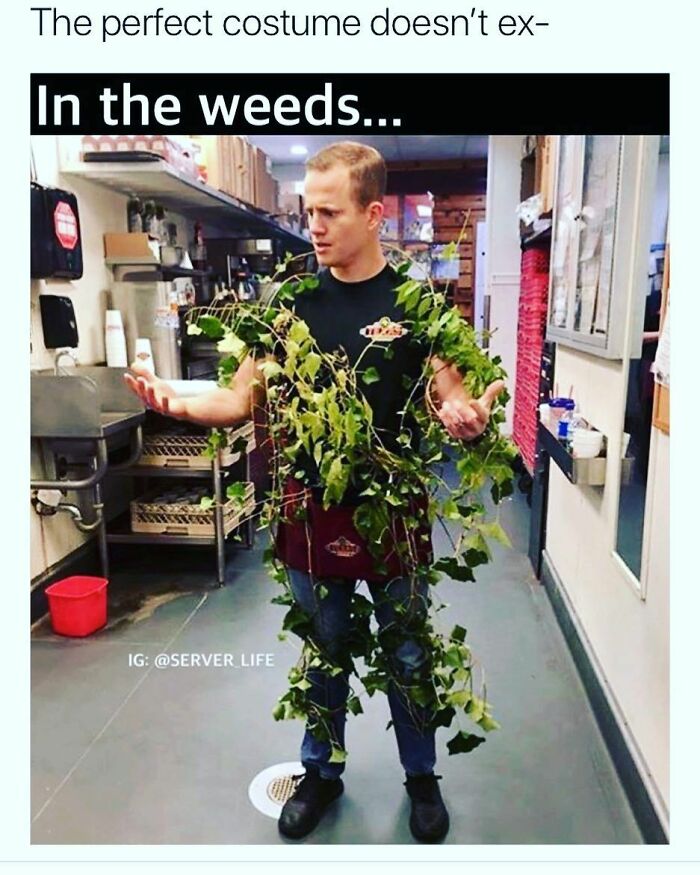
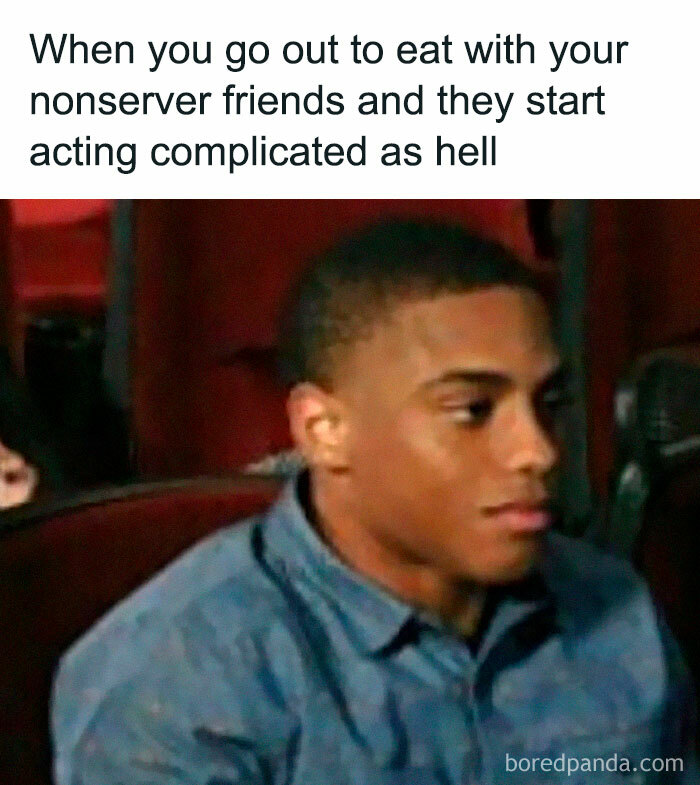
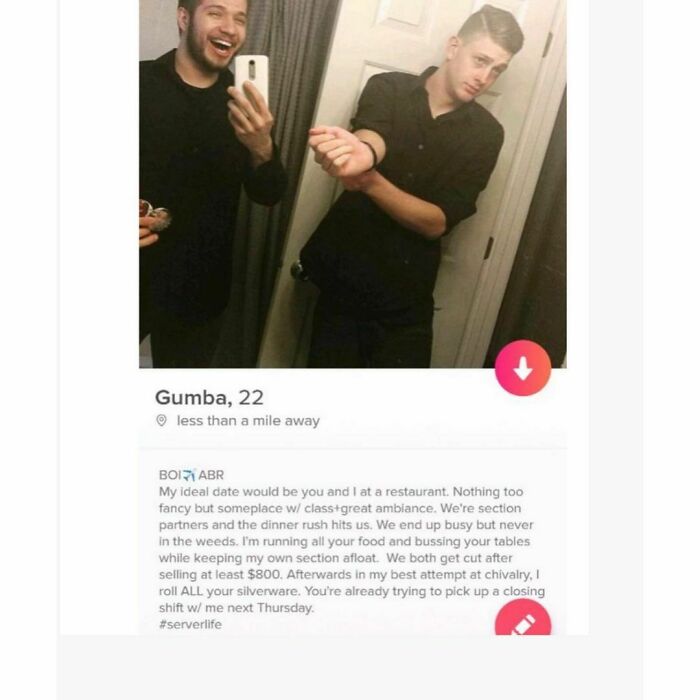
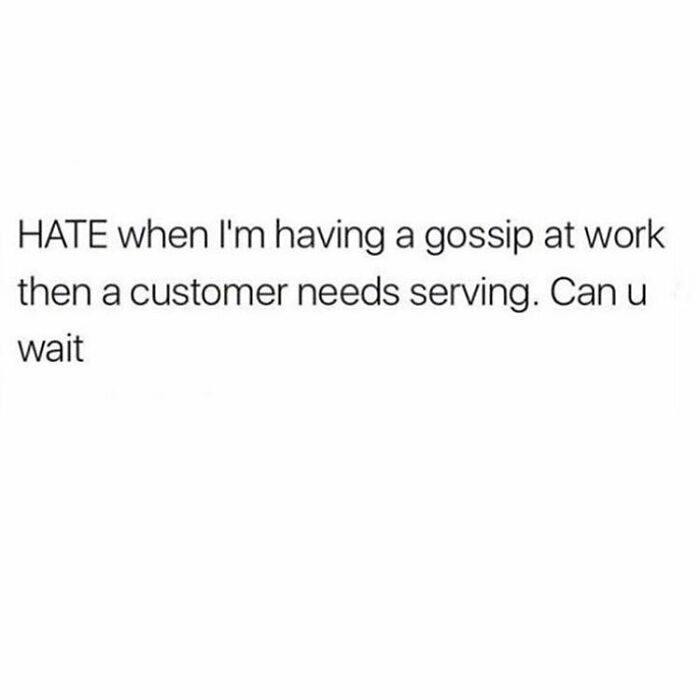
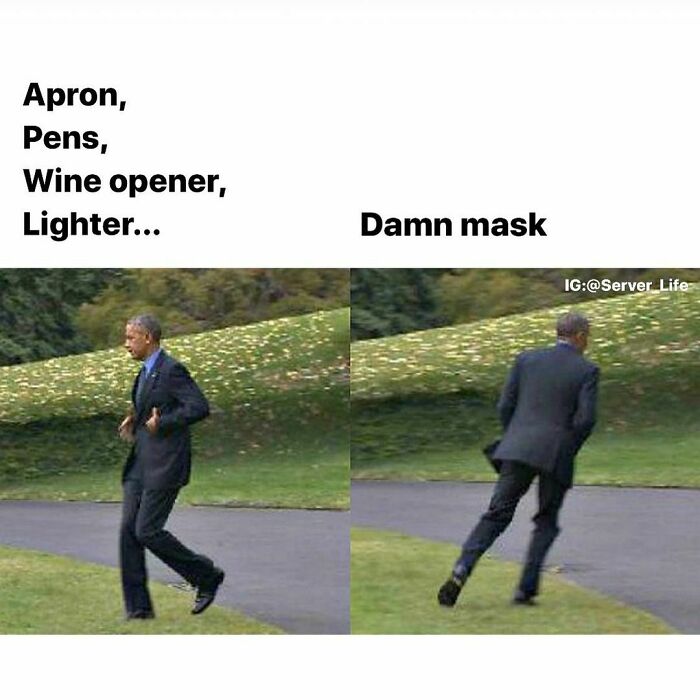
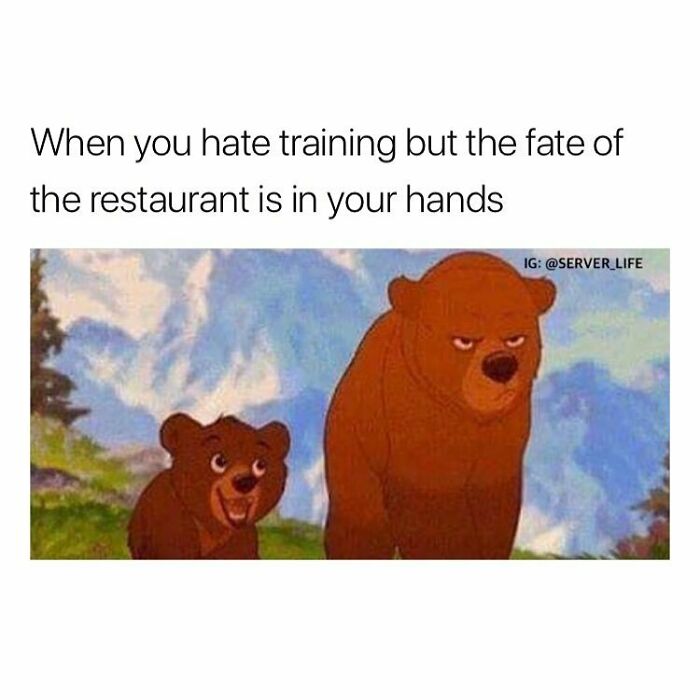
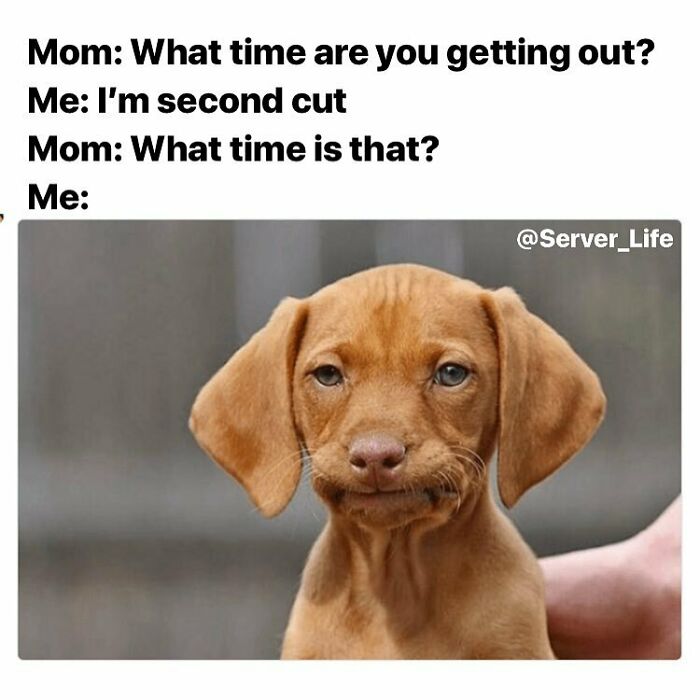
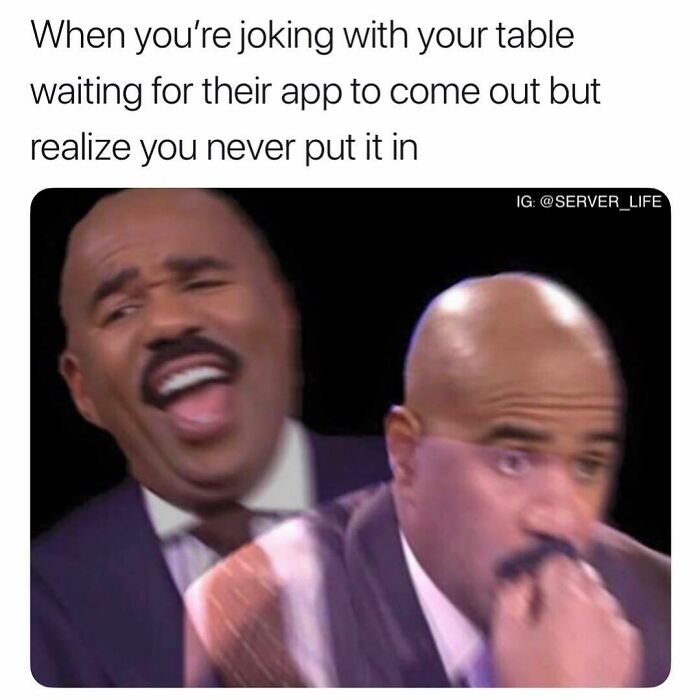
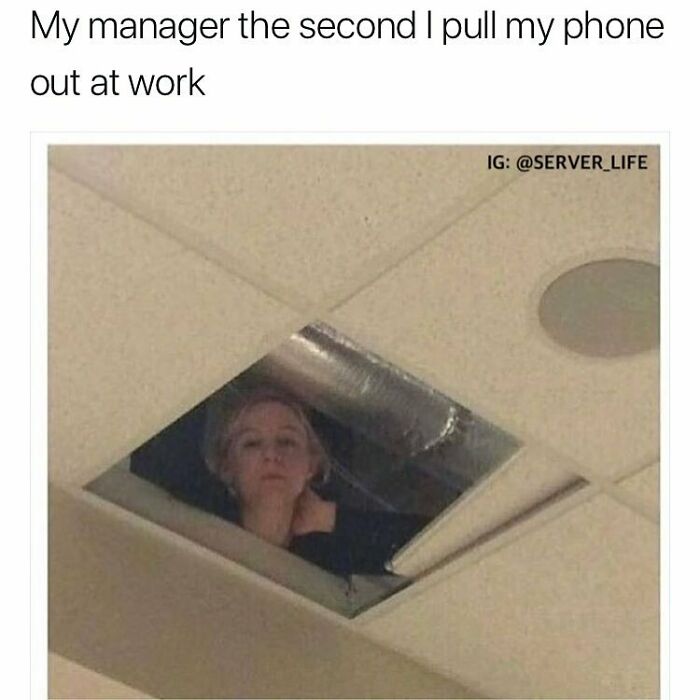
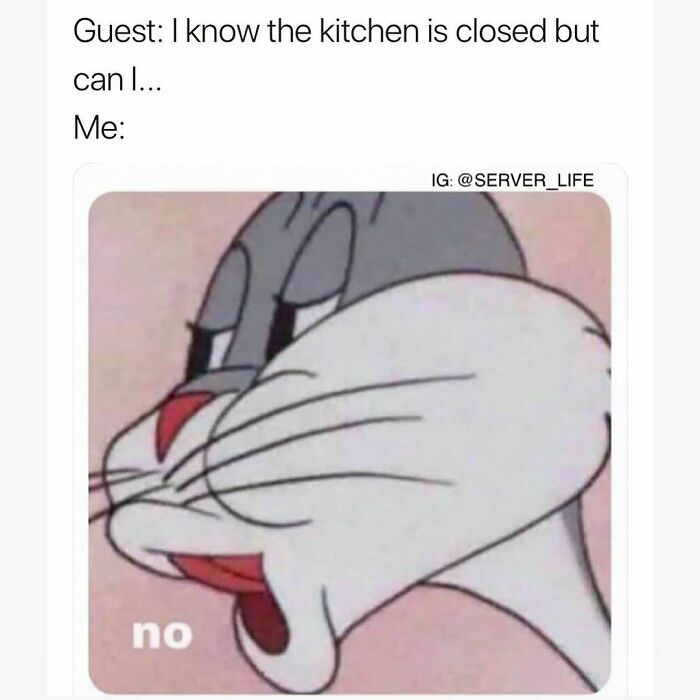
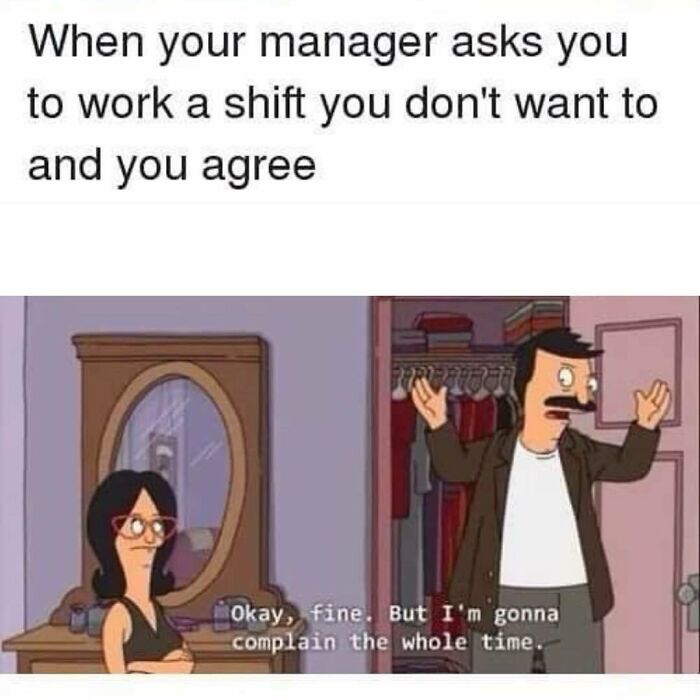
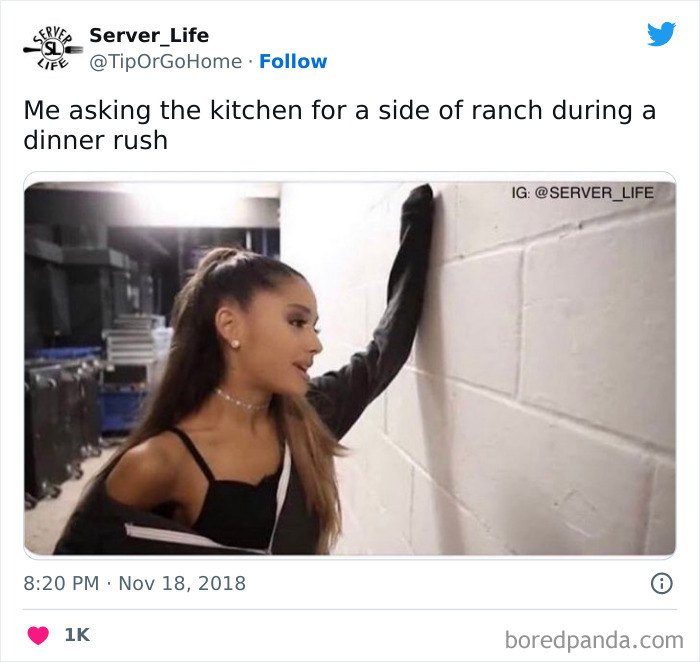
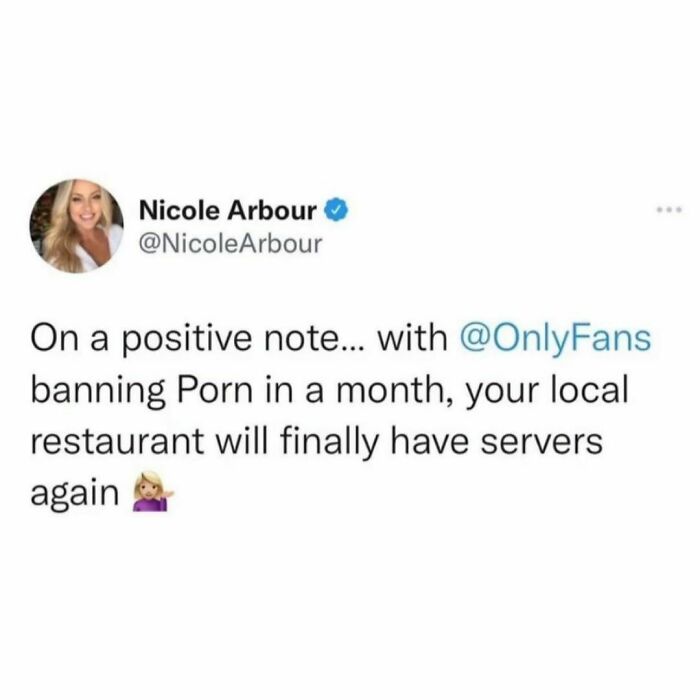
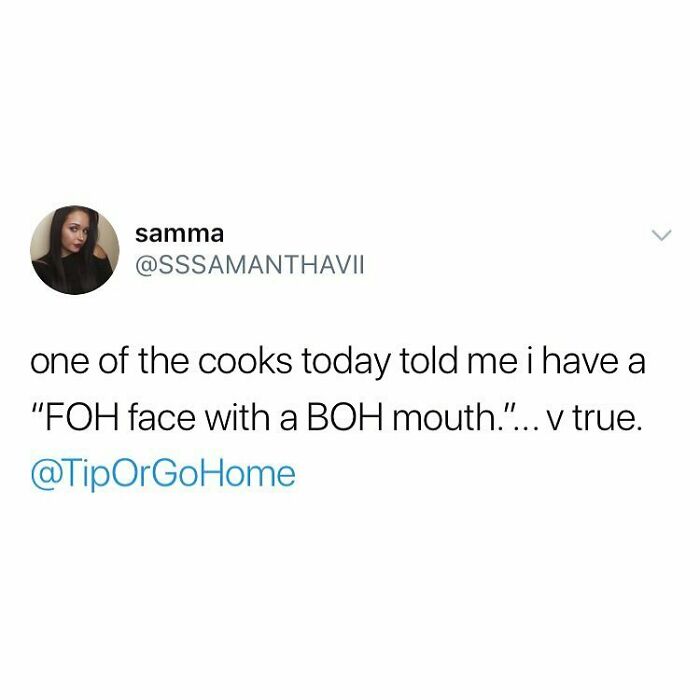
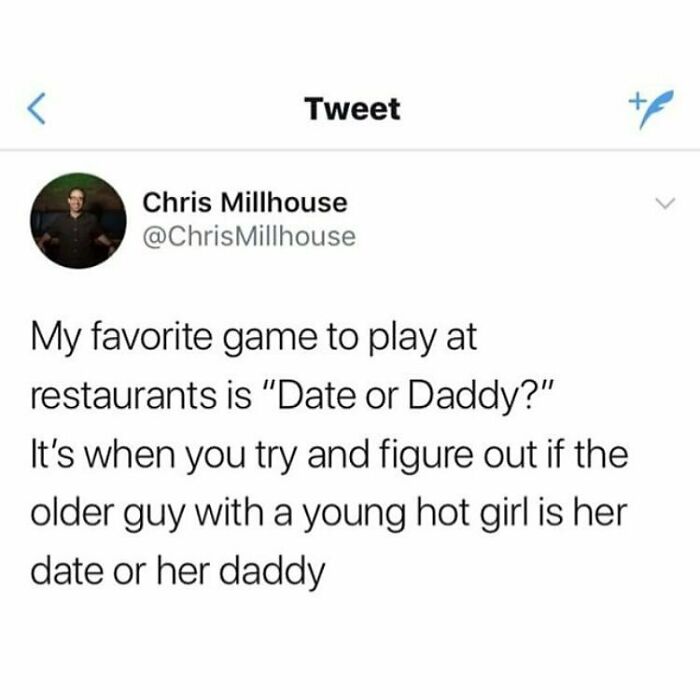
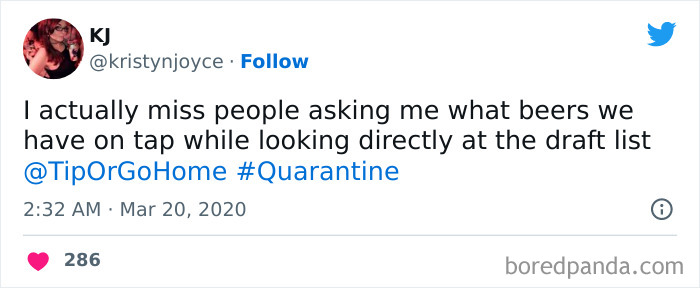
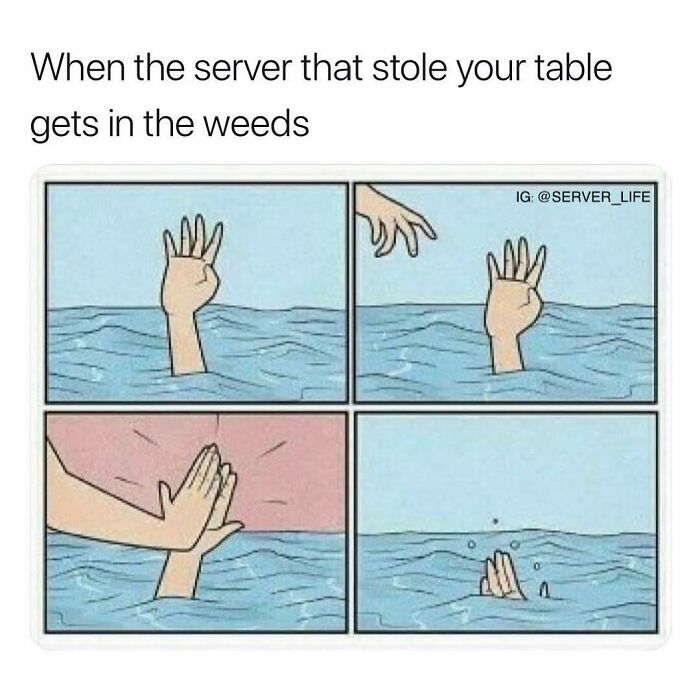
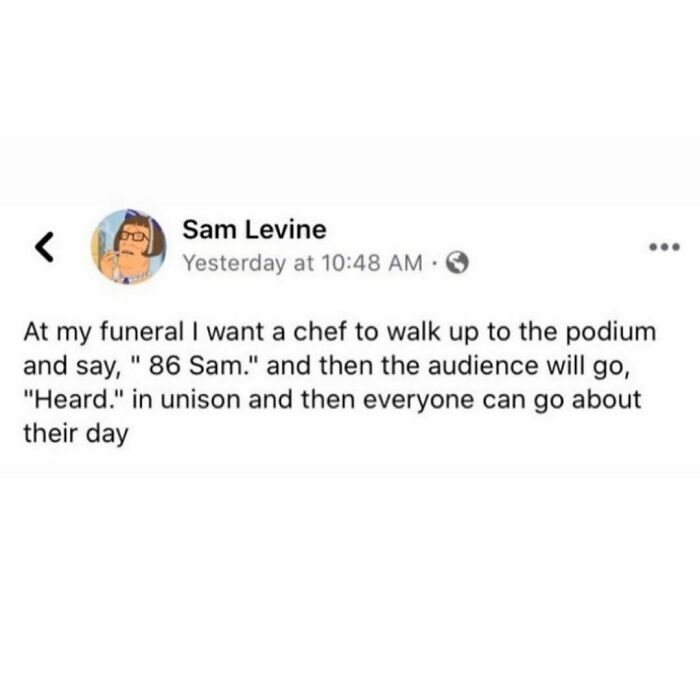
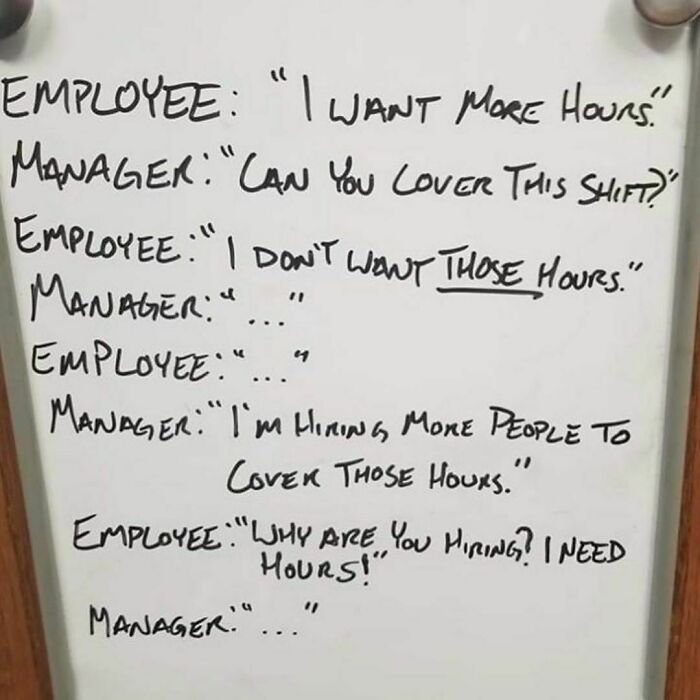
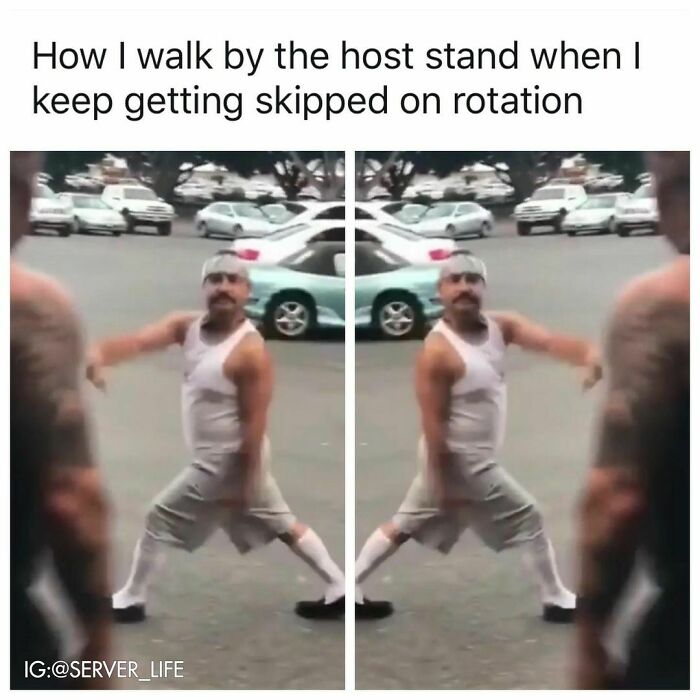
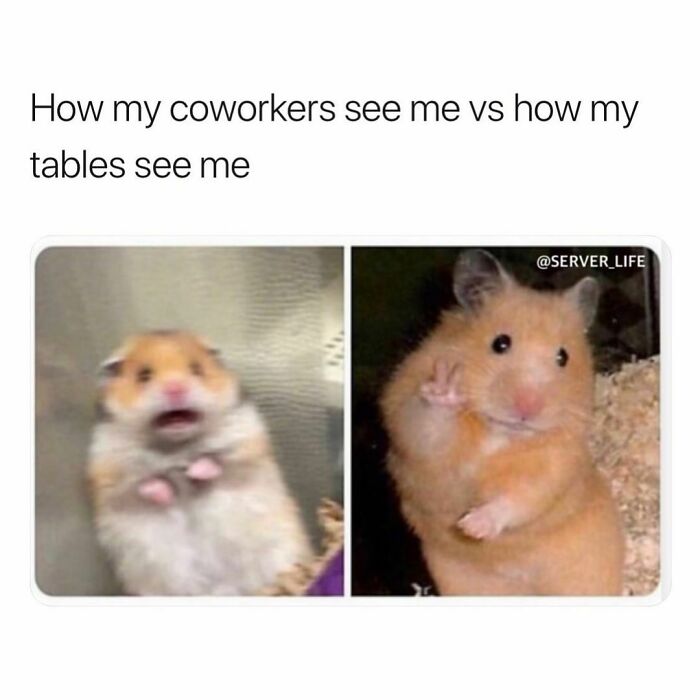
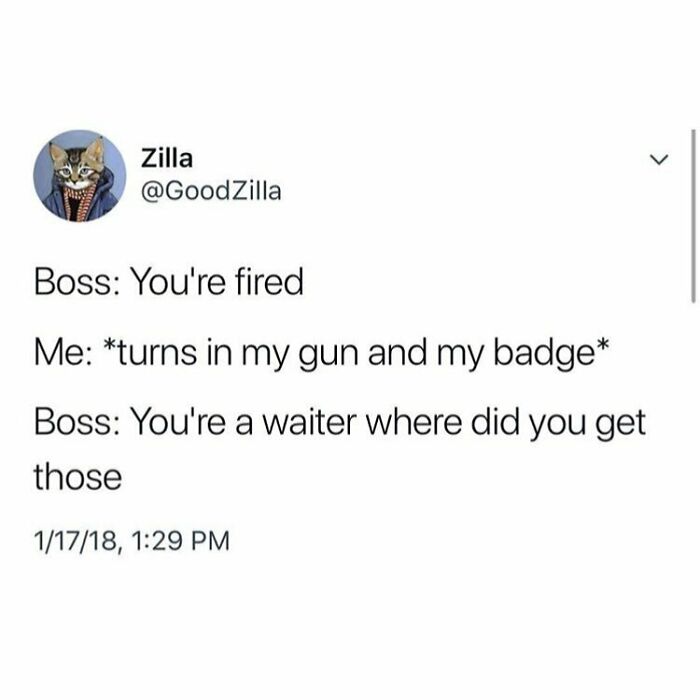
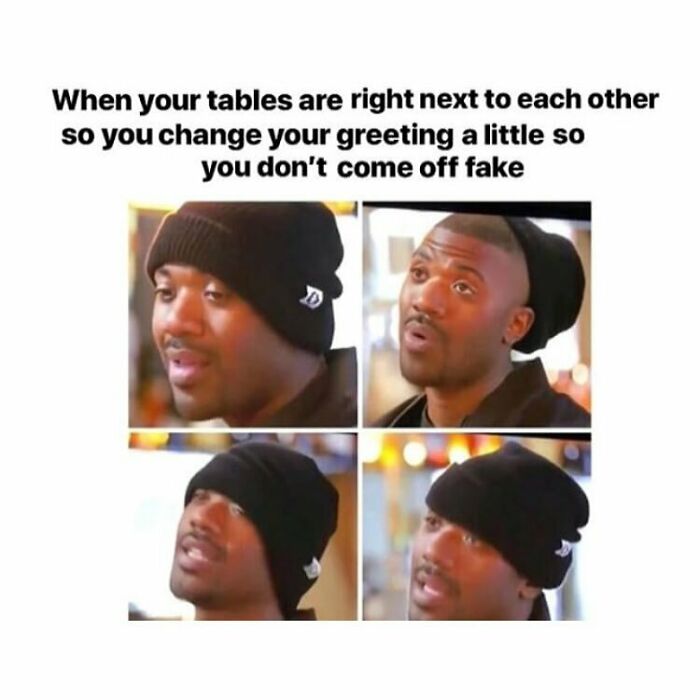
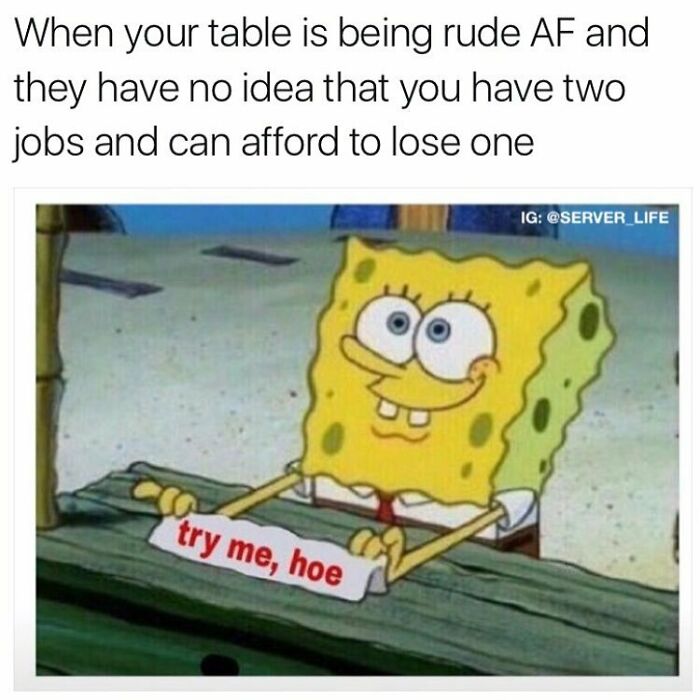
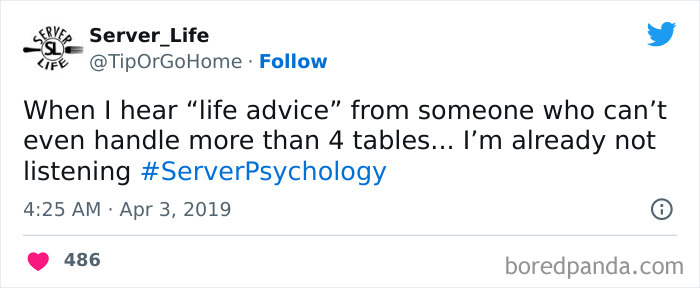
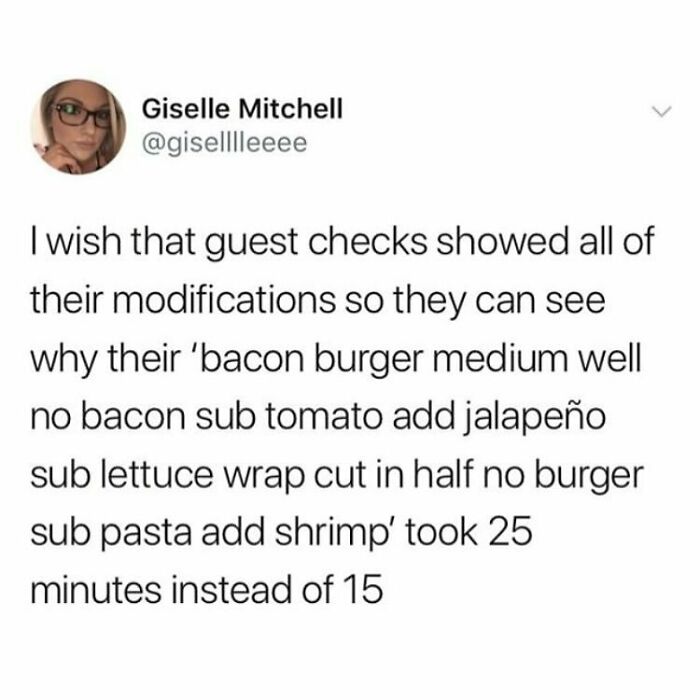
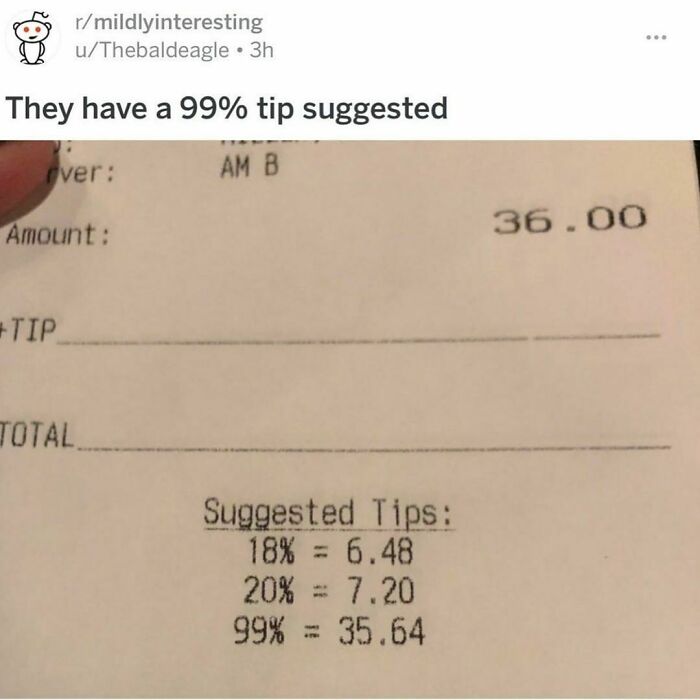
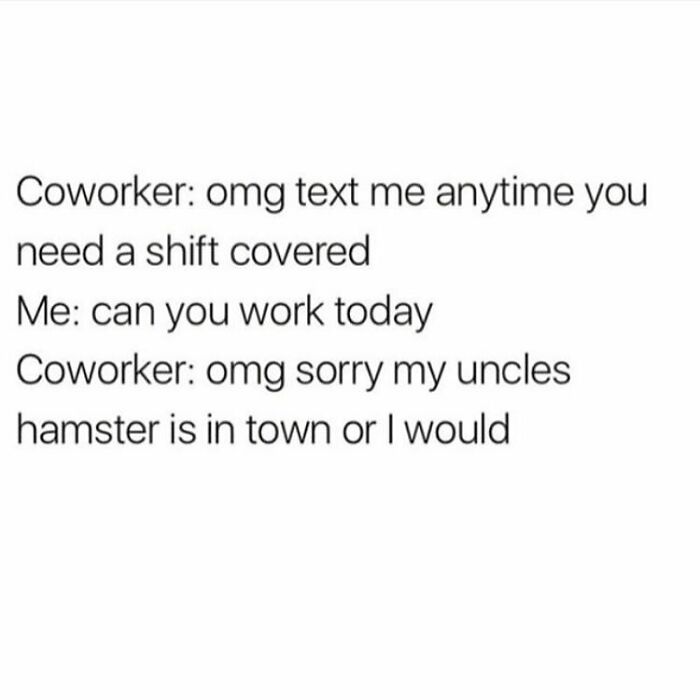
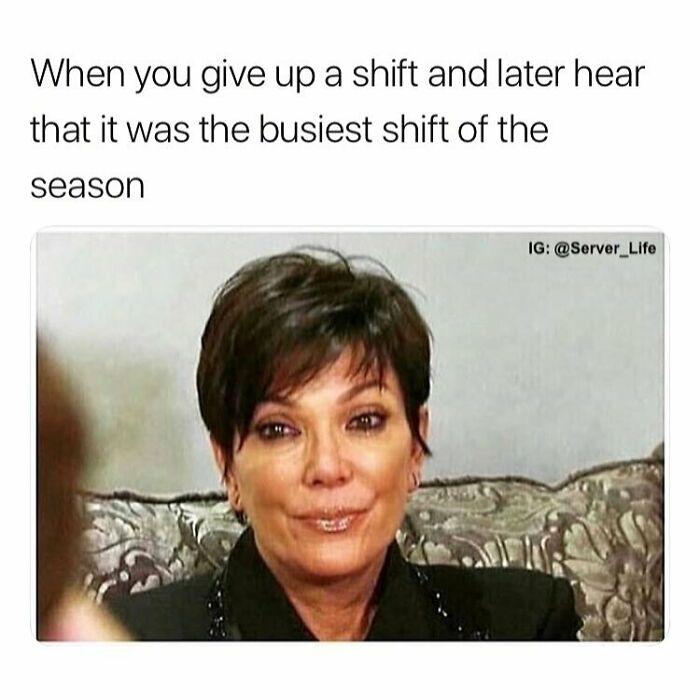
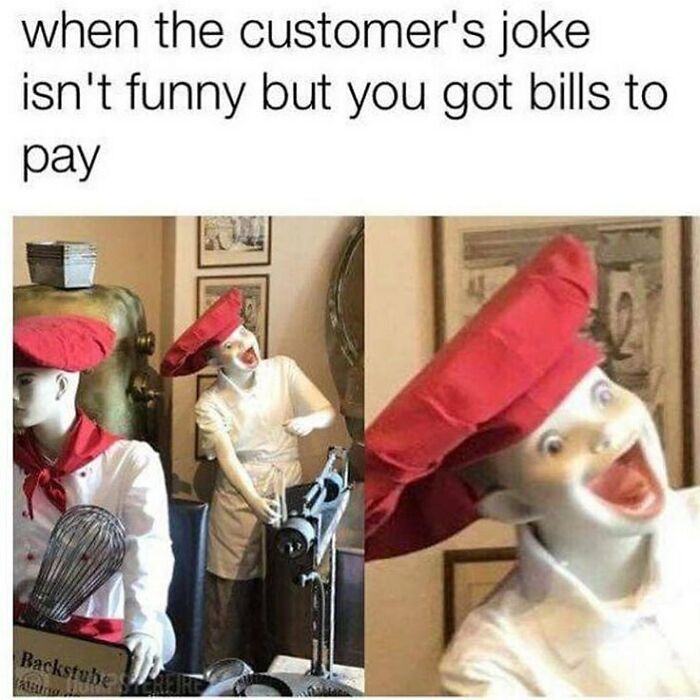
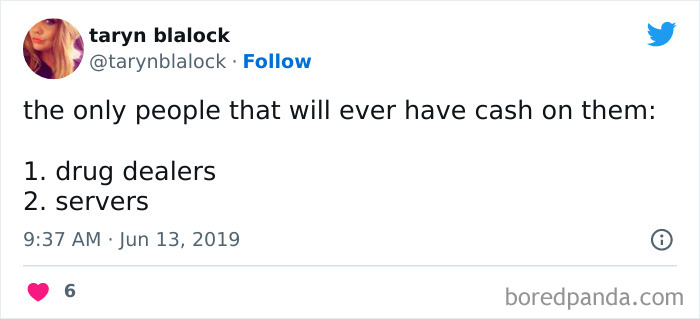
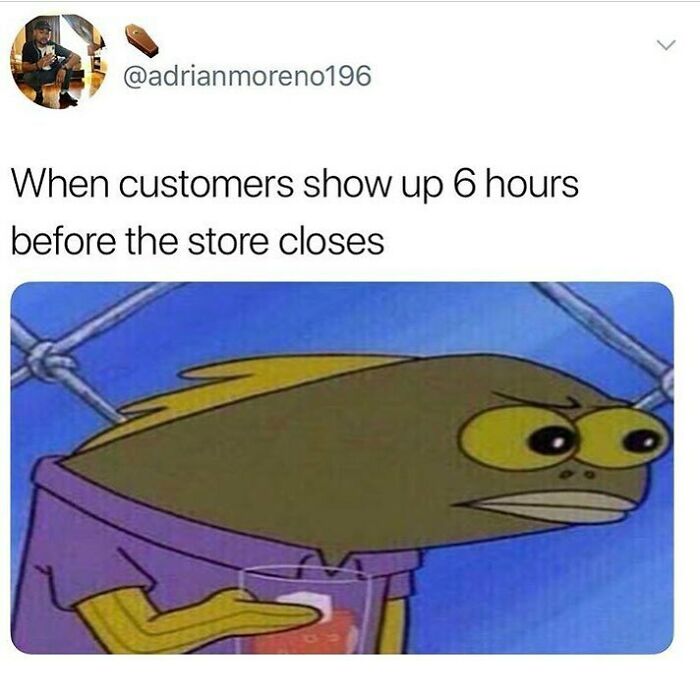
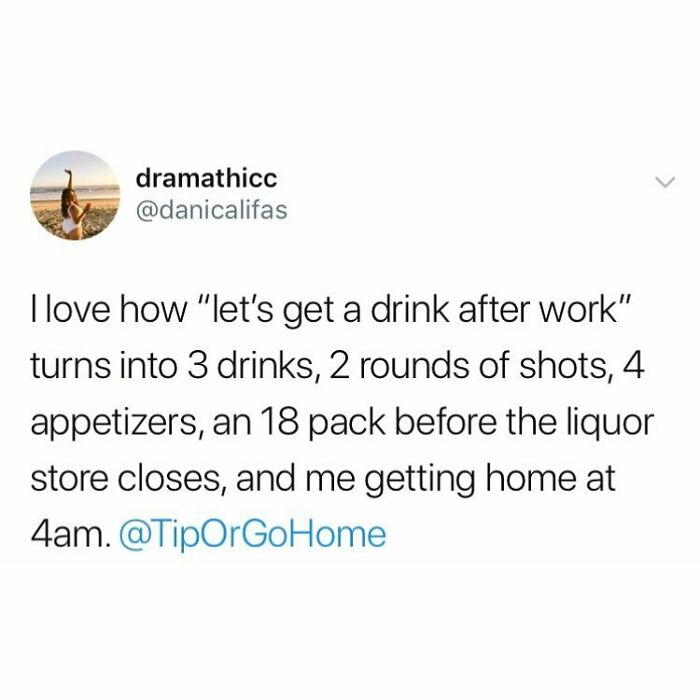
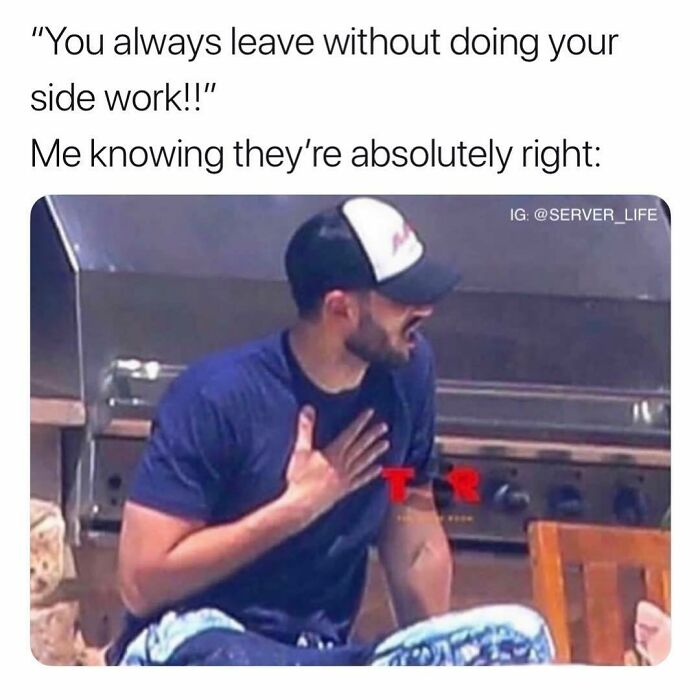
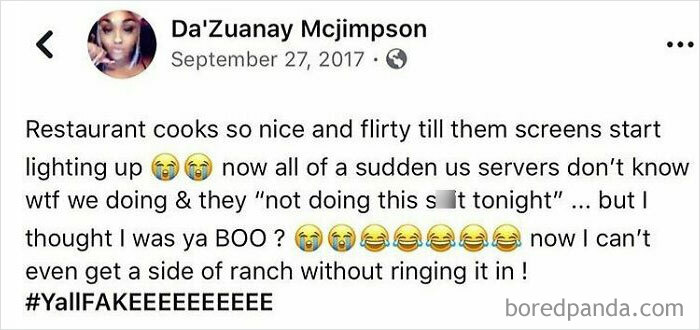
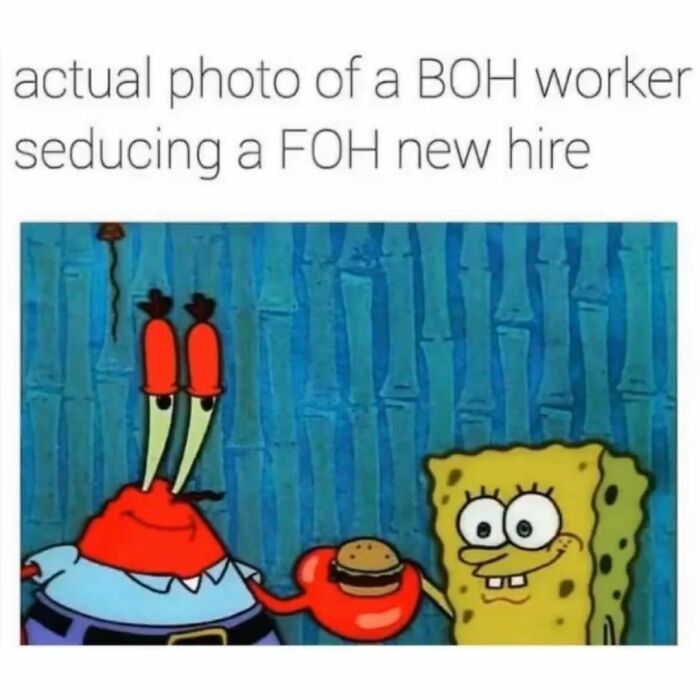
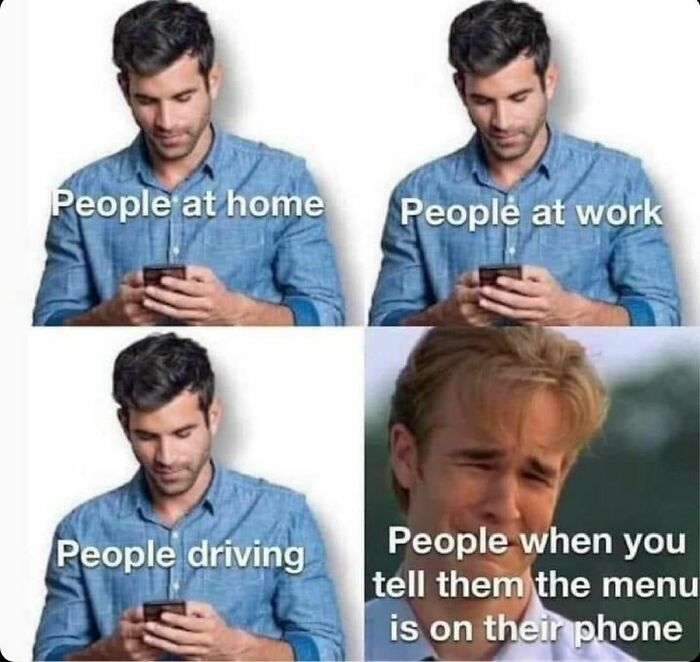
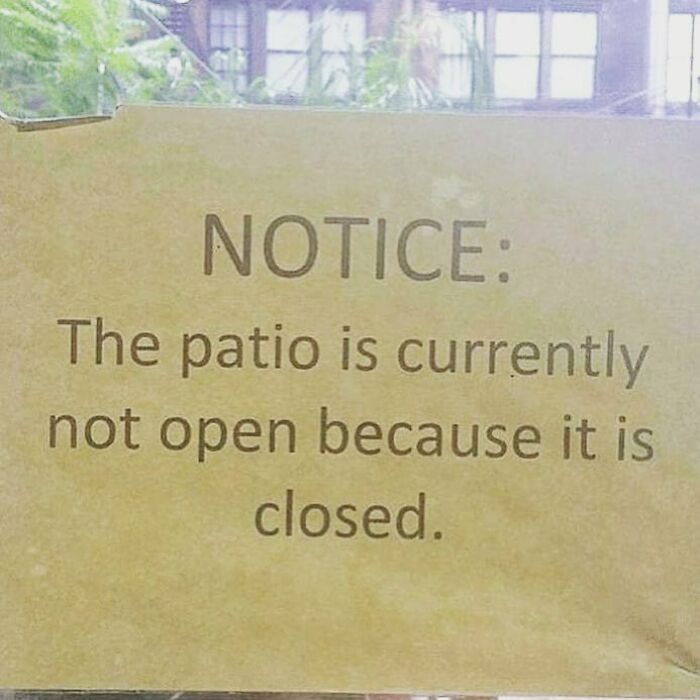
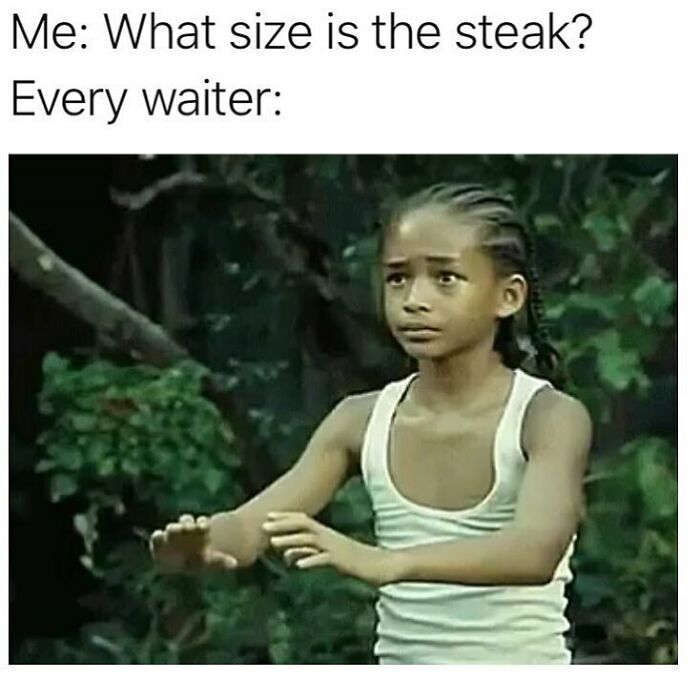
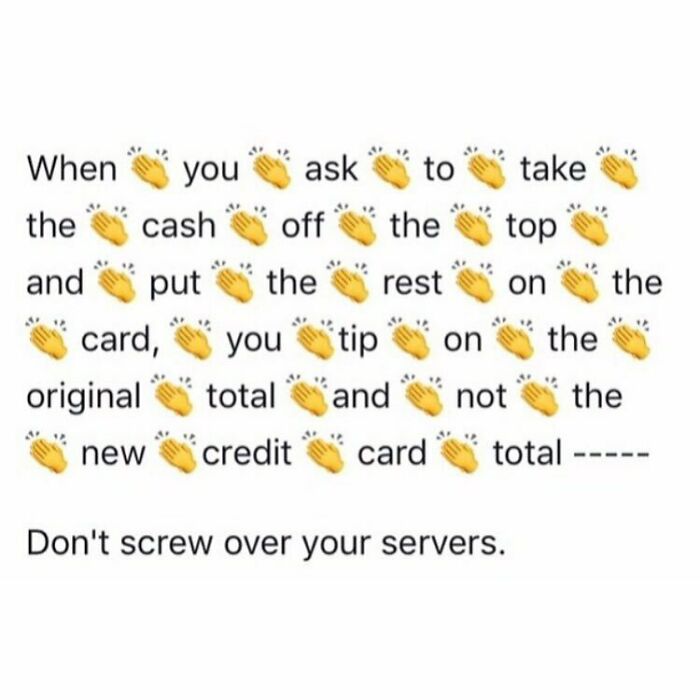
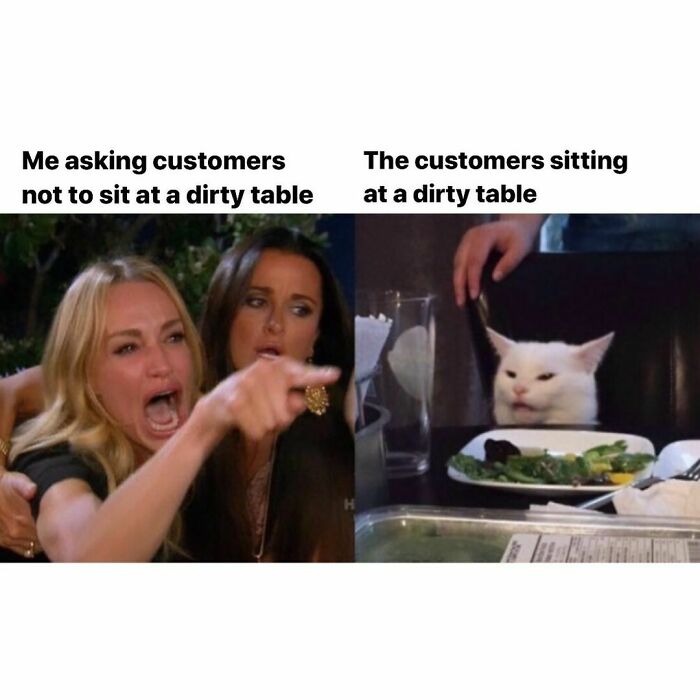
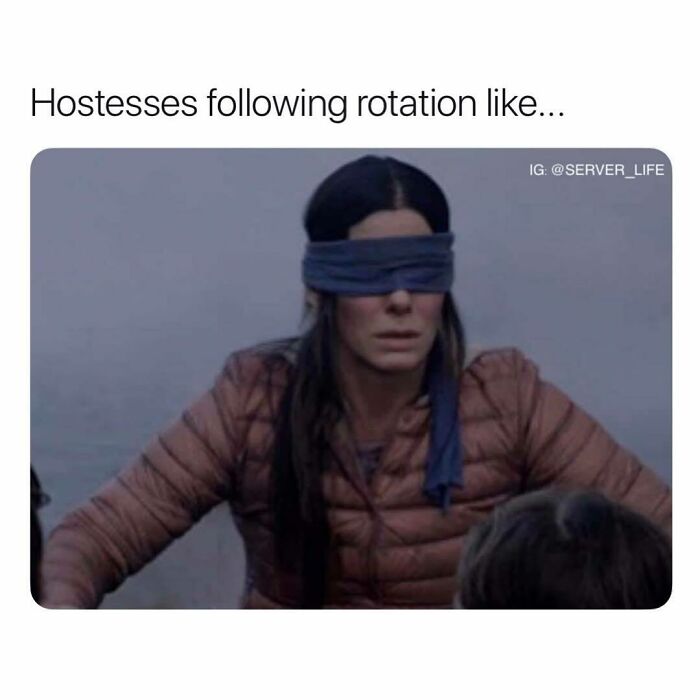
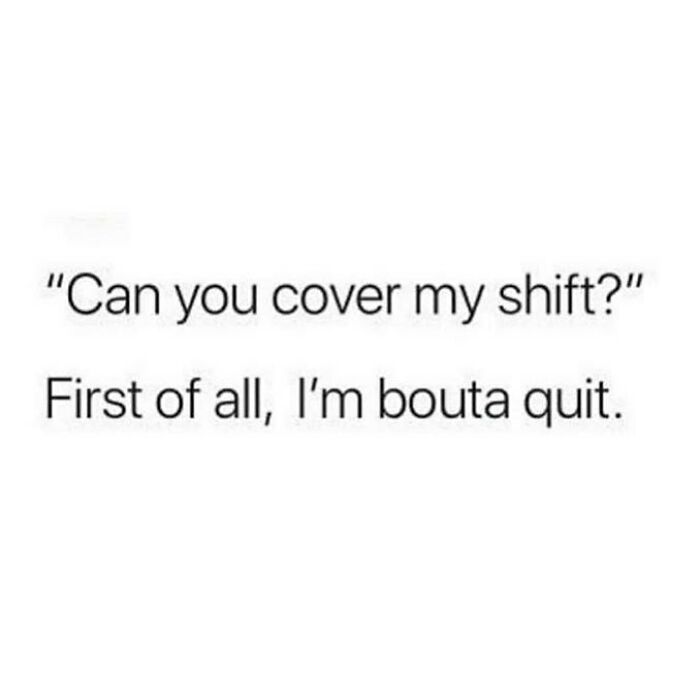
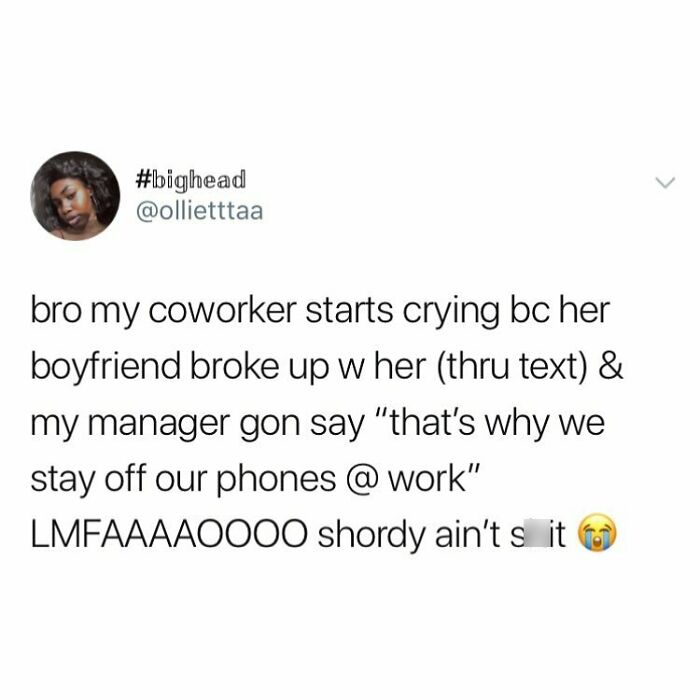
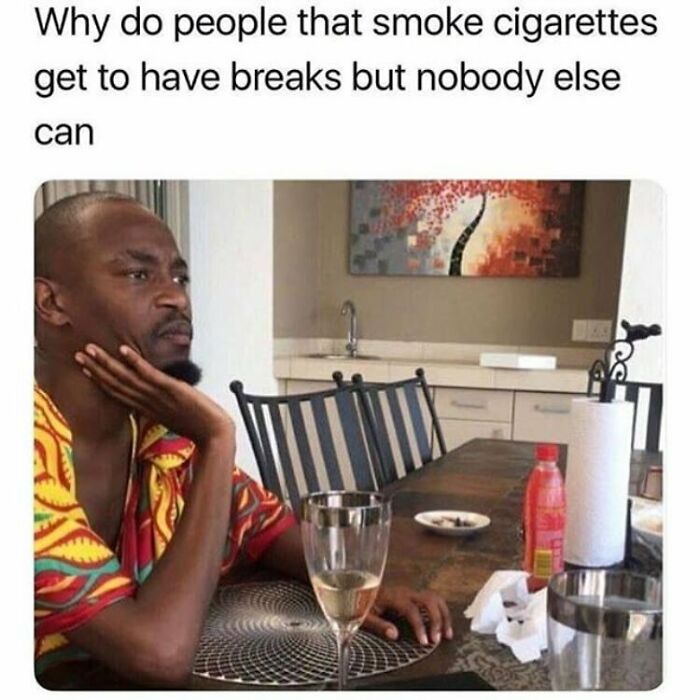
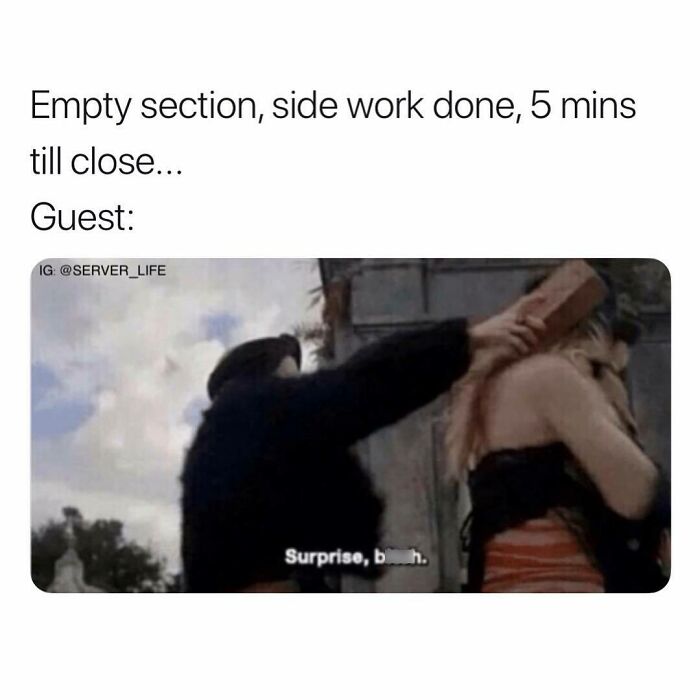
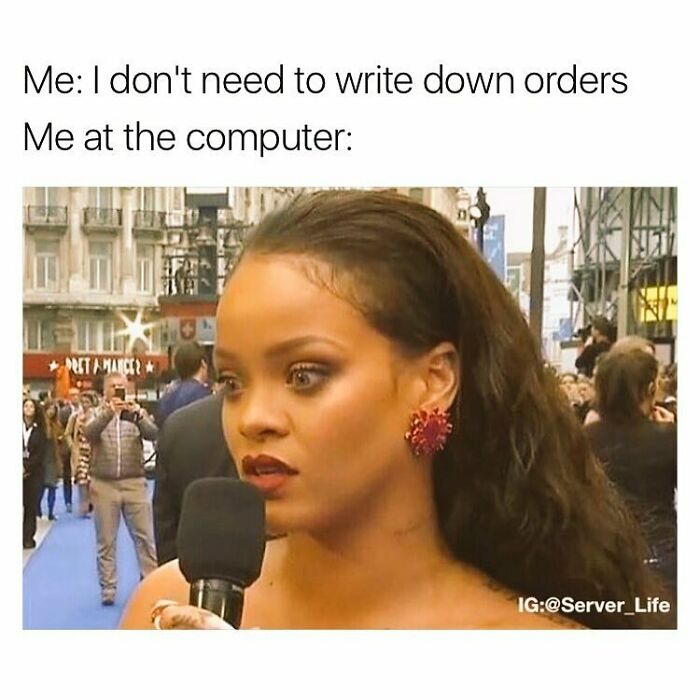
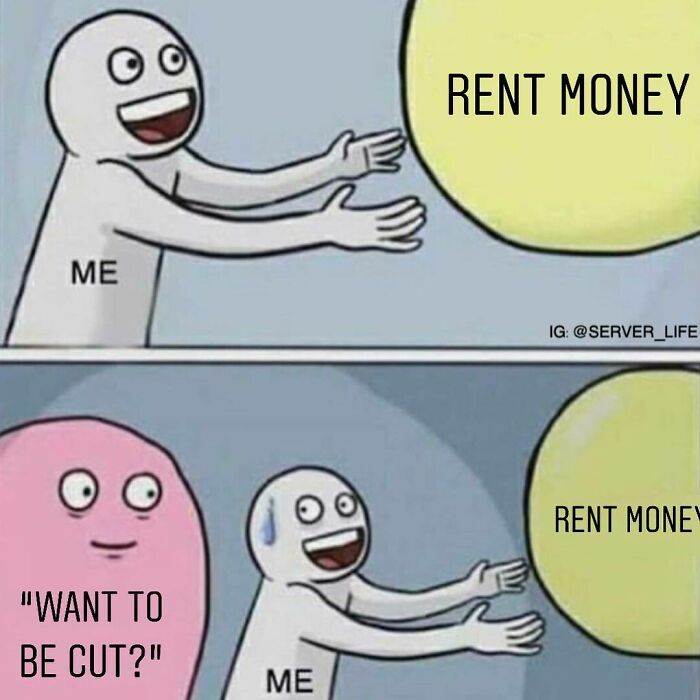
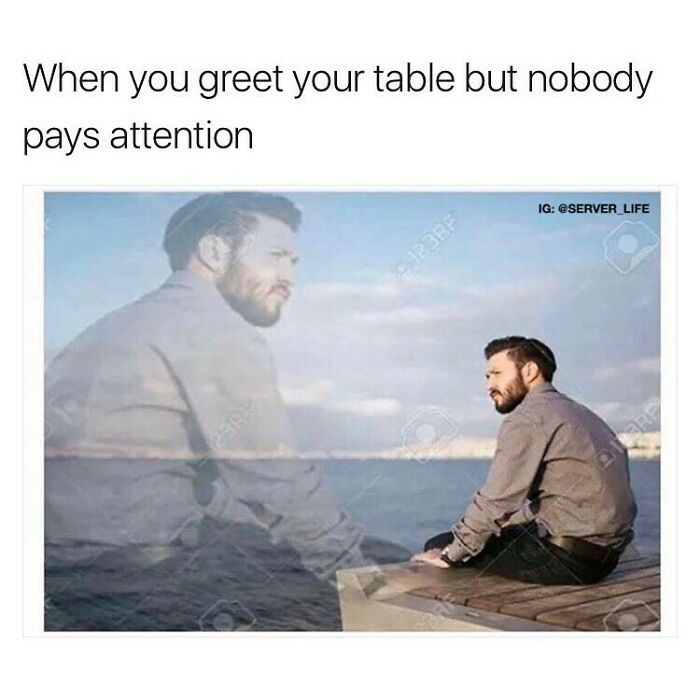
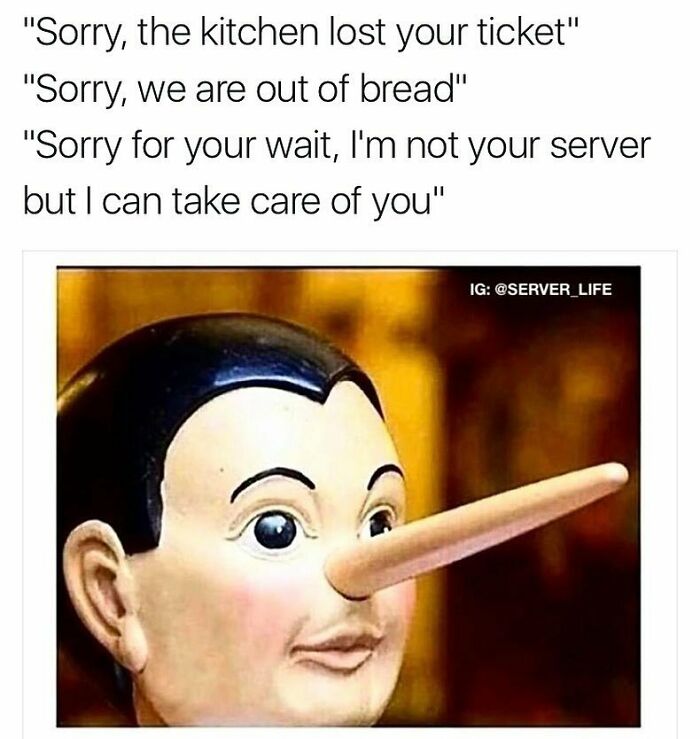
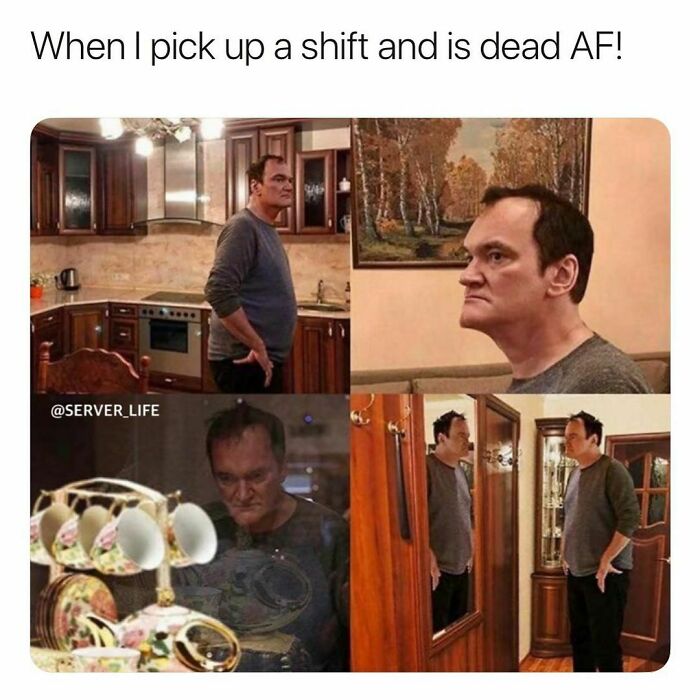
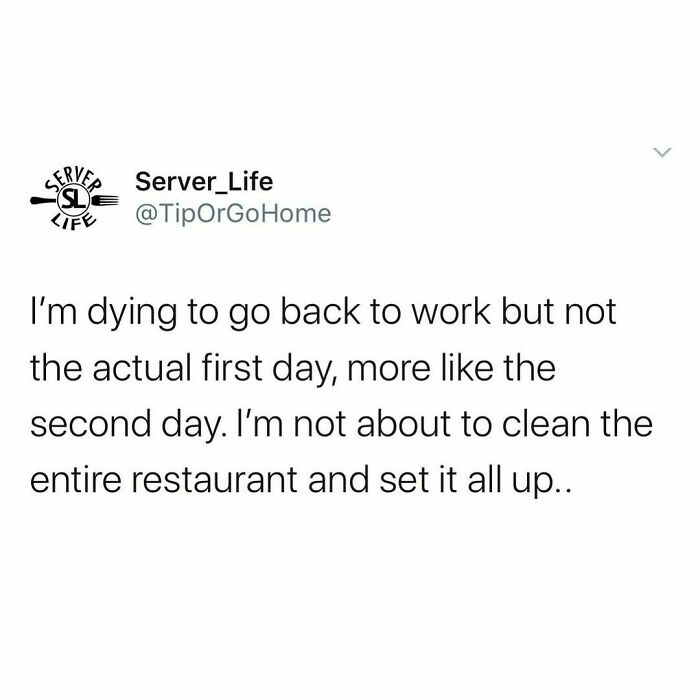
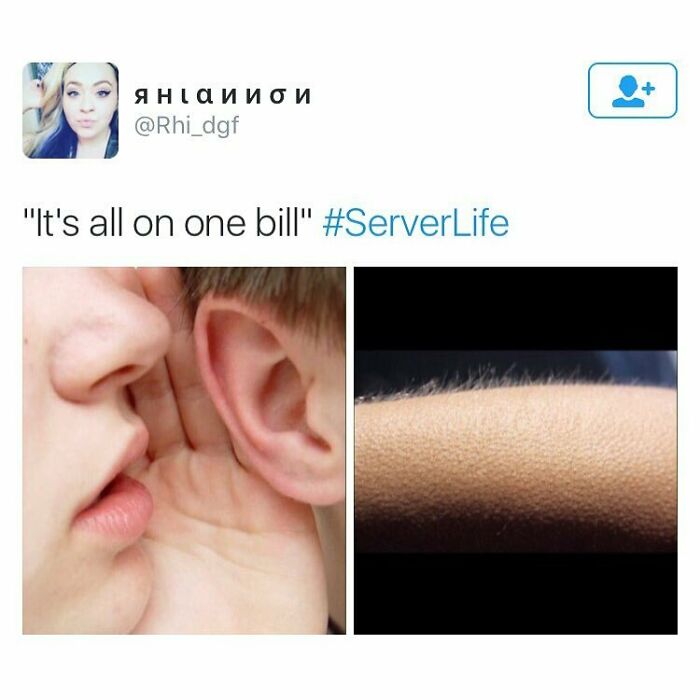
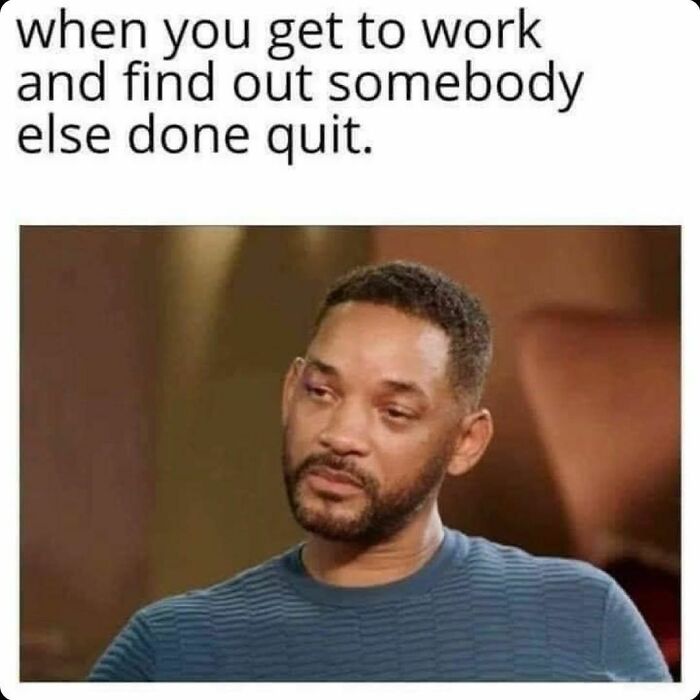
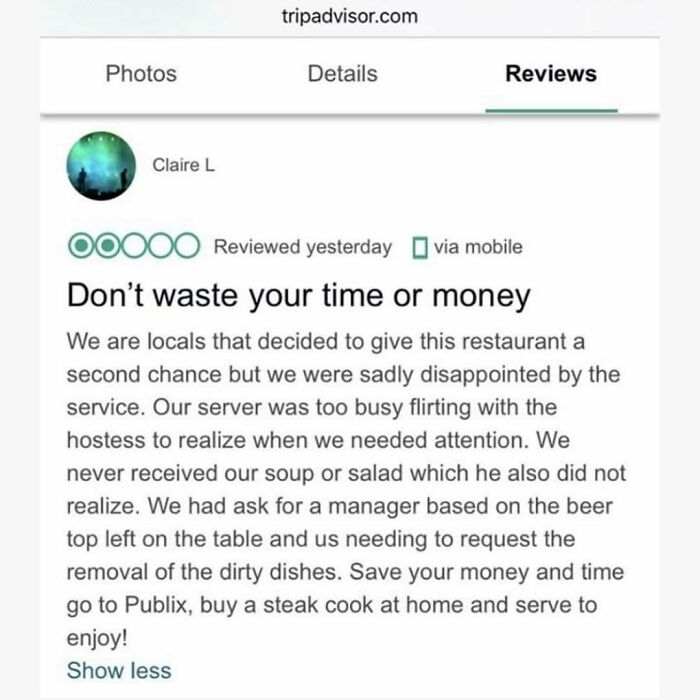
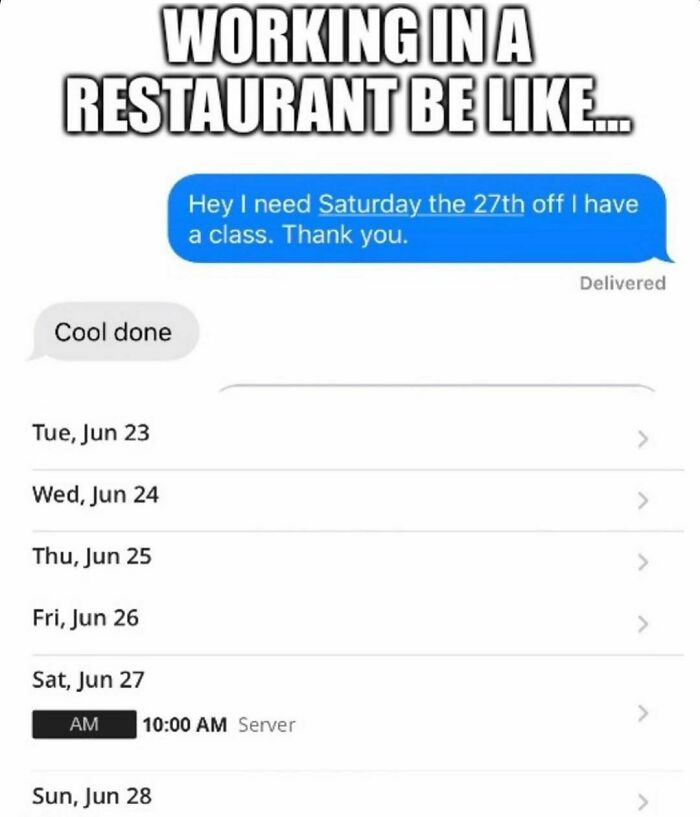
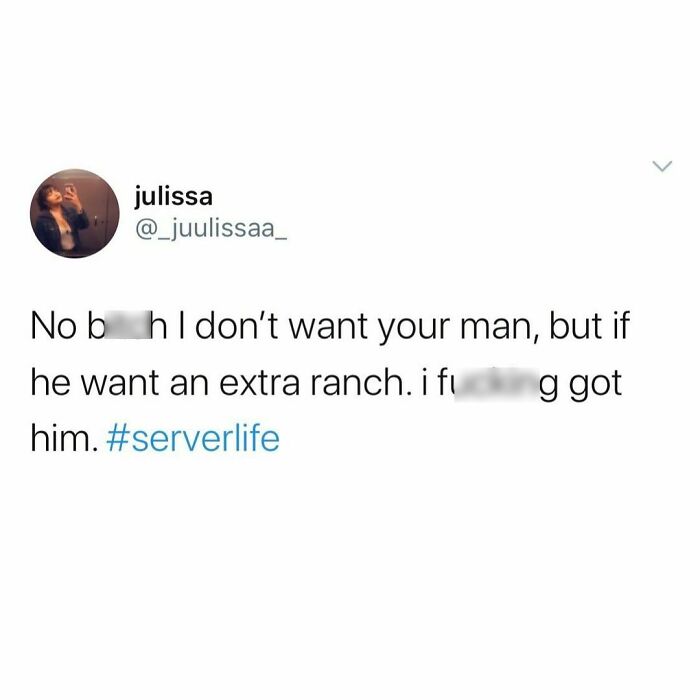
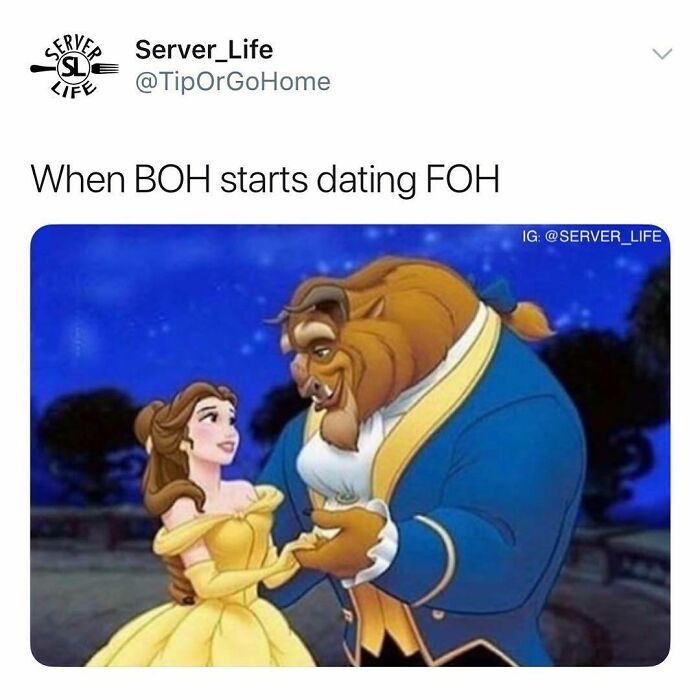
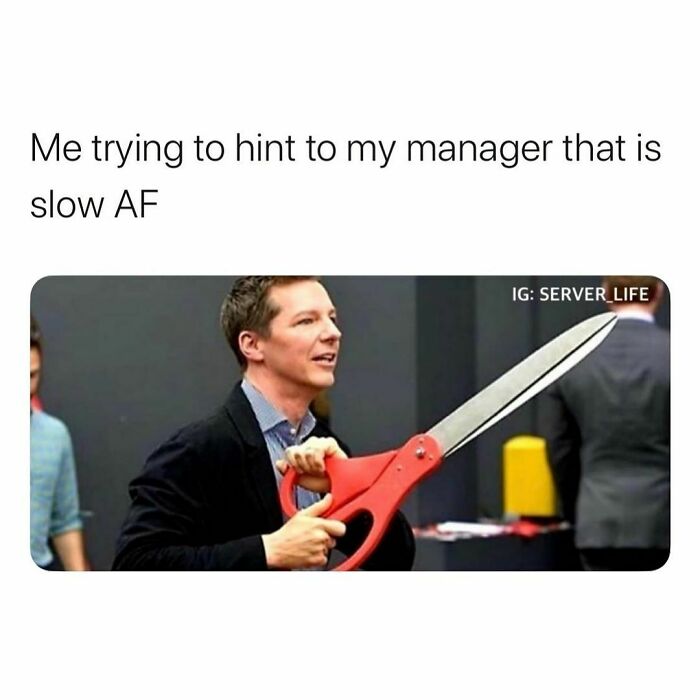
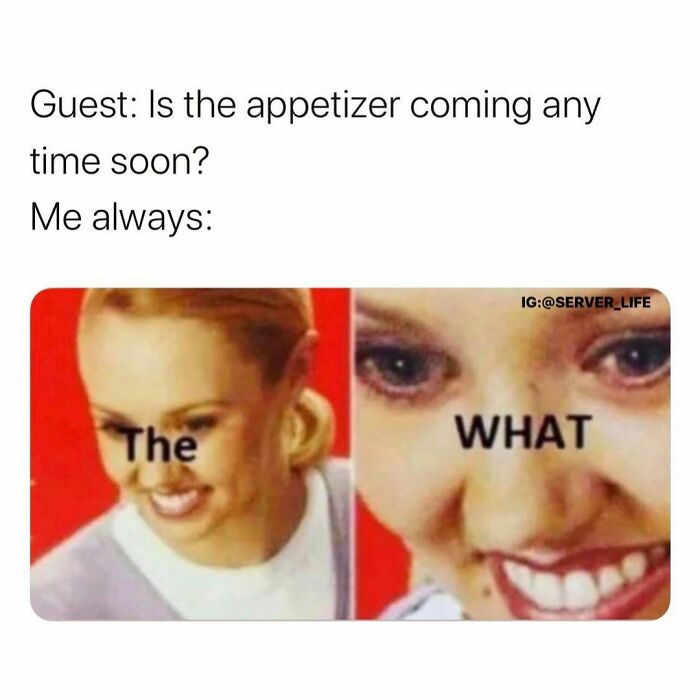
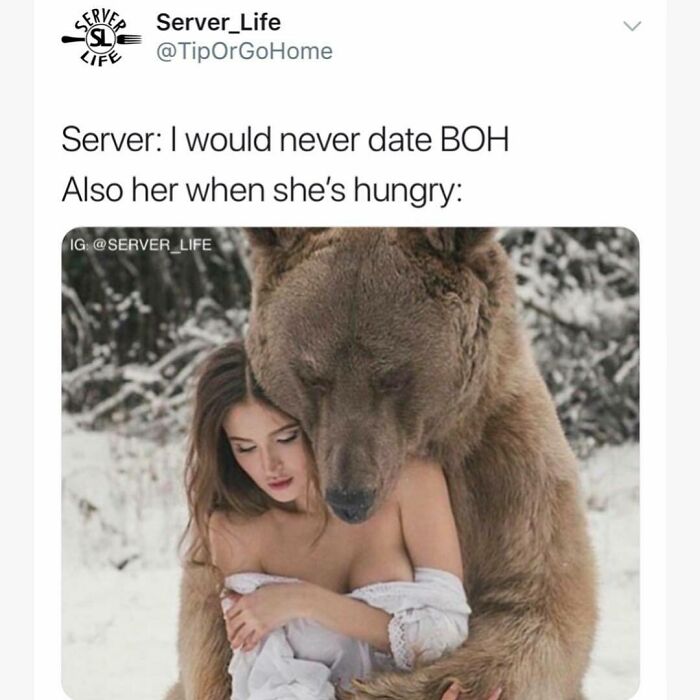
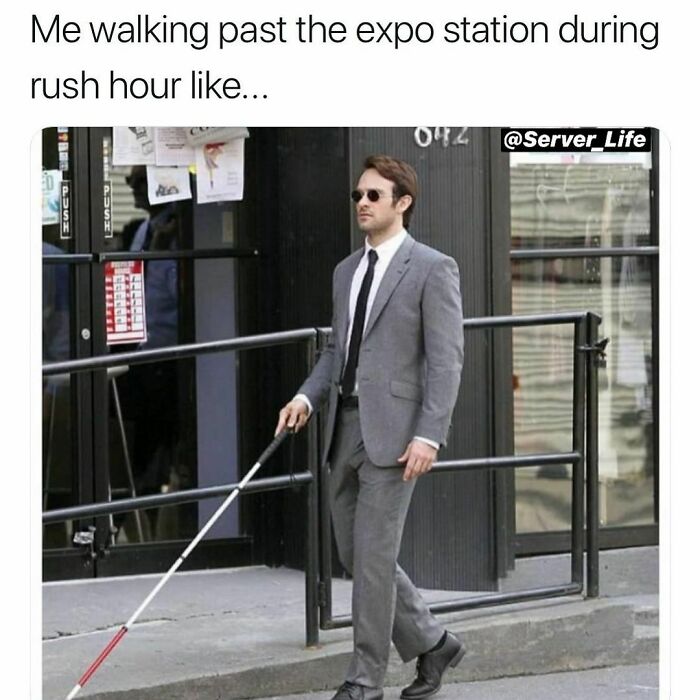
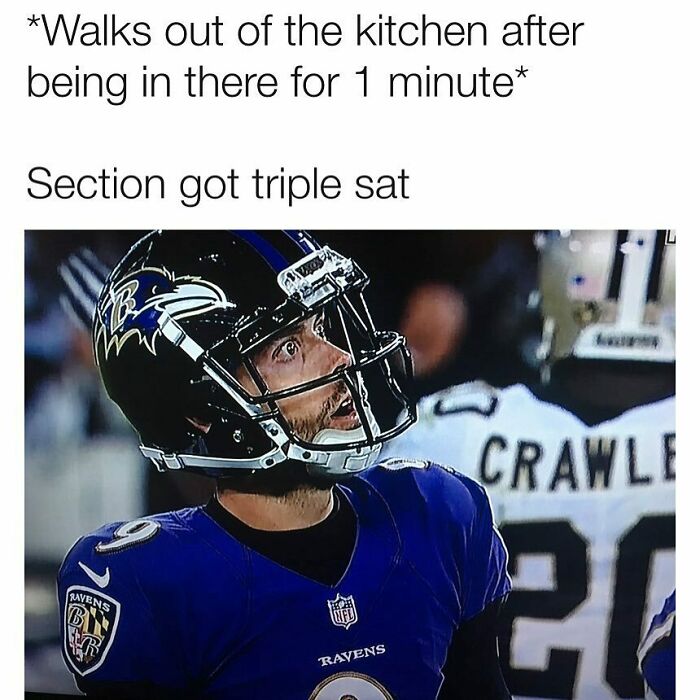
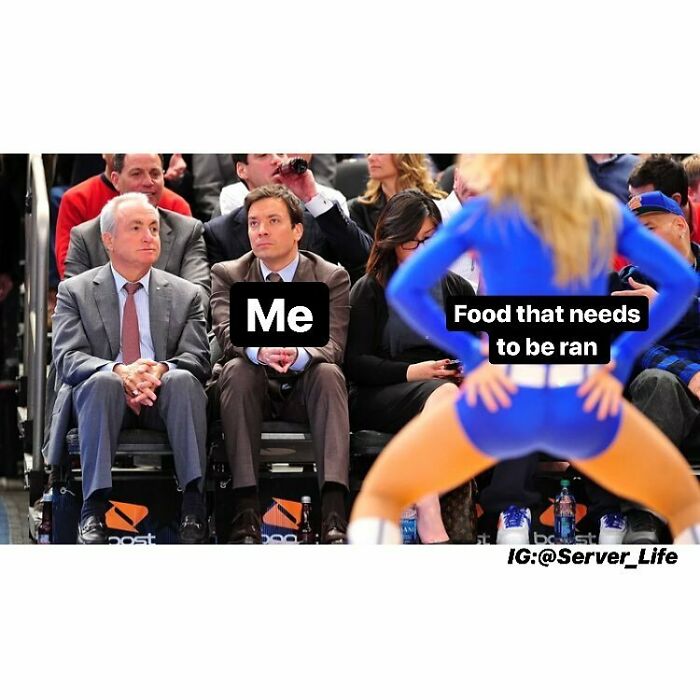
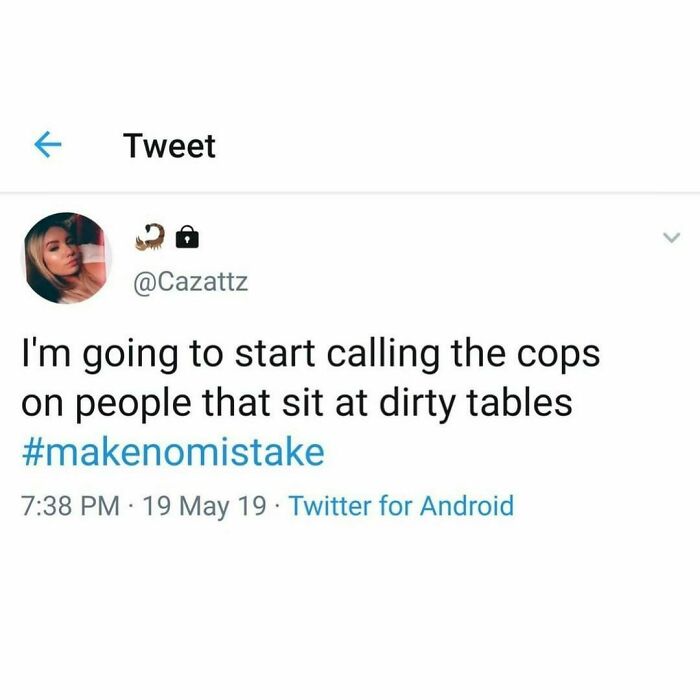
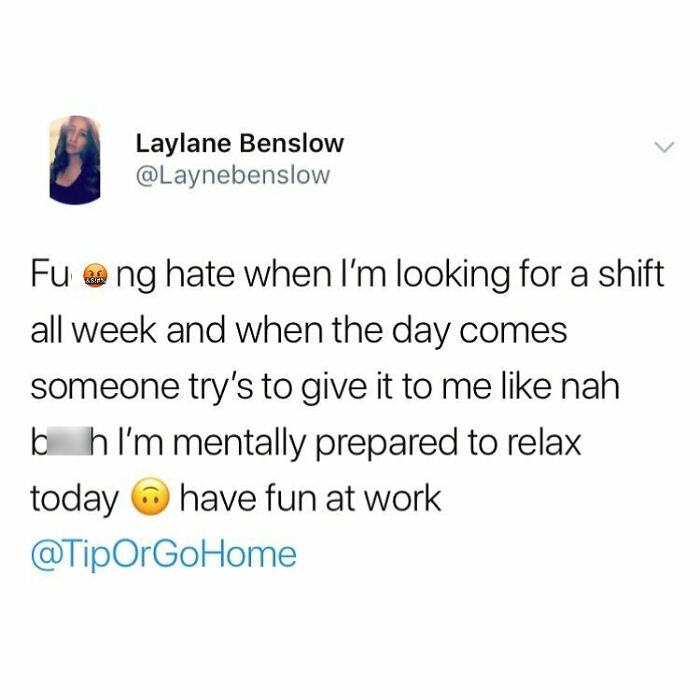
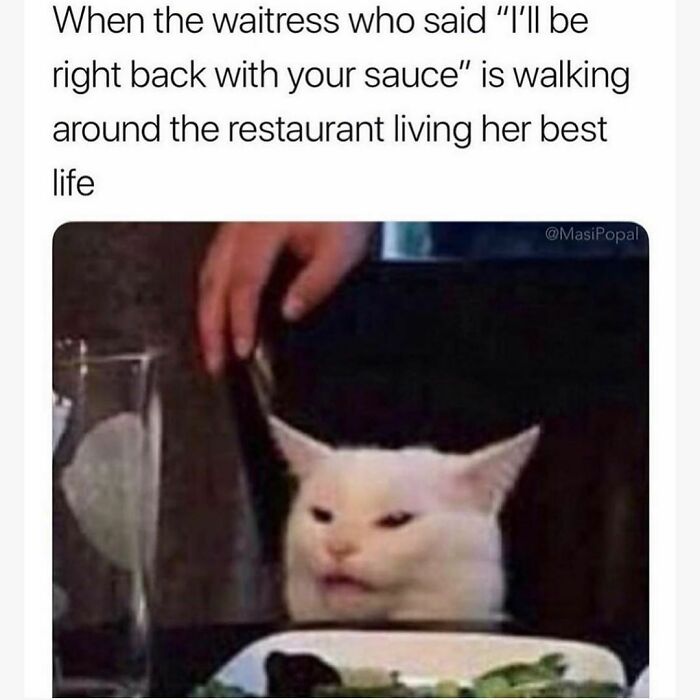
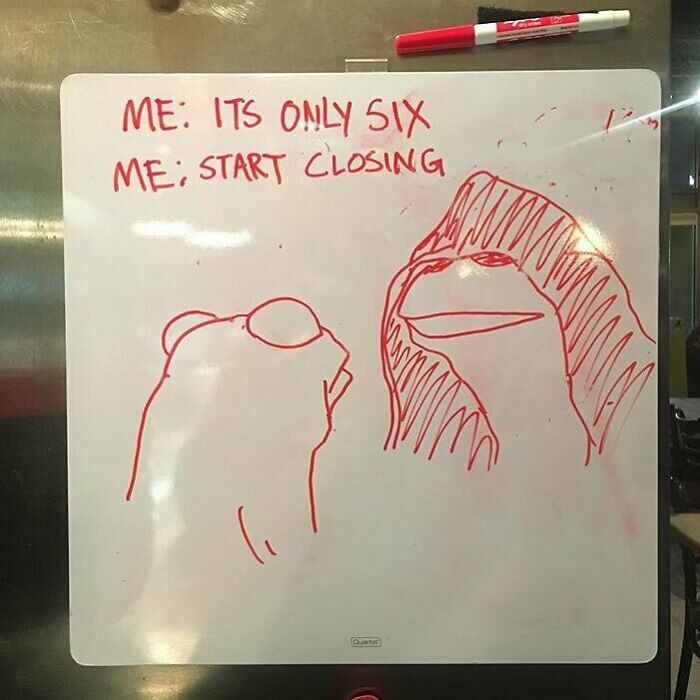
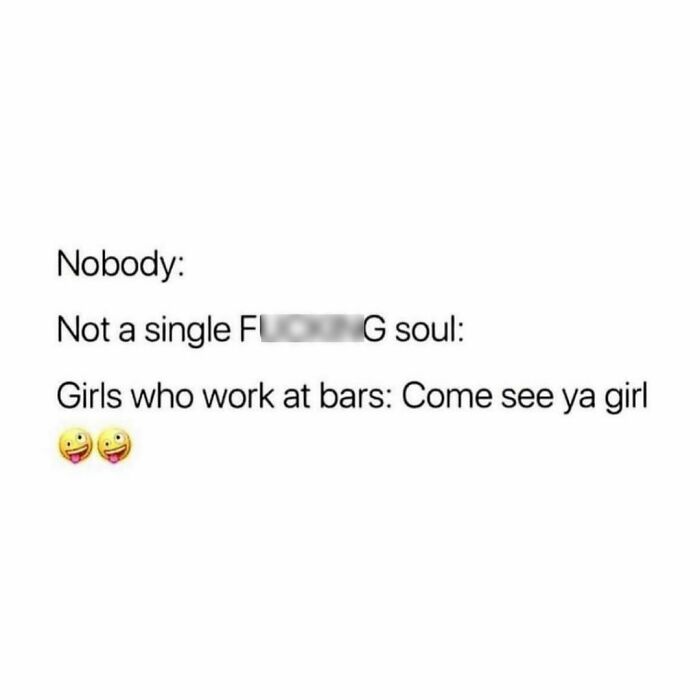
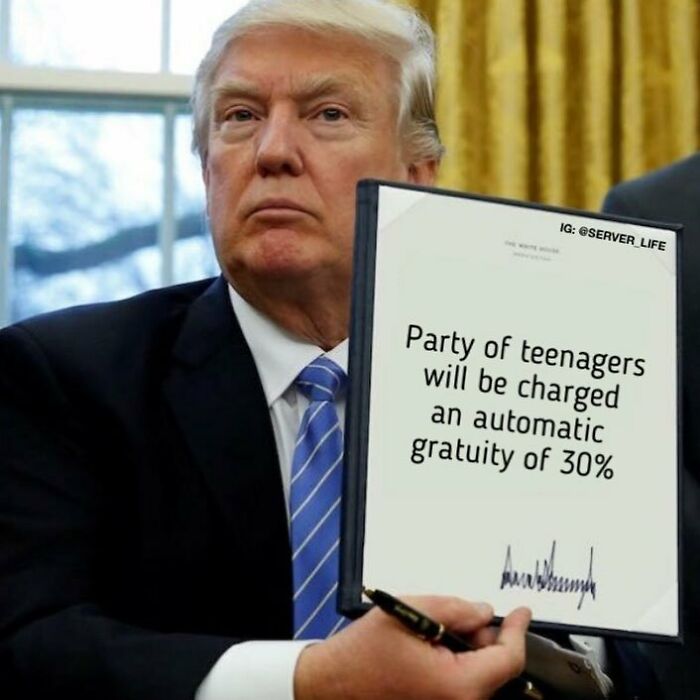
To work as a waiter, besides all the rewarding experiences, might be draining and challenging at times. Dealing with difficult customers, carrying heavy trays of food and drinks, standing for long periods of time, small tips, etc. Those are just a few disadvantages that come with the job, not to mention all the little quirks every restaurant or diner faces from time to time. And this Instagram account “server_life” covers it all. Together with Twitter “@TipOrGoHome”, the page shares all the funny (or not so funny) incidents at an eating or drinking place that servers have to deal with.
"You work in the industry and feel as if nobody understands you? Well, we do,” write the moderators of “Server_Life”. Scroll down for some tearfully funny backstage moments of a waiter's life. Do any of the memes or posts feel painfully relatable to you? Let us know in the comments! For more similar content, check out our article covering servers talking and venting about their work here!
This post may include affiliate links.
"Server_Life" entered the vast waters of Twitter in 2013 and has 661k followers with its Instagram account combined. Since then, the page has grown to the point where it now has its own The Server Life Podcast on Spotify, talking about stereotypes about servers, celebrities at restaurants, kitchen horror stories, and more! It is truly worth checking out!
Servers are considered to be the face of a restaurant, being the first ones to greet a customer and making sure they have a pleasant experience. They’re also the connecting link between the kitchen and clients, taking orders and relating them to the cooks while ensuring that food and drinks reach every table in an adequate time. It's a challenging and demanding job that requires not only patience and concentration but also interpersonal savvy. Especially when it comes to dealing with difficult customers and challenging situations that can arise due to a broken coffee machine, for example.
Having a place to vent and read about similar experiences might be a good way to let all the steam out. That’s the goal of “Server Life”, a place where all the servers can get all the consolation they rightfully deserve!
Memes are a common type of internet comedy that frequently depict relatable or exaggerated scenarios. Given that so many people have either worked in or eaten at restaurants, waiters and the restaurant industry often appear in these humorous images, videos, or pieces of text widely shared and replicated online.
To learn more about memes in digital culture, we reached out to Bradley E. Wiggins, Ph.D., an Associate Professor and Department Head of Media Communications at Webster Vienna Private University who has published a book, The Discursive Power of Memes in Digital Culture. Scroll down to read the whole interview!
Memes have become an essential component of online culture. They often go viral and spread quickly across social media platforms. But what makes them so impactful and shareable? According to Bradley E. Wiggins, memes are often bite-sized content, simple to distribute and their inclusion of humor typically guarantees some degree of resonance with the topic presented in the meme. “Now, when memes use a critical topic, such as something about politics, for example, humor may still be present, but one can also begin to see aspects of an ideology at work. Memes that reflect or reject certain ideological aspects become part of the larger online experience and can serve to reinforce one’s preconceived notions about a particular issue.”
Memes have become a ubiquitous part of online culture, and they are constantly evolving in response to trends and current events. Memes have also become more widely used as a form of communication as a result of the popularity of social media platforms. Bradley E. Wiggins shared that memes are a genre of communication. That means that “the types of communication made possible by memes is limited only by its own form and modality. In other words, as certain meme-like content becomes more dynamic, such as content on TikTok, the user experience is inundated with additional information, the meta-data often accompanying a given post. Another point is that memes truncate, or shorten, complex perspectives into easily consumable chunks of information. This is quite similar to the journalistic practice of using a ‘soundbite’ to capture the essence of a sophisticated or otherwise abstract amount of information, such as policy announcements or new legislation.”
Some people argue that memes are trivial and frequently spread false information that can be harmful. Bradley E. Wiggins claims that memes are both trivial and sublime, silly and profound. “As to the perpetuation of negative stereotypes, the form a meme takes is going to impose limits on what can be included in the message alongside some reasonable expectation for a laugh. It may be better to view this criticism as positioned about the topic and not the form; the topic can change, the form of the memes can also change, but is largely limited to image, video and GIFs.”
Lastly, we asked Bradley E. Wiggins if he has noticed any trends in the types of memes that are most popular or widely shared on social media platforms. He shared that spy balloons (because of recent reports about them), for example, attracted meme versions of the alleged surveillance balloons across social media. “One reason for this is producing this kind of repetitive content gives a sense of control over the topic to online users who are not getting what they may perceive to be the full story, all the details, etc. about the balloons. It may also lead to conspiracy theorizing too, which also lends itself well to the meme format.”

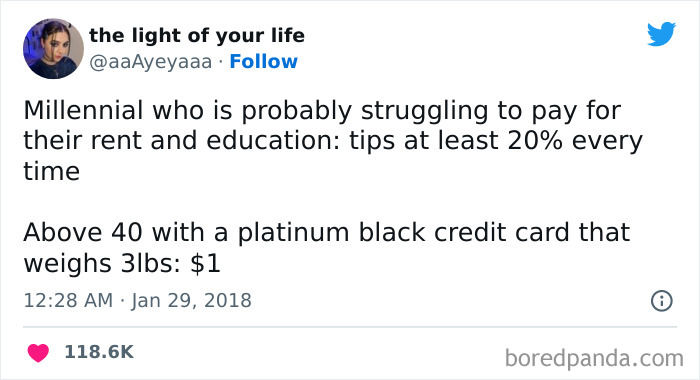
Same old tired argument each time, tipping culture is something that shouldn't be a thing. You shouldn't have to rely on tips to live, employers should pay a living wage no matter the industry. Once this happens we can go back to tipping because we thought the service was good not because we are worried the server has 3 children and they don't make enough so if I don't tip £20 on this £10 meal they are going to starve
Same old tired argument each time, tipping culture is something that shouldn't be a thing. You shouldn't have to rely on tips to live, employers should pay a living wage no matter the industry. Once this happens we can go back to tipping because we thought the service was good not because we are worried the server has 3 children and they don't make enough so if I don't tip £20 on this £10 meal they are going to starve



 No fees, cancel anytime