Get Premium
Dark mode theme is available exclusively for premium users. Learn more about the benefits of subscribing.
No fees, cancel anytime.

 Dark Mode Ad-Free Browsing Unlimited Content
 Ad-Free Browsing Unlimited Content Dark Mode
Join 1.2 million Panda readers who get the best art, memes, and fun stories every week!

From time to time, we all think of how unfair the world is and how much we’d like to remove all the suffering there is. The truth is, we cannot do that and we have to find ways to live in these difficult times, with all the ups and downs.
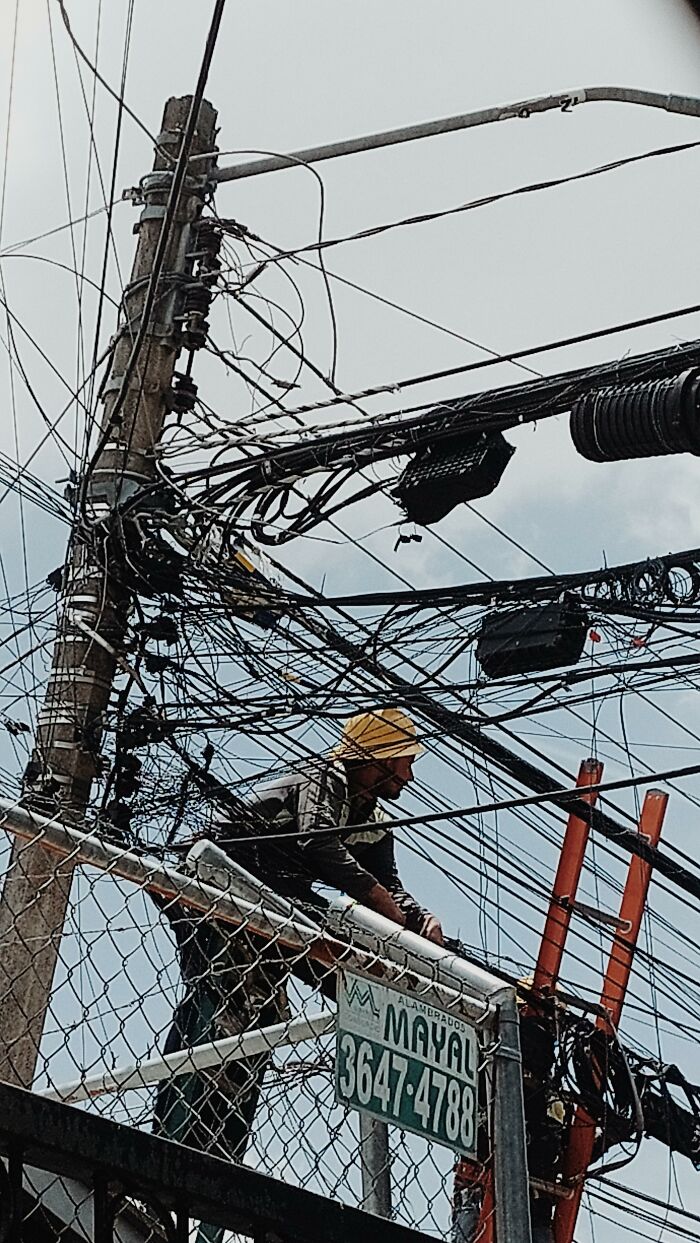
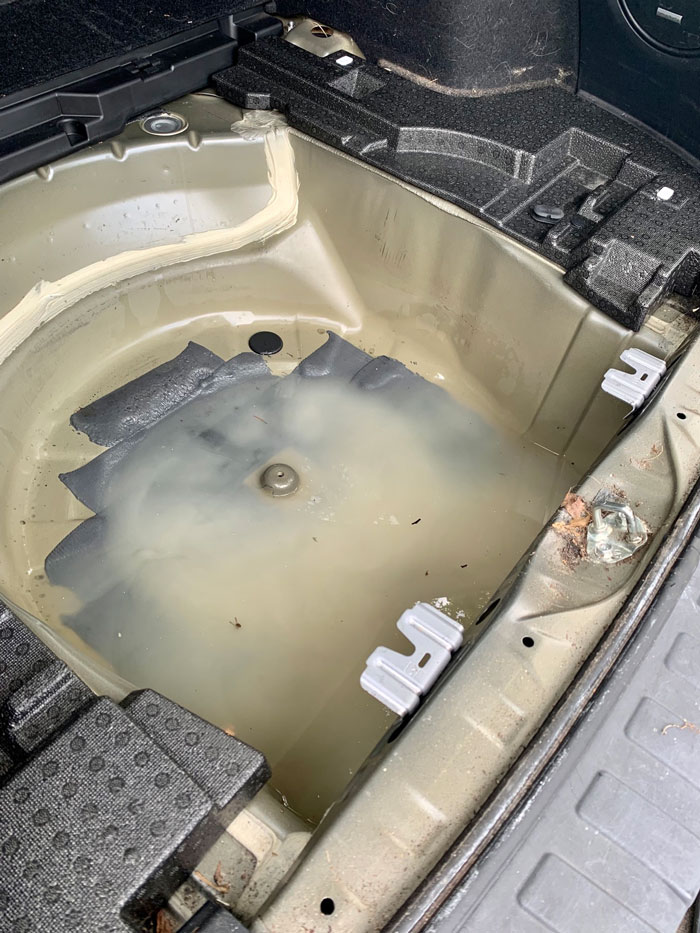
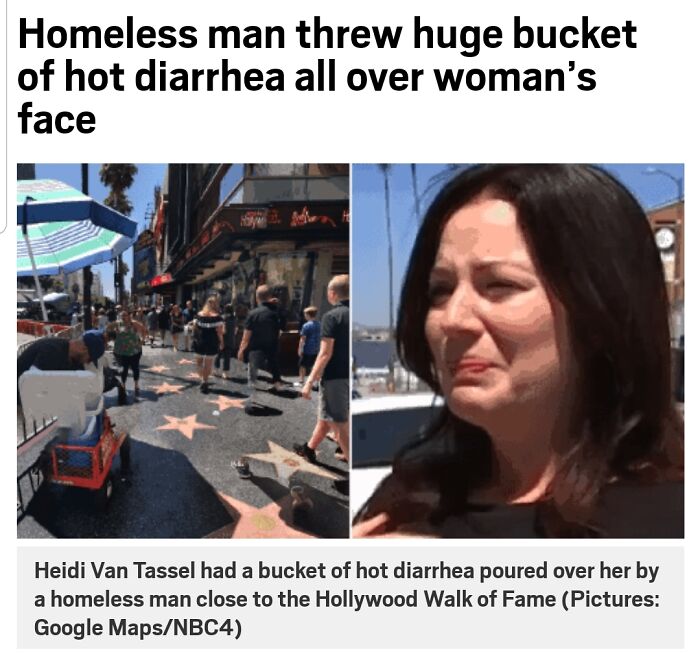
Or we can do the opposite and embrace the sadness and despair. We can look into the eyes of whatever it is that causes us pain and stand strong. In fact, there’s this whole corner of Reddit titled “Make Me Suffer” that does exactly that.
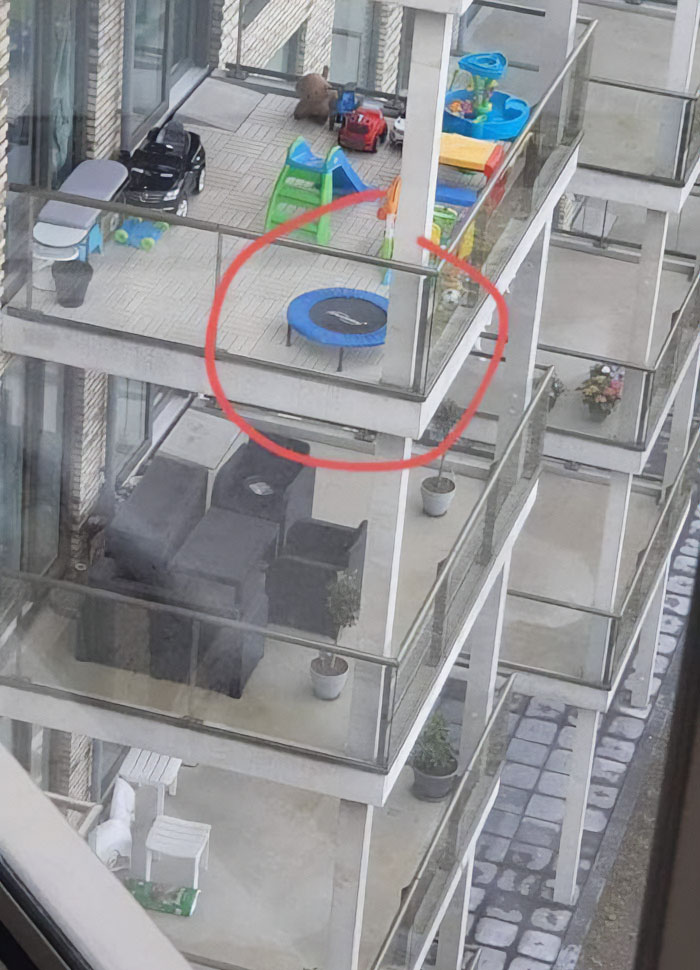
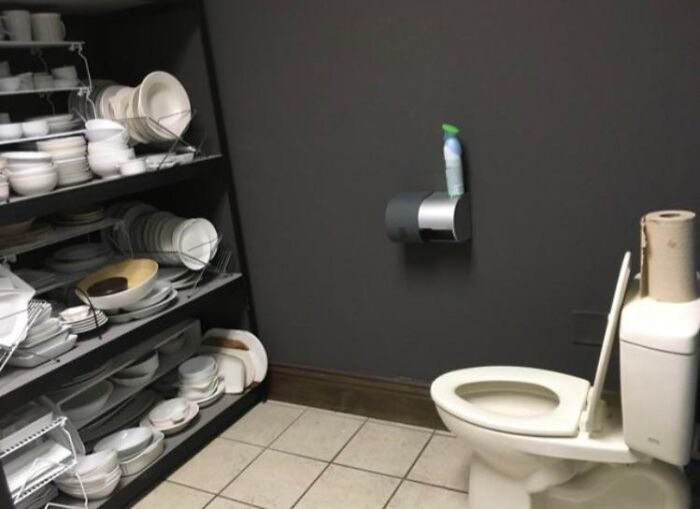
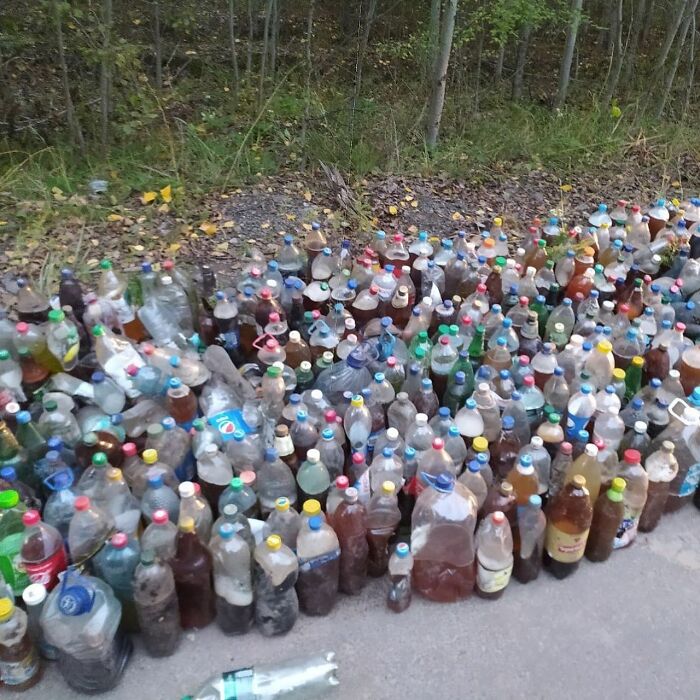
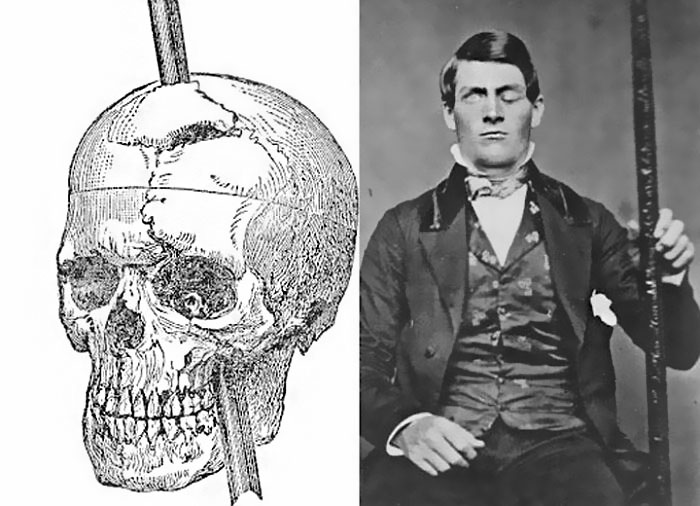
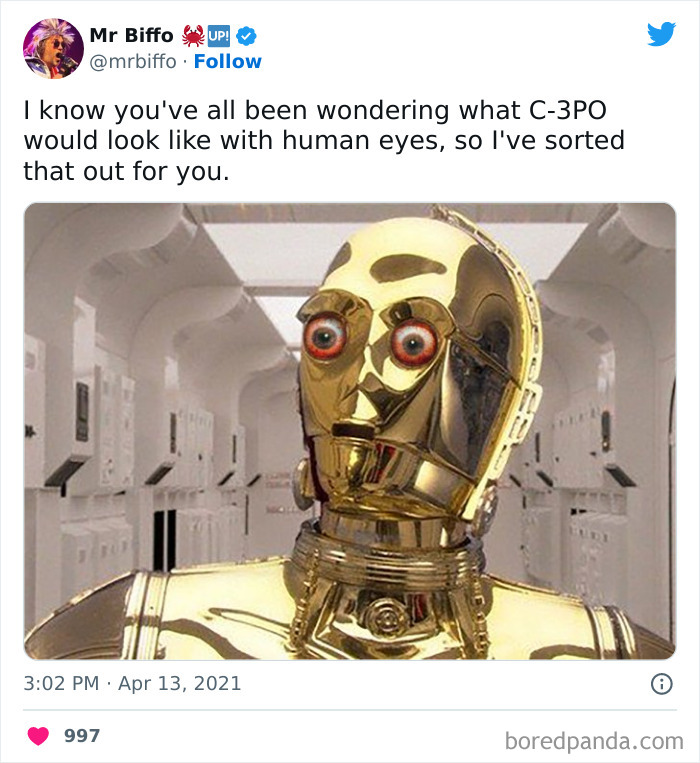
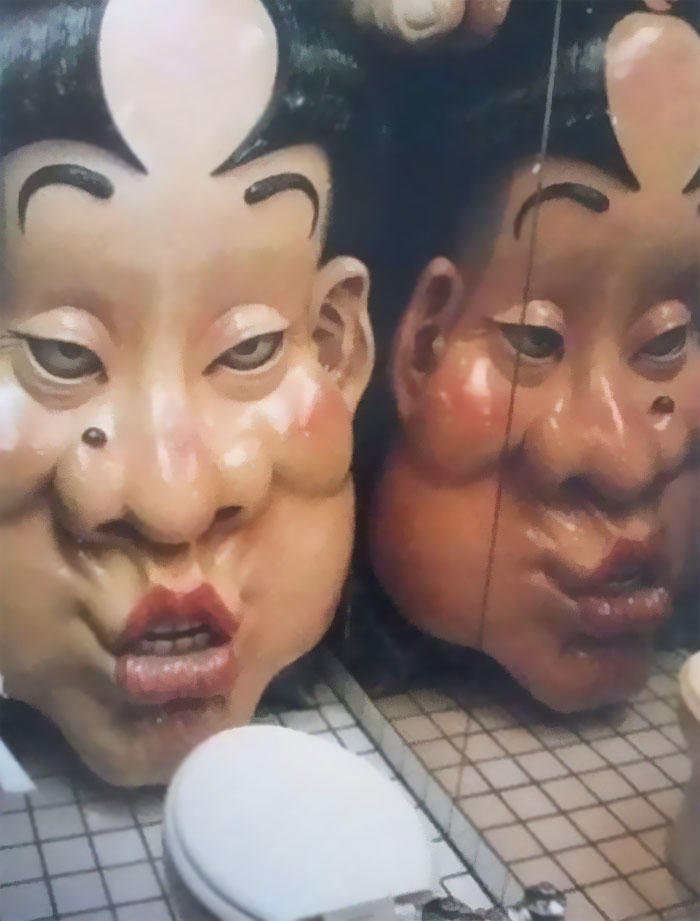
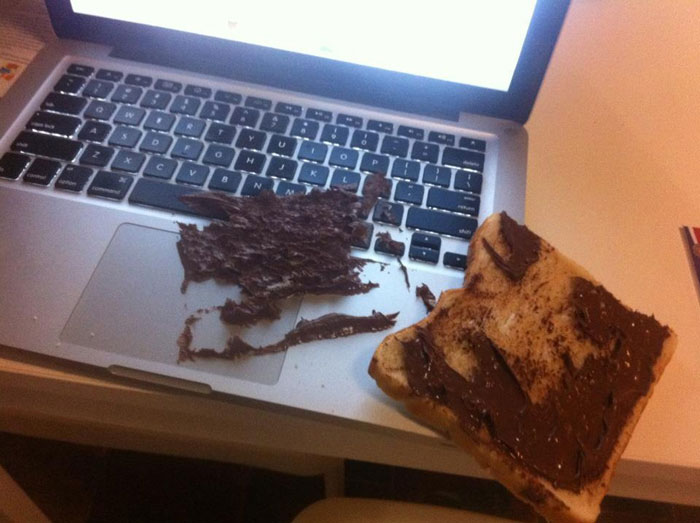
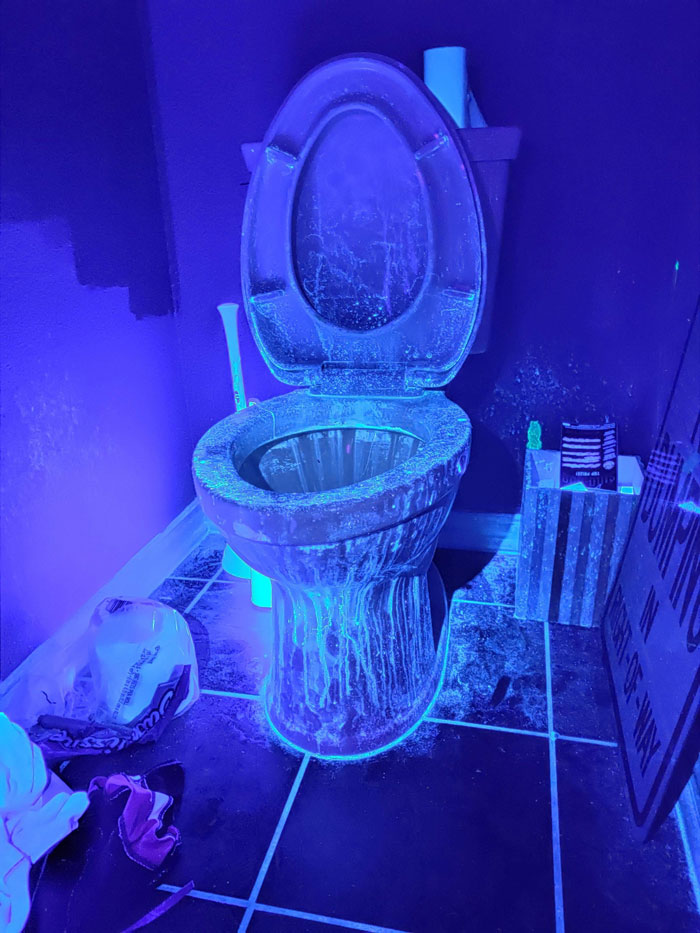
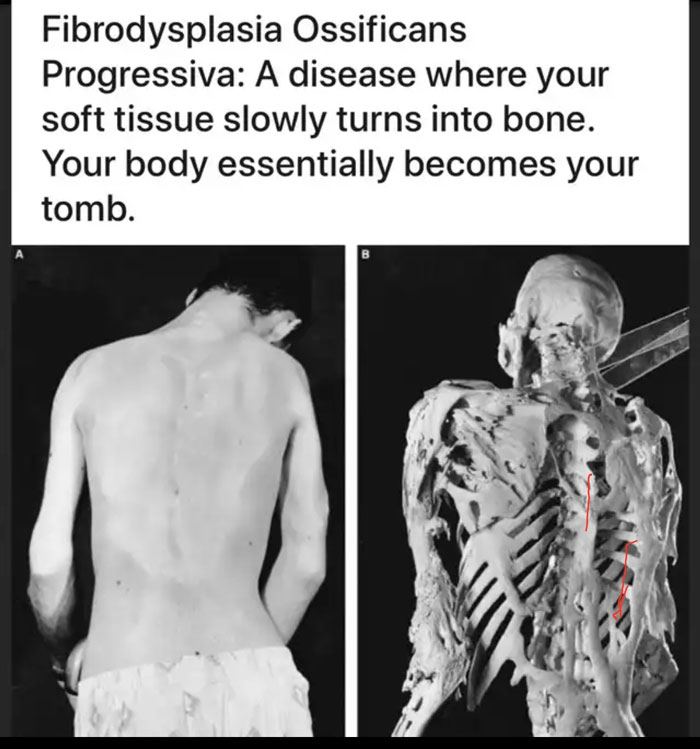
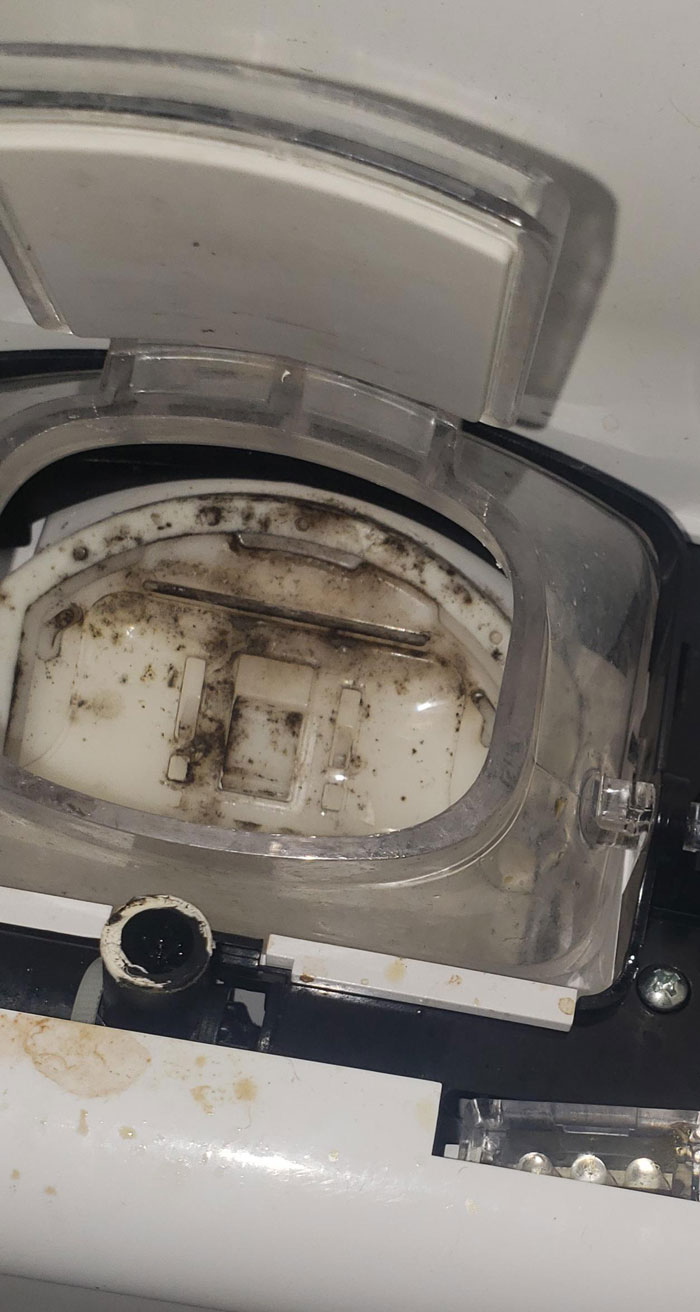
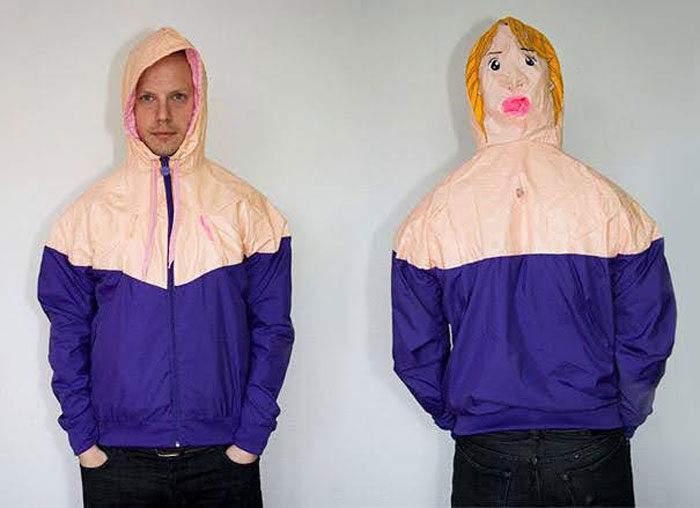
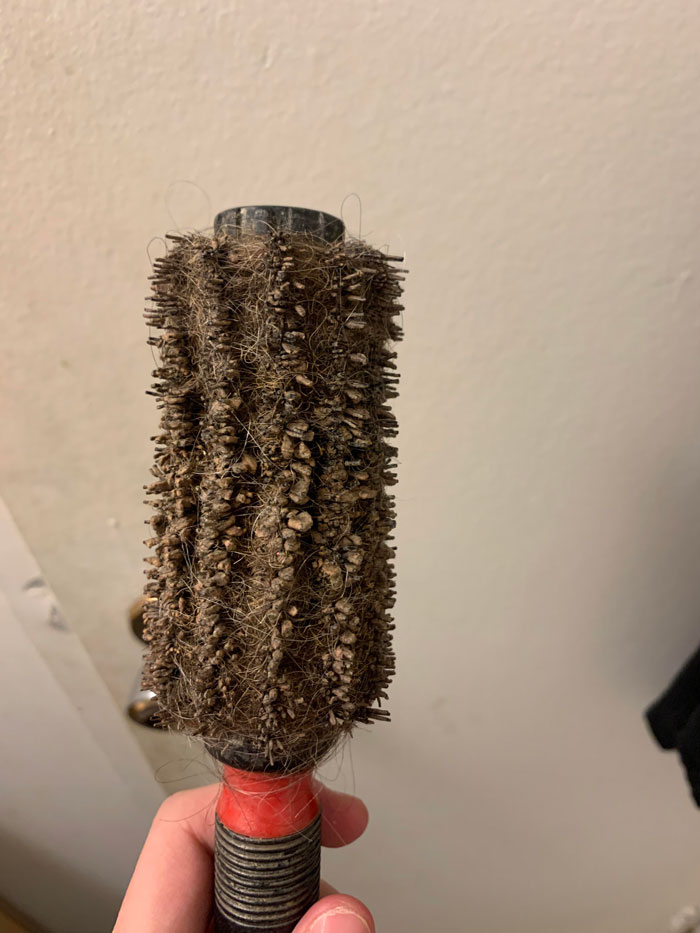
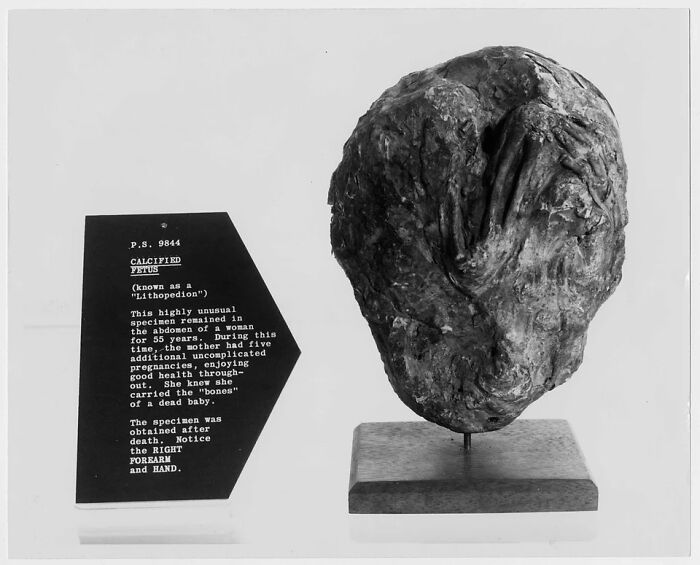
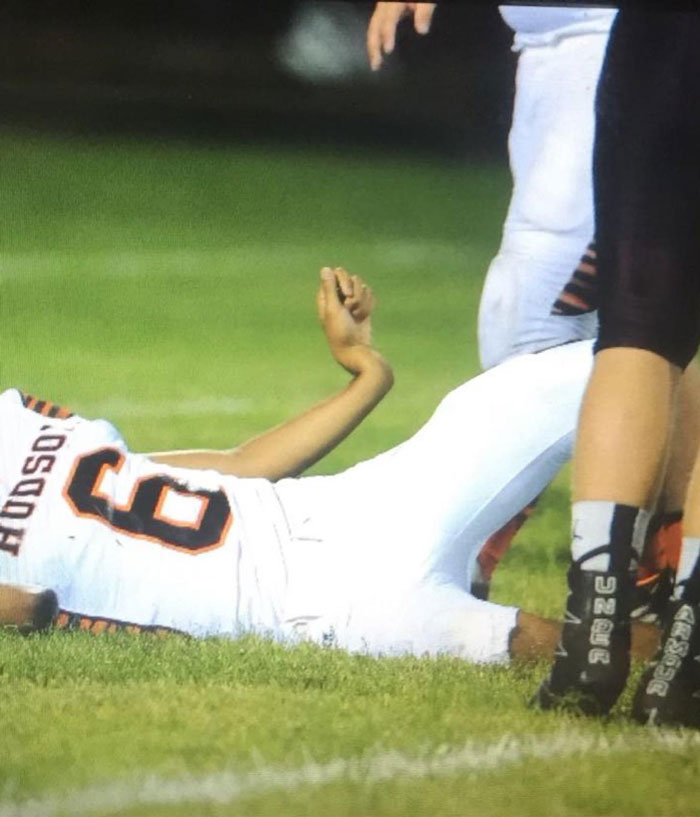
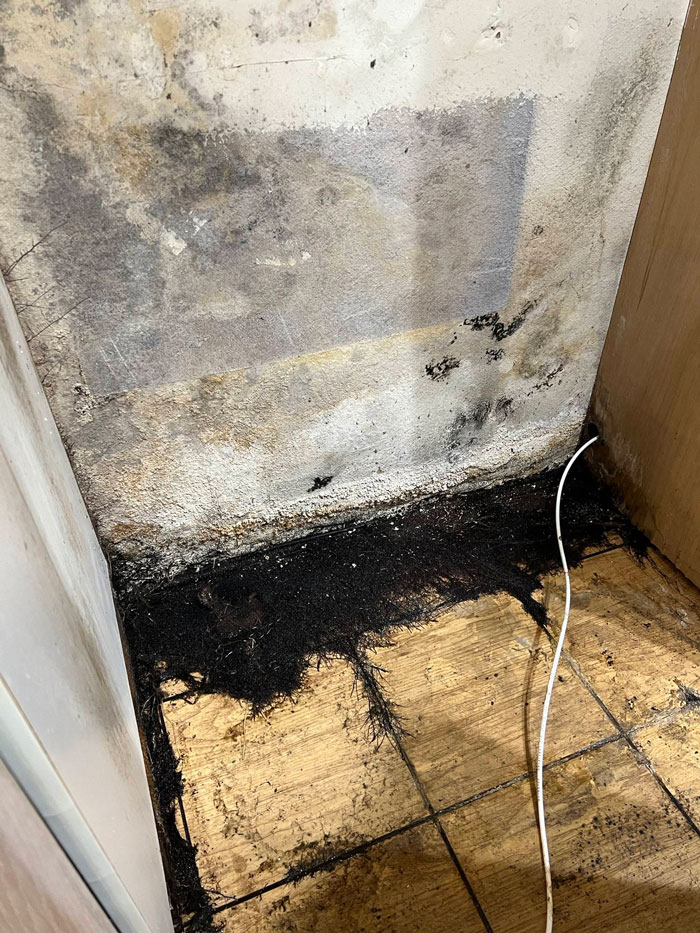
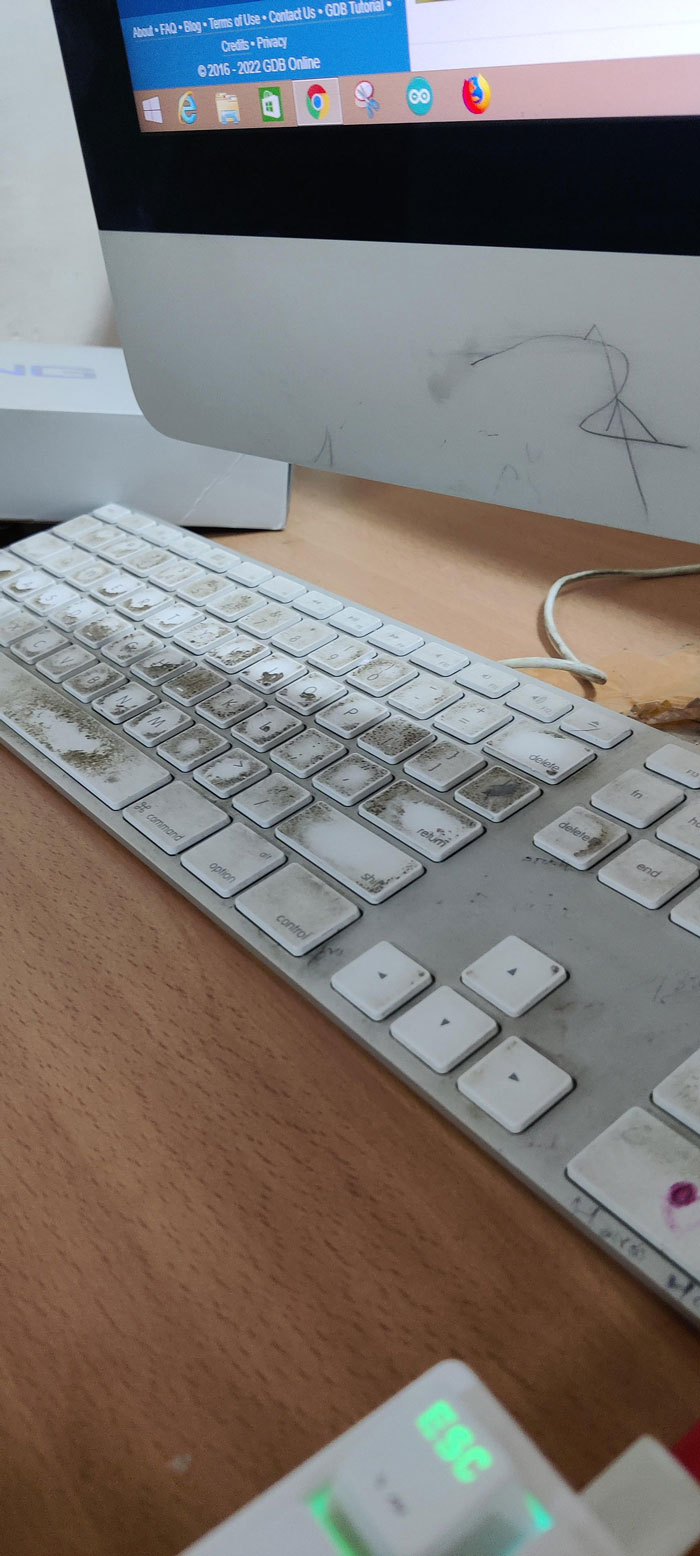
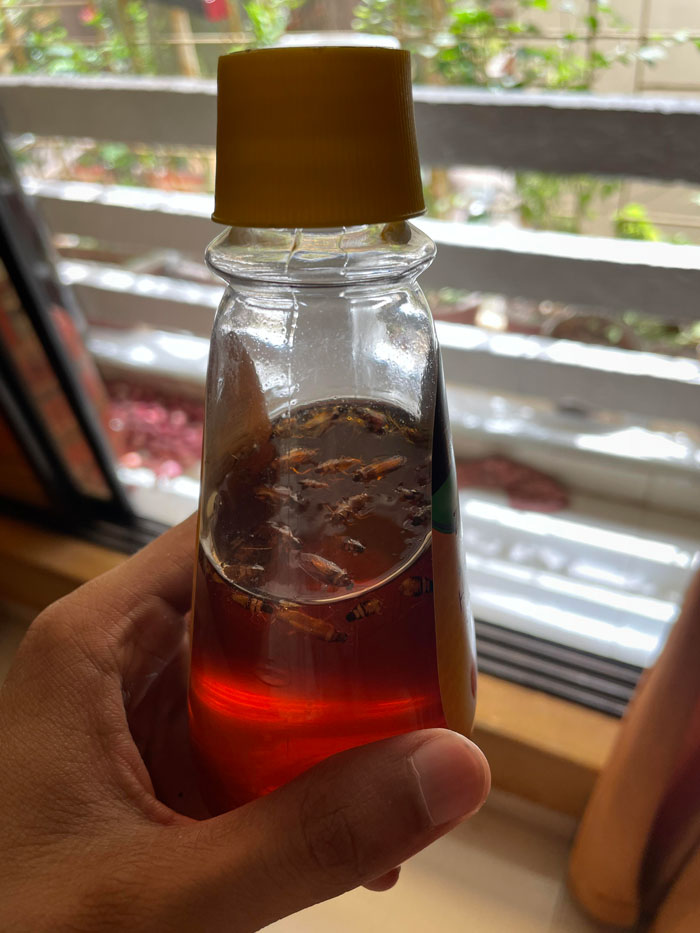
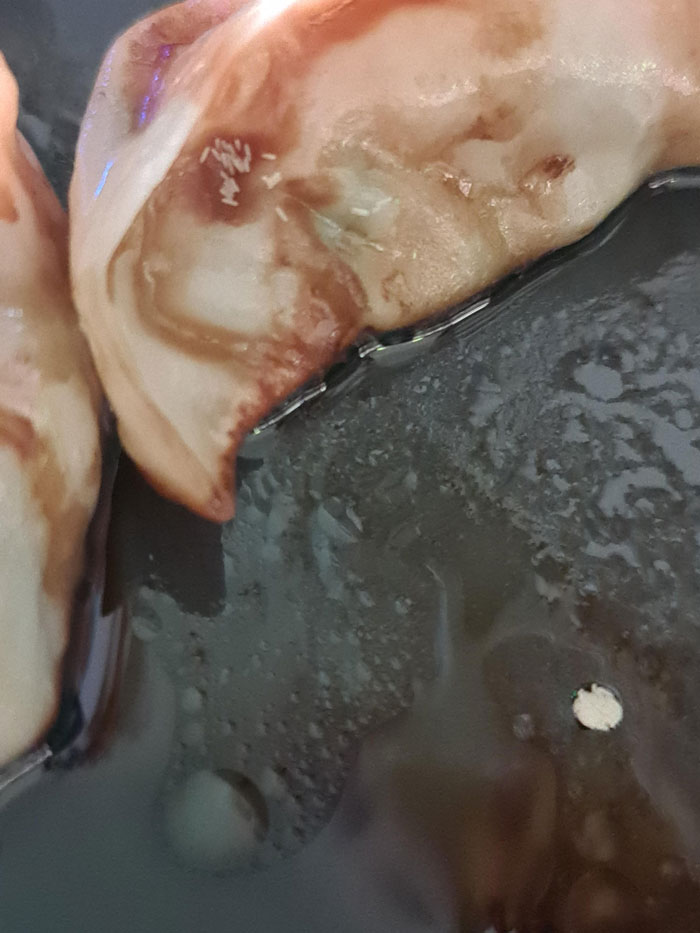
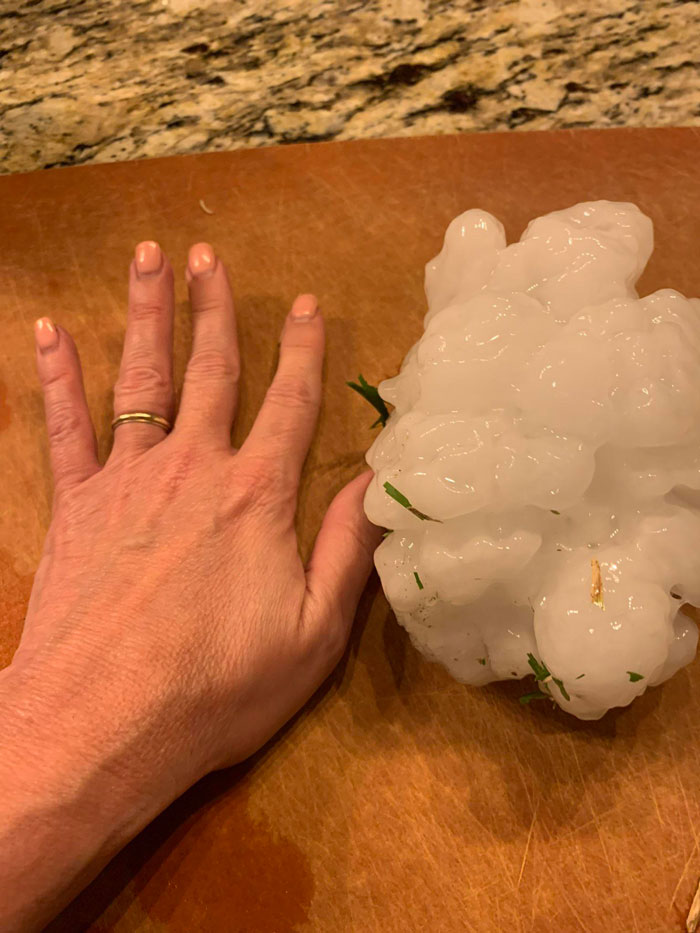
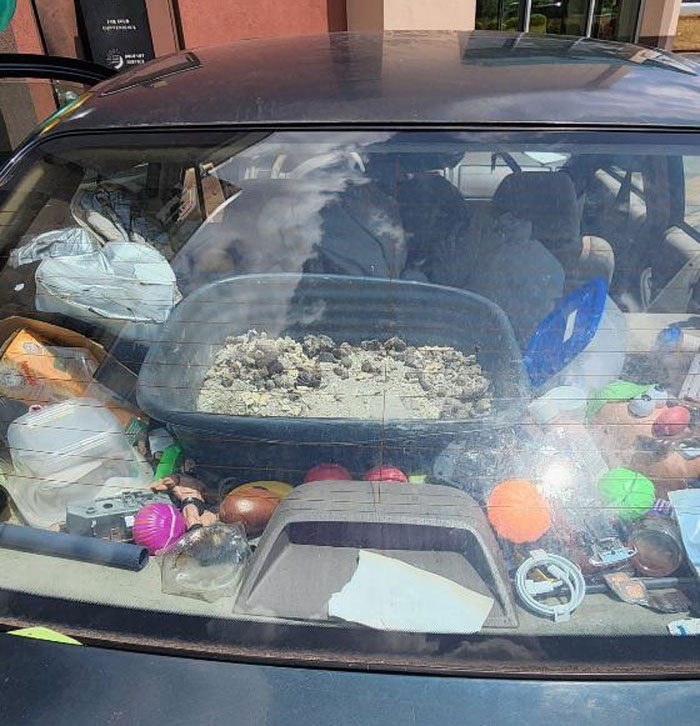
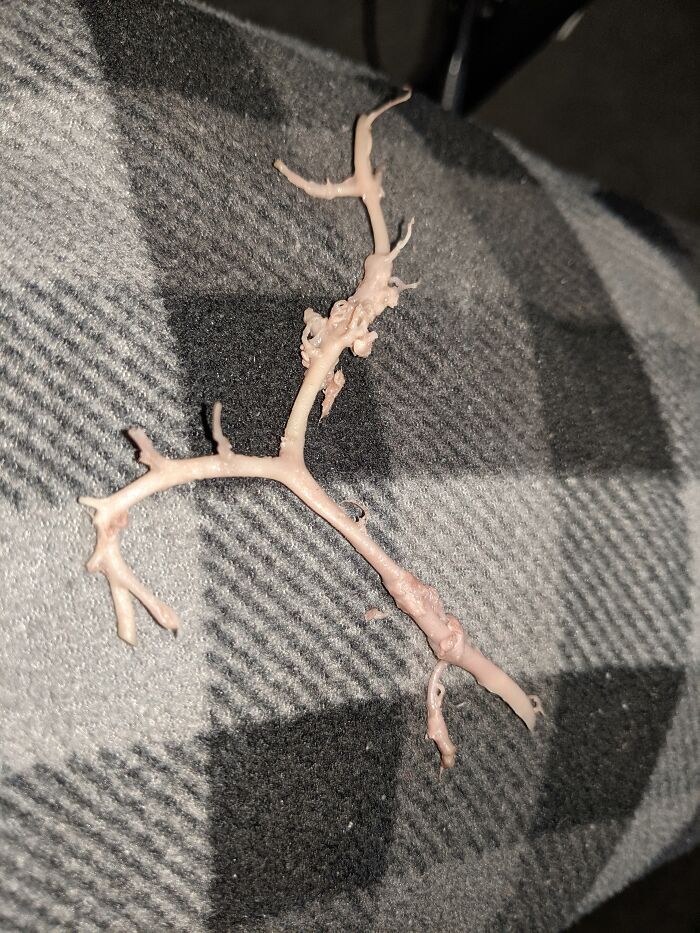
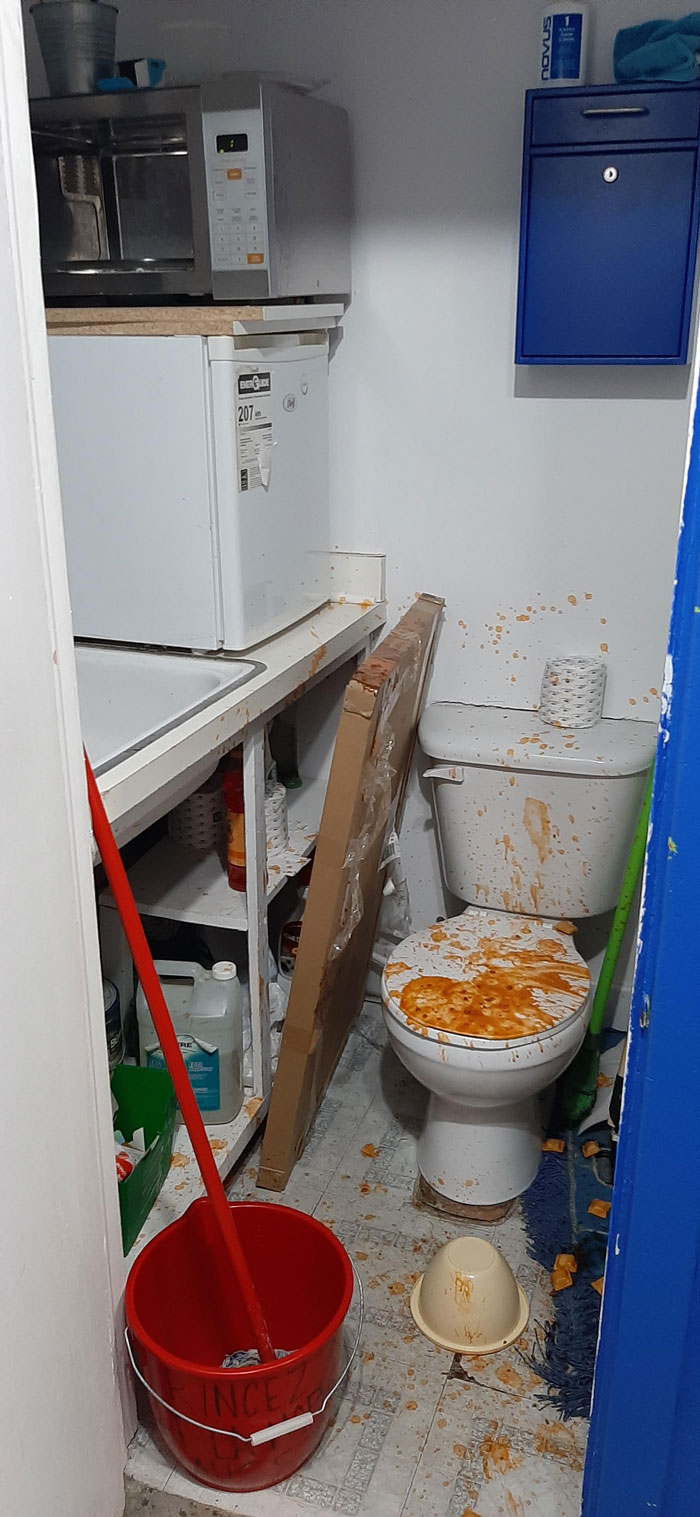
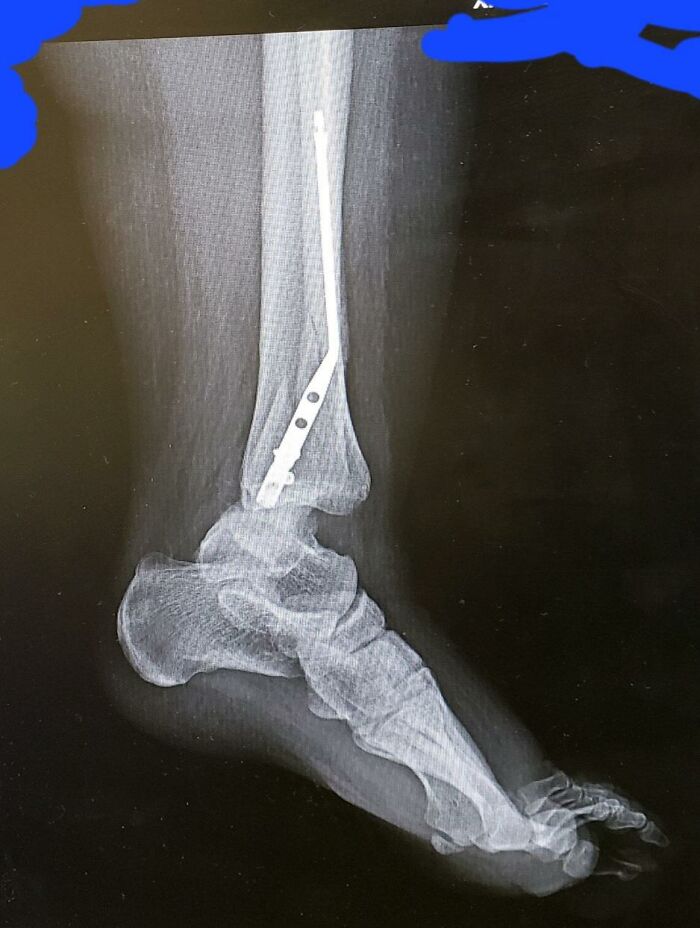
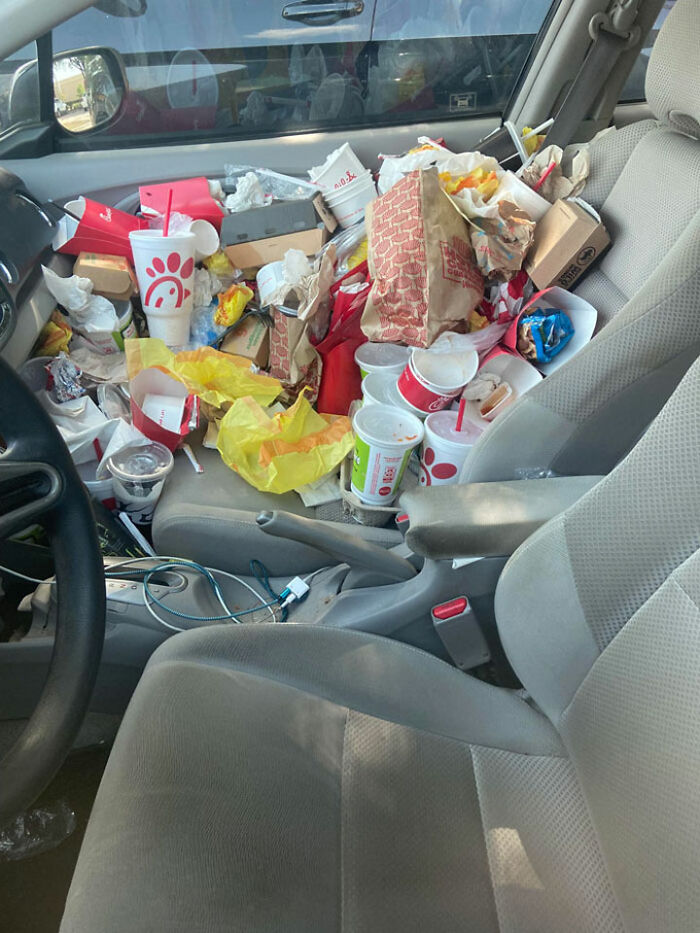
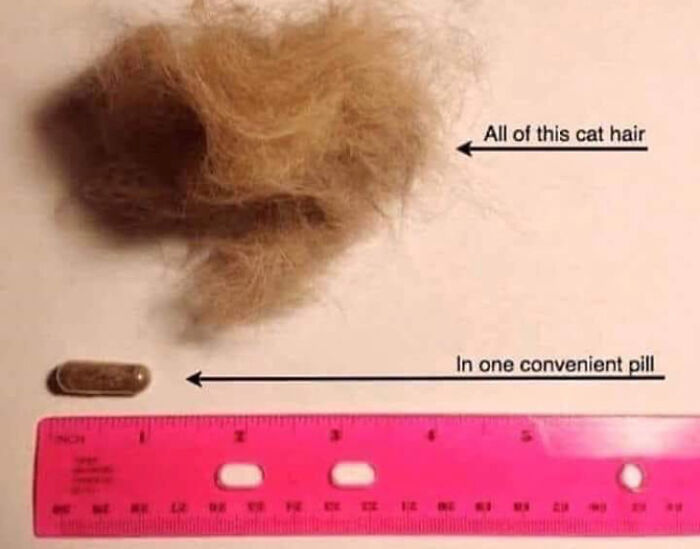
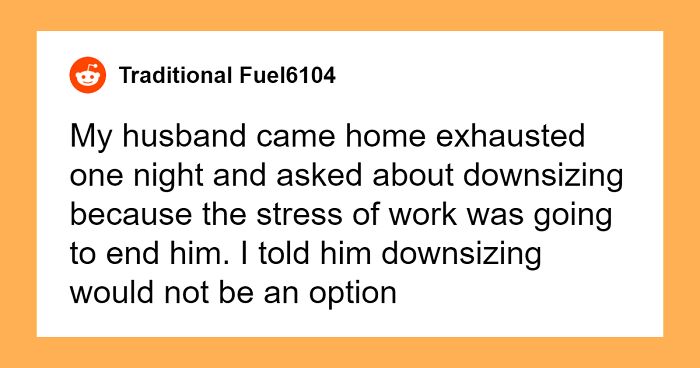
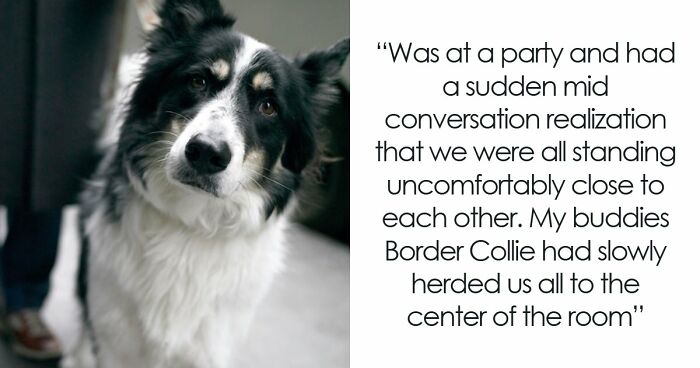
The group which is home to a whopping 1.1M members is dedicated to sharing pictures that capture anything from wholesome suffering to sad moments of reality. Scroll down through this new batch of “Make Me Suffer” examples below and be sure to check out Bored Panda’s previous feature with more pictures from the community.
Meanwhile, to find out more about our inner fascination with dark material such as serial killers to violence to disasters, we reached out to Helen Marlo, a licensed clinical psychologist and Jungian psychoanalyst who provides psychotherapy, psychoanalysis, and consultation. Helen is also a Professor of Clinical Psychology and the Department Chair at Notre Dame de Namur University. She was happy to share some very interesting insights into this compelling topic.
This post may include affiliate links.
“First, most of us are painfully aware that darkness, what some call evil, exists. We may satisfy some human, psychological needs when we engage with it through the news, movies, or documentaries,” Marlo said.
Marlo argues that “when watching another story, and in particular, these dark and traumatic stories, we witness another person’s narrative. Narrating one’s own story, especially if we have a story that includes trauma, is emotional and hard.”
Meanwhile, “watching another’s story can give us a sense of gaining understanding or relief for ‘free,’ because we are hearing about another’s story but not doing any of the hard, psychological work to create our own story.”
Marlo explained that “it is a little like someone who reads a self-help book and imagines they will get better by reading about another person’s process. This is especially true if the story that we are fixated on has personal or traumatic meaning for us.”
Moreover, becoming immersed in another’s dark story can be a vicarious version of what psychologists call, ‘identification with the aggressor.’ “Rather than being the victim, one identifies with the aggressor and their story, and can displace unthinkable, dark impulses onto the person they are viewing, who may be doing things they may not be able to think about but wish to do.”
Marlo explained that “they may also feel more powerful, safer, strong, dominant, and in control by viewing another doing unthinkable things but they are watching and don’t have to act it out in their real life where it would have negative consequences internally and externally.”
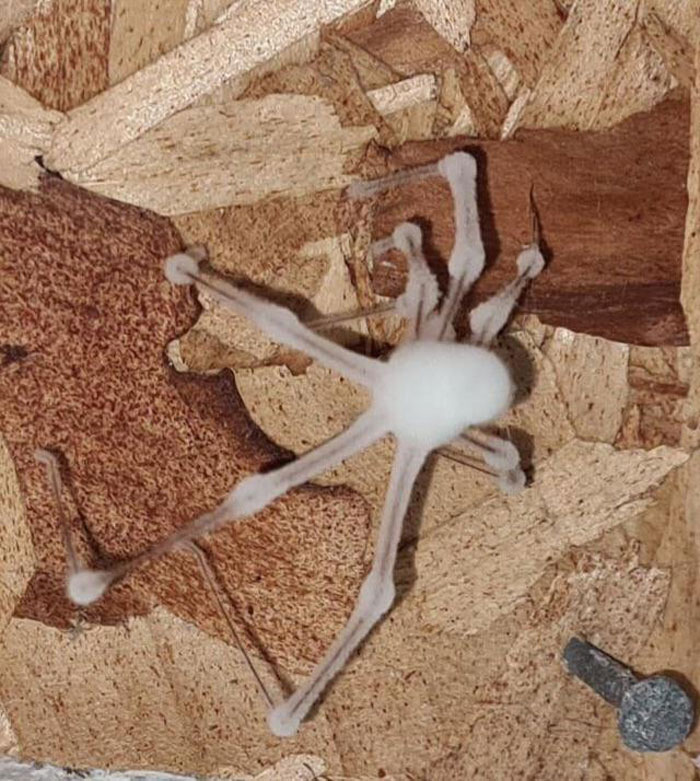
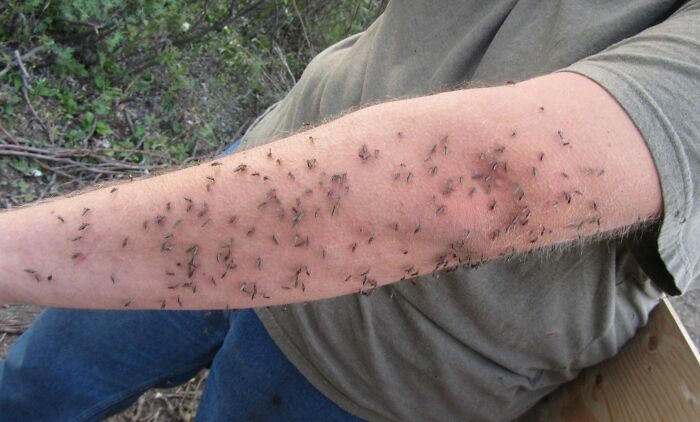
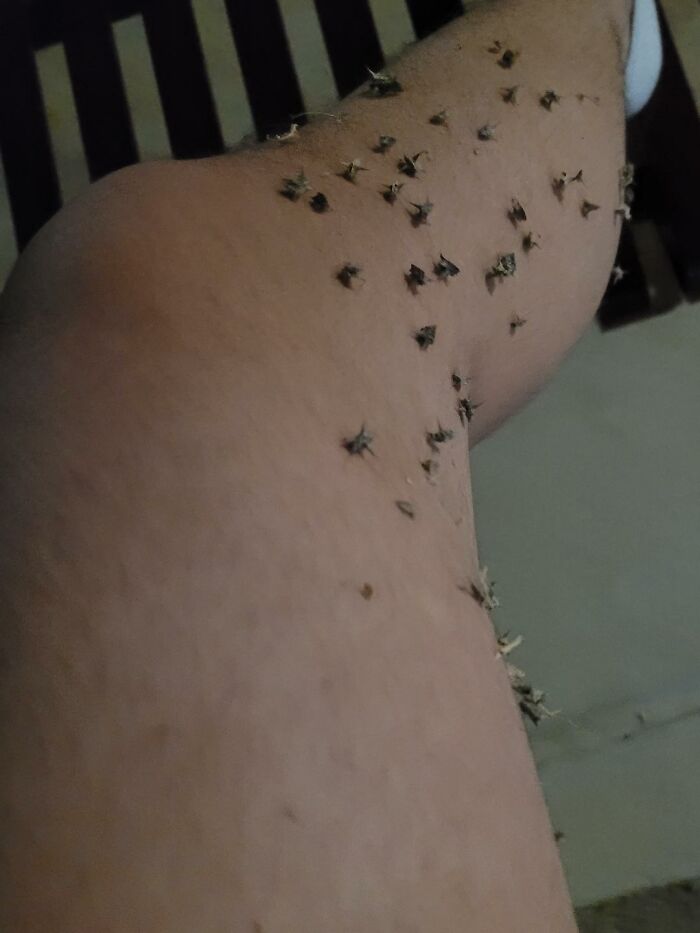
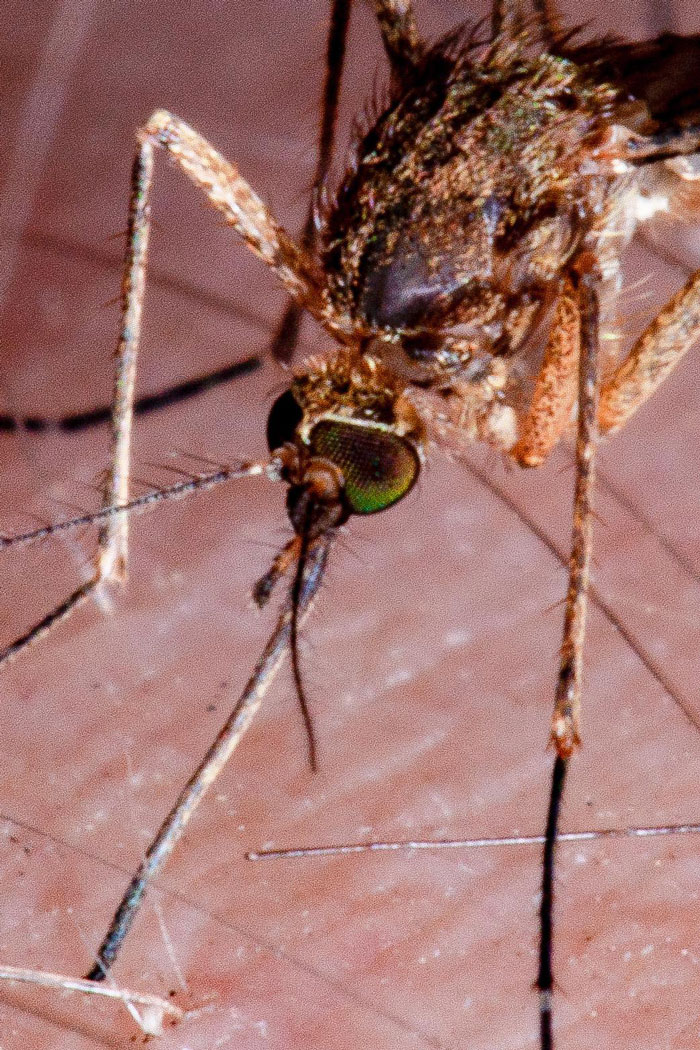
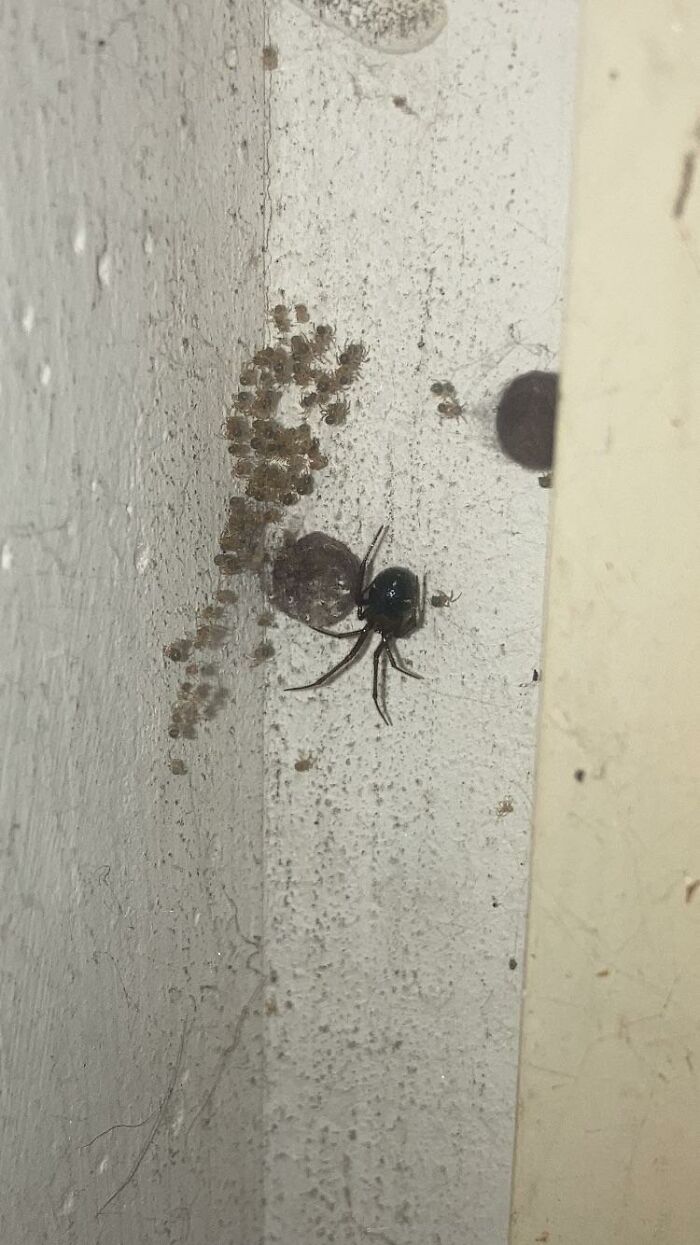
"After months in a sealed container with no additional feeding she laid eggs. This gives you an idea of how long a tick can be dormant and how many eggs one female can lay."
The Jungian psychoanalyst argues that “by watching about another’s story, we may gain a sense of control, understanding, or vicarious mastery over our own aggressive fantasies and anxieties about evil, whether we imagine ourselves in the role of the perpetrator and/or victim.”
This could explain Netflix’s hugely popular docuseries “Dahmer – Monster: The Jeffrey Dahmer Story” (2022). Arlo argues that the Jeffrey Dahmer story, for example, gives us at least one version of a real-life story of a serial killer.
“We may feel as if we have a better understanding of senseless violence and the irrationalities of evil by becoming immersed in learning about one person’s story. His story is a mixture of elements—some common and some uncommon—which enables us to compare and contrast this story with our own life story and our own fears, wishes, and/or fantasies.”
But how can we explain our fascination with this kind of raw, violent, and unpleasant material? Well, Marlo says we can look for answers in the psychological mechanism of displacement.
“We all can feel some sense of vulnerability in knowing we could be the target of random violence or evil. We may feel a fascination and some voyeuristic pleasure in seeing another’s story and hearing how it happened to someone else. I am not suggesting that many of us wish harm on another person or even get sadistic pleasure in others’ suffering, although some people do.”
The Jungian psychoanalyst continued: “Rather, knowing that humans can hurt and inflict suffering on one another, and that irrational and uncontrollable things happen, becoming engrossed in another’s dark misfortune can help us feel less vulnerable and find some relief.”
Surprisingly, watching such stories may, actually, increase our empathy for others’ suffering. “In the story, we might imagine this misfortune came from natural consequences, poor choices, genetics, karma, bad luck, or the fickle finger of fate. And becoming fascinated by another’s story may help us feel, irrationally, that we can protect ourselves from it; or are inoculated from it and/or that we can learn from it and escape this misfortune.” So in the end, it likely has a completely opposite effect than the material itself.
Another explanation for our fascination with the dark side of life can be found in a basic law of psychic behavior known as “compensation,” Marlo told us. “This is especially true when we are surprised by someone that we may not think would be utterly fascinated by stories of dark news. The law of compensation posits that when one attitude and approach to life is overdeveloped in consciousness, then a corresponding compensation emerges from the unconscious to help bring the psyche back into balance.”
Marlo argues that “this other side compensates for thoughts, perceptions, and emotions which fail to reach consciousness because we may dissociate, repress, or defend against them in a variety of ways.”
She gave an example: “a pacifist may have flashes of violent imagery, thoughts, and dreams that they banish from awareness. These flashes can be their psyche’s way of raising their awareness about this other side of life, to gain more balance, and become more whole. The pacifist may become fascinated by these dark stories as a way of bringing some of the dark, aggressive, combative energy into their otherwise peaceful life as a pacifist.”
Marlo recounted how she had a patient who loved watching true crime. “In her professional work, she had to be very responsible, personable, kind, and empathic to many underserved people. Watching true crime helped her have an outlet from her otherwise kind and generous life spent serving other people.”
And if you ever wondered if something’s wrong with you because you’re drawn to dark material, you’re not the only one and it can also be perfectly explained. Marlo argues that being human also means having dark impulses or undeveloped, “hurt part of ourselves that Jung called our Shadow.”
Marlo explained Jung’s theory of Shadow further: “We all have a shadow that expresses itself in moments of pain, stress, and unconsciousness. Typically, objects of fascination on crime shows or social media are people whose shadows are big; out there; exposed for our viewing.”
Think of it as a public display of impulses that most of us usually keep inside and underground, Marlo argues. “It can be fascinating for us to see others’ shadows out there whether their shadow is familiar or foreign to our self. In addition, we stay fascinated with their story because it gives us an opportunity to see what happens when one lives out this dark side—something that some individuals could not even imagine let alone dream of doing.”


























 No fees, cancel anytime