Get Premium
Dark mode theme is available exclusively for premium users. Learn more about the benefits of subscribing.
No fees, cancel anytime.

 Dark Mode Ad-Free Browsing Unlimited Content
 Ad-Free Browsing Unlimited Content Dark Mode
Join 1.2 million Panda readers who get the best art, memes, and fun stories every week!
Ready to blush? Just kidding—nobody enjoys making their cheeks burn out of involuntary embarrassment in awkward situations. But this time, we are taking you on an emotional rollercoaster where it may be the only option.
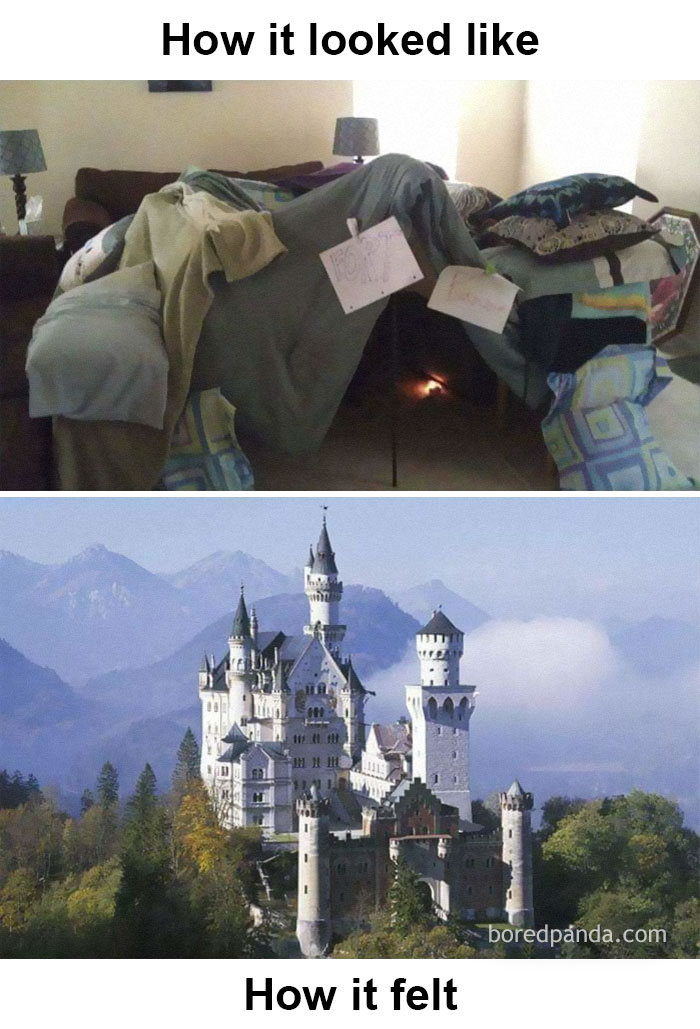
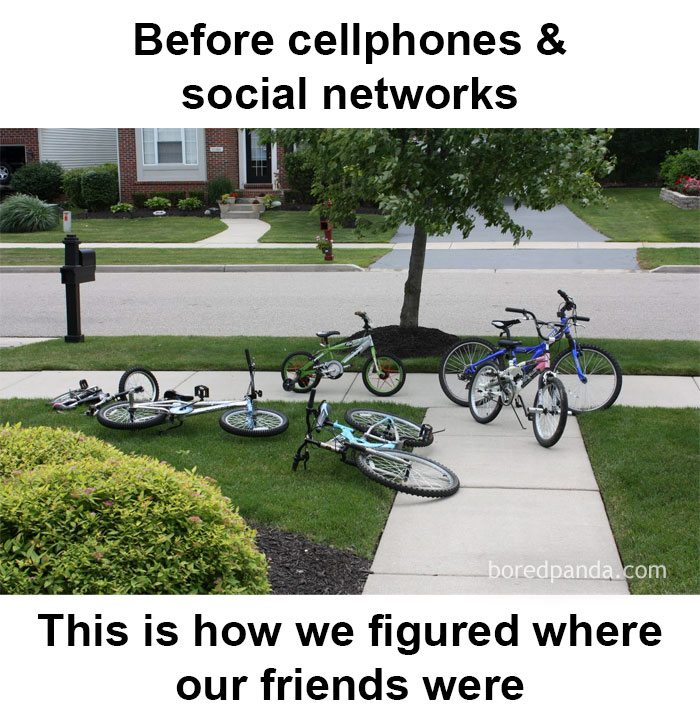
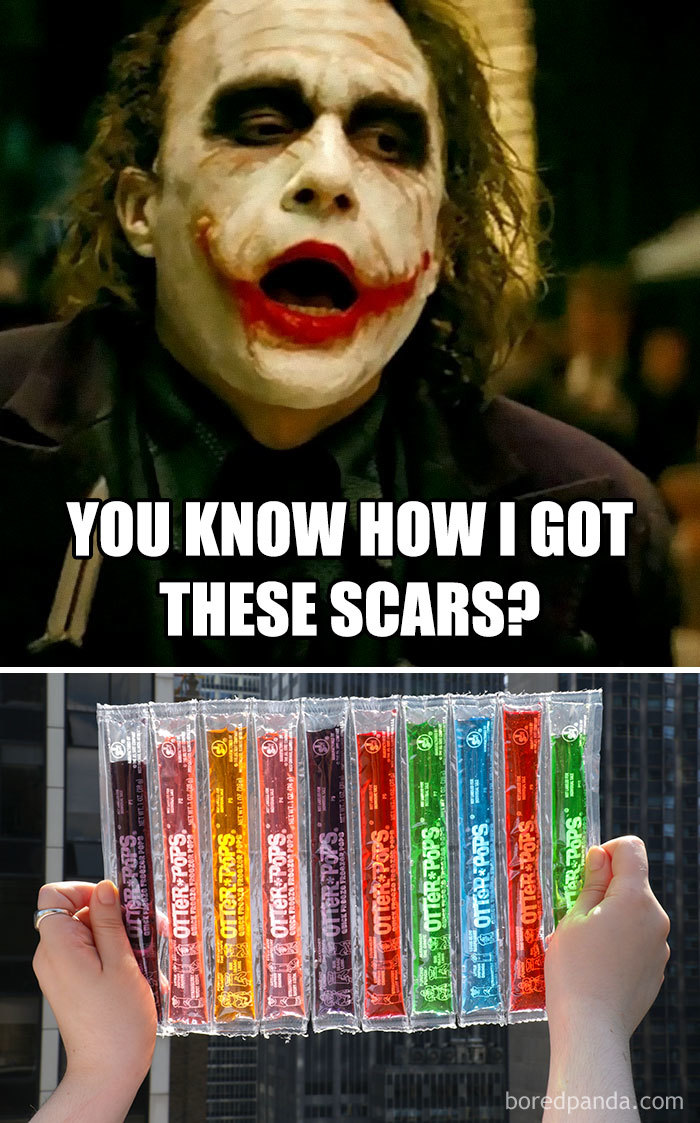
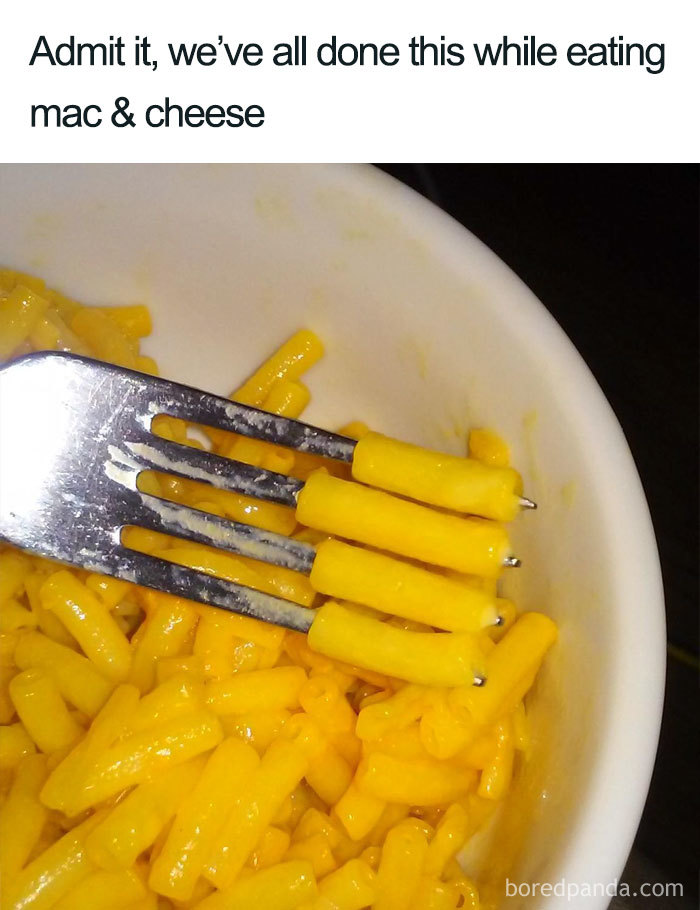
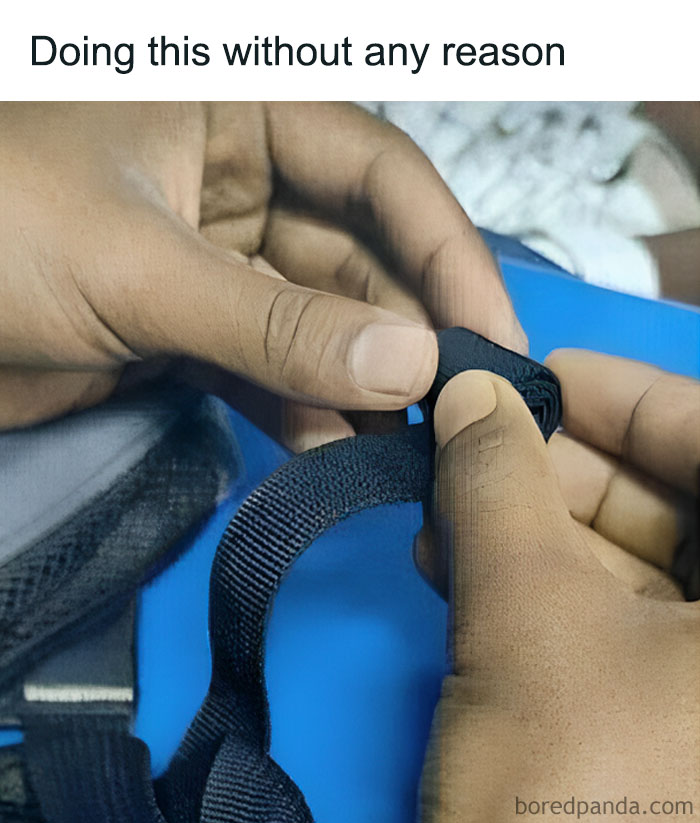
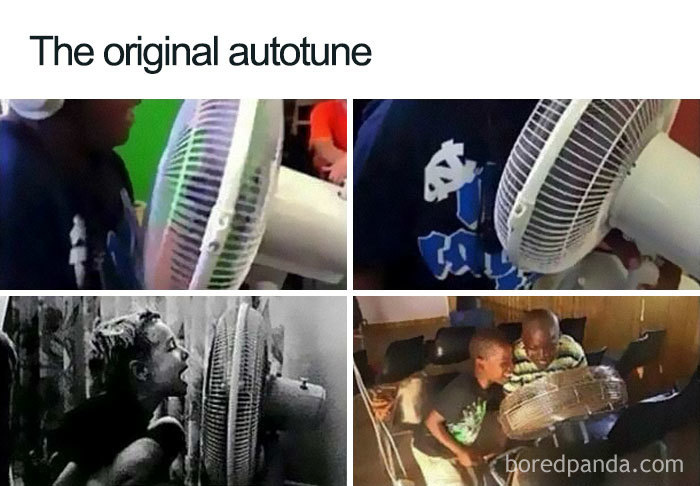
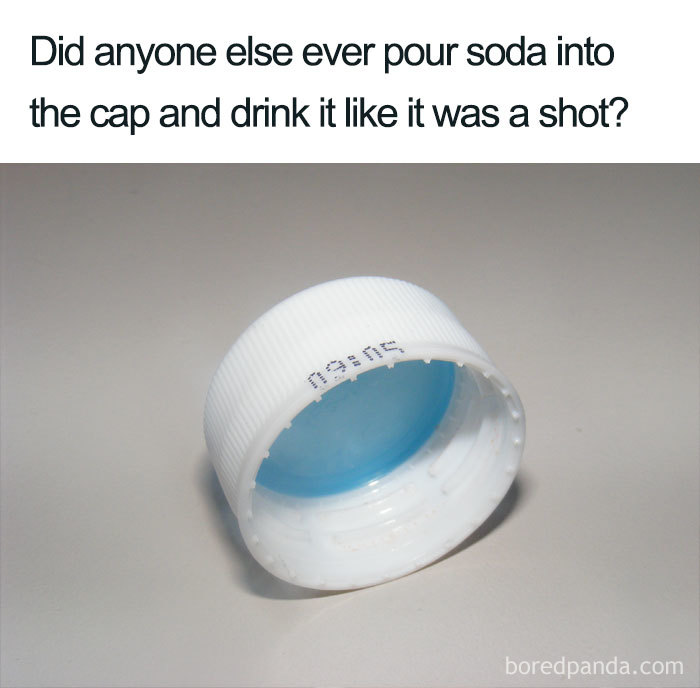
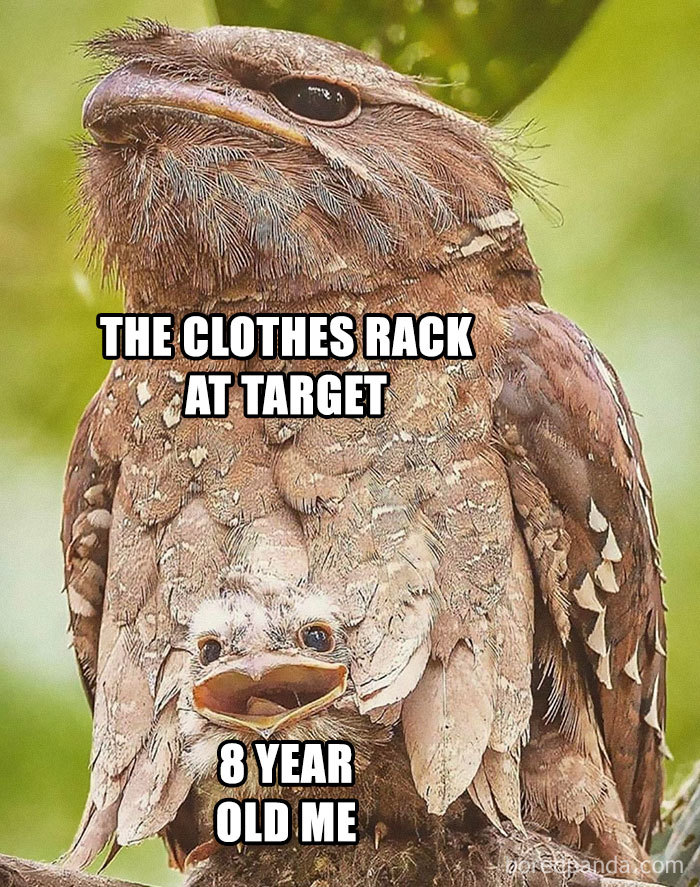
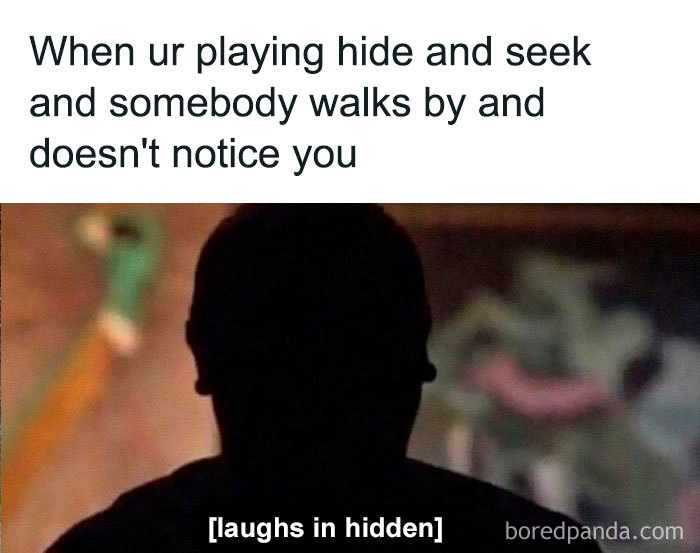
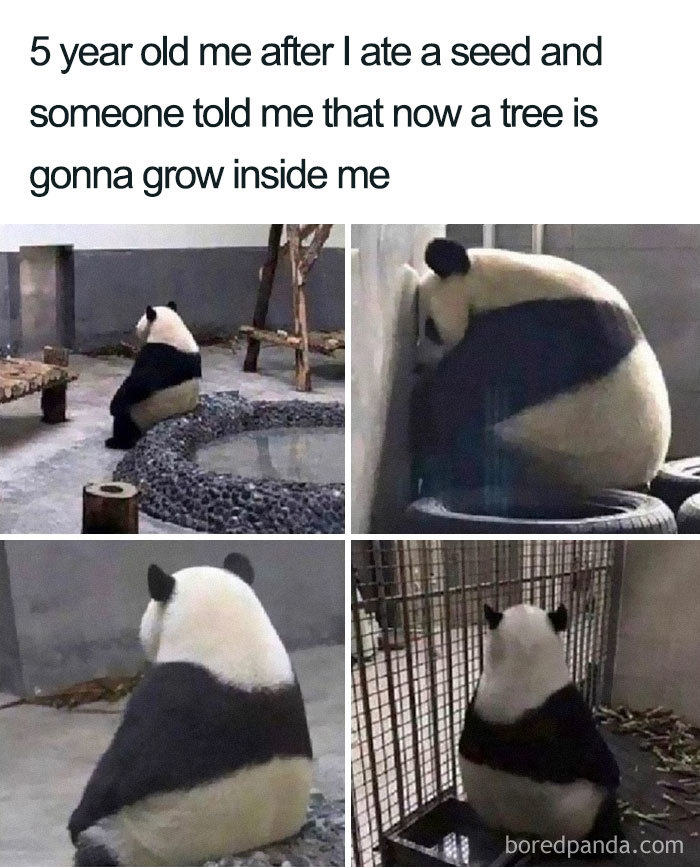
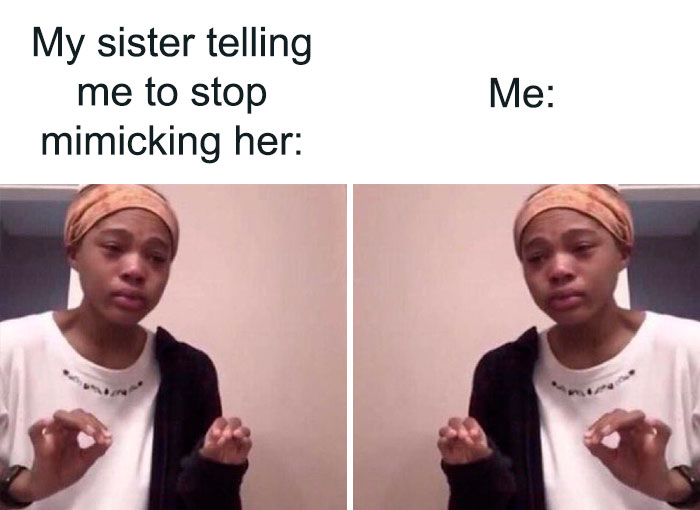
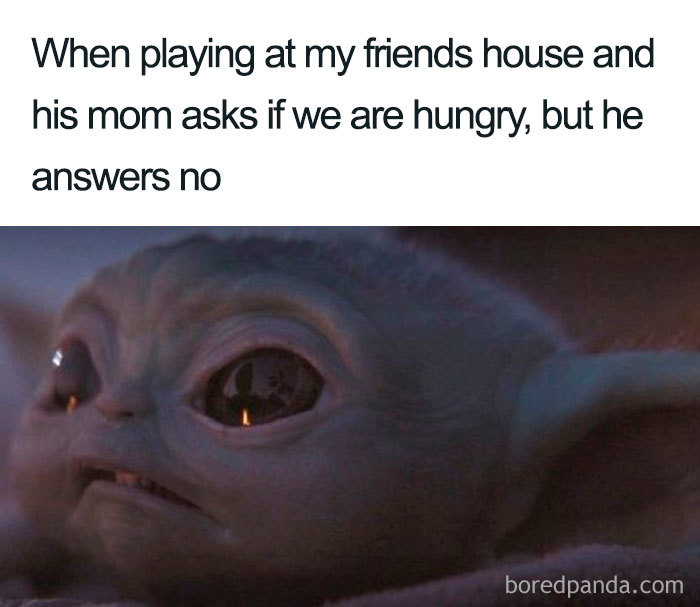
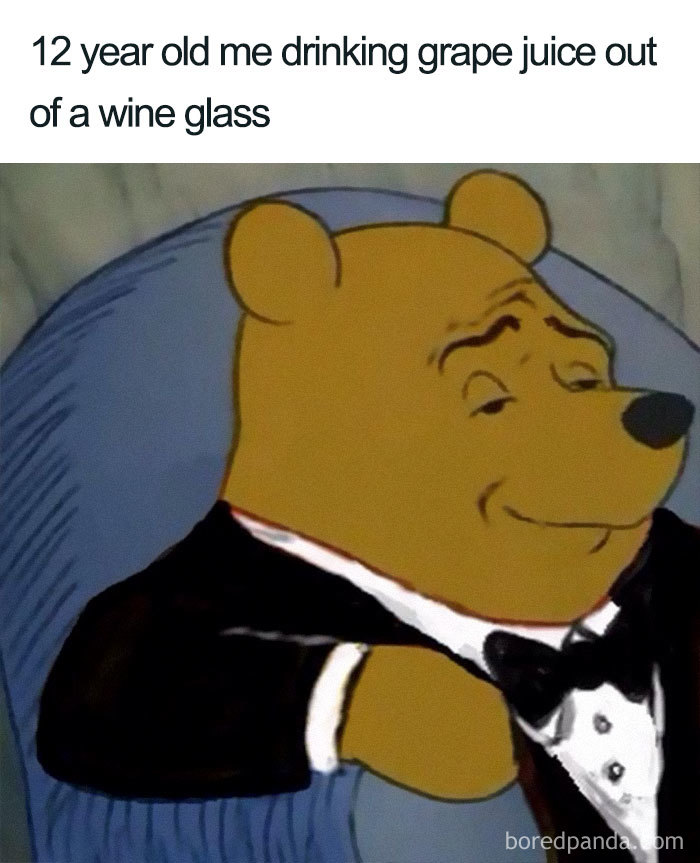
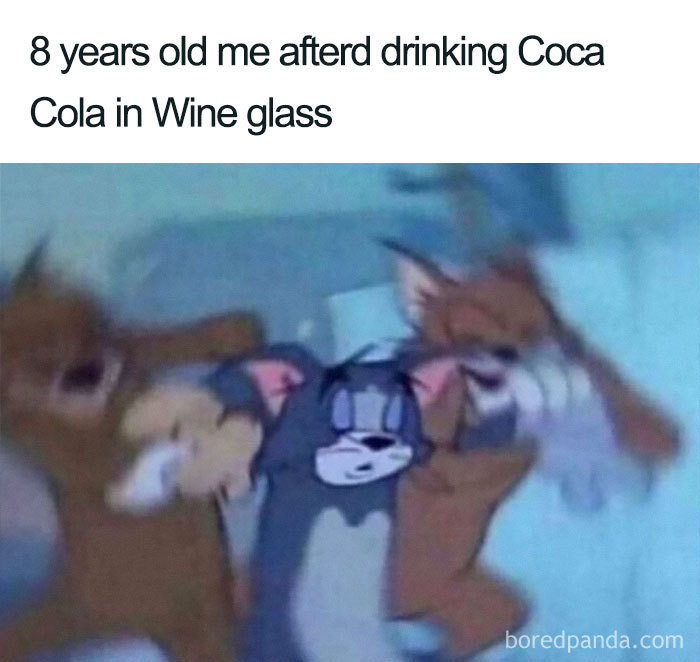
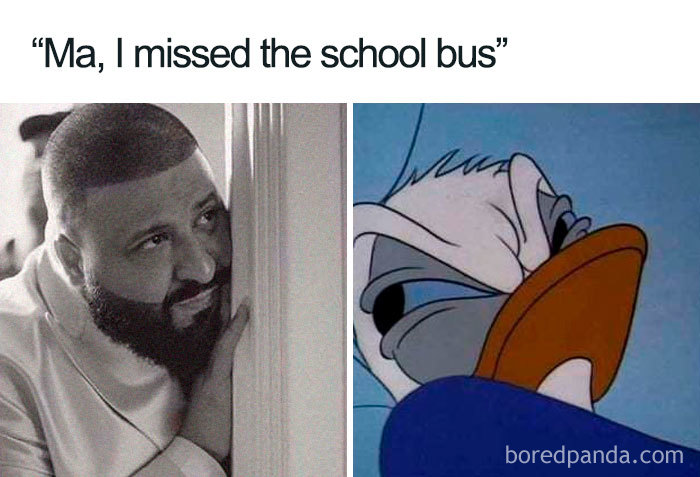
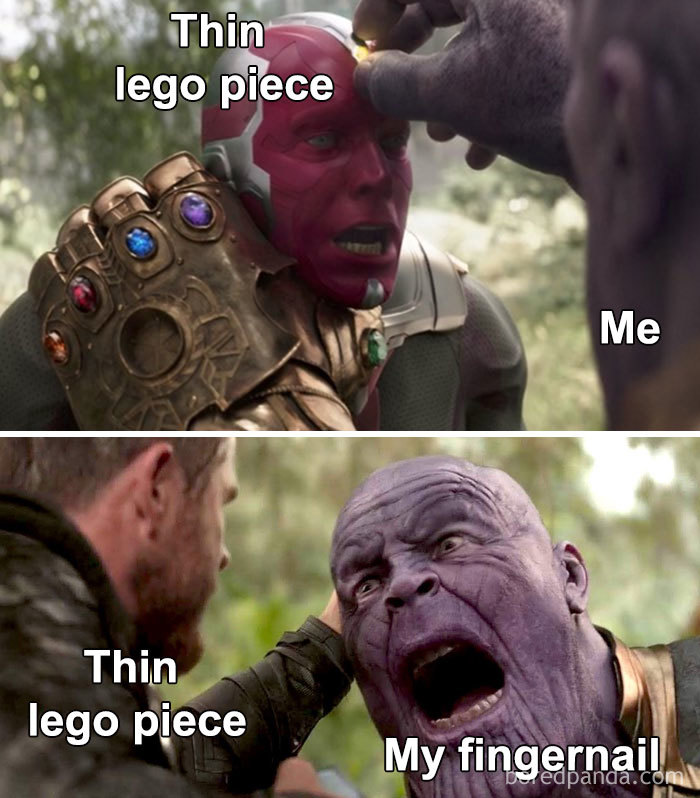
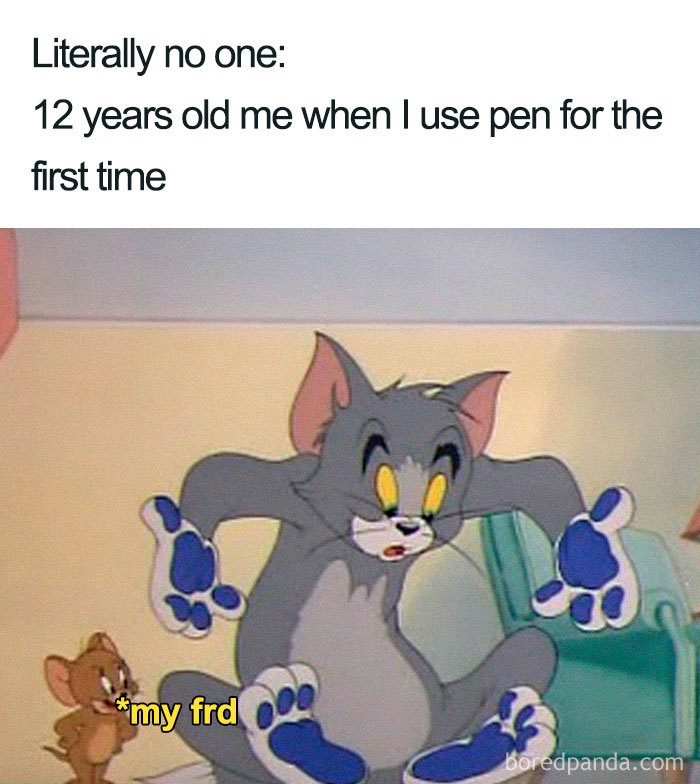
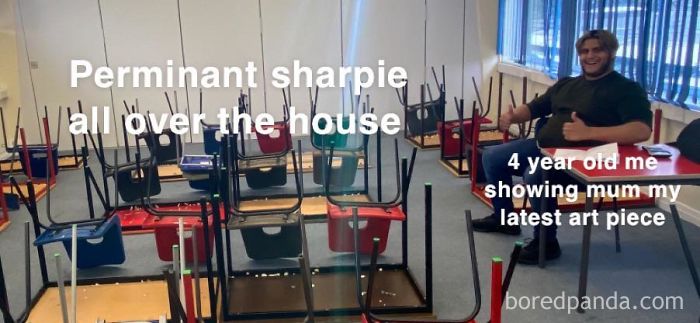
It’s called blast from the past. Remember your 8-year-old self drinking coke in a wine glass, thinking you were as tipsy as auntie Becky at a family reunion barbecue, ready to pass out on the floor and beg for salvation? What about the time you cried for 10 days straight after finding out that gum you swallowed would stay in your stomach forever? What if I told you that you're not the only one? In fact, that little kid with ginger frock from school, your cousin from Wyoming, and I was all secretly doing the same weird things. So, let’s go down this cringe-inducing memory lane were things we all did as kids are laid out on the table.
Pandas, is anyone having a déjà vu moment? Then share your experiences and childhood memories in the comments. Also, scroll down below to see what Krystine Batcho, a professor of nostalgia at Le Moyne College in Syracuse, New York, told Bored Panda about the influence that childhood experiences have on the course of our lives.
This post may include affiliate links.
Prof. Krystine Batcho, a licensed psychologist and scholar in nostalgia, has developed a universal tool to measure our emotions towards the past using The Nostalgia Inventory Test. It measures how deeply and often people feel nostalgic.
Bored Panda asked the professor about the role our childhood memories play in our lives. “Childhood memories can influence adult lives in a number of ways. They can contribute to our overall sense of happiness in life.” Social experiences we had when little turn out to be crucial. “Positive childhood social events, such as family get-togethers during the holidays or parties to celebrate birthdays or achievements, help establish good self-esteem and healthy social skills in adulthood.”
Prof. Batcho’s life-long research has suggested that “positive childhood memories are associated with more adaptive coping skills in adulthood.” For example, people with happier memories of childhood were less likely to turn to counterproductive ways of dealing with stressful situations, such as substance abuse or escapist behavior. Healthy coping is not something we’re born with, but rather “is learned during childhood by role modeling trusted adults, and memories of how respected adults coped with adversity,” said the professor.
Most of us deeply cherish powerful childhood memories and carry them throughout our lives. Batcho explained that this phenomenon is called a “'rosy retrospection,' that is, a tendency to remember the past as better than it really was.” But there might be an evolutionary reason for it, because “a favorable focus on the past helps most people remain healthy and happy despite the practical and emotional challenges of adult life.”
On the other hand, one's current mood has a tremendous influence on memory retrieval. “When we are sad or depressed, we are more likely to remember negative events in our past and remember past experiences less favorably.” That’s why if you’re in a bad mood, it’s better to leave those blasts from the past for another time in order not to distort them.

I still do some of those things. Not fully aware how adulthood works.


I still do some of those things. Not fully aware how adulthood works.











 No fees, cancel anytime