Get Premium
Dark mode theme is available exclusively for premium users. Learn more about the benefits of subscribing.
No fees, cancel anytime.

 Dark Mode Ad-Free Browsing Unlimited Content
 Ad-Free Browsing Unlimited Content Dark Mode
Join 1.2 million Panda readers who get the best art, memes, and fun stories every week!
History is full of surprises, and sometimes the most fascinating stories are the ones that are least known. From bizarre events to unexpected twists, the past is a treasure trove of intriguing tales that can leave us speechless. We'll take you on a journey through 35 surprising historical facts that will challenge your perceptions and leave you wondering about the complexities of the human experience. From strange rituals to unexpected inventions, these stories will show you that the past is often more surprising than fiction. So, buckle up and get ready to discover some of the most unbelievable – yet entirely true – historical tidbits you've ever heard!
This post may include affiliate links.
The widespread adoption of gas lighting in the Victorian era brought new comforts, but also significant health risks. Poor ventilation and unregulated gas usage frequently led to carbon monoxide poisoning. This gas, odorless and colorless, can cause hallucinations and altered perceptions. Some historians suggest these effects contributed to the reported increase in ghostly sightings during the mid-1800s. Experiencing these physiological effects could explain many of the eerie tales of Victorian hauntings.
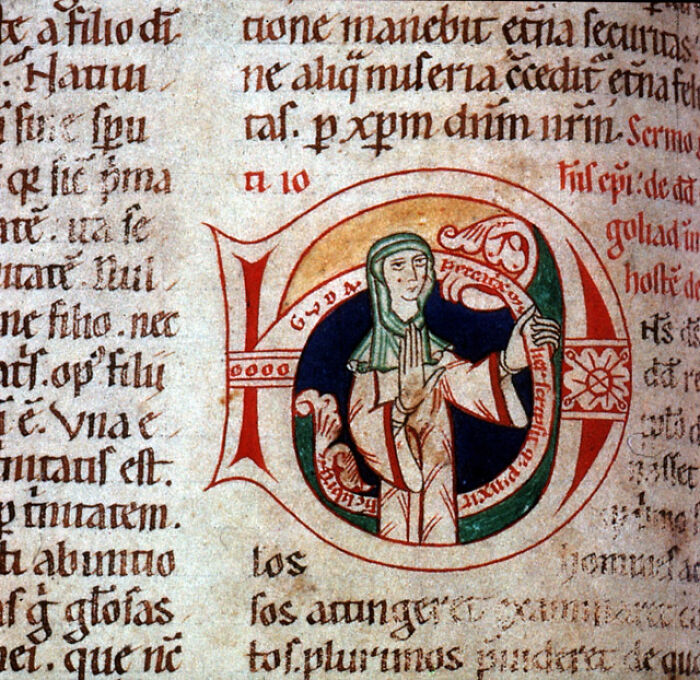
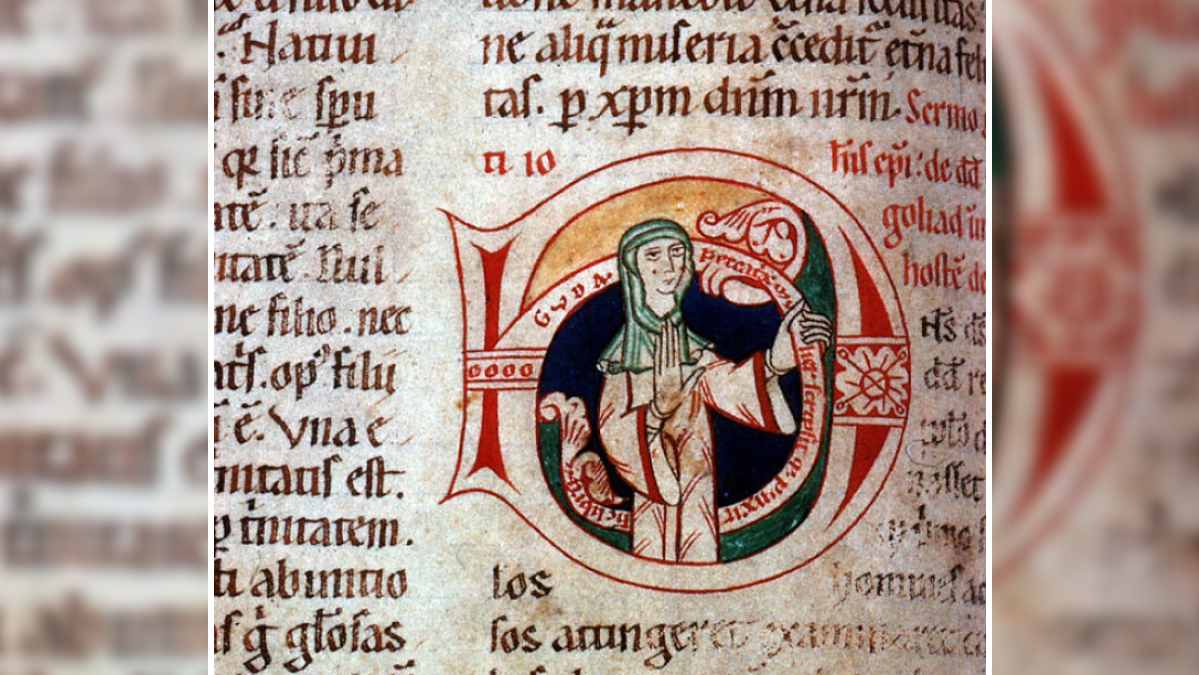
Recent analysis of a medieval skeleton's tooth uncovered a surprising discovery: traces of blue pigment. This finding suggests that women actively participated in artistic endeavors during the Middle Ages. Previously, historical records often focused on male scribes and monks as the primary artists responsible for illuminated manuscripts, but this discovery indicates a more diverse and inclusive artistic landscape.
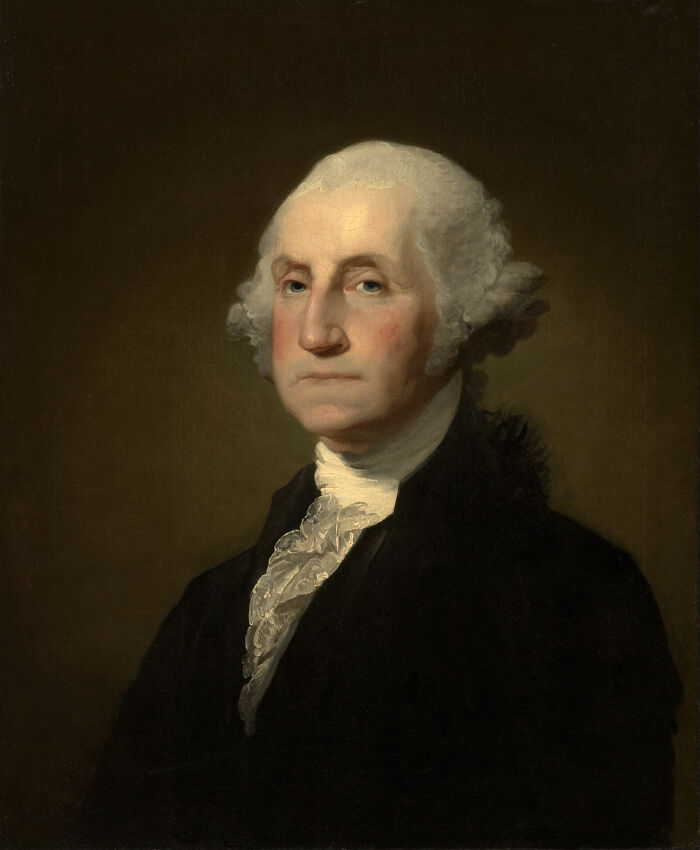
Contrary to popular depictions, George Washington has naturally red hair. Despite this, he didn't wear a wig, a common practice among men of his era. Instead, Washington followed the fashion trends of the time by powdering his red hair white. This was a stylistic choice meant to appear more distinguished and sophisticated, reflecting the social conventions of 18th-century society.
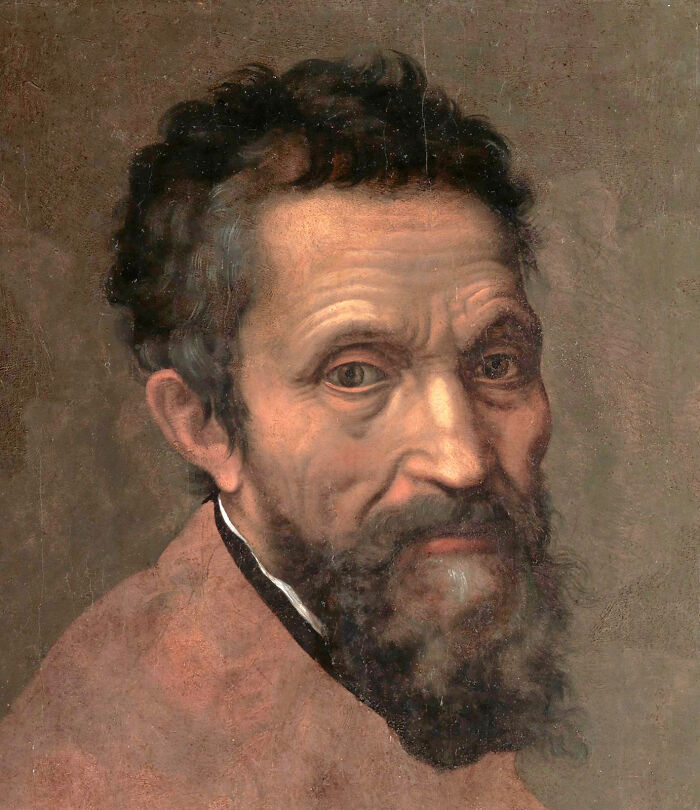
To avoid the Pope's displeasure, Michelangelo sought refuge in a hidden room beneath the Medici Chapel for three months. During this confinement, the renowned artist engaged in a surprising activity: he sketched directly on the walls. These underground doodles were discovered in Florence in 1975 and the "stanza segreta" is open to the public.
Studies show that computers can identify genuine Jackson Pollock paintings with an impressive 93% accuracy. By analyzing brushstroke patterns, paint composition, and other minute details, AI can distinguish between a true masterpiece and a sophisticated forgery. This technological advancement is revolutionizing the art world, offering a new level of precision and objectivity in the authentication process.
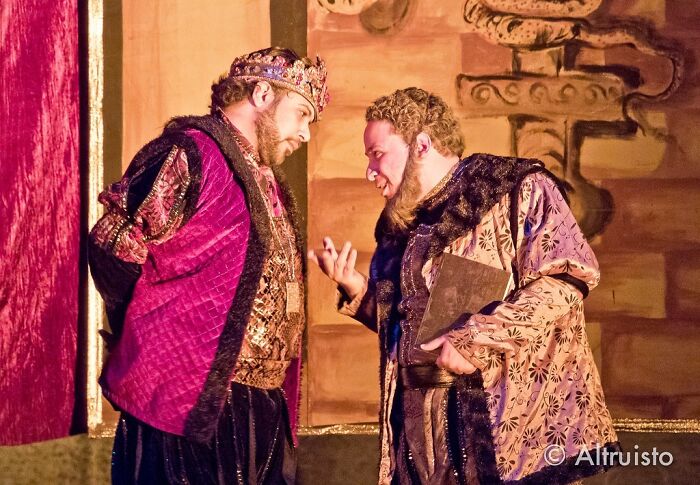
For centuries, productions of Hamlet have employed a macabre yet thought-provoking device: the use of real human skulls. This tradition stretches back to at least 1755, with each skull conjuring the mortality and morbidity that pervade the play. The 2008 production starring David Tennant took this convention to a new level, using the skull of composer André Tchaikowsky, who had specifically willed his skull for use in a Hamlet production.
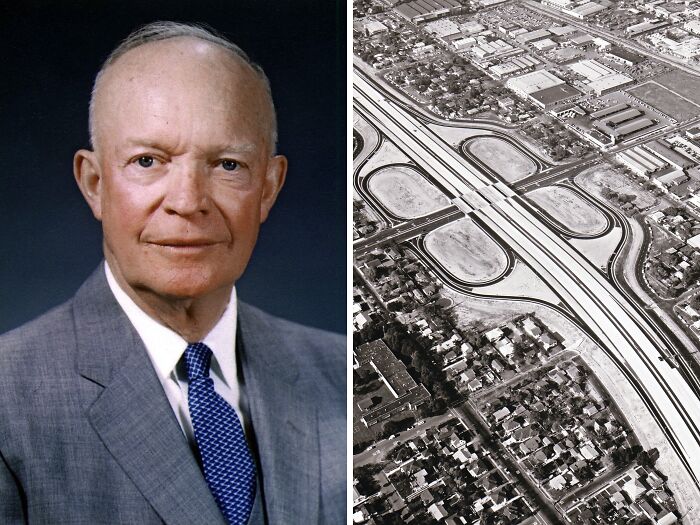
While serving as the Supreme Allied Commander, he witnessed firsthand the efficiency of Germany's four-lane autobahns, which facilitated the rapid movement of troops and supplies. Inspired by this model, Eisenhower became a strong advocate for a similar network in the United States. His efforts culminated in the passage of the Federal-Aid Highway Act of 1956, laying the groundwork for the modern interstate system that has since become a hallmark of American transportation.
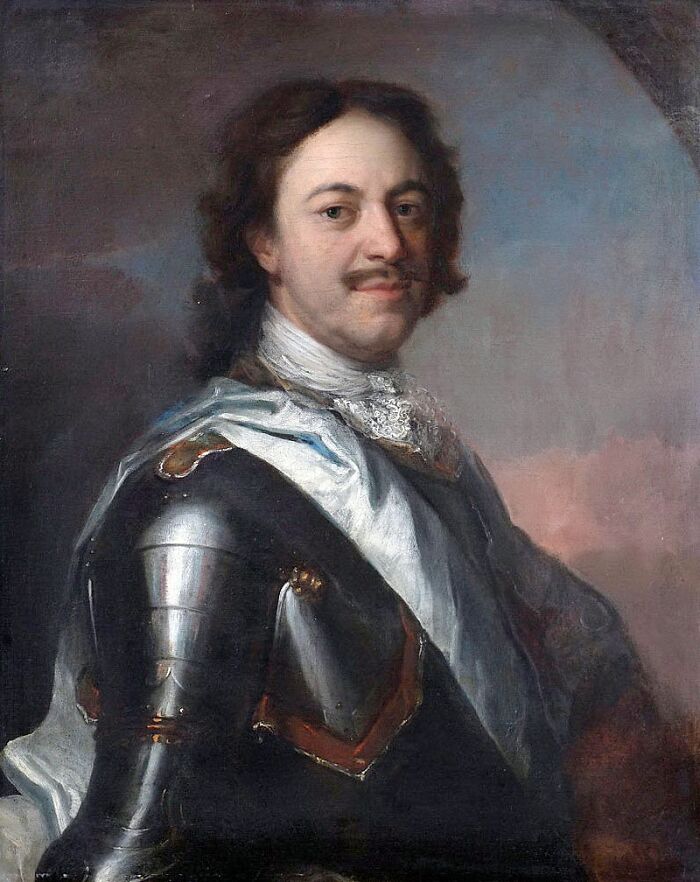
Peter the Great implemented unusual methods to maintain order and punctuality among his officials. One of his more memorable punishments involved mandatory vodka consumption. Any official arriving late to a royal assembly faced the daunting task of downing a full "Great Eagle Cup" – approximately 50 ounces of vodka – immediately.
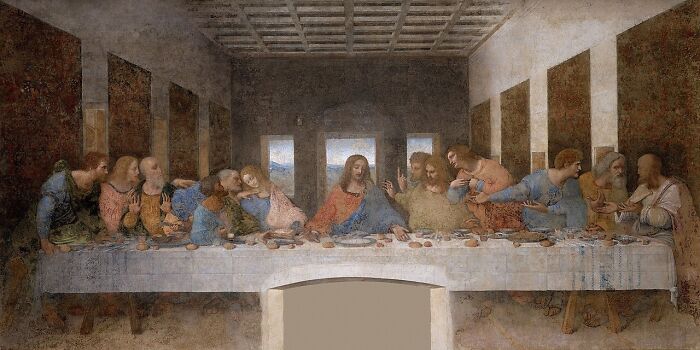
Beyond his artistic and scientific pursuits, Leonardo da Vinci also honed his skills as a meticulous event planner. For four years, he dedicated himself to organizing large-scale celebrations, including the wedding of the Duke of Milan. The intricate seating arrangement for The Last Supper bears a striking resemblance to the layout he designed for the Duke’s wedding.
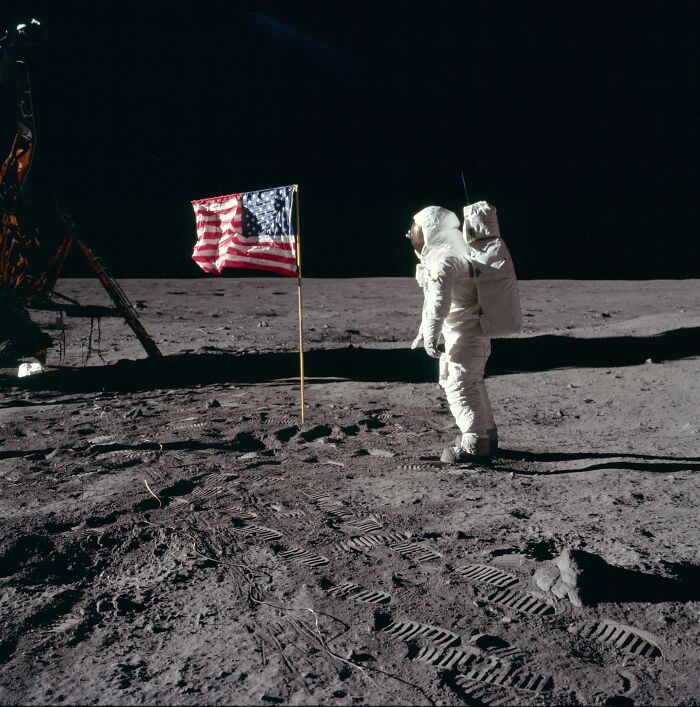
During the 1970s, NASA envisioned a permanent six-person moon base as part of the Apollo program. Plans were underway to establish a sustained human presence on the lunar surface. However, the project ultimately fell by the wayside. President Nixon, viewing the Apollo program as a legacy of previous administrations rather than a priority for his own, significantly reduced funding, effectively halting the development of the moon base.
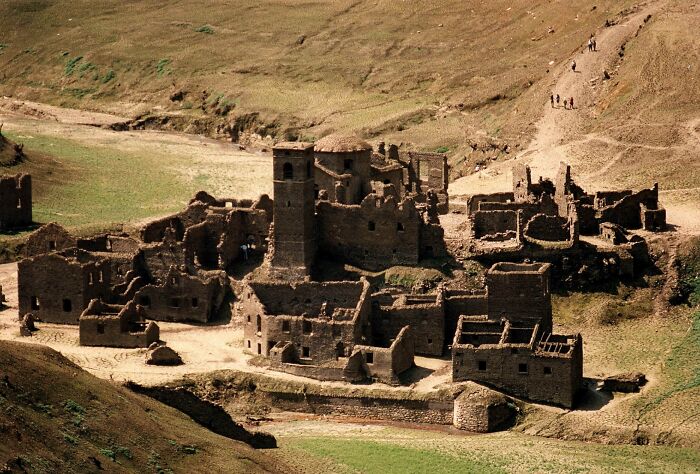
For half a century, the village of Fabbriche di Careggine lay submerged beneath the waters of a dam in Italy. In 1946, the village was intentionally flooded to create the dam. However, in 1994, the water was drained for essential maintenance, revealing the remarkably preserved ruins. The rediscovery drew over a million curious tourists eager to witness the haunting beauty of the submerged village, a truly unique and unforgettable sight.
The first phase of the Hundred Years' War came to an unexpected end, not on the battlefield, but amidst a terrifying storm. On what became known as "Black Monday" in 1360, a devastating hailstorm ravaged the English army at Chartres, killing an estimated 1,000 soldiers. King Edward III of England interpreted the storm as a sign from God, leading him to quickly agree to the Treaty of Bretigny, effectively ending the initial conflict.
In 1902, a printing company struggled with warped paper caused by fluctuating heat and humidity. They commissioned the Buffalo Forge Company to find a solution, resulting in the creation of the first air-conditioning system. What began as a practical measure to improve printing quality ultimately laid the groundwork for a technology that would revolutionize comfort and industry worldwide.
In the early 20th century, installing showers in schools served a dual purpose: promoting personal hygiene among students and, by extension, their families. Authorities believed that by teaching children the importance of regular bathing and cleanliness, they would carry these habits home, influencing their parents to adopt similar practices. This initiative aimed to break cycles of poor hygiene and promote a culture of cleanliness, particularly in low-income communities where access to bathing facilities was limited.
For ten years, a mysterious phenomenon baffled beachgoers in Florida. From 1948 to 1958, an unseen figure stalked the sandy shores at night, leaving behind peculiar footprints in three-toed, 30-pound lead shoes. The goal? To create the illusion of a 15-foot-tall penguin on the loose. The elaborate hoax remained a secret for four decades, only revealed long after the mysterious stomping ceased.
Sea otters were relocated from Alaska to Washington State between 1969 and 1972. The relocation was prompted by the US nuclear testing program in Alaska, which threatened the sea otter population. As a result, 413 sea otters were captured and relocated to Washington's Olympic coast.
Jimmy Carter reported a UFO sighting in 1969 while serving as Governor of Georgia. Along with a group of around 10 to 12 others, Carter witnessed a bright, colorful object in the sky that was roughly the size of the moon. He formally filed a report with the International UFO Bureau, describing the extraordinary event.
Every year, Halifax, Nova Scotia, gifts a Christmas tree to the city of Boston as a gesture of appreciation for the aid received during a devastating disaster in 1917. When a catastrophic explosion occurred in Halifax, Boston responded with remarkable generosity, sending a massive relief effort that included medical personnel, supplies, and significant financial support.
The concept of a seven-day week traces back to ancient Babylon. Astronomers in Babylon noted seven celestial bodies – the Sun, Moon, and five visible planets – and associated each day with one. While other cultures experimented with different week lengths, Babylonian influence spread through conquest and trade. Eventually, their system of seven days became widely adopted, forming the basis of the week we use today.
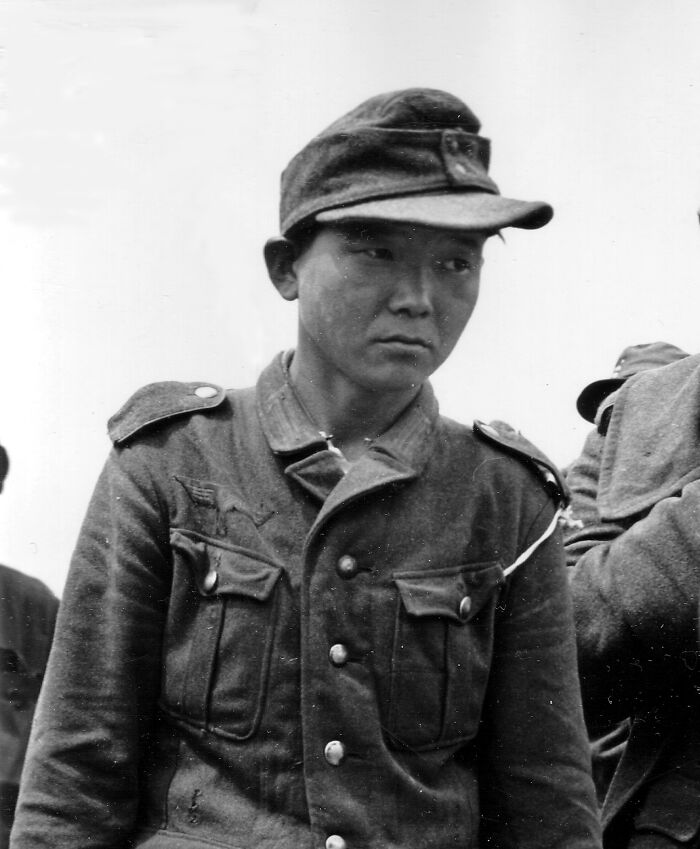
Initially conscripted into the Japanese army, Yang Kyoungjong later became a prisoner of war and was forced to fight for the Soviet Union. Later, he then served the German army. Over five years, Yang found himself fighting on three different sides of the conflict. His story is a harrowing testament to the brutal realities of war and the devastating impact it had on individuals caught in the crossfire.
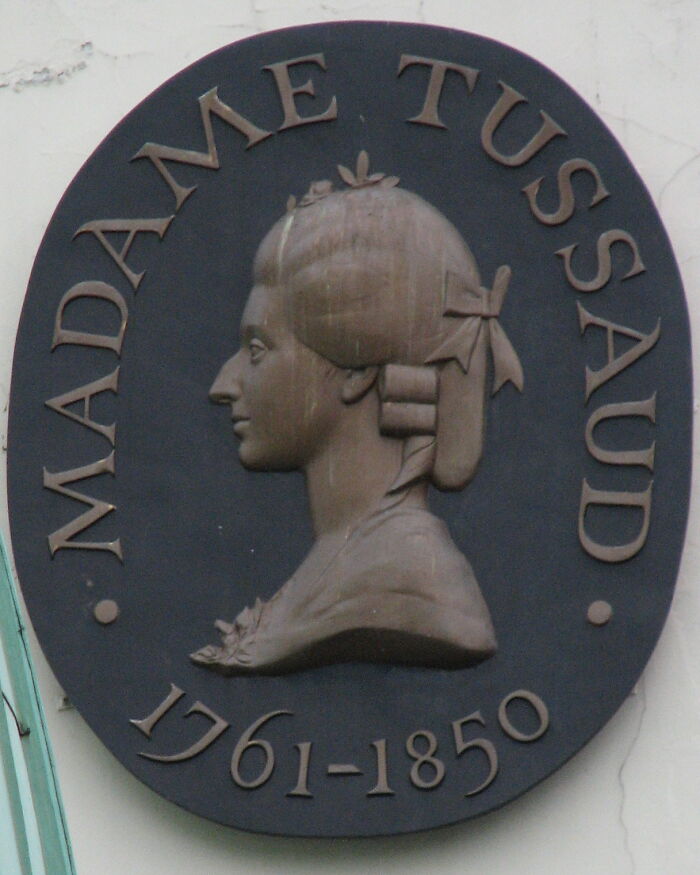
Marie-Anne Chodeleur, better known as Madame Tussaud, created a unique and chilling art form during the French Revolution: death masks. She meticulously crafted these masks using the heads of those executed by the guillotine. Tragically, many of her subjects were personal friends, including her own acquaintances and even her former students, including the King's sister.
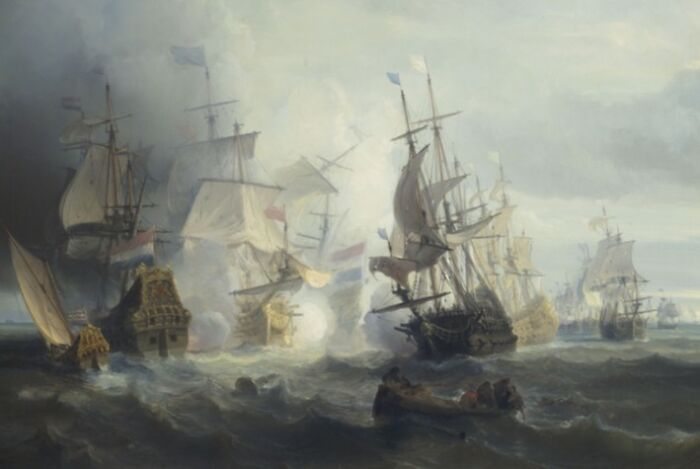
The Battle of Texel in 1795 represents an incredibly unusual event in naval history. A Dutch fleet became trapped in ice near Texel Island, setting the stage for a surprising outcome. The French, seizing the opportunity, dispatched a large force of infantry, cavalry, and artillery to seize the stranded ships. Remarkably, the engagement resulted in no actual fighting. After a five-day standoff, the Dutch captains surrendered, demonstrating the power of well-positioned cavalry to achieve a capture without a single shot fired.
Ludwig van Beethoven was known for his passionate dedication to his craft, and even his coffee ritual was meticulously precise. He insisted on using exactly 60 beans per cup and would meticulously count each bean before brewing.
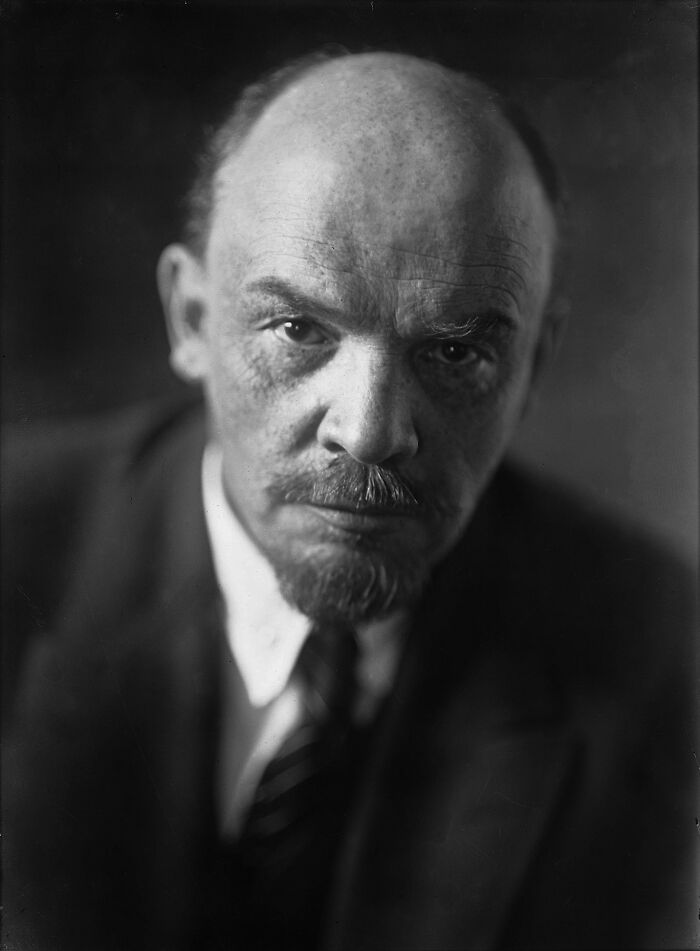
Vladimir Lenin, the Russian revolutionary, surprisingly spoke with a distinct Irish accent! While studying English in London, it’s believed he had an Irish tutor, resulting in a noticeable "Rathmines" accent – hailing from a suburb of Dublin.
Until the early 20th century, blueberries were largely a wild fruit, difficult to cultivate due to their specific soil requirements. That changed in 1911 when botanist Frank Coville discovered that blueberries thrive in highly acidic conditions. This breakthrough enabled the development of commercial blueberry cultivation, transforming the fruit from a rare wild treat to a widely available and beloved snack.
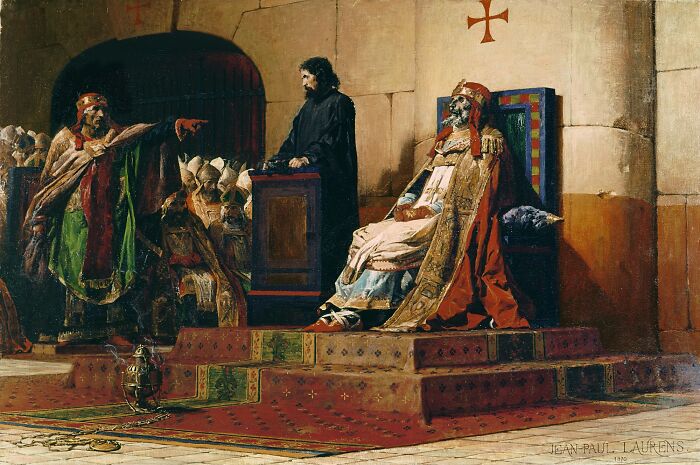
In a bizarre and disturbing episode, Pope Stephen VI put his predecessor, Pope Formosus, on trial. In 897, Stephen had Formosus' corpse exhumed, dressed in papal attire, and brought to the courtroom. The putrid body was subjected to a mock trial, with Stephen berating the deceased pope and accusing him of various crimes.
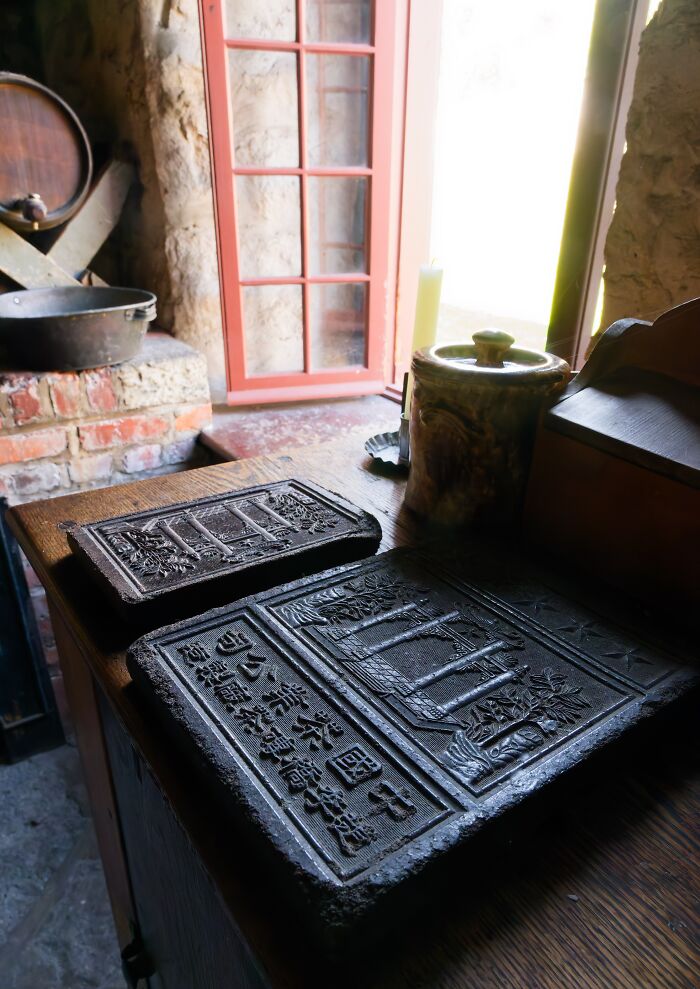
In certain regions, tea bricks served as a practical and valuable form of currency. Notably, in Tibet, tea bricks held a significant place in the economy. Their demand was so high that valuable goods like swords and horses were sometimes priced and exchanged using a calculated number of tea bricks.
During the 1990s, the Soviet Union, facing restrictions on moving rubles outside its borders, struck a deal with Pepsi to exchange goods for naval vessels. In 1990, Pepsi delivered goods worth approximately $3 billion in exchange for a substantial fleet – including submarines, a frigate, a cruiser, and a destroyer.
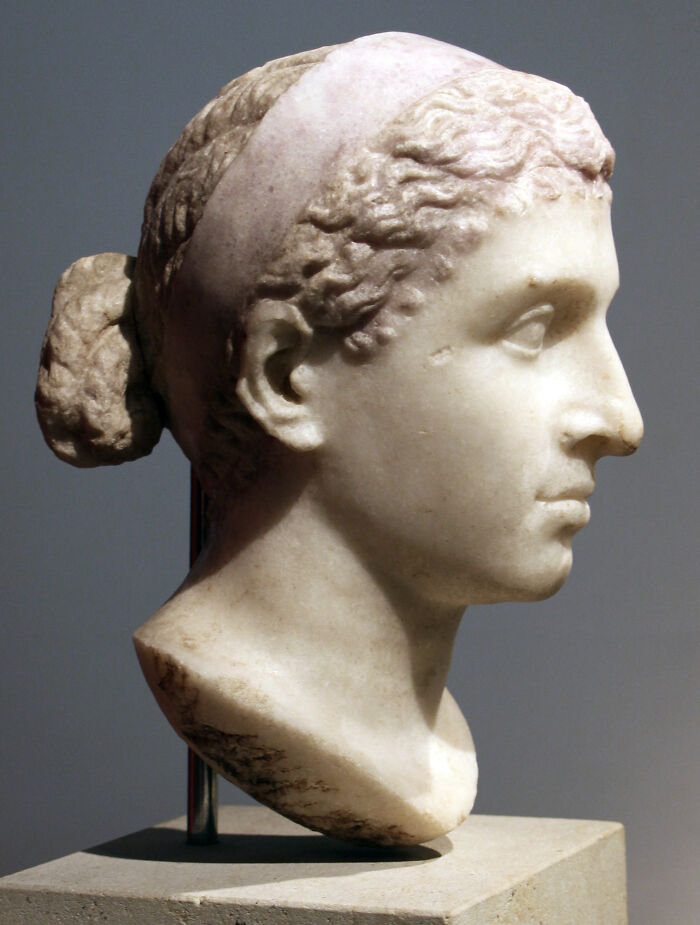
While often portrayed as an irresistible beauty, Cleopatra’s allure stemmed less from conventional looks and more from her intelligence and charisma. She might have been the most beautiful in her inbred family, historical accounts emphasize her sharp intellect and persuasive abilities. Cleopatra used her wit and charm to captivate powerful figures, demonstrating that her true power lay not in physical appearance, but in her commanding presence and diplomatic skill.
During World War II, the United States hatched a peculiar plan to psychologically disrupt the Japanese population. "Operation Fantasia" involved capturing foxes, coating them with radium paint to make them glow in the dark, and releasing them in Japanese villages. The intention was to create the illusion of kitsune – mythical fox spirits – and instill fear among the local population. However, thanks to a lone voice of reason at a key meeting, the operation was ultimately scrapped, sparing Japan from this unusual and potentially hazardous tactic.
The Portuguese warlord Filipe de Brito e Nicote orchestrated the downfall of a revered treasure. After being granted a governorship, de Brito declared independence and attempted to plunder the Shwedagon Pagoda's massive 23-ton bell to melt it down into cannons. However, his plan backfired – literally – as the bell was dropped into a river during the attempted removal. De Brito's greed ultimately led to his own downfall, as he was later executed at the stake.
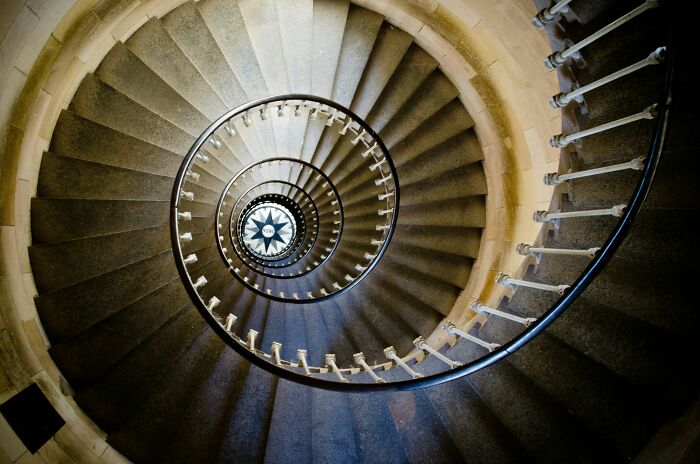
The evolution of firehouse design includes a surprising detail: the introduction of spiral staircases in the 1850s. This wasn't about aesthetics, but practicality! The horses that pulled the fire engines had a habit of climbing the stairs whenever they detected the aroma of food. Spiral staircases offered a compact and efficient way to access the upper levels, effectively preventing those hungry steeds from disrupting firefighting efforts.
Dr. William A. Mitchell was a renowned food scientist who left an indelible mark on the world of culinary delights. With a career spanning multiple decades at General Foods, Mitchell is credited with inventing some of the most iconic treats of the 20th century, including Pop Rocks, Tang, and Cool Whip. His innovative work not only revolutionized the food industry but also brought joy to countless consumers.
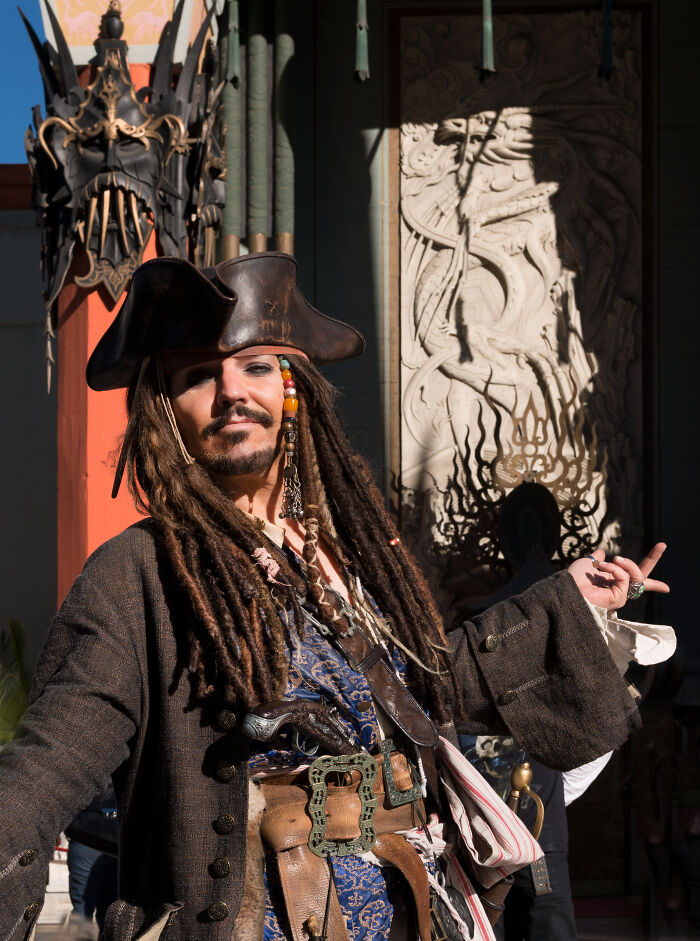
Some swashbucklers thought that wearing earrings, particularly those made from precious metals like gold, could enhance or even cure poor vision. This notion likely stemmed from superstition or old wives' tales, attributing magical healing properties to these metals.
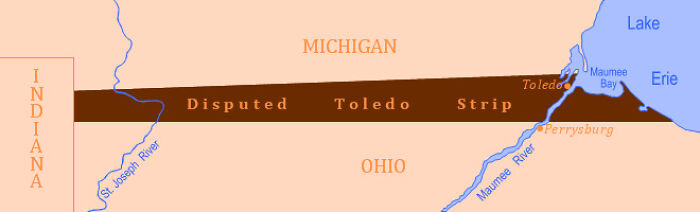
In the mid-19th century, a heated border dispute between Ohio and Michigan escalated into a brief, yet intense, conflict known as the Toledo War. The controversy centered on a relatively small strip of land, with both states claiming sovereignty. The situation became increasingly tense, culminating in a confrontation that resulted in a single, albeit minor, casualty – a man stabbed with a penknife.

Titbits is the normal British spelling, though tidbits may have been the original form.
Load More Replies... Titbits is the normal British spelling, though tidbits may have been the original form.
Load More Replies...



































 No fees, cancel anytime