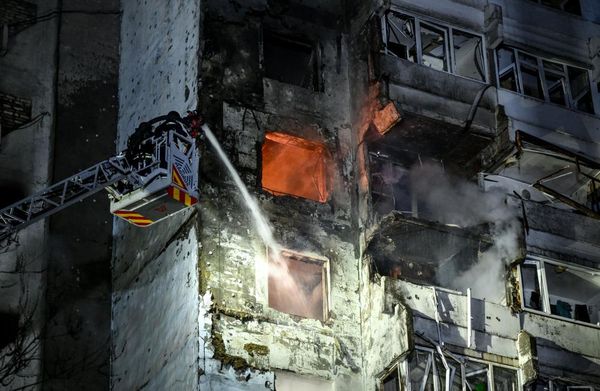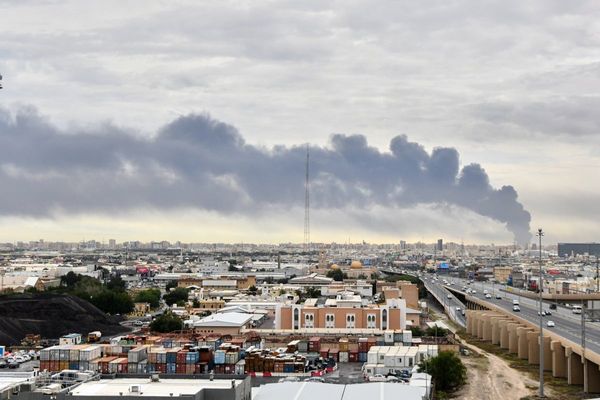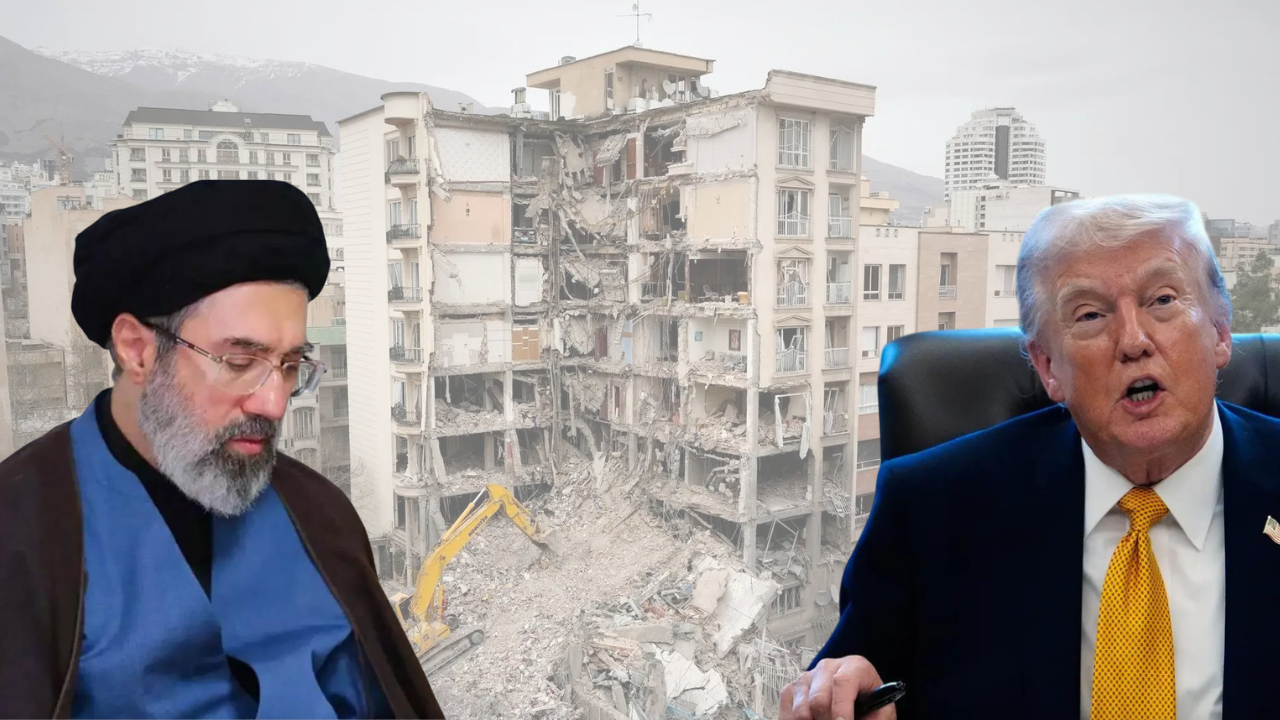
As the war in the Middle East nears its fourth week, signals from Washington suggesting progress in peace talks talks with Iran have offered brief moments of market relief, but these have been quickly overshadowed by Tehran’s outright denials and continued hostilities in the region.
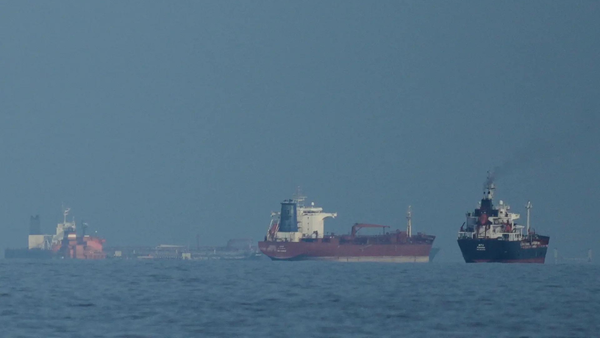
At the centre of the crisis is the Strait of Hormuz, a critical artery for global oil shipments. Iran’s effective blockade has disrupted shipping and pushed Brent crude above $100 a barrel, up nearly 40 per cent since the war began. While Washington speaks of a possible deal, Tehran insists no negotiations are underway, deepening confusion over whether diplomacy is real or tactical.
The US has pushed a 15-point plan aimed at ending the conflict. Delivered via intermediaries, the proposal reportedly combines multiple elements into a single framework: a ceasefire, reopening of the Strait of Hormuz, sanctions relief, and limits on Iran’s nuclear and missile programmes.
Washington wants the plan discussed as a package, potentially in talks hosted by Pakistan. However, Iran’s deep mistrust—fuelled by previous negotiations followed by military strikes—has made engagement difficult.
What Iran is saying
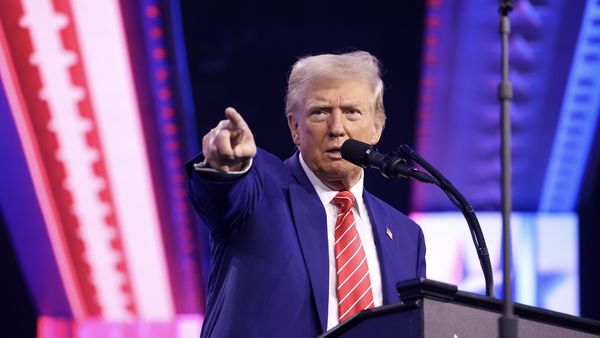
Trump's 15-point peace plan as also met skepticism in Tehran. Iranian officials have warned mediating countries that they believe they have already been misled twice by Donald Trump and are unwilling to be deceived again, as per a report by Axios. The US is pressing for face-to-face peace talks, possibly in Islamabad this week, yet previous negotiations coincided with surprise military strikes. Iran points to recent US troop deployments and heightened military activity as evidence that the proposed talks may be a cover for further action.
Iran has also rejected claims that it is seeking talks. Officials insist the war will continue “until complete victory”, signalling little appetite for compromise under pressure.
Foreign Minister Abbas Araghchi has made clear that Tehran is not interested in a temporary ceasefire, calling instead for a complete end to the war across all fronts. At the same time, Iran has set a high bar for any negotiations, including demands for sanctions relief, guarantees against future attacks, and an end to Israeli operations in the region.
Tehran has also proposed a new order for the Strait of Hormuz, including the possibility of charging transit fees, underscoring how central the waterway has become to its leverage.
What Trump wants
Trump’s objectives have evolved since the war began, expanding from military goals to broader strategic aims. These include crippling Iran’s missile capabilities, dismantling its defence infrastructure, and ensuring it can never develop a nuclear weapon.
He has also prioritised reopening the Strait of Hormuz, recognising its importance to the global economy. At the same time, Trump has insisted any deal must involve removing Iran’s enriched uranium, a demand Tehran has repeatedly rejected.
While the White House maintains that the campaign has been a success, key objectives remain incomplete, particularly as Iran continues to launch missiles and drones.
Regime change and shifting rhetoric
Trump’s messaging on regime change has been inconsistent. While he has publicly encouraged Iranians to “take over your government,” regime change has never been formally listed as a war objective.
More recently, he has appeared to step back from that position, focusing instead on negotiations and strategic outcomes. Still, his comments—“This is regime change, right?”—have added to the ambiguity.
This shift reflects a broader pattern: balancing aggressive rhetoric with signals of diplomacy, leaving both allies and adversaries uncertain about Washington’s endgame.
Strait of Hormuz: the oil flashpoint
The Strait of Hormuz remains the most immediate driver of global concern. Iran’s restrictions on shipping have choked a key corridor, sending shockwaves through energy markets.
The US has demanded the waterway be reopened, even threatening strikes on Iranian infrastructure. Iran, in turn, has warned of wider retaliation across Gulf energy assets.
Control of the strait has become both a military objective and a bargaining chip, with any breakthrough likely to hinge on restoring safe passage for oil tankers.
Military build-up and pressure tactics
Even as talk of negotiations circulates, the US is ramping up its military presence. Thousands of Marines and additional troops from elite units are being deployed to the region, giving Trump a wider range of options.
Officials suggest this dual-track approach diplomacy backed by force is deliberate. As Defence Secretary Pete Hegseth put it bluntly: “We negotiate with bombs.”
The build-up has fuelled speculation about potential operations targeting key Iranian assets, including its main oil export hub. Such moves would mark a significant escalation.
Israel’s role in the conflict
Benjamin Netanyahu has continued to pursue a more aggressive line, maintaining strikes on Iranian and allied targets even as US-led diplomatic efforts take shape.
Israel has framed its campaign as part of a broader effort to weaken Iran’s regional influence, including targeting Hezbollah in Lebanon. While it has signalled alignment with Washington, its objectives—particularly around regime change—appear more expansive.
This divergence complicates any path to de-escalation.
Where India stands
Prime Minister Narendra Modi has called for de-escalation, stressing the need to keep the Strait of Hormuz open and secure. India, heavily dependent on energy imports, has a direct stake in the crisis.
New Delhi has engaged both Washington and Tehran diplomatically, while monitoring the impact on its energy security. Several Indian vessels remain affected by disruptions in the strait, though some have been allowed to pass.
India has also avoided joining any US-led military initiative in the region, instead emphasising dialogue and stability.
Oil markets on edge
Ultimately, the trajectory of oil prices reflects the uncertainty at the heart of the conflict. Brief optimism over possible talks has been repeatedly undercut by continued strikes and hardline positions.
With Brent crude hovering above $100 and no clear resolution in sight, markets are likely to remain volatile. The balance between escalation and negotiation will determine not just the course of the war, but the stability of the global economy.