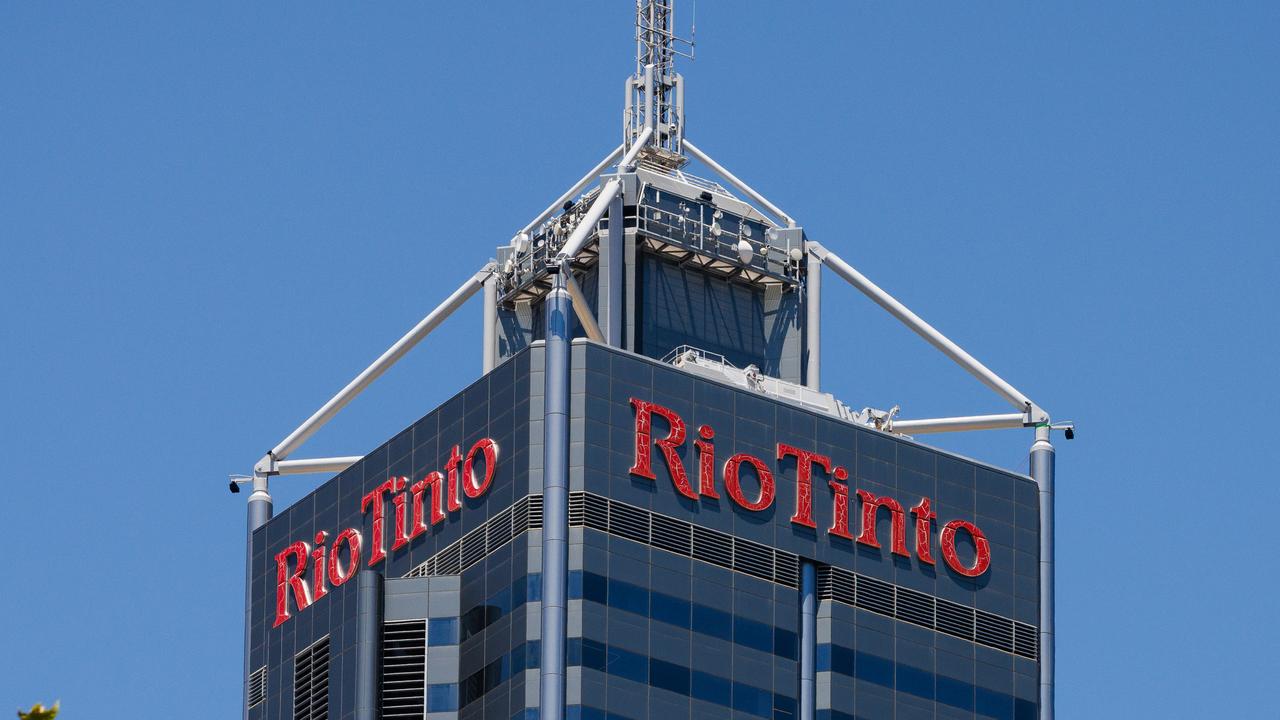
The federal government is defending a $2 billion bailout of a struggling metals smelter in return for its owner investing in renewable energy, saying it's a "slam dunk" that will save jobs and lower power costs.
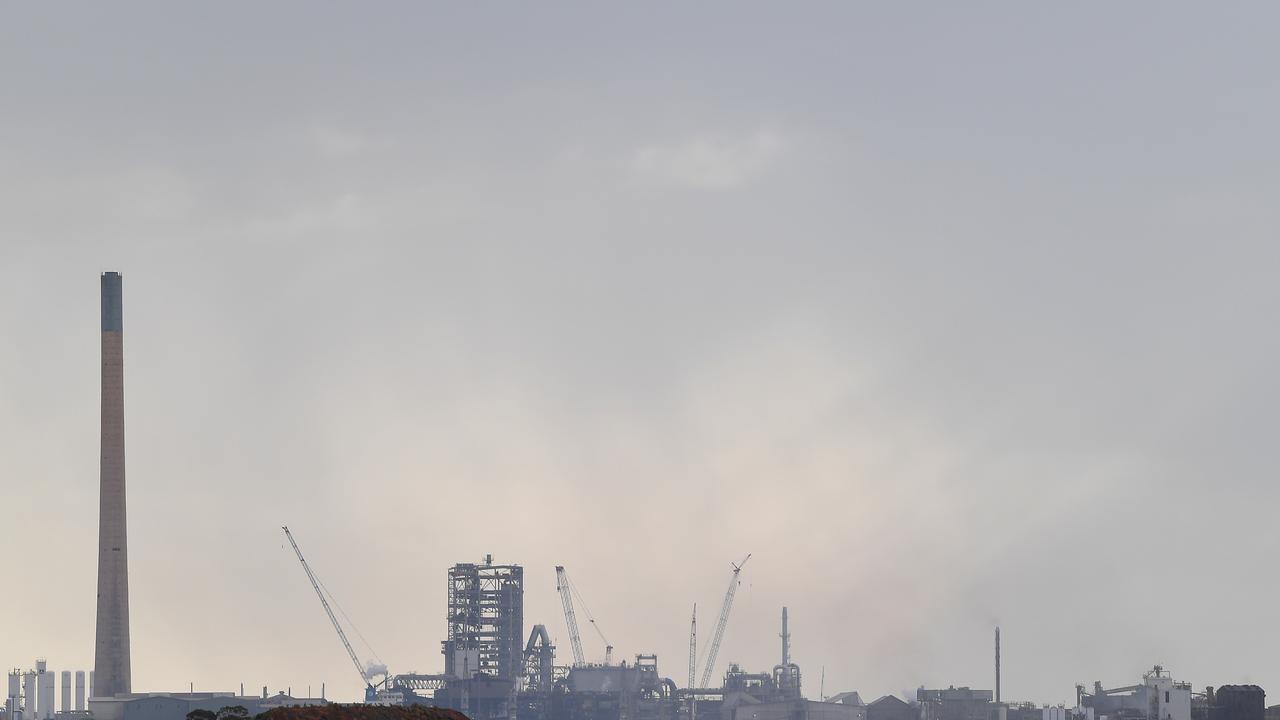
Australia's second-largest aluminium smelter - Rio Tinto's Boyne facility in the central Queensland town of Gladstone - will benefit from the cash splash.
The investment would support 1000 jobs at the site and 2000 other roles around Gladstone, federal Industry Minister Tim Ayres said.
In return, Rio Tinto will pour $7.5 billion into new renewable energy generation and storage projects around Queensland.
In 2025, the federal government helped bail out Glencore's copper smelter in Queensland, the Whyalla steelworks in South Australia and Nyrstar smelters in Hobart and Port Pirie.
The bill for the latest $2 billion funding boost will be split equally between the Queensland and federal governments.
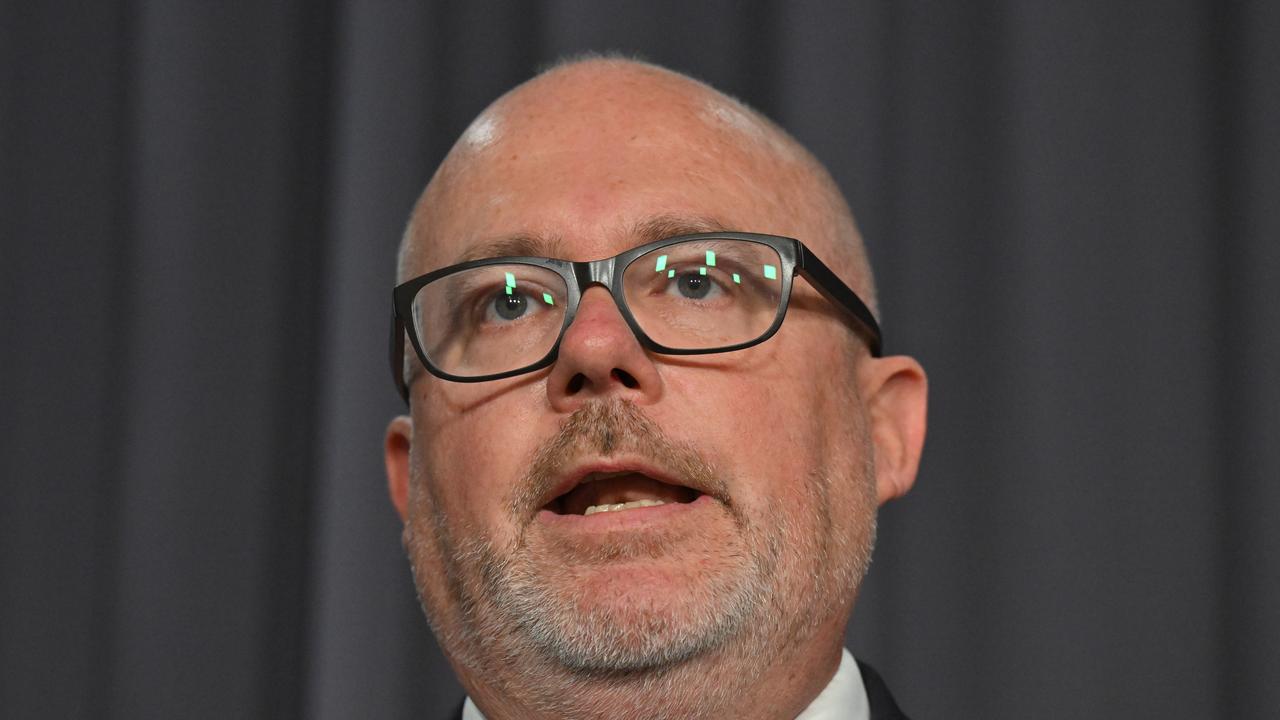
The federal government had acted decisively where markets had failed, Senator Ayres said on Wednesday, defending the bailouts, which secured more than 30,000 jobs at five metal processing facilities.
Asked in Canberra why Rio Tinto could not make its own investments considering the company's profit margins, he said the deal saved thousands of jobs, would lower power costs and deliver economic security for the region.
He said it was a "slam dunk" in productivity and investment terms in an environment where the market for products such as copper and aluminium was shaped by international markets that were not level playing fields.
When asked if the government had a coherent strategy in rolling out bailouts, Senator Ayres said it would be hugely costly for Australia's economic resilience to lose industrial capability.
He pointed to "activist industrial policy" in Singapore, Indonesia, Malaysia and the European Union being at the core of economic policy and involving security investments in large scale industrial facilities.
Prime Minister Anthony Albanese said the joint investment in the Boyne smelter would transform the Queensland energy grid and deliver on his government's commitment to Australian industry.
The impact of the war in the Middle East showed how important it was to make more things on-shore, he told parliament.
Shadow industry minister Andrew Hastie said the government's "hypocritical net zero policies" continued to kill Australian manufacturing and industry.
The latest bailout followed a series of others for smelters and steelworks, all struggling to remain viable because of rising energy costs, he said.
"After nearly four years of Labor, energy prices are up 38 per cent, crippling productivity and sovereign manufacturing, and sending industry offshore," Mr Hastie said.
Gladstone's Matt Burnett said he was "the happiest mayor in Australia" after news the deal would provide job security for workers.
"If Rio Tinto was to pack up and move from Gladstone tomorrow it would decimate our local economy beyond repair for probably several decades," he told AAP.
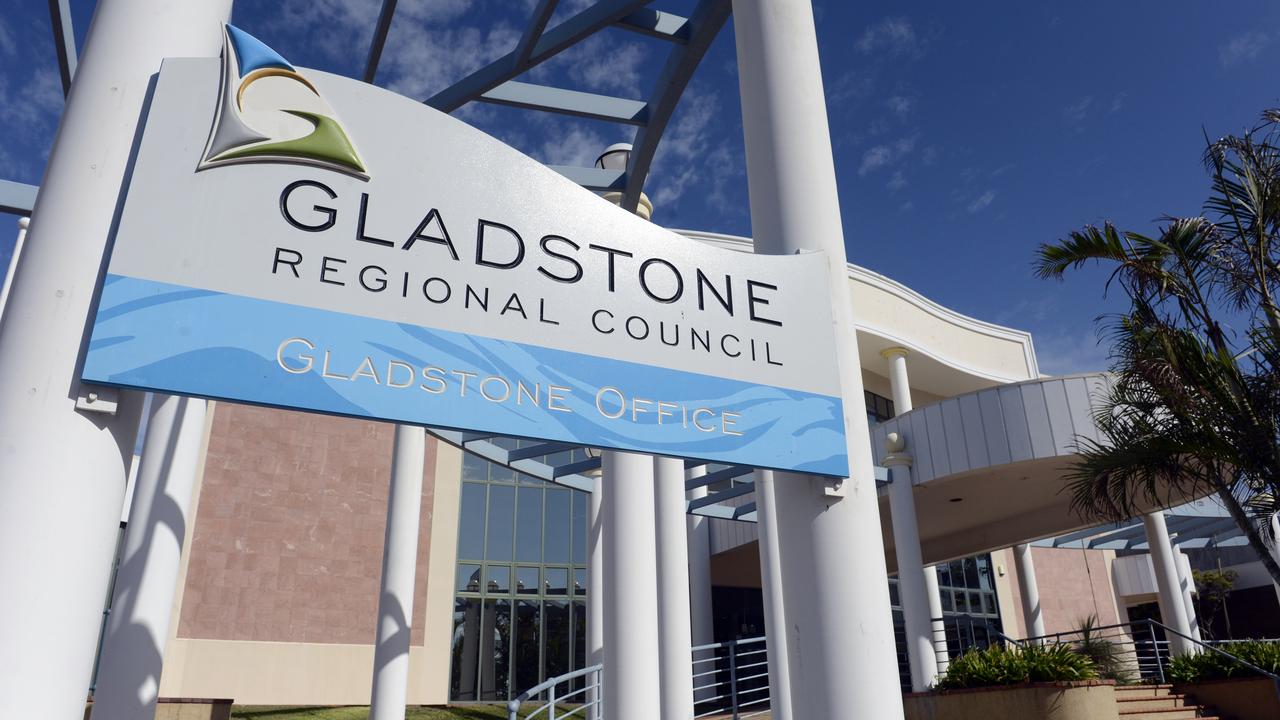
The mayor said the local supply chain, including engineering firms that did contract work for Rio, could confidently plan a future for their businesses on the back of a 10-year investment.
The partnership between the smelter and the two governments would allow Boyne to continue operating until at least 2040 while building out Queensland's renewable energy grid, Rio Tinto aluminium and lithium chief executive Jerome Pecresse said.
"As fossil fuels become increasingly expensive, this investment, combined with the power purchase agreements we have already signed, positions Boyne to be among the world's first aluminium smelters underpinned by solar and wind power," he said.
The smelter has been operating in Gladstone since 1982, refining raw alumina, produced from bauxite ore, into aluminium then casting the molten metal into products to export.