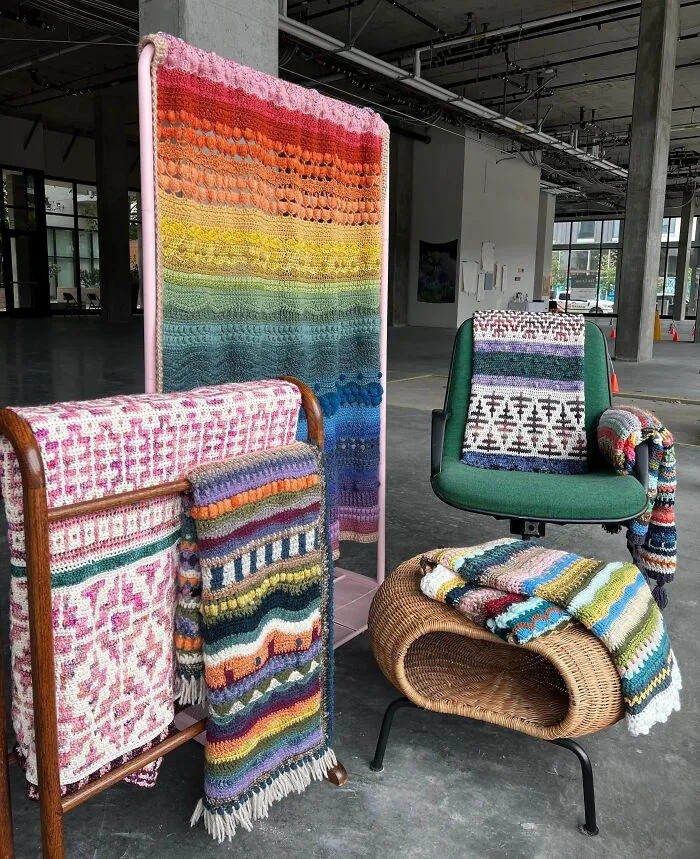
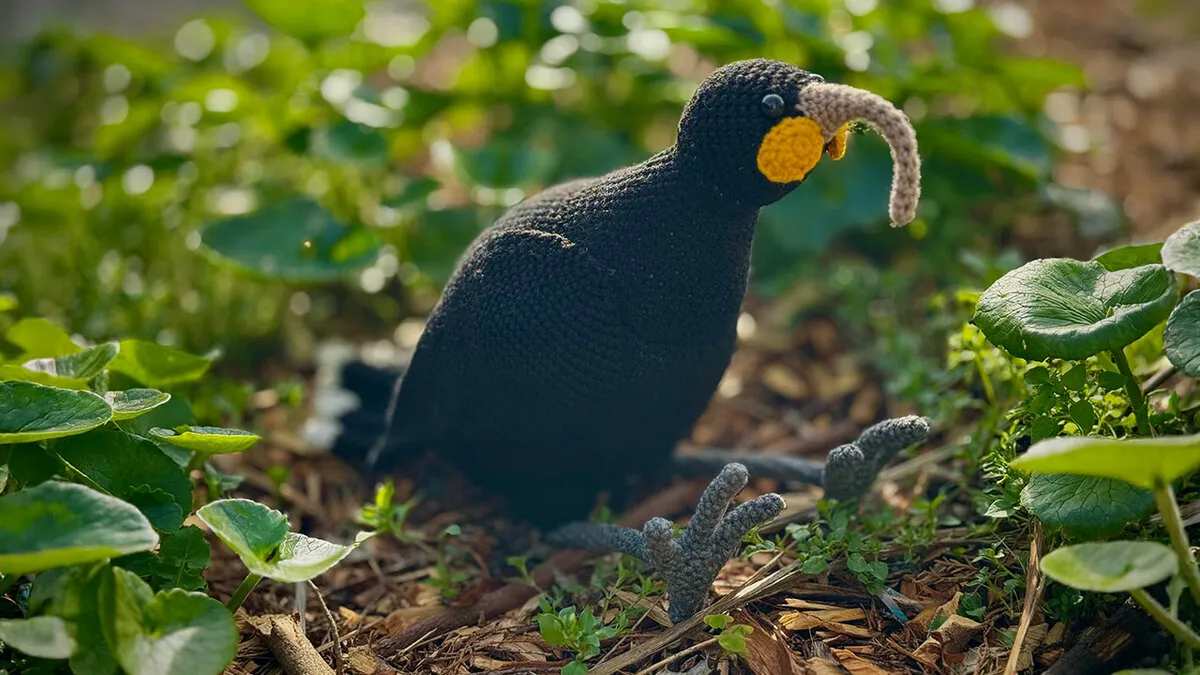

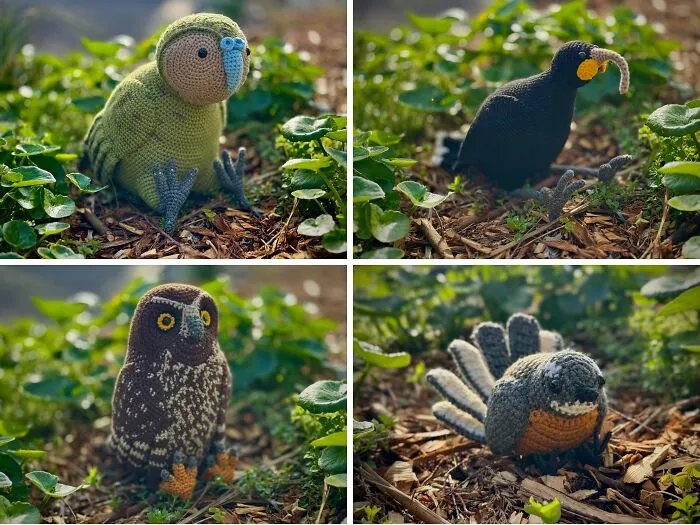
#1 Some Native New Zealand Birds I Was Asked To Make For A Local Primary School!
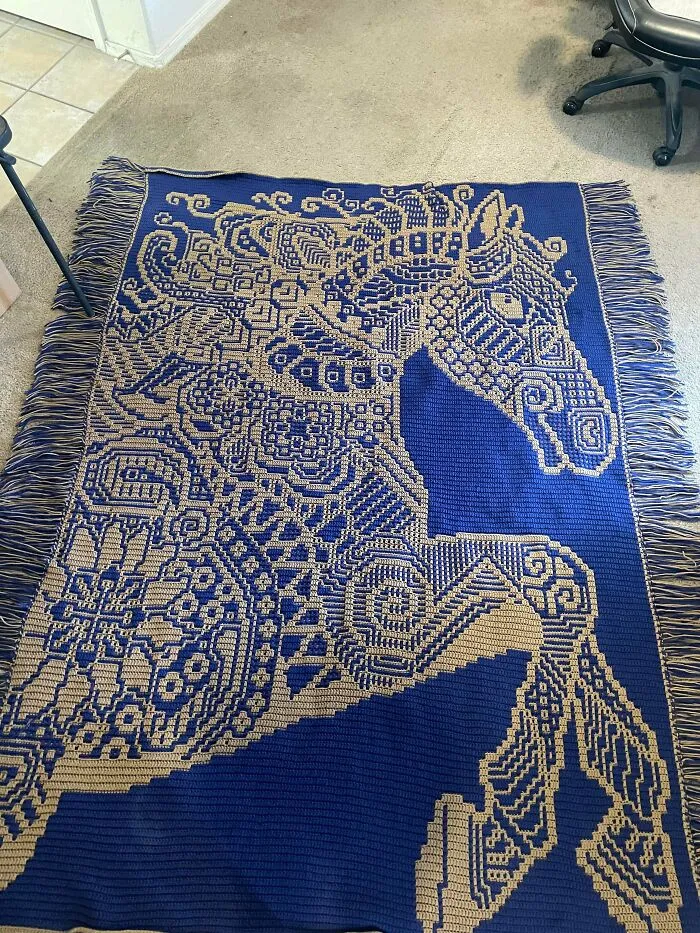
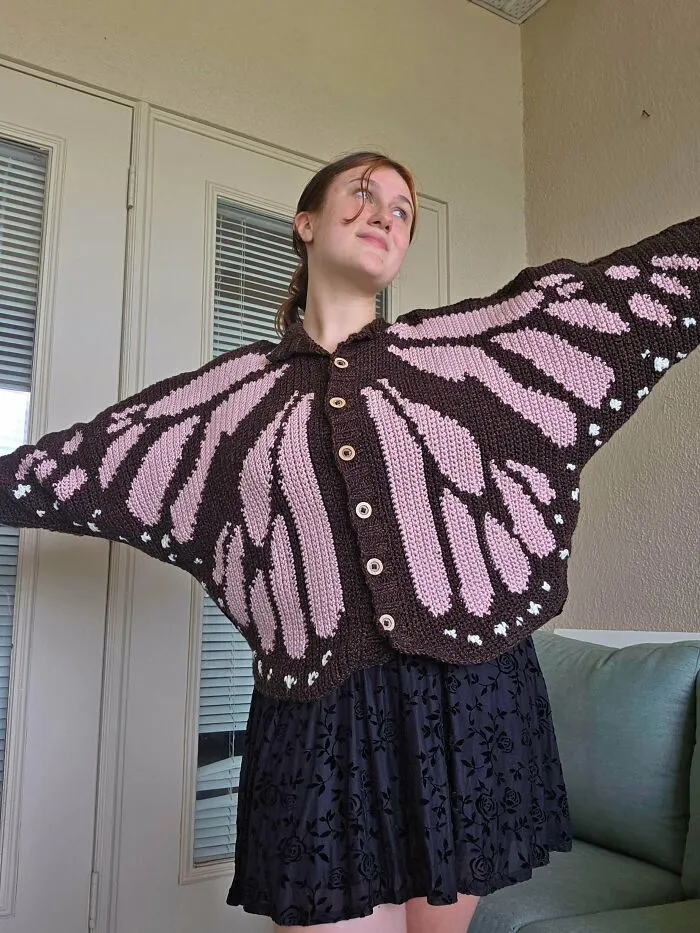
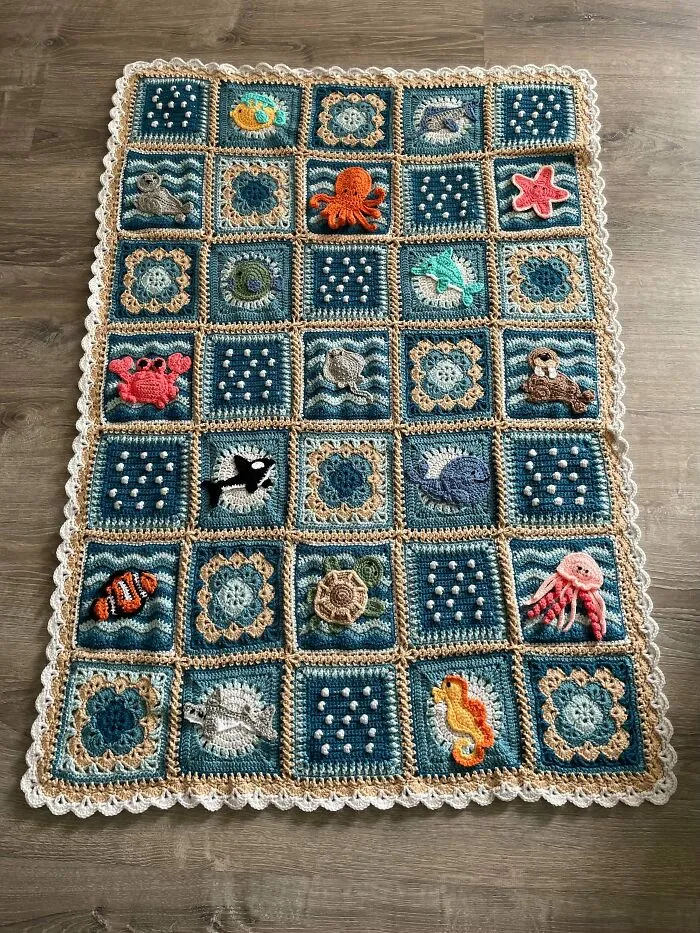
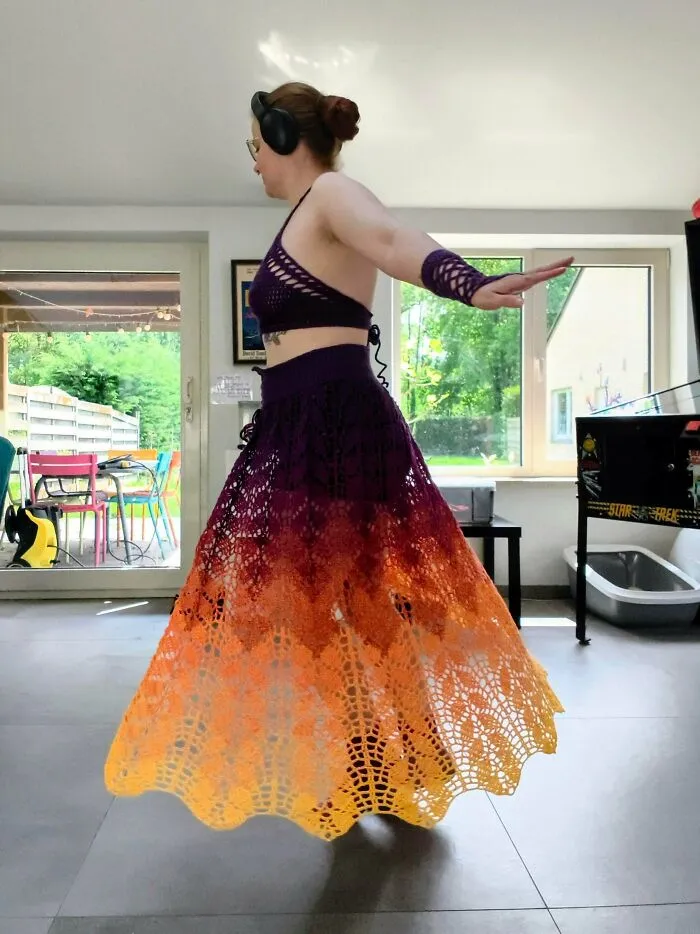
#3 After 10 Months Of Dedication, I Finally Finished! I Confess I Was Hesitant To Post It, Since I'm Not A Professional, But I Feel I Achieved A Good Result
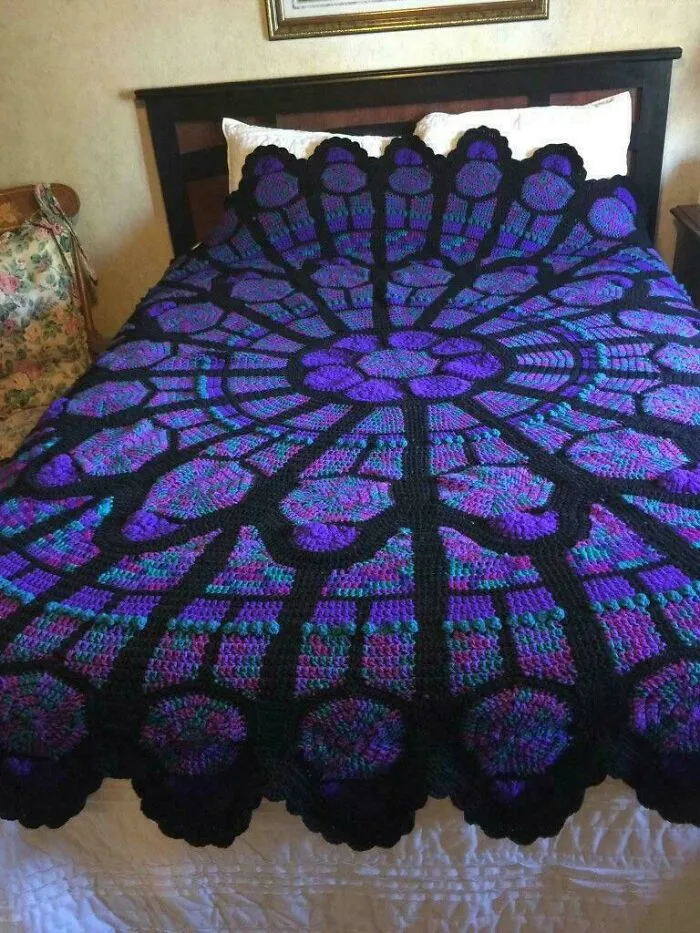
Crochet really exploded in popularity during the pandemic. Granted, it was a time when many of us were trying out new hobbies: baking bread, puzzles, video games, gardening, and many different crafts like knitting and crochet. Making something with your hands — something you can wear — is especially appealing to younger generations.
In a world where almost every piece of new clothing is at least partially made from plastic, picking out good quality, natural-fiber, and long-lasting clothes can be hard. The author of the What Kate Made craft blog, Kate, writes that Gen Z loves crochet and knitting so much because, in spirit, it’s very similar to thrifting. “ Despite whether you use ethically sourced yarn or not, you are at least in some way avoiding the endless cycle of waste that is synonymous with the fast fashion industry.”
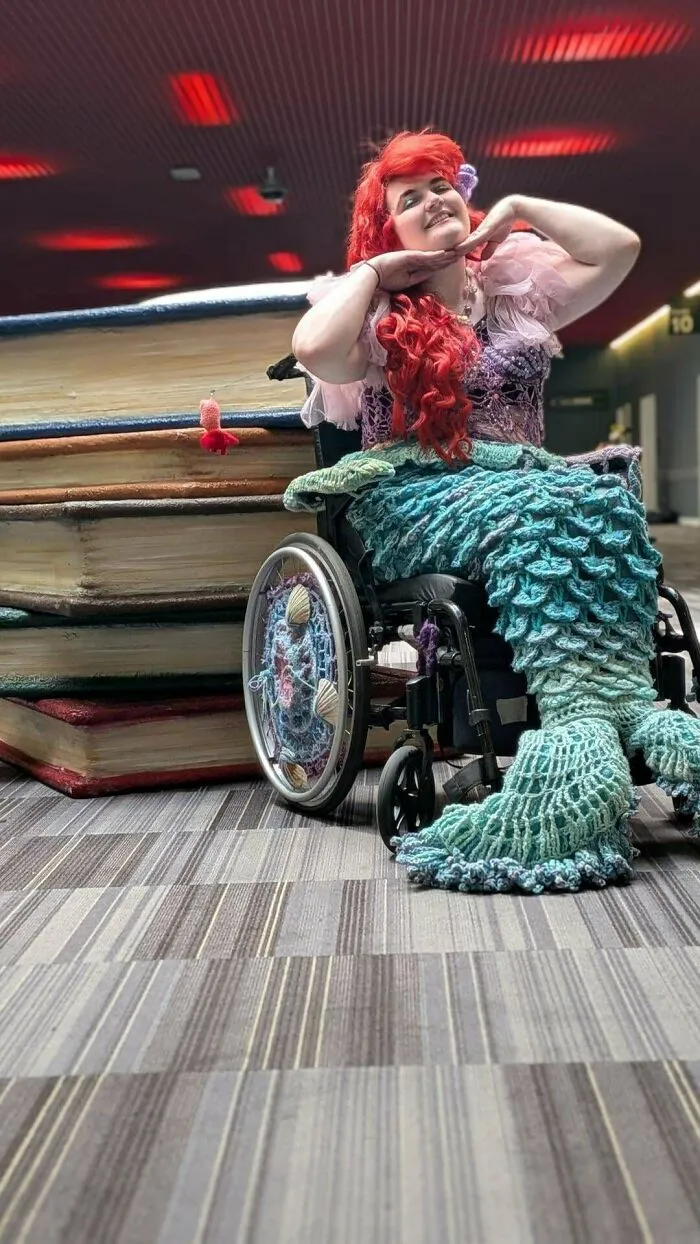
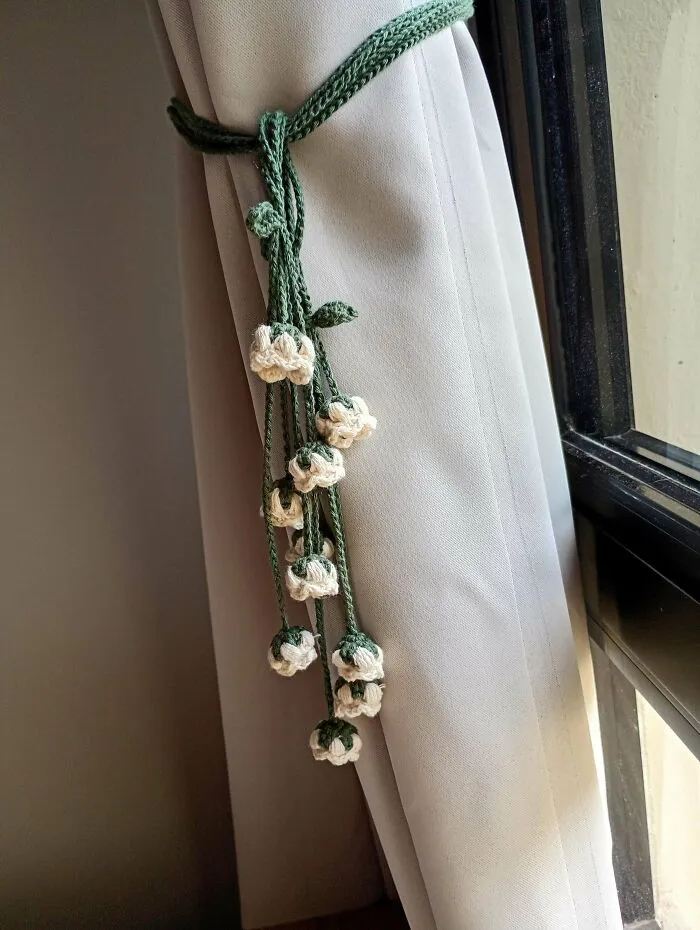
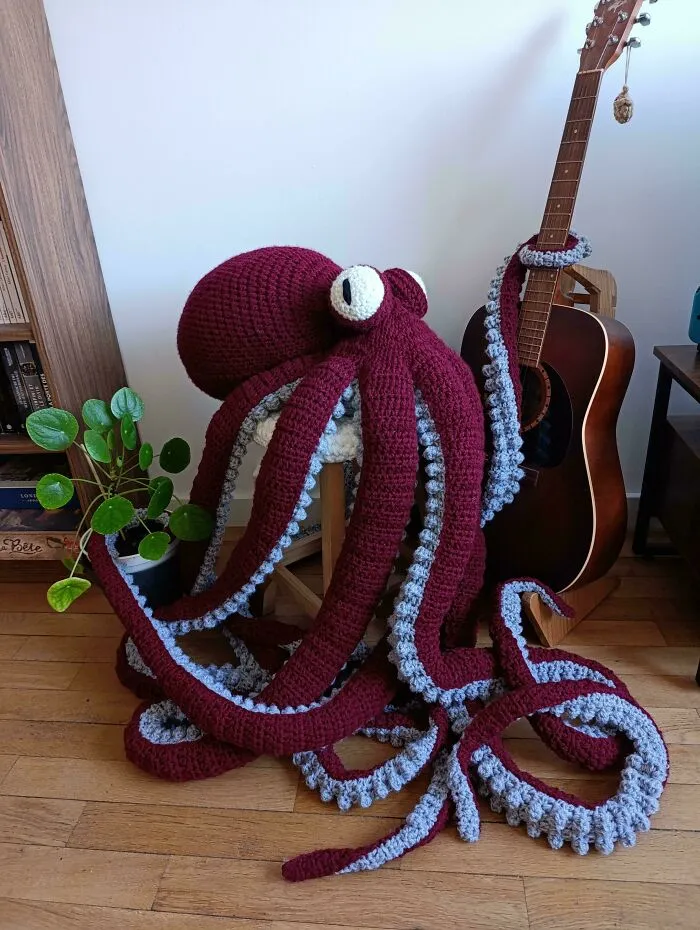
The art of crochet is really magical, and not because people are able to create magical masterpieces with a hook and some yarn. Unlike knitting, crochet techniques cannot be replicated by a machine and are not manufactured en masse. If you ever see a piece of clothing that looks like crochet in a fast fashion store, it’s most likely done with a knitting machine replicating the patterns a person would usually make with a crochet hook.
If you know anything about knitting (or have seen your grandma do it), it involves two needles, and stitches are worked in horizontal rows — a line of stitches always resting on one needle. A knitting machine does one line at a time. Crochet is different: the stitches can interlock from top to bottom and side to side. While doing a basic crochet stitch, a person makes 28 different movements across nine axes of motion.
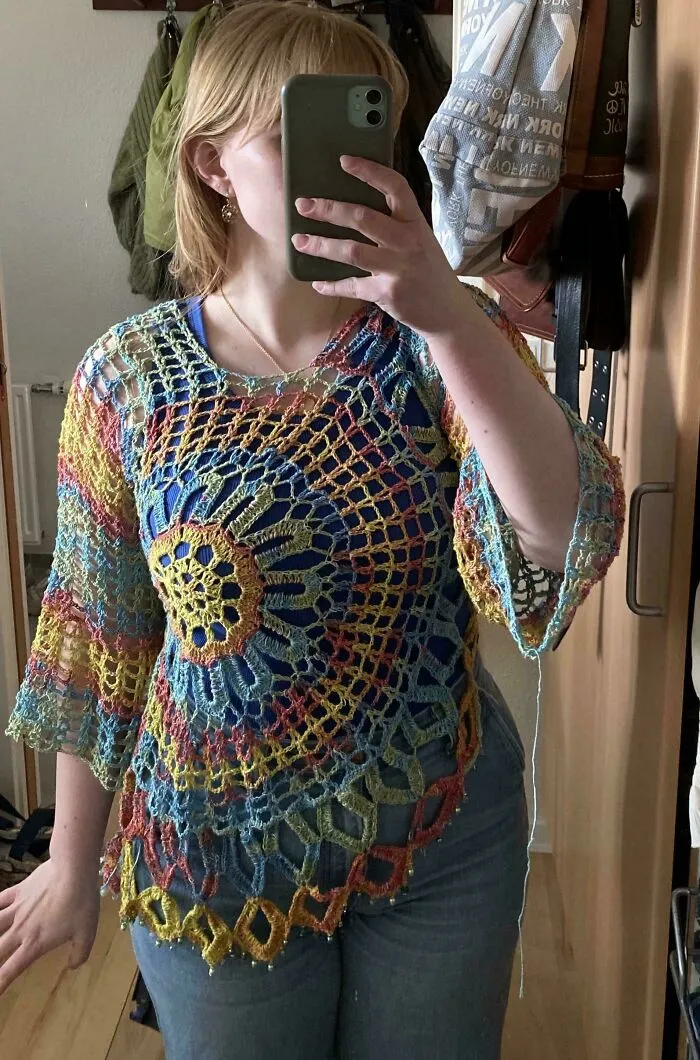
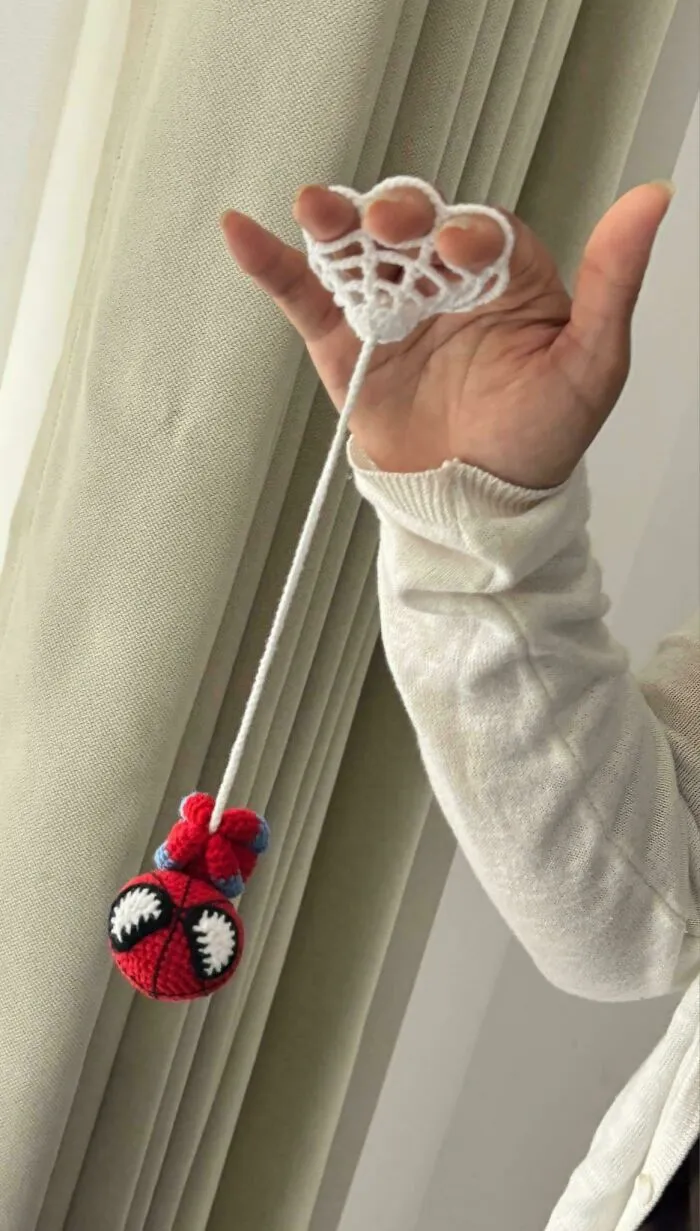
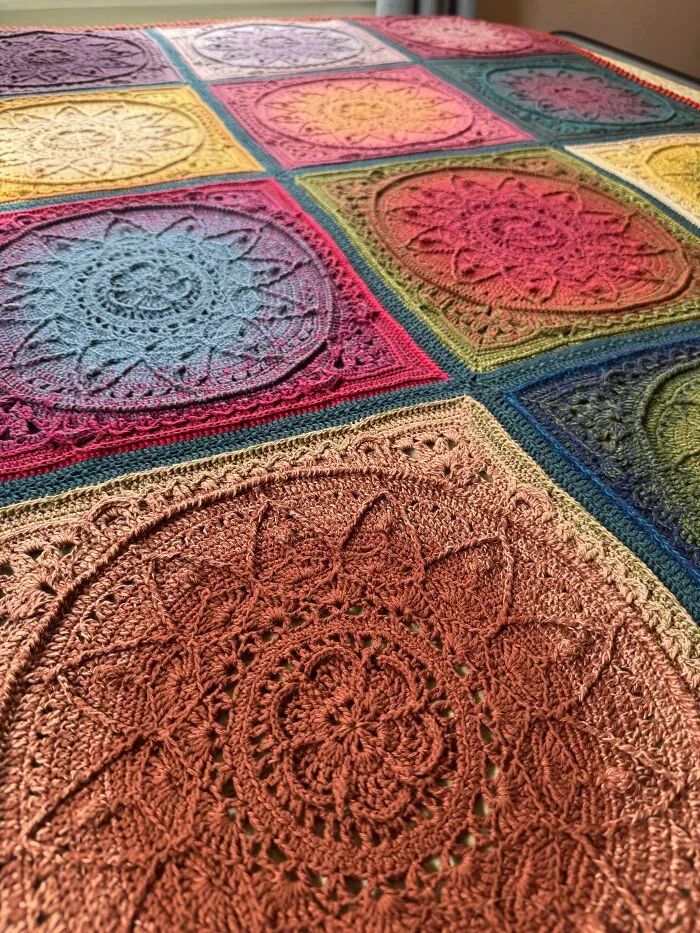
Still, many fast fashion brands try to mimic crochet, as you’ve probably seen plenty of tops and cardigans made up of granny squares. With crochet booming in popularity in recent years, some people would love to forgo the hard part of learning to crochet and just buy a cute piece of clothing.
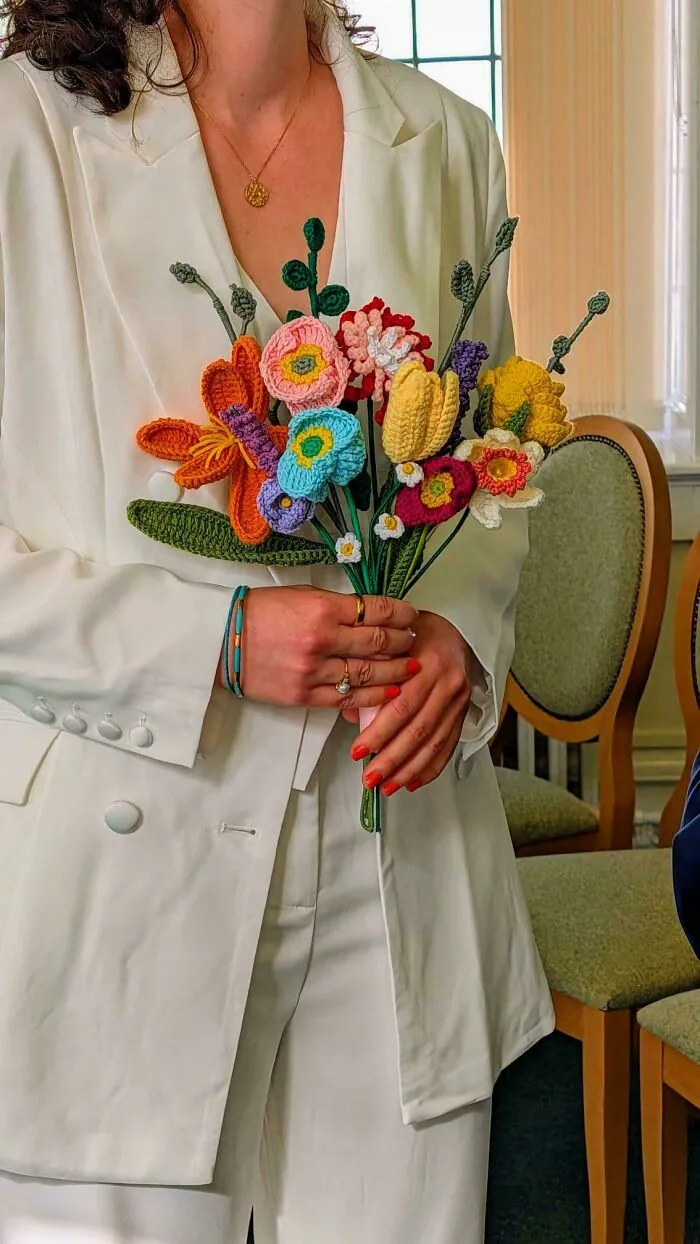
But crochet fast fashion is problematic not only because it technically isn’t crochet. Sometimes, fast fashion brands steal patterns and pieces made by artists without giving them any credit. One such artist, @loupystudio, told Refiner29 that seeing dropshippers and wholesalers steal her designs is really disheartening.
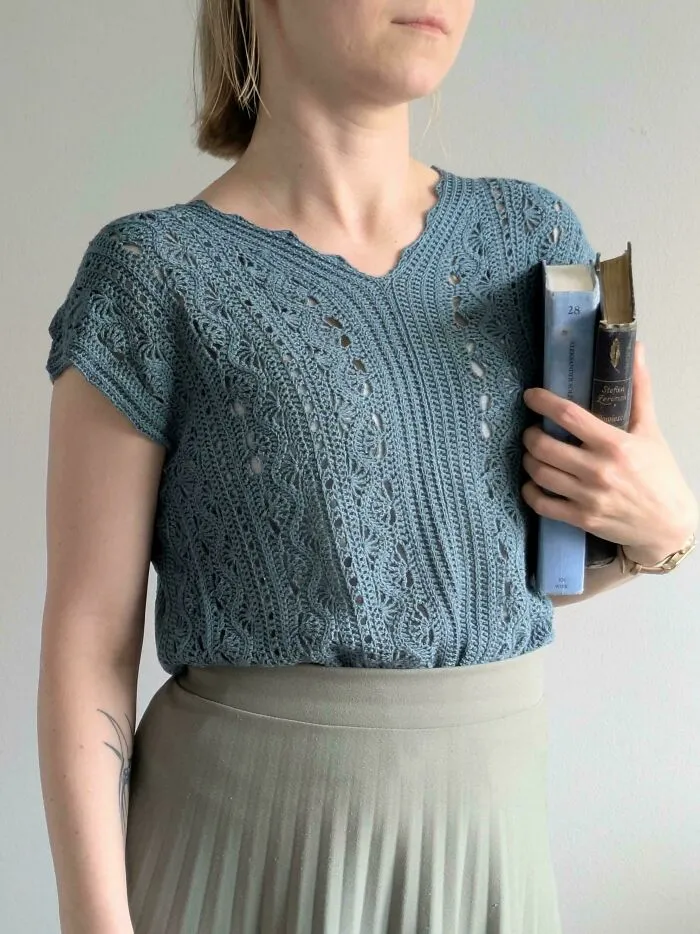
“The copying of my designs by wholesalers and fast fashion brands has been a really big issue for quite some time,” @loupystudio said. The worst part is that there’s nothing she or other crochet artists can really do about it.
“I started my Instagram account at the beginning of summer 2021 and as soon as I had semi-viral posts that would find their way onto the Explore page, a few weeks later people would be messaging me pictures from little copycat brands using my photos. They would put their own watermark on it and sell their own version.”
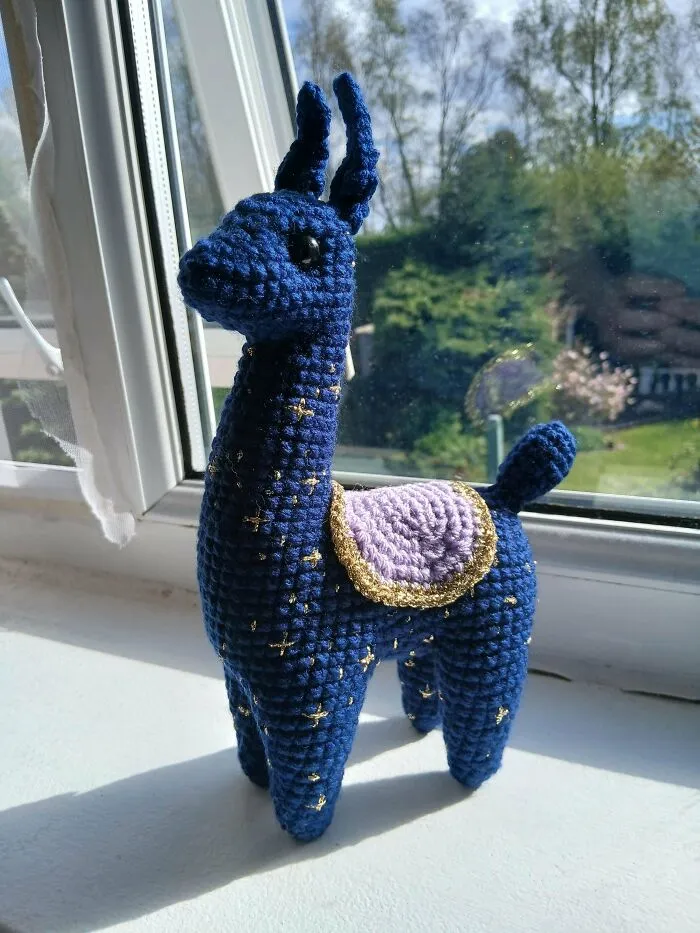
#18 Cosmic Llama With Embroidered Stars. I Think The Rest Of The Herd Might Be Jealous Of Him
Sure, a “crochet” top is going to cost you a mere $5 on Shein, but it doesn’t come with the satisfaction that you made something with your own hands or that you’re doing your part (albeit little) in propelling the slow fashion movement. Fast fashion brands produce new collections every week, so we get 52 micro-collections a year. This kind of cycle cannot be sustainable: not for the materials, the workers, or the planet.