Get Premium
Dark mode theme is available exclusively for premium users. Learn more about the benefits of subscribing.
No fees, cancel anytime.

 Dark Mode Ad-Free Browsing Unlimited Content
 Ad-Free Browsing Unlimited Content Dark Mode
Join 1.2 million Panda readers who get the best art, memes, and fun stories every week!
When most of us think about history, we usually picture the big moments: the famous leaders, the world-changing events, and the stories we learned in school. But history is also filled with lesser-known stories—moments that are haunting, heartbreaking, and sometimes deeply unsettling. Hidden away in old archives and forgotten photographs are glimpses into tragedies, mysteries, and events that remind us just how complex the past really was.
For today’s post, we went down the rabbit hole and gathered some of the most chilling historical images we could find. Some of these photos document difficult moments, others capture eerie scenes that raise more questions than answers, and a few are simply impossible to forget. Together, they offer a powerful glimpse into a world that feels both distant and surprisingly familiar. So, if you're ready to step back in time, keep scrolling—these haunting images might just change the way you see history.
This post may include affiliate links.
The photos in today's post may lean toward the unsettling side of history, but if you look a little closer, you'll realize the past is also full of incredible stories of kindness, curiosity, teamwork, and human resilience. After all, history is made up of real people, their choices, and the moments that shaped the world, often in ways no one could have predicted. So, let's take a moment to appreciate some of the stories that remind us just how remarkable people can be.

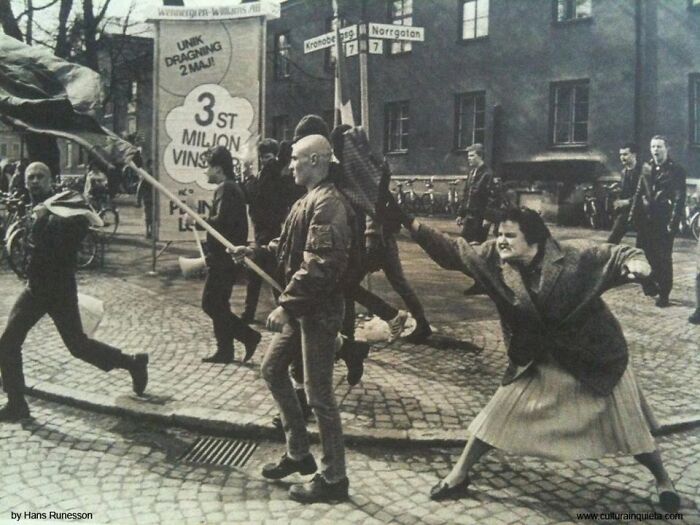
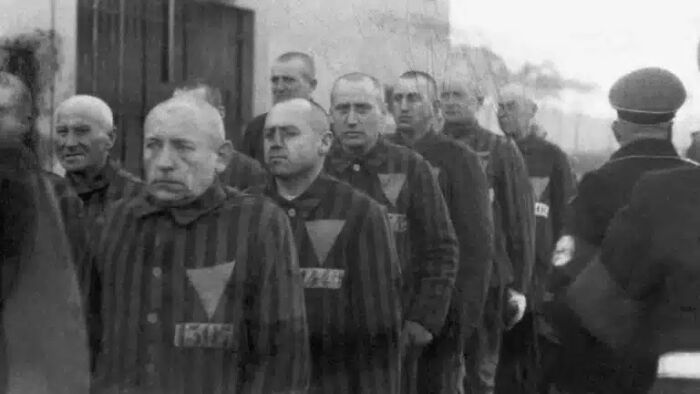
Granddaughter of a concentration camp survivor, let me at em! Just let me put a brick in my purse first.
In the 1940s and 1950s, few things frightened parents more than polio. The disease paralyzed thousands of children every year and left families across the world living in fear. Then came Dr. Jonas Salk, who successfully developed the first effective vaccine. Naturally, people assumed he would patent it and make a fortune. Instead, when asked who owned the patent, he famously replied, "Well, the people, I would say. Could you patent the sun?" By refusing to profit from his discovery, Salk ensured the vaccine could be distributed quickly and affordably. His decision helped save countless lives and played a major role in nearly wiping out one of the most feared diseases in modern history.
It's terrifying to realise mankind is still absolutely capable of such horror.
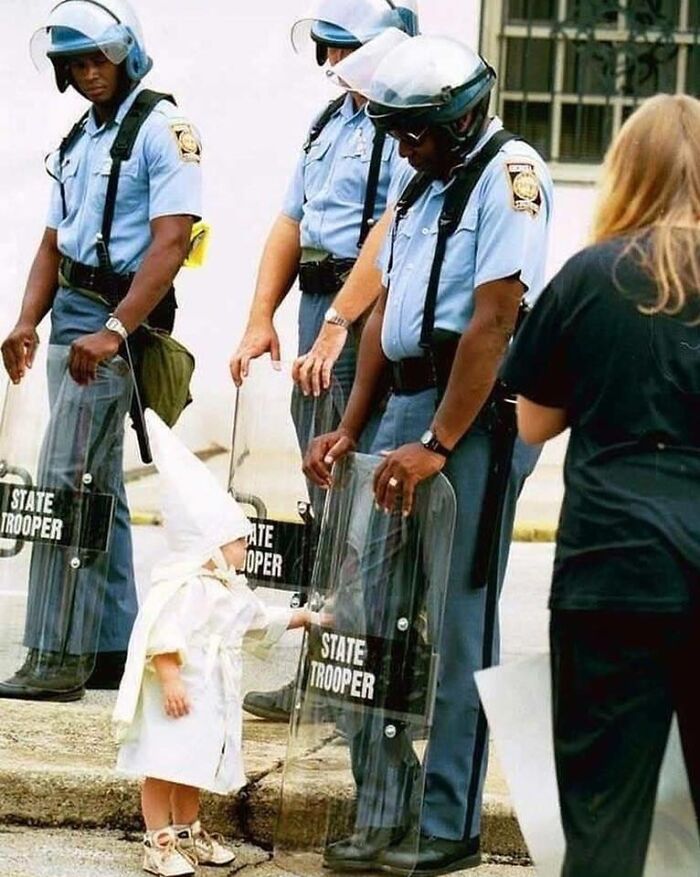
Then there's the remarkable story of Daryl Davis, an African American musician who decided to confront hatred in a completely unexpected way. Rather than avoiding people who disliked him because of his race, he wanted to understand why they felt that way. So, he began attending Ku Klux Klan rallies and simply started talking to people. He listened, asked questions, and treated others with respect, even when they didn't initially offer him the same. Over time, those conversations changed lives. More than 200 former Klansmen eventually left the organization, with many personally handing Davis their robes as a symbol of their transformation. It's a powerful reminder that empathy and dialogue can sometimes open doors that anger cannot.
Another extraordinary story comes from the Siege of Leningrad during World War II. The city was starving, food was desperately scarce, and survival became a daily struggle. Yet inside the Vavilov Institute sat one of the world's largest collections of seeds and crops. The scientists protecting it knew these seeds could one day help feed future generations. So despite being surrounded by edible rice, nuts, and potatoes, several of them refused to touch the collection. Instead, they protected it with their lives, even as they themselves starved to death. Their sacrifice preserved invaluable genetic resources that later helped rebuild agriculture around the world. It's difficult to imagine a more selfless act.
Even one of history's greatest adventures has a surprisingly wholesome ending. When Sir Edmund Hillary and Tenzing Norgay became the first people to successfully summit Mount Everest in 1953, the world immediately wanted to know one thing: who got there first? The question quickly became a matter of national pride. But the two climbers had already made a pact. They agreed never to reveal who stepped onto the peak first because, in their minds, they had reached it together. They refused to let their achievement become a competition and instead chose to celebrate teamwork and friendship. Sometimes, the most memorable victories are the ones we share.
Of course, not every world-changing discovery begins with years of planning. Sometimes, it starts with a simple accident. That's exactly what happened to scientist Alexander Fleming in 1928. He accidentally left a petri dish uncovered and noticed that mold had killed the surrounding bacteria. Most people probably would have thrown the dish away without another thought. But Fleming's curiosity led him to investigate further, and that little mistake resulted in the discovery of penicillin. The breakthrough ushered in the antibiotic era and is estimated to have saved more than 200 million lives. It's one of the greatest examples of how paying attention to the unexpected can change the world.
In 1926, wealthy Canadian businessman Charles Millar left behind a very unusual will. He declared that his fortune would go to the Toronto woman who gave birth to the most children in the decade following his death. It sounded ridiculous—and honestly, it was. But during the Great Depression, four mothers ended up tying for first place and split the inheritance. The money dramatically changed their lives and helped lift their families out of poverty. It's one of those bizarre historical stories that sounds completely fictional but is absolutely true.
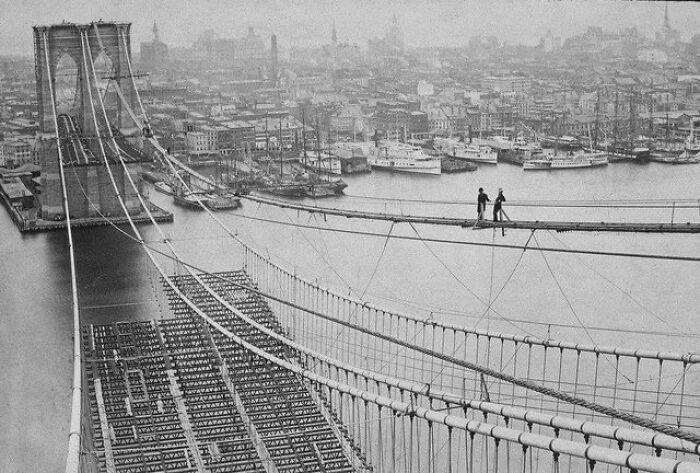
I know it's ridiculous, but I keep wondering how they got those cables across and picturing some kind of odd cross between Iron Man and Dumbo.
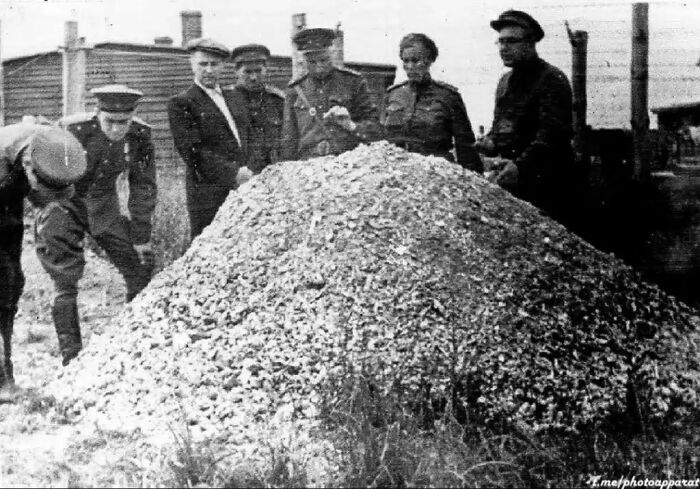
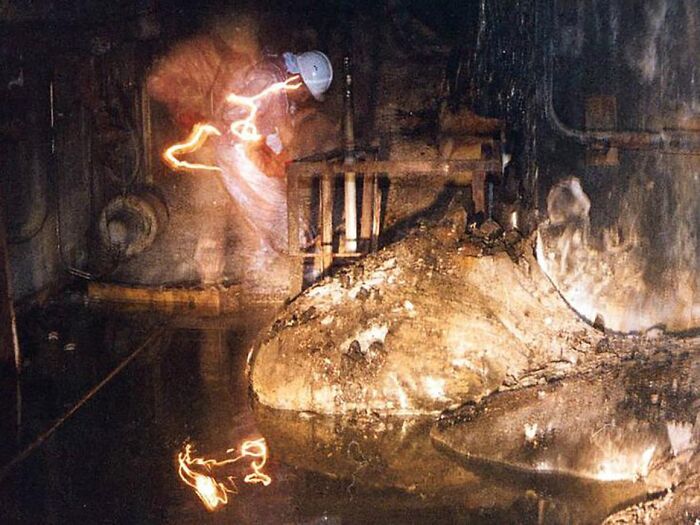
Taken shortly after the Chernobyl nuclear power plant disaster. It's nuclear fuel and melted core, concrete etc. Standing near it for a few seconds would make you sick. A few minutes and you'd be dead in a couple days. Now I think you'd need to stand near it for an hour or so for it to be lethal. Either way it's pretty creepy, like a real-life SCP.
The photos in today's post capture some of history's most eerie, mysterious, and thought-provoking moments. Some of these images tell stories of tragedy, others preserve long-forgotten events, and a few leave us with more questions than answers. But together, they serve as powerful reminders that the past is full of stories waiting to be remembered and understood. So, pandas, which of these historical moments stayed with you the most? And is there a fascinating piece of history you'd love to learn more about? Let us know in the comments below.
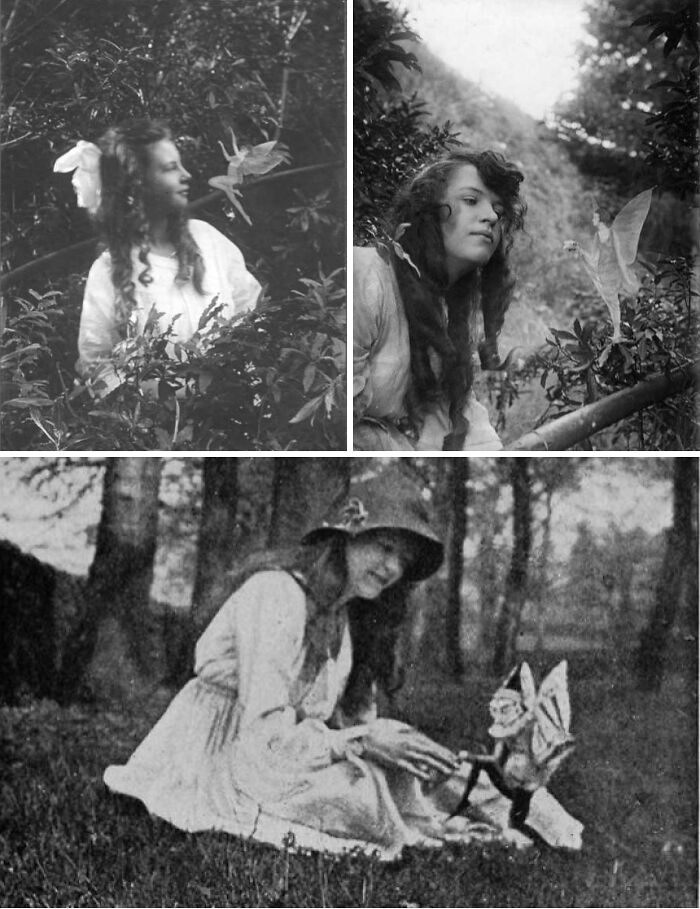
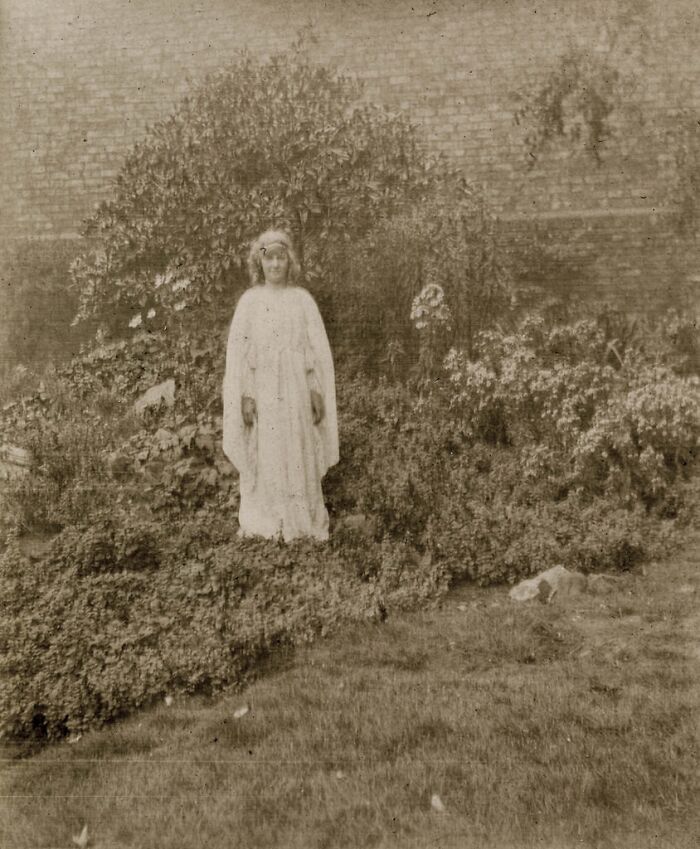
The Cottingley Fairies appear in a series of five photographs taken by Elsie Wright (1901–88) and Frances Griffiths (1907–86), two young cousins who lived in Cottingley, near Bradford in England. In 1917, when the first two photographs were taken, Elsie was 16 years old and Frances was 9. The pictures came to the attention of writer Sir Arthur Conan Doyle, who used them to illustrate an article on fairies he had been commissioned to write for the Christmas 1920 edition of The Strand Magazine. Doyle, as a spiritualist, was enthusiastic about the photographs, and interpreted them as clear and visible evidence of psychic phenomena. Public reaction was mixed; some accepted the images as genuine, others believed that they had been faked.
Interest in the Cottingley Fairies gradually declined after 1921. Both girls married and lived abroad for a time after they grew up, yet the photographs continued to hold the public imagination. In 1966 a reporter from the Daily Express newspaper traced Elsie, who had by then returned to the UK. Elsie left open the possibility that she believed she had photographed her thoughts, and the media once again became interested in the story.
In the early 1980s Elsie and Frances admitted that the photographs were faked, using cardboard cutouts of fairies copied from a popular children's book of the time, but Frances maintained that the fifth and final photograph was genuine. The photographs and two of the cameras used are on display in the National Science and Media Museum in Bradford, England.

So they were copied from a popular children's book and still nobody figured it
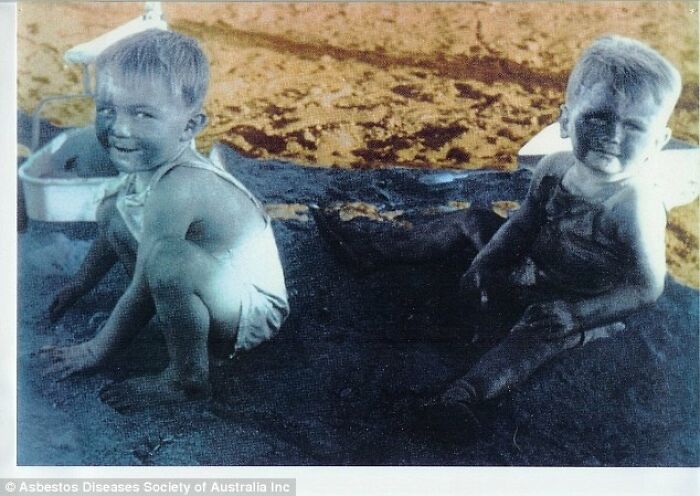
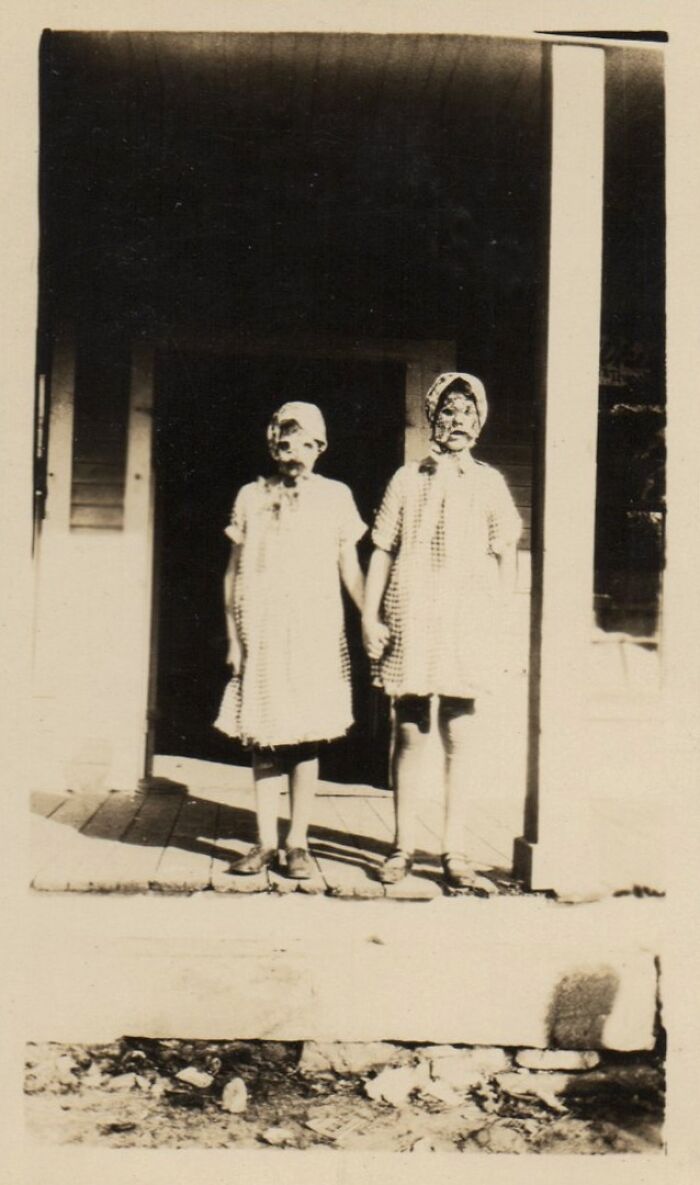
Apparently the sandpits in Wittenoom, in Western Australia during the 1950s, are the most (in)famous documented examples of asbestos playpits; blue asbestos (crocidolite), effectively a waste product from the mining or processing of asbestos, was readily available and often given to residents for free, or used by the local mining company to landscape roads and playgrounds...with sandpits like that one seen here. Completely unaware of the risks, children regularly played in these sandpits, often with their faces, like seen here, covered in the 'blue' dust. This only shows 2 kids, but there were plenty more, and not only in Wittenoom. Apparently many of the documented kids at the time ended up with terminal. asbestos-related conditions.
Paolo Borsellino, One Of The Most Prominent Magistrates In Anti-Mafia Investigations, Along With Five Members Of His Escort, Perished In The Attack. July 19, 1992
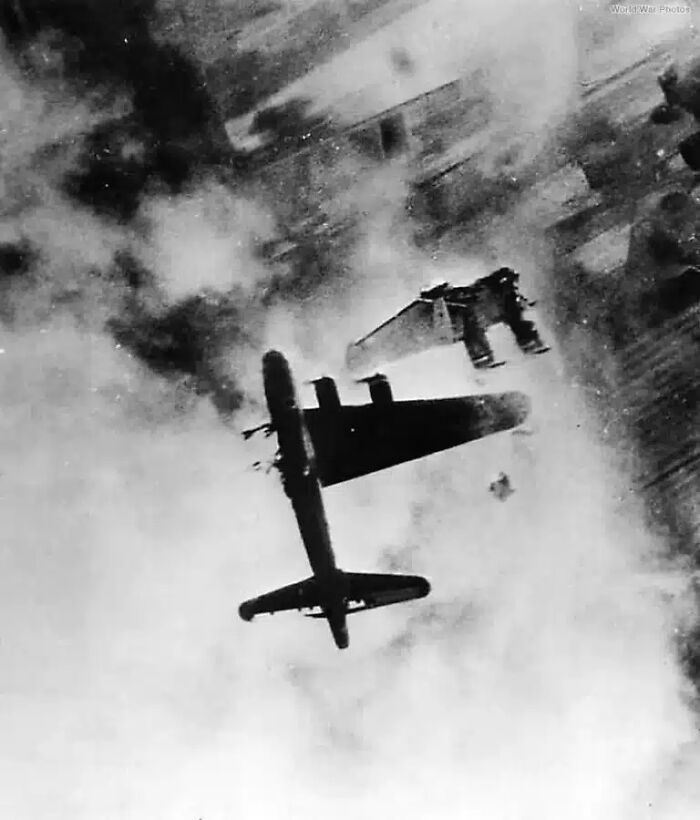
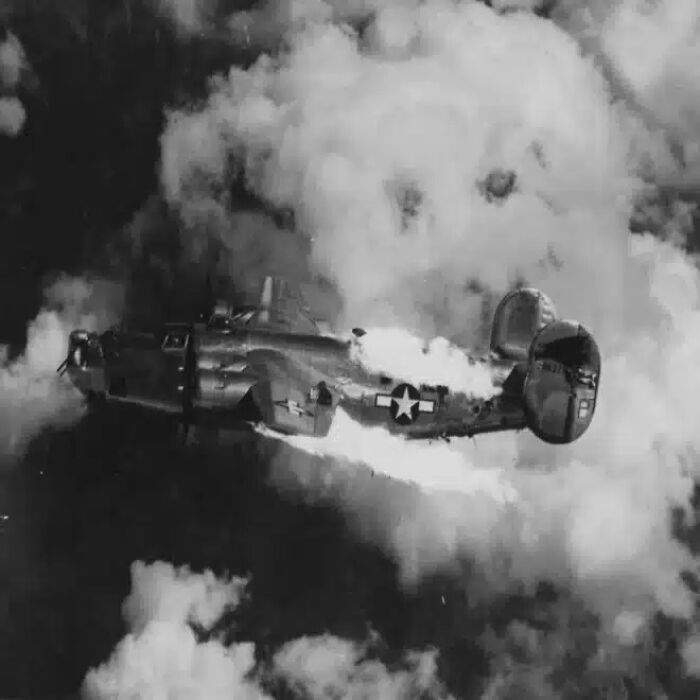
Showing The Final 18 Seconds Of B-17g 42 ‘Wee Willie’ Over Stendal, Saxony- Anhalt, Germany, After It Was Hit By An 88mm Flak Burst.
The Man Who Captured That Haunting Image, Was Supposed To Be On That Very Plane, But His Co Assigned Him To Another B-24 On The Day Of The Mission. All 10 Crewmen Were Kia.

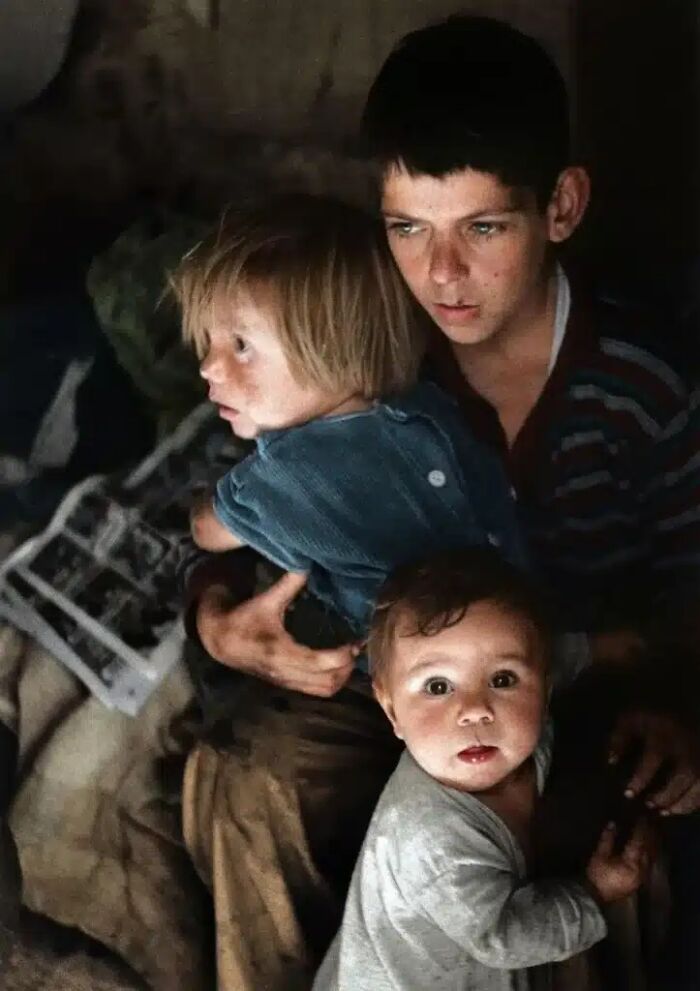
Housing couldn't keep up when Richmond became a boomtown, with people coming from across the country to work in the Richmond shipyards. This was during WWII.
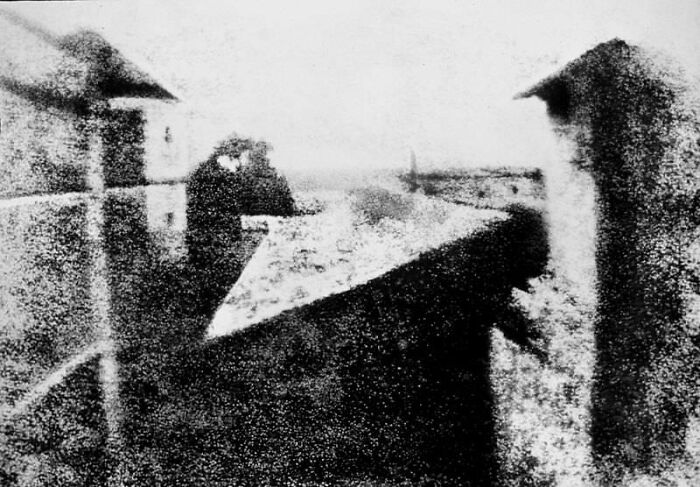
(View from the Window at Le Gras), or more specifically, the earliest known surviving photograph made in a camera, was taken by Joseph Nicéphore Niépce in 1826 or 1827. The image depicts the view from an upstairs window at Niépce's estate, Le Gras, in the Burgundy region of France.
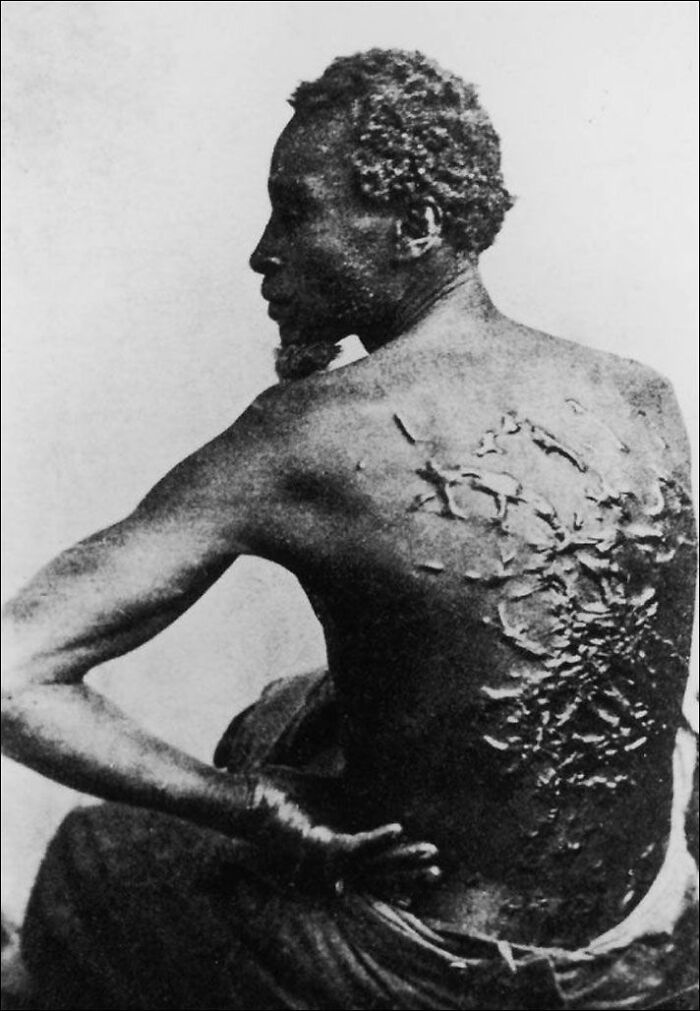
After enslaved men and women were whipped or beaten, overseers might order their wounds be burst and rubbed with turpentine and red pepper. There have been cases where salt, dirt, and other minerals have been used as a form of torture. One overseer reportedly took a brick, ground it into a powder, mixed it with lard and rubbed it all over an enslaved Black person.
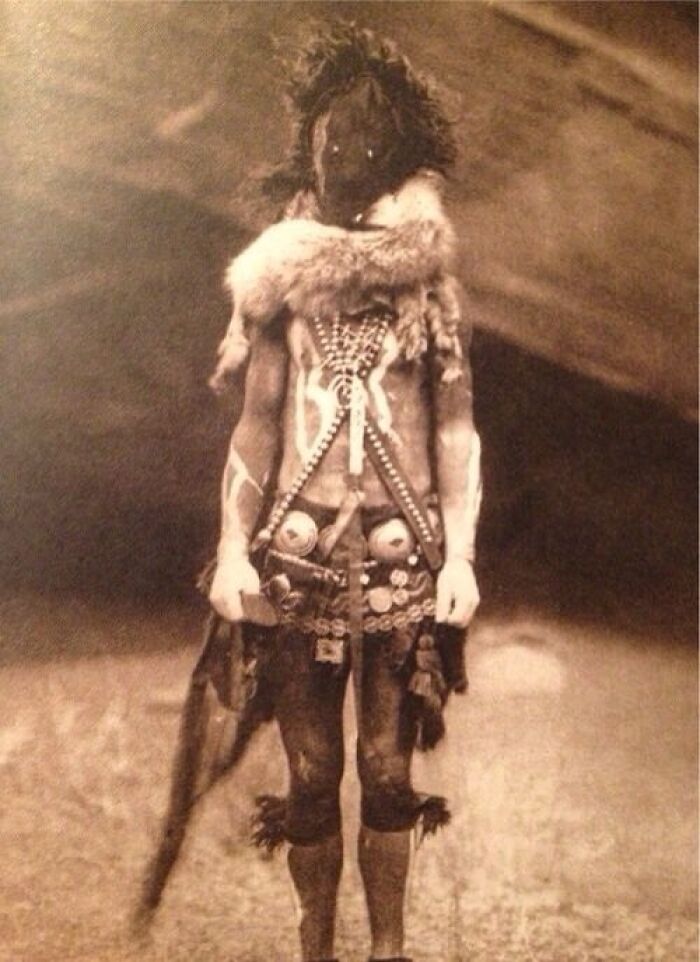
I remember there being some controversy as to weather or not that is an actualy Navaho dressed up or one of the researchers just wearing the outfit, just wanted to put that little disclaimer in just in case. Either way the picture is very old.


There is no context to any of these photos and the links go to garbage. What is this copy and paste? It's worse than the stuff ripped from Reddit!
There is no context to any of these photos and the links go to garbage. What is this copy and paste? It's worse than the stuff ripped from Reddit!























 No fees, cancel anytime