

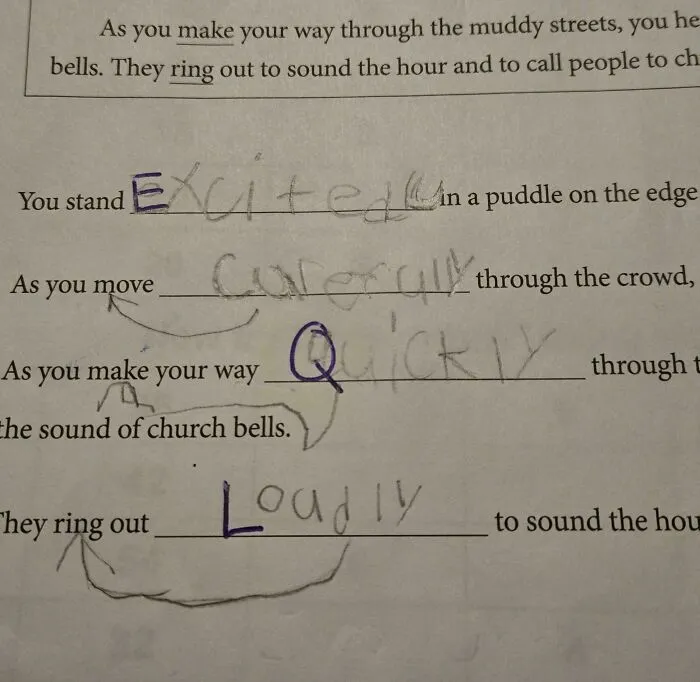
#1 My Kid's Teacher "Correcting" Her Work To Capitalize Words In The Middle Of A Sentence
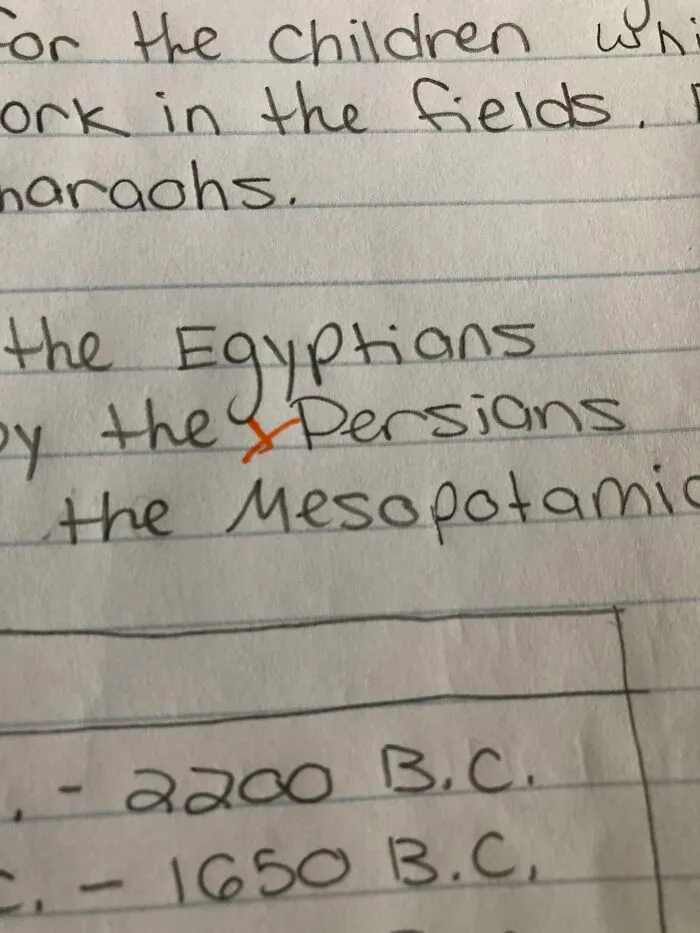
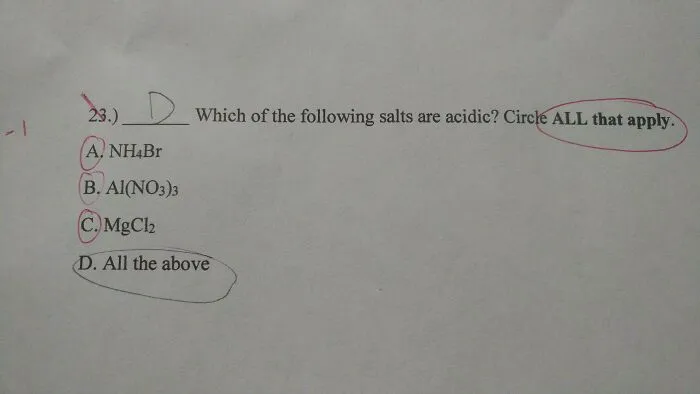
#2 Asked My Teacher Why I Got 1/2 Off This Question. It Was Because I Put An “Extra” Space
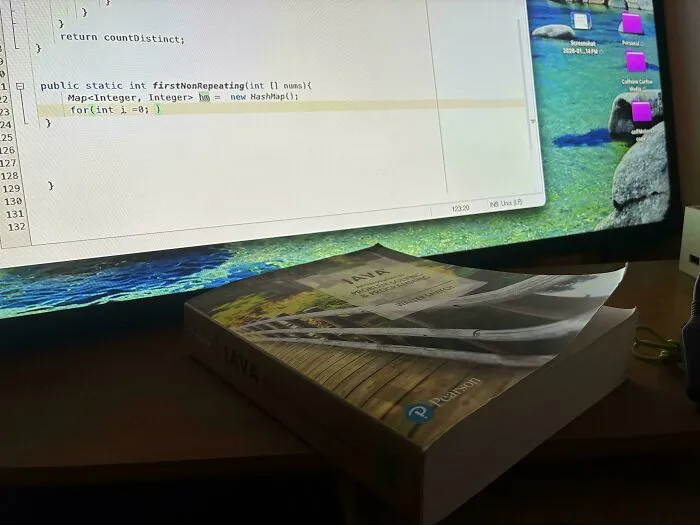
#3 My Professor Required This $180 “Custom Edition” Textbook For Intro To Java. I Already Know The Language And Have Apps On The App Store. I Basically Paid $180 For A One Time Code To Submit My Homework
Nobody’s arguing that classrooms don’t need structure. Teachers and students both need clear rules and expectations to get the job of learning done, and, honestly, a little firmness isn’t exactly the enemy here. But there’s a pretty big difference between a teacher enforcing the rules and a teacher becoming so rigid about them that the rules start to feel like the whole point of the exercise—and it turns out, there’s research to back up that distinction.
A 2024 review of teacher strictness found that while clear rules and discipline can support learning and classroom order, excessive strictness can have the opposite effect, potentially reducing students’ motivation and participation. So being strict isn’t necessarily the problem; it seems to be what happens when strictness becomes excessive.
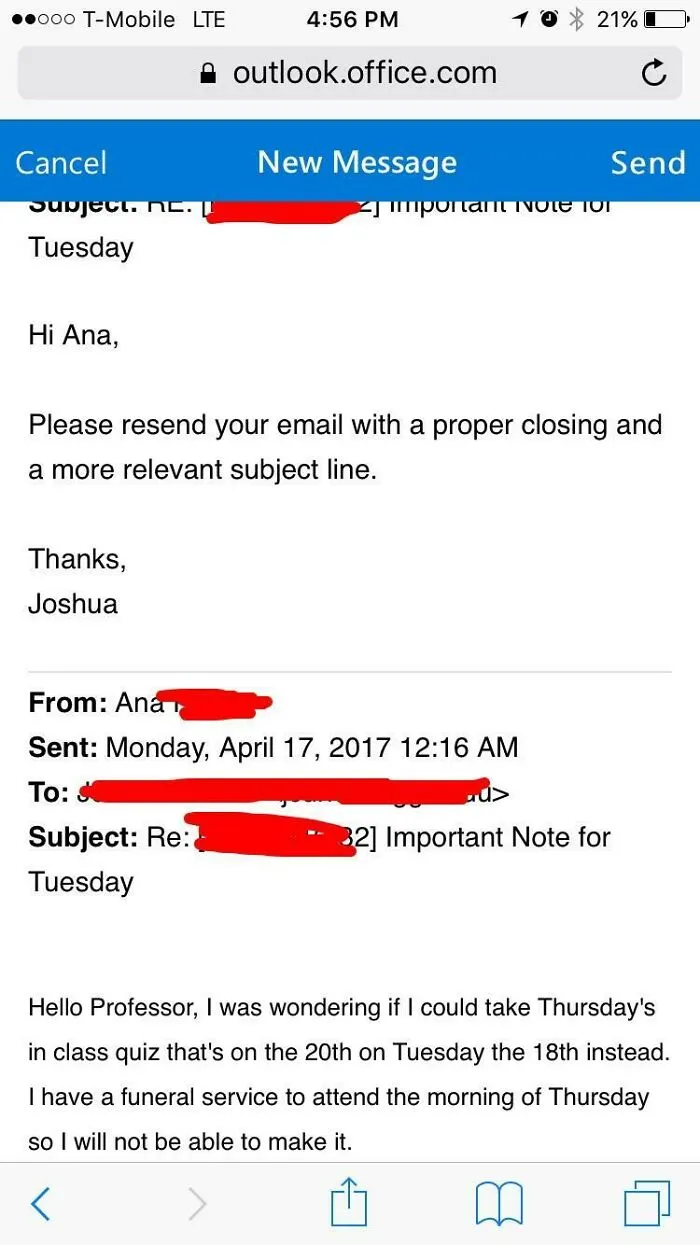
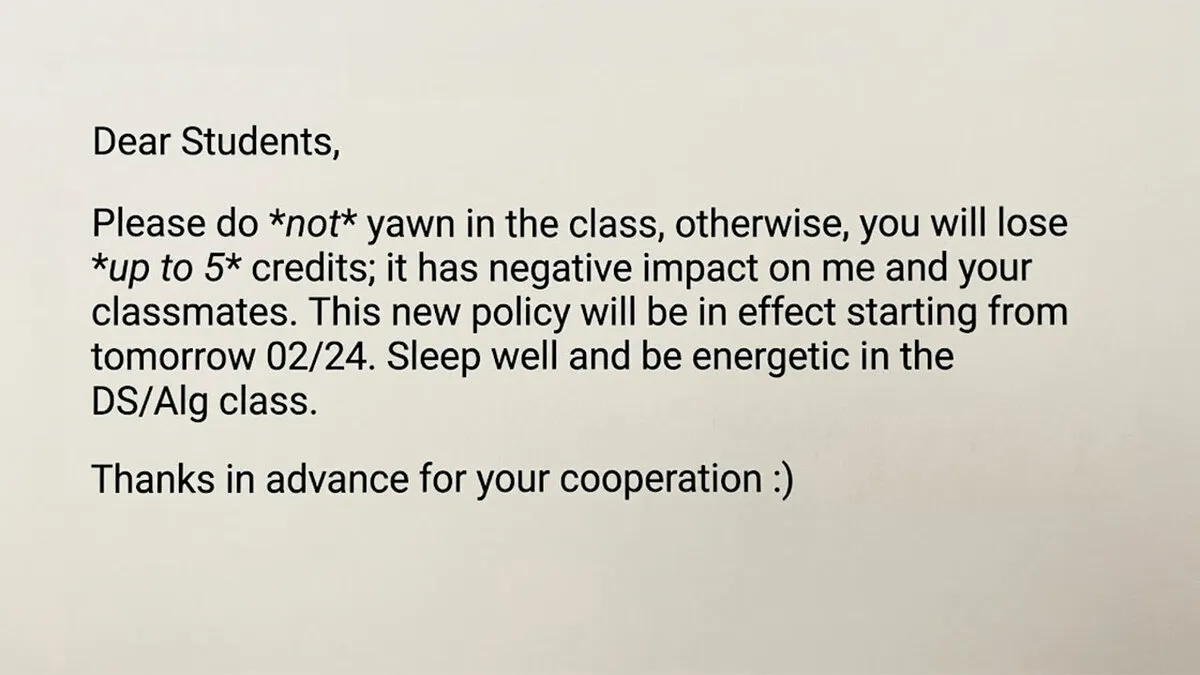
#5 We Are No Longer Allowed To Yawn In My College Course, With Points Off Our Grade As Punishment
That might be because, as another study explained, there’s a difference between guiding students and trying to control them. The researchers distinguish between autonomy-supportive teaching, where teachers create an environment that supports students’ need for autonomy and provide explanations for why they’re being asked to do something, and controlling teaching, where teachers pressure students to “think, feel, or behave in a specific way prescribed by the teacher.”
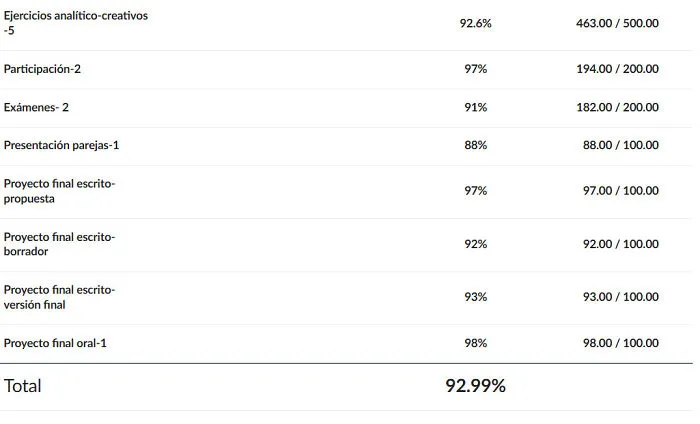
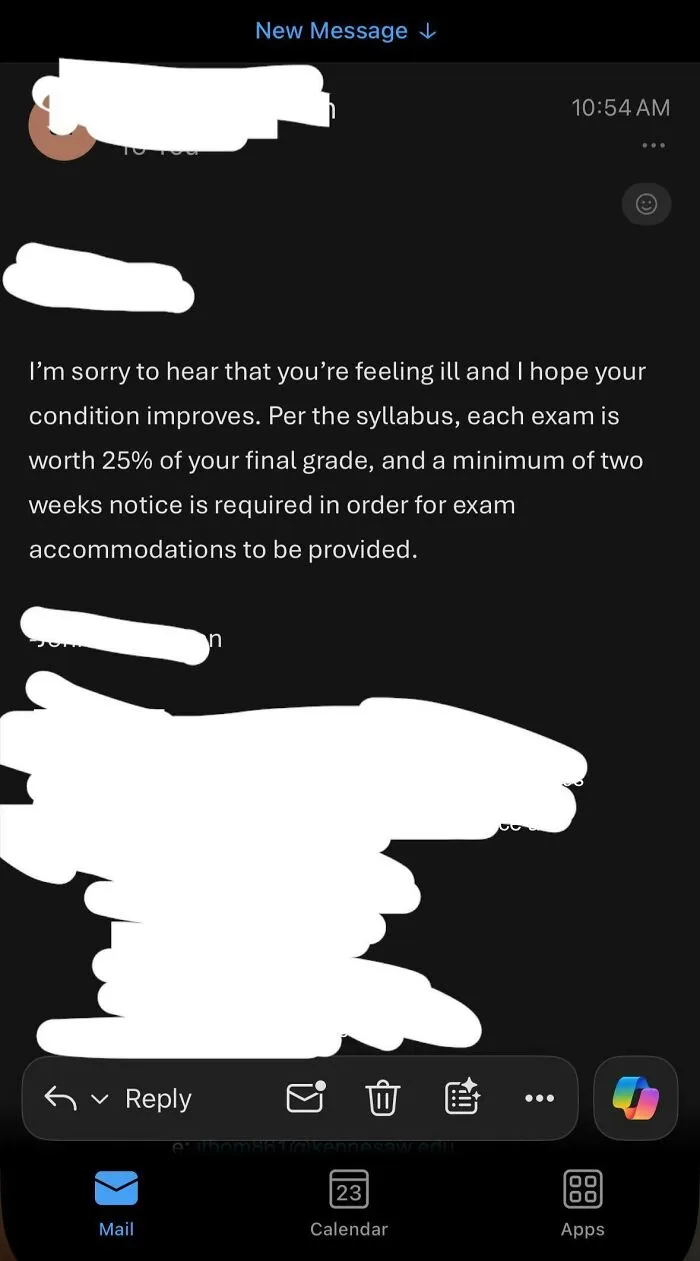
#8 A 93 Is An A And My Professor Did Not Round Up. The Grades Are Already Final. This Means I Am No Longer Magna Cum Laude As This Was My Last Semester
And that control can take different forms. It can be relatively obvious, such as punishments, rewards, deadlines, and commands, or more subtle, including tactics that make students feel “guilt, shame, and anxiety.” The researchers note that these controlling approaches can undermine students’ engagement, while autonomy-supportive teaching can have “positive effects on students’ needs satisfaction, high-quality motivation, and engagement.”
Importantly, the researchers point out that these two approaches aren’t necessarily opposites: “the absence of one does not necessarily imply the presence of the other.” In other words, a teacher can give students structure without automatically trying to control their every move.
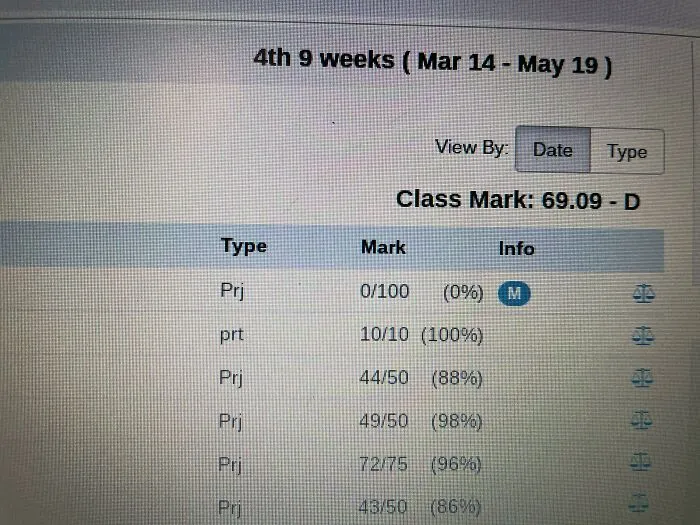
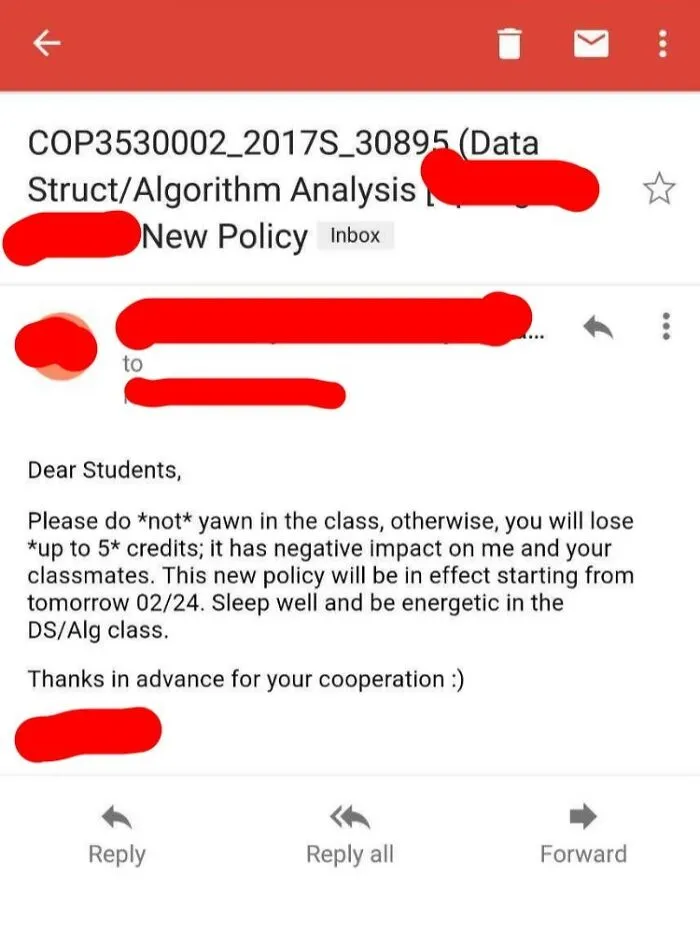
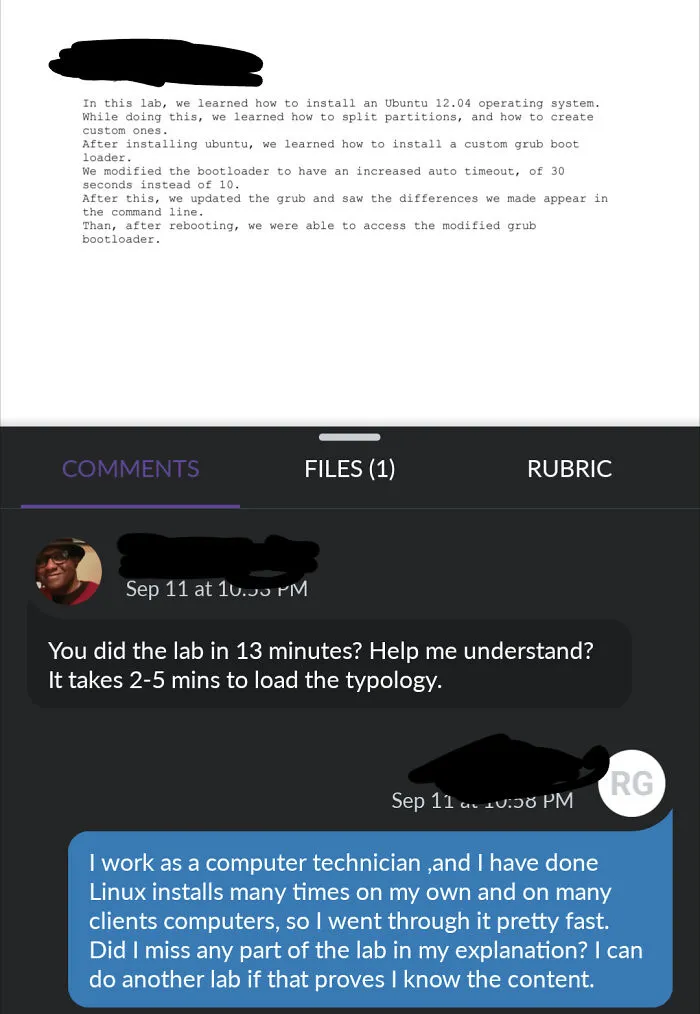
#10 I Got A 0 On The First Assignment In This Class Because My Professor Doesn't Believe I Did The Assignment That Fast. I Work As A Computer Technician And Do Os Installs All The Time At Work
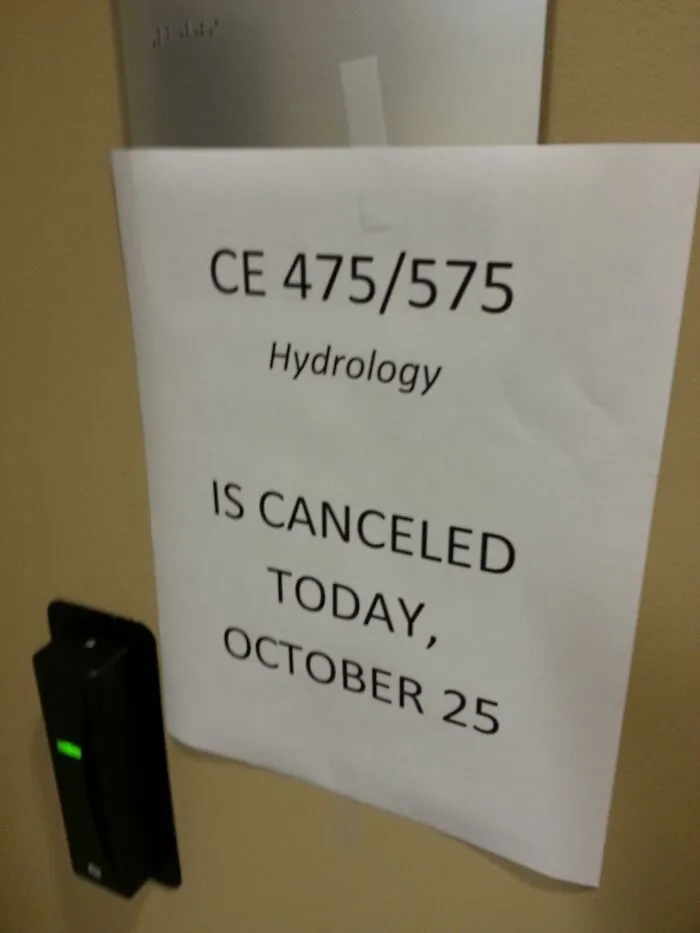
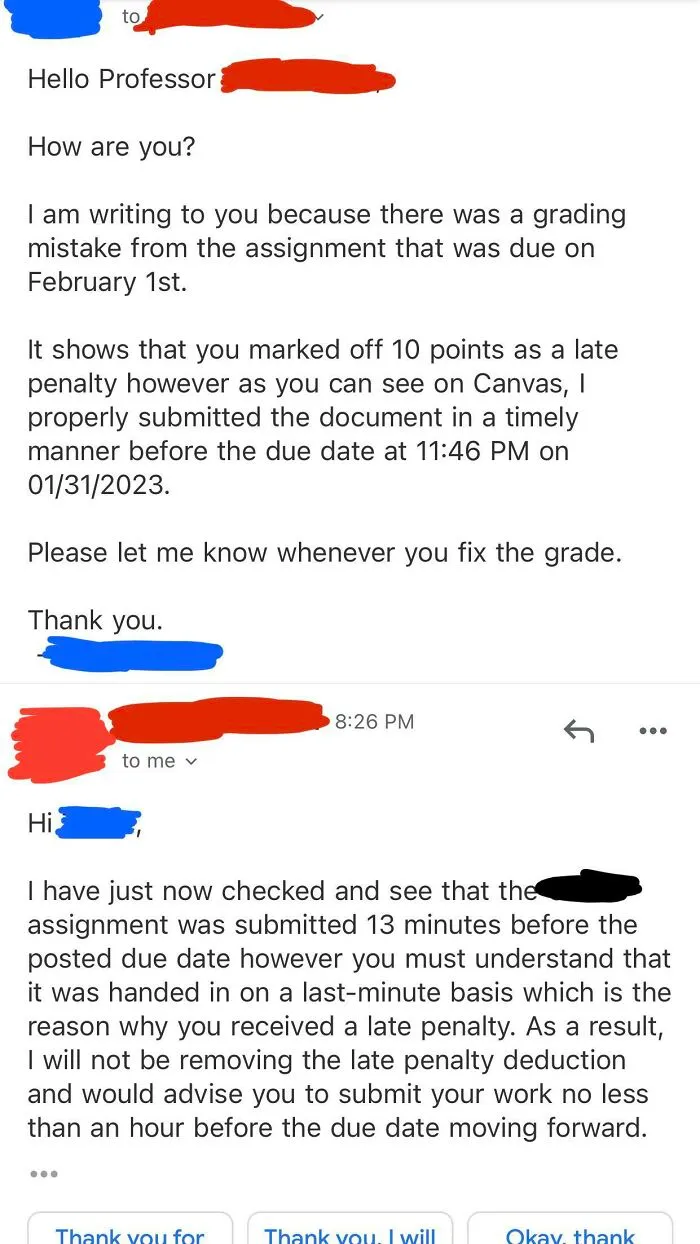
#11 Apparently Submitting Assignments Before The Due Date Is Considered “Late”
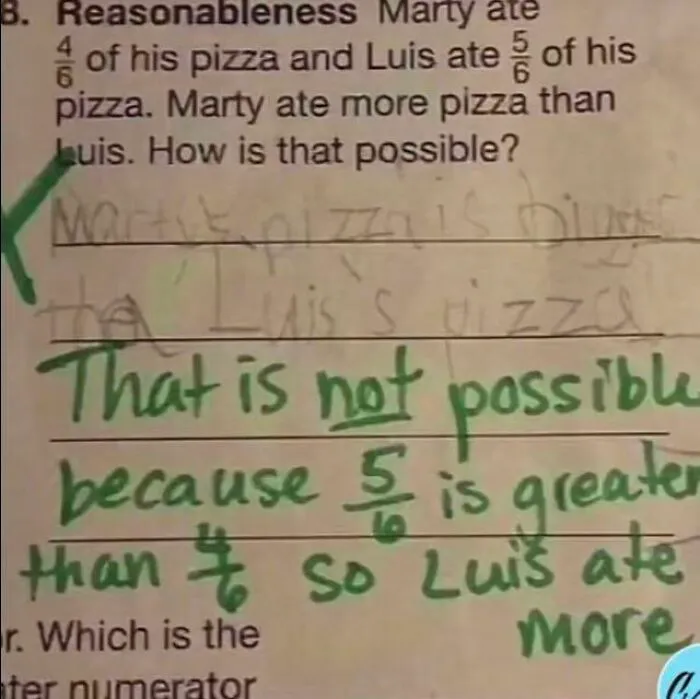
And perhaps that’s the real takeaway: sometimes it’s not even the rule that’s the problem—it’s how the teacher delivers it. After all, we all know there’s a big difference between a curt “see me” scrawled in red pen on an assignment and a teacher who takes you aside, privately and calmly, to carefully explain what needs to change. And, perhaps not surprisingly, this goes for their tone of voice too.
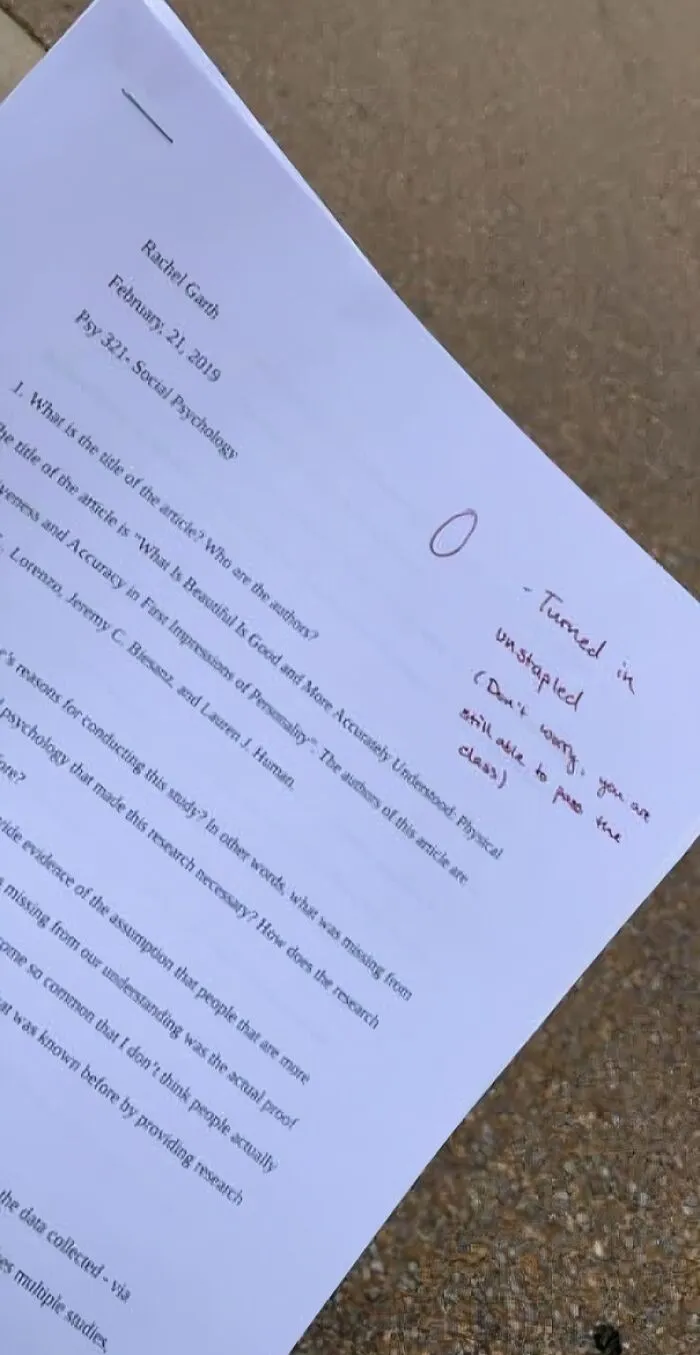
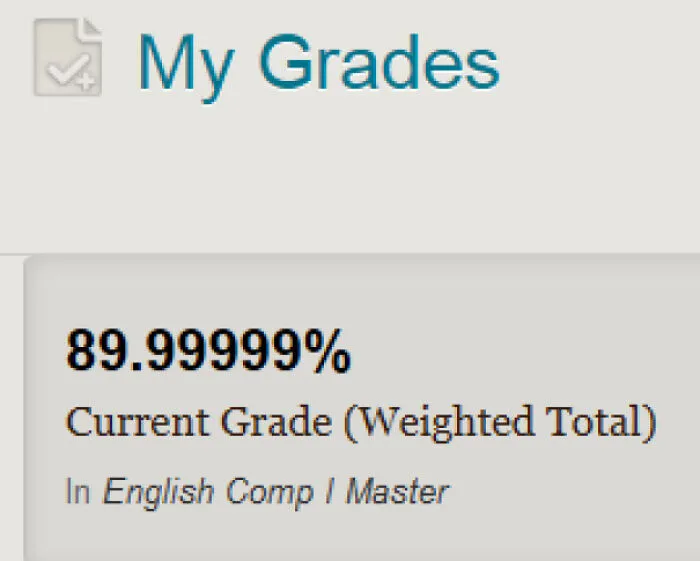
#14 When You Need A 90% Or Above To Pass The Class But Your Teacher Is A Jerk
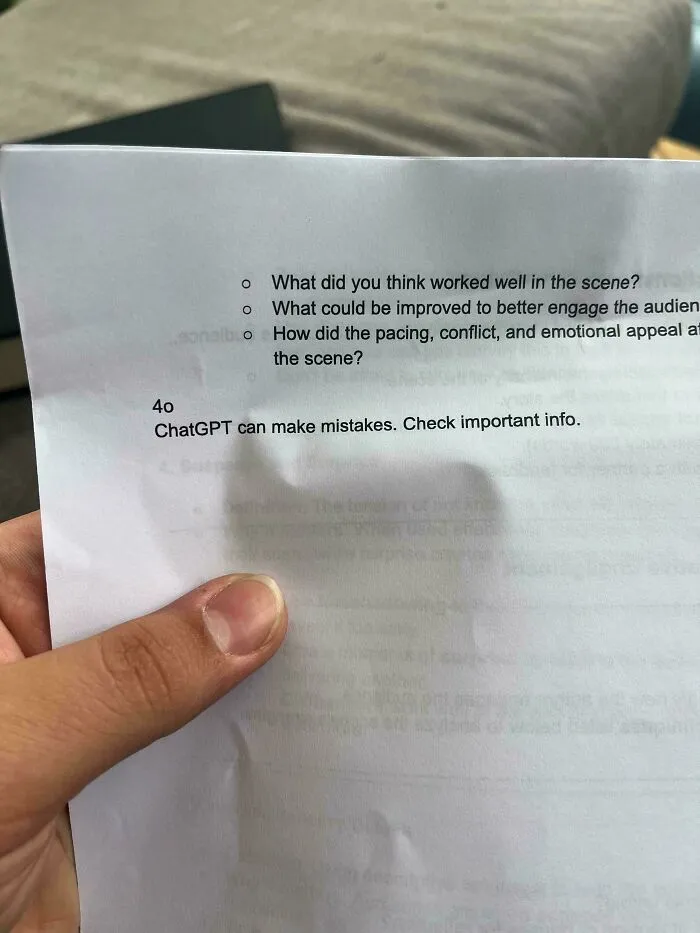
Researchers from the University of Essex and the University of Reading played recordings of teachers’ voices to 250 children aged 10 to 16 and asked them how the different voices made them feel, including how it would affect factors such as competence, emotions, trust, and their intention to cooperate. The children responded more positively to supportive tones, while “controlling” or “strict-sounding” ones were linked to lower self-esteem, less willingness to cooperate, and less willingness to speak up about problems such as bullying.
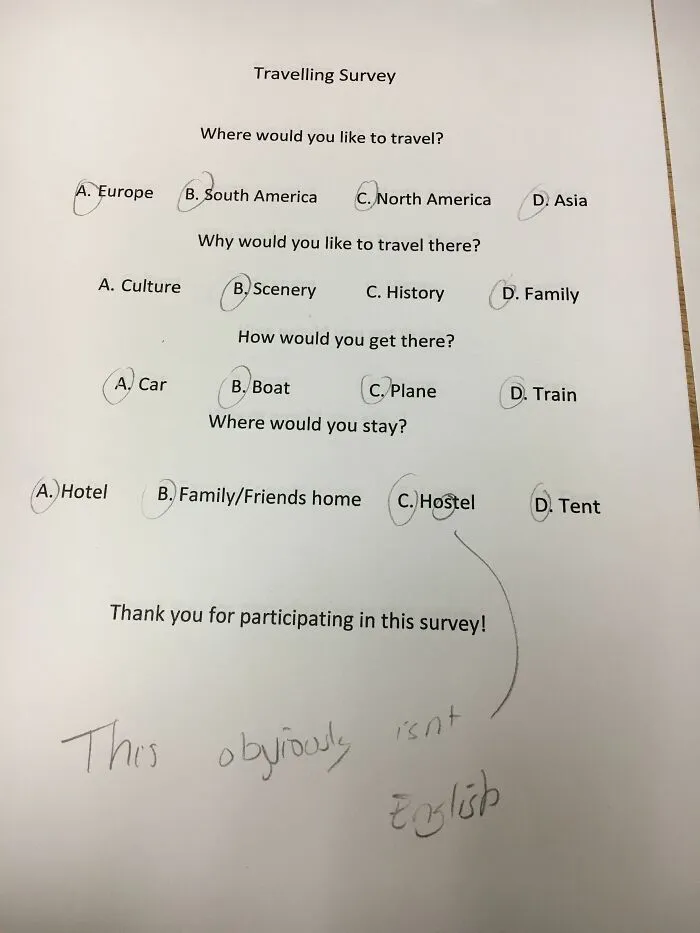
#16 Had To Do A Survey For Math, Made It As Simple As Humanly Possible, According To Our Pal The English Professor, Hostel Isn’t A Word
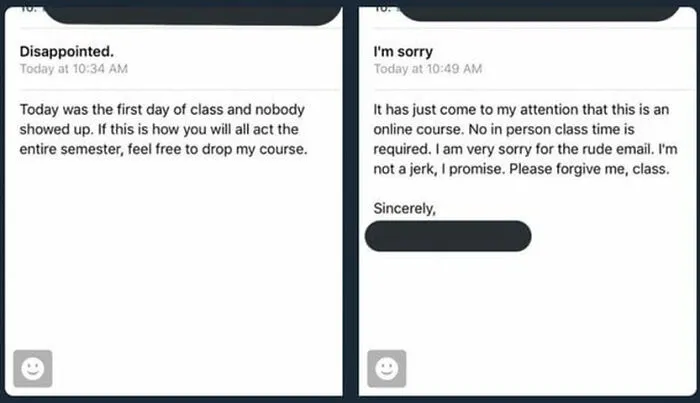
#17 Professor Rebukes Students Who Did Not Come Into A Classroom For An Online Course
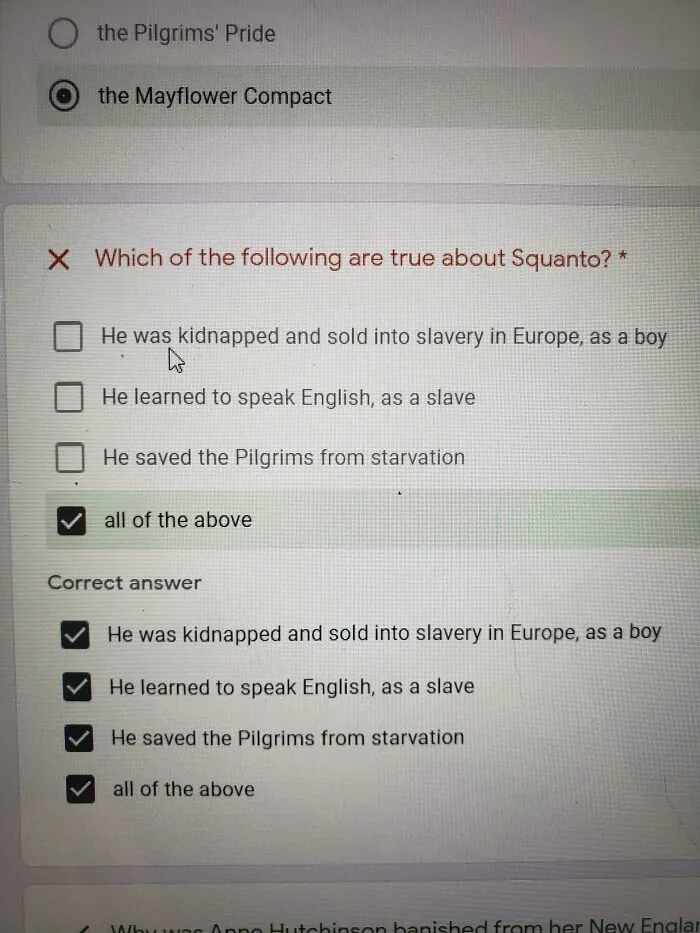
As Professor Netta Weinstein from Reading put it, “Tone of voice is a powerful way to convey teachers’ caring, understanding, or openness,” adding that “It’s easy to forget when we are stressed or tired, but teachers can provide a positive learning environment when they are thoughtful in how they use their tone of voice.”
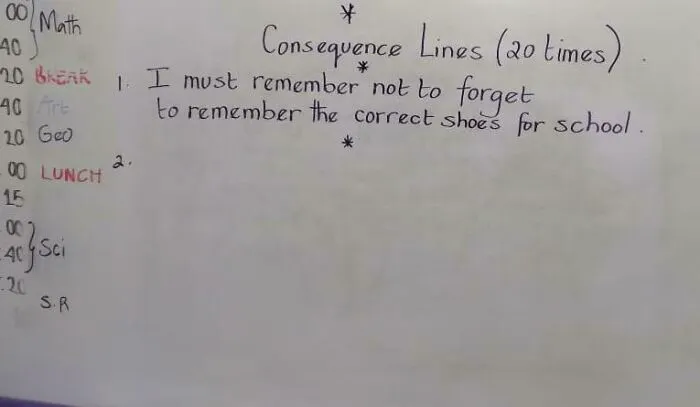
#19 The Lines A Fellow Teacher Gave A Student (7m) To Write 20 Times As A Consequence
#20 My Teacher Lost My Final That Took A Week To Do And Gave Me A Zero, Claiming I Never Turned It In