

This post may include affiliate links.


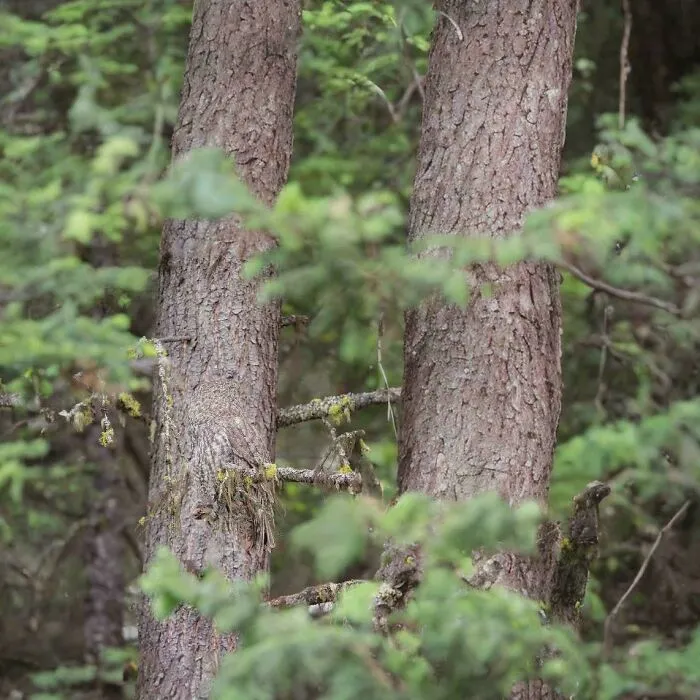
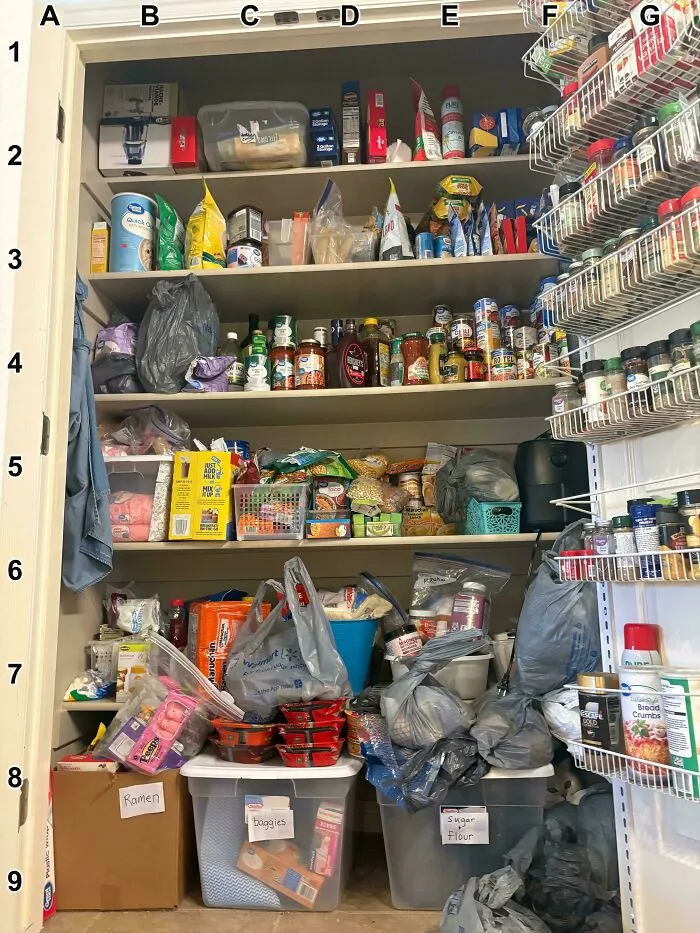
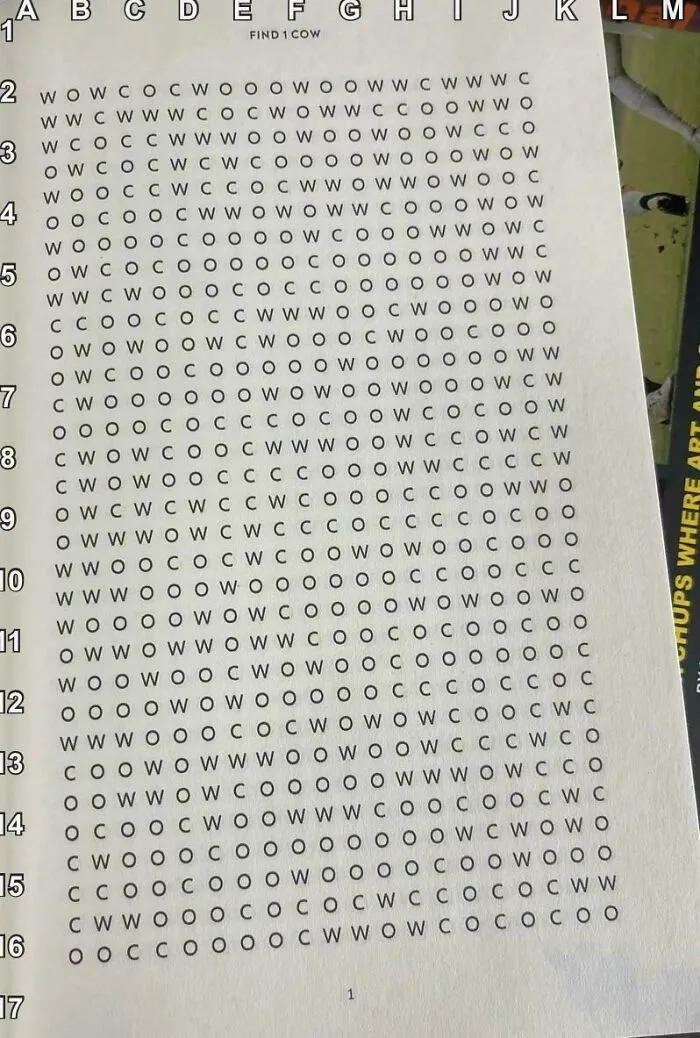
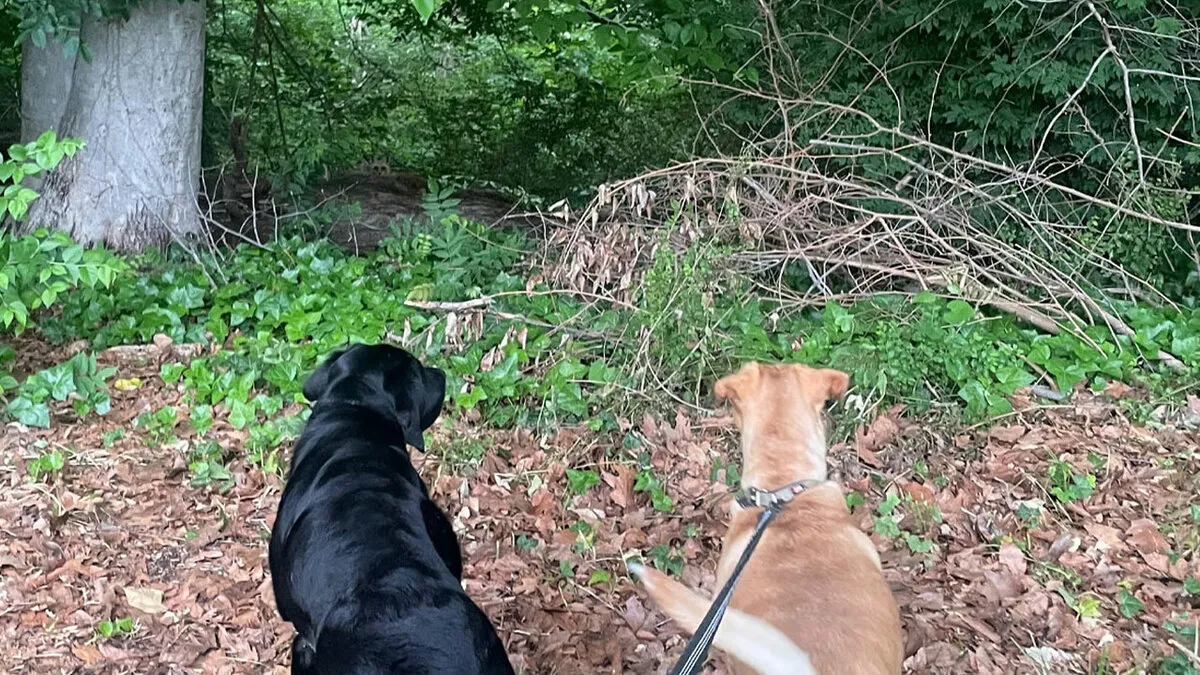
Have you wondered what draws people to such visual perception puzzles? There must be a reason books like “Where’s Waldo?” got so much attention and became widely recognized, right? While the satisfying dopamine hit of finding a character in a chaotic illustration can be enough to intrigue someone, it goes deeper than that.
Visual puzzles and games help children develop their sensory processing skills. Visual perception is an important skill to learn. It isn't just what our eyes see, but also what our brain does with that information. Kathy Brodie, who holds a Master’s degree in Early Childhood Education, says puzzles like “Where’s Waldo?” are a great way of training visual perception skills.
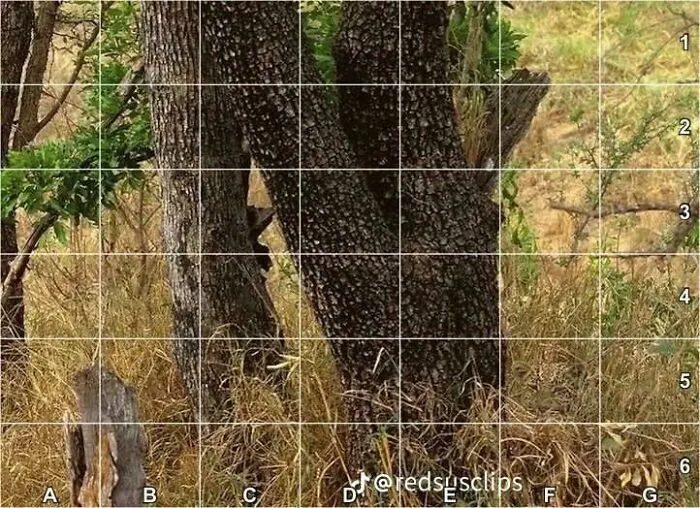
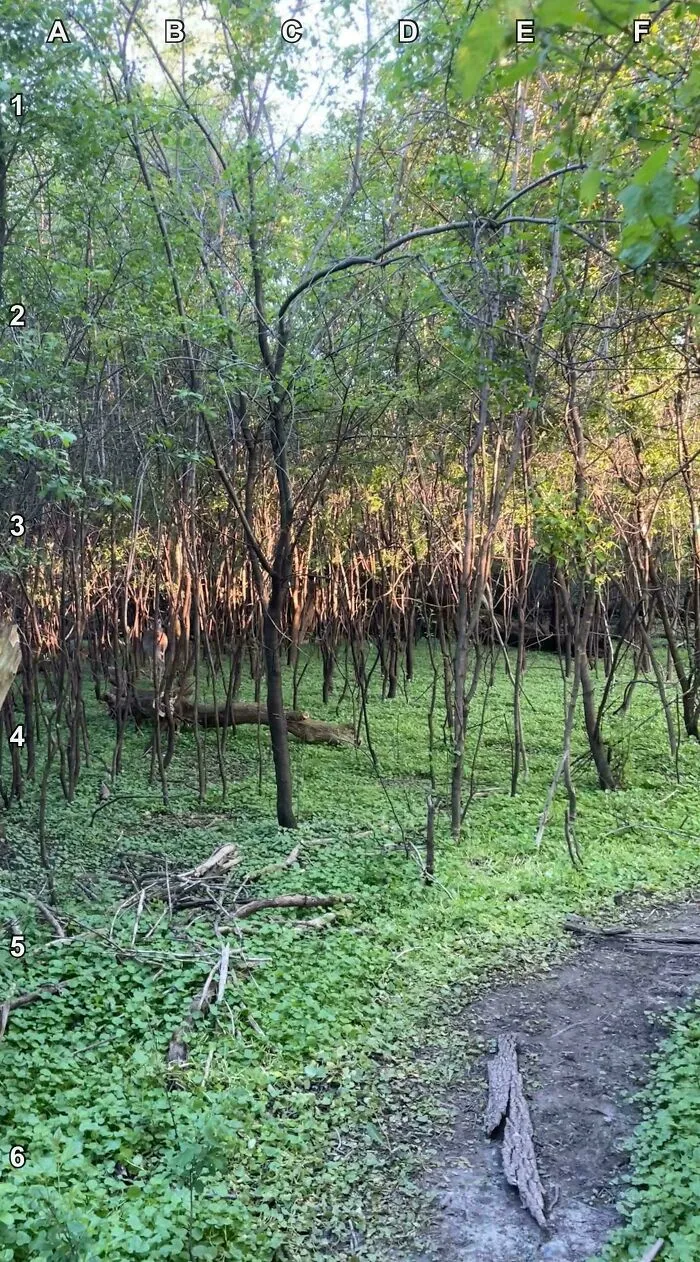

Brodie also notes that visual seeking games can help detect visual perception problems at an early age. For example, if a child struggles to find red objects in green backgrounds, a color blindness test might be in order. Detecting sensory processing problems early helps families support their children more effectively.
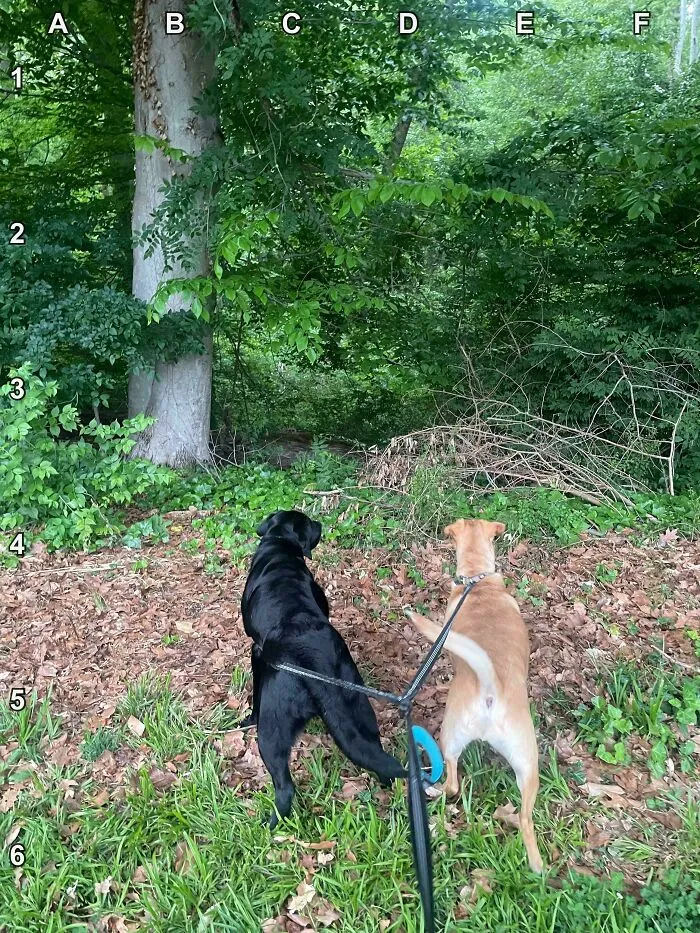
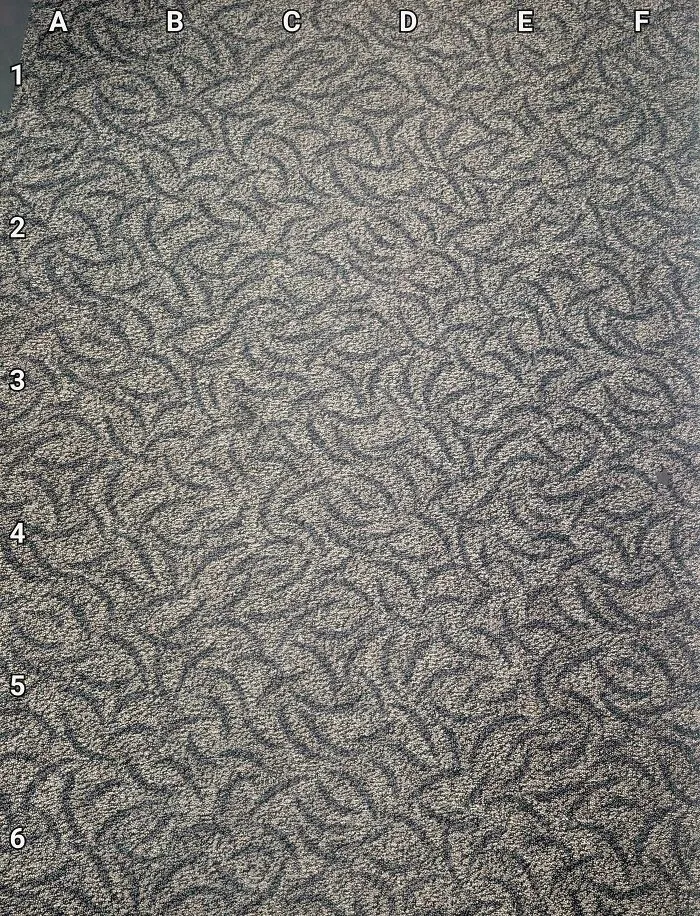

Developing visual perception skills isn’t just about getting better at puzzles and games. These abilities are involved in 80% of classroom learning, according to teacher Elizabeth Hawkins Lincoln, M.A. Reading, writing, copying the teacher’s notes, understanding geometry, and much more depend on a child’s visual abilities. Unnoticed impairments can make it harder for a child to learn in class, reduce focus and motivation, and slow them down compared with their peers.



Kristina Rautek Potocnik, M.A., says the importance of visual perception doesn’t end when students leave the classroom. Daily tasks and activities like getting dressed, playing with friends, sports, or even just safely moving through the environment all require a child to interpret visual information. For struggling children, hands-on visual games and engaging puzzles are among the best ways to help them become more independent in daily tasks.
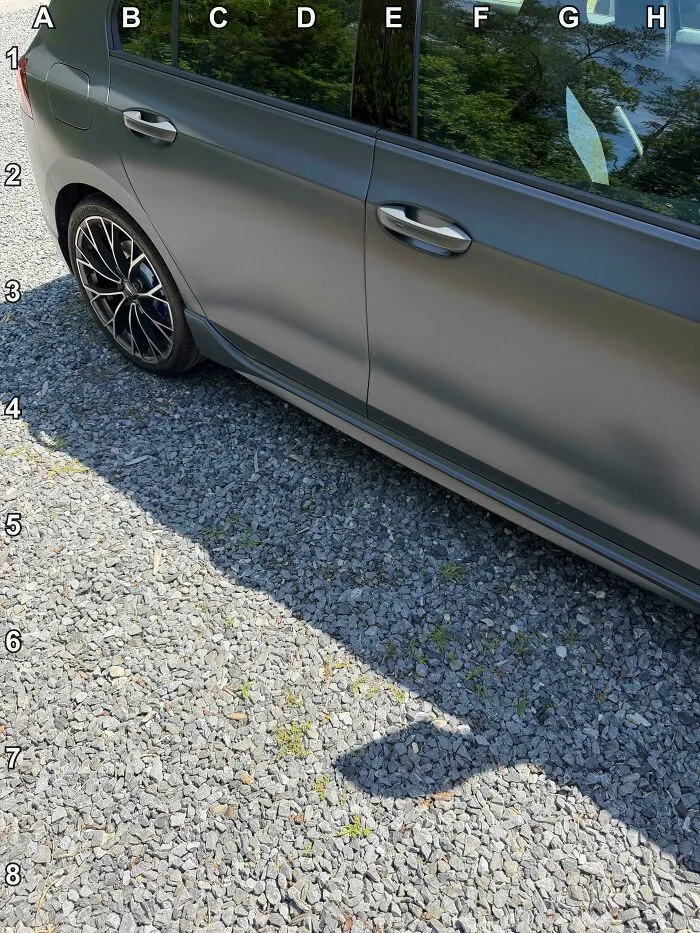
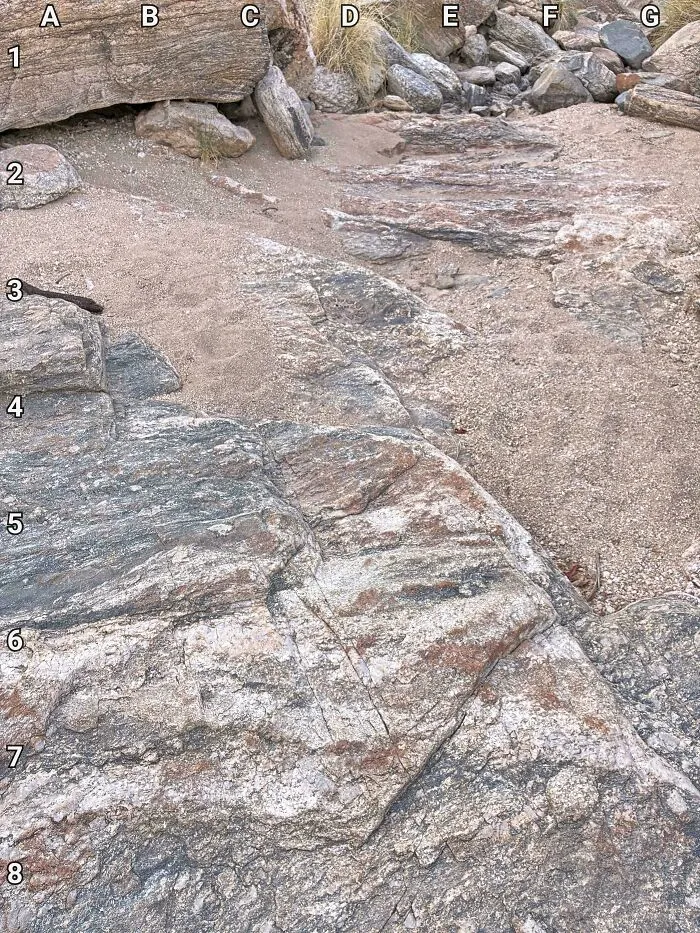
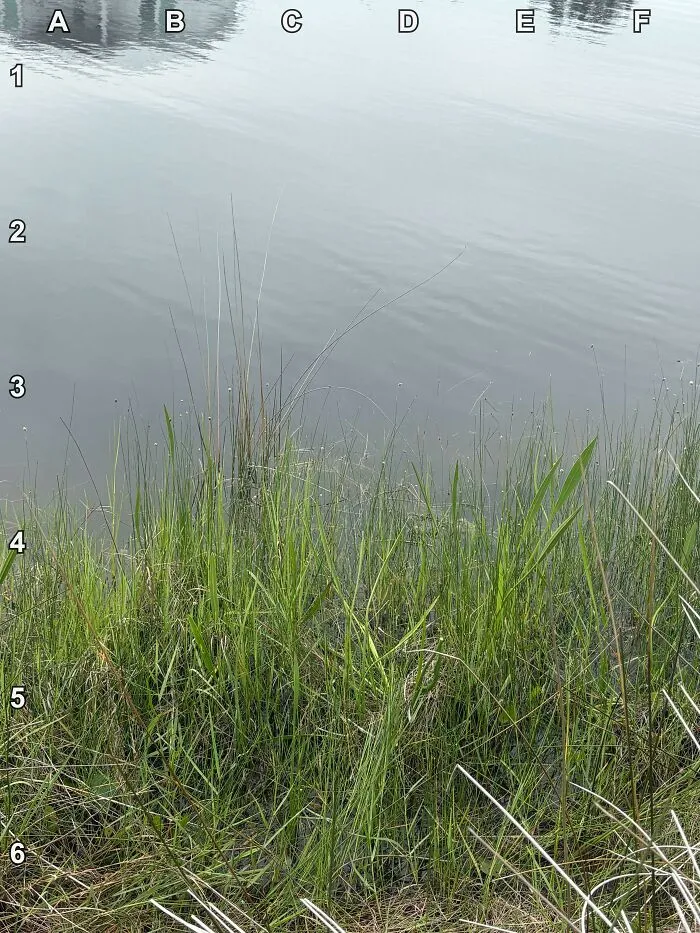
Hidden object puzzles benefit more than just young children. Visual perception develops through childhood and into adulthood. During the teenage years, continued practice expands visual memory capacity and increases visual processing speed.
Licensed counselor Brandon S. Ballantyne works with adolescents and uses puzzles like “Where’s Waldo?” for cognitive behavioral therapy. He says the busy illustrations represent the chaos of day-to-day life, where reaching for goals can be tough or discouraging.
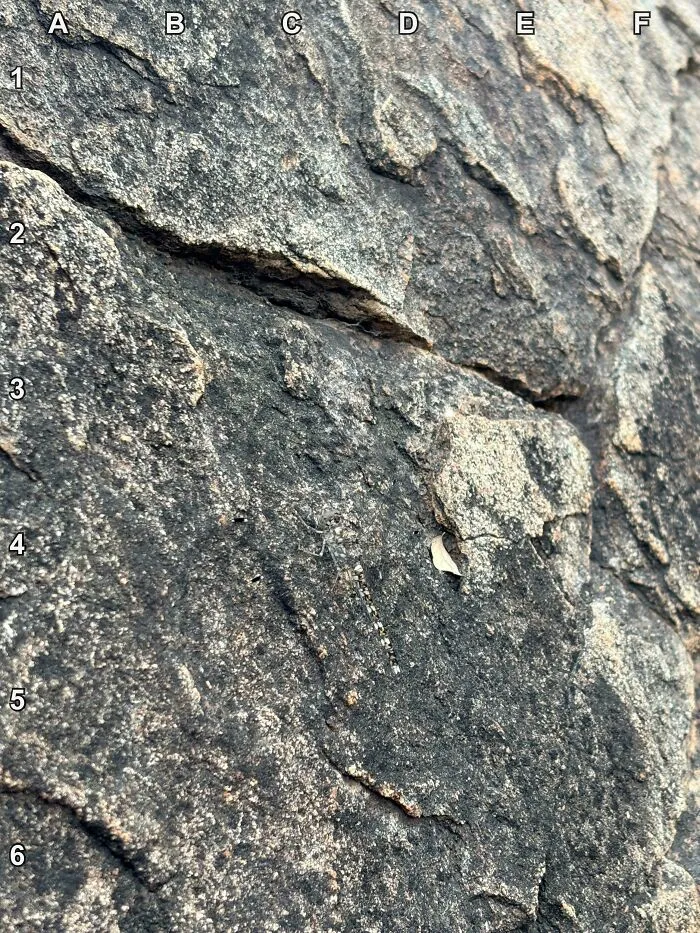


Ballantyne uses visual puzzles specifically to counter negative self-talk and teach coping mechanisms. When clients look for Waldo in challenging pages, he asks them to log negative thoughts and the emotions associated with them. Thoughts like “I can’t do this,” “I want to give up,” “this is too hard,” or “I won’t succeed” are often attached to anger, frustration, hopelessness, or anxiety. The counselor helps adolescents recognize unproductive thoughts and use coping techniques to resist the urge to give up. Applying the process to a challenging yet conceptually simple visual task helps clients adapt the skills they learn in therapy to real-world scenarios.