Get Premium
Dark mode theme is available exclusively for premium users. Learn more about the benefits of subscribing.
No fees, cancel anytime.

 Dark Mode Ad-Free Browsing Unlimited Content
 Ad-Free Browsing Unlimited Content Dark Mode
Join 1.2 million Panda readers who get the best art, memes, and fun stories every week!
An estimated 19.1% of U.S. adults had any anxiety disorder in the past year, according to the National Institute of Mental Health. Women and children are particularly susceptible to anxiety disorders as it affects 31.9% of adolescents between 13 and 18 years old.
Many of you reading this article right now likely have had anxiety at least once in your life, and many are still living with it on a daily basis. As hard as it may be, finding your comfort zone in little things may ease this unnerving feeling just a little bit.
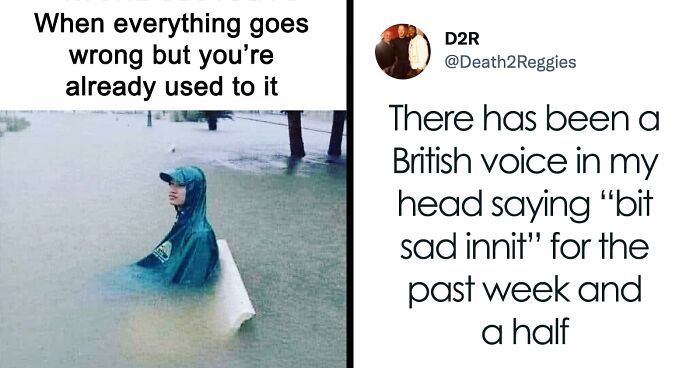
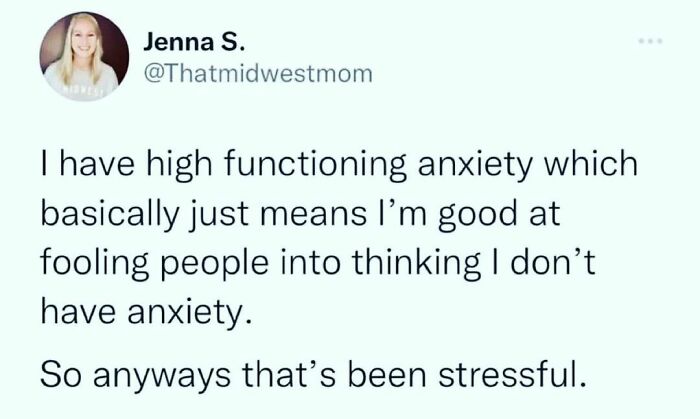
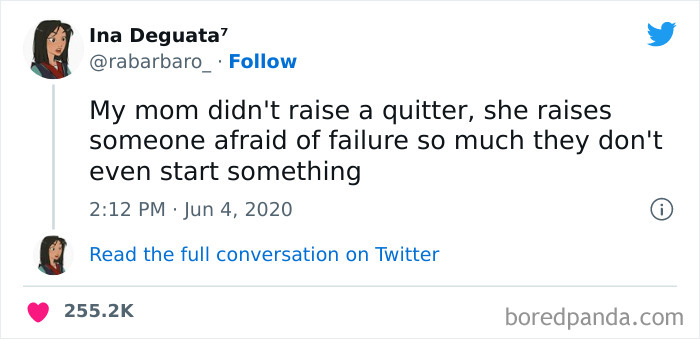
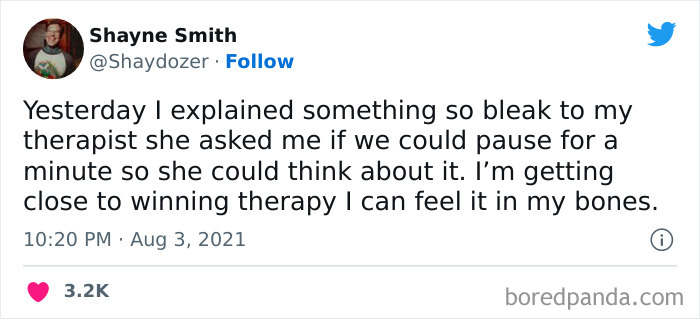
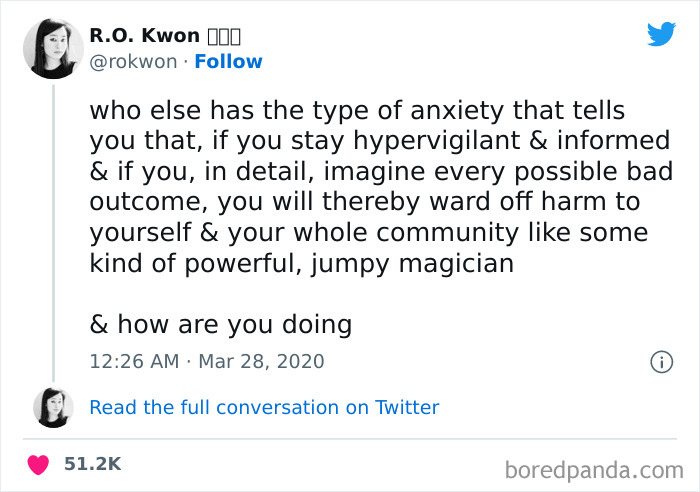
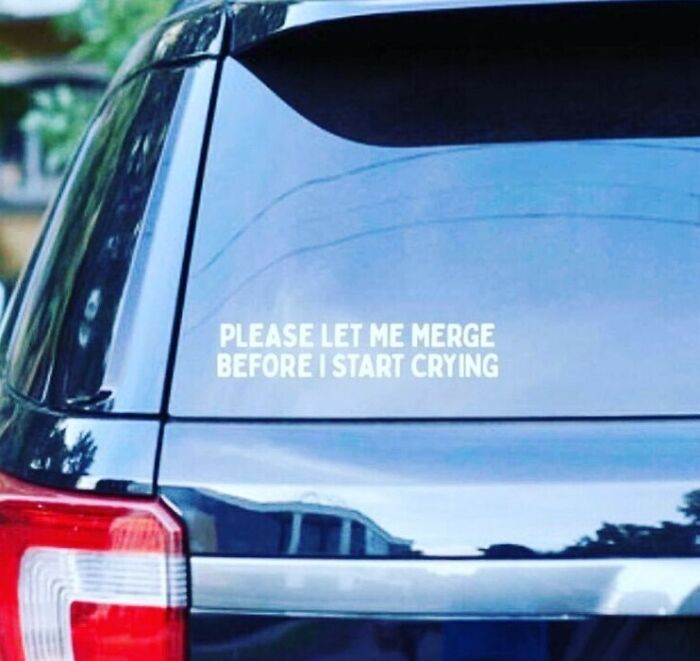
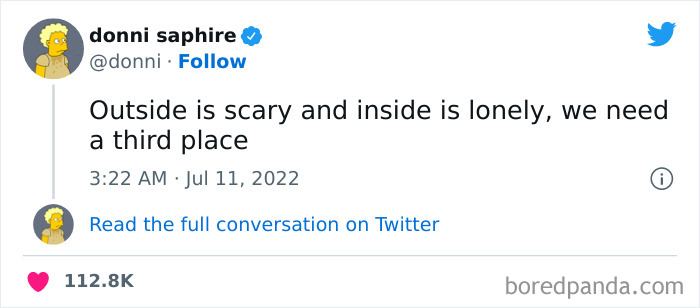
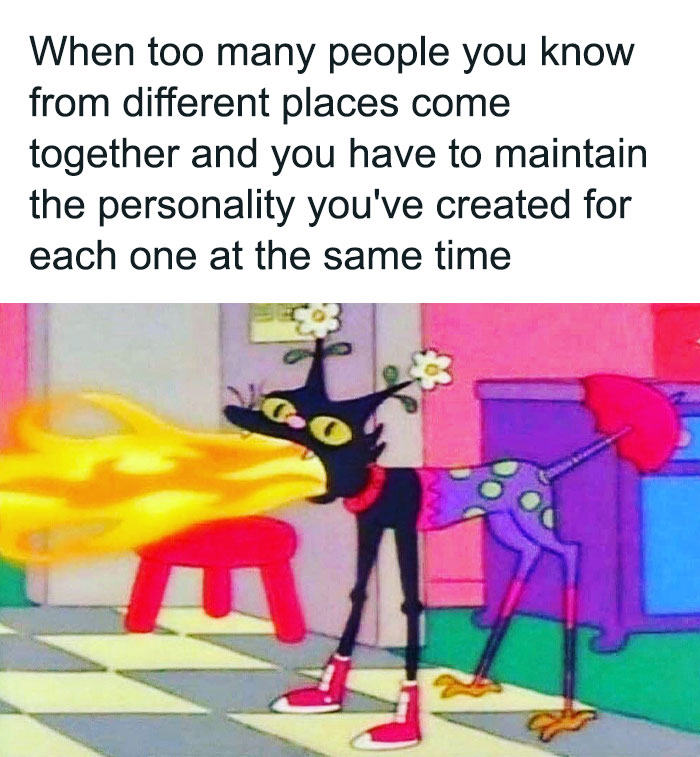
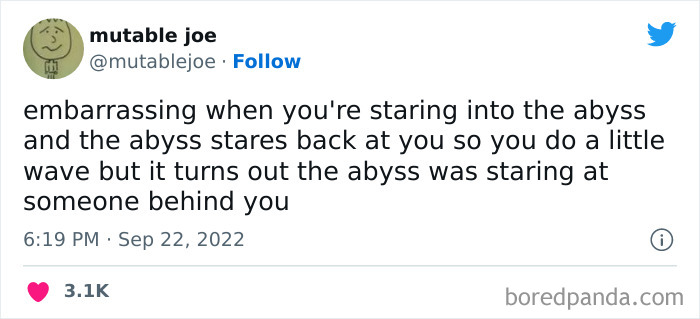
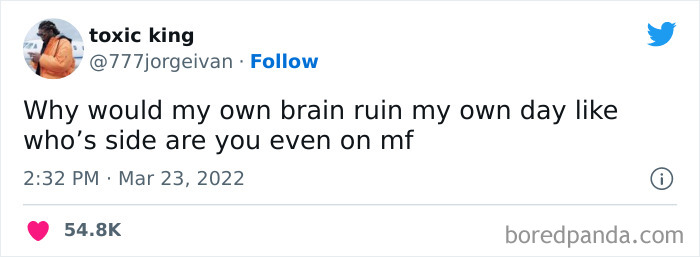
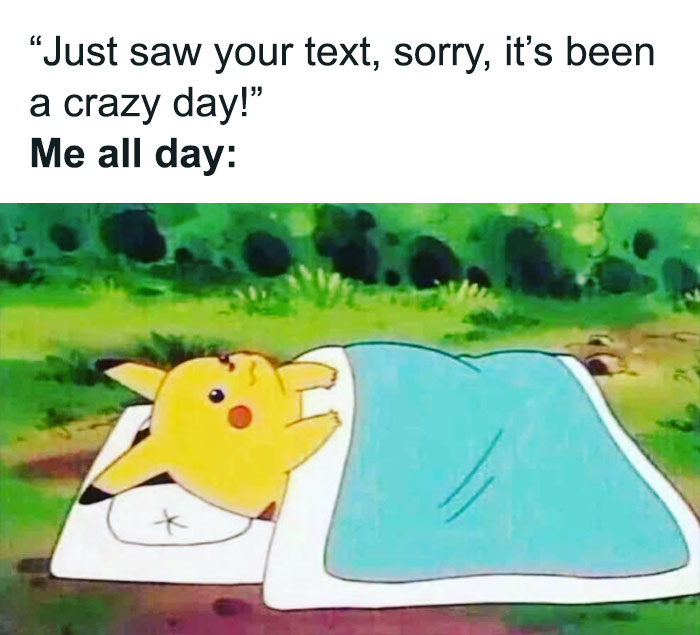
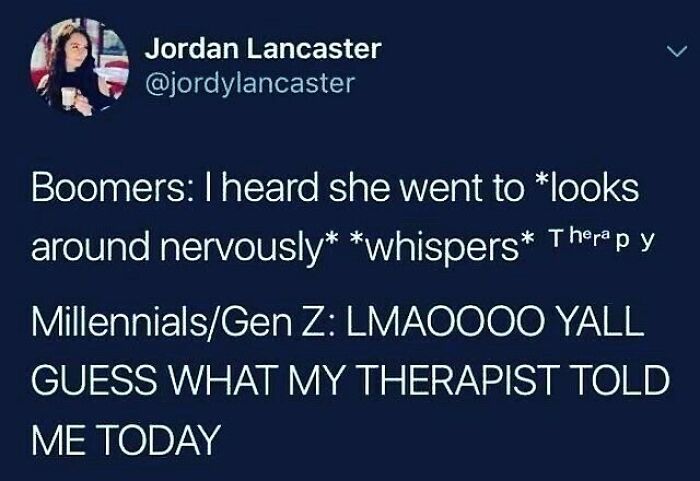
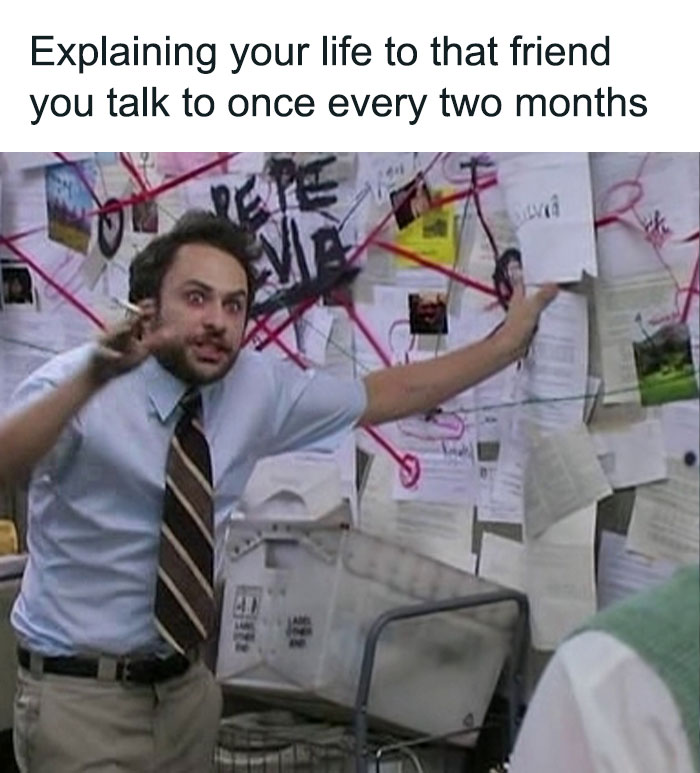
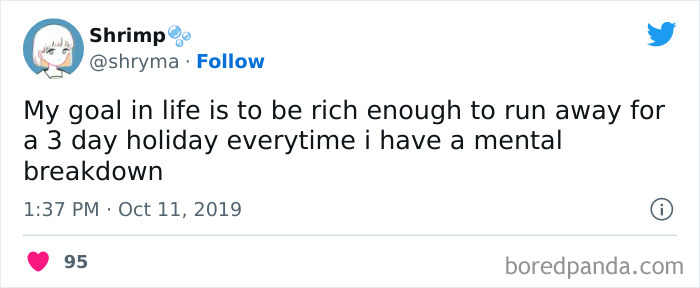
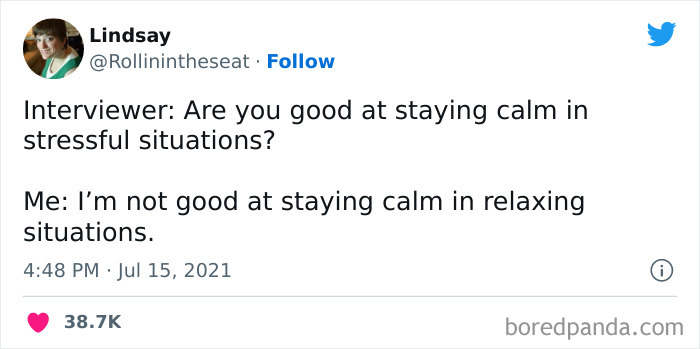
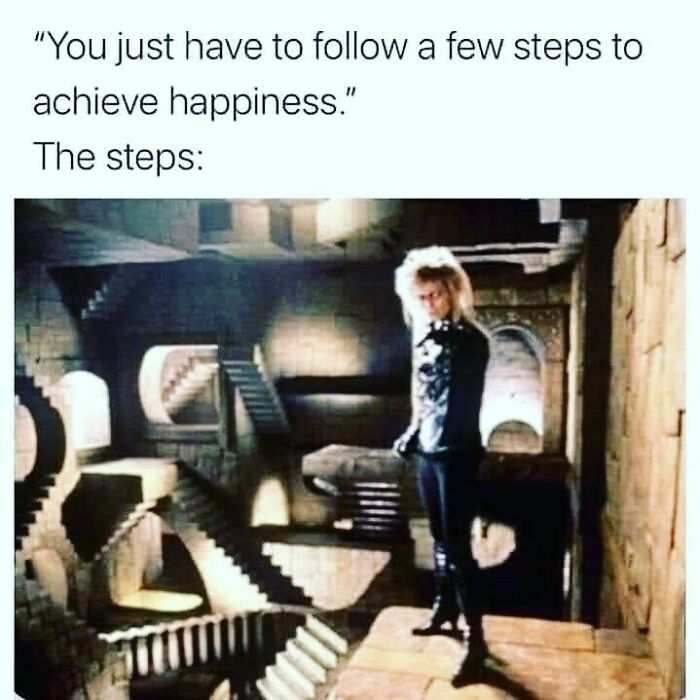
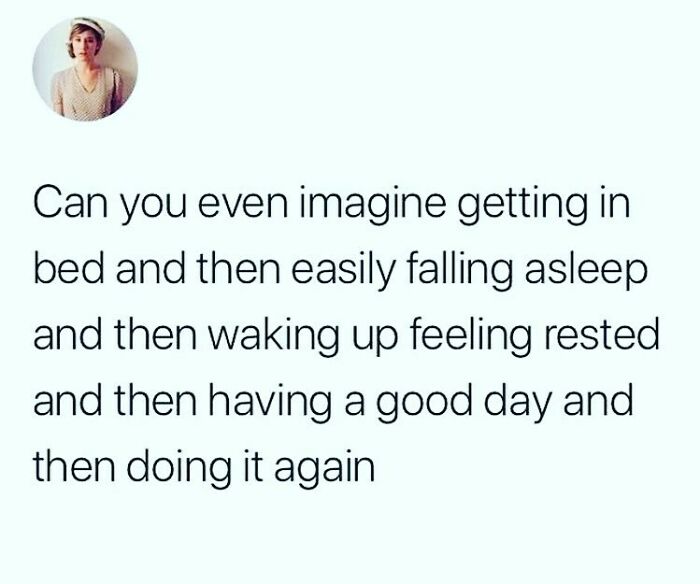
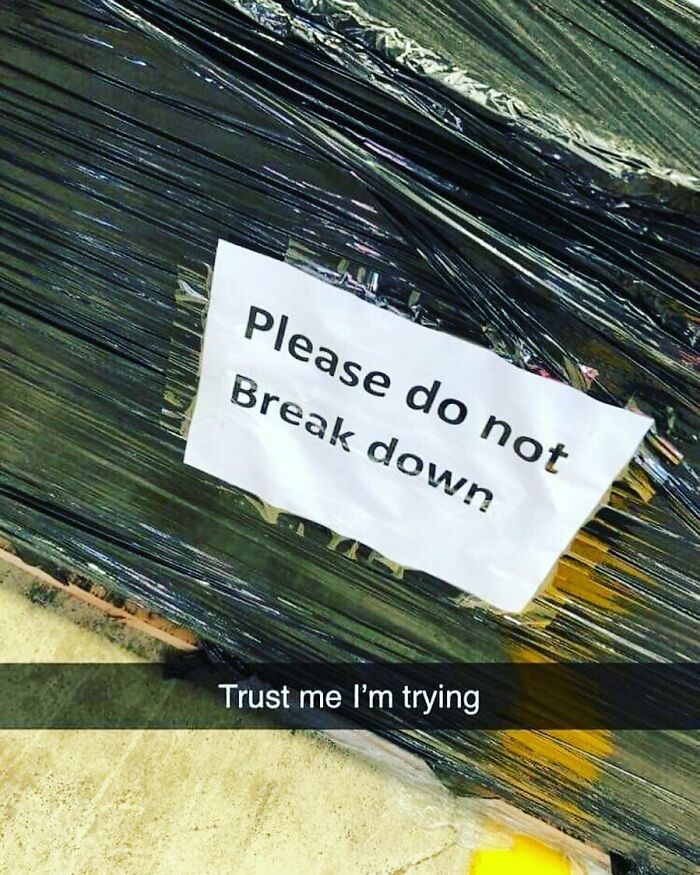
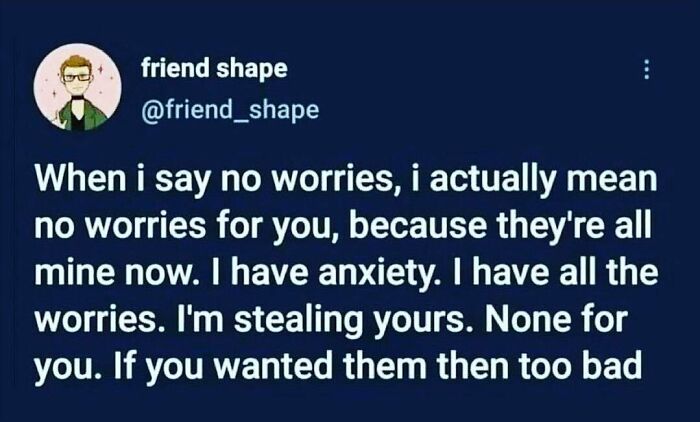
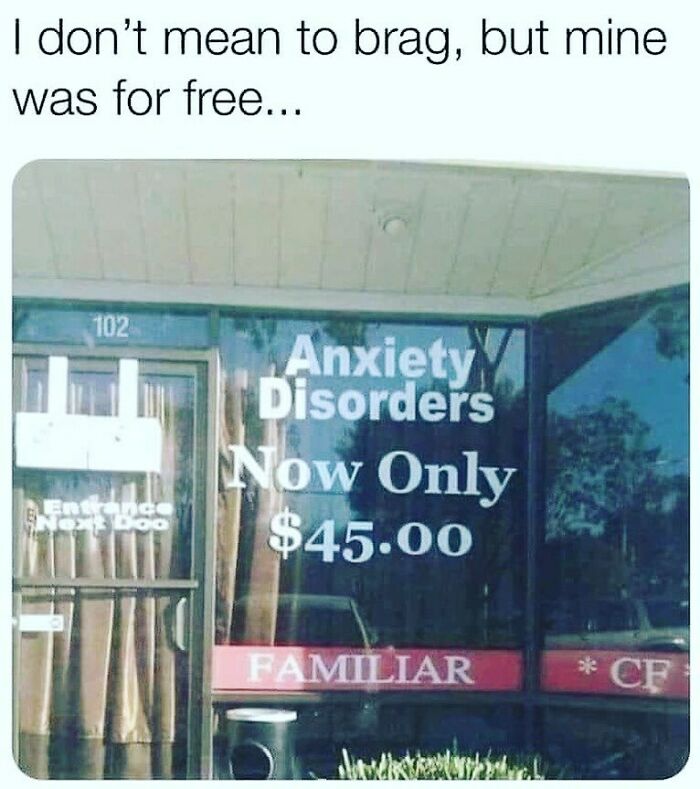
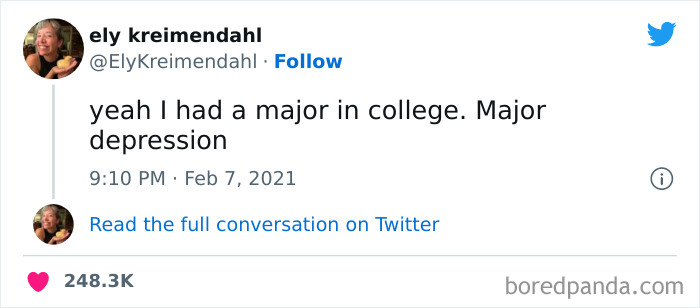
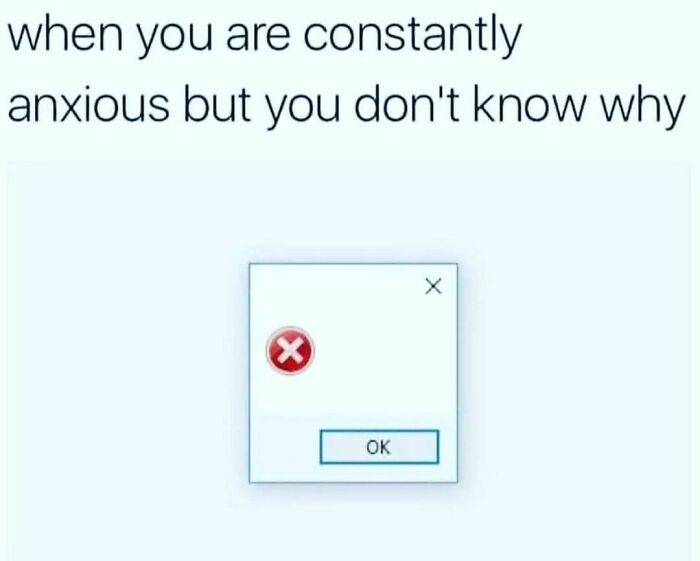
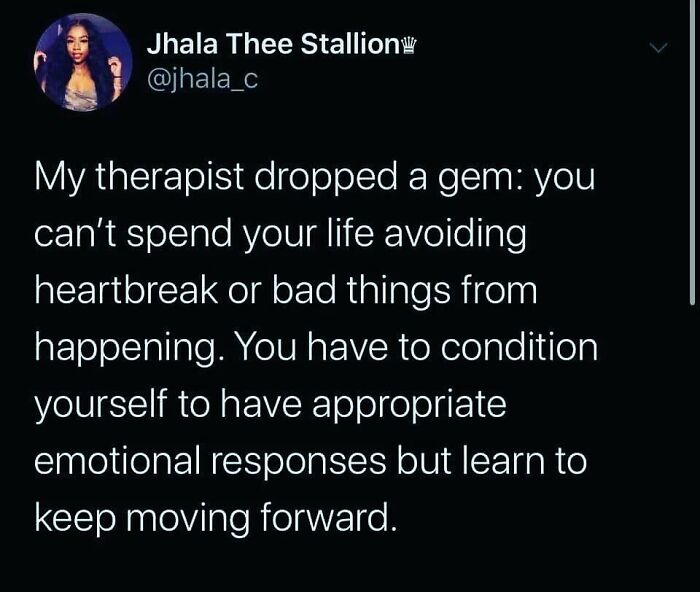
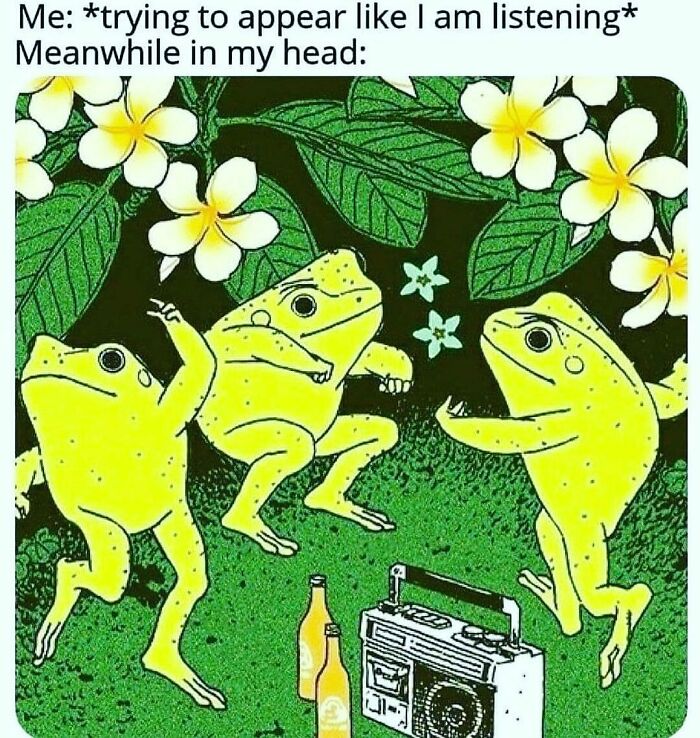
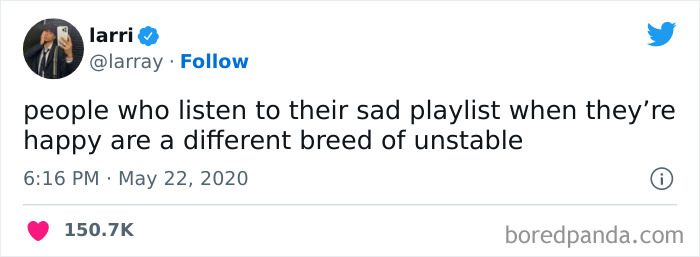
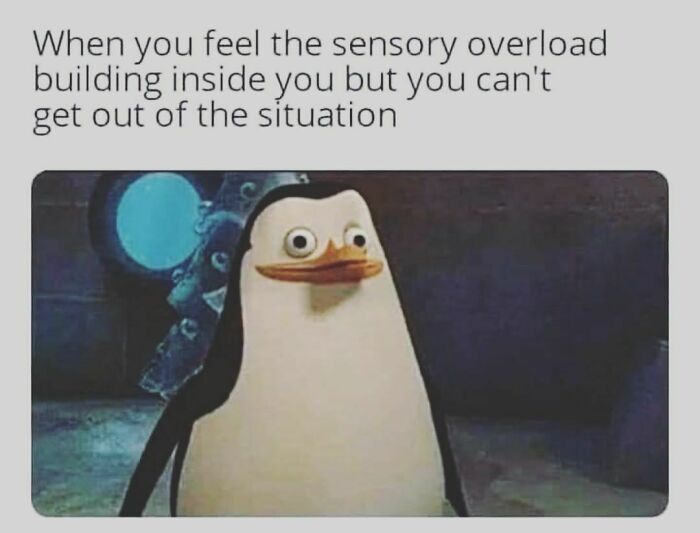
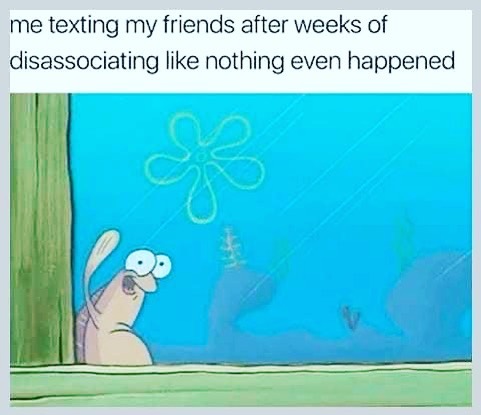
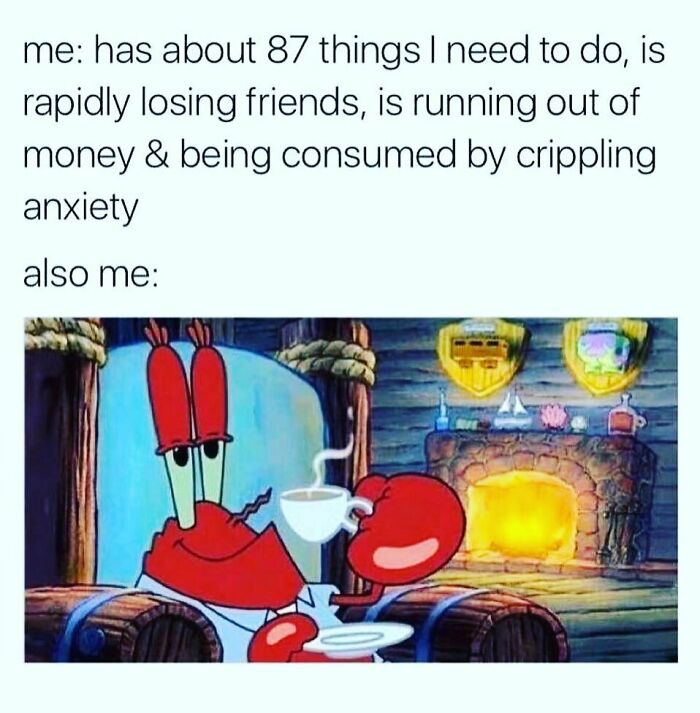
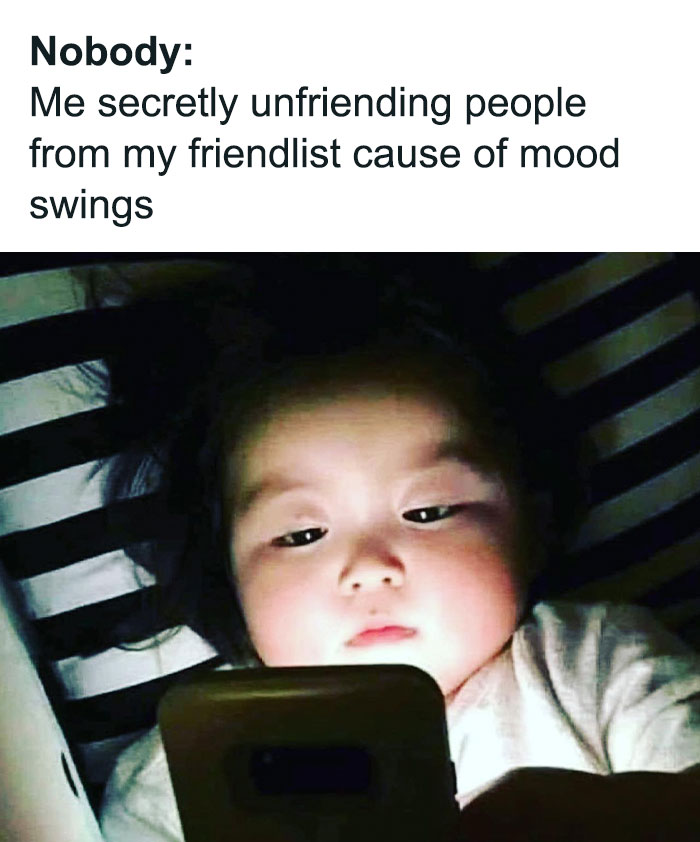
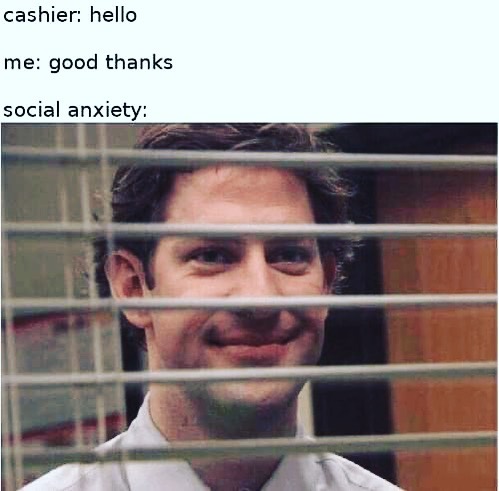
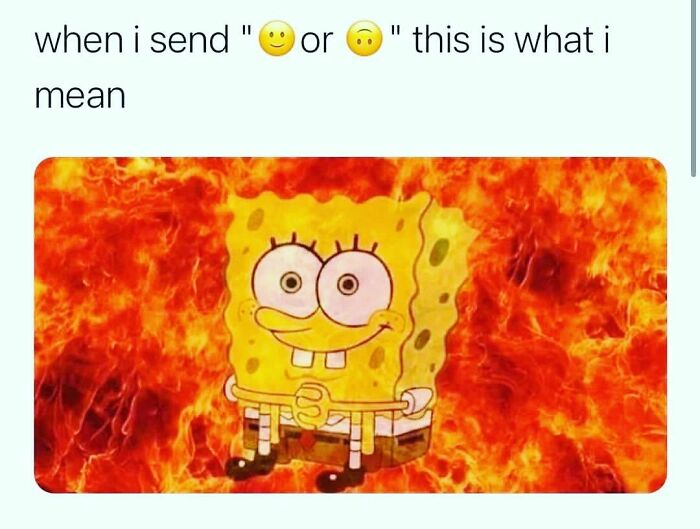
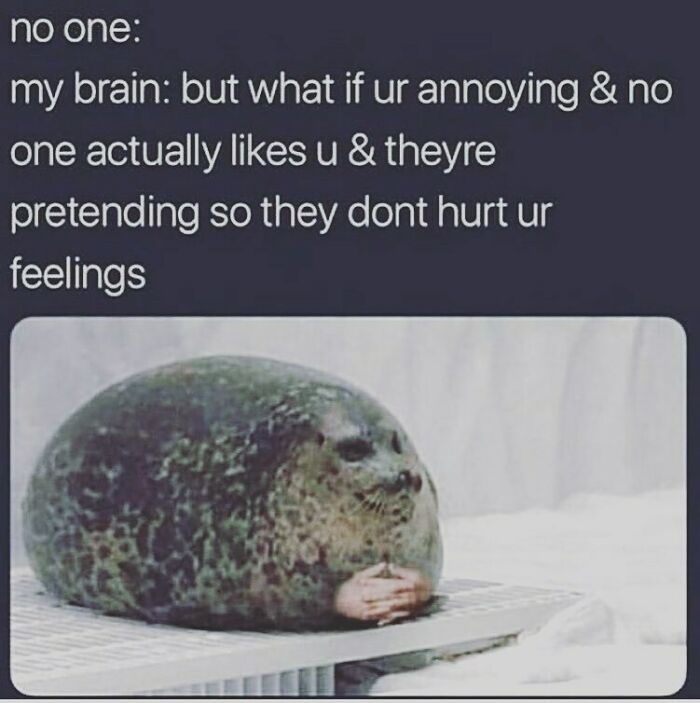
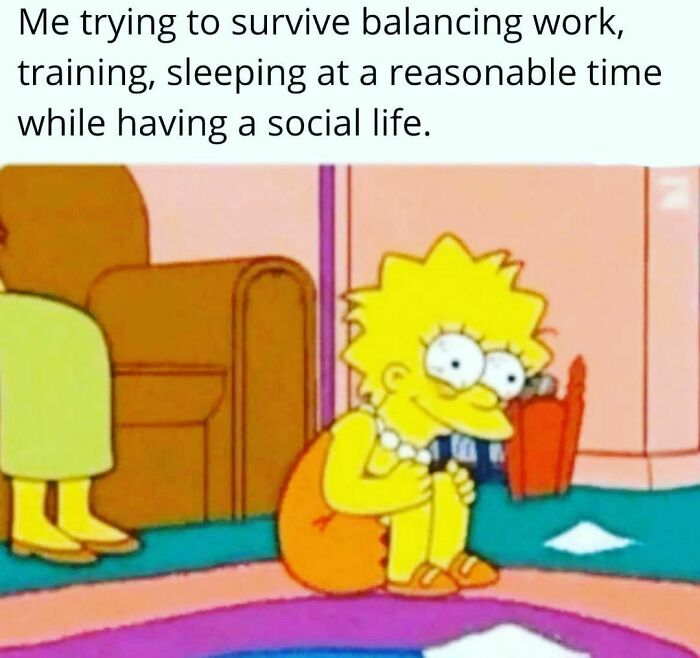
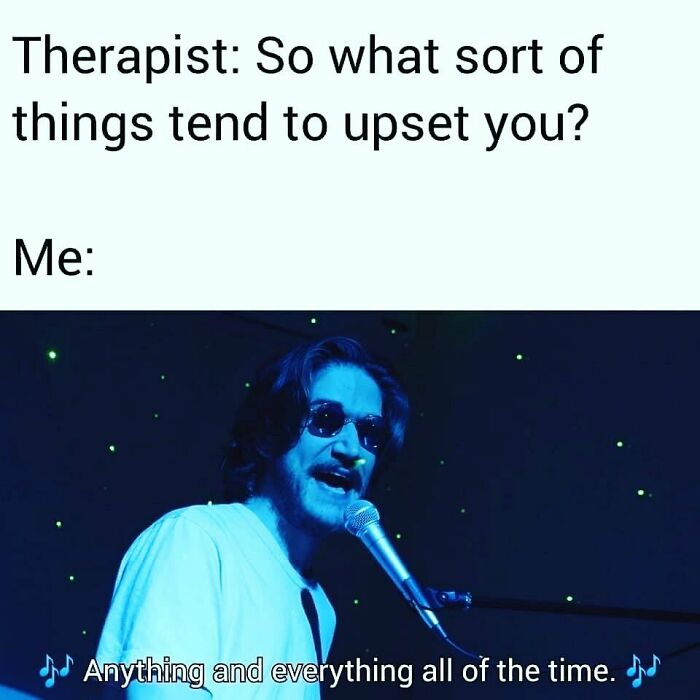
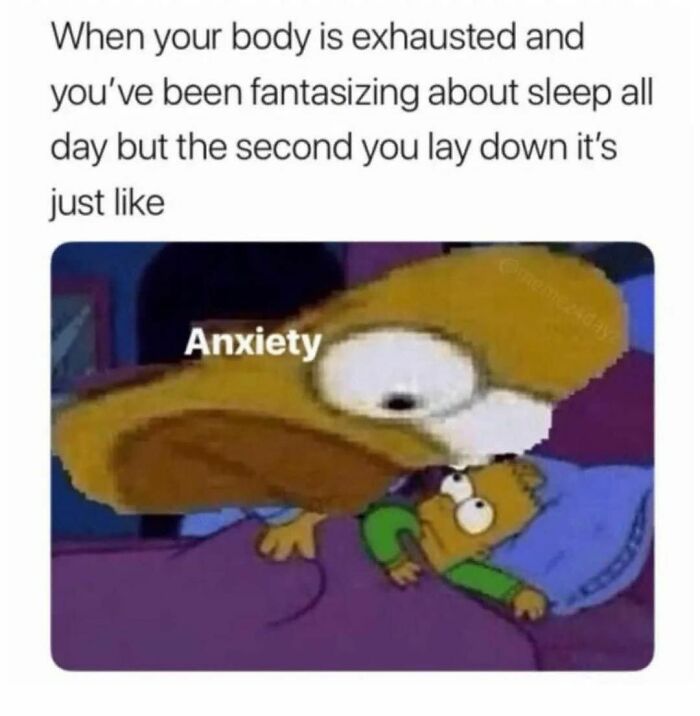
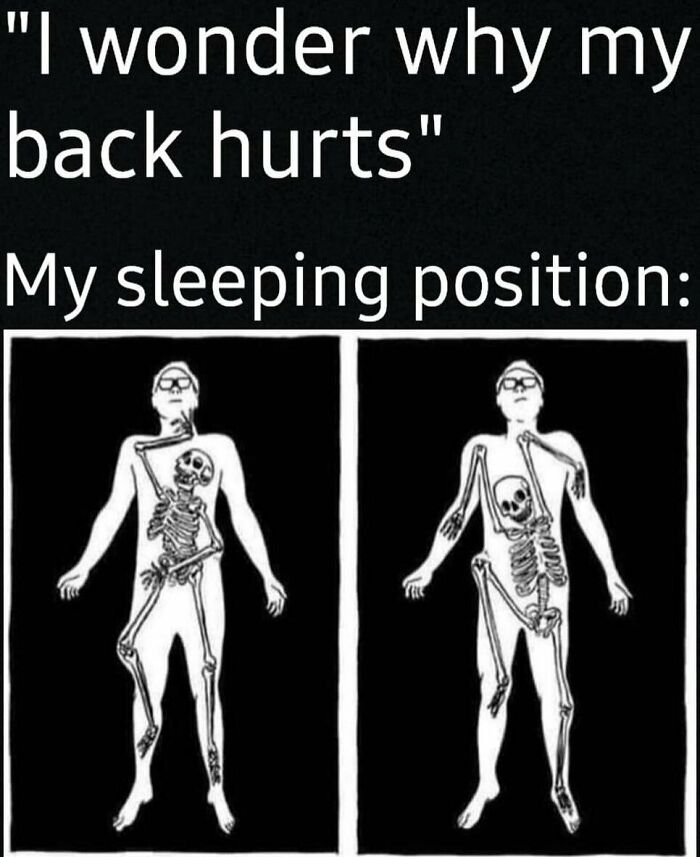
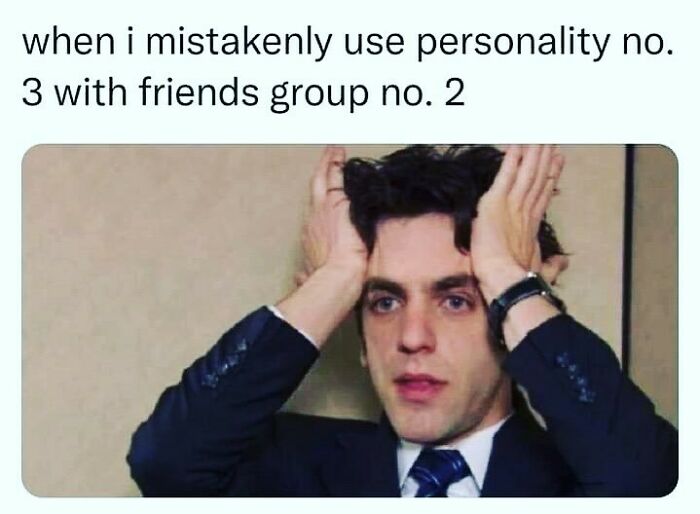
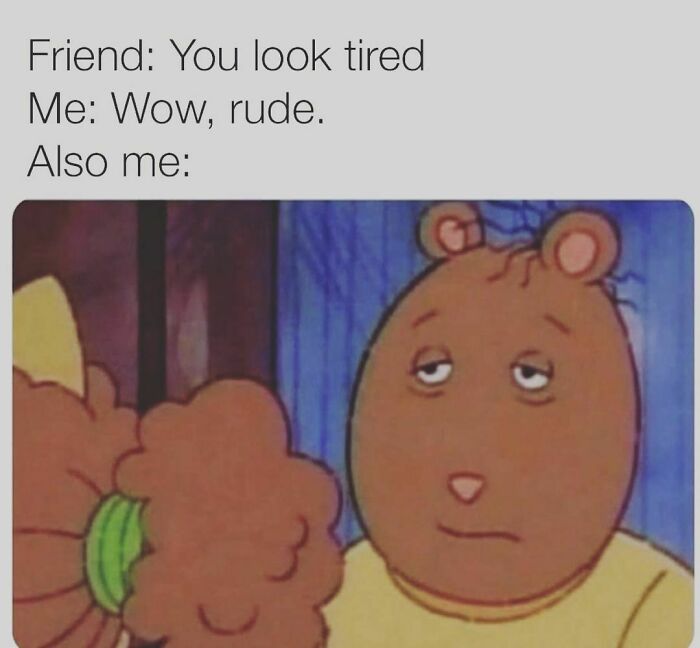
This Instagram page “Anxiety Within” has set out on an educational mission to raise awareness on mental health by sharing anxiety-related memes that vary from painfully spot-on to absurdly funny. Below we wrapped up some of the best ones, so make sure to upvote the ones you like the most!
If you or someone you know is struggling with mental health and anxiety, don’t wait. Call the National Alliance on Mental Illness (NAMI) Helpline: 1-800-950-NAMI (6264) for help and see the list of other crisis helplines.
This post may include affiliate links.
Anxiety disorders can affect people of virtually any age group. For school kids in particular, anxiety is often mistaken for something else like upset stomach, acting out, ADHD and even learning disorders, according to Child Mind Institute.
Speaking of school kids, it has to be noted that there are many different kinds of anxiety. That is one of the reasons it can be hard to detect in the classroom. According to neurologist Ken Schuster, PsyD, what they all have in common is that anxiety “tends to lock up the brain” and in turn make school very hard for anxious kids.
Bored Panda reached out to Claire E. Cameron, an associate professor of learning and instruction at University at Buffalo Graduate School of Education, to find out more about young sufferers of anxiety and ways to help it.
According to Cameron, there is still a lot of stigma when it comes to talking about mental health. “Teachers should learn to listen to youth in a non-judgmental way and help them work with a school counselor or other trusted adult, if the need is beyond the teacher’s training level.”
Moreover, “Teachers can also incorporate social-emotional learning into their teaching and need to model healthy self-care such as getting enough sleep, eating nutritious food, and practicing mindfulness. Re-focusing students on their strengths and assets is critical,” Cameron added.
Most importantly, helping youth to identify the ideas they feel good about and making them feel good is key in easing early anxiety in school children. Cameron says it can be anything from activities they enjoy doing, like sports or theater, to volunteering (not going on their phones). “And then spending as much of their time and attention on those things,” the professor noted.
Our culture tends to value people’s outward appearance and achievements, the professor argues. “Yet where human beings find meaning is in strong healthy relationships and doing work (including academic work) that contributes to the community and to a sense of greater good.”
According to the professor, teachers can involve students in service learning projects to help students connect what they are learning in school to the outside world.
Ken Schuster, PsyD, who was a former teacher, told Child Mind Institute that you could see it in a child’s behavior that they were having anxiety issues. “Back when I was teaching, I would notice that when I had to call on someone, or had to figure out whose turn it was to speak, it was like the anxious kid always tended to disappear.”
“The eager child is making eye contact, they’re giving you some kind of physical presence in the room like ‘Call on me, call on me!’”
However, when kids are anxious about answering questions in class, they act the opposite. “They’re going to break eye contact, they might look down, they might start writing something even though they’re not really writing something. They’re trying to break the connection with the teacher in order to avoid what’s making them feel anxious,” Schuster explained.

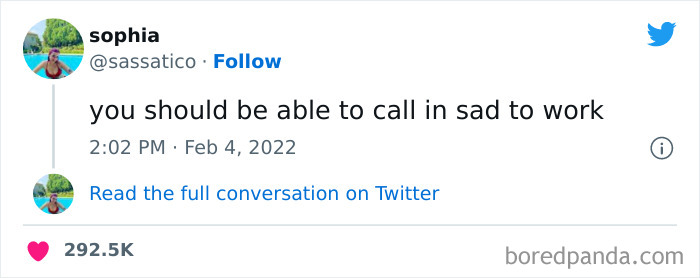
Funny and relatable .... If it wasn't for that little voice in the back of my mind , whispering " see, your mental illness is a joke...."

or that little voice saying, "Are you not supposed to be working?"
Load More Replies... Funny and relatable .... If it wasn't for that little voice in the back of my mind , whispering " see, your mental illness is a joke...."
or that little voice saying, "Are you not supposed to be working?"
Load More Replies...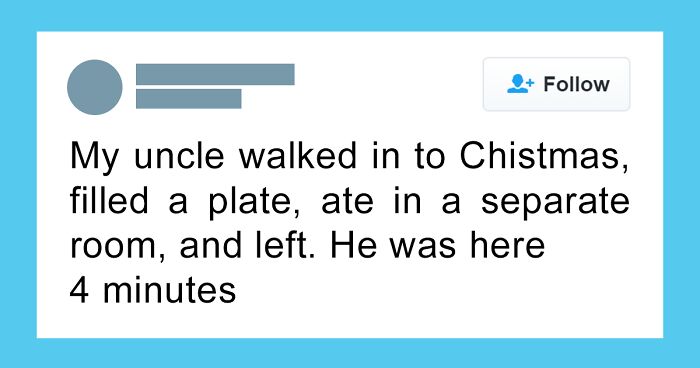























 No fees, cancel anytime