Get Premium
Dark mode theme is available exclusively for premium users. Learn more about the benefits of subscribing.
No fees, cancel anytime.

 Dark Mode Ad-Free Browsing Unlimited Content
 Ad-Free Browsing Unlimited Content Dark Mode
Join 1.2 million Panda readers who get the best art, memes, and fun stories every week!
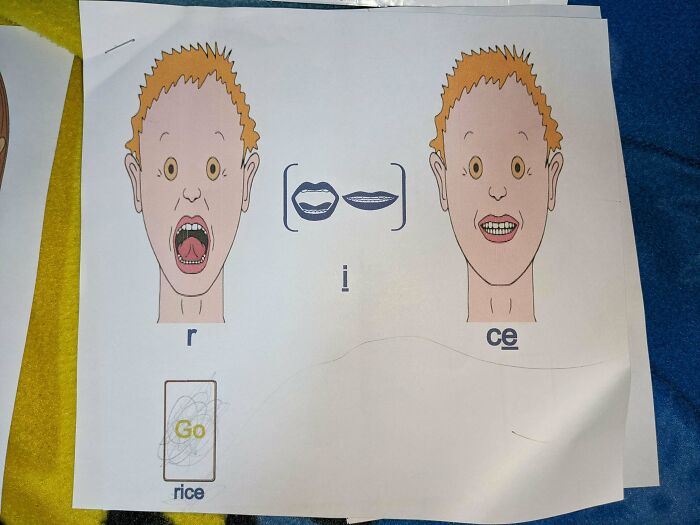
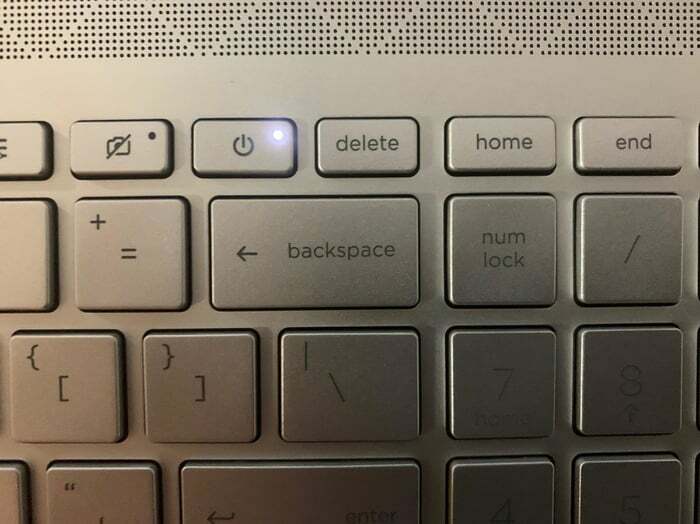
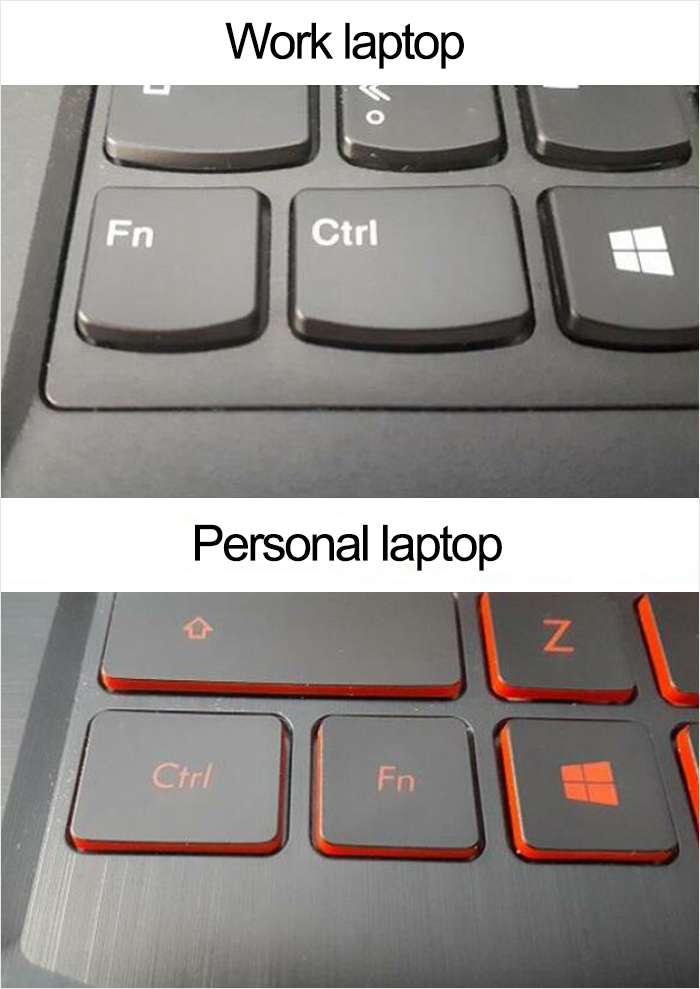
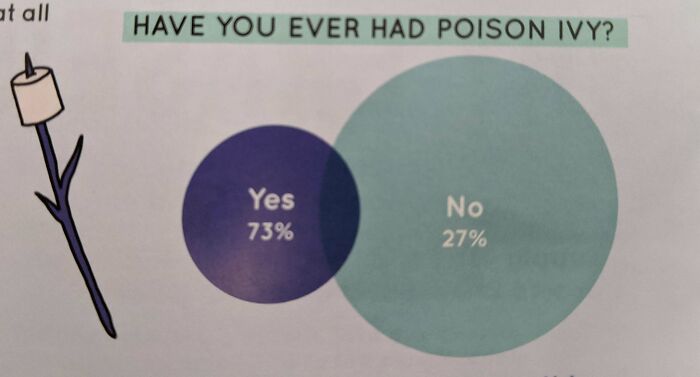
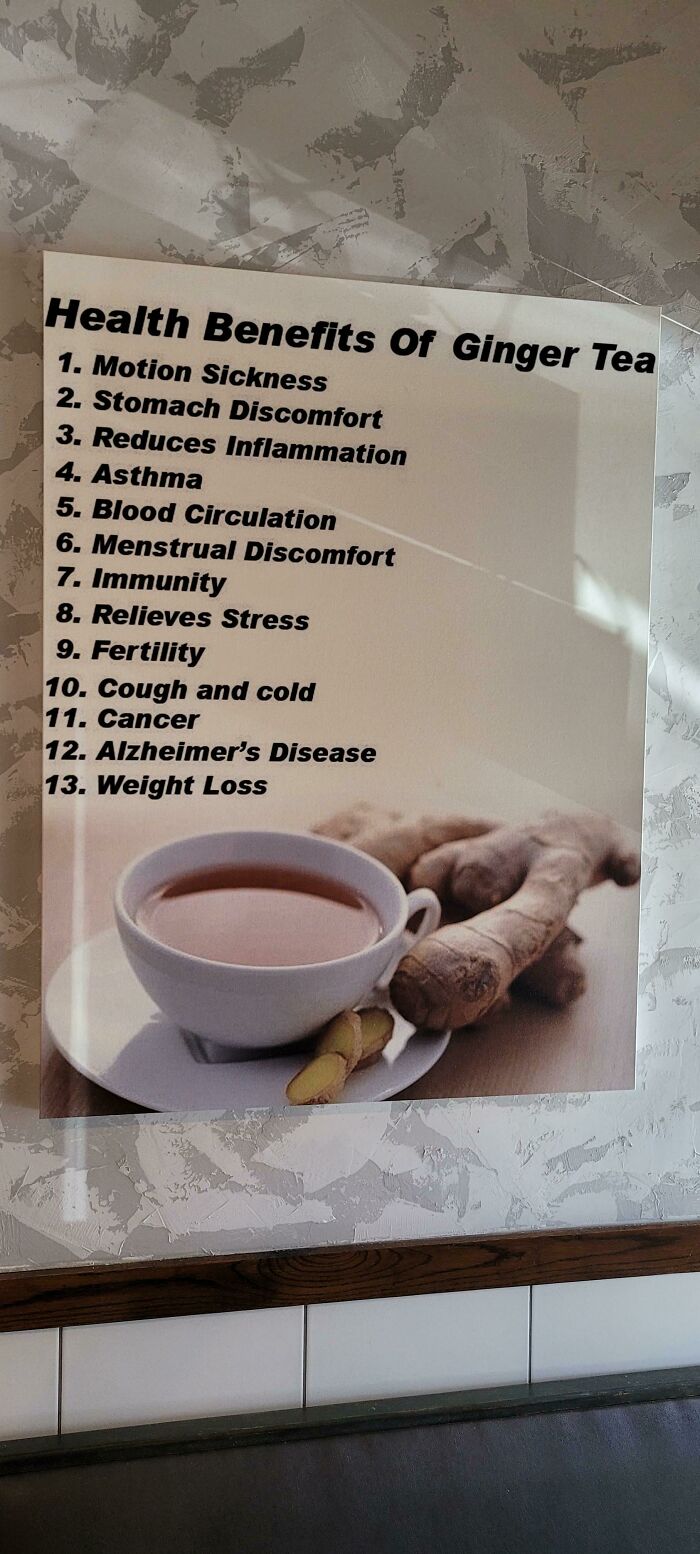
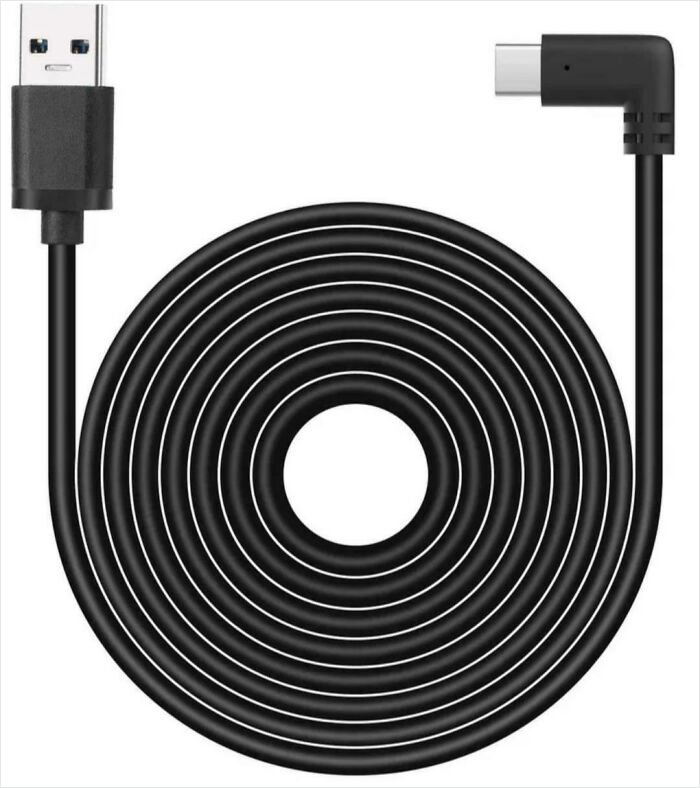
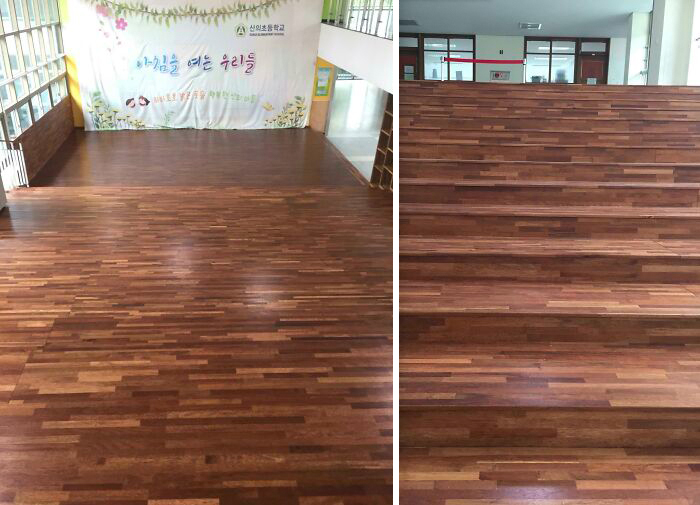
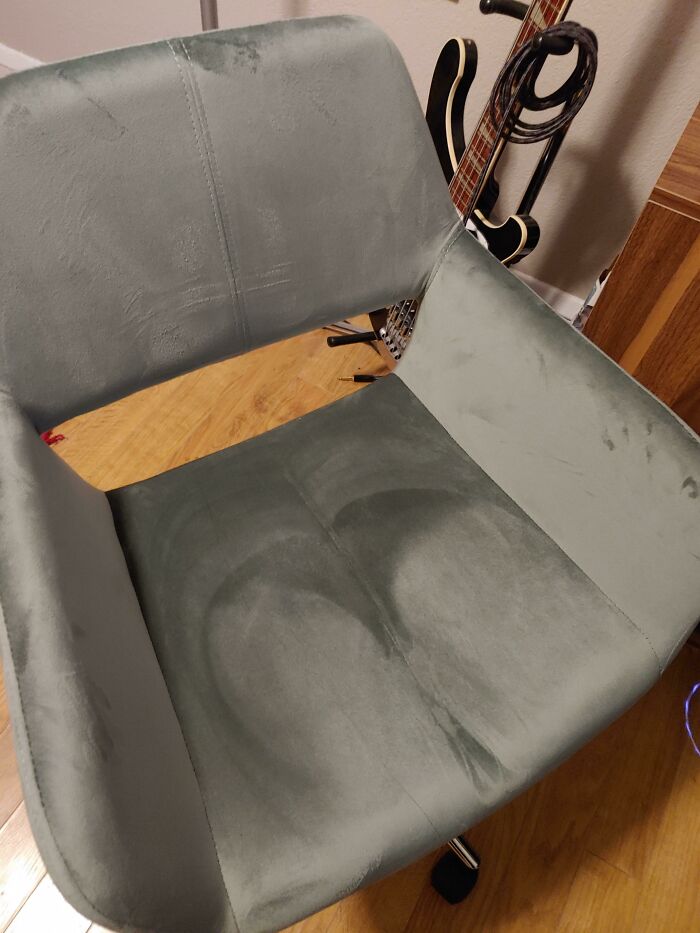
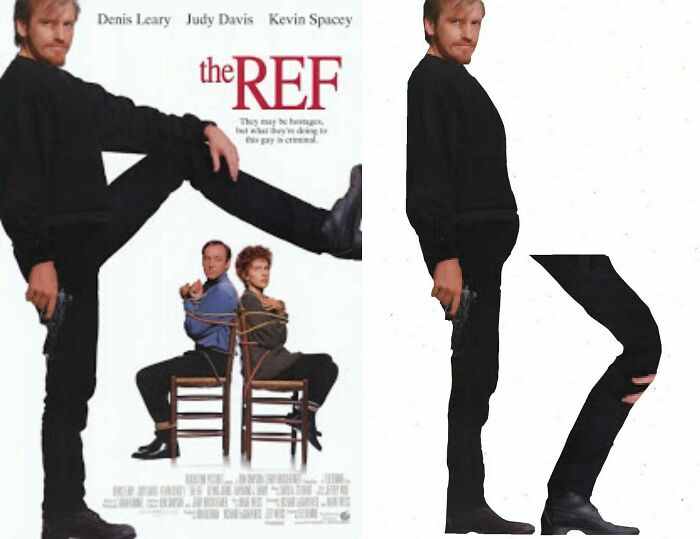
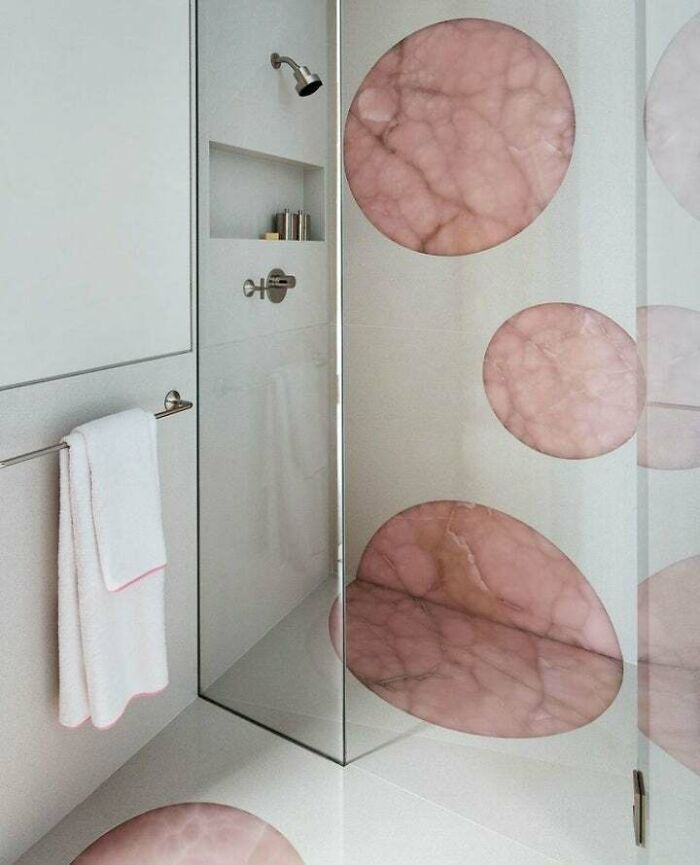
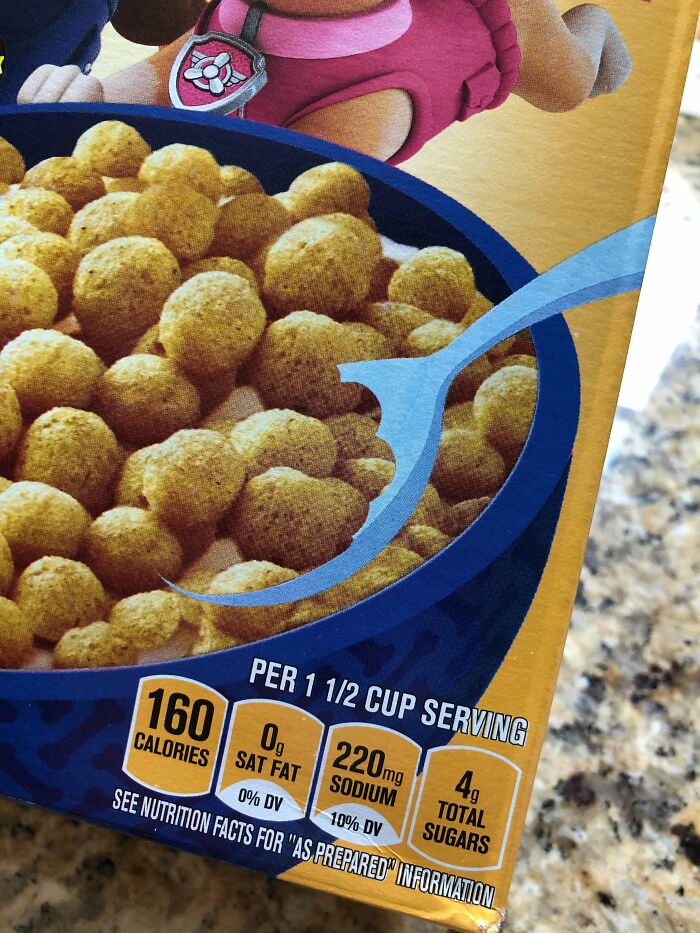
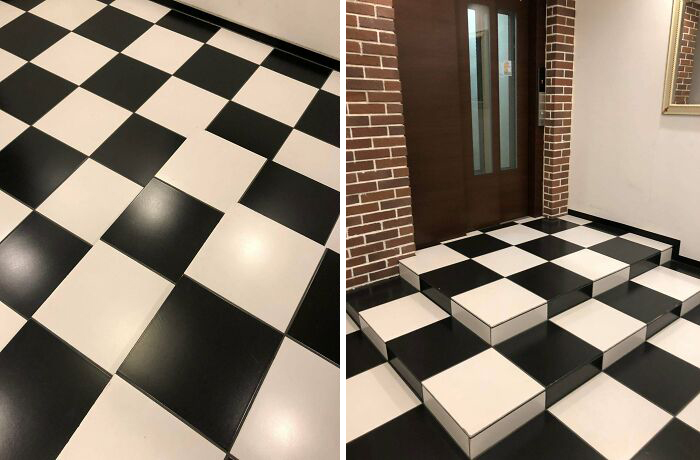
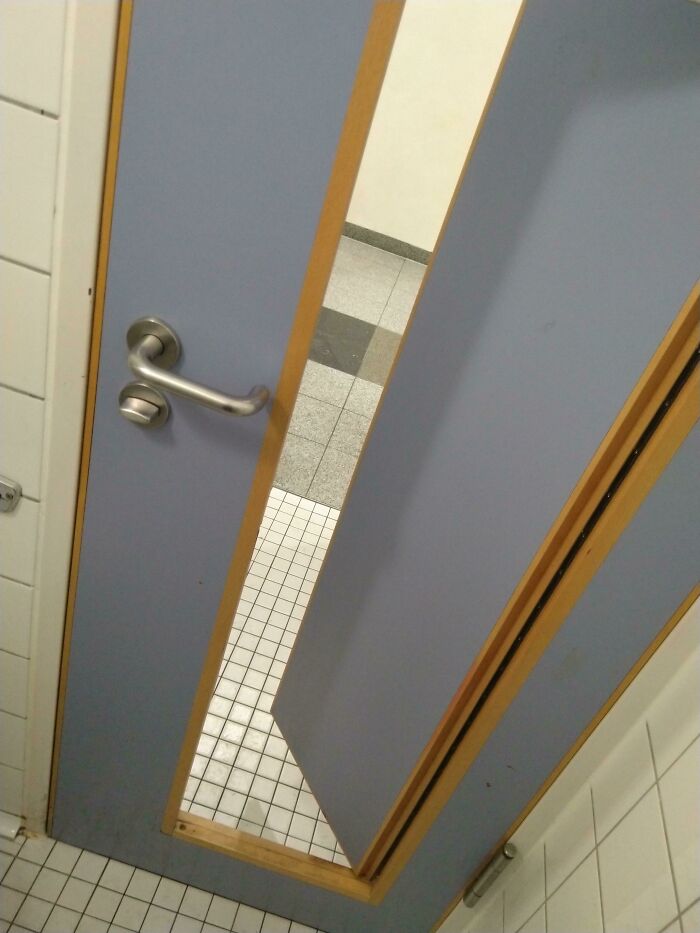
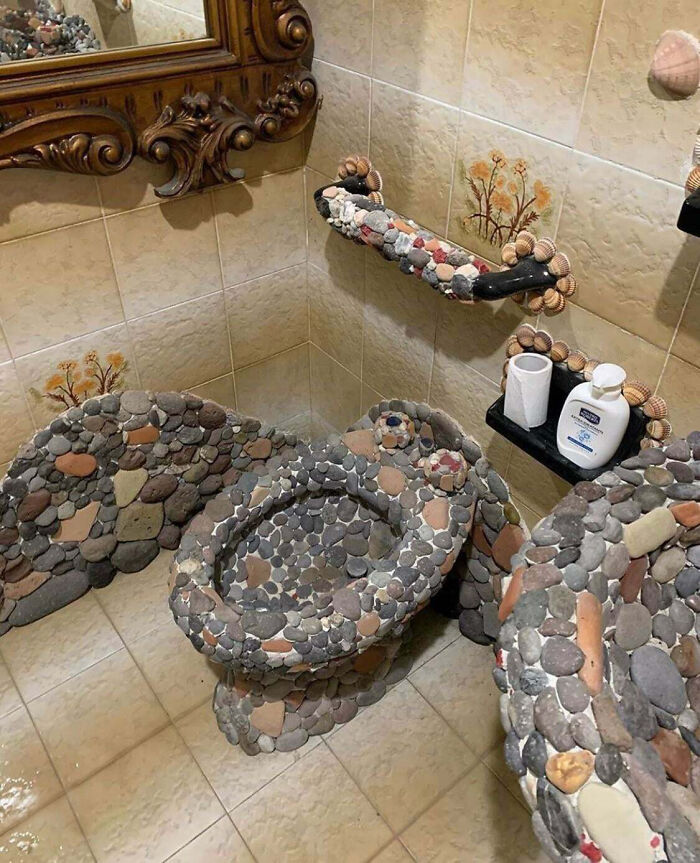
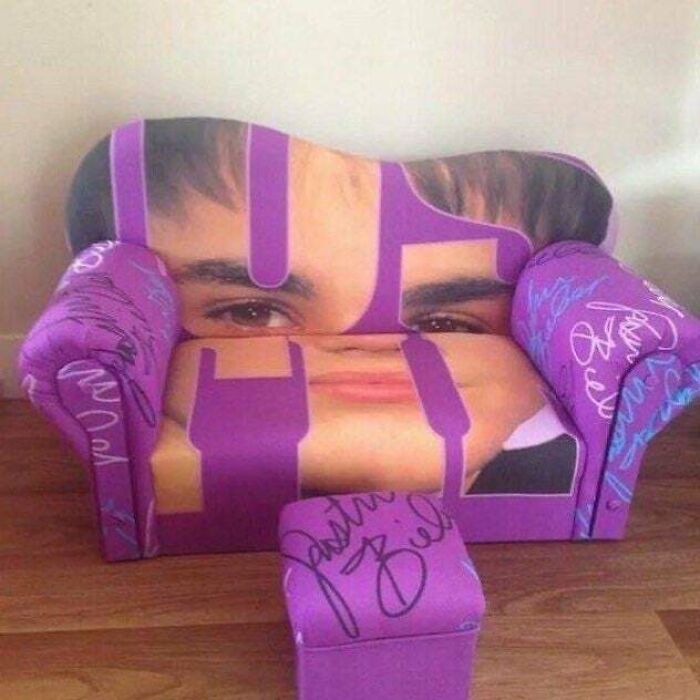
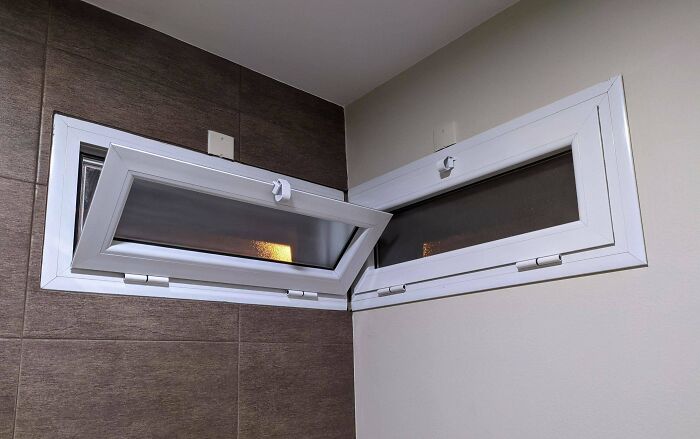
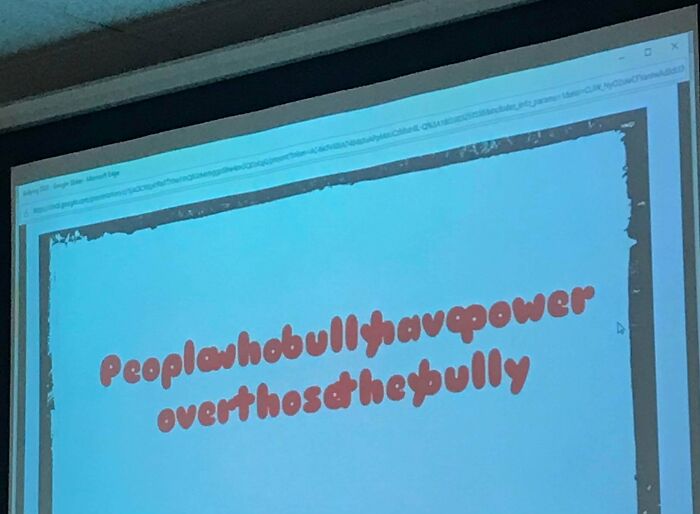
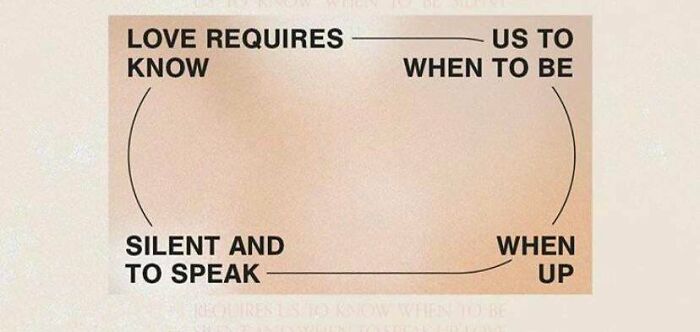
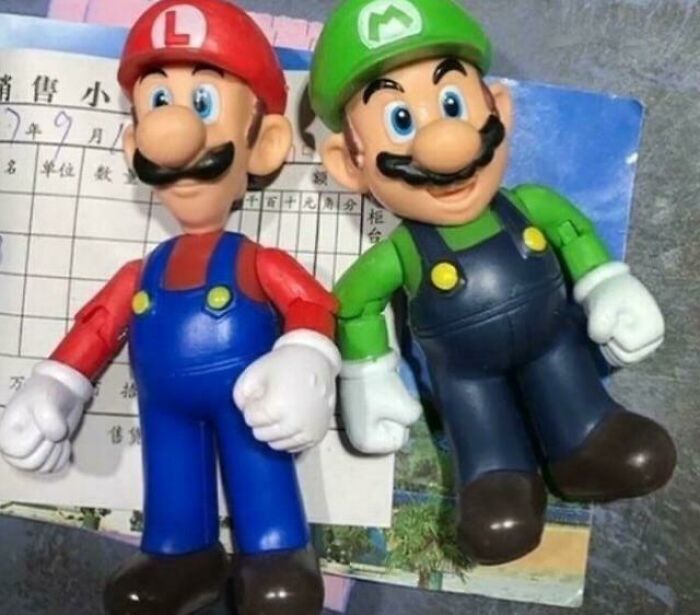
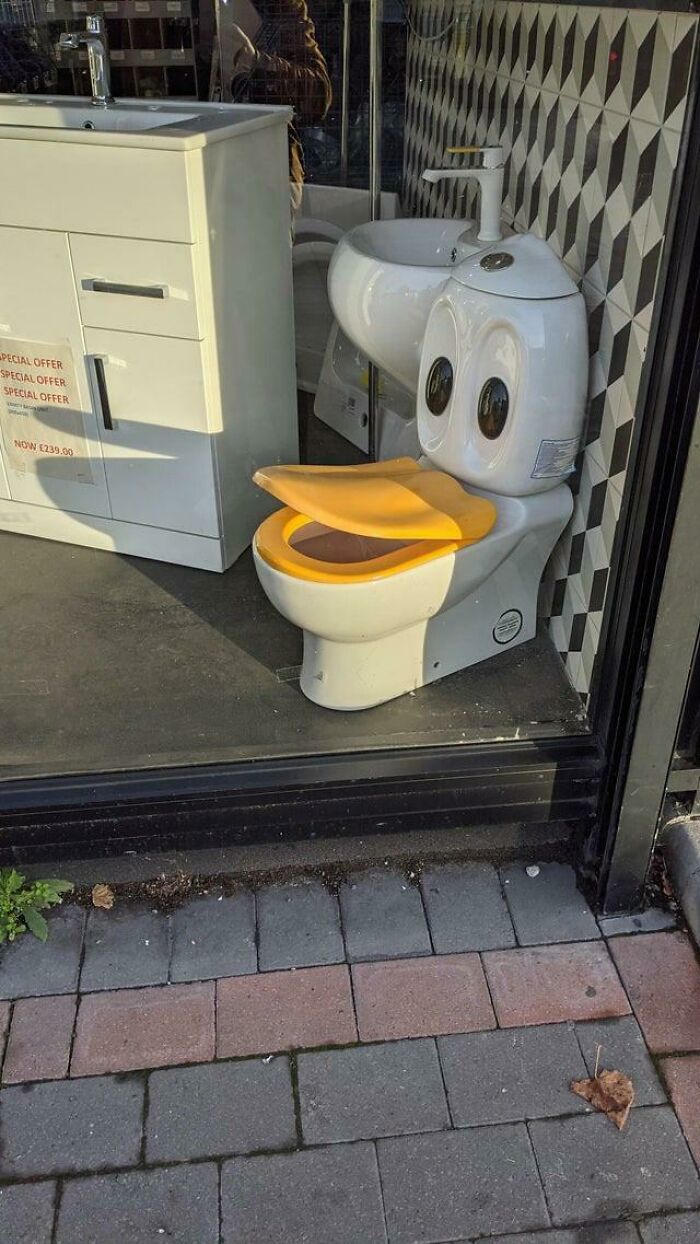
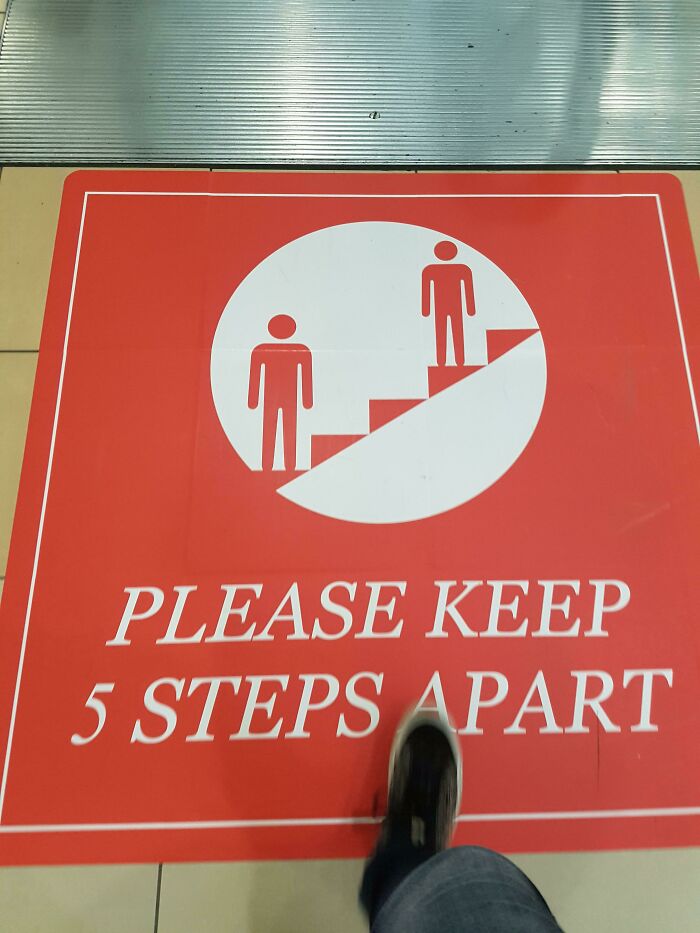
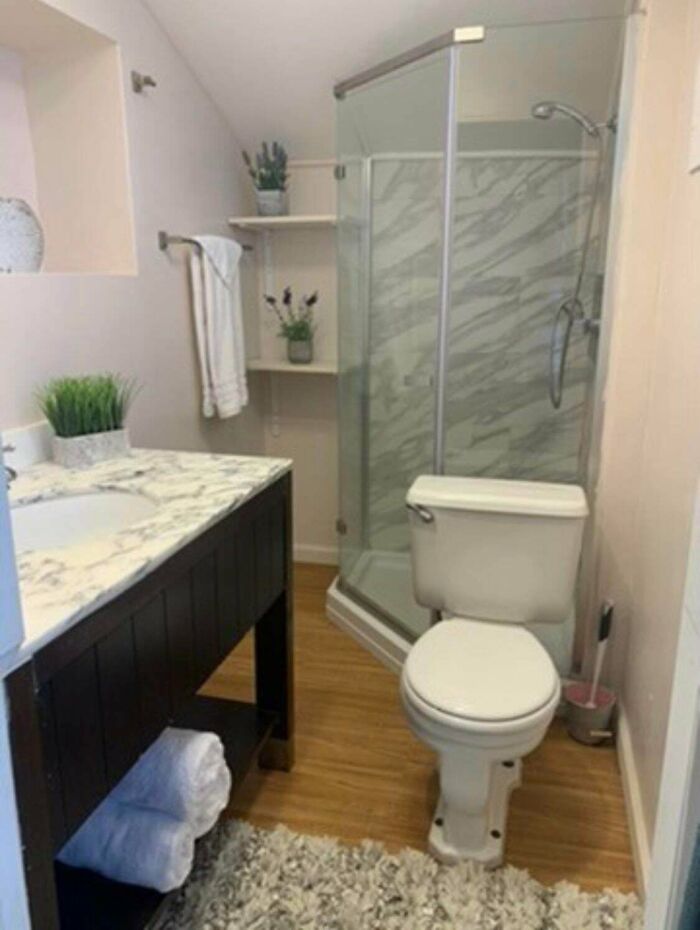
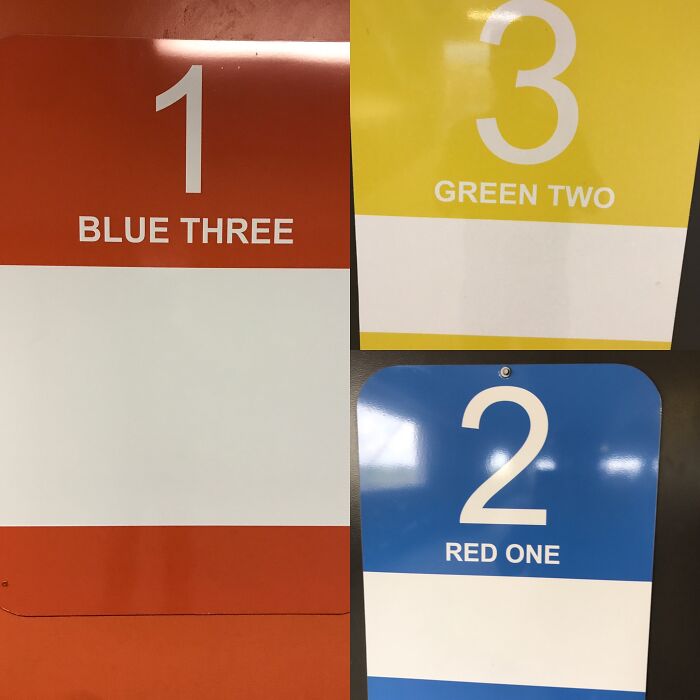
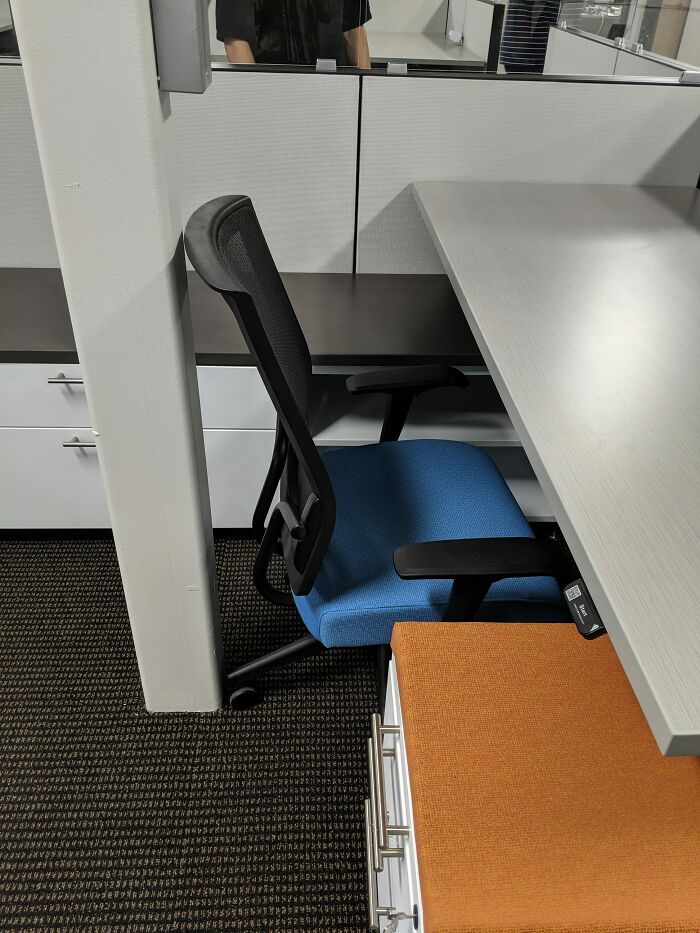
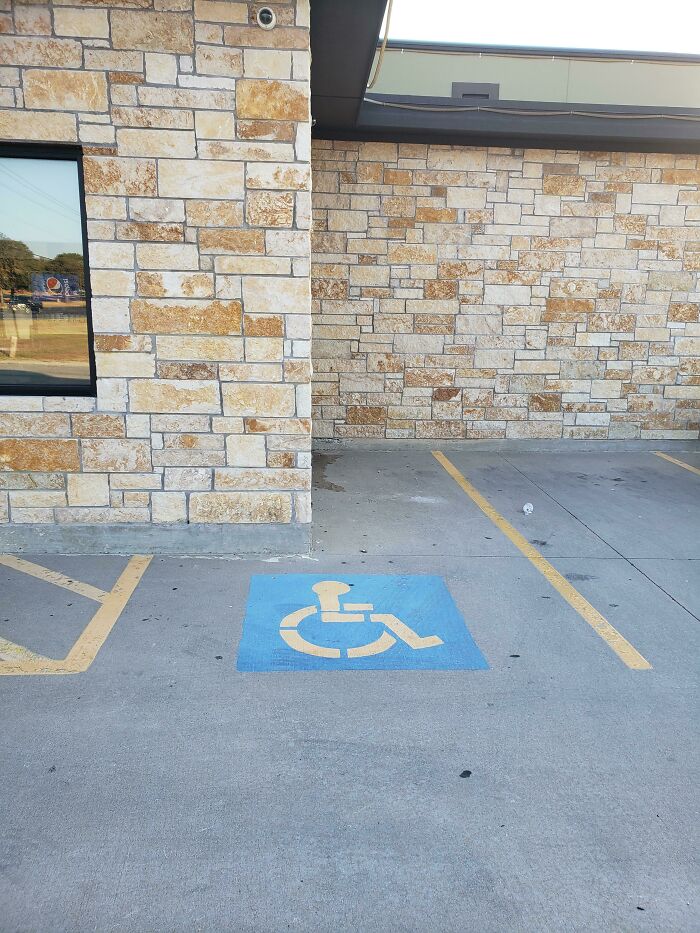
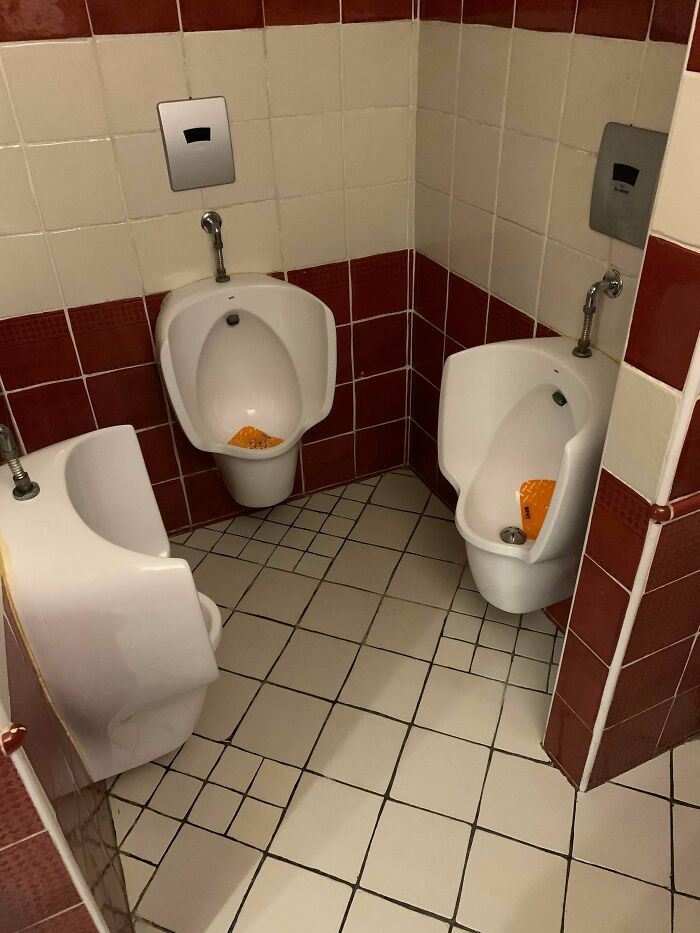
Ugly. Lame. Disastrous. This list of descriptions for epic design fails might not be exhaustive, but it’s enough to get you up to speed with the thought bubbles you can expect to pop into your mind as you’re scrolling through the images in this post, brought to you by us from this online group that's dedicated to bad design. Good taste might seem like it’s common sense, but we’ve got all the proof in the world that this isn’t the case. Unfortunately, what looks awful to you and us and obviously doesn’t function well isn’t always apparent to the designers behind the disasters.
Remember, upvoting a photo here means that you love how fantastically horrid it looks. Be sure to let us know which of the worst design mistakes caught your eye the most, dear Pandas. In need of more proof that your own sense of taste is actually really, amazingly good? You’re in luck. You can find our other posts about truly awful design decisions right here, here, as well as here. Got any photos of bad designs around your house? Drop us a pic in the comment section.
Bored Panda spoke about the principles of good design, the line between quality and bad design, as well as human beings' intuition to automatically feel what's designed well with Tim Antoniuk, an Associate Professor of Design Studies at the University of Alberta.
This post may include affiliate links.
We’ve spoken about Dieter Rams’ 10 principles for good design before. And even though we wholeheartedly agree with them and believe they’re timeless, some of them could be adapted to better reflect how much the world has changed over the last few decades. In short, there are some new nuances that designers should take into account.
According to Antoniuk from the University of Alberta, Rams "does a great job" determining what makes design great. However, this doesn't mean that Rams was able to foresee exactly how the world would change.
"That said, given the speed of change that we encounter today in our lives in the digital environment that we live in, I believe that some great design is not necessarily timeless. One example is seen in Interface Design, Ux Design, and in-service design. As new layers get added into our lives, things naturally have an evolutionary cycle. This is different from furniture which naturally can be more ubiquitous and designed to fit the human body. There is a great deal of fuzziness in this discussion but I do believe that the essence of this idea is true," the Associate Professor explained.
In Antoniuk's opinion, there is such a thing as good and bad product, furniture, and interior design. But degrees of preference create a gray area where a clear line between quality and a lack thereof should exist. "The gray area comes in when people start to talk about taste and about degrees of aesthetic. I may love the design of Bauhaus furniture, for example, while somebody may feel that it is too cold and void of personality. Not unlike great art, I believe that much of what came from this era is ‘great design,’ in part because it represents an era and a philosophy. When we start to mix in discussions of taste and preference, that is where the gray areas of good and bad design get blurred."
Antoniuk also believes that people can intuitively "feel" and sense good design. "Quite often, this relates to ergonomics and the usability or functionality of the products and services and systems. Having said that, I think far too many people expect poor design that doesn’t really work well," he told Bored Panda.
What's more, he believes that good and bad design are skills that can be learned, especially when we start diving deep into the realm of aesthetics. "For me, great design is what Dieter [Rams] talks about—it is also intuitive, it is deeply sympathetic and empathetic to the user at all levels, and at some level, it is emotional. It is a catalyst for giving us feelings."
Suzanne Labarre of Co.Design has a similar take in that she also believes that Rams’ principles could be updated. While Labarre has the IT and tech industry in mind, the principles for good design are pretty much universal, no matter if you’re designing an app, setting up a building’s interior, or creating a brand new product.
In Labarre’s opinion, good design has to be transparent, easy to understand, and done in a way that empowers its users, instead of overwhelming them. Furthermore, Labarre puts a lot of emphasis on each designer’s responsibility for what they create: they have to be aware of the possible consequences their creations might have, both on the consumers and on society.
For Labarre, design is inherently political. Product design (whether physical or digital) has the ability to change how power is distributed in society. This feeds back into the point about how we should all be aware of how our designs can change the world. Naturally, this extends far beyond just chuckling at epic design fails—but even that’s great to wind down after a long day at work! Or… at your work desk (don’t worry, we won’t judge).






















 No fees, cancel anytime