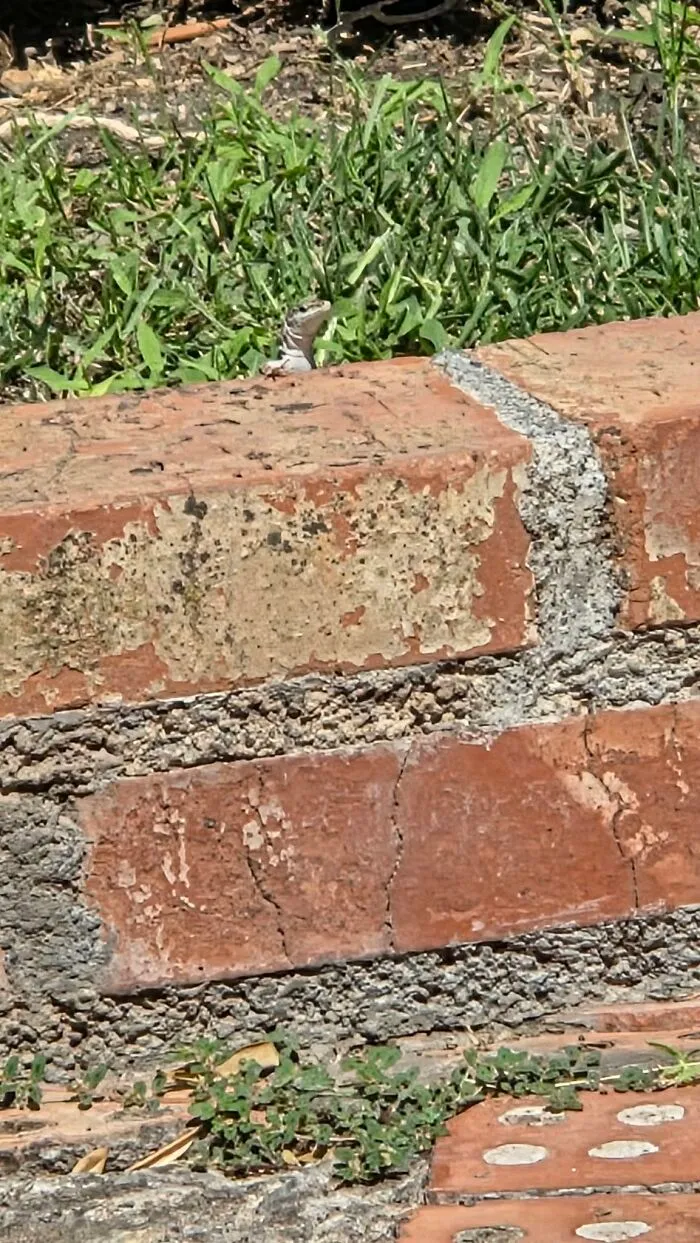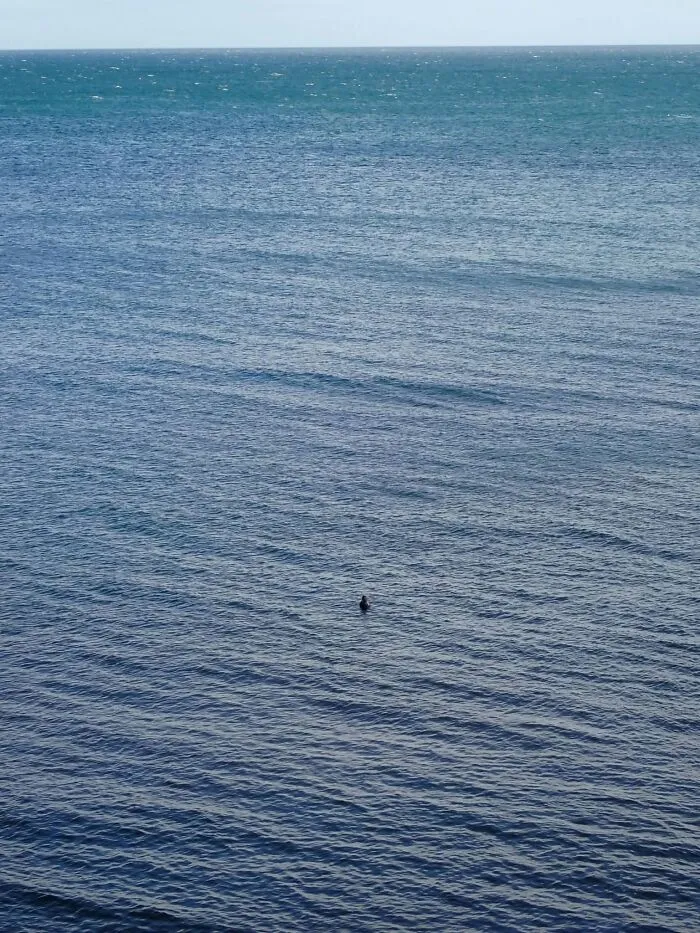

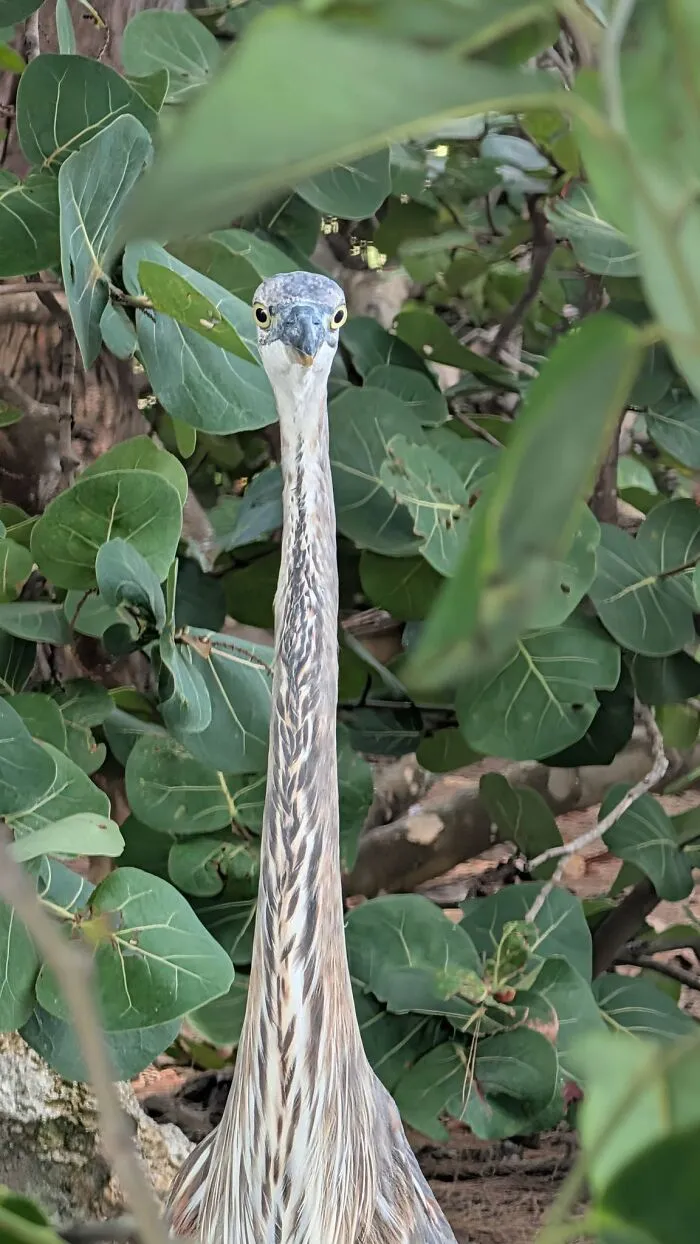
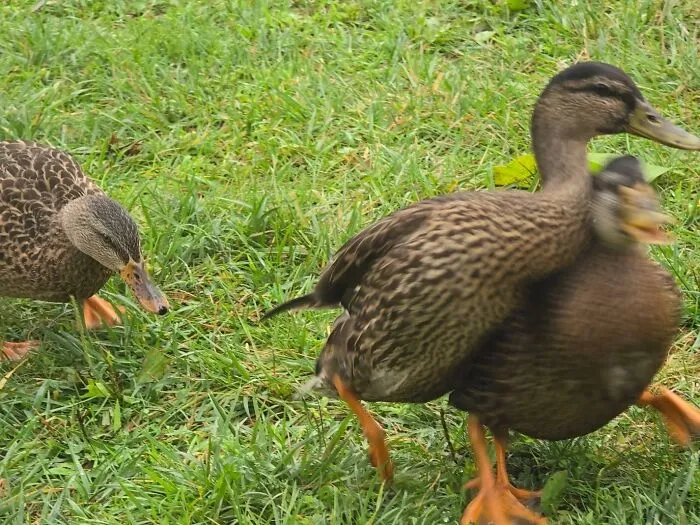
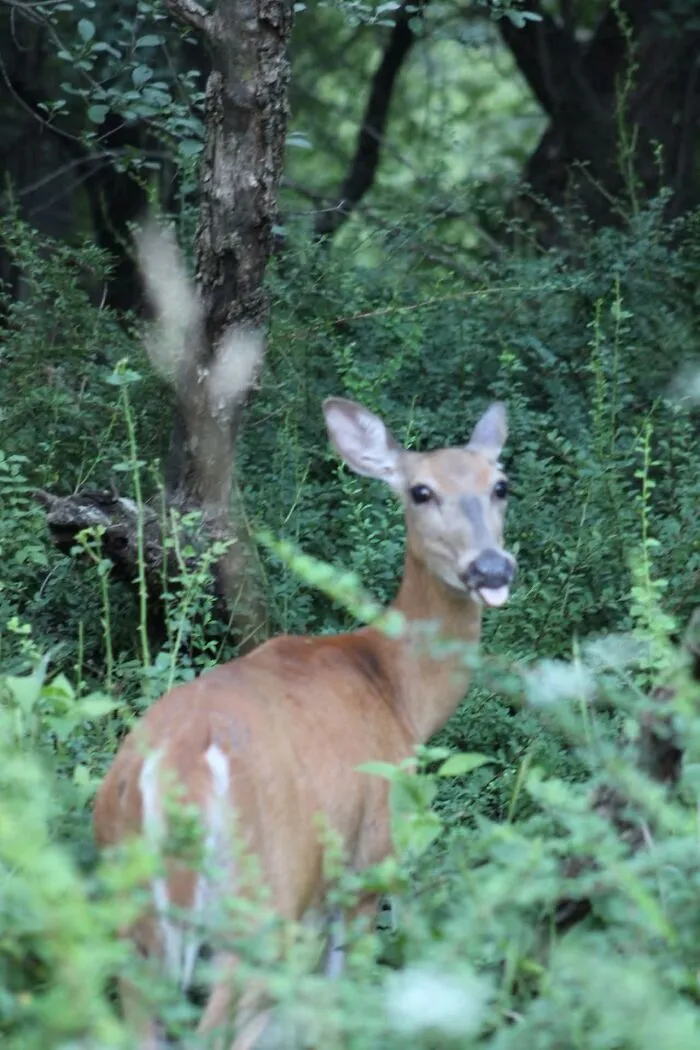
Birds and animals are adorable, no matter which ones you like best. And we love to capture things that we like, so they get immortalized in a way. Pets are often supermodels for their hoomans, who turn into paparazzi the moment they do something cute. But getting them to pose for a minute is a whole different ballgame.
If you think they are difficult, just imagine what wildlife photographers have to go through constantly. Of course, there are going to be “bad pictures.” But click, they must, because these photos actually matter more than we might realize, especially in the present.
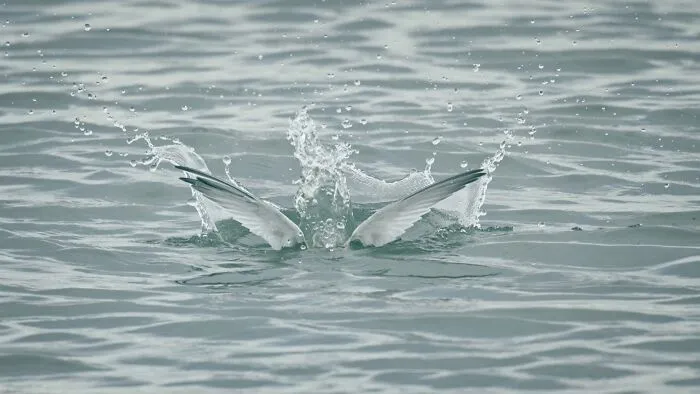
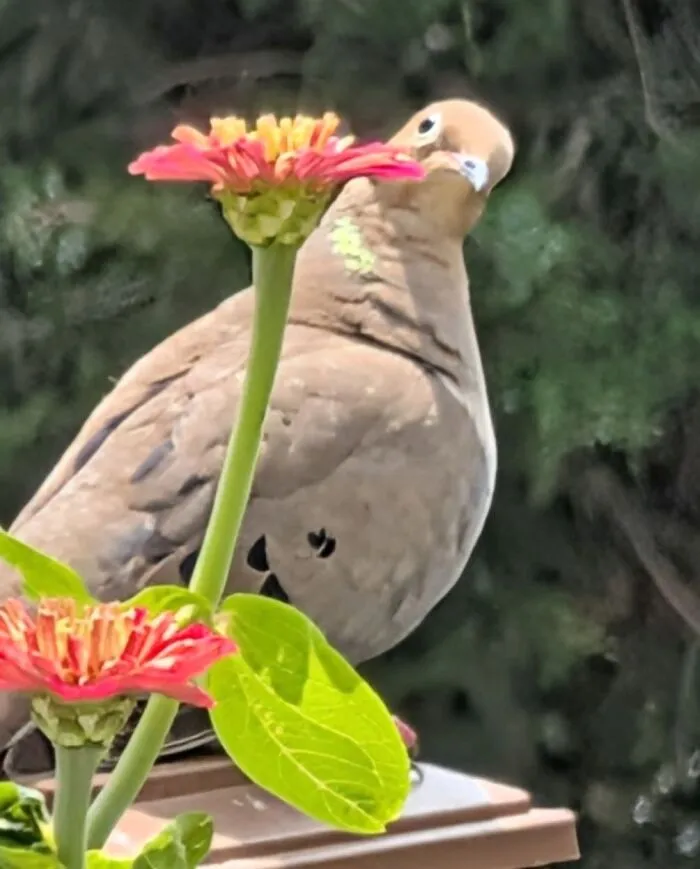
#5 I Forgot To Fill The Bird Feeder. The Umbrage Is Both Immediate And Profound
Global warming and climate change are slowly destroying the world as we know it. From the loss of biodiversity to damaged natural habitats and ecosystems, it’s really horrifying that animals suffer because of human mistakes. Currently, there are more than 175,900 species on the International Union for Conservation of Nature (IUCN) Red List, with more than 49,500 species threatened with extinction.
Experts agree that today’s extinction rate is hundreds, or even thousands, of times higher than the natural baseline rate. With our companions on the planet facing so many dangers, wildlife photography plays a powerful role in helping them.
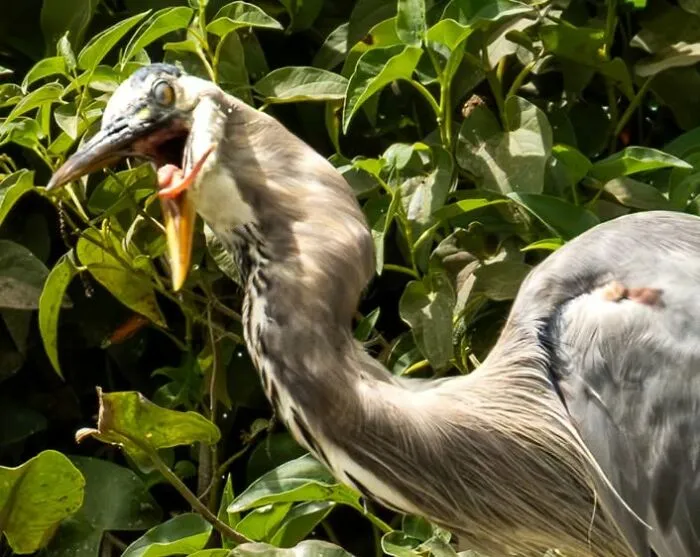
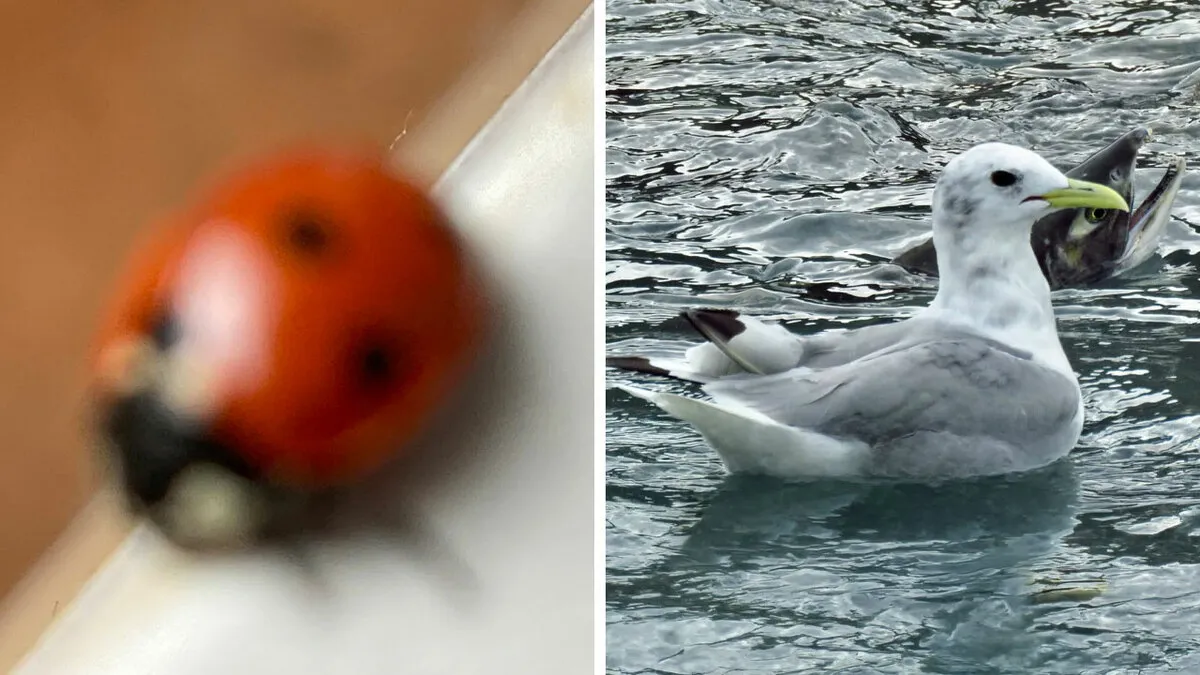
#8 This Was Almost A Cool Shot Of The Salmon….if It Weren’t For The Seagull, Who Decided To Be The Center Of Attention And Photobomb My Picture
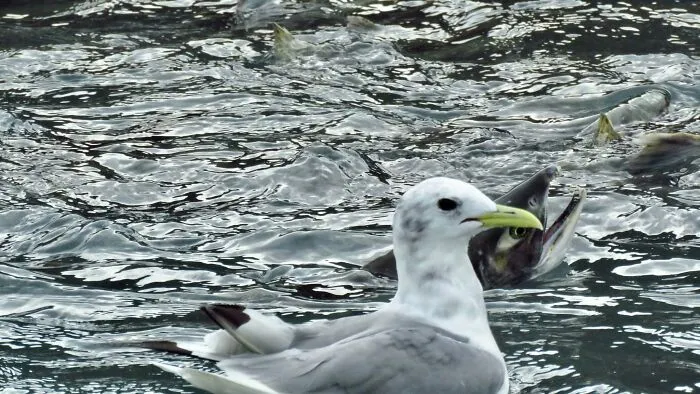
#9 I Am Really More Of A Painter, But If That Falls Though, I Think I Could Probably Fall Back On My Skills In Nature Photography
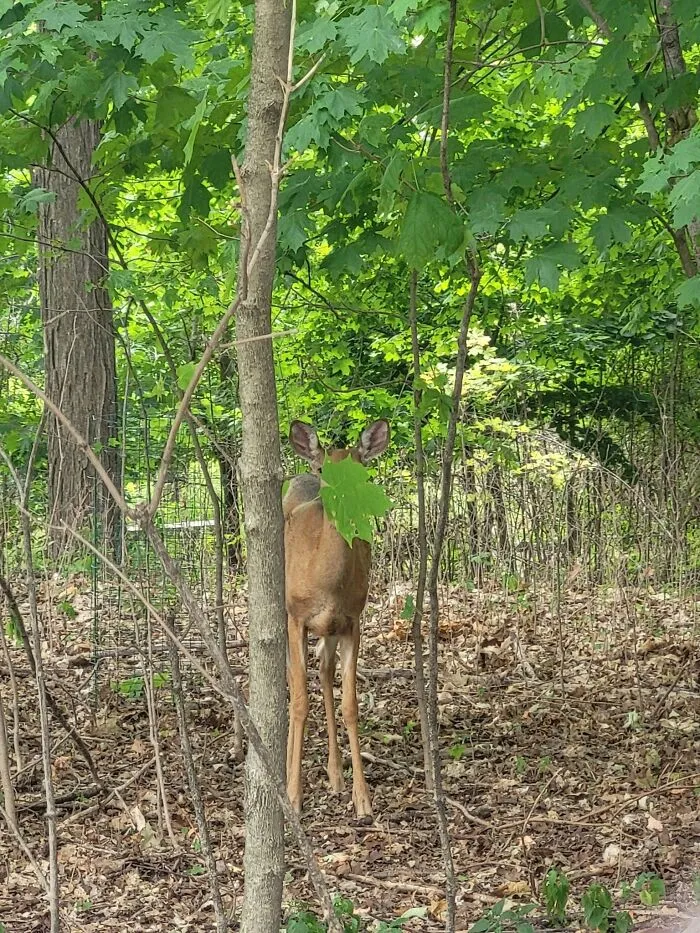
For wildlife photographer Matt Rochford, clicking these pictures comes naturally. He pointed out a few beautiful reasons why he loves his job so much, and how wildlife photography helps:
- Understand animal behavior in their natural habitat.
- Raise awareness for conservation.
- Develop a connection between humans and nature.
- Provide beautiful stories of wildlife.
- Capture once-in-a-lifetime moments.
Powerful animal pictures have actually helped conserve species in the past. National Geographic reports that photos have also shocked people into action. They present graphic evidence of humans’ devastating impacts on habitats. For instance, photos of seabirds eating plastic bags and turtles snared in six-pack rings drove a global campaign to end single-use plastic.
Moreover, images of tuskless elephant carcasses have helped to curb the illegal ivory trade by making ivory ownership socially unacceptable. Another instance was when the use of animals for entertainment was discredited through photos revealing the appalling conditions in which some were kept.
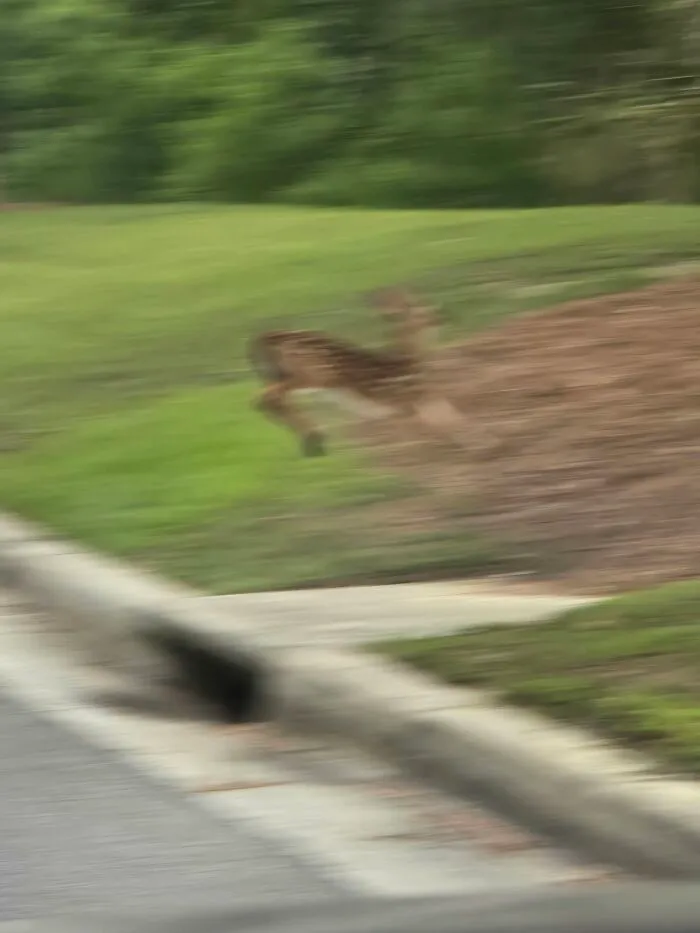
Wildlife photographs don’t just spread awareness about conserving animals; they also bring in funds to take action. For instance, there was the heartwarming story of Romeo, the last known Sehuencas water frog. His adorable pictures were posted on a dating site to raise money to find him a mate.
This led to a funded expedition to Bolivia, where researchers discovered five more of his species. Romeo also found Juliette, giving the Sehuencas water frog hope of not going extinct
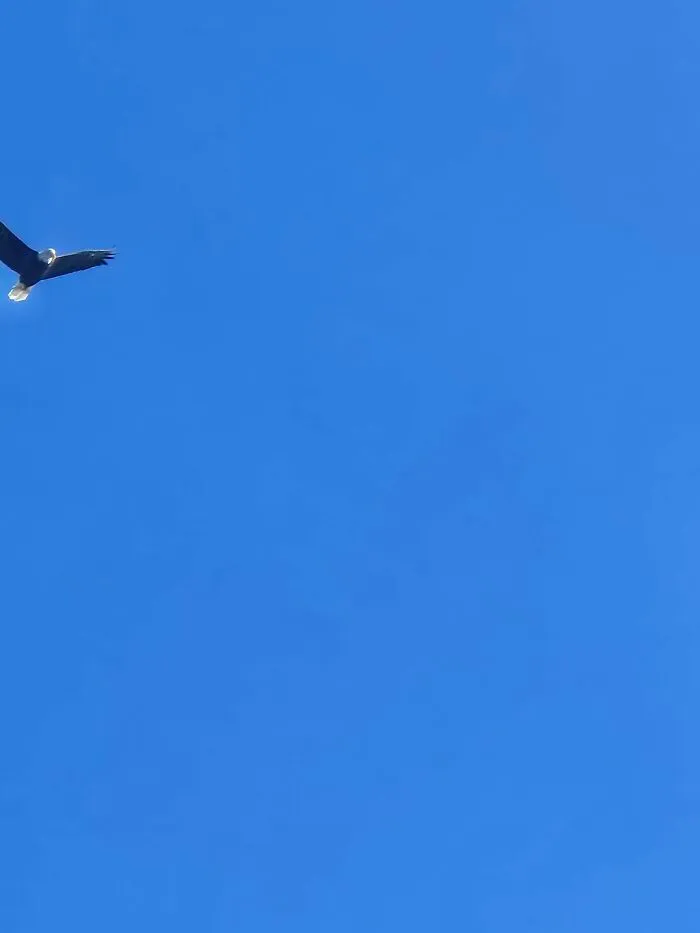
National Geographic photographer Joel Sartore claims that people won’t want to care about animals unless they’ve met them, and photos give a voice to animals that have no voice. Well, now that we have established how important wildlife photography is, what exactly makes a “good” and powerful photo, as opposed to a bad one?