




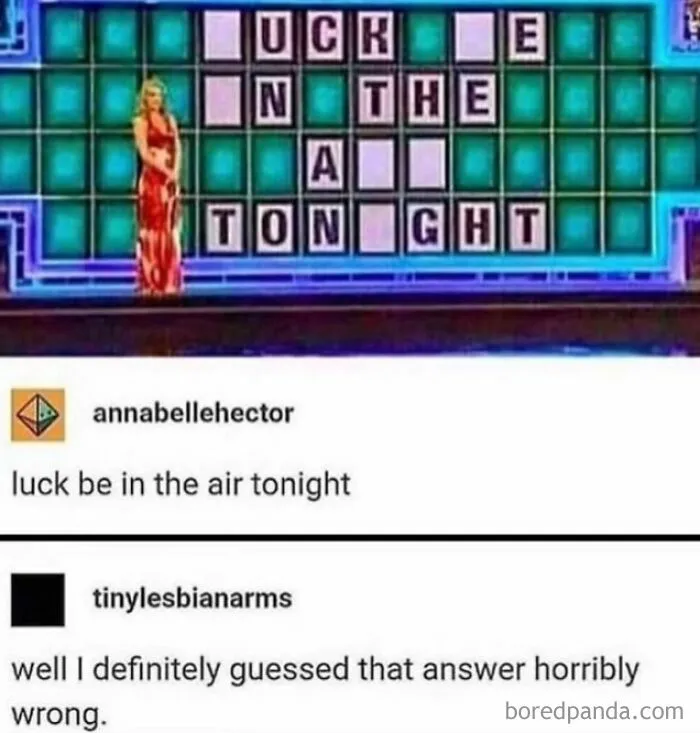
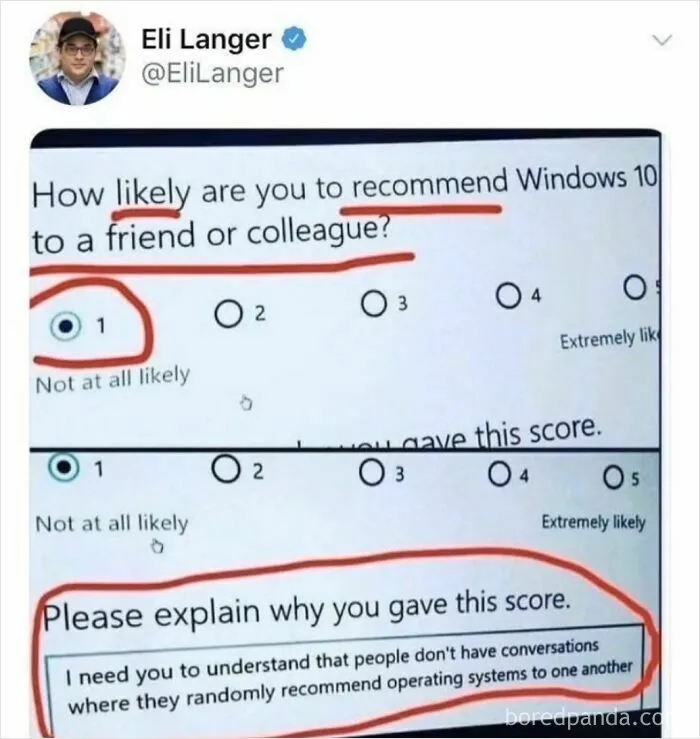

Memes might look like the internet's version of doodling in the margins, but the ones that actually spread and stick around are put together with more craft than people give them credit for. The word itself goes back further than most people expect too. Richard Dawkins coined the term "meme" back in 1976, describing it as a unit of culture that copies itself from mind to mind the way genes copy themselves from body to body.
He was thinking about melodies and fashion trends at the time, not cats with captions, but the core idea holds up surprisingly well. A meme survives because something about it makes people want to pass it along, and that "something" usually comes down to a handful of ingredients working together.
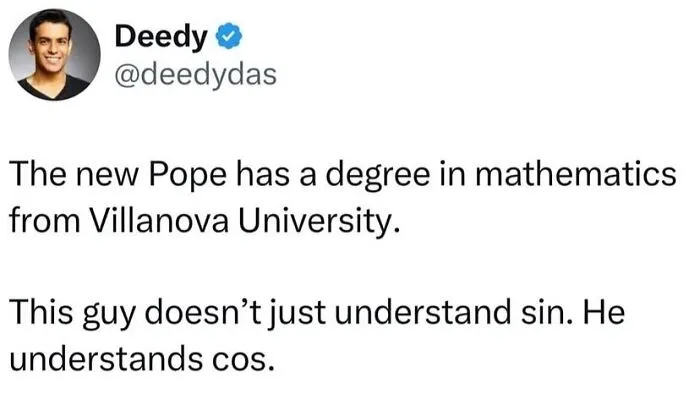

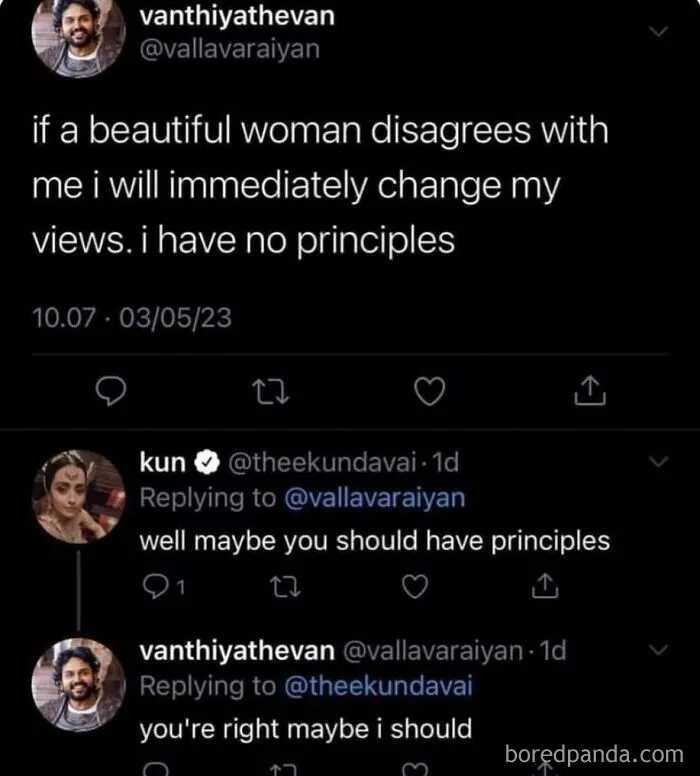
Relatability sits at the top of the list, and it's probably the single biggest reason a meme takes off. The best ones capture a feeling so specific and so common at the same time that seeing it puts into words (or images) something you'd never quite articulate yourself. That flash of recognition, the internal "oh my gosh, that's literally me," is what makes a person stop scrolling, laugh, and immediately tag a friend who needs to see it too.

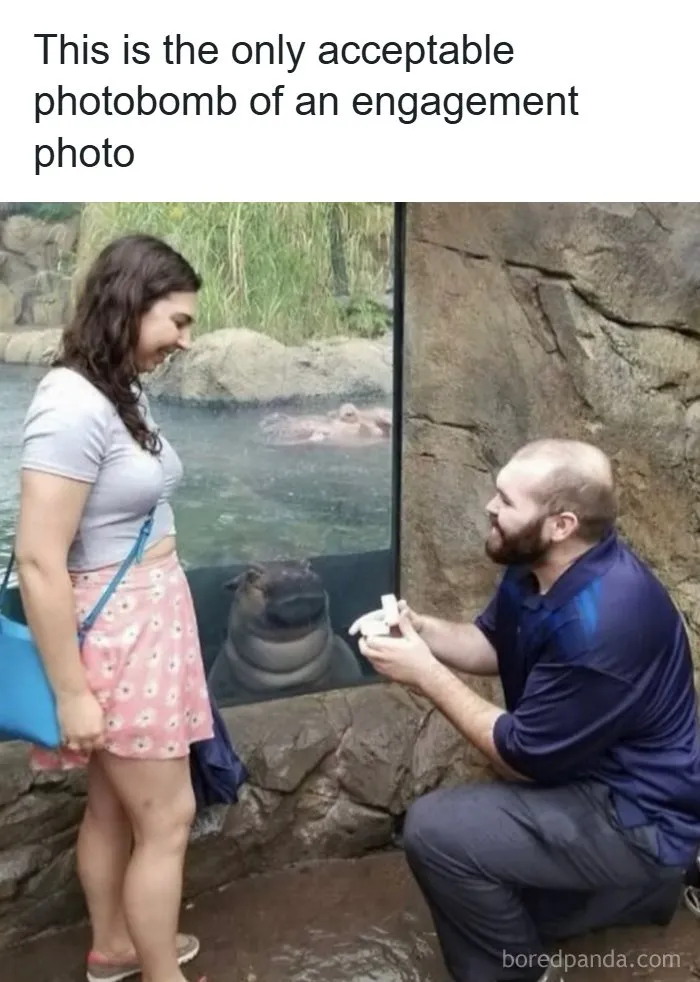
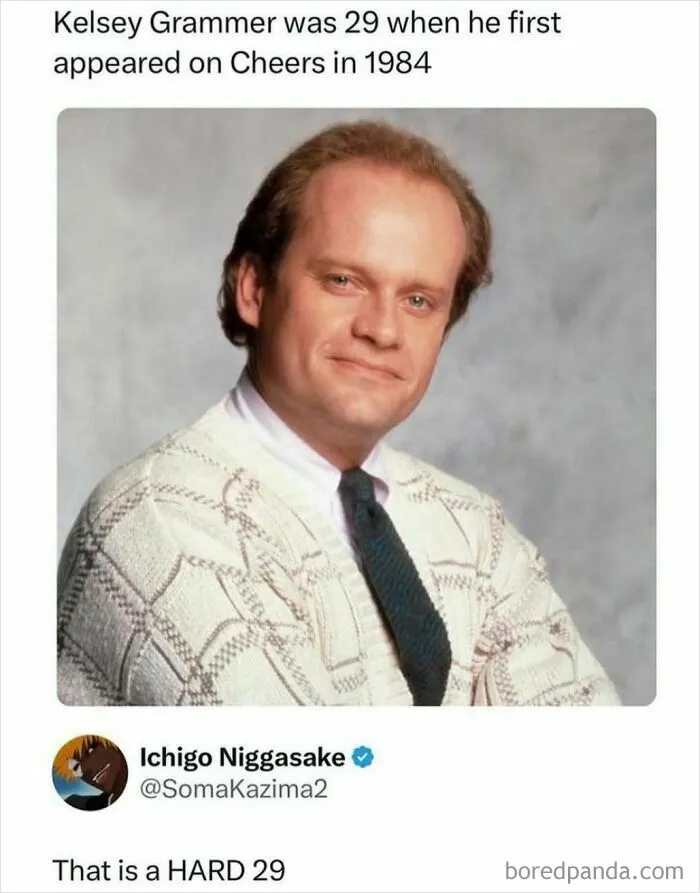
A meme about the horror of hearing your own recorded voice, or the specific exhaustion of pretending to listen on a work call, hits because almost everyone has lived it. Timing matters just as much, though it's the part that's hardest to control. A meme referencing something that happened last week can feel electric, while the exact same joke a month later reads as stale.
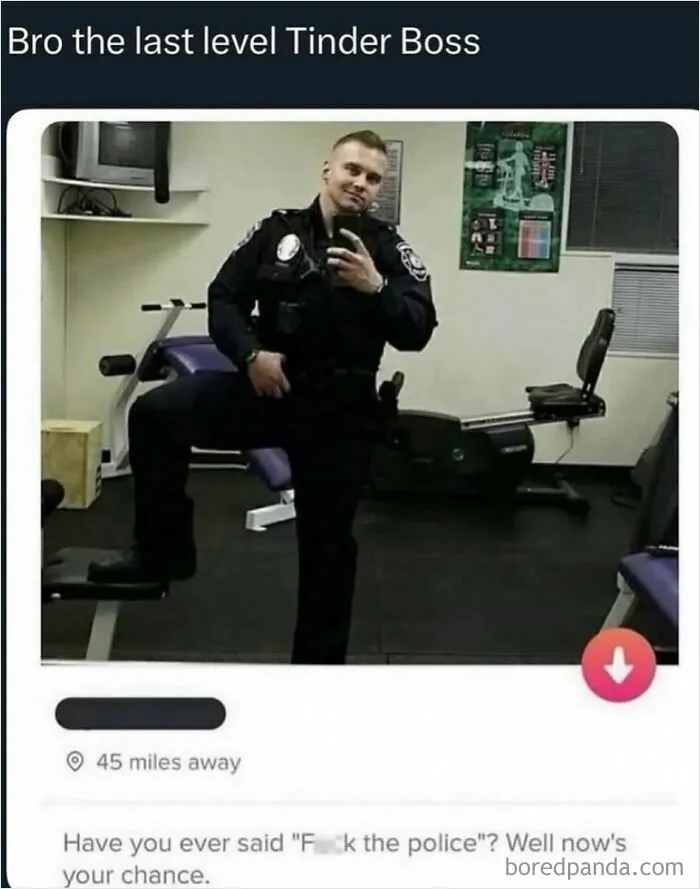

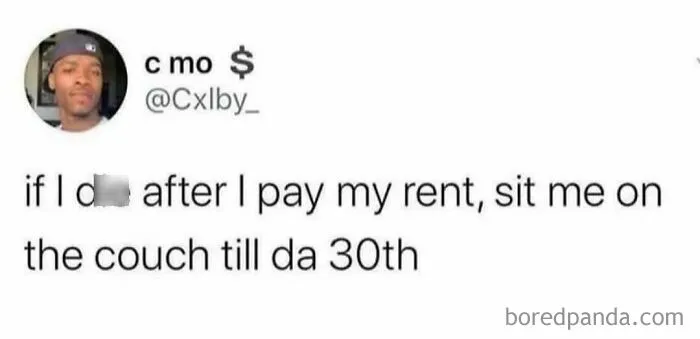
This is why so much meme culture revolves around a shrinking window of relevance, and why the people who consistently make funny content tend to be plugged into whatever's trending at the moment. It also explains why some meme formats have such incredibly long shelf lives. Certain templates get reused for years because they're flexible enough to be filled with whatever is happening right now, and sites like Know Your Meme exist basically to track and catalog that evolution.
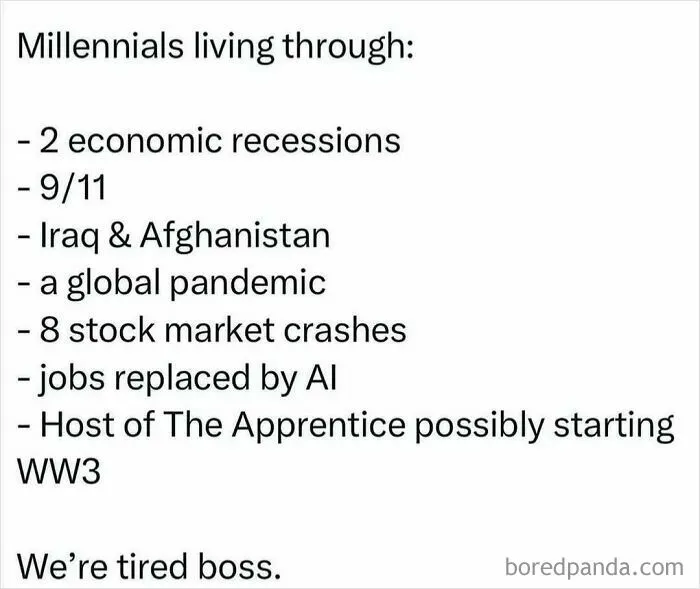

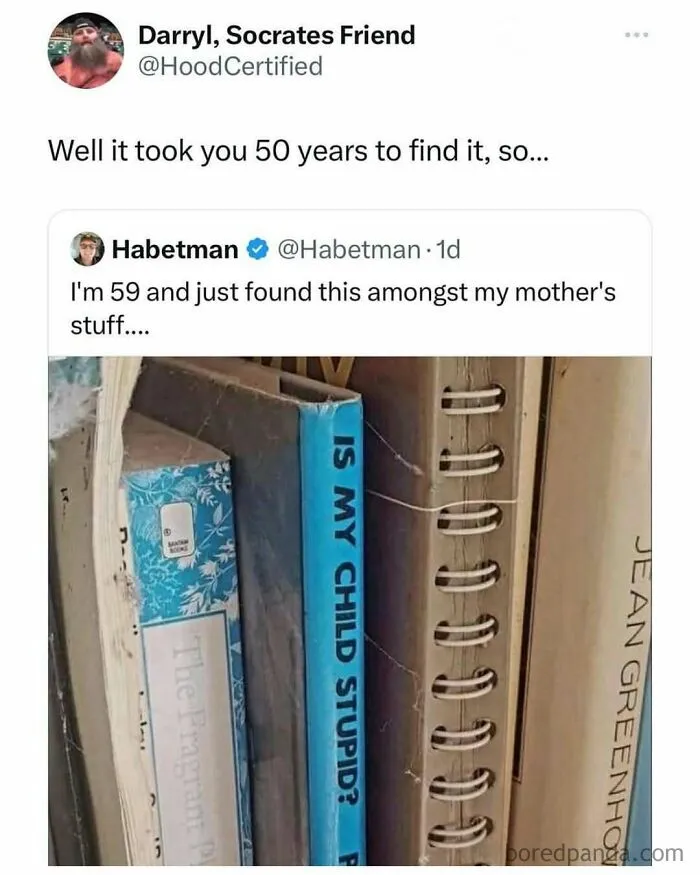
Simplicity does a lot of quiet, unglamorous work too. A meme usually has about a second or two to land before someone's thumb keeps moving, so there's no room for a complicated setup or a caption that needs three readings to parse. This lines up with what researchers have actually found about humor in general.

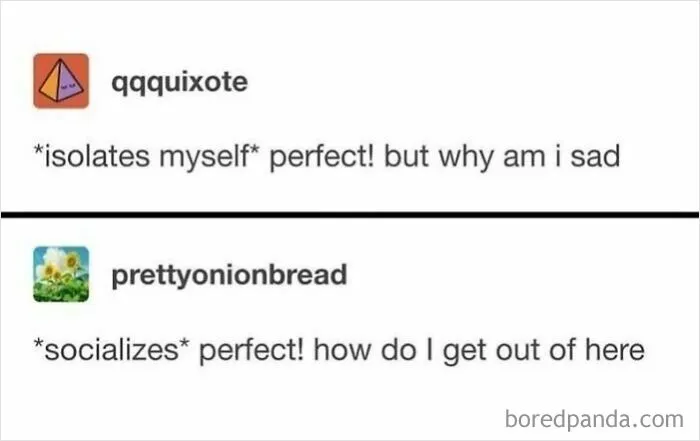

A recent study covered by PsyPost found that jokes tend to land better when they're easy to process, largely because that ease of understanding helps the unexpected or incongruous part of the joke actually register as funny rather than just confusing. Translate that to memes and it means the format should do a lot of the heavy lifting so the joke itself can be as short as possible.