


Dating apps feel like a permanent fixture of modern life now, but Tinder wasn't always the giant it is today. It started as a scrappy side project inside a startup incubator, and the road from there to becoming a verb in its own right is full of twists most swipers have no idea about.
The story begins in early 2012 at Hatch Labs, an incubator in West Hollywood owned by IAC. Sean Rad was actually there to build a different app entirely, something called Cardify. During an internal hackathon, he pitched an idea for a dating concept called Matchbox, built with engineer Joe Munoz. The name got scrapped fast once someone pointed out it sounded a little too close to Match.com, and by the time the app officially launched that fall, it had a new one.
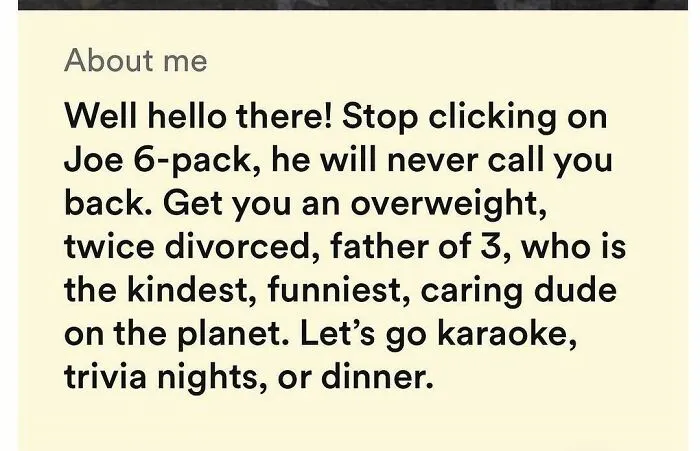
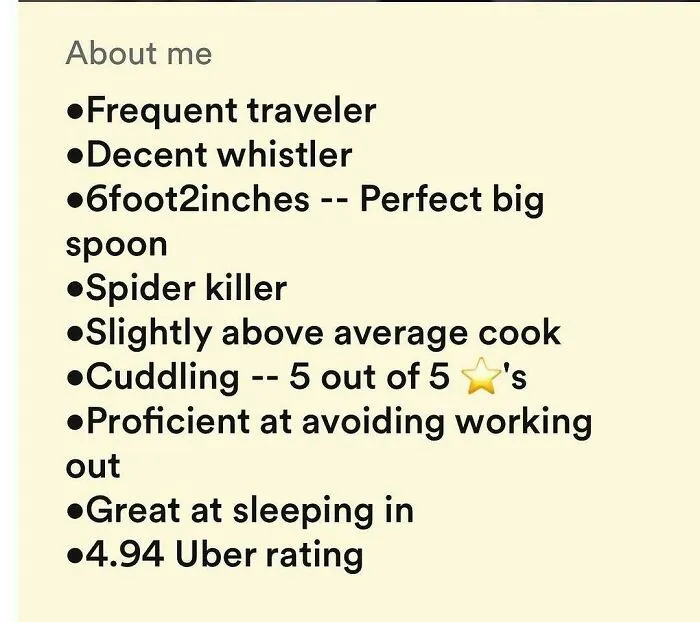
What made Tinder different wasn't really the concept of online dating, since that had existed for a while already. It was the interface. Swiping right or left removed all the awkward decision making that came with older dating sites full of questionnaires and long profiles. You looked at a photo, you made a snap call, and you moved on.


Rad has talked about this directly, describing the original problem as people either feeling like the hunter or the hunted, with way too much noise in between. The team also leaned hard into college campuses early on, hosting parties at places like USC where attendance required downloading the app, which sounds almost quaint compared to how apps market themselves now.

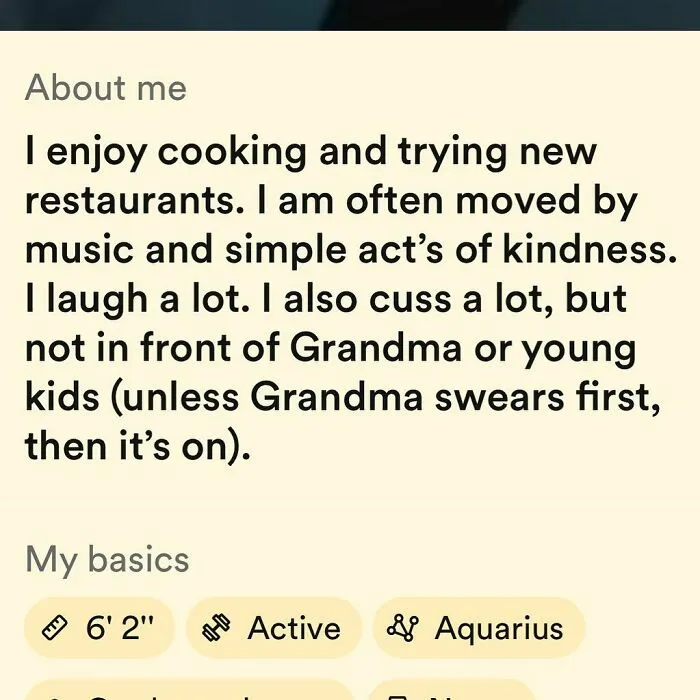
It worked almost too well. By 2014 the app was reportedly processing around a billion swipes a day, and usage numbers just kept climbing from there. Tinder patented its double opt-in system, meaning two people had to like each other before any messaging could happen, which became one of its defining and most copied features.

Of course, no origin story this big stays clean forever. In 2014, Whitney Wolfe, an early Tinder employee and one of its co-founders, left the company and filed a lawsuit alleging harassment and discrimination, a case that was eventually settled, according to reporting from Bloomberg. She went on to start a little app called Bumble, which flipped the format by having women send the first message. Tinder and Bumble have had a genuinely complicated relationship ever since, including a patent lawsuit Tinder's parent company later filed against Bumble over the swiping mechanic itself.