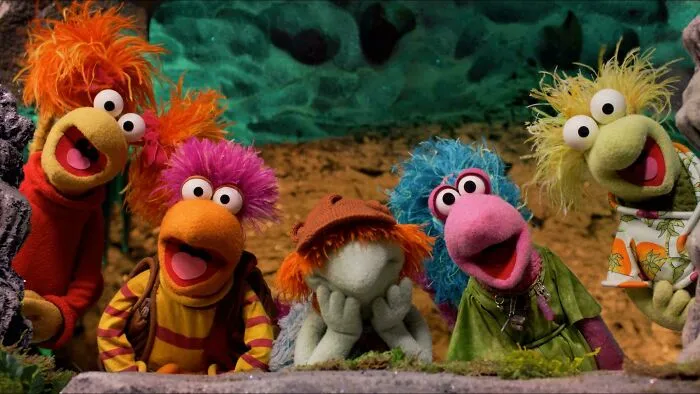







Have you ever wondered who decided to divide people into Boomers, Gen Xers and Millennials in the first place? Well, there isn’t actually an official organization responsible for naming generations.
According to Pew Research Center, generational names are largely created by social scientists and researchers, and their boundaries can vary.
The idea of studying generations goes back much further, though. Sociologist Karl Mannheim helped lay the foundations for modern generational research with his influential 1928 essay, The Problem of Generations.



As for Generation X, its original name wasn’t nearly as catchy. It was initially called the Baby Bust because birth rates had dropped significantly after the Baby Boom.
Thankfully, Canadian author Douglas Coupland helped popularize a much cooler alternative with his 1991 novel Generation X: Tales for an Accelerated Culture. The name caught on, and the rest is history.
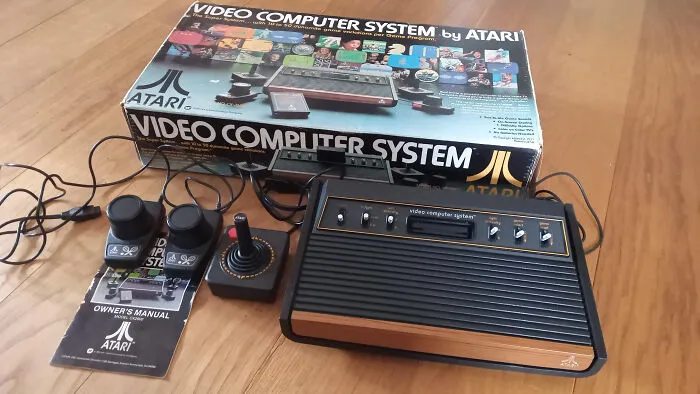


What is Gen X actually known for? Independence is certainly one of the characteristics most commonly associated with this generation.
Many Gen Xers grew up as so-called latchkey kids, who would come home from school and spend the afternoon looking after themselves until their parents returned from work.
This became increasingly common as more mothers entered the workforce during the 1970s and 1980s, as documented by the U.S. Bureau of Labor Statistics. For some kids, that meant learning to make their own snacks and finding ways to entertain themselves from an early age.

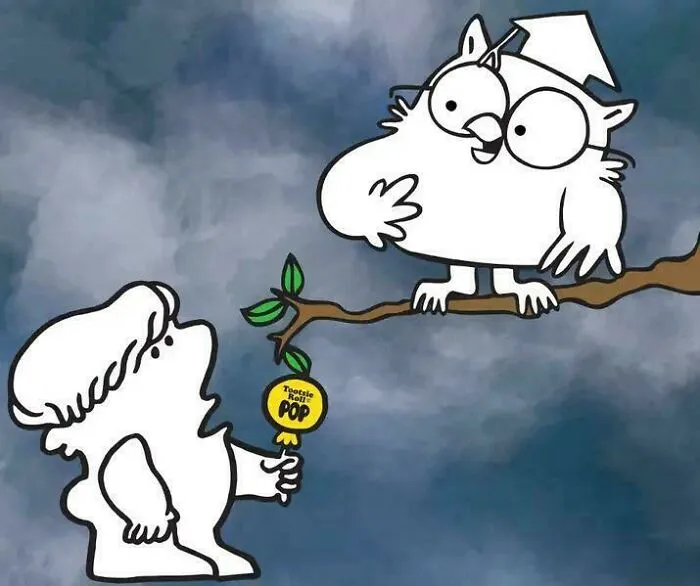

Interestingly, though, plenty of Gen Xers don’t particularly identify with their generational label. A 2015 Pew Research Center survey found that only 58% of Americans born between 1965 and 1980 actually considered themselves part of Generation X.
So, although it’s fun to talk about the things people from the same generation have in common, these labels don’t necessarily mean much to everyone. After all, your birth year can only tell people so much about who you are.



Another interesting thing about Gen X is how much technology has changed throughout their lives.
They experienced childhood without the internet and witnessed personal computers becoming increasingly common. Then came the digital revolution, which completely transformed everyday life.
And Gen Xers certainly haven’t been left behind. In fact, Pew Research Center reported that 90% of American Gen Xers owned a smartphone in 2019. That’s quite a change for people who once had to wait until they got home to make a phone call.



Of course, having experienced life before everything went digital also gives this generation plenty to reminisce about. They remember the excitement of visiting a video rental store on a Friday night and the frustration of having to rewind a cassette tape with a pencil.
Back then, if you missed your favorite TV show, you had to hope somebody had recorded it. These little things might seem insignificant now, yet they were such a familiar part of everyday life for many people.