

This post may include affiliate links.
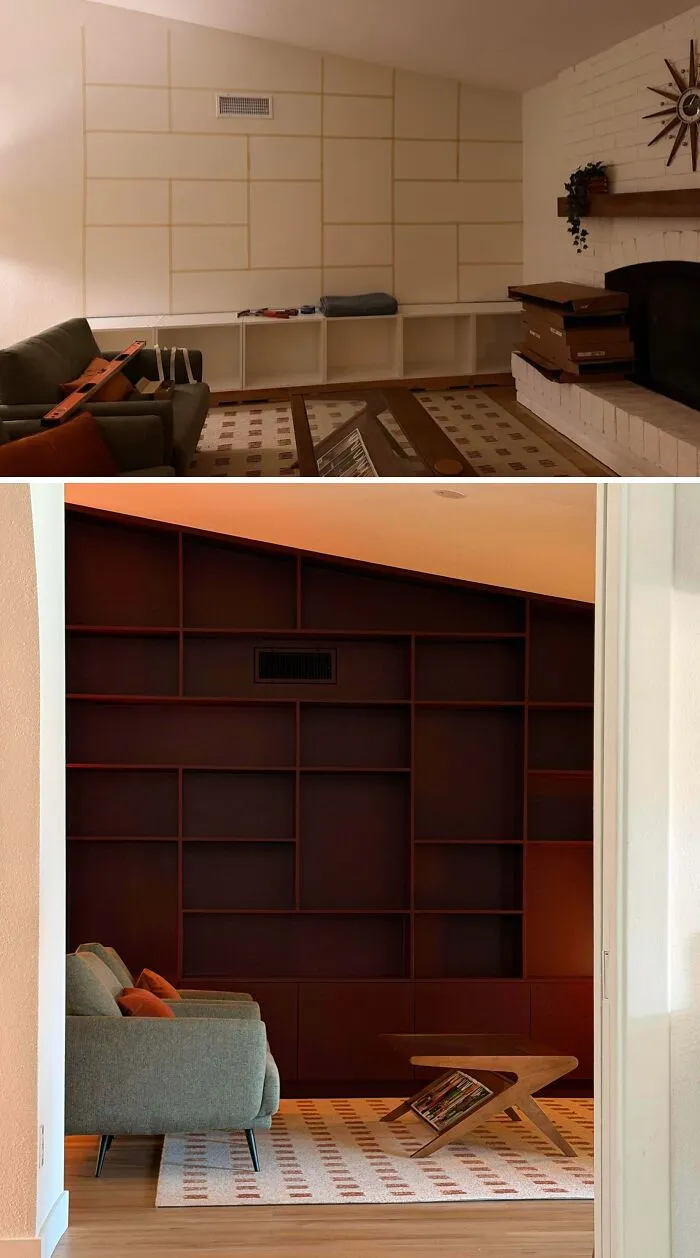
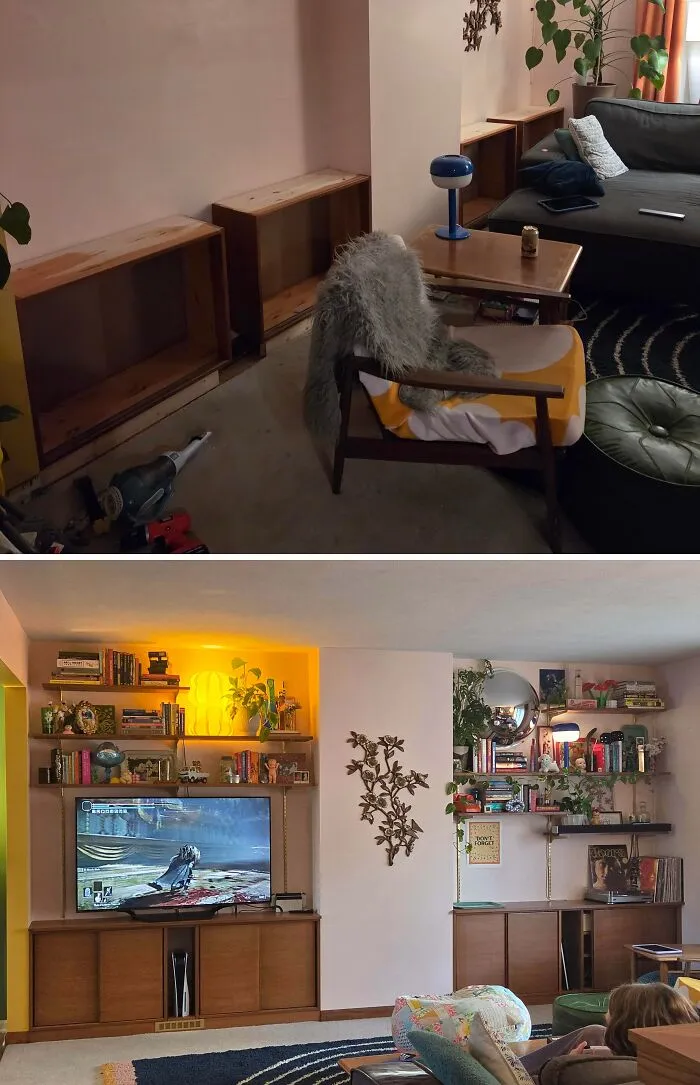
#2 Just Finished Building Our Custom Bookshelf Using IKEA Base Cabinets. Proud Of How It Turned Out!
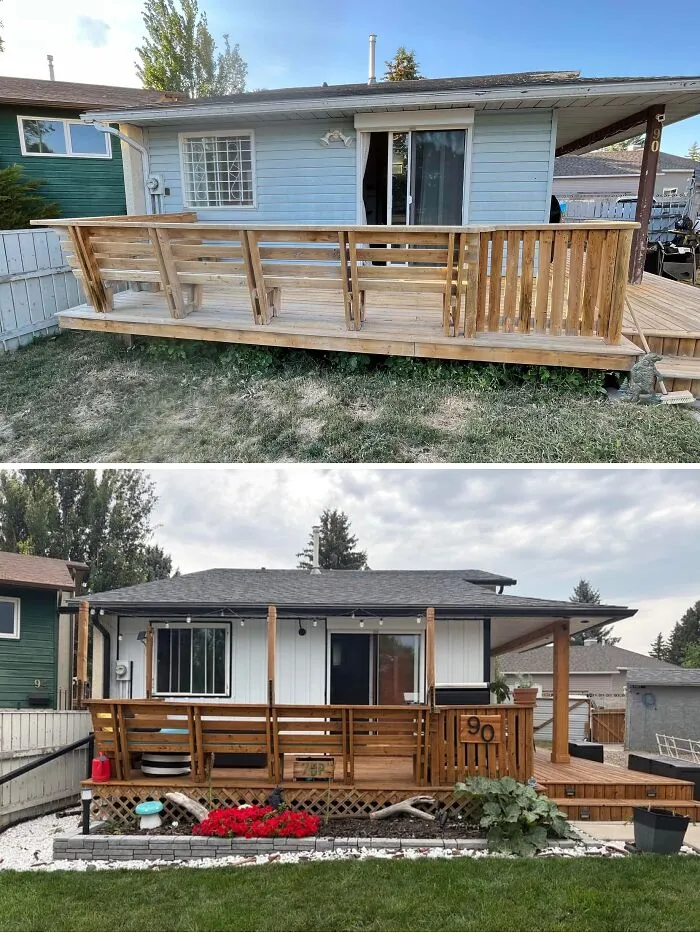
Adulting can be a wild ride. One minute you’re worrying about bills, work, and everything else on your to-do list, and the next you’re happily rearranging your living room or trying to give an old piece of furniture a second life. For many people, DIY projects are more than just a way to improve their homes—they’re a chance to be creative, learn something new, and actually see the results of their own effort. There’s also something satisfying about knowing that the finished project exists because you made it happen rather than simply buying it from a store. And when you can do all that without spending a fortune, even better.
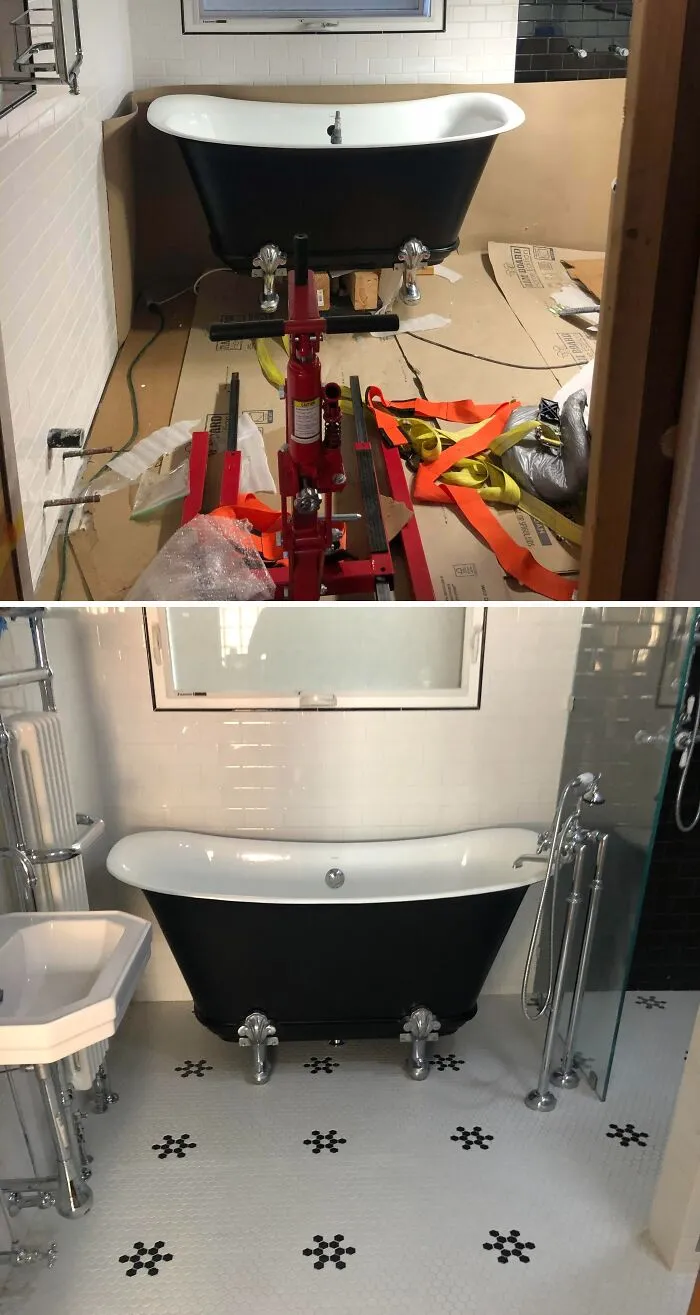
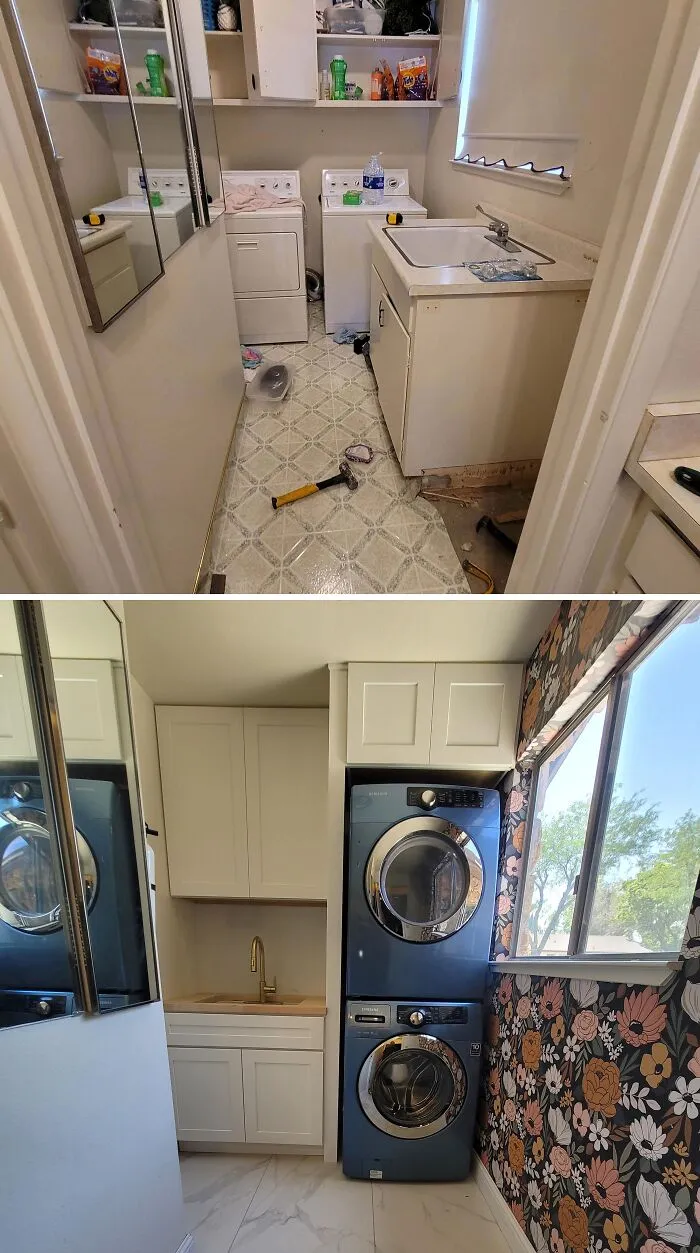
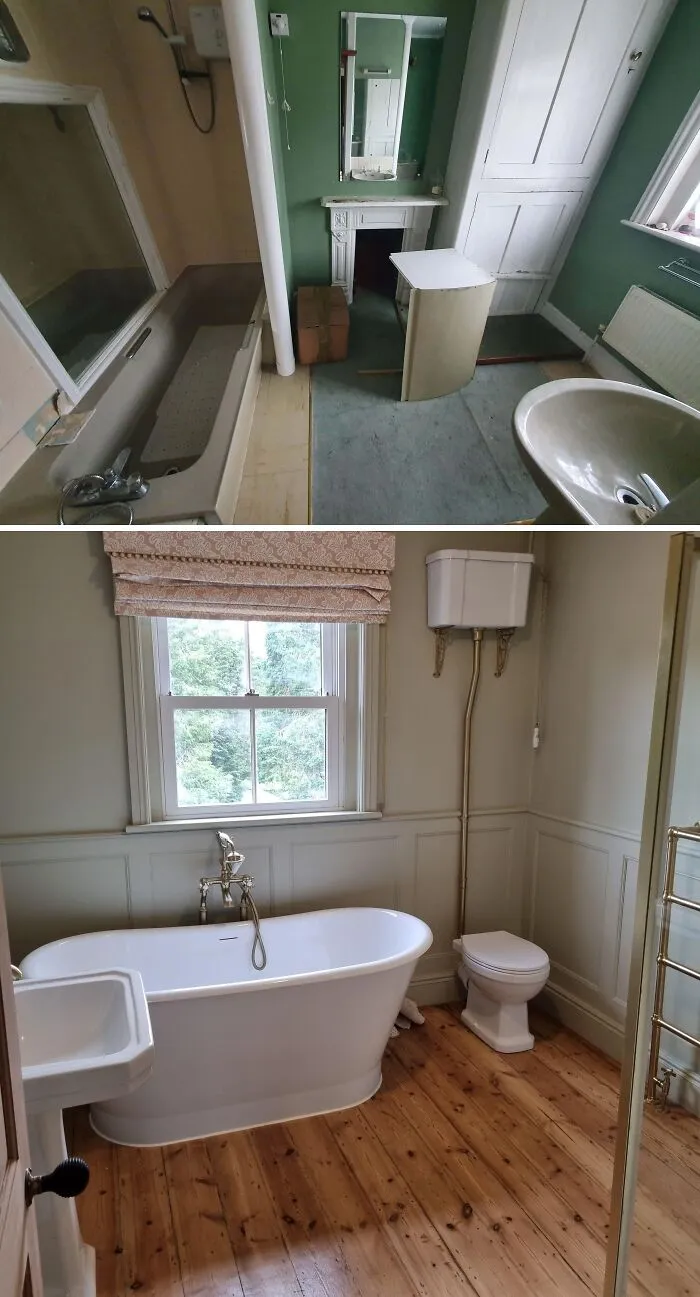
Another great thing about DIY is that it can be a more sustainable way to update your home. Instead of constantly buying new furniture and decor, you can give things you already own a second life or pick up affordable secondhand pieces and turn them into something you actually love. An old dresser, for example, can be sanded, repainted, and fitted with new hardware, while glass jars, wooden crates, and leftover materials can easily become storage or decorative pieces.
It’s a small change, but one that can help reduce the demand for fast furniture—cheap, mass-produced pieces designed to be replaced quickly and often linked to deforestation, landfill waste, and emissions from manufacturing and shipping. According to the Environmental Protection Agency, Americans discarded more than 12 million tons of furniture and furnishings in 2018, compared with 2.2 million tons in 1960, and more than 80% of that waste ended up in landfills. So, before throwing something away or buying another replacement, a little creativity might be all it needs to become useful again.
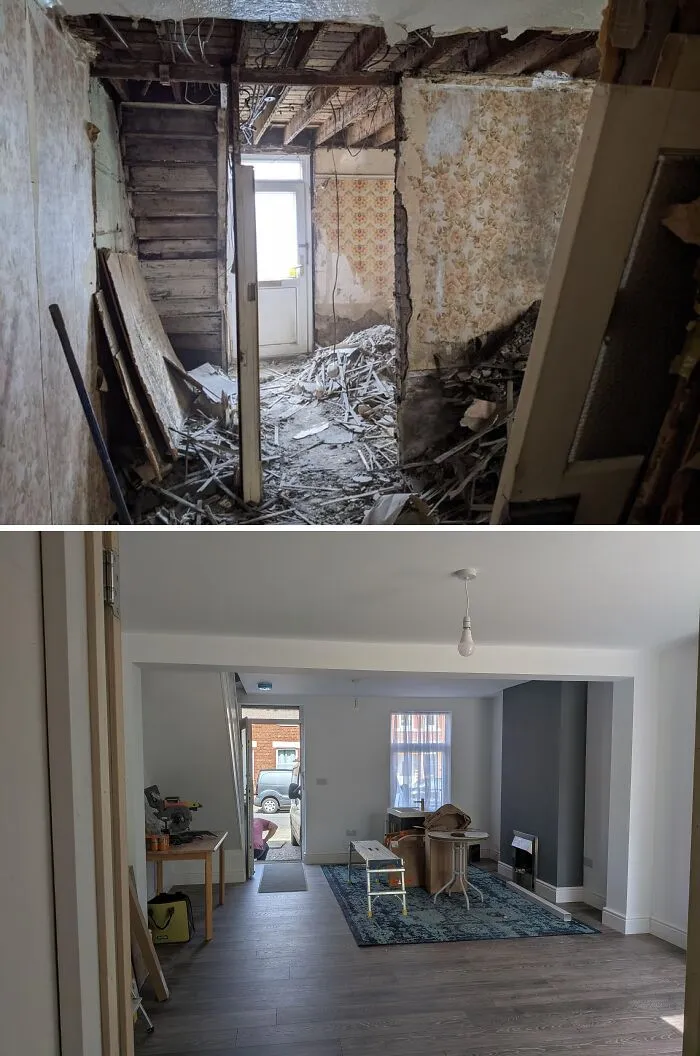
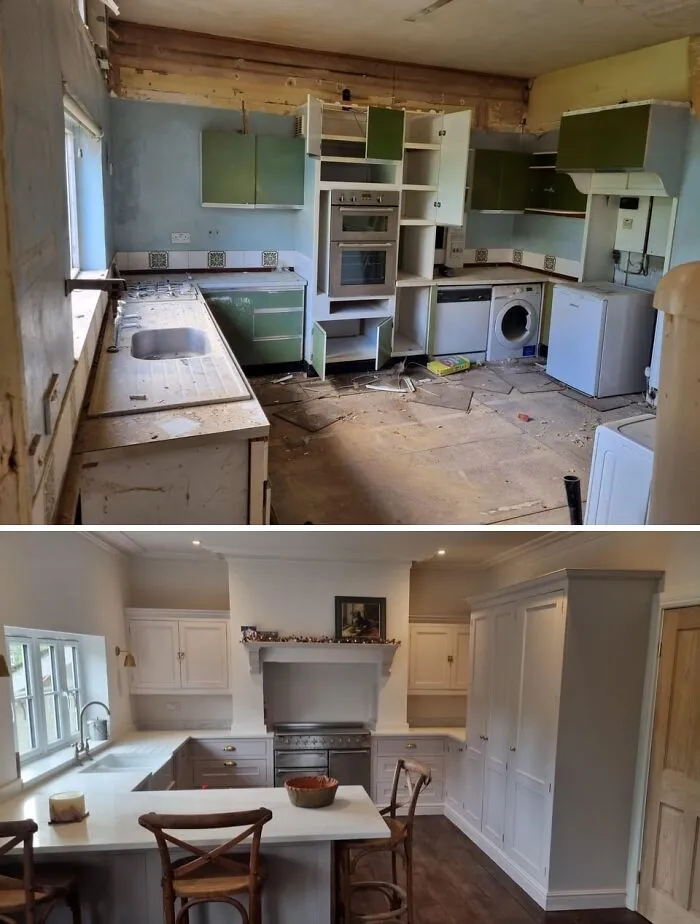
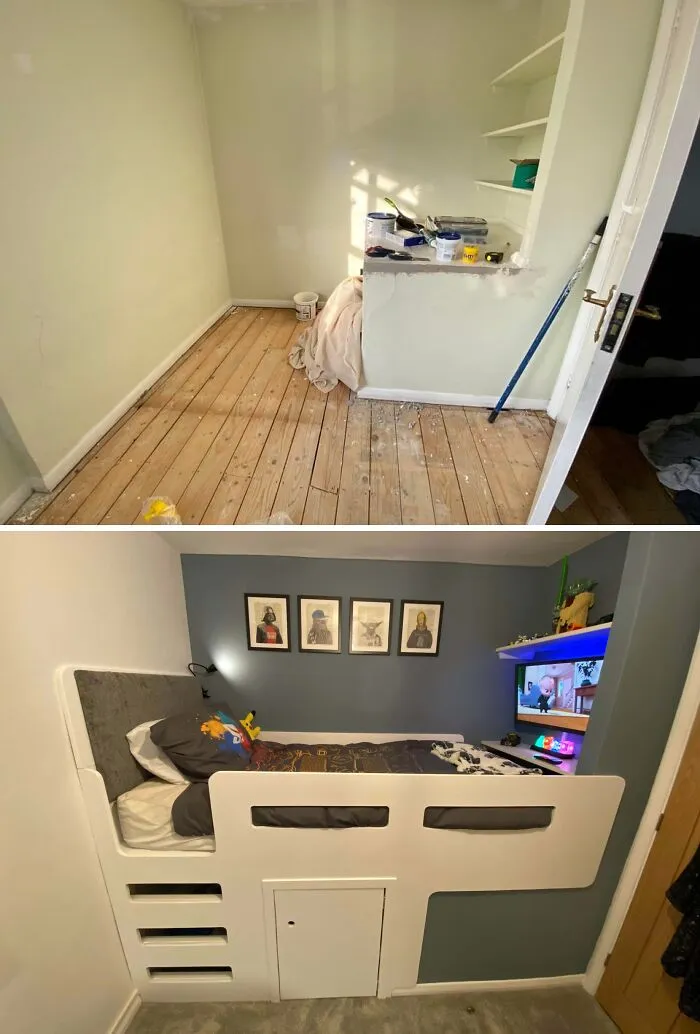
If you’re looking for some inspiration before starting your DIY journey, Dream Home DIY by Jaharn Quinn offers plenty of ideas for transforming a home without relying on a huge budget or professional contractors. At its heart, the book encourages readers to stop thinking of home improvement as something that only experts can do. Quinn shows how creativity, patience, and a willingness to experiment can go a surprisingly long way. By focusing on accessible materials, practical techniques, and achievable projects, the book helps make DIY feel much less intimidating—especially if you’re the kind of person who looks at a drill and immediately thinks, “Absolutely not.” The broader message is encouraging: you don’t need to tackle an entire renovation at once; even small changes can gradually make a room feel more functional and personal.
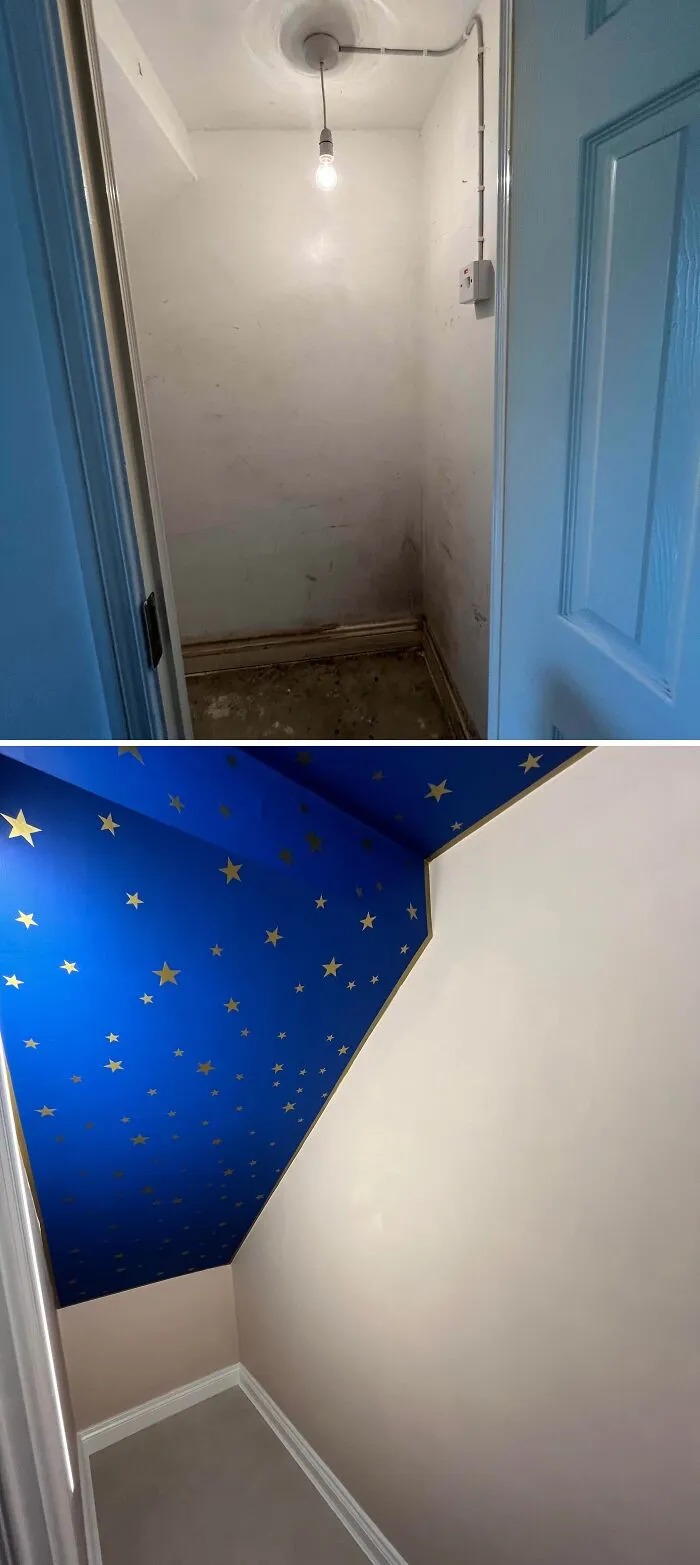
If you’re looking for some inspiration before starting your DIY journey, Dream Home DIY by Jaharn Quinn offers plenty of ideas for transforming a home without relying on a huge budget or professional contractors. At its heart, the book encourages readers to stop thinking of home improvement as something that only experts can do. Quinn shows how creativity, patience, and a willingness to experiment can go a surprisingly long way. By focusing on accessible materials, practical techniques, and achievable projects, the book helps make DIY feel much less intimidating—especially if you’re the kind of person who looks at a drill and immediately thinks, “Absolutely not.” The broader message is encouraging: you don’t need to tackle an entire renovation at once; even small changes can gradually make a room feel more functional and personal.
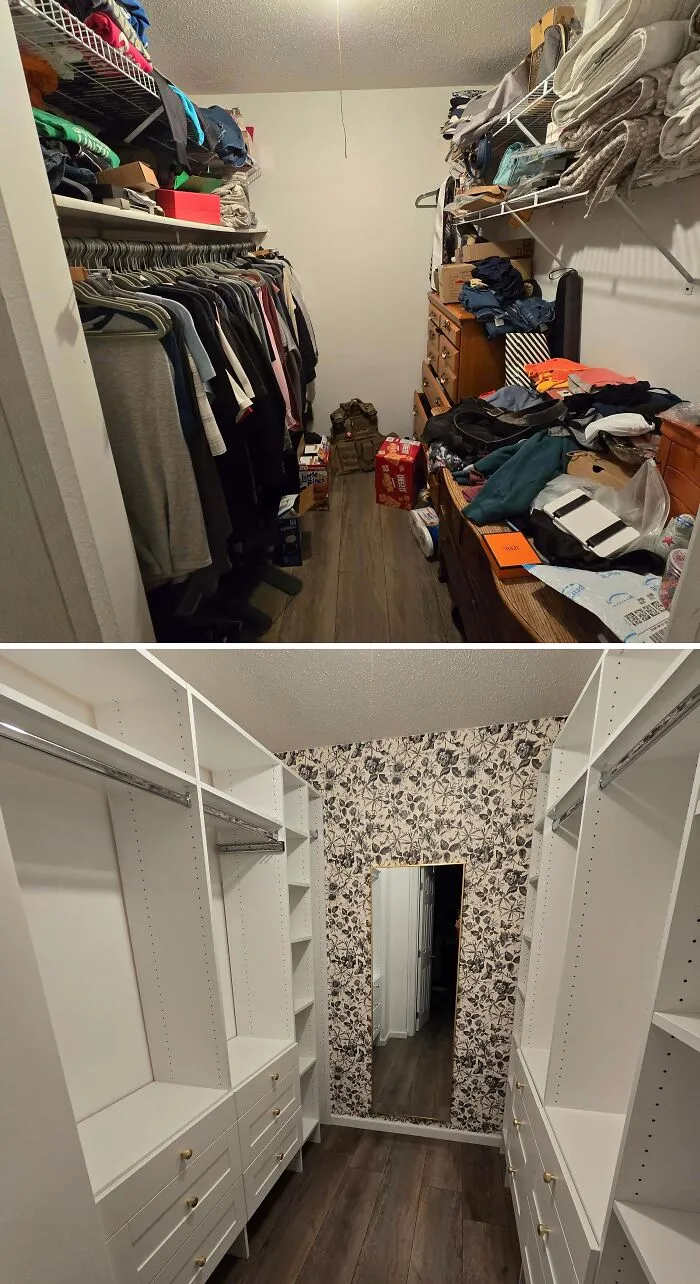
One useful lesson from the book is that making your home more beautiful doesn’t have to come at the expense of the environment or your indoor air quality. For example, low-VOC paints, stains, and sealants contain fewer volatile organic compounds and generally release fewer potentially irritating chemicals into the air than conventional high-VOC products. This matters because breathing in high levels of VOCs can irritate the eyes, nose, and throat and may cause symptoms such as headaches, dizziness, nausea, or breathing discomfort.
Prolonged exposure to certain VOCs can also carry more serious health risks, depending on the specific chemical and the level and duration of exposure. Choosing lower-VOC alternatives can therefore be a simple way to create a more comfortable indoor environment while still achieving the finish you want. Quinn also highlights natural materials such as wood, clay, and canvas, showing that more sustainable choices can be both practical and beautiful. After all, a good DIY project should make your home feel better—not leave you wondering what exactly you’ve been breathing in.
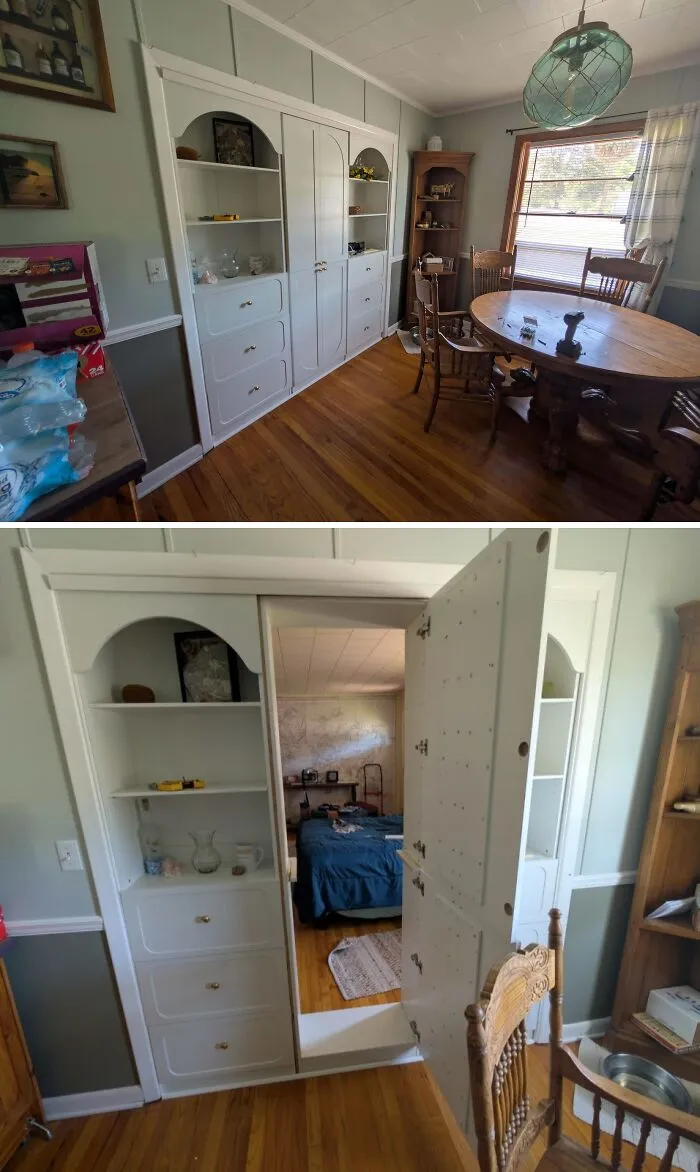
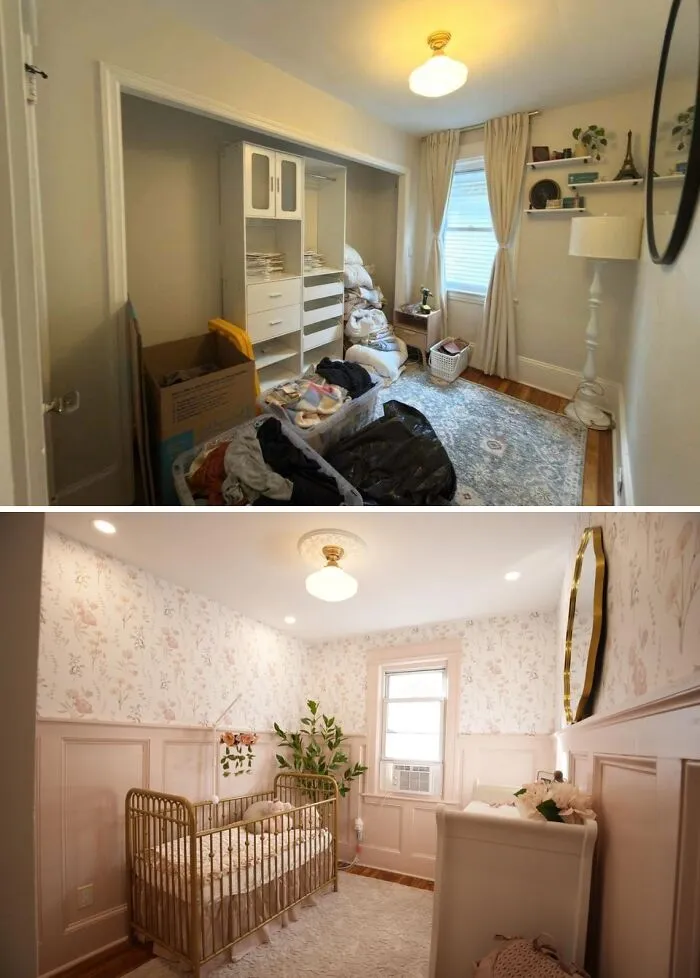
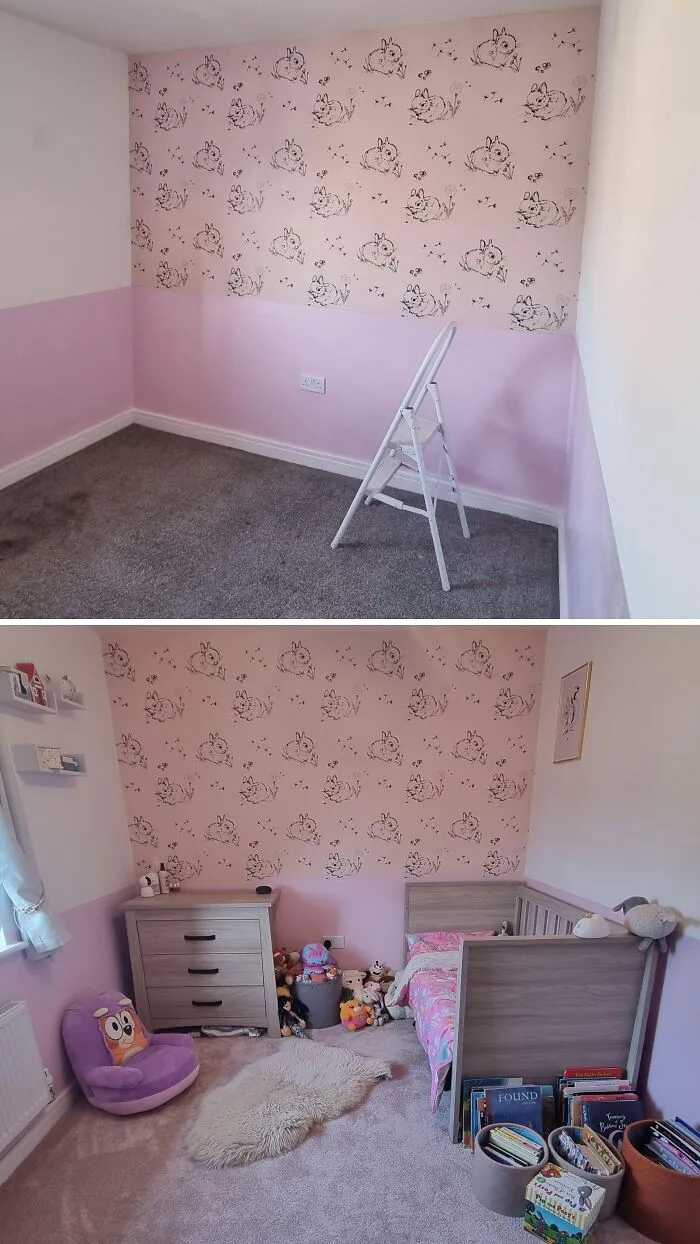
#16 Just A Few Final Touches Left, But We've Already Made Our Daughter's Dream Bedroom Come True
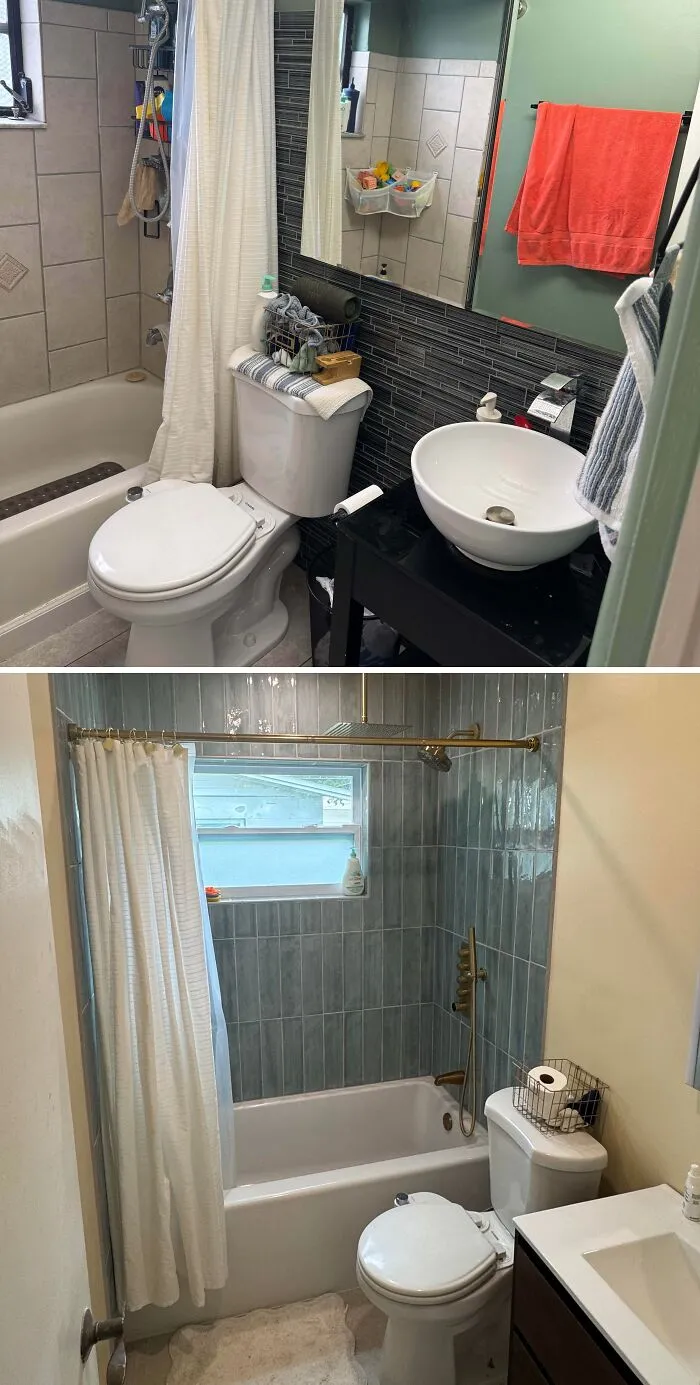
#17 Let Me Know How I Did On This Gut Bathroom Renovation (Changing Final Wall Color FYI)
And what if you’re renting? You might understandably hesitate before making any changes because nobody wants to lose a chunk of their security deposit over an enthusiastic DIY experiment.. Luckily, there are plenty of renter-friendly (and environmentally friendly) ways to personalize a space without permanently changing it. Try turning old jars or tins into planters or repurposing wooden crates as storage. Removable wallpaper, fabric wall hangings, and secondhand artwork can also add personality without creating much waste. These small projects let you refresh your space while reusing materials and keeping perfectly usable items out of the landfill.
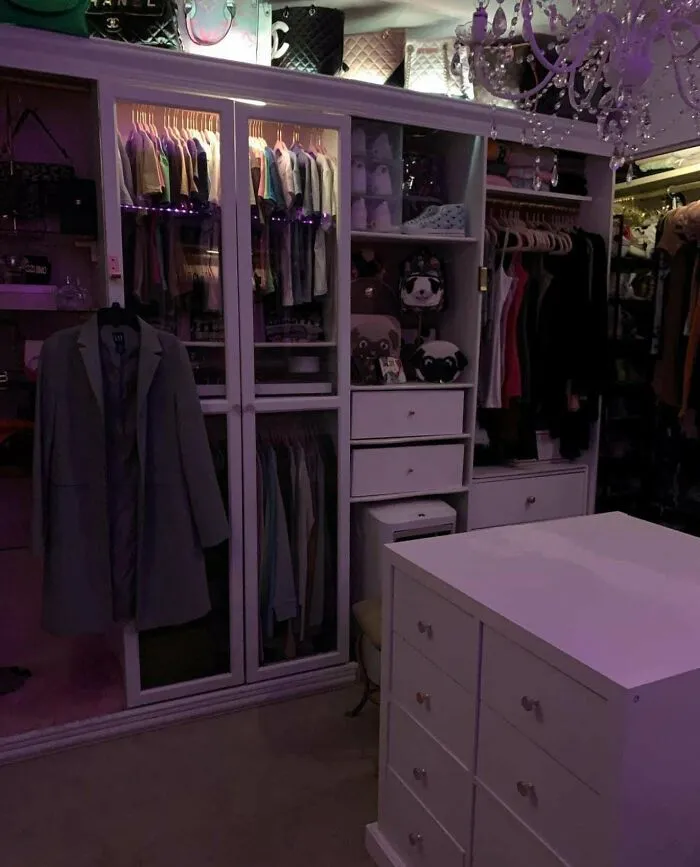
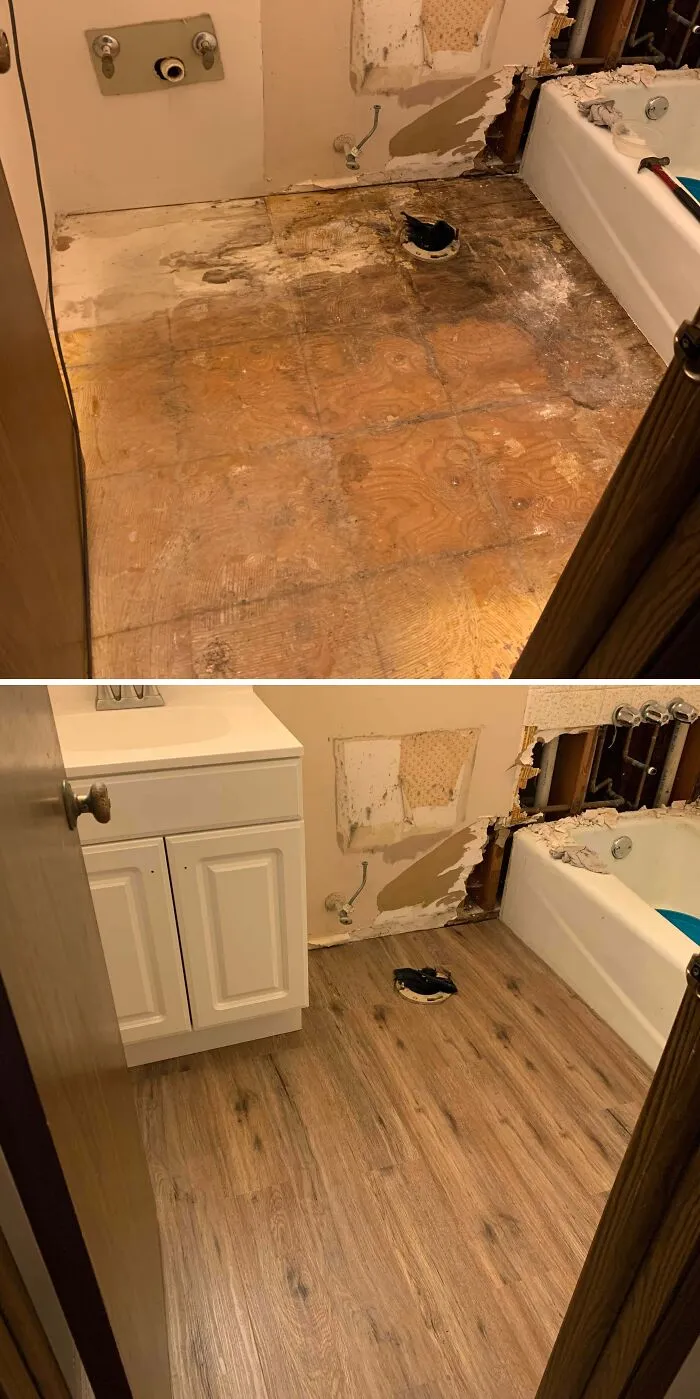
#20 Vinyl Plank Flooring Is The Best - Especially For A Novice Like Me!