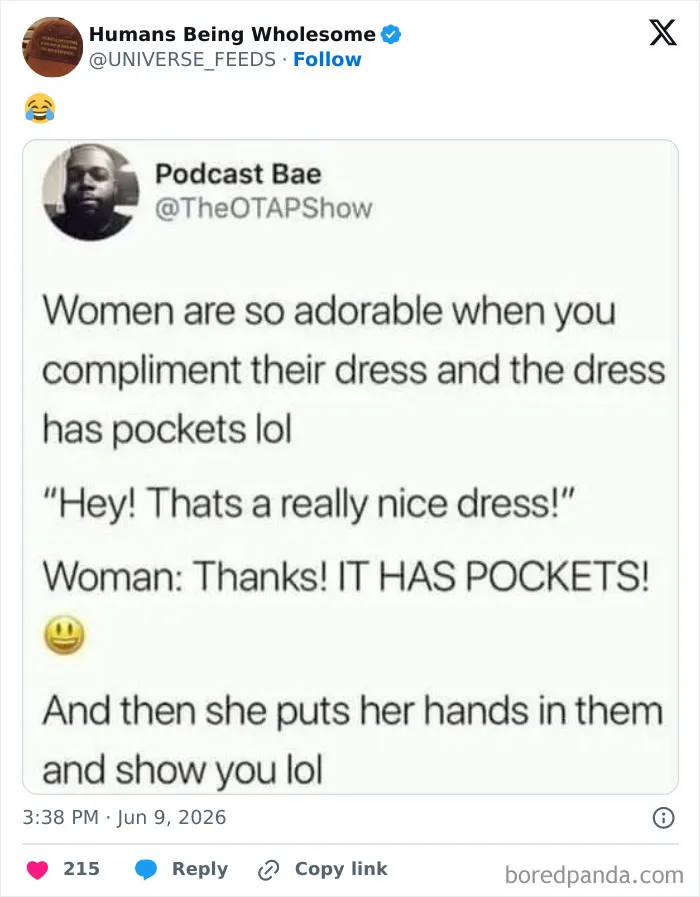




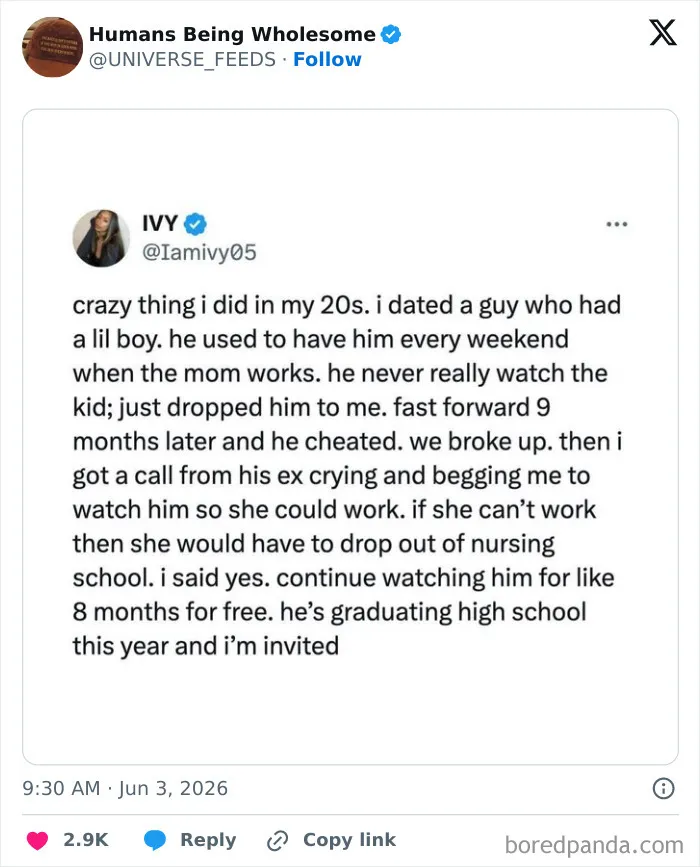
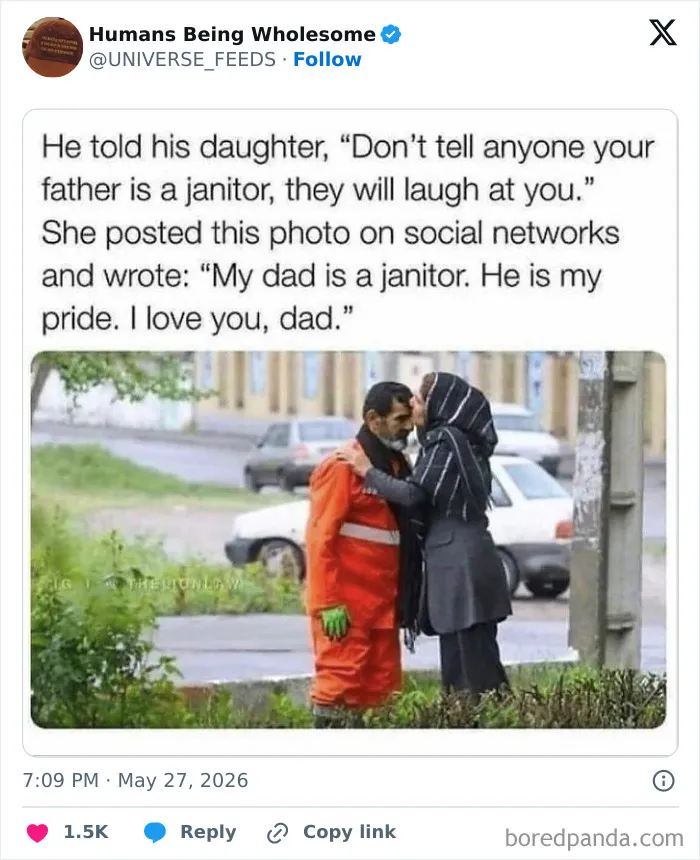
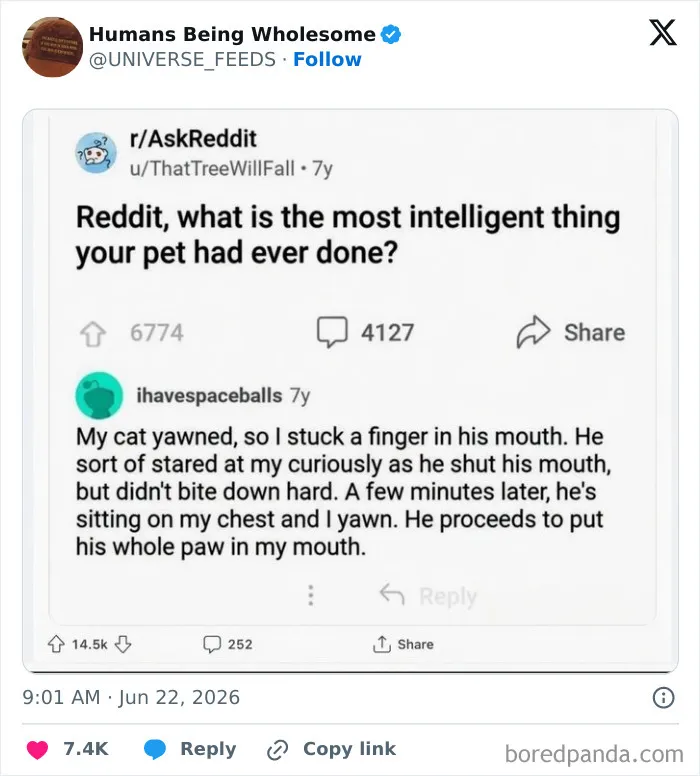
Back in the 1990s, young people didn’t want to associate themselves with being wholesome that much. It was considered something straight out of a Sunday school lesson. If someone called you wholesome, they usually meant you were overly innocent or living by strict, old-fashioned family rules. For instance, neighborhood kids who never stayed out late, or moral warnings about staying on the right path. It was the exact opposite of cool.
To understand how much that changed, we have to look at where the word actually came from. Centuries ago, wholesome had nothing to do with internet culture or cute puppy videos. It started as a health term in Old English, meaning something good for your body or that made you feel whole — like eating fresh bread, drinking clean water, or getting fresh air. Over time, people started using it to describe good moral character.
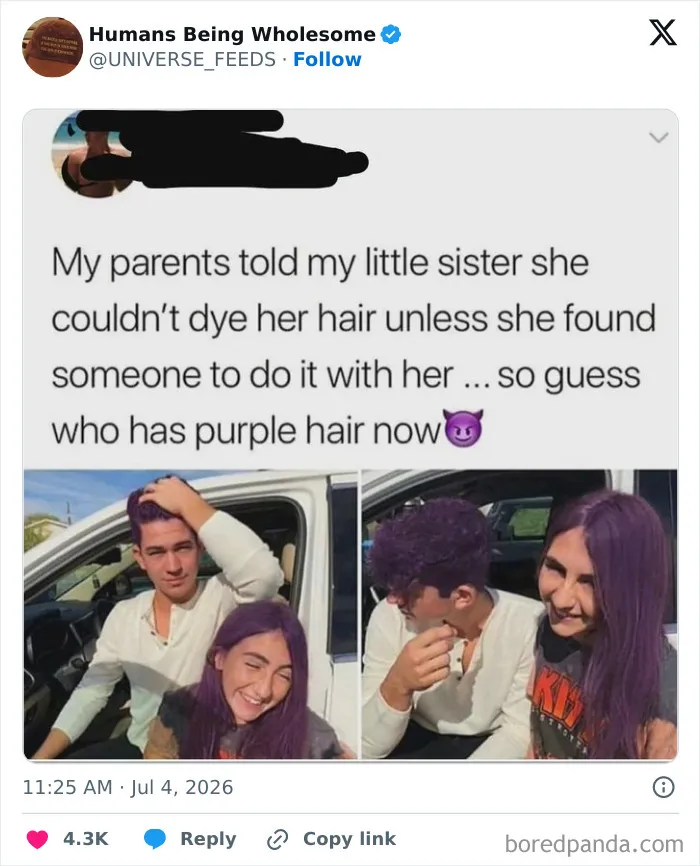
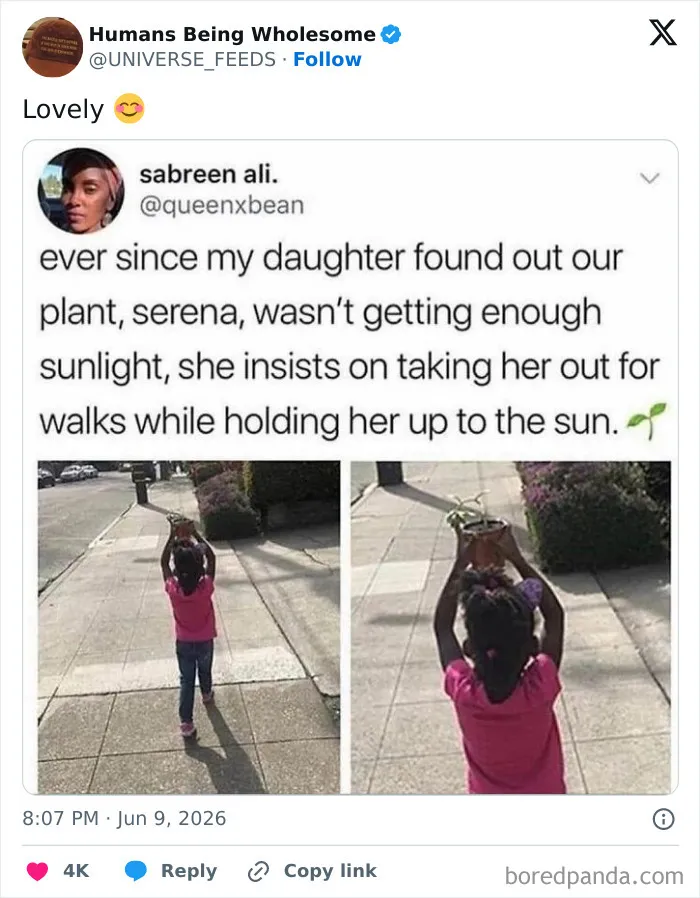
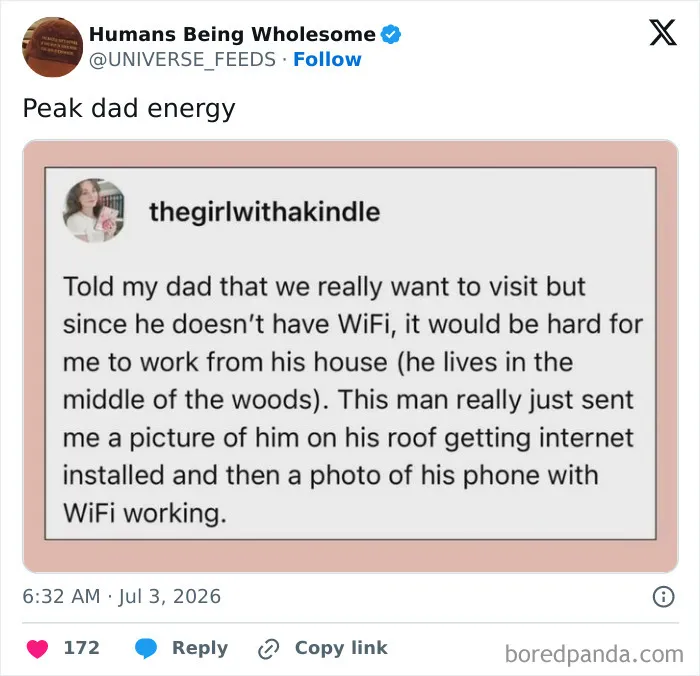
Then the internet happened. Before long, social media feeds were overflowing with heated political debates, mean-spirited trolling, and deeply cynical memes. By around 2014, the idea of wholesomeness officially broke away from its old roots in conservative purity culture. Instead, it took on a new meaning centered on modern, progressive values — like diversity, open-mindedness, and basic everyday friendliness.

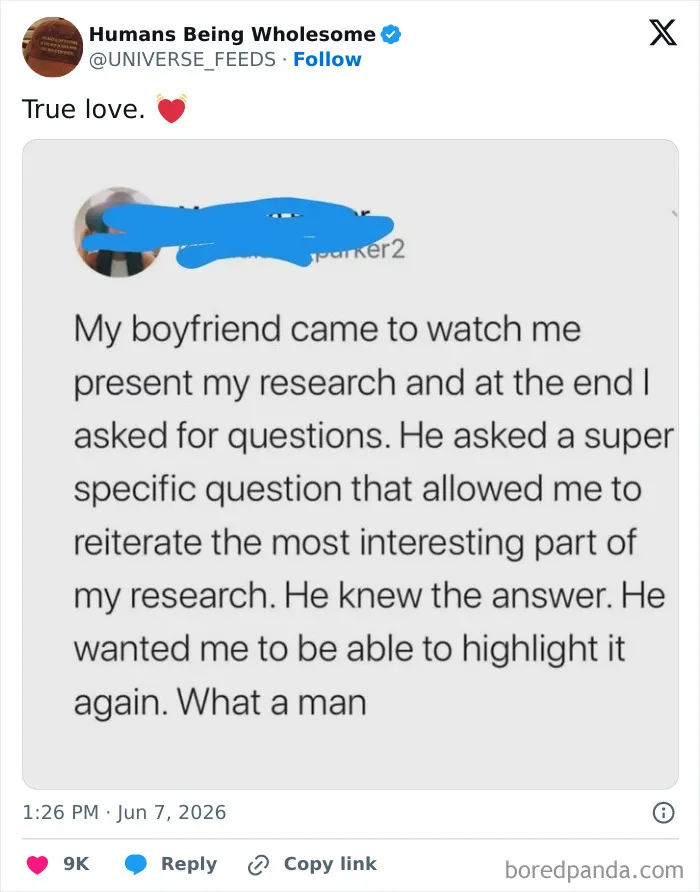
A report by Vox points out that wholesomeness started taking off in popular culture right around the exact same time the extreme online political right was peaking. Because of this timing, many believe the massive rise of wholesome content was actually a direct emotional reaction to that tide of negativity and division.
“I see the renewed use of this particular meaning as a reaction to the cynicism of our time, to the cynicism of our political state and to how nasty the internet can be. There is an interest in the wholesome as it pertains not to the physical body but to the mind as it is impacted by bullies and trolls and all this brutal ugliness,” says Emily Brewster, associate editor and editorial ambassador for Merriam-Webster.
Simply put, people were just exhausted. After spending years navigating an internet full of hostile arguments, choosing kindness over cruelty became a quiet form of self-defense.
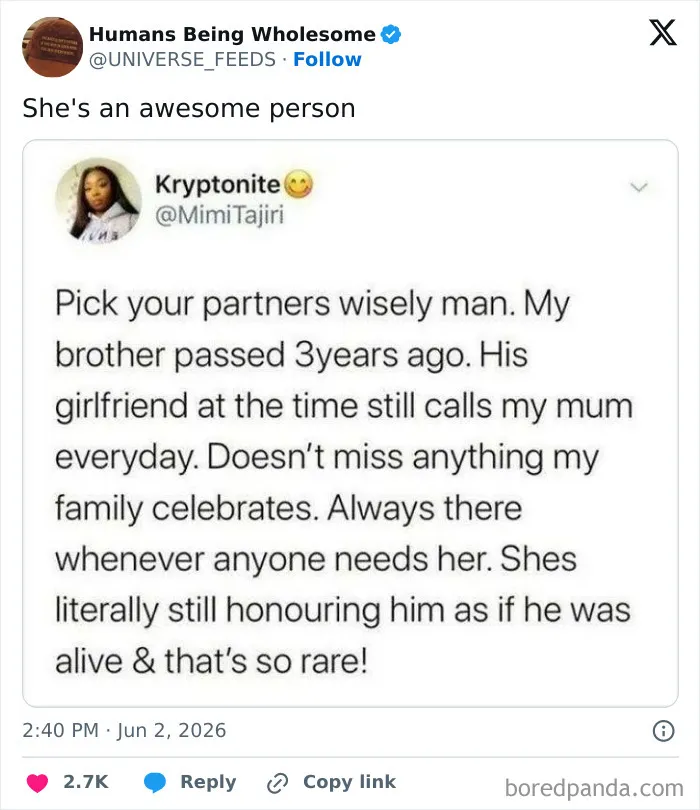
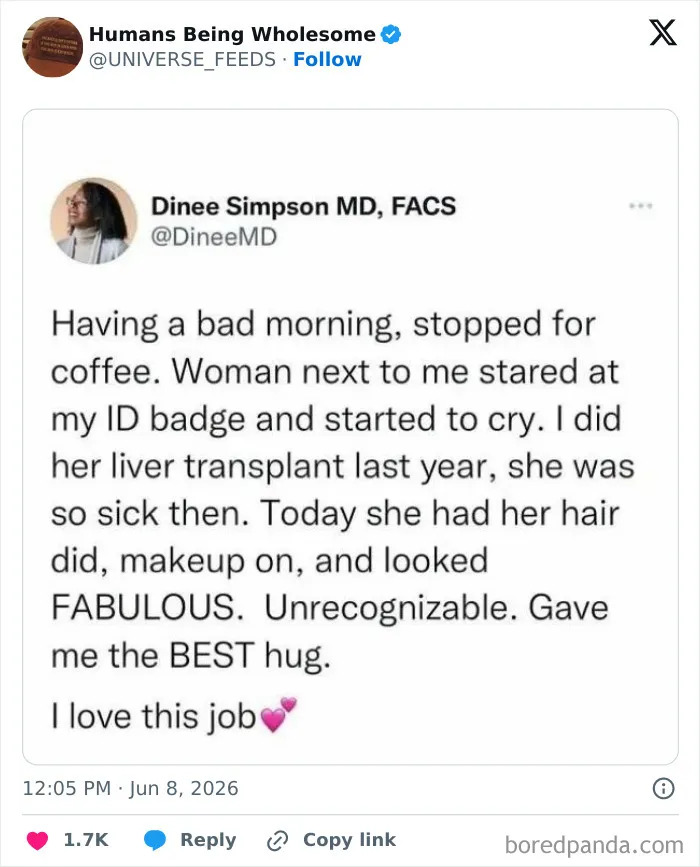
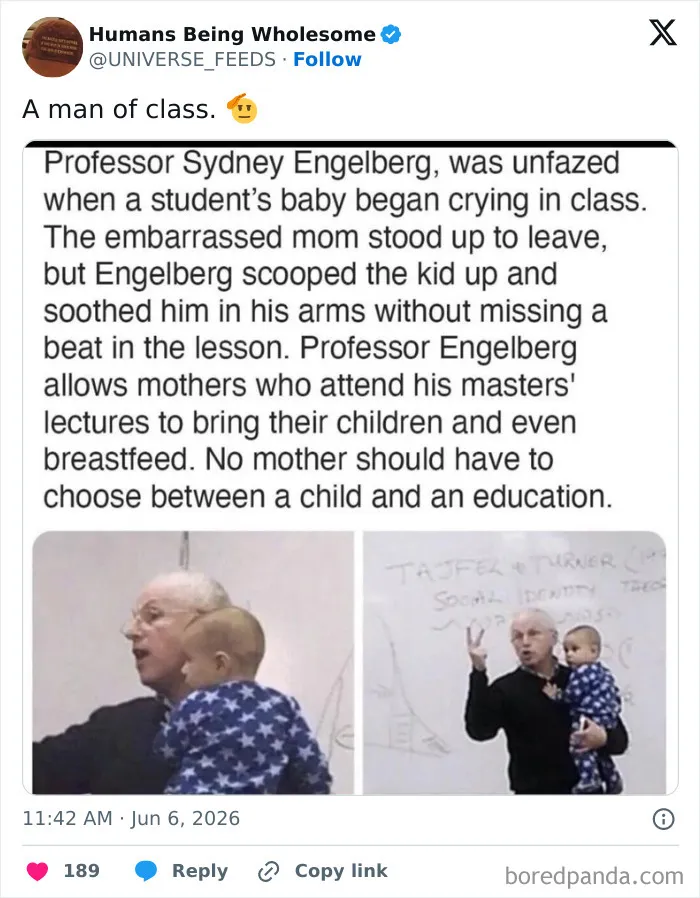
Gen Z stepped in and transformed wholesome from a quiet coping mechanism into a full-blown cultural movement. Growing up fully connected to smartphones, this generation inherited an internet dominated by dark humor, irony, and sarcasm. But while older digital natives leaned into cynicism to survive online dread, Gen Z turned toward comfort content.
“Gen Z are grappling with political uncertainty, a climate emergency, and the loneliness and burnout caused by late-stage capitalism: wholesomeness is just one way to cope. While some young people have found relief in nihilism and irony online (see: shitposting, fried memes, etc), there’s a huge swathe of young people that are seeking solace in comfort content,” says Letty Cole, creative strategist at MØRNING and editor of Burn After Reading.
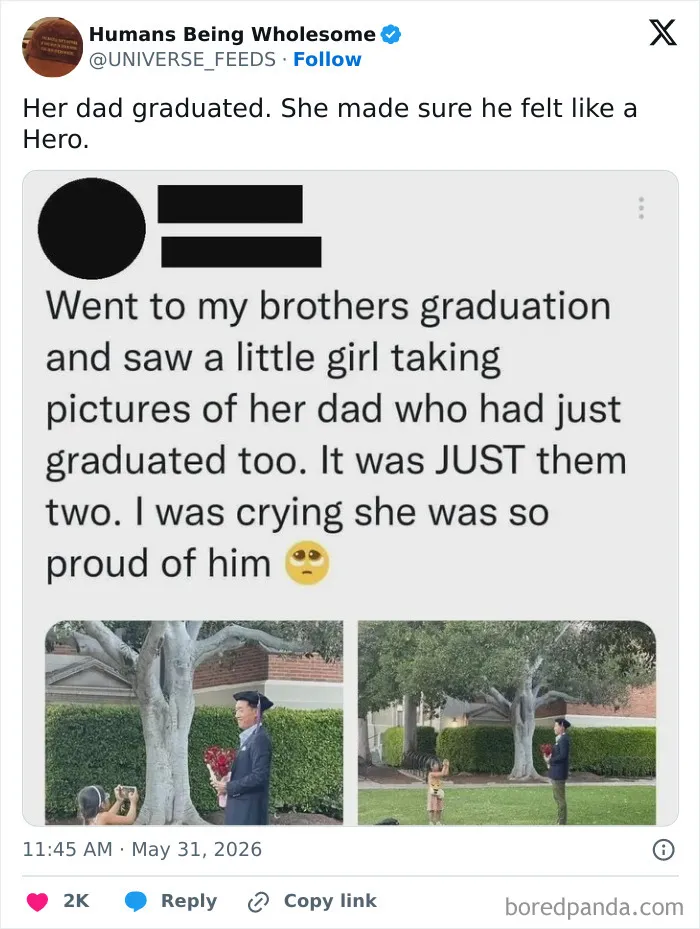
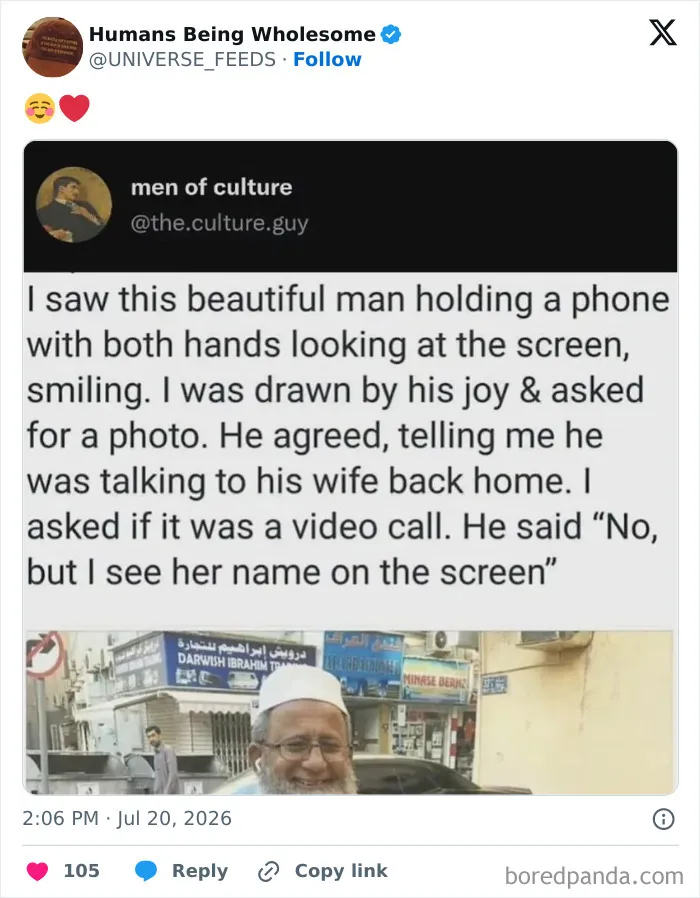
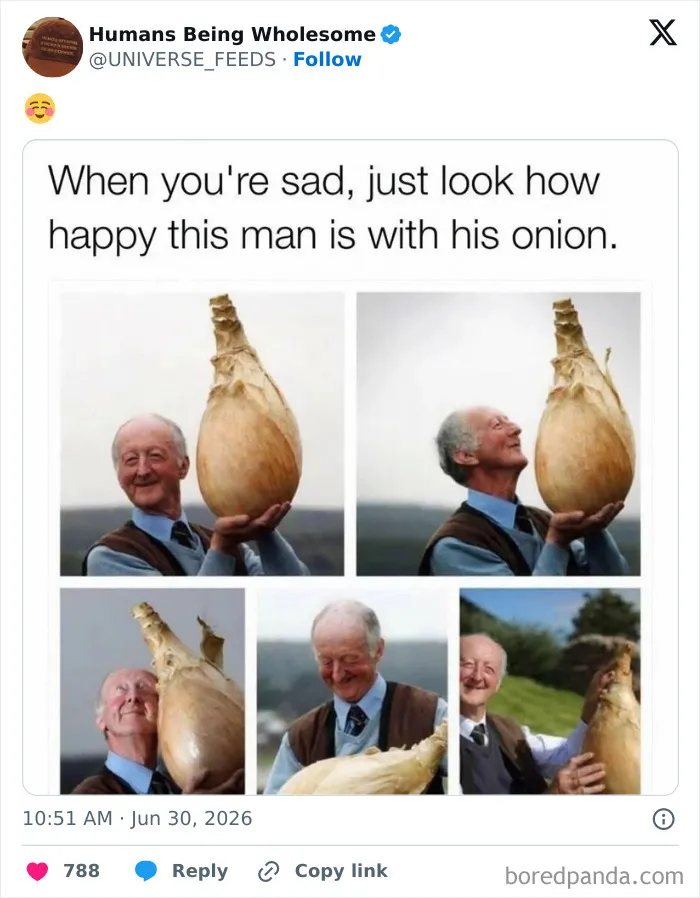
There is actually solid science behind why wholesome content makes us feel so good.
When we watch something positive, our brains release dopamine — the chemical responsible for feelings of pleasure and satisfaction. This small chemical boost instantly calms us down and can even make us feel more generous toward others. For younger internet users, seeking out these uplifting spaces has become a conscious choice to protect their mental health and feel connected.
A study published in Psychology of Popular Media shows that just three to five minutes of inspiring media a day can transform your mindset. Researchers found that watching people overcome challenges created a powerful sense of hope in viewers. That hope predicted lower stress over the next ten days.
Surprisingly, funny content didn’t have the same lasting impact. While comedy gave people a quick laugh, it failed to lower long-term stress levels. Inspiring videos, on the other hand, performed just as well as mindfulness practices.
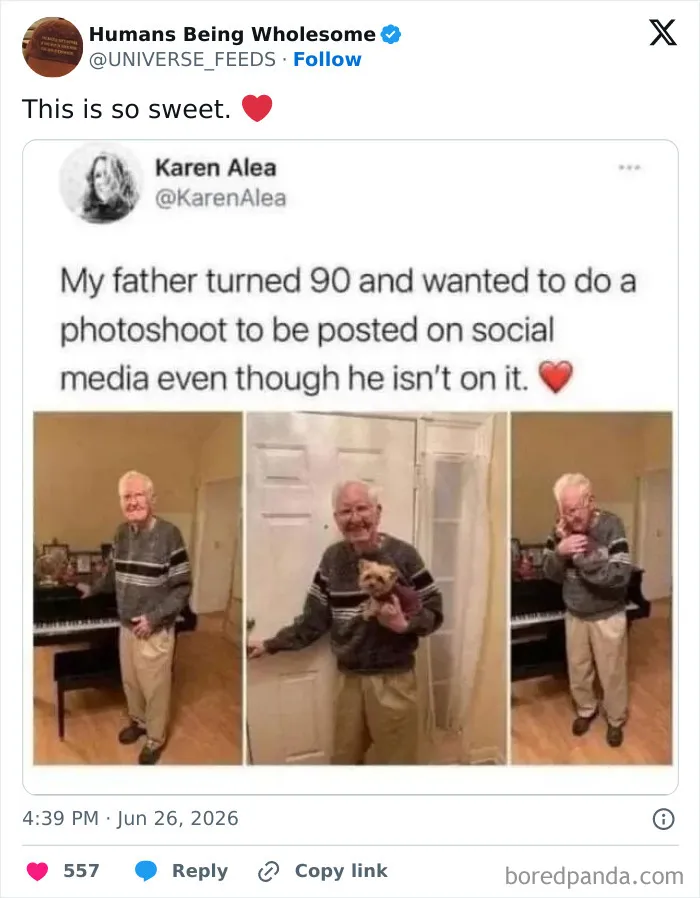
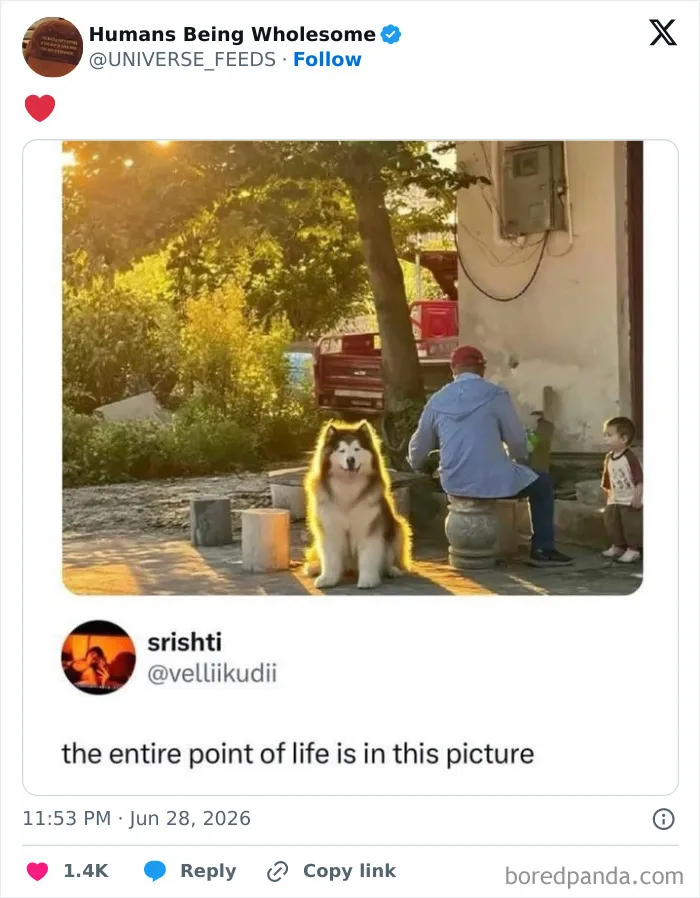
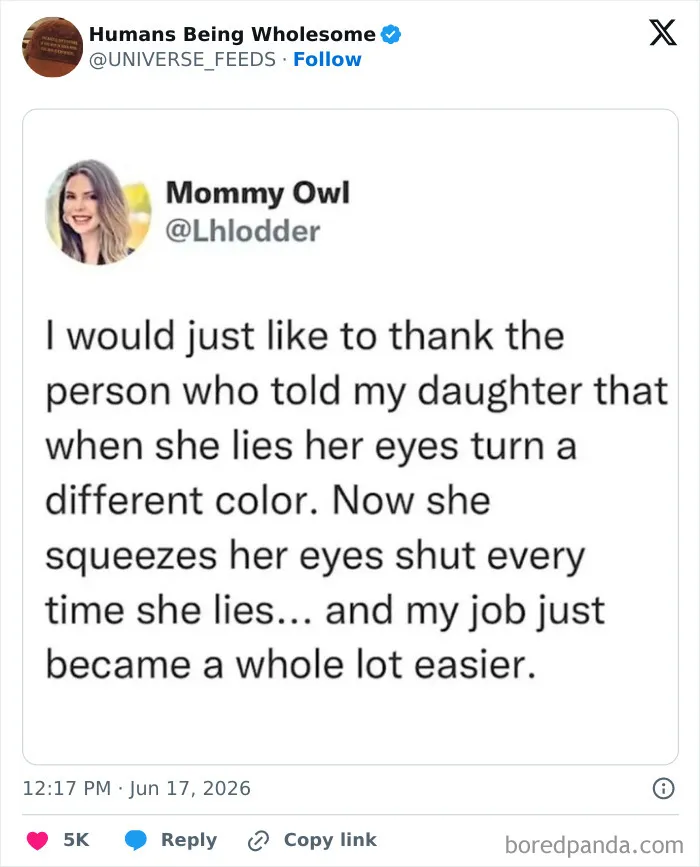
What we watch and read shapes our behavior far more than we realize. Just as violent or toxic media can spark anti-social habits, content filled with kindness can actually make us want to step up and help others. Experts call this “prosocial” behavior.
In 2011, researcher Karl Aquino at the University of British Columbia studied this phenomenon closely. His team discovered that when people read stories about extraordinary goodness, they experienced a deep emotional lift. The more people felt that warm, uplifting sensation, the more they began viewing the world as naturally filled with generosity and care.
Research also shows that walking around with a cynical worldview, constantly expecting the absolute worst from everyone, is actually terrible for your physical health. On the flip side, simply witnessing humanity’s positive side can trigger a wave of positive emotions. This provides long-term benefits for mental and physical health.