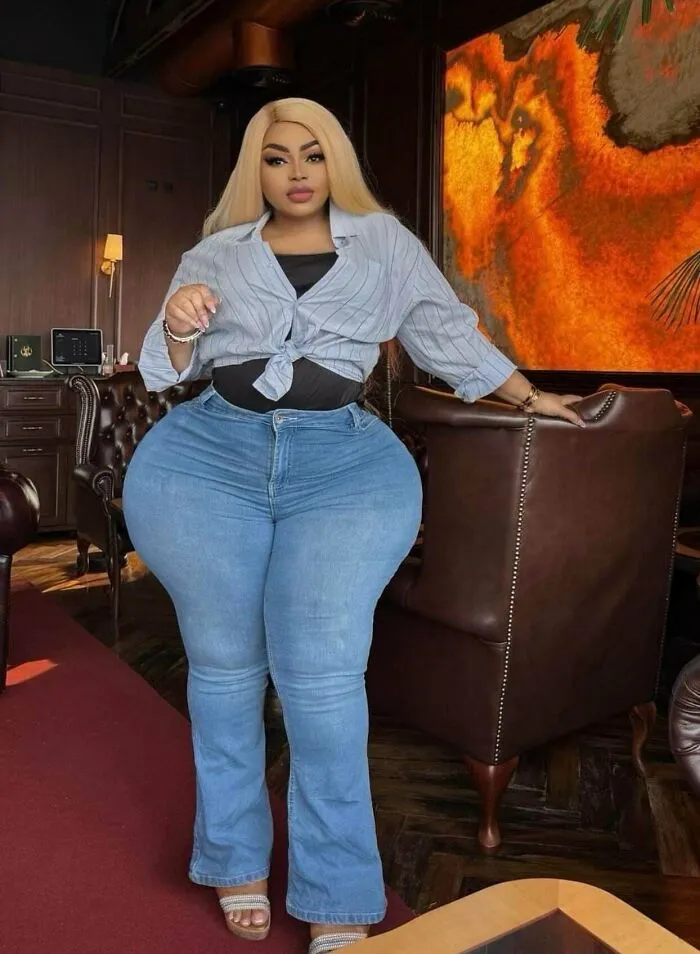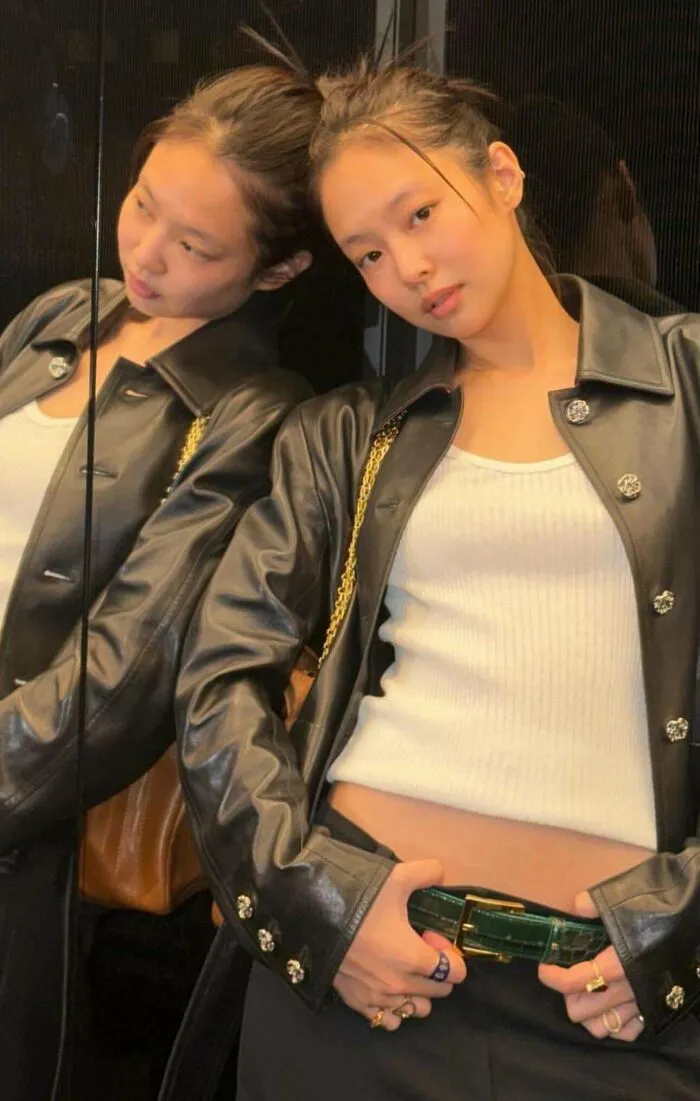

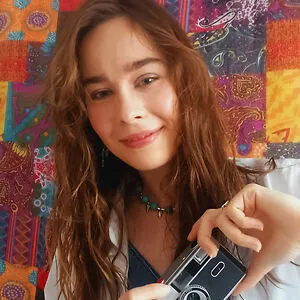
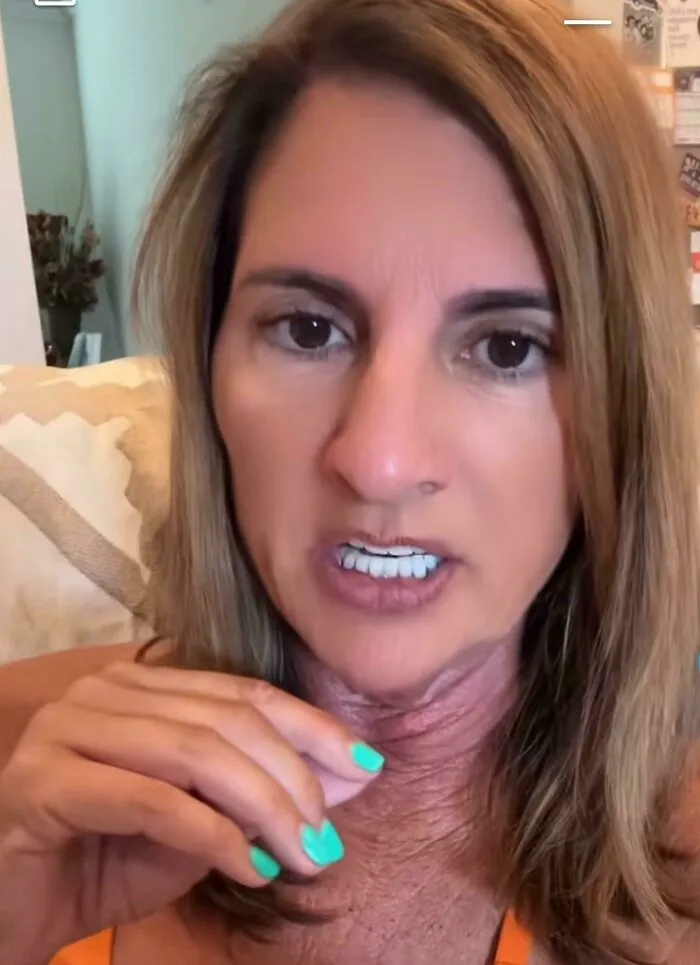
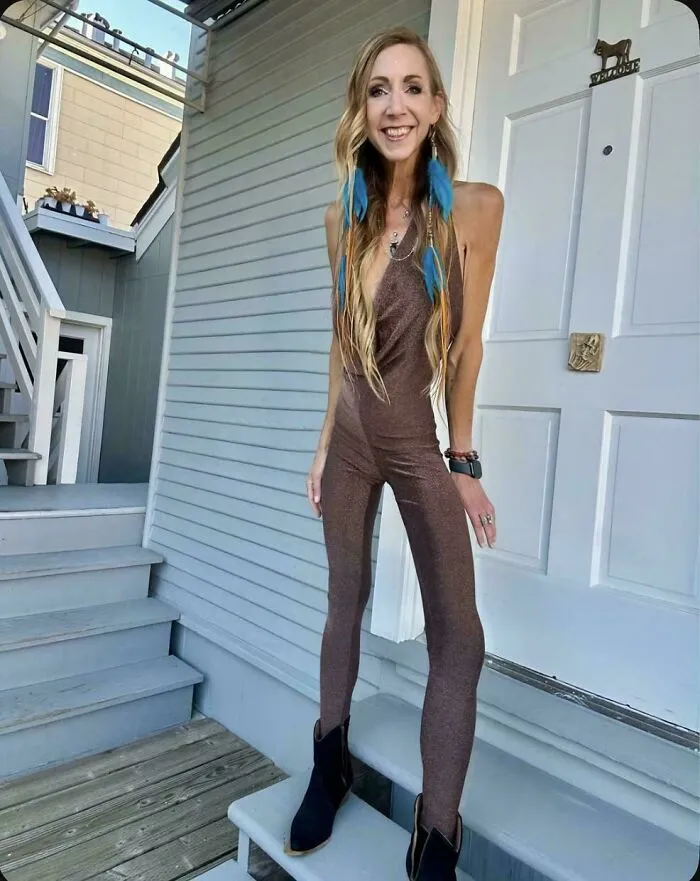
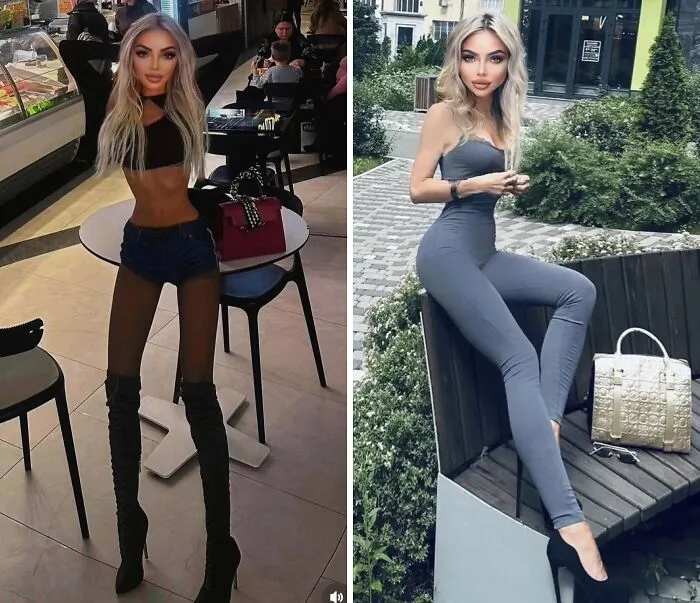
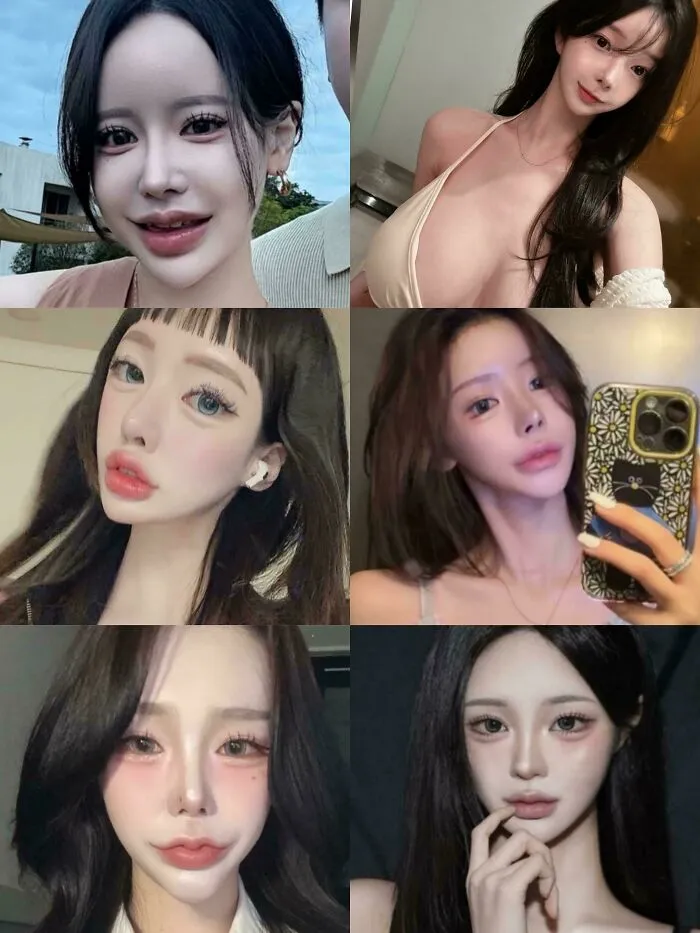
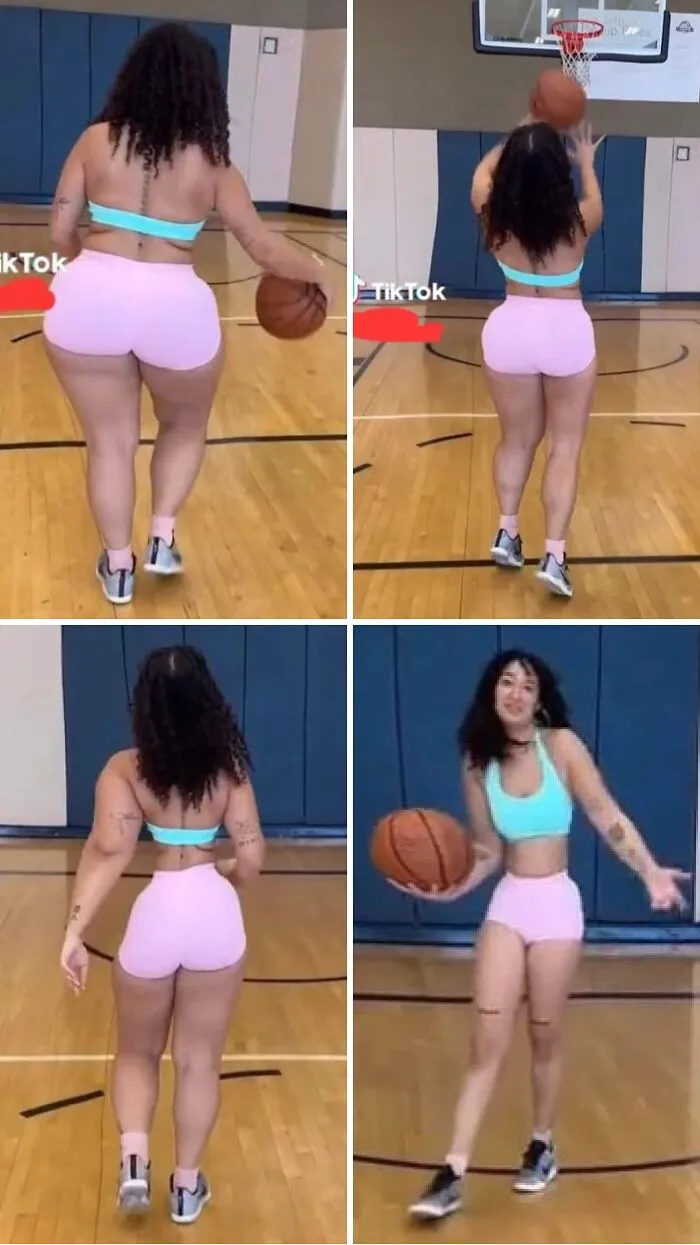
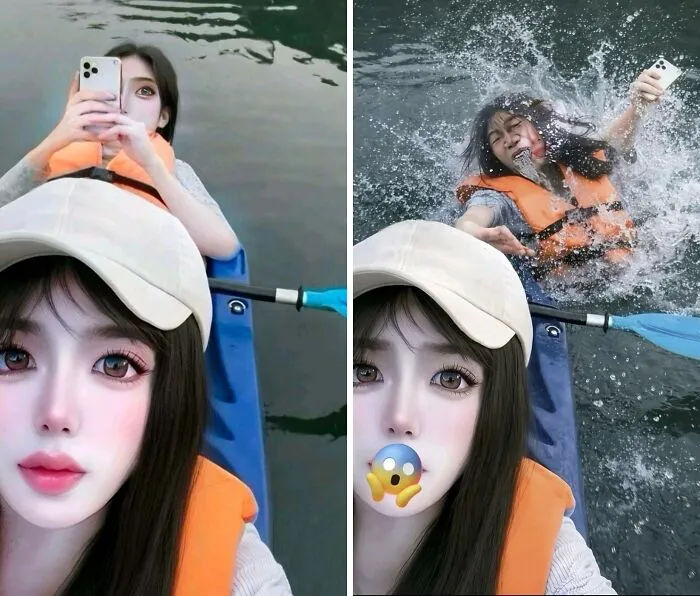
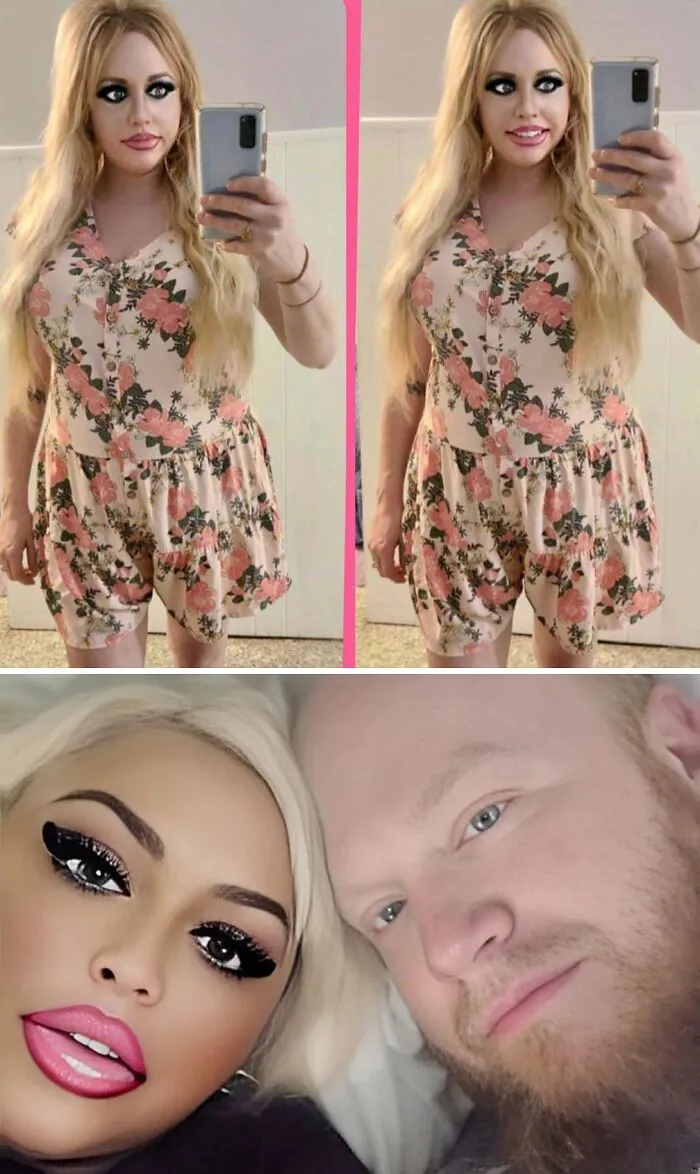
#3 There’s No Way. 200k Followers And Comments Full Of Men Who Believe It’s Real
Since the digital revolution, social media has grown in popularity rapidly. According to Statista, internet users spent an average of 141 minutes per day on social platforms, and over 5.4 billion people used social media in 2025. What started as an innocent online space for socializing with friends and family now serves many purposes.
From advertising to dating or even politics, social media is almost everywhere. Pew Research has revealed that while YouTube (84%) and Facebook (71%) are more popular, almost 50% of American adults use Instagram.
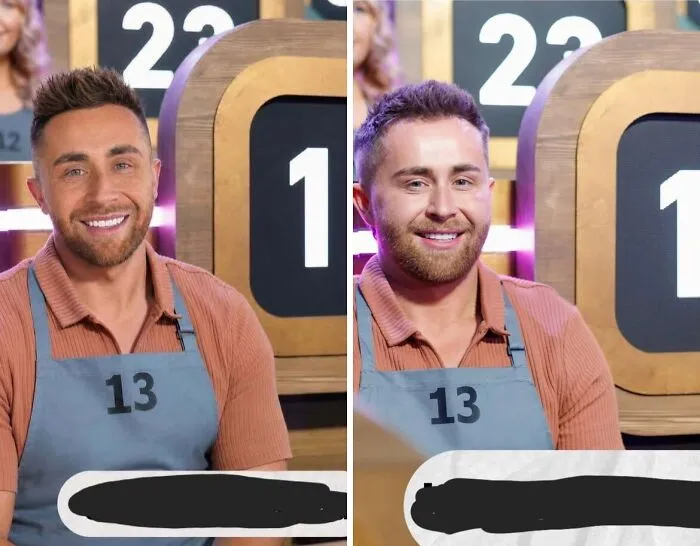
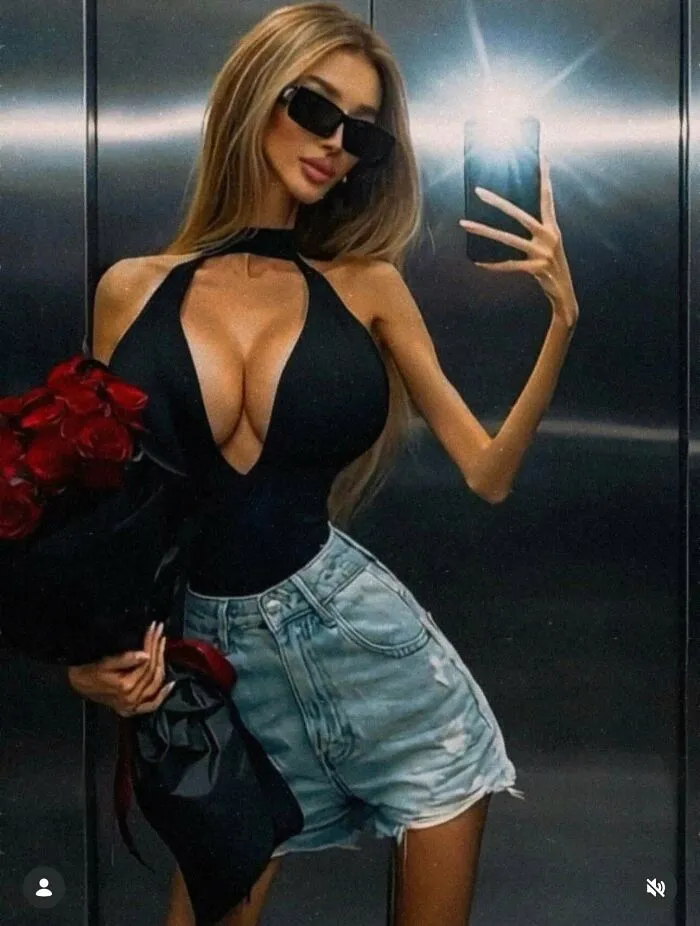
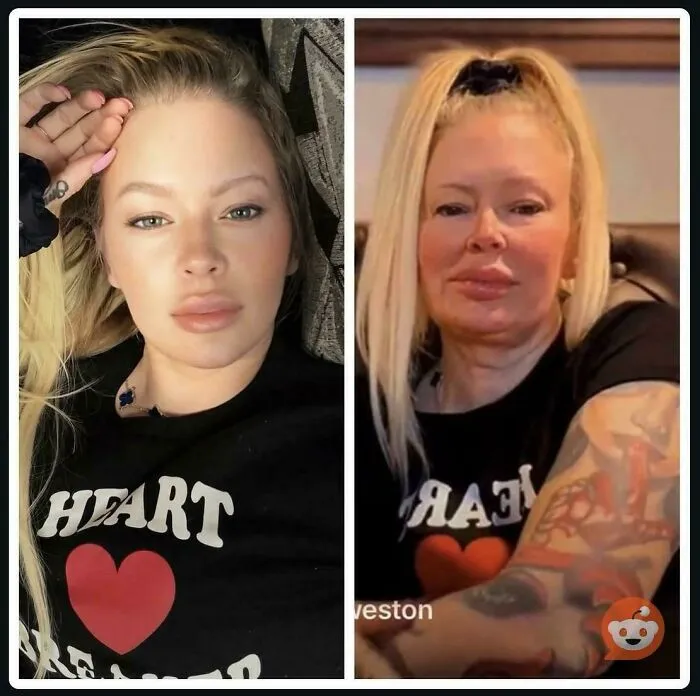
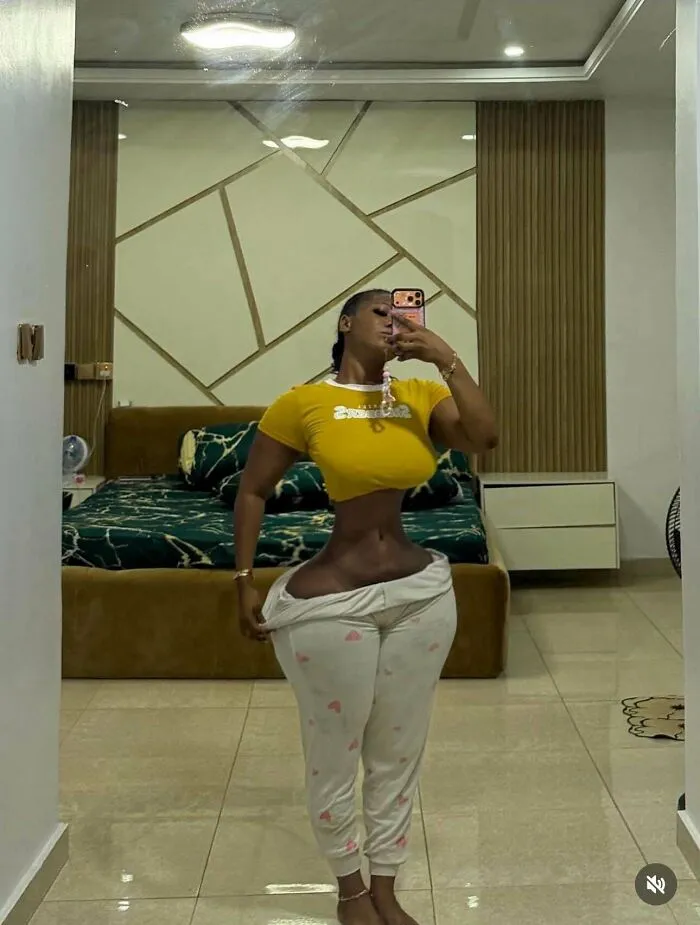
While these sites help you socialize, there’s no denying that extensive usage has caused a lot of damage. It has also created unrealistic beauty standards, and sadly, people want to conform to them, especially when celebrities and influencers do it.
The digital identity security specialists ID Crypt Global surveyed 778 18- to 25-year-olds. 33% of respondents admitted to digitally doctoring their photographs before posting them on social media. Many shared a common motivation. When the respondents were asked if they felt pressure to doctor their images to present themselves in a certain way, such as to look like celebrities and influencers, 58% answered “yes.”
A smaller group of respondents said they took more steps to edit their photos, with 18% saying they use a separate picture-editing app on their phone to alter the image before uploading.
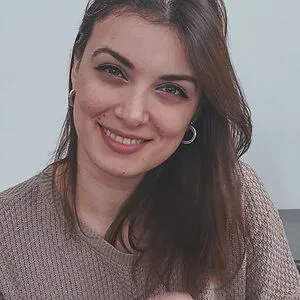
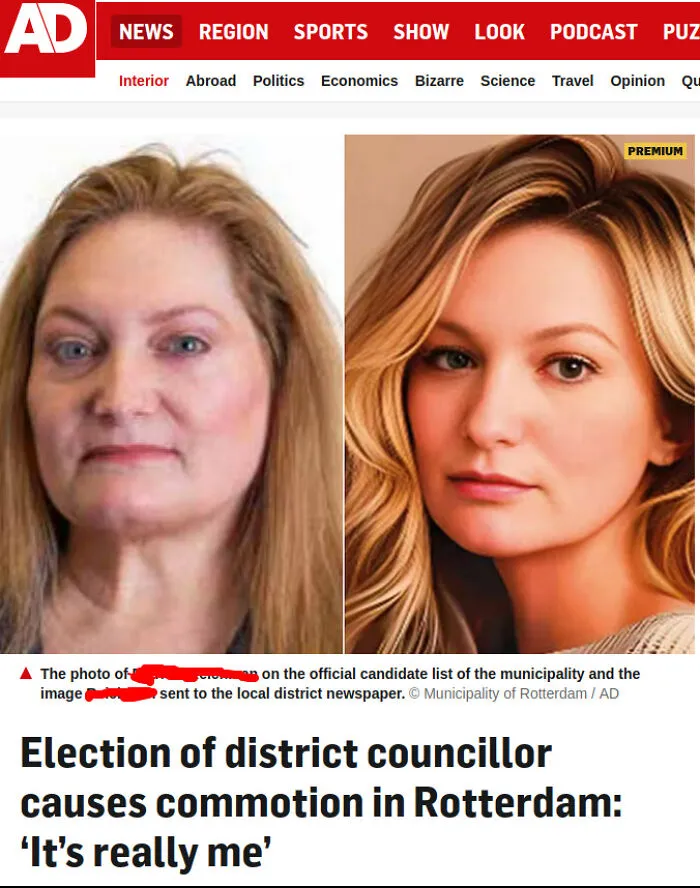
#9 Local Dutch Politician - Party Website vs. Local Newspaper Headshot
According to social comparison theory, individuals judge their worth by comparing themselves to others. Experts stress that people who regularly compare themselves to others may feel motivated to improve, but may also experience deep dissatisfaction and engage in destructive behavior such as lying. No wonder people often resort to editing their photos just to fit into the Instagram mold of beauty.
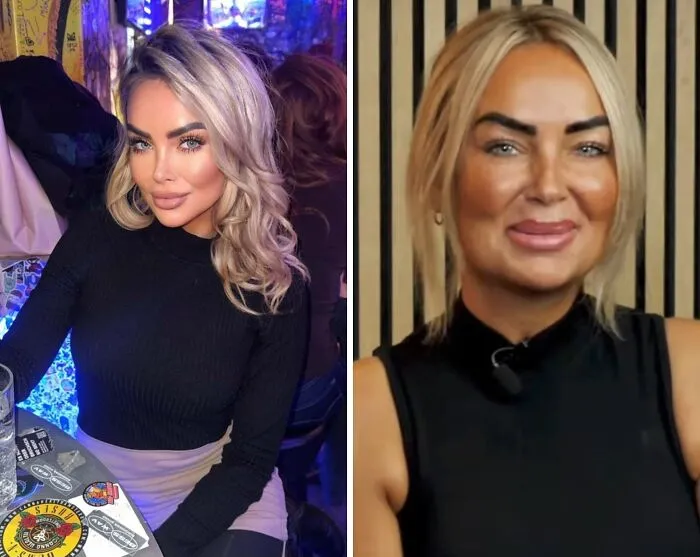
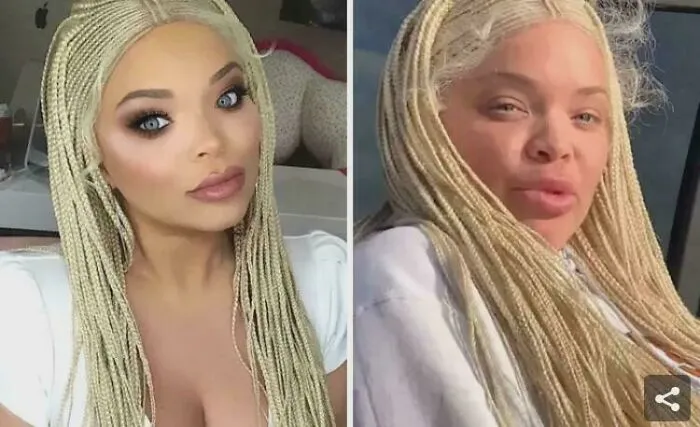
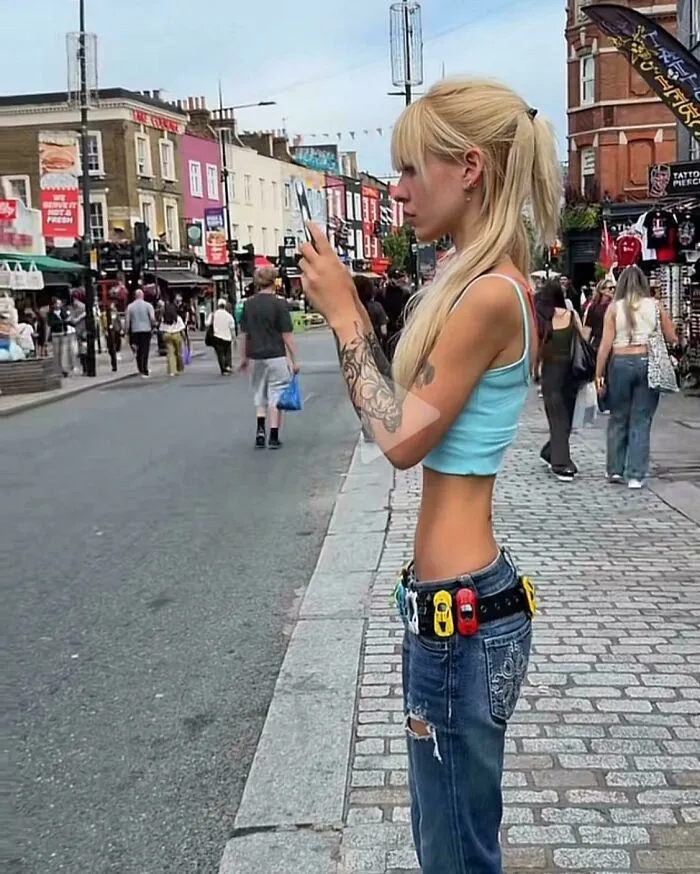
When people compare themselves to celebrities and influencers, they often feel they are not “perfect.” They might worry that people will judge their unfiltered photos, and that fear can drive them to edit.
However, it’s strange to think that people pull off all this just to get likes and dopamine-driven validation. Psychology Today explains that our brain releases more dopamine in anticipation of an uncertain reward than it does for a guaranteed one. This is why checking our phone for notifications feels so compulsive. We’re not just seeking the reward of “likes” itself, but we’re hooked on the anticipation.
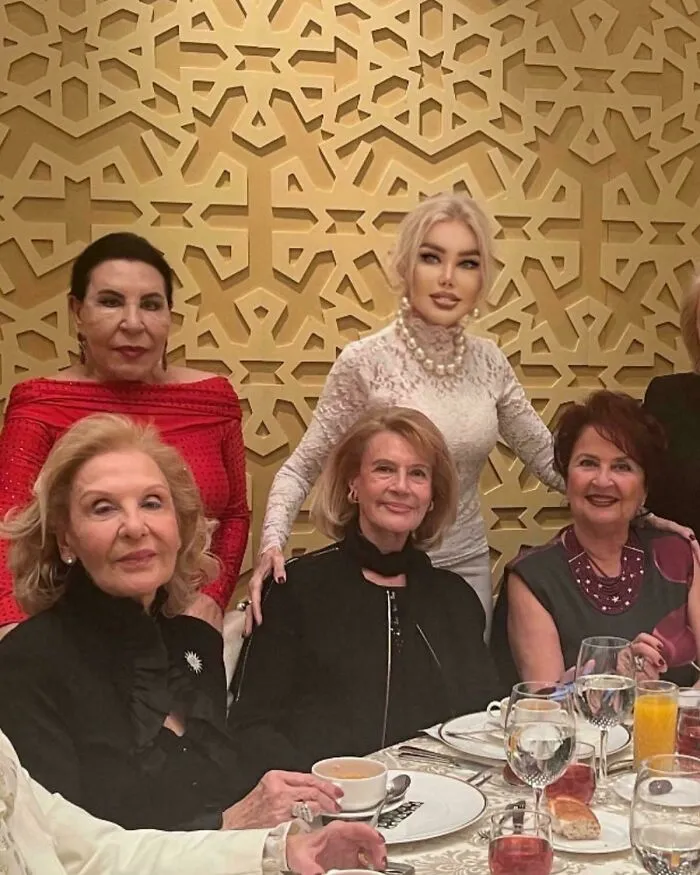
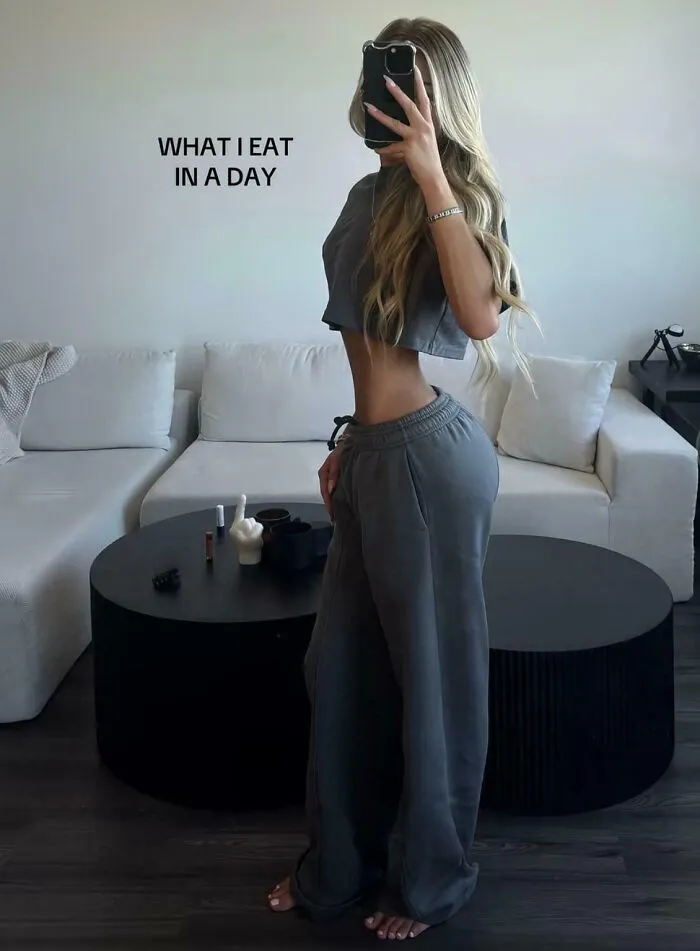
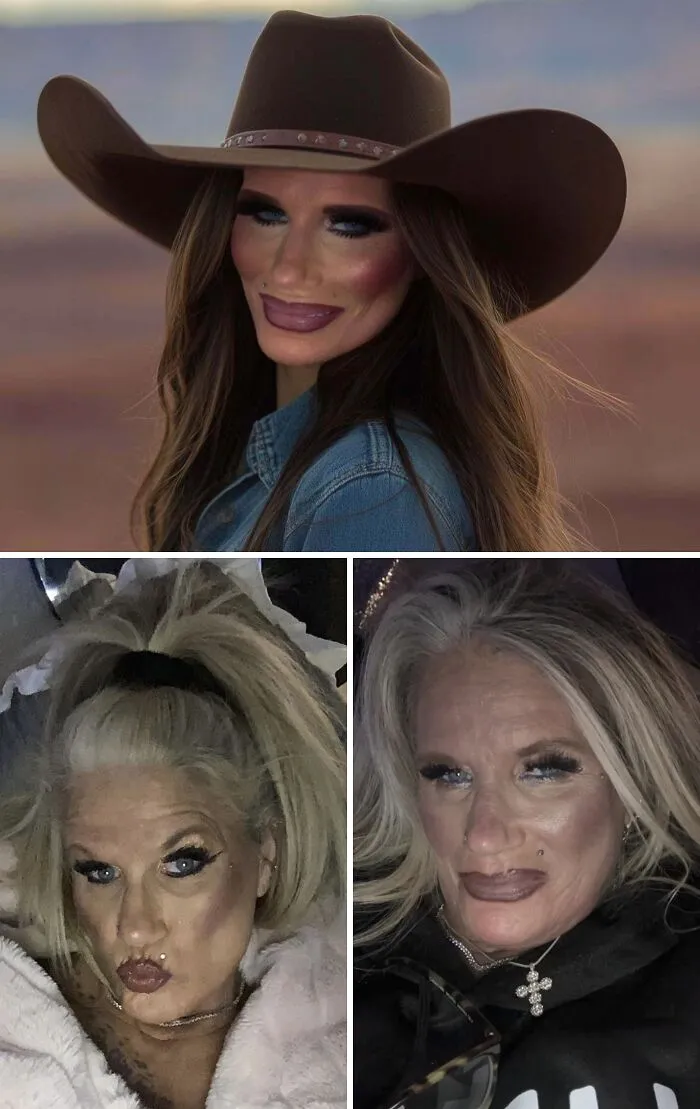
Studies indicate a negative association between photo editing behavior on social networking sites and body satisfaction. They reveal that users who retouched their pictures reported feeling less attractive, having poorer self-esteem, and experiencing increased negative mood.
Additionally, photo editing behavior may also encourage individuals to view their body as an object, reinforcing associated risks such as body shame, depression, and eating disorders.
Jane Laferla, of Cardiff's Laferla Medical Cosmetics, told the BBC that the number of young people asking to look like they do in edited selfies, or like someone else, had increased dramatically. She explained, “It’s a huge problem impacting the mental health of young people. I’ve had girls as young as 16, sometimes even younger, bringing in photos and asking for treatment to change facial features.”
“It’s really sad. Adverts for aesthetic treatment on social media, such as the Kardashian look, are breeding insecurities and impacting mental health. It can be toxic for vulnerable young people. More individuals are exhibiting signs of body dysmorphic disorder. Aesthetic treatments are not the answer; they need professional psychological support,” she added.