





While many of these photos are a product of impeccable timing, their ability to evoke strong emotions in the beholder is also worth noting. According to biology professor Nathan Lents, one reason is that a captivating image triggers memories of past events.
“Art capitalizes on specific stored memories and associations in the brain of the observer. Here, we have the second clue to the origin of art in humans: visual recall of past events and emotions,” Lents wrote.


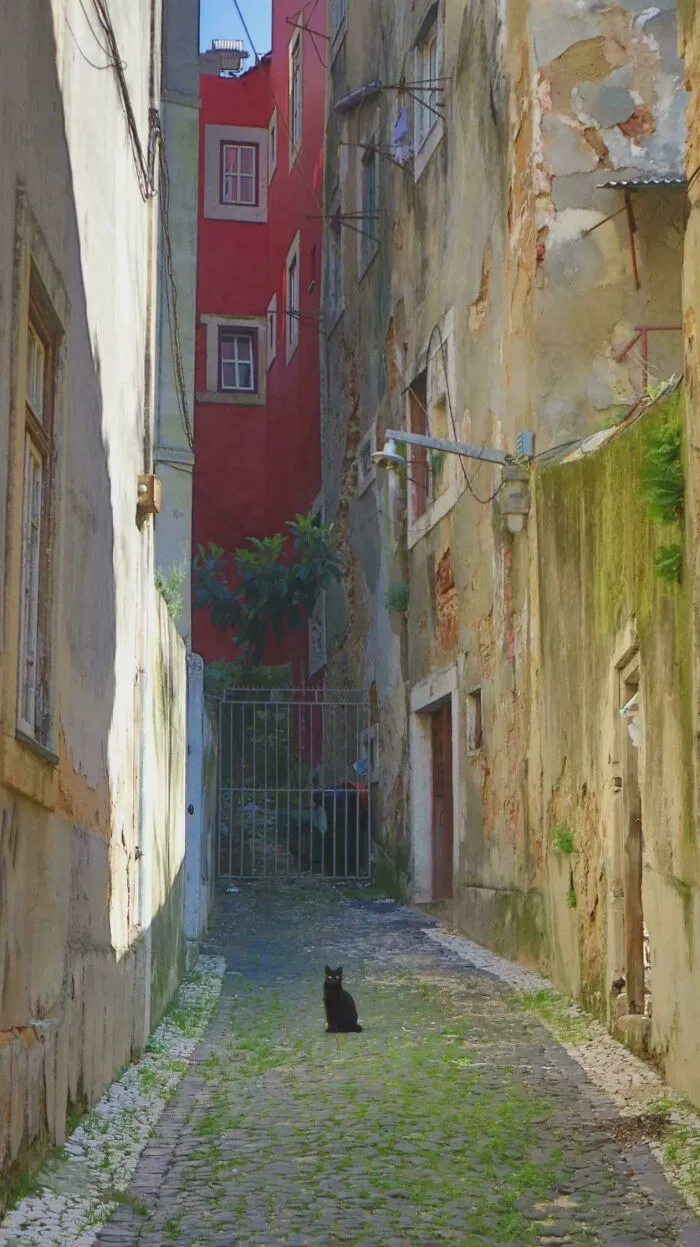
As Lents explains, the human brain has become more sophisticated as it evolved over the last million years. That evolution gave us the ability to store extensive details as memories, which eventually became pattern recognition.
“With our newfound cognitive abilities, our impressive memory recall, and eventually tools, it is not at all surprising that the first art produced by our ancestors depicted the very subject that probably spawned all of our cognitive abilities in the first place: the hunt,” he stated.



What one person finds aesthetically pleasing may not be the same for another. It is why the saying “beauty is in the eye of the beholder” exists. As for the roots of aesthetic taste, University of Illinois at Springfield professor Shahram Heshmat says cultural backgrounds play a role.
“Aesthetic taste is rooted in a broader cultural context. For example, people used to prefer a clean-shaven man. But now men with beards are the mainstream,” he explained.



Many of the photos on this list are neither too elaborate nor bland. According to Heshmat, that sweet spot between complexity and simplicity also boosts aesthetic appeal.
“We dislike things that are either too boring or too overwhelming. An object that is too simple can lead to boredom, while too much complexity that exceeds the perceiver’s ability to process can cause distraction.”

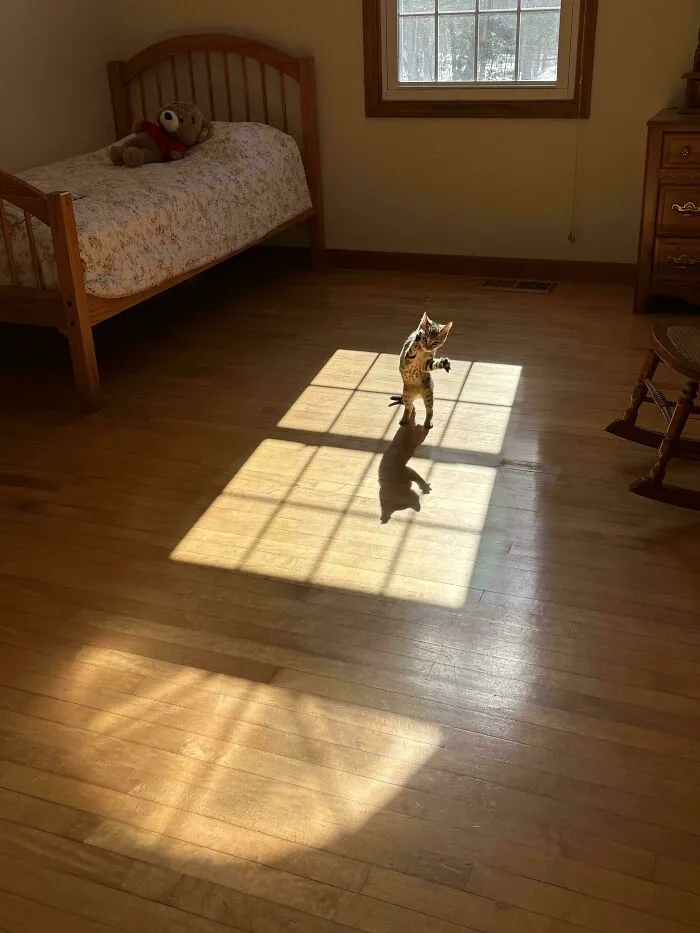
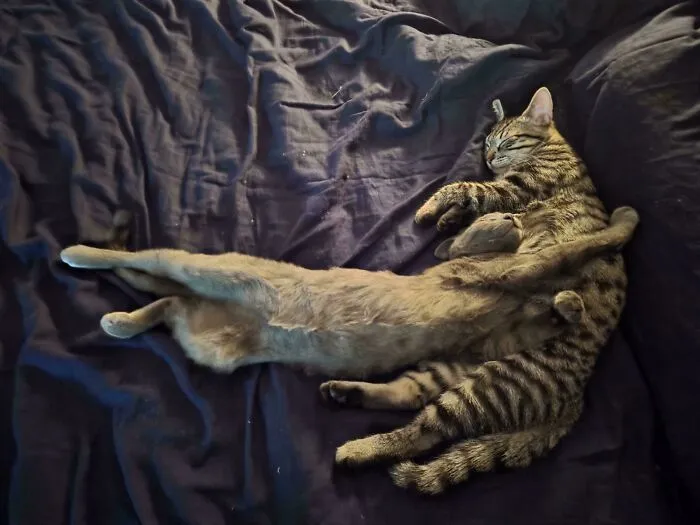
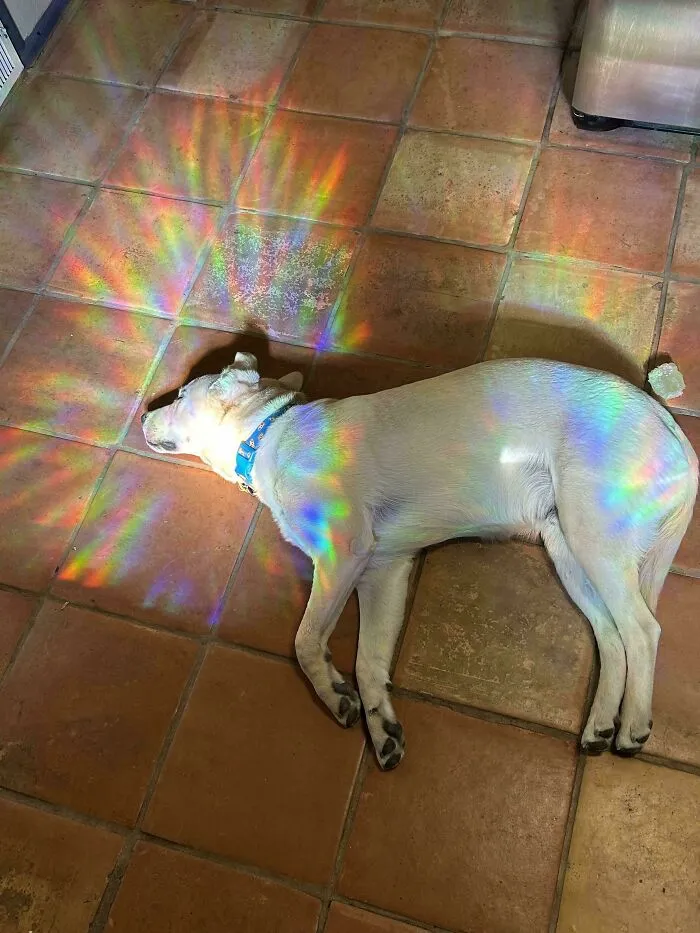
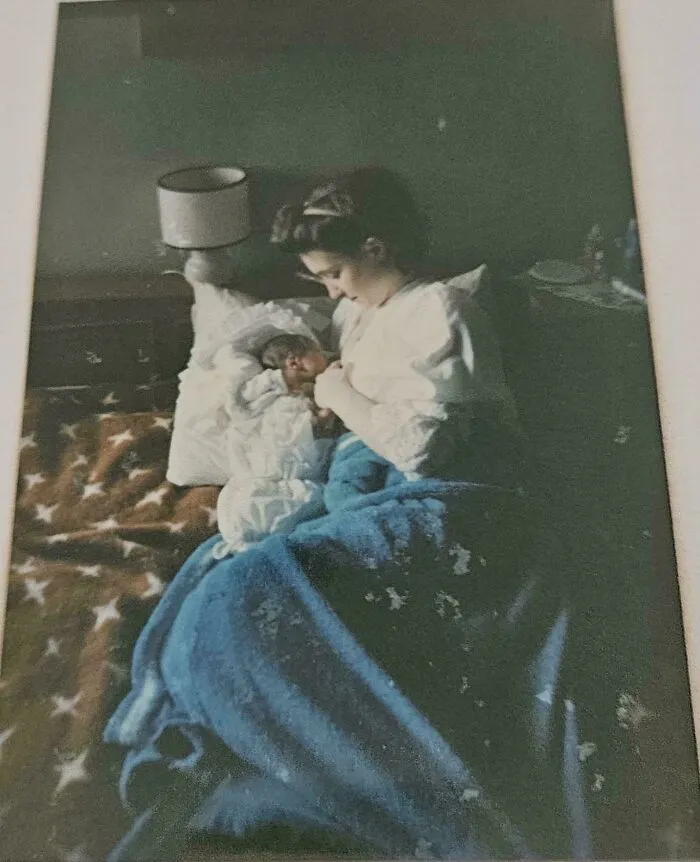
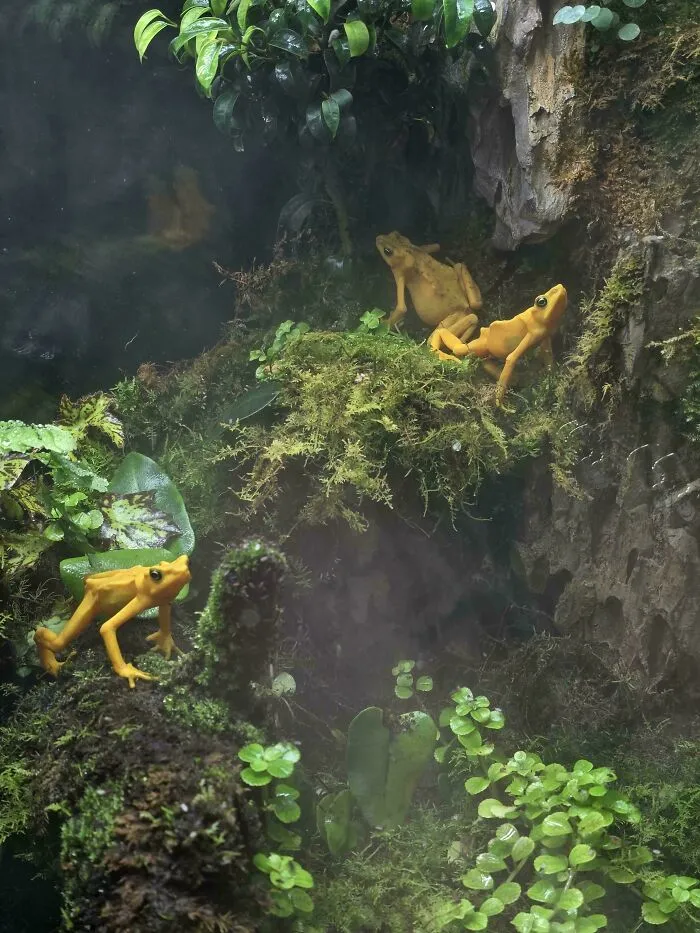
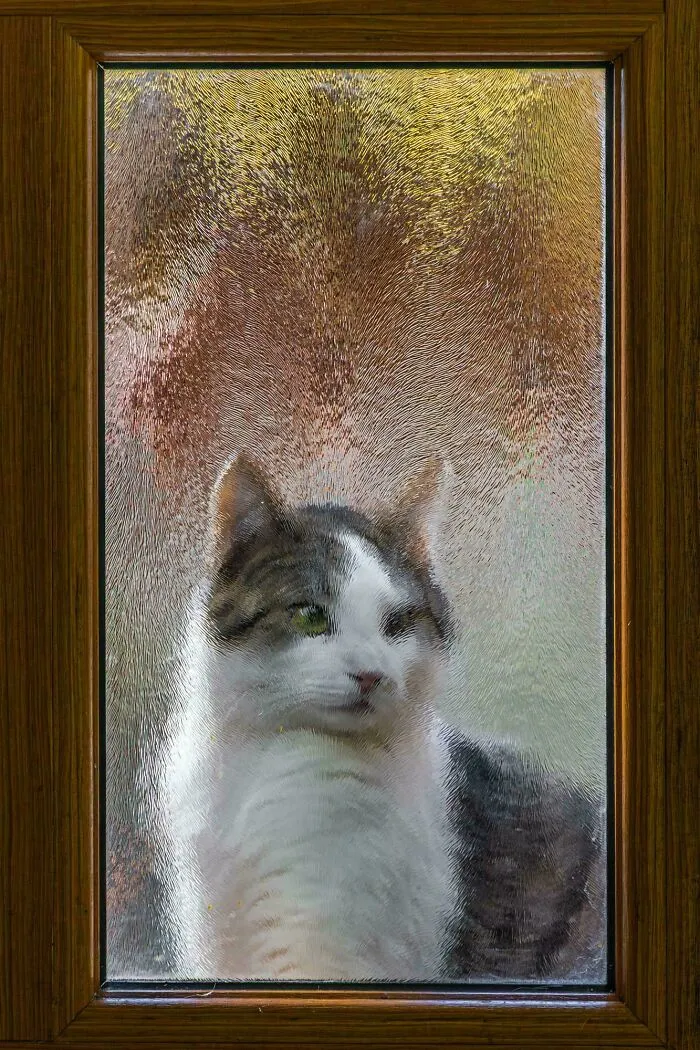
As the Accidental Renaissance community proves, the most striking images come from spontaneity. The people who took them likely weren’t trying to intentionally create anything artistic. They were simply documenting everyday life, only to inadvertently create something that catches the eye.
It can also prove that Renaissance-worthy compositions aren’t as rare as we think. For the most part, they are the most mundane images that take a second looking before noticing.