Get Premium
Dark mode theme is available exclusively for premium users. Learn more about the benefits of subscribing.
No fees, cancel anytime.

 Dark Mode Ad-Free Browsing Unlimited Content
 Ad-Free Browsing Unlimited Content Dark Mode
Join 1.2 million Panda readers who get the best art, memes, and fun stories every week!
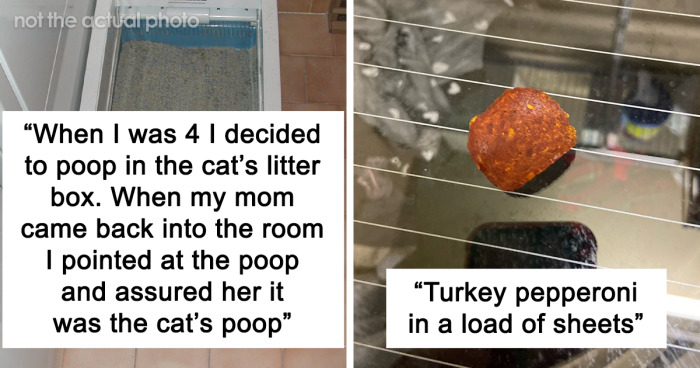


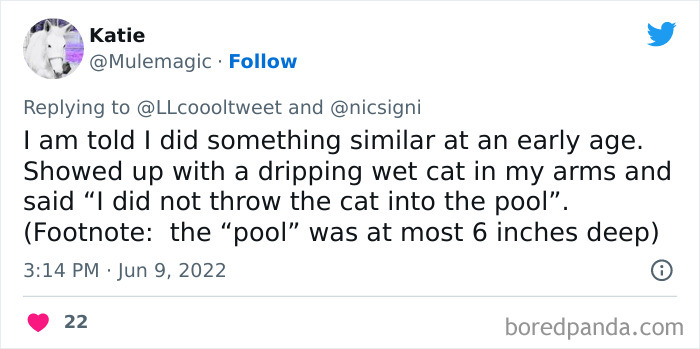
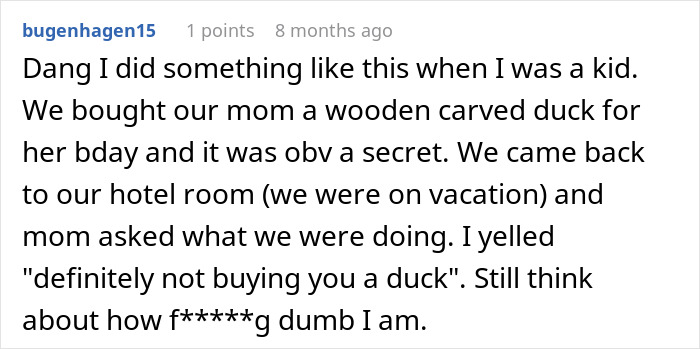
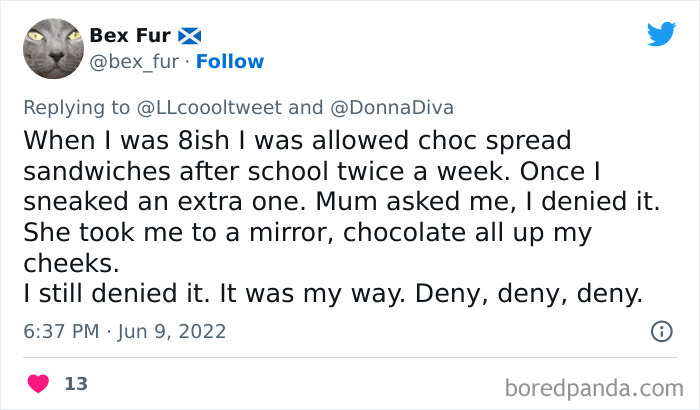
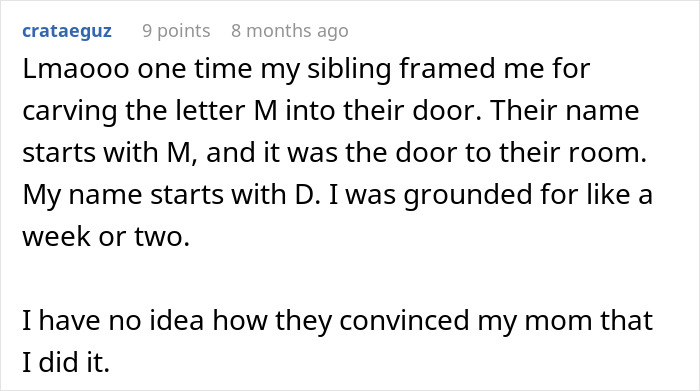
A child’s life can be one of such wonders. They don’t really know how anything works so everything feels possible. The laws of the material universe can bend and twist to their screwball plans and every day can be an adventure. Unfortunately, for the parents who have to follow in their wake, this can also involve bills, messes, and frequent facepalms.
Internet users shared the most confusing and hair-pulling examples of kids doing things they really shouldn’t have. We also reached out to Brenna Hassinger-Das, Assistant Professor of Psychology at Pace University-NYC to learn a bit more about children’s creativity. So scroll down and upvote the stories that made you feel happy it wasn’t your kid and comment if you have any tales of your own. If you want to see some more documented examples of children’s brilliant plans, click here and here.
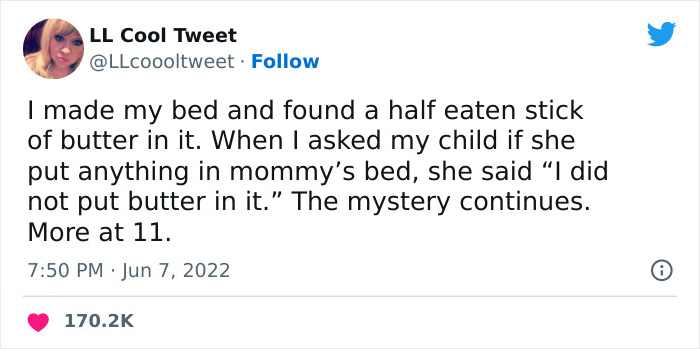
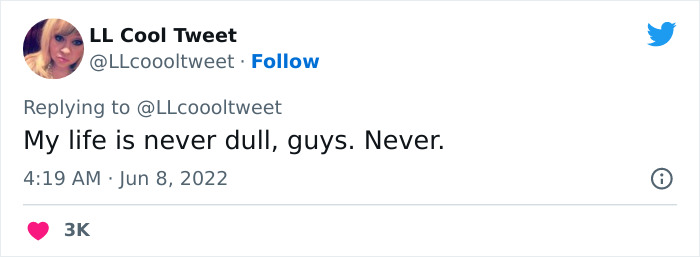
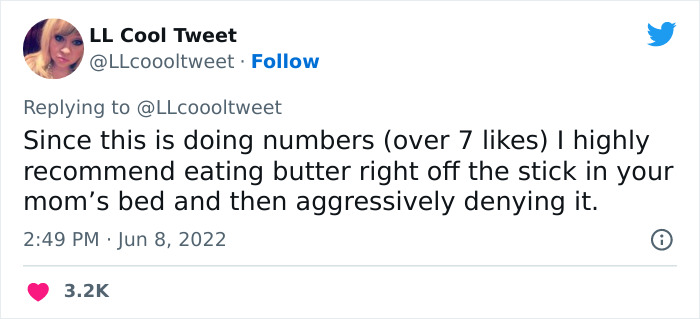
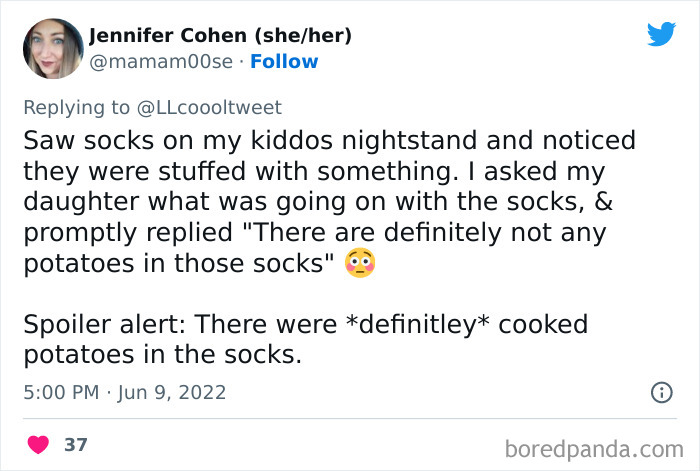
Image credits: LLcoooltweet
This post may include affiliate links.
We asked Dr. Hassinger-Das why children need creativity for their self-development. “Creativity is the process of developing flexible thinking and coming up with new ideas and new uses for existing objects and materials. This process of exploration also helps children develop other critical skills. For example, as children use art materials like scissors and crayons, they also work on their fine motor skills. Devising new ways to use a favorite toy encourages children's problem-solving and development of executive functioning skills. Solving problems together also helps children foster social interactions and relationships.”
She also had some advice for parents trying to figure out how to introduce creativity into their children's lives. “Play is a great context for fostering creativity. Play allows children to exercise agency and explore new ideas within a familiar context. Parents can co-play with young children, using guided play techniques such as asking questions about what children are doing and helping to get them thinking about new concepts and ideas. With older children, parents can support their interests in art or games, from drawing comic book characters to playing creative video games like Minecraft.”
“I think the most important takeaway about creativity is it's more about the process than the outcome. The process of exploration and thinking differently about everyday experiences helps children to build a toolkit of ways to deal with problems later in life,” she added. All in all, the experiences shown in this article can be seen as learning moments, even if it costs a decent degree of frustration from the parents. At least they got a funny story out of it.
Many of these stories come from younger children, who are just old enough to walk and have some agency, but not yet old enough to wrap their heads around more abstract ideas. Behavioral researchers believe that at this stage in a kid’s life, they are not actually aware of ideas like betrayal or imagination. However, they are fully capable of, inaccurately, personifying inanimate objects. For example, if a child hits their head on a door by accident, they might describe the door as “bad.”
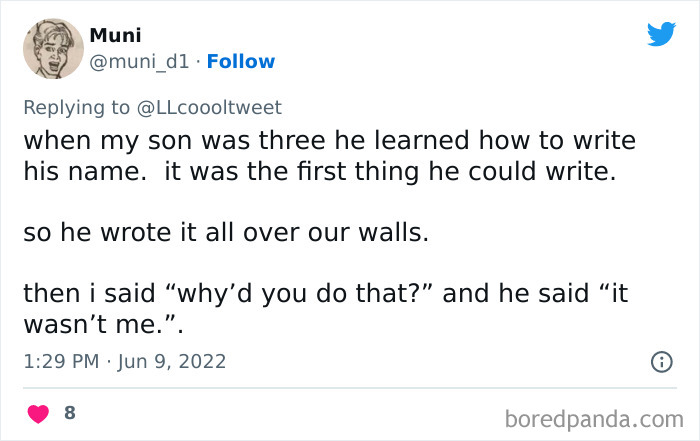
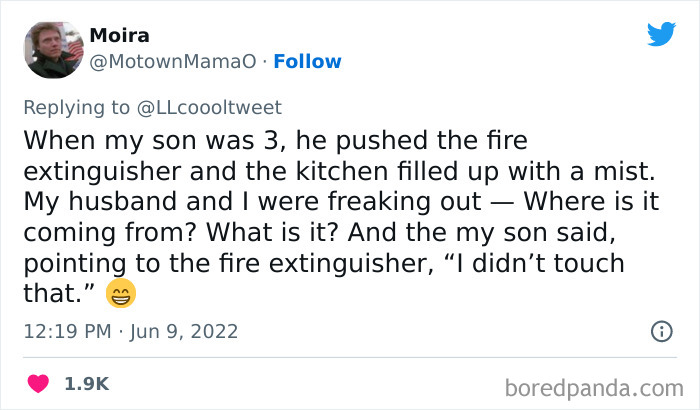
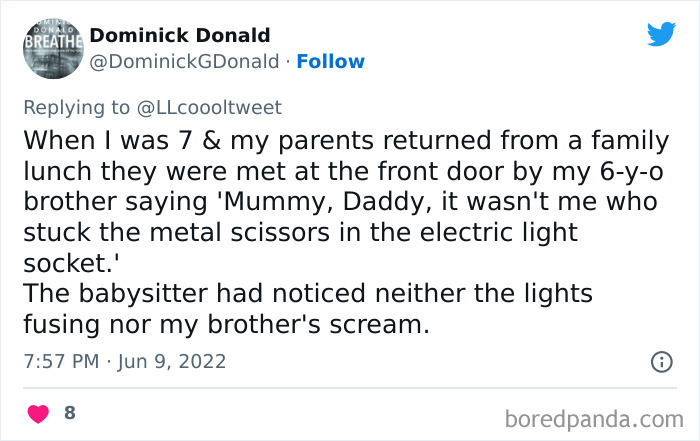
This stage, sometimes called the preoperational stage, normally lasts until the child is about seven years old. During this stage, they do not really understand how to see beyond their own point of view. This no doubt helps inform some of the attempts at deception in this list. Who could ever see past the masterly plan to disguise wrongdoing by saying “wasn’t me.”
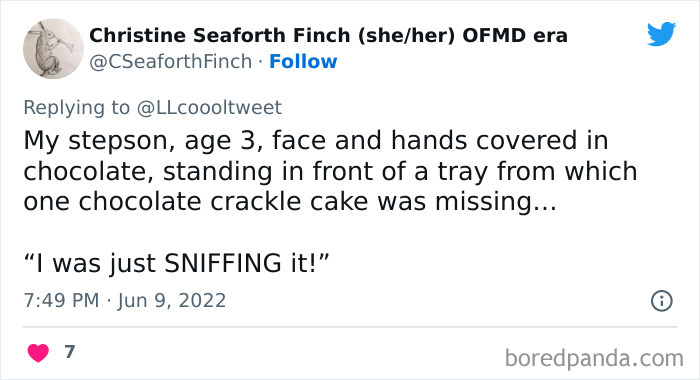
Before the age of seven, many kids also go through stages of magical thinking. In cases of grief or sadness, the child might believe that if they just think it didn’t happen hard enough, then any negative event would simply disappear. This logic and we are really stretching the meaning of the word here, applies to other things as well. So kids do really believe that by giving adults a cunning, alternative story for the evidence in front of them, i.e a missing cake, a half-eaten stick of butter, they will actually escape punishment.
On the flip side, these are all signs that the child has a working and active imagination. They will want to supplement their imagination with new information and details, and constantly ask parents about how and why things are how they are. This poses a bit of a challenge since often enough, adults don’t actually know how to explain things. Like do you actually know why the sky is blue? The short answer, to save you a quick Google search, is that air molecules ‘scatter’ and blue light has the shortest wavelengths. Careful with this answer, however, as a more perceptive child might start following up with more hard-to-answer inquiries about physics.


This post is perfect for confirming I made the right decision in never having children.
This post is perfect for confirming I made the right decision in never having children.


































 No fees, cancel anytime