


Few young people are able to buy their own houses nowadays. Owning a home has become a luxury, and only 37% of Americans under 35 being homeowners in 2024 reflects that. Some do get lucky, like the couple in this story — they managed to snatch a house in NYC during the lockdown in 2020.
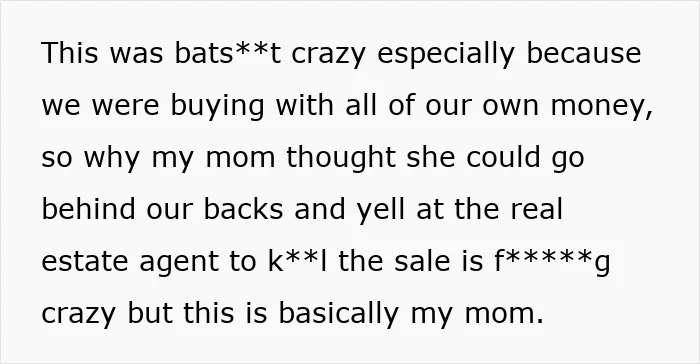
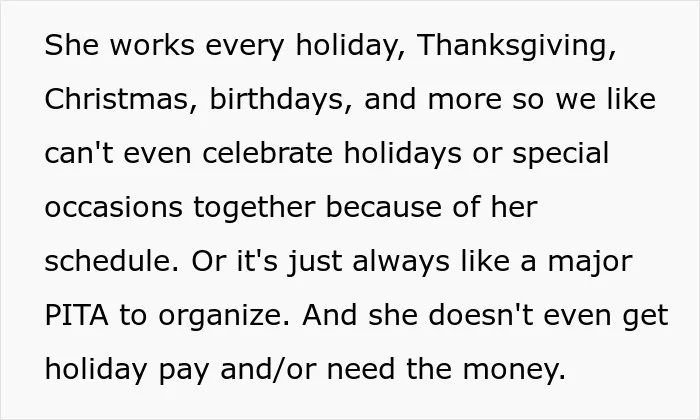
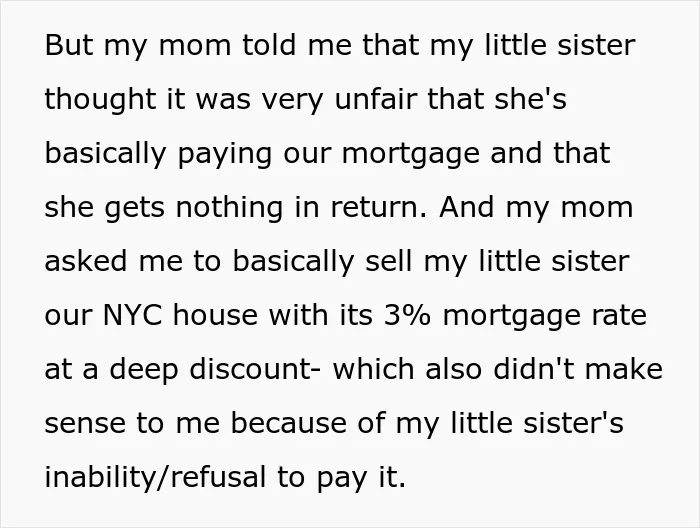
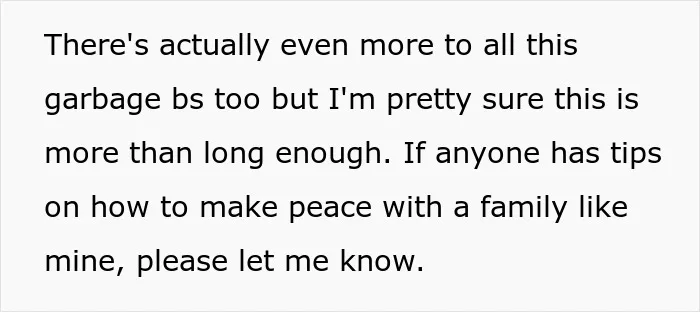
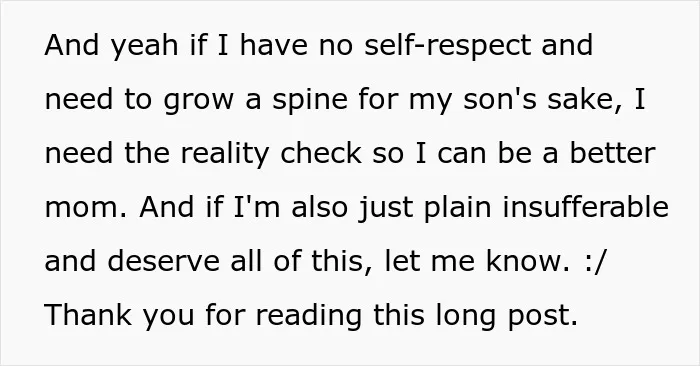
Currently, they were renting it out to the woman’s little sister, and for cheap, too! However, some toxic family dynamics started coming to light when their mother demanded that she sell the house to her sister. Past traumas, neglect, and years of entitled behavior flooded the woman’s memory, driving her to say a strict “No.”
A woman and her husband managed to snatch a house in NYC during the pandemic at a reasonable price

But now, her mother demanded that she give away that house to her little sister





















It’s better to avoid mixing family and money, but people in collectivistic cultures often have a really hard time doing that
“Family always helps each other.” Many of us grew up with this mantra regardless of our family dynamics. Even when your parents are toxic, your siblings take advantage of you, and other family members have done nothing but shout and belittle you during family gatherings, you still might feel the pressure to “do the right thing” and support them when they ask.
Many people have experienced that mixing money and family seldom leads to anything good. As a 2021 Bankrate survey showed, 44% of Americans who have helped their family members or close friends financially had something bad happen as a result.
“If you really want to offer assistance, don’t lend more than you can afford to lose, and consider treating the money as a gift to limit the potential for hard feelings,” Bankrate industry analyst Ted Rossman weighed in.
In a previous interview with Bored Panda, financial therapist Nathan Astle explained that he almost always recommends people avoid mixing family and money. “Money complicates relationships, especially if you aren't very intentional about what is good for yourself and what is good for the relationship,” he said.
“In general, I recommend keeping family and friendships separate from money if you can. You never want to question whether the relationship is about safety and genuine enjoyment or if it is just a ploy for money. That can really mess with our brains.”
According to Astle, it’s important to consider the family’s cultural background, too. “Family and societal cultures handle money differently,” he noted. “Some are more individualistic where the focus is on the individual's success while collectivistic cultures prioritize the group's well-being.”
Parentified adults are often resented by younger siblings and parents when they prioritize their immediate families
The OP also mentions that she’s always been like a mother to her little sister, and that her mother was more like a child herself. That’s a classic case of parentification: even as an adult, the older sister feels responsible for her younger sibling, especially financially. That’s why she’s having such a hard time saying “No.”
As mental health consultant Imi Lo told Bored Panda before, when a parentified adult refuses to help parents or younger siblings, it can build resentment. “Financial support might be expected for younger siblings or aging parents in the family of origin,” she noted. “Balancing this while managing the financial needs of one's own family can strain budgets and heighten tensions within both family units.”
The younger sibling and the parents live their lives used to the older sibling being the primary carer and the “rock” of the family, essentially. When the OP refused to sacrifice her life and money for her younger sister, both her mother and sibling took that as a personal attack.
“Parents and younger siblings may feel abandoned or unsupported if the grown sibling prioritizes their immediate family,” Imi Lo explained. The OP planned the NYC house as her son’s inheritance, and her mother and little sister couldn’t fathom that she was prioritizing her own family over them.
“I basically grew up to be like her mom from a young age,” the OP said, telling more about her relationship with her little sister

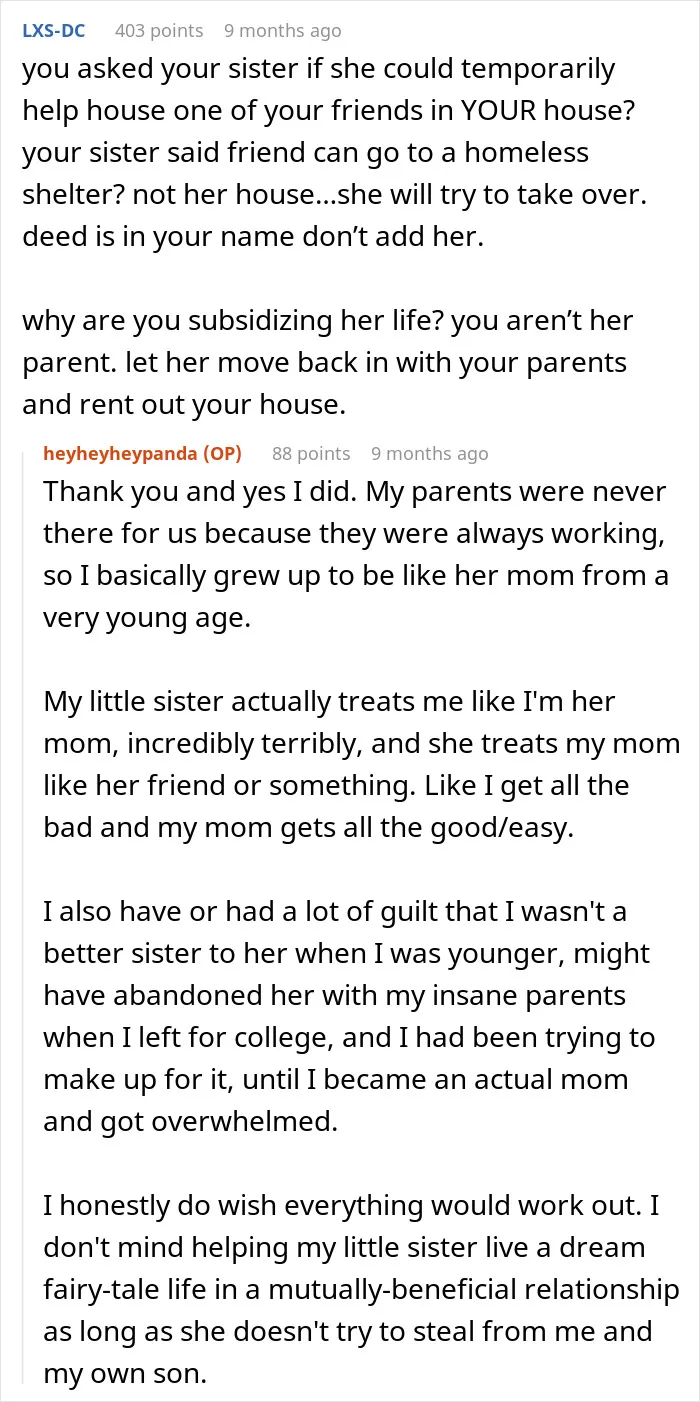




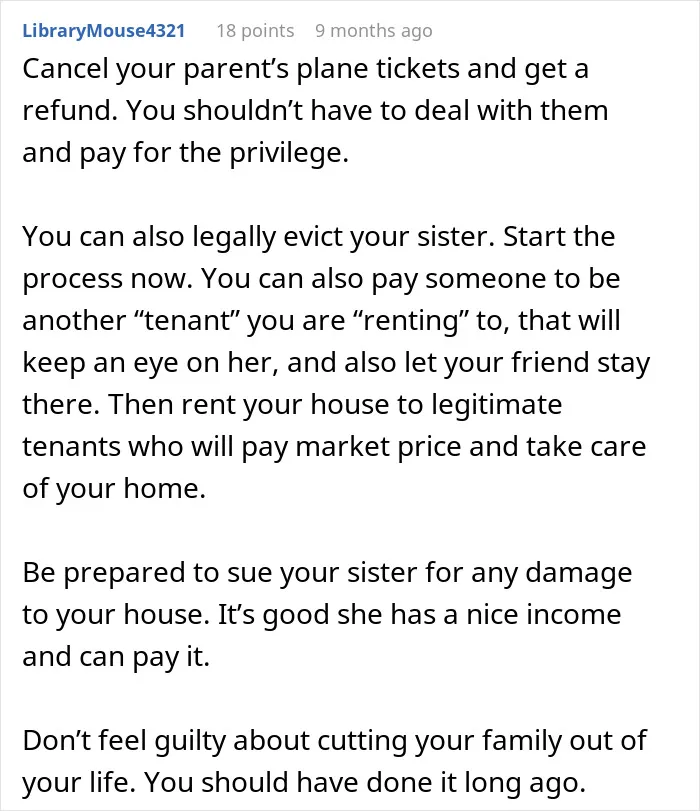
Commenters urged her to lower contact with both her mother and her ungrateful sister