Get Premium
Dark mode theme is available exclusively for premium users. Learn more about the benefits of subscribing.
No fees, cancel anytime.

 Dark Mode Ad-Free Browsing Unlimited Content
 Ad-Free Browsing Unlimited Content Dark Mode
Join 1.2 million Panda readers who get the best art, memes, and fun stories every week!

It all started a couple of months ago while arguing with my Let's Get Sciencey brother in arms, Marco. The subject? How many Eiffel Towers deep is the ocean?
Of course, we Googled and "mathed" our way to the answer.
After that, we kept looking for more random science facts to feed our awkward personalities that rely only on weird bits of trivia when put in the awful situation of attending a party.
The hardest thing for us was to find at least one genuine scientific source to back up the facts we found, so, after filtering all our information, arguing like two bitter old ladies, and continuously raising our standards, we gathered 100 weird science facts.
However, ain't nobody got time to read 100 facts. So we selected our favorite 29 and illustrated them, just to prove how freaking ridiculous they are.
More info: letsgetsciencey.com
This post may include affiliate links.
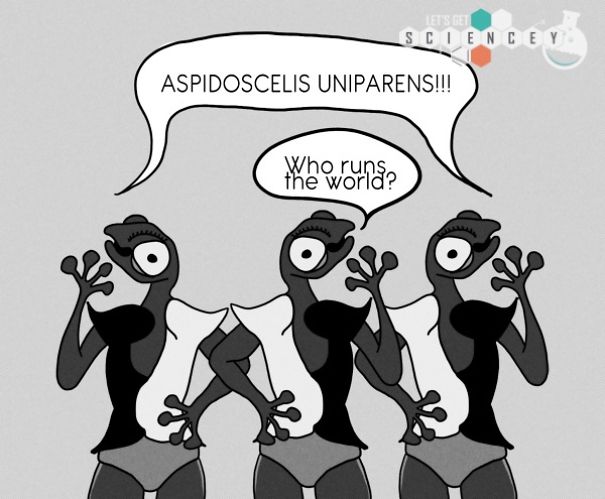
The Aspidocelis Uniparens lizards are all females. There are no males as they don't need them for reproduction.
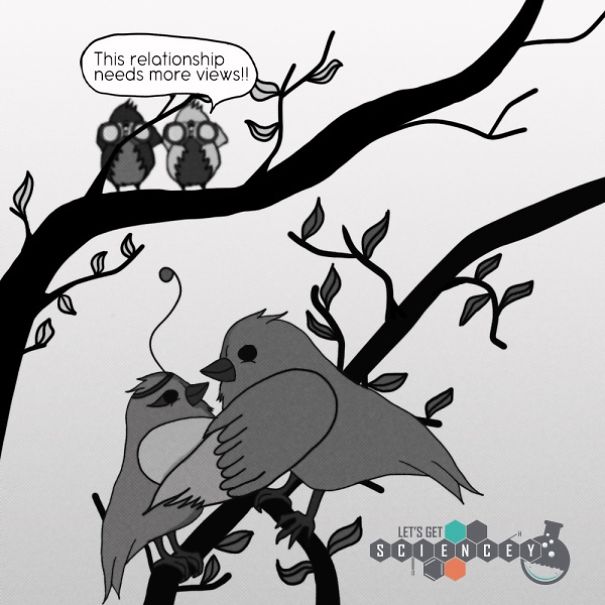
Some Northern Cardinals are half female, half male, with their bodies colored half red on the male side and brown on the female side.
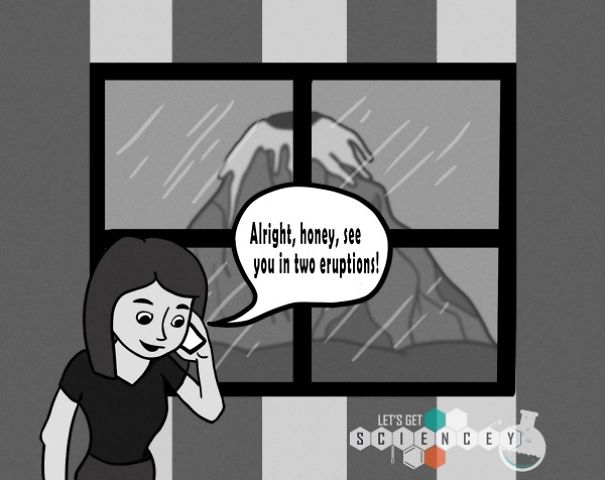
There's a volcano in Guatemala that erupts every hour. It's been doing so for over a century.
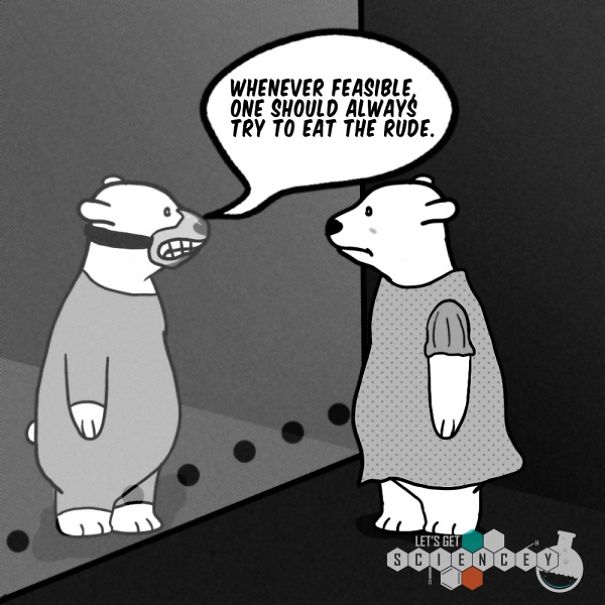
Beta Mandrils gain bigger testicles, more colors on their face, and the ability to reproduce only after winning a fight.
You can make whiskey out of diabetic person's urine. That's how much sugar it contains.
Phobias are caused by memories passed down genetically from our ancestors.
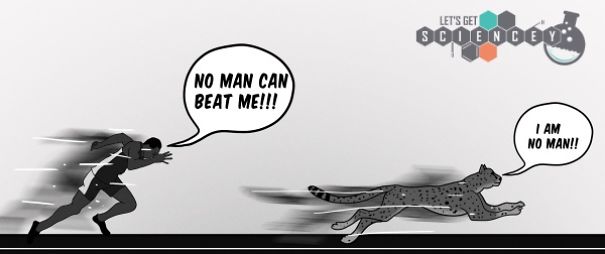
The world's fasted land animal ever recorded was a cheetah named ... Sarah.
Raccoons see with their hands. Actually, they use their sense of touch to locate their food and are able to differentiate between objects at night only with their paws.
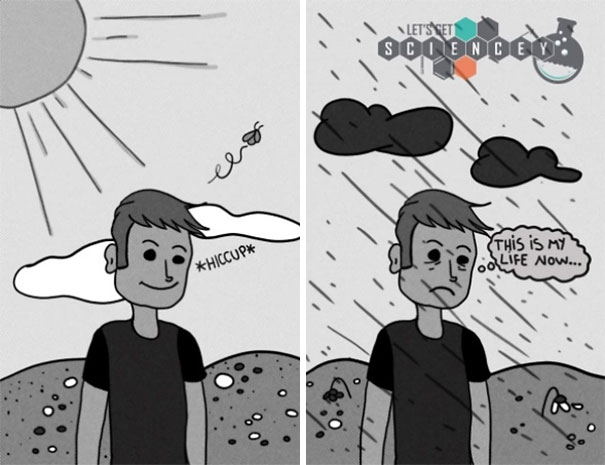
A man called Charles Osborne spent 68 years of his life hiccuping. He died one year after they stopped.
Sometimes Komodo dragon females mate with their male offsprings. They're also capable of reproducing without males.
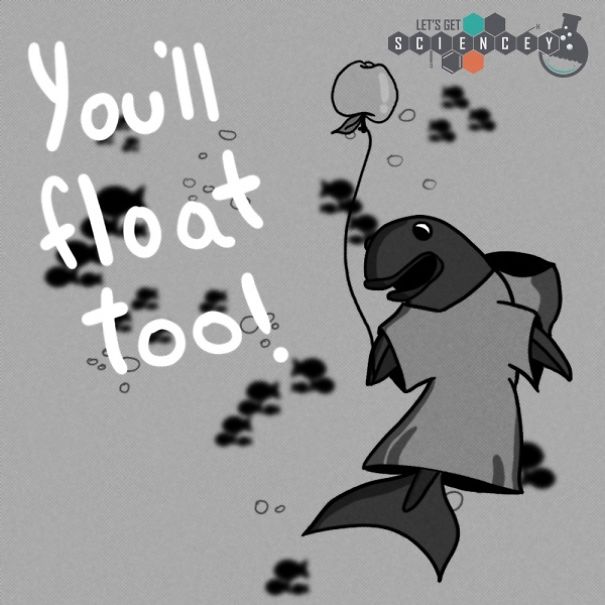
Peanuts are legumes, not nuts. So technically speaking, people that are allergic to peanuts are actually allergic to legumes, not nuts.
The country with the most tornadoes per square mile is ... the United Kingdom.
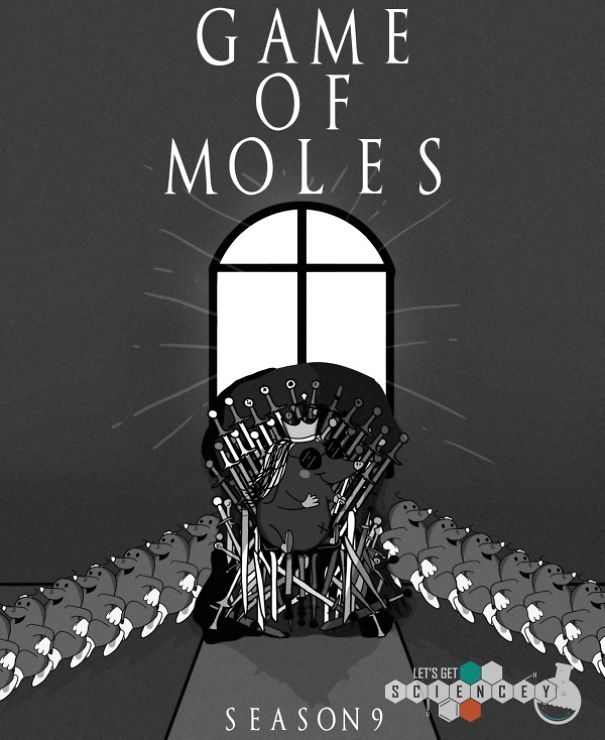
Naked mole rats live in colonies with a single queen giving birth to all the workers.
The orange existed for 200 years before the color orange.
There's a species of horned screeching birds called ... the horned screamers. They're as terrifying as they sound.
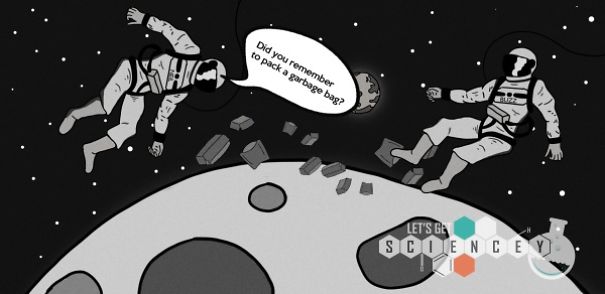
Buzz Aldrin and Neil Armstrong littered the moon's surface with over 100 pieces of trash.
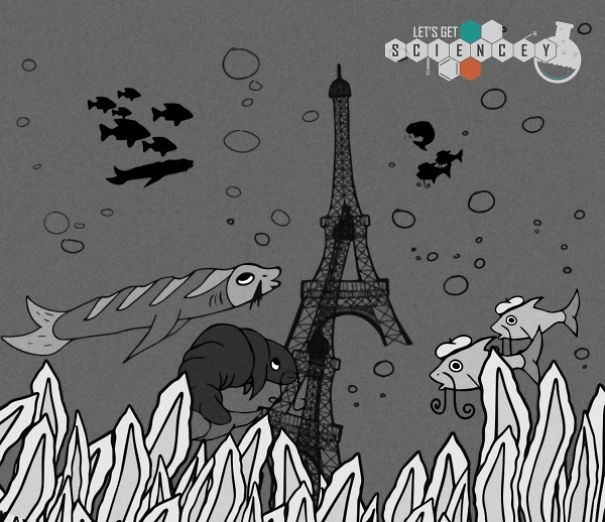
The ocean is eleven Eiffel Towers stacked on top of each other deep (3,682.2 meters).
Great apes are incapable of telling the difference between musical genres.
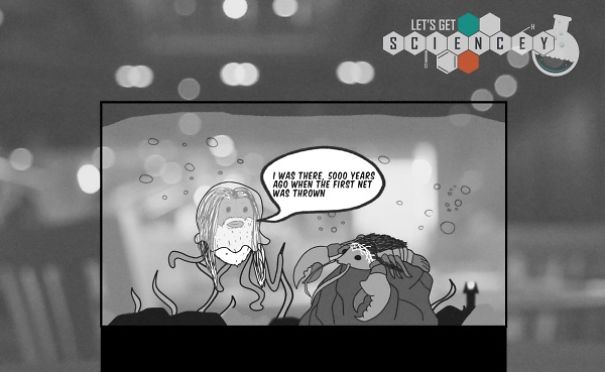
Lobsters and jellyfish are immune to the passing of time. Sadly, they're not protected from disease of injury.
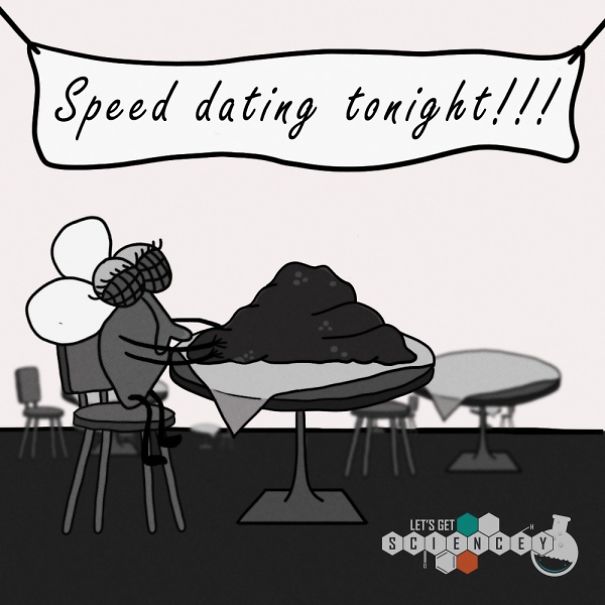
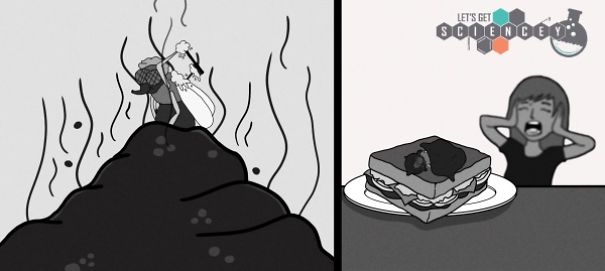
The most dangerous animal in the world is ... the common house fly.









































 No fees, cancel anytime