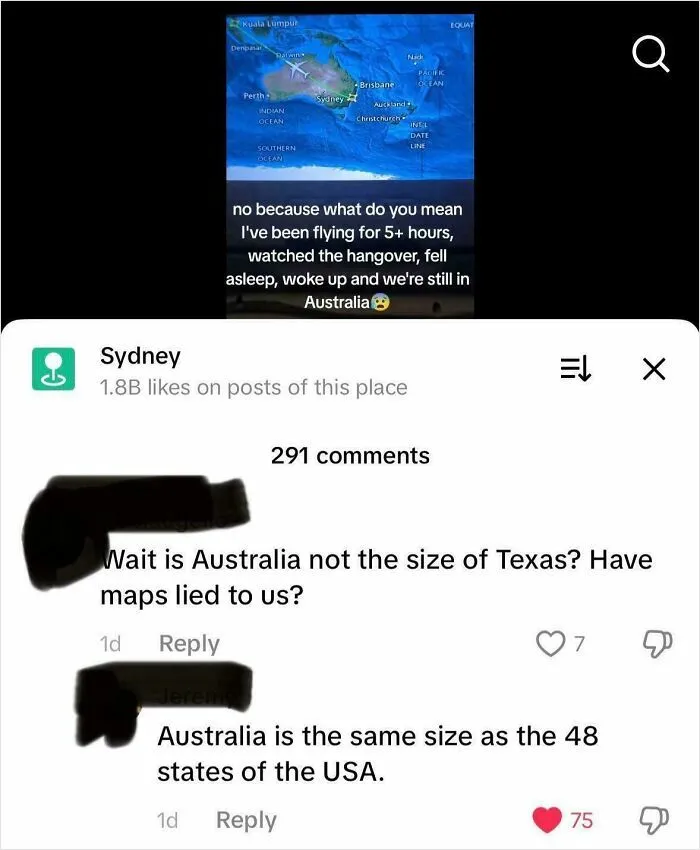





#3 America Was Not Stolen Land. It’s Was Discovered And Owned By The US
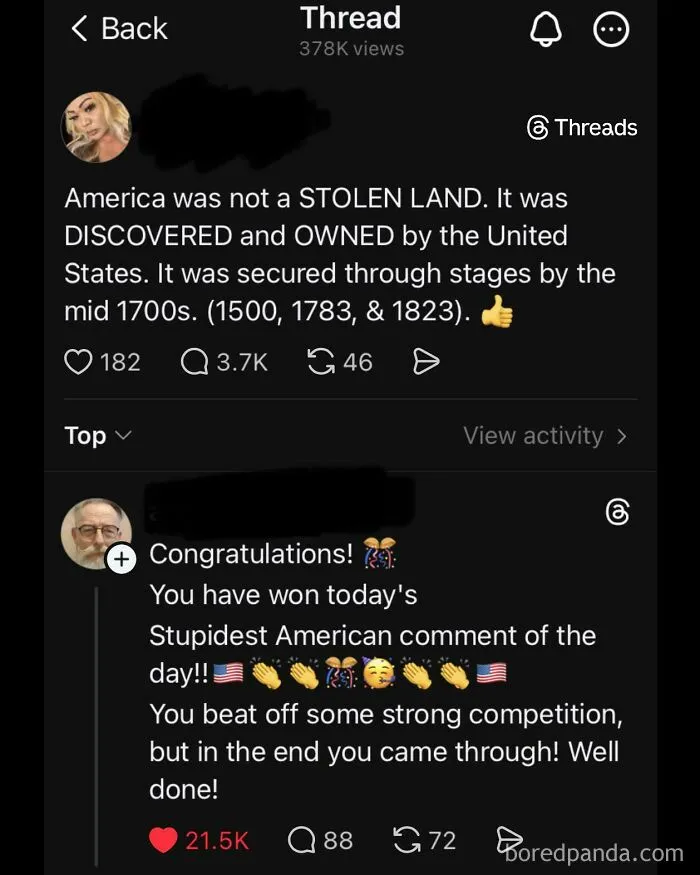
Outside the US, there’s a pretty common stereotype that Americans know surprisingly little about the rest of the world. They struggle with geography, get confused by the metric system, and sometimes seem completely unaware of what’s happening beyond their own borders.
At least, that’s what the internet would have us believe. And while some of the posts in this collection certainly seem to support that idea, just how much truth is there to the stereotype?
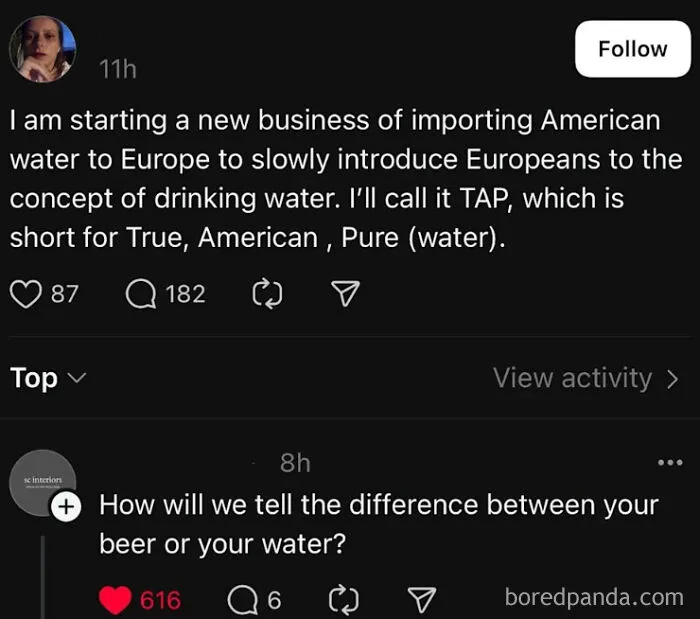
#4 Importing American Water To Europe To Slowly Introduce Europeans To The Concept Of Drinking Water


Well, answering that question is a little trickier than simply comparing average IQ scores. The European Human Behaviour and Evolution Association has warned that many widely shared national IQ datasets have serious problems.
Some use very small samples that don’t represent entire populations, while others rely on tests that don’t work equally well across different cultures.
Perhaps a better way to explore the question is to look at what international education studies and surveys have found.

#8 “Make America Great Again, Everybody Make Your House Red White And Blue!”


One good place to start is the OECD’s PISA study, which compares how 15-year-olds perform at school around the world. In 2022, American students scored above the OECD average in reading and science, while their mathematics results were close to the average.
Around 80% reached at least basic proficiency in reading, compared with an OECD average of 74%. So, American teenagers are actually doing pretty well in some subjects, although there’s certainly room for improvement when it comes to maths.


#12 If We (Americans) Stop Visiting, The UK Will Have An Economic Depression Tidal Wave

Things get a little less encouraging when we look at adults. Another OECD survey conducted in 2022 and 2023 tested adults aged 16 to 65 in 31 countries and economies. Americans scored close to the OECD average in literacy, although they fell behind in maths and problem-solving.
In fact, 34% of American adults had low numeracy skills, compared with the OECD average of 25%. That’s quite a noticeable gap, especially considering how often we use maths in everyday life, from managing our money to figuring out percentages.



What about those geography questions that seem to trip up so many Americans online? There’s some interesting research on that, too. A 2022 Pew Research Center survey asked 3,581 American adults 12 questions about international affairs, including geography. On average, they got 6.3 right.
Interestingly, people who had traveled abroad scored considerably higher than those who hadn’t, even after accounting for differences in education and income. Those who followed international news also tended to know more.
Getting out and seeing the world, or at least keeping up with what’s happening in it, can make quite a difference.

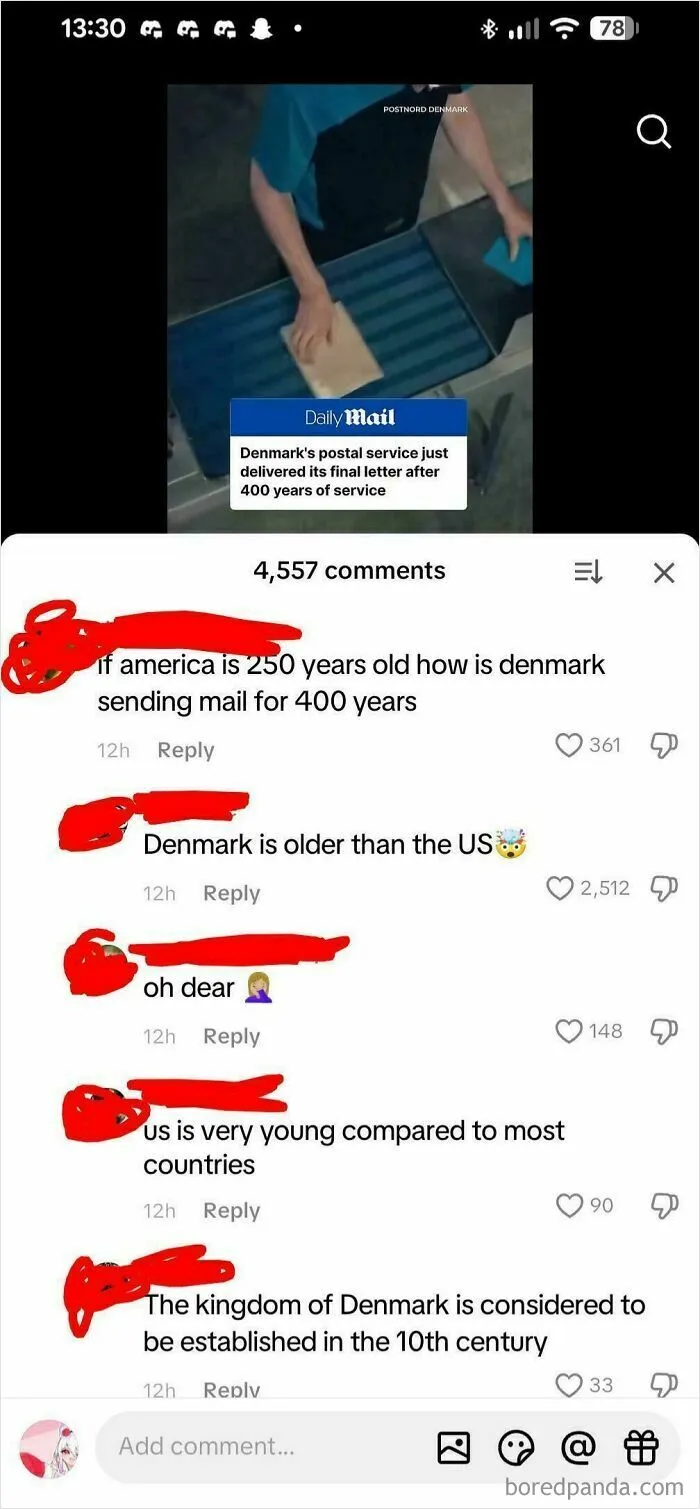

You also have to remember that the US is a huge country with more than 340 million people, and not everyone has the same opportunities growing up.
According to the same 2022 PISA research, American students from the wealthiest quarter of families outperformed those from the poorest quarter by 102 points in mathematics. The average gap across OECD countries was 93 points.
Wealthier families often have better access to educational resources and extra support, which means a lot of children in the US simply don’t have access to the same quality of education.