




Today’s young fashion lovers, yes, even Gen Z, are all about comfort, with oversized streetwear, relaxed silhouettes, and clothes that look effortlessly cool. But they’re also having plenty of fun looking to the past, bringing back early-2000s Y2K pieces, preppy vintage layers, retro accessories, and all sorts of throwback styles. Because let’s be honest, fashion has a funny way of coming back around. What was considered outdated a few decades ago can suddenly become the trend everyone wants to wear again.
Today, we’ve gathered some of the coolest, most unusual, and downright fascinating garments and accessories from the past. From beautifully crafted pieces to wonderfully strange styles you probably wouldn’t see on the high street today, there’s plenty here to admire, question, and maybe even take inspiration from. So get comfortable, Pandas, and keep scrolling through these fascinating pieces of fashion history—you might just find your next vintage obsession.
Click here & follow us for more lists, facts, and stories.
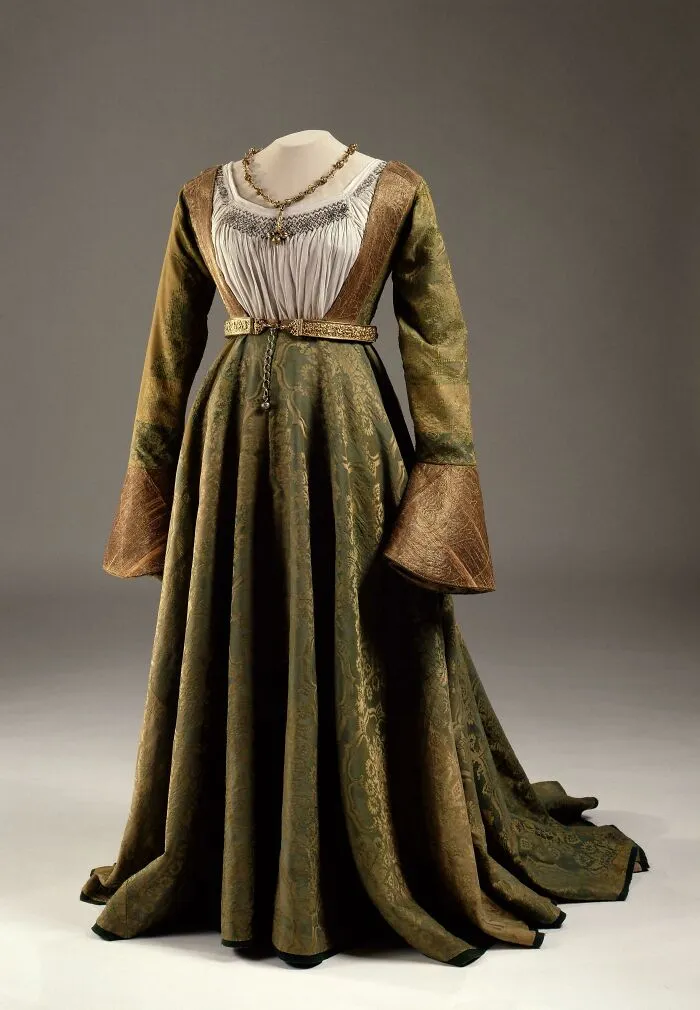
The Exquisite Green Damask Dress In Burgundian Style Worn By Mary Of Habsburg On Her Marriage To Louis II Of Hungary In 1522, One Of Few Dresses To Survive From That Century
Whether you’re a serious fashion lover or someone who mostly throws on whatever is clean, let’s agree on one thing: keeping track of fashion trends can be exhausting. One minute it’s low-rise skinny jeans, then oversized sunglasses are everywhere, followed by velour tracksuits, denim miniskirts, peplum tops, and whatever else comes back. It can feel like we’re constantly swimming through a sea of trends, trying to figure out what’s actually fashionable and what has somehow escaped from someone’s old wardrobe. And the funny thing is, a lot of what we consider “new” isn’t new at all. Fashion has always loved a good comeback. Because, let's be honest, vintage fashion never really disappears—it just waits for its next moment.
Image credits: Haunting_Homework381
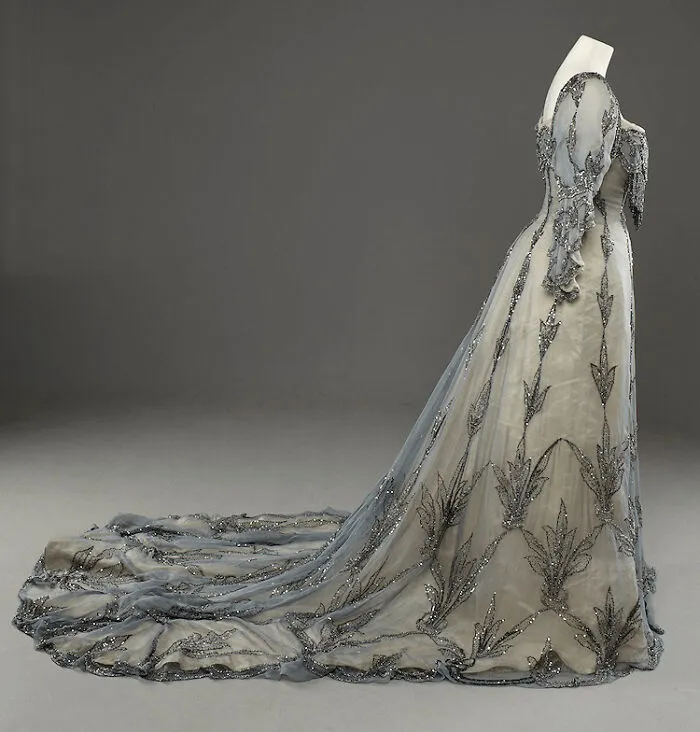
Ball Gown Belonging To Queen Alexandra Of Denmark Designed By Henriette Favre, Circa 1906
But go back far enough and fashion starts getting a whole lot more interesting. There are entire books dedicated to documenting what people wore in different eras. One fascinating example is Vintage Fashion: A Sourcebook by Nicky Albrechtsen, a wonderfully comprehensive reference featuring more than 1,000 garments from the 1920s through the 1980s. It works as both a visual history and an identification guide for collectors, designers, historians, and anyone who enjoys looking at clothes and thinking, “People actually wore that?” And that book covers only a small portion of fashion history.
Image credits: Haunting_Homework381
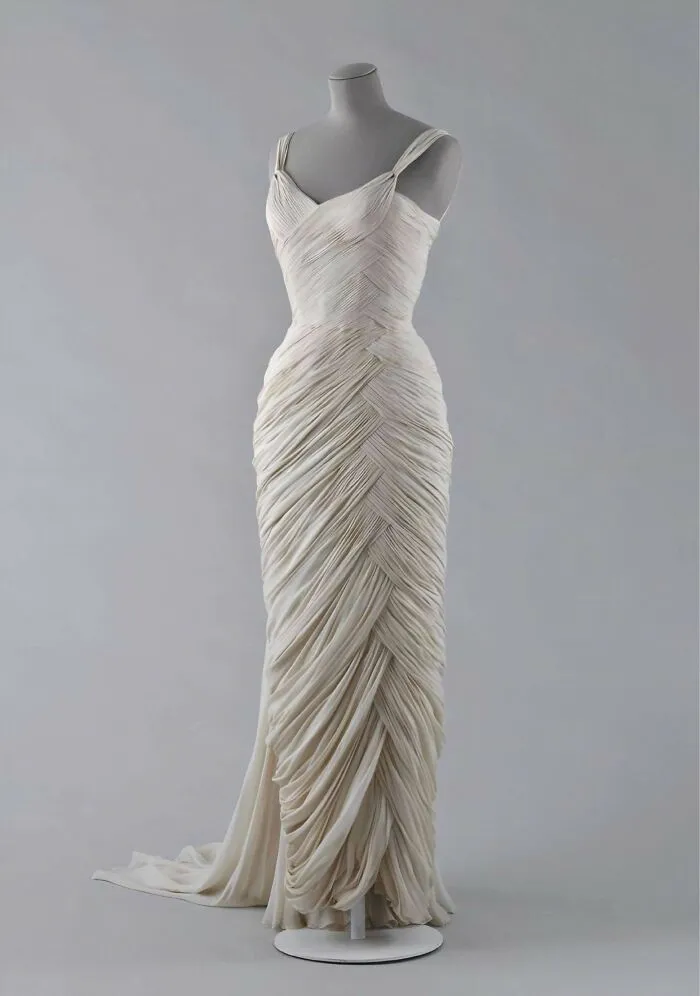
French Silk Evening Dress By Jean Dessès, 1956
So, let's go even further back and look at some garments and accessories that show just how creative, dramatic, practical, and occasionally downright strange fashion has been over the centuries. Take chopines, for example. During the 16th and 17th centuries, wealthy women in Venice wore these towering platform shoes, which could make the wearer look several inches taller. And while modern platform shoes are usually about making a fashion statement, chopines had a rather practical purpose, too.
According to the Metropolitan Museum of Art, they helped keep the wearer's feet, shoes, and expensive clothing off the wet, dirty streets. Of course, practicality wasn't their only selling point. Chopines also became a way of displaying wealth and social status. The taller and more elaborate the shoe, the more noticeable the wearer could be. Some examples were incredibly high, with historical accounts describing chopines that reached around 20 inches. That's basically walking around on miniature stilts while wearing an elaborate gown. Somehow, people made it fashionable.
Image credits: anon
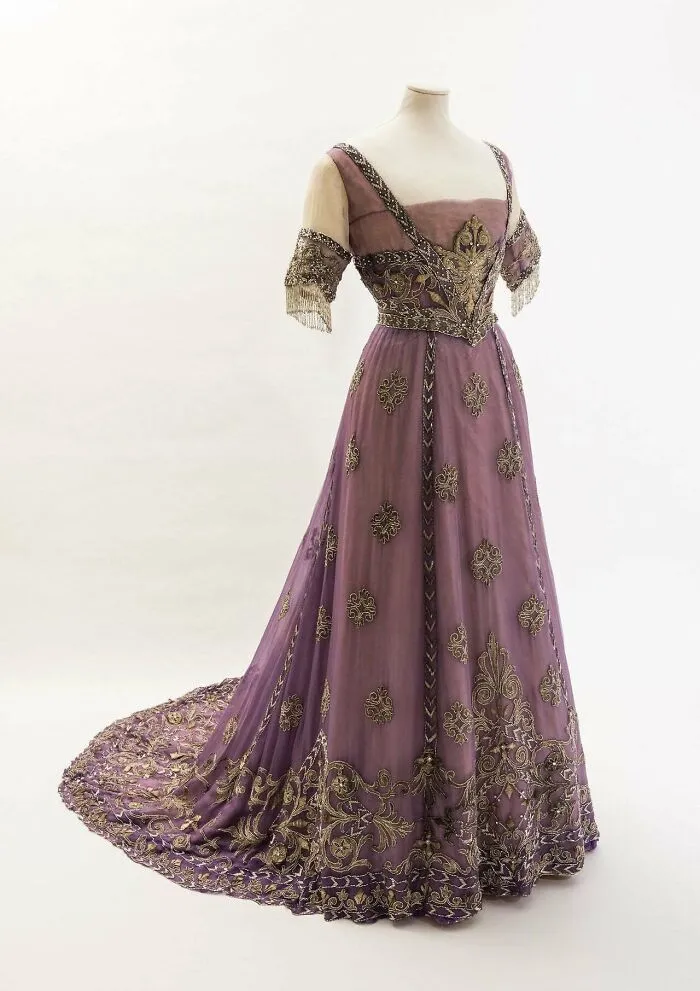
Purple Silk Chiffon Dress By Maison Doeuillet Belonging To Queen Alexandra, Circa 1910
Another historical fashion detail that can seem surprisingly strange today involves children's clothing. For centuries, young children of both genders commonly wore dresses or gowns until they were around six or seven years old. It wasn't necessarily about making a fashion statement. Dresses were simply practical for young children, especially for changing clothes and toilet training. Even the colors we associate with boys and girls haven't always meant what they do today. In fact, pink was once considered more appropriate for boys, while blue was viewed as the softer, more delicate choice for girls.
A 1918 article in Ladies' Home Journal even recommended pink for boys because it was considered the stronger and more energetic color, while blue was described as more delicate and dainty. The familiar pink-for-girls and blue-for-boys convention only became firmly established much later, particularly around the middle of the 20th century. So, the next time someone claims that those color associations are some kind of timeless tradition, history would like a word. Apparently, our supposedly universal fashion rules are a lot more recent than we think.
Image credits: Haunting_Homework381
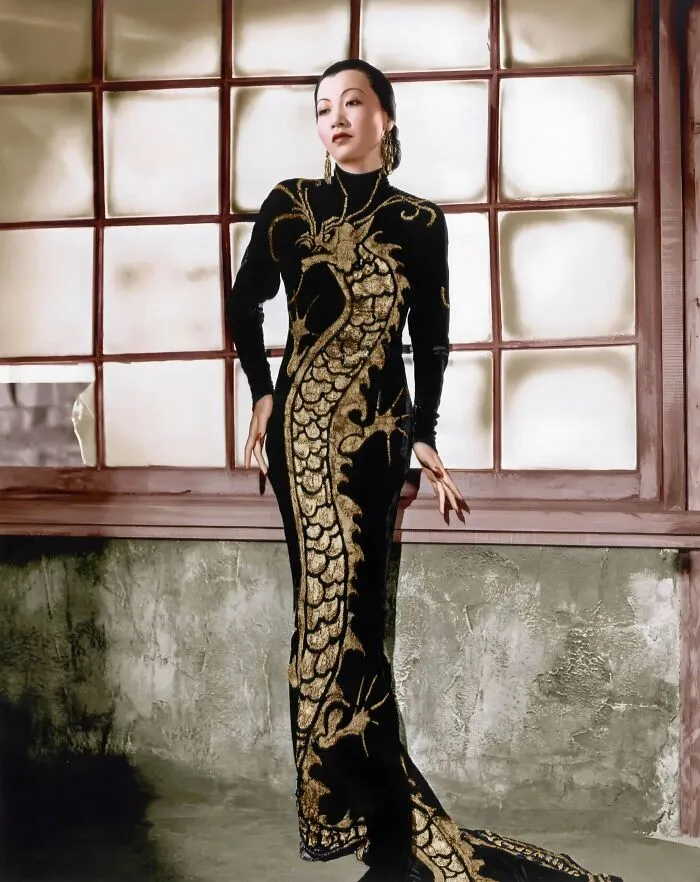
Anna May Wong Wearing Her Iconic Silk Charmeuse Dress Embroidered With Gold And Silver Sequins In A Dragon Motif Designed By Travis Banton For Her Role In The 1934 Hollywood Film Limehouse Blues
But changing ideas about fashion didn't stop there. Then there was the hobble skirt, a trend from the Edwardian era that really makes you wonder how far people were willing to go for fashion. These long skirts were deliberately narrowed around the lower legs, sometimes so tightly that the wearer could take only tiny steps. And yes, the name was pretty literal: women wearing them had to hobble along. The trend became particularly popular in the years before the First World War, even though it was widely ridiculed and not exactly known for being easy to walk in. Some versions were reportedly so restrictive that women could take steps of only a few inches. Imagine being late for an appointment and realizing your outfit physically won't let you hurry. The style eventually disappeared, but it remains one of the clearest examples of fashion choosing appearance over practicality.
Image credits: Saint-Veronicas-Veil
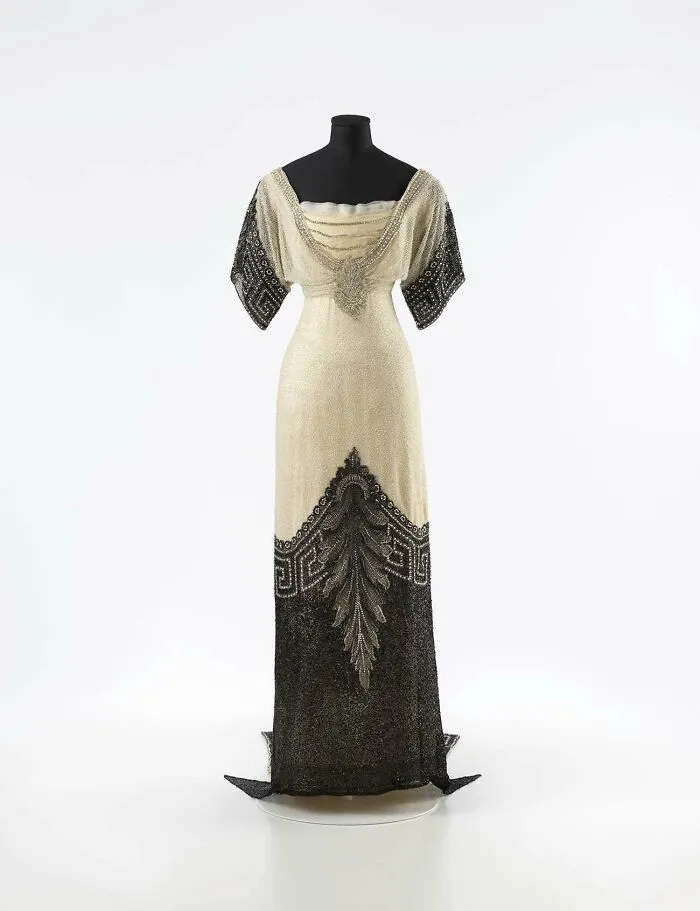
The "Arlesienne" Evening Dress By The House Of Worth Worn By Queen Maud Of Norway, Circa 1912-1913
Designer Paul Poiret is often credited with popularizing the hobble skirt, though an unusual real-life inspiration may have inspired the idea. In 1908, Mrs. Hart O. Berg reportedly tied her skirt around her ankles during a flight with Wilbur Wright to stop it from billowing in the wind. She apparently left the makeshift tie in place after the flight and walked away with the restricted silhouette still intact. Whether that moment directly inspired the hobble skirt is difficult to prove, but it certainly makes for one of the more entertaining stories in fashion history
Image credits: Haunting_Homework381
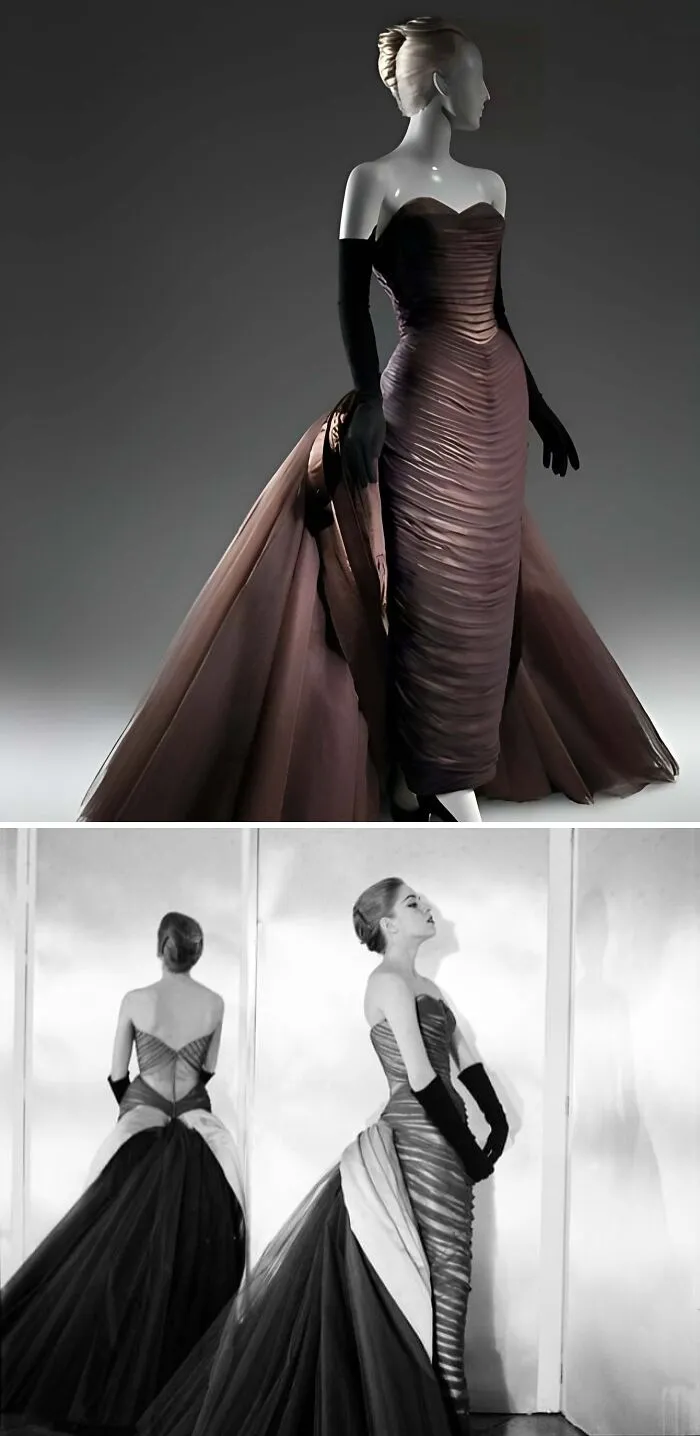
The Butterfly Gown Designed By Charles James, Circa 1955
Of course, not every historical fashion trend was completely impractical. Some garments became iconic precisely because they were useful. The trench coat is a great example. In the early 20th century, Burberry was asked to develop a lightweight, weather-resistant coat for soldiers. The resulting design was practical enough for military life but stylish enough to eventually escape the battlefield and become a staple of civilian wardrobes. The coat featured details such as shoulder epaulettes, which allowed officers to display their rank. And because enlisted men weren't permitted to wear trench coats in the same way, the garment quickly developed an association with status. Civilians also began buying them, attracted by the combination of practicality, sophistication, and, during wartime, a sense of national pride.
The National Army Museum notes that trench coats remained popular after the First World War, as many former officers continued wearing their wartime coats in everyday life. The design also returned to military use during the Second World War. But it was Hollywood that really helped transform the trench coat from military equipment into an enduring fashion icon. Films such as Casablanca helped cement that instantly recognizable image of a sharply dressed character standing dramatically in the rain, looking like they definitely have a mysterious backstory.
Image credits: Haunting_Homework381
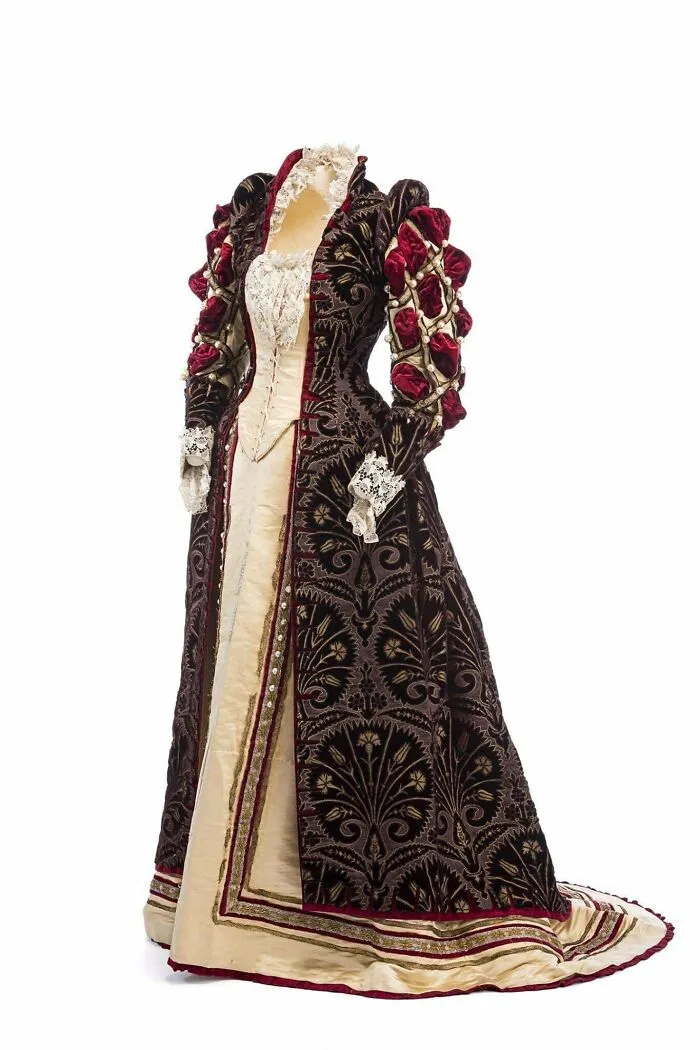
Tudor-Esque Dress By House Of Worth, Circa 1890
And then there’s the codpiece, which might win the award for one of history's most unforgettable pieces of men's fashion. Originally, it was a practical flap attached to the front of men's breeches to cover the opening between the legs. But as the fashion evolved, codpieces became increasingly prominent, padded, decorated, and exaggerated. By the 15th and 16th centuries, some codpieces had become so elaborate that they were essentially impossible to ignore. What began as a functional garment detail had transformed into a very deliberate display of masculinity, status, and fashion. Looking at some surviving examples today, it’s hard not to wonder how anyone managed to have a completely serious conversation while wearing one.
Image credits: Haunting_Homework381
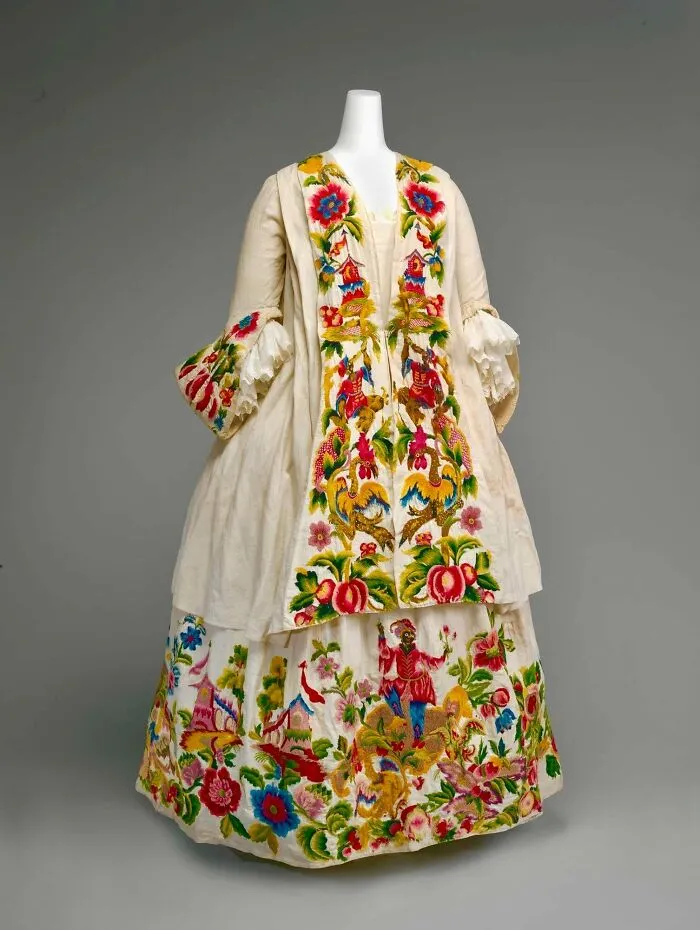
Extremely Unusual Linen Italian Dress Embroidered With Allegorical Figures Of The Four Continents In A Chinoiserie Style, 1725-1740
And that's really the fascinating thing about looking back at fashion. Clothes have never simply been about looking good. They have been used to show wealth, social position, gender, occupation, practicality, cultural identity, and even personal ambition. Sometimes they protected people from the elements, sometimes they made movement unnecessarily difficult, and sometimes they apparently existed mainly to make a very bold statement.
That's what makes today's collection so much fun. These garments aren't just pieces of clothing—they're little snapshots of the people, priorities, and cultures that created them. So, Pandas, get comfortable and keep scrolling through these fascinating pieces of fashion history. You might discover a style you absolutely love, a trend you desperately hope never returns, or even a little inspiration for your next vintage-inspired outfit.
Image credits: anon
Glimmering Butterfly Fancy Gown And Matching Headdress Made By House Of Worth In 1912
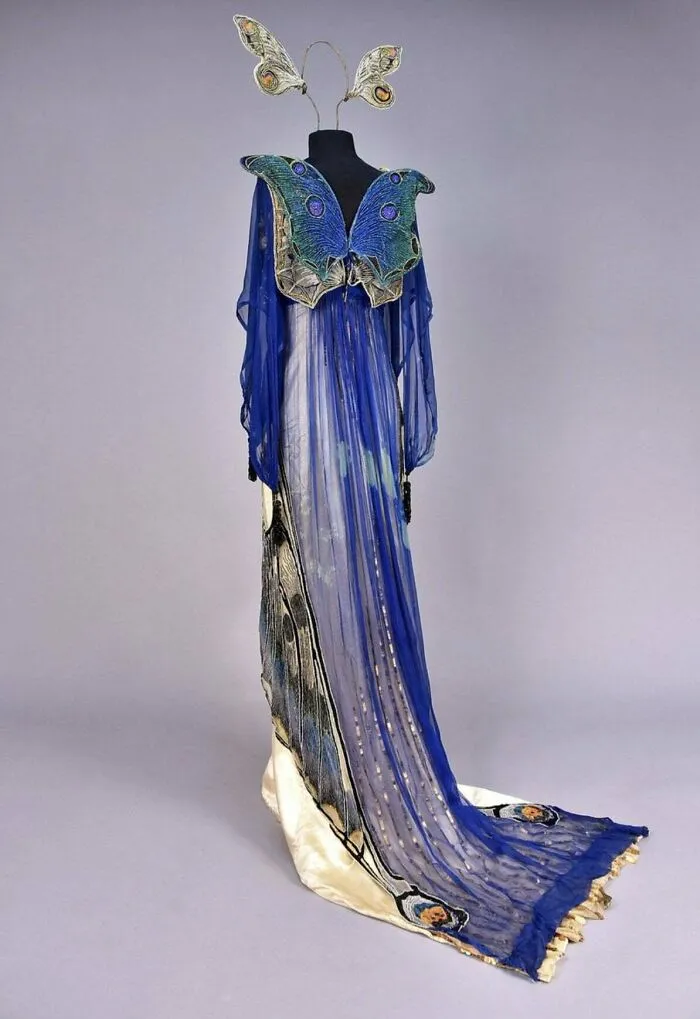
Image credits: Haunting_Homework381
Victorian Leather And Velvet Boots Swedish Or German, 1890s
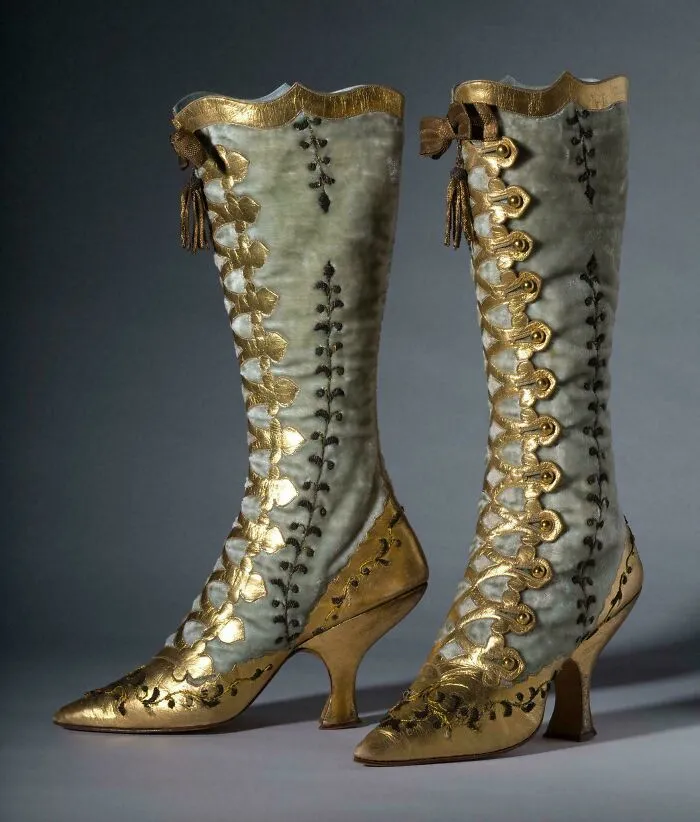
Image credits: Haunting_Homework381
Guys! Those Earrings Are From 1870s!
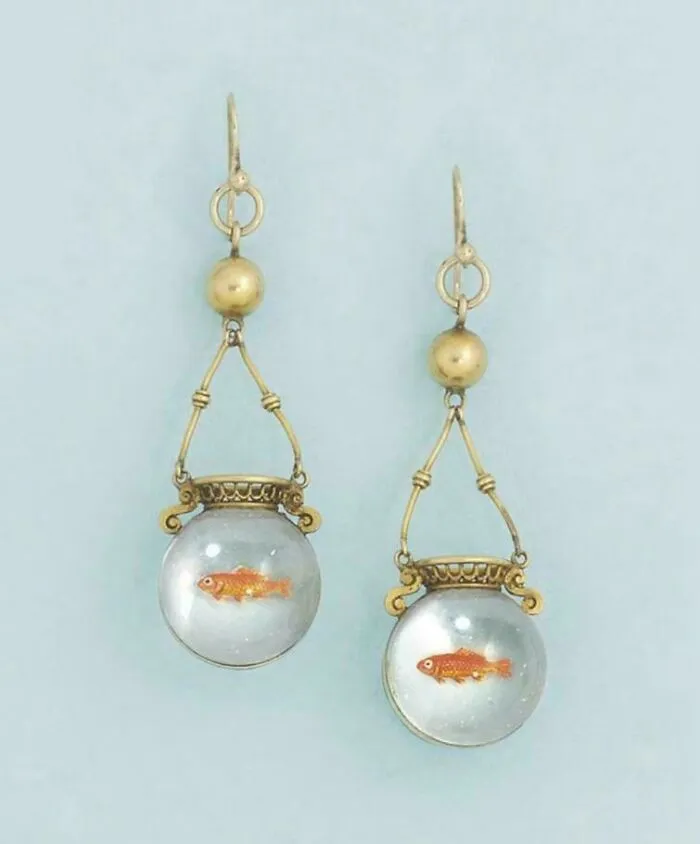
Image credits: anon
In 1908, Spectators At The Longchamp Hippodrome In Paris Were Astonished By The Outfits Worn By Three Women
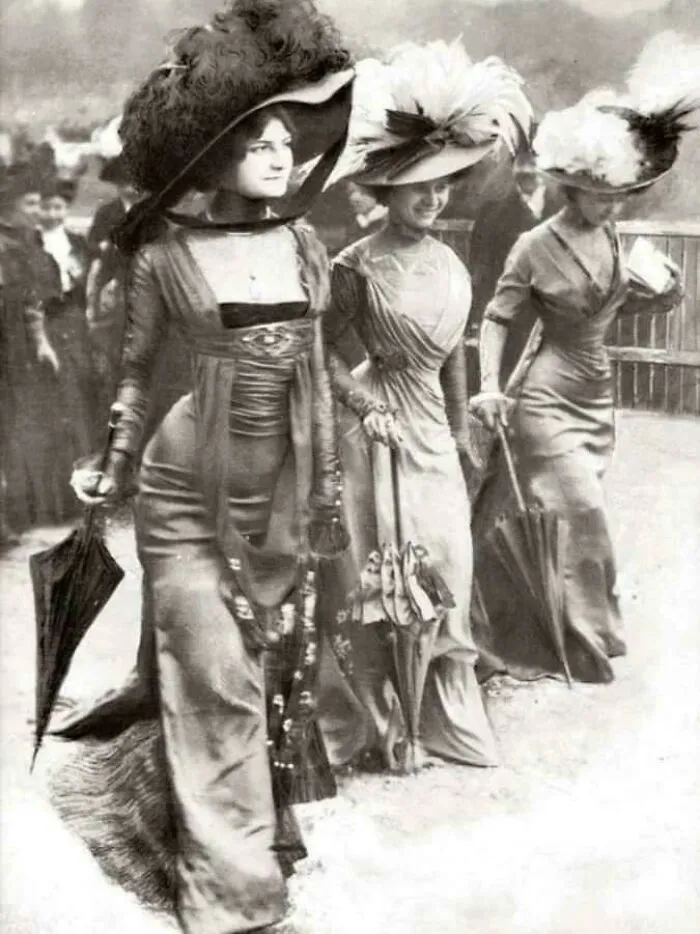
Image credits: Banzay_87
The "Flamant Rose" Dior Gown, 1948
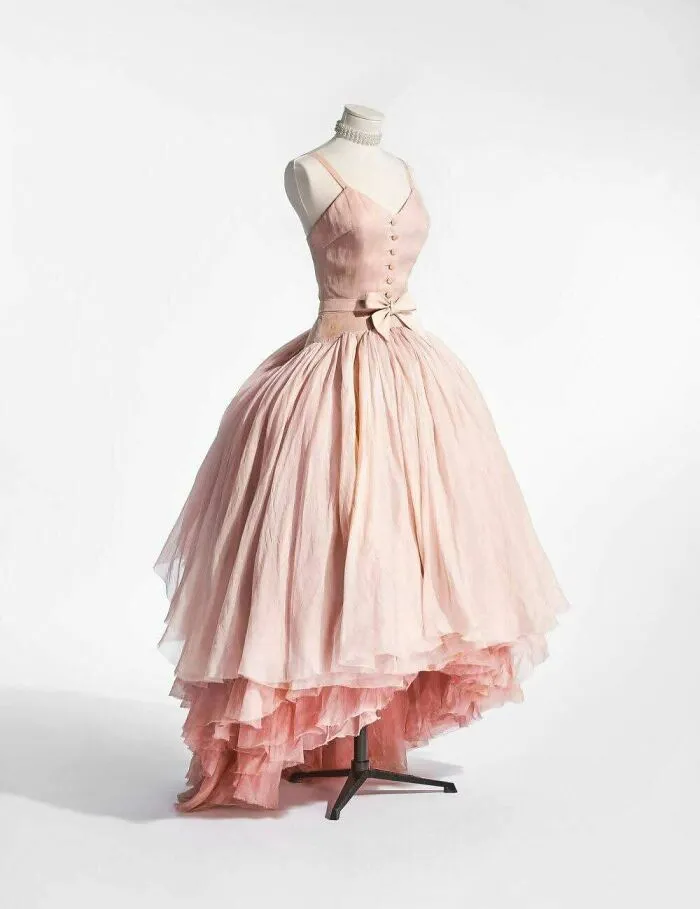
Image credits: Haunting_Homework381
French Silk Dress, Circa 1861
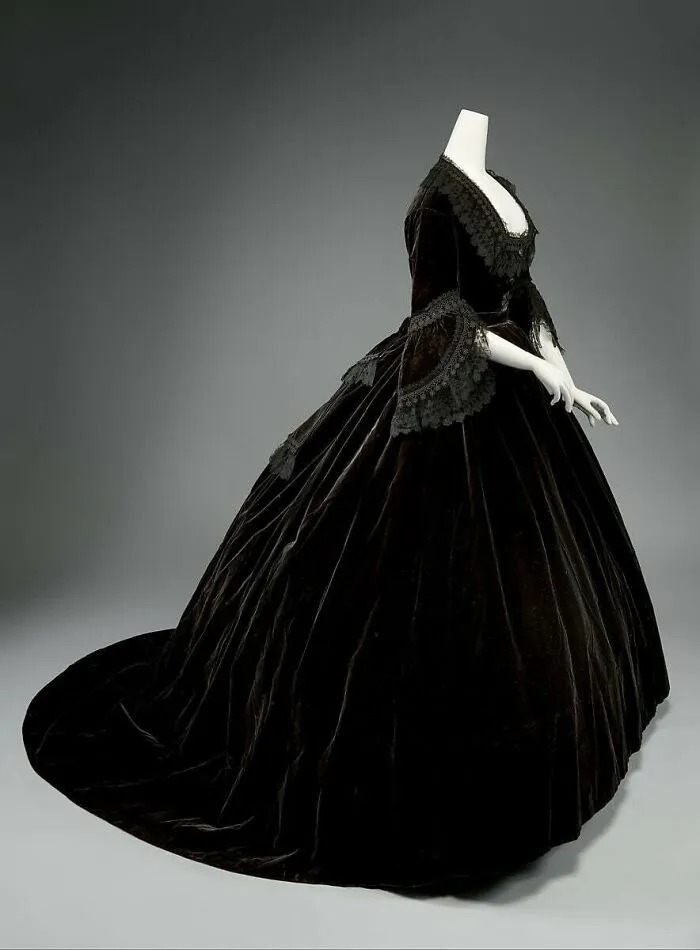
This dress was made in Paris by Alexandrine Goujon. It came with two bodices,an evening bodice and a receiving bodice. While none of these styles were set in stone I believe it’s a receiving ensemble because of the length of the skirt/train. It would be impractical.
Image credits: Haunting_Homework381
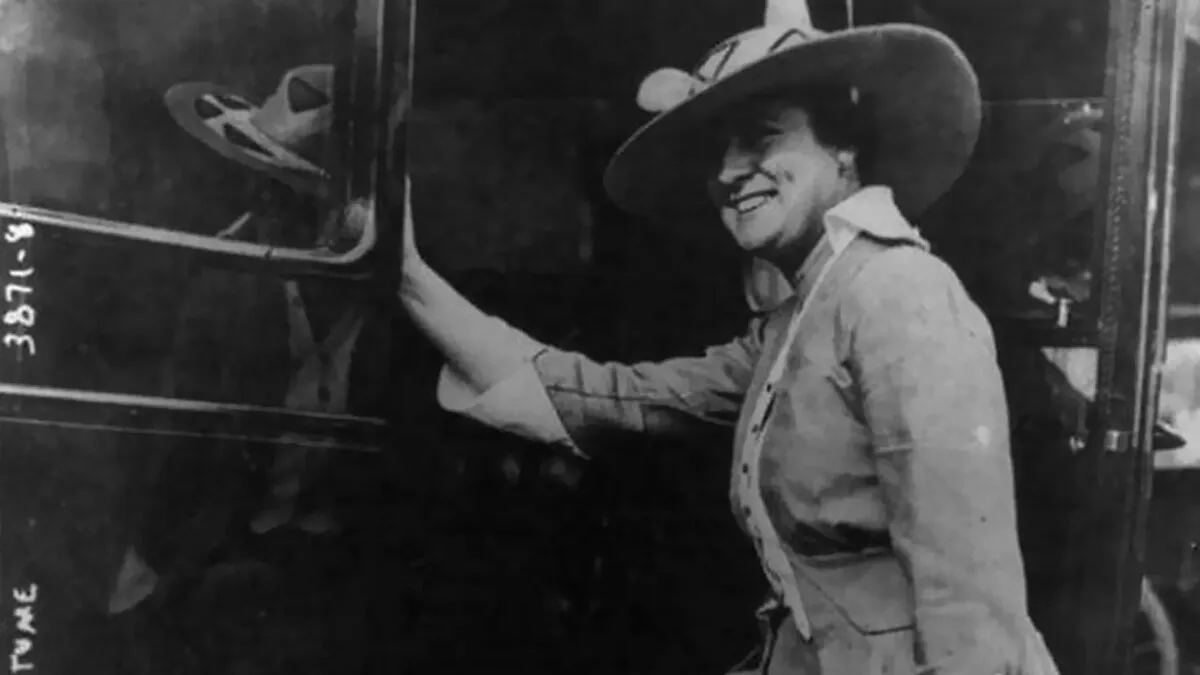
Suffragette Shows Off Her (Very Tight) Pants Under A Light Skirt, 1916
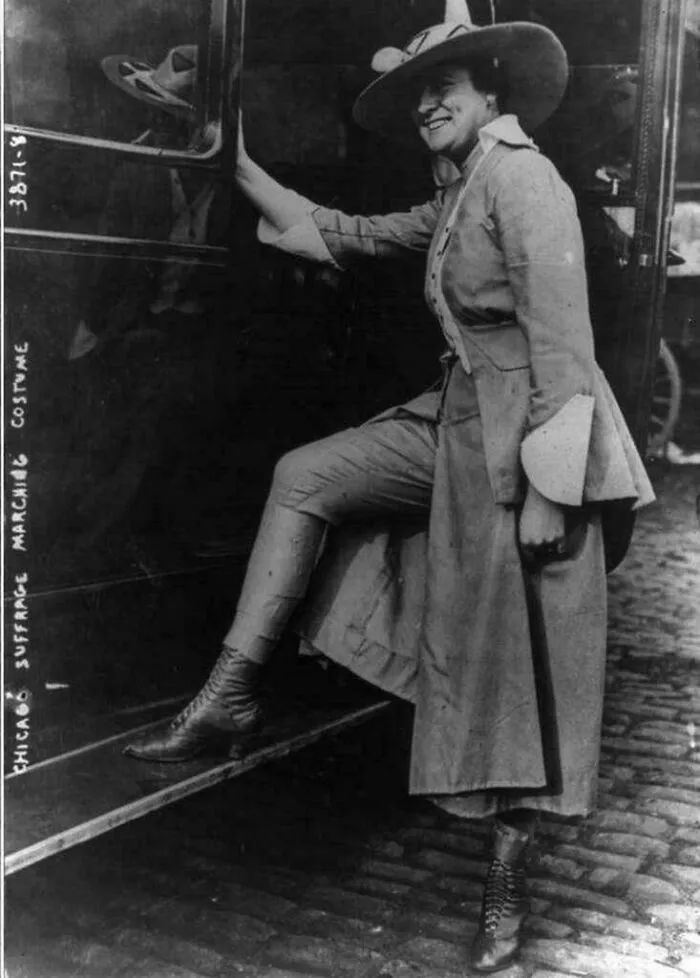
Image credits: Electrical-Aspect-13
Christian Dior’s "Junon” Gown, Circa 1949
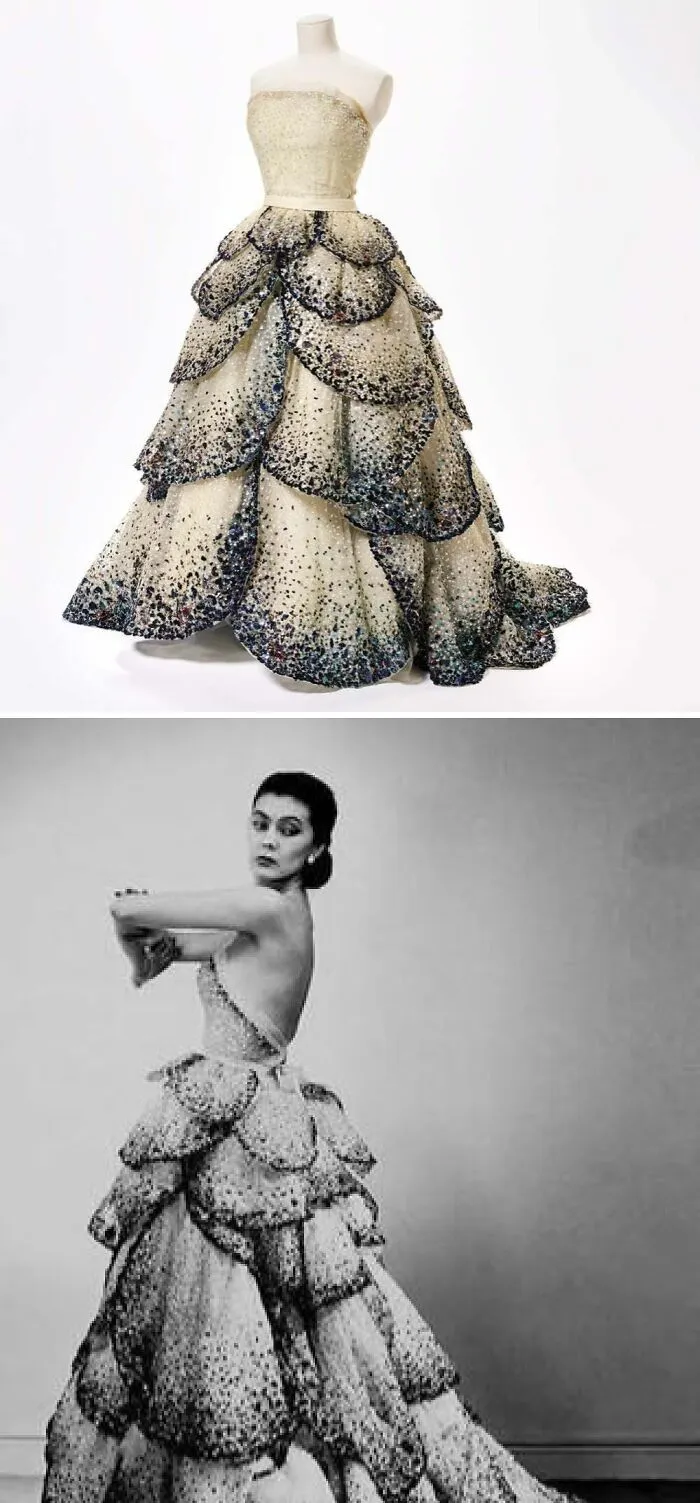
Image credits: Haunting_Homework381
Evening Tulle Dress Embroidered With Rhinestones And Sequins With Metallic Cape Designed By Pierre Balmain, Circa 1952
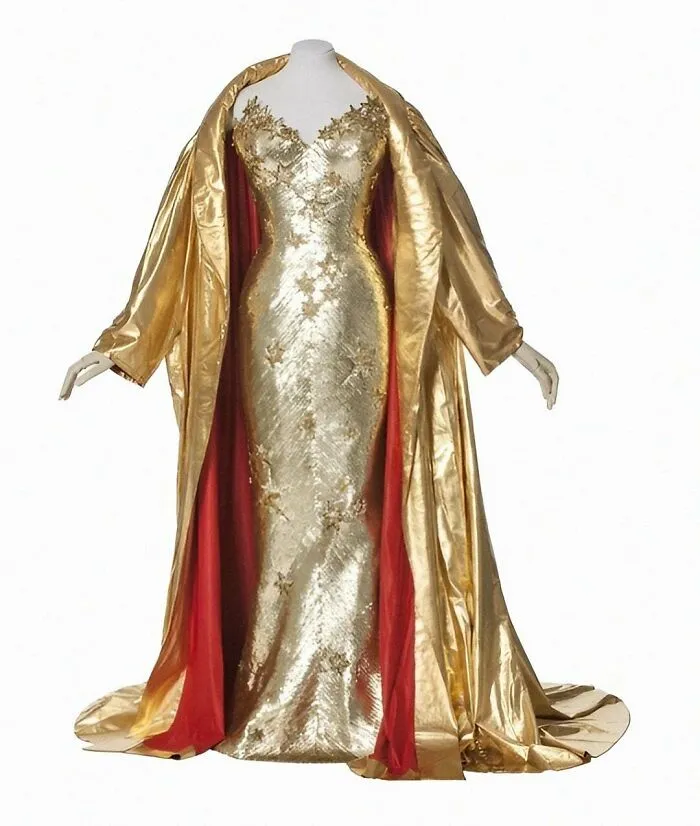
Image credits: Haunting_Homework381
A Quintessential Chatelaine, 1863-1885 ~features; Scissors, Scent Bottle, Needle Case, Thimble Bucket, Small Cases, Letter Opener, Pinkeep, Cigar Cutter, Magnifier, Small Writing Tablet. Victoria & Albert Museum
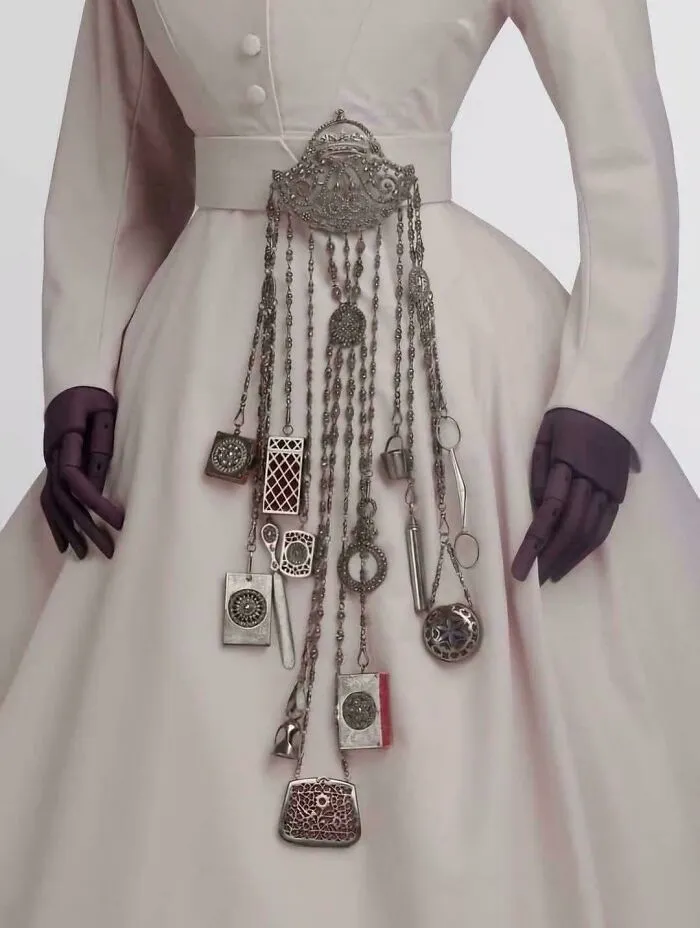
Image credits: Pristine_Witness3908
Clothes Belonging To Sissi (Empress Of Austria) Preserved At The Vienna Museum
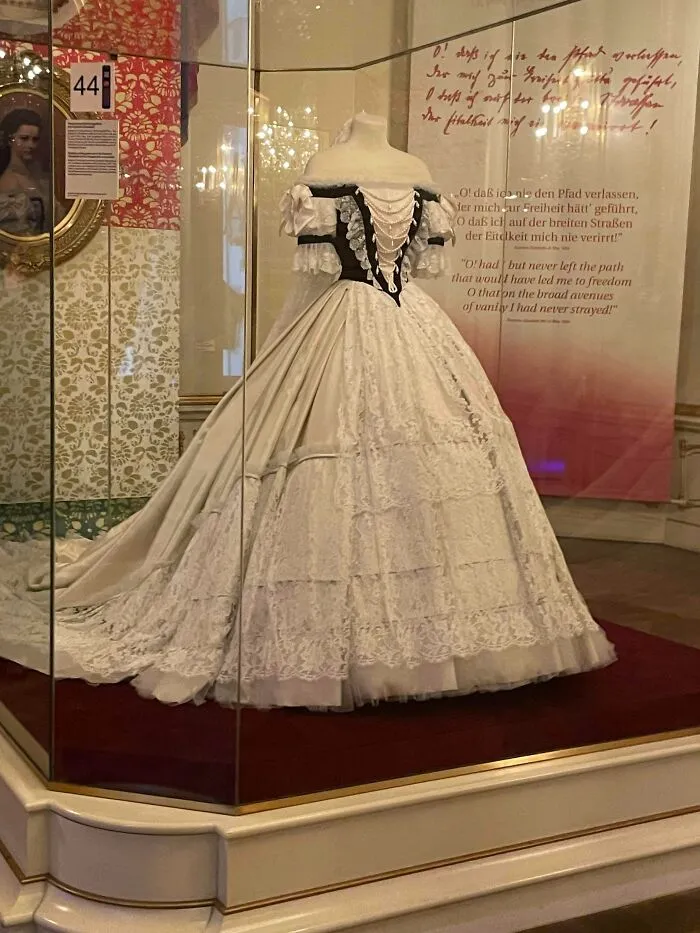
Image credits: Old-Day-3573
Norway Bride In Her Traditional Clothes For Her Wedding, Circa 1897
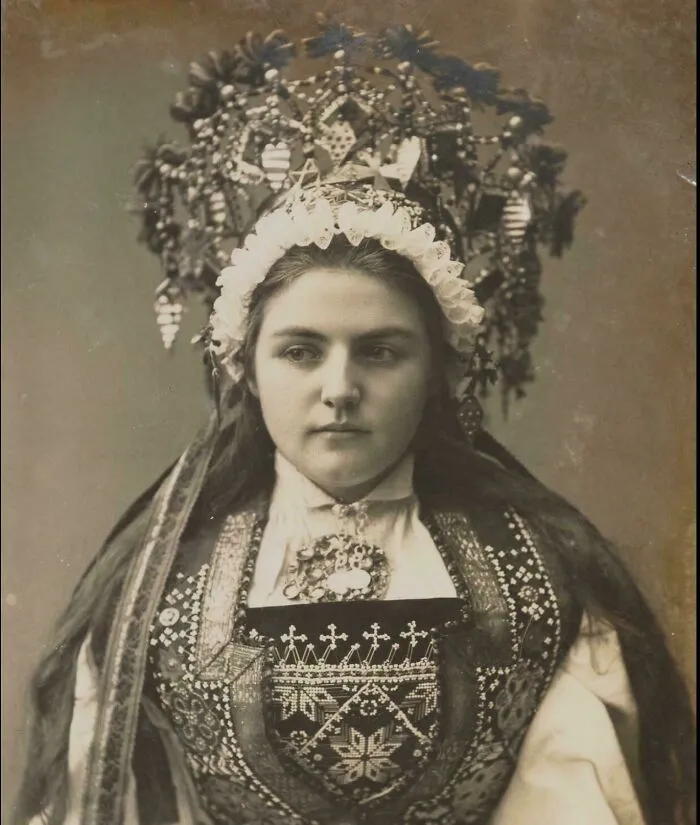
Image credits: Electrical-Aspect-13
French Ball Gown, Circa 1865
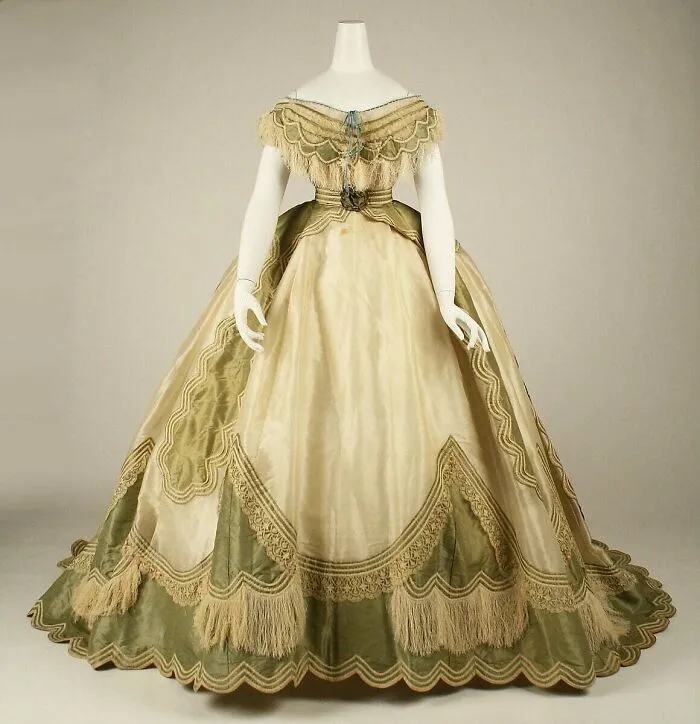
Image credits: Haunting_Homework381
Wedding Dress By Cristobal Balenciaga, 1954
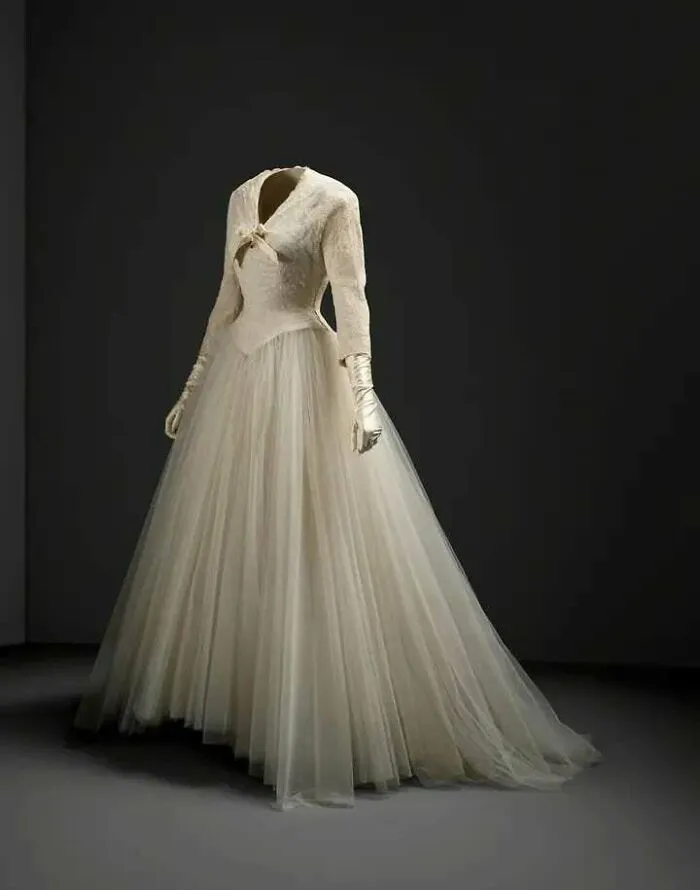
Image credits: mish-tea
Gold Italian Court Gown, Circa 1857–60
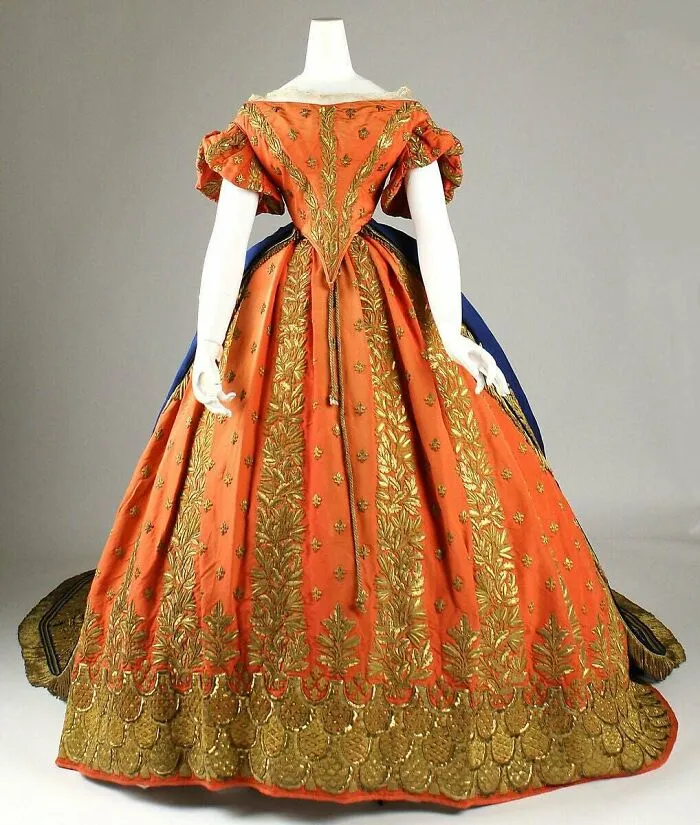
Image credits: Haunting_Homework381
My Great-Grandmother Peg In Her Wedding Dress. About 1935
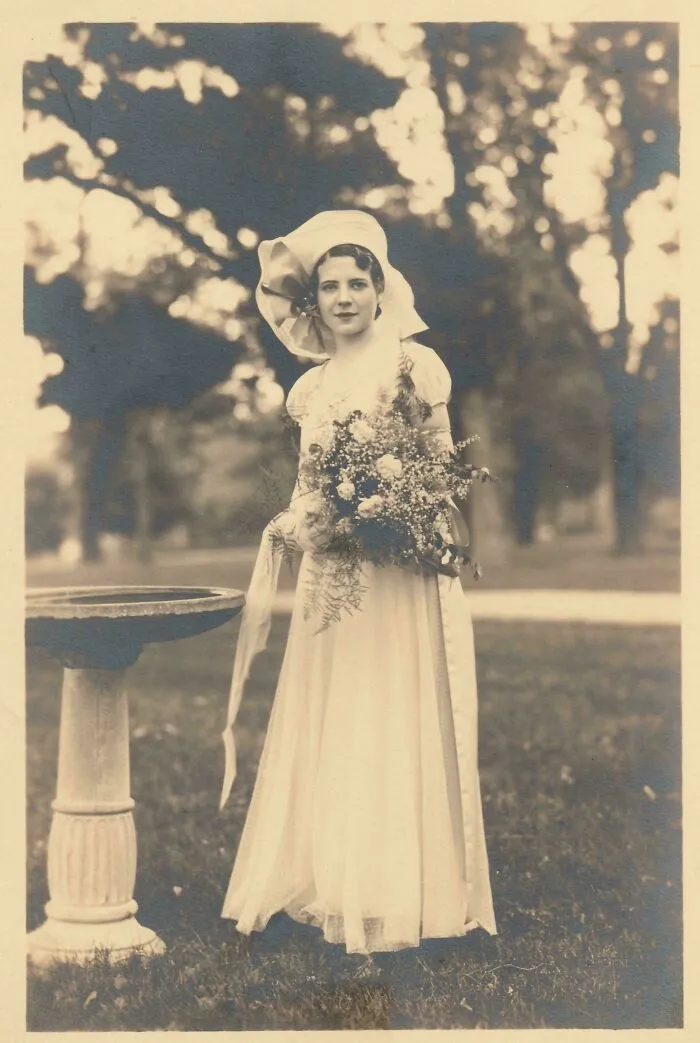
Peg married my grandfather Lloyd exactly 90 years ago today. She lived from 1912-1972 and Lloyd from 1911-1966. I know nothing about the dress except she was from Lexington KY married in Indianapolis IN on May 15 1935.
Image credits: The-Fat-Matt
Queen Maud Of Norway’s Gowns Surviving To This Day
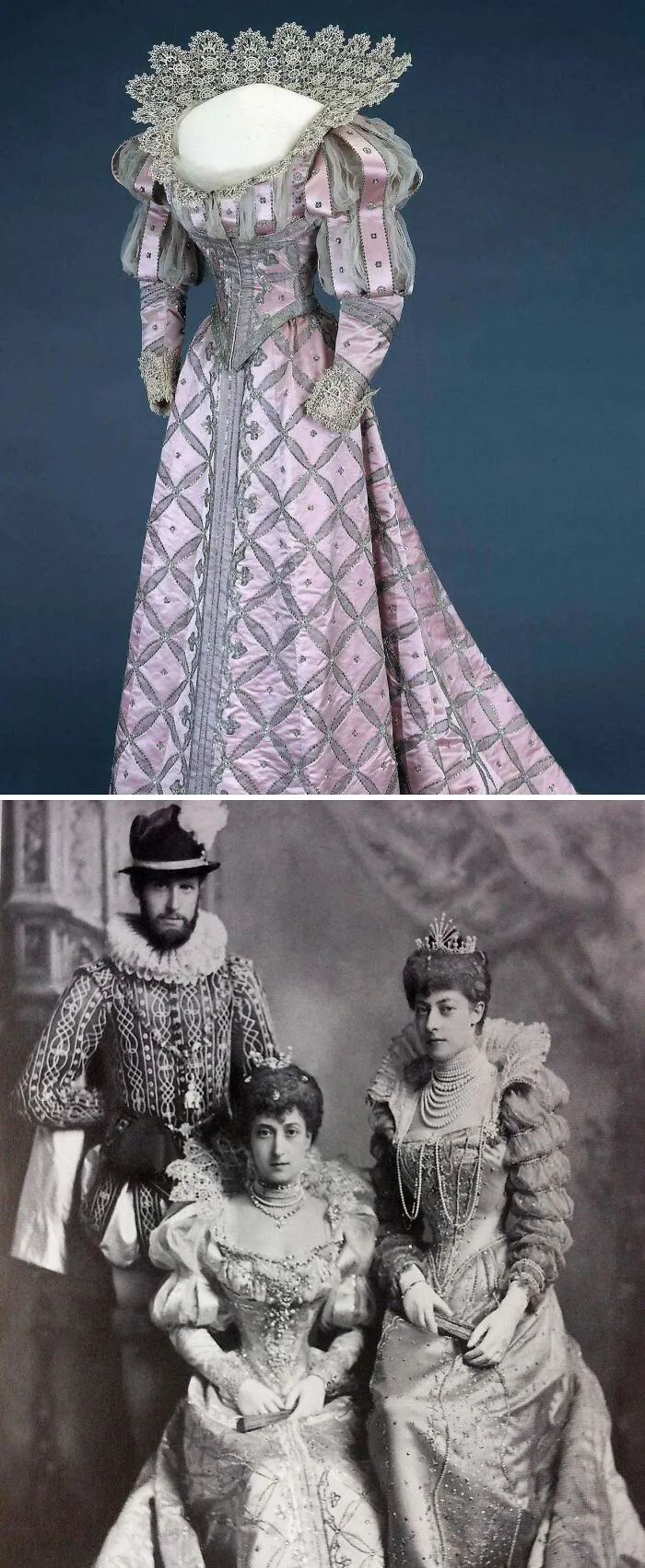
Image credits: Slagathor_8
Silk French Corset, 1891
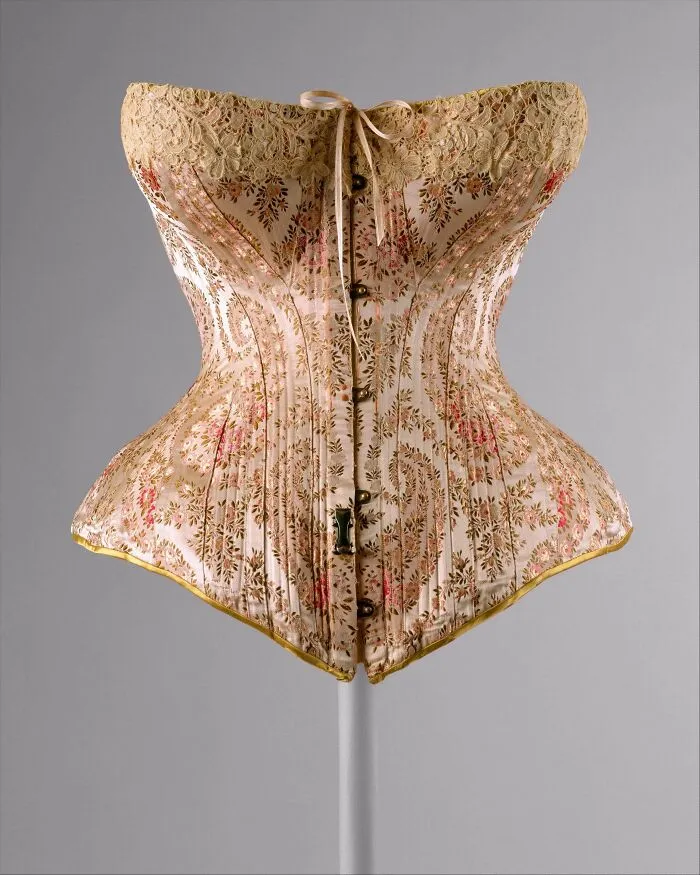
Image credits: anon
Strapless Party Dress, Circa 1950s
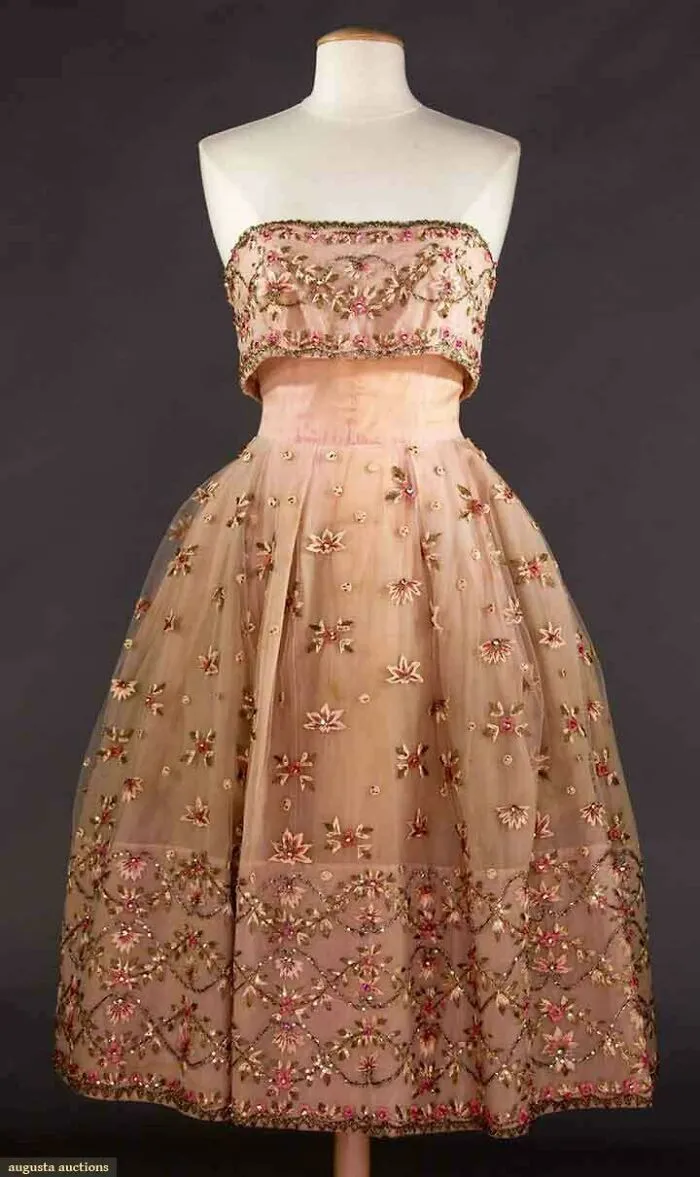
Image credits: Haunting_Homework381
Vivien Leigh's Costumes In Gone With The Wind (1939) Costume Design By Walter Plunkett
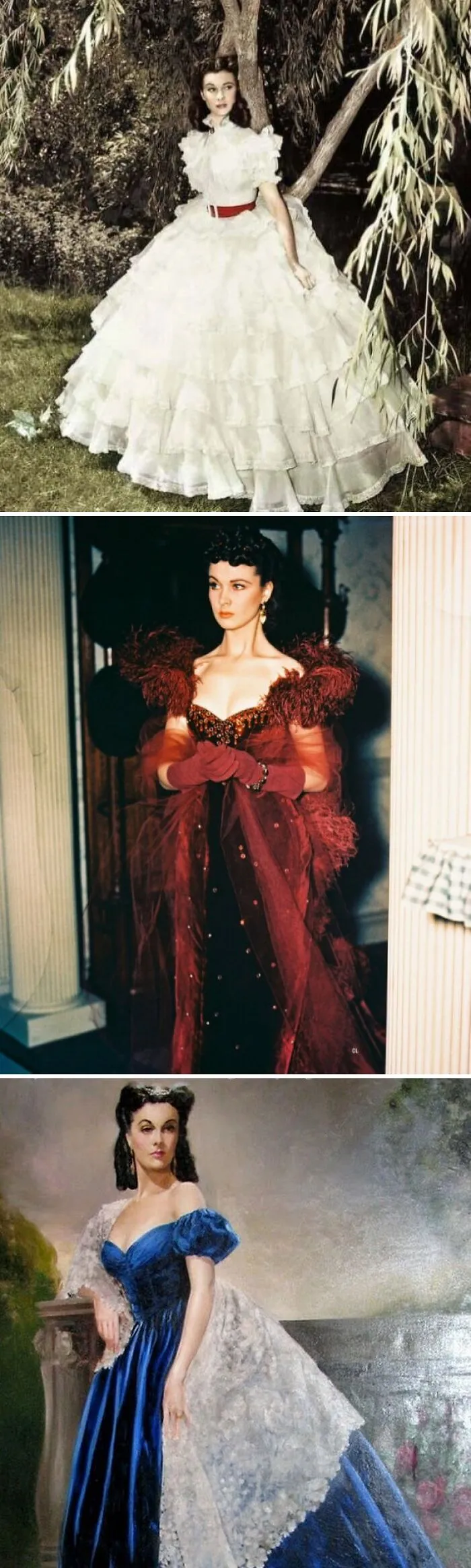
Image credits: Haunting_Homework381
Floral Brocaded Dress, English, The Dress Circa 1760; The Silk Circa 1735
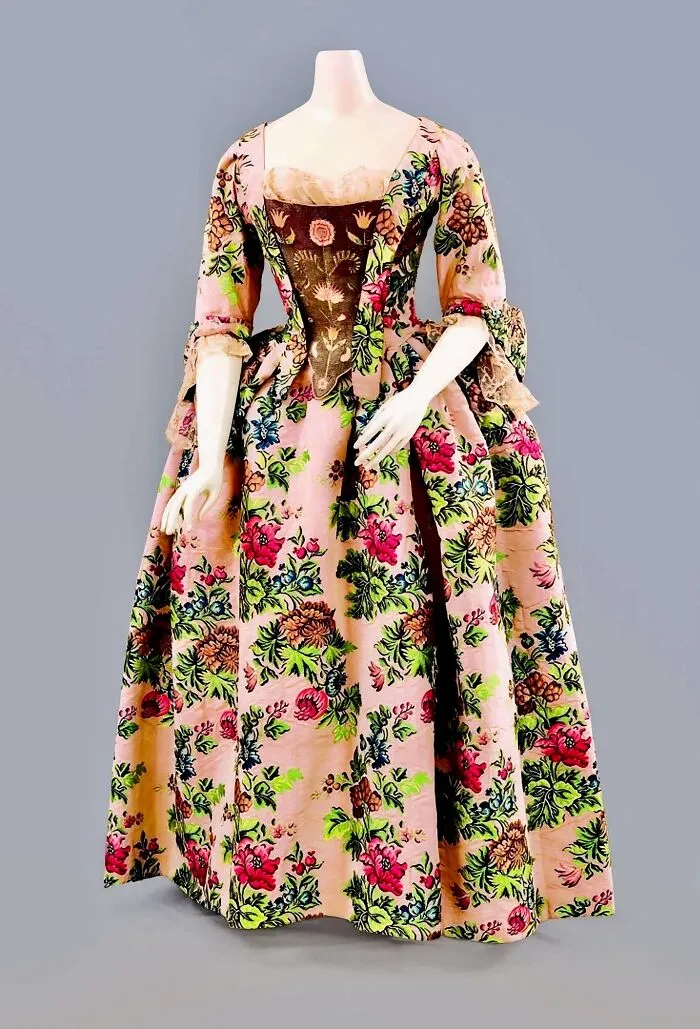
Image credits: anon
The 1774 Wedding Dress Of Hedvig Elisabeth Charlotte, In A New Mount For The Marie Antoinette Style Exhibition In The Victoria And Albert Museum
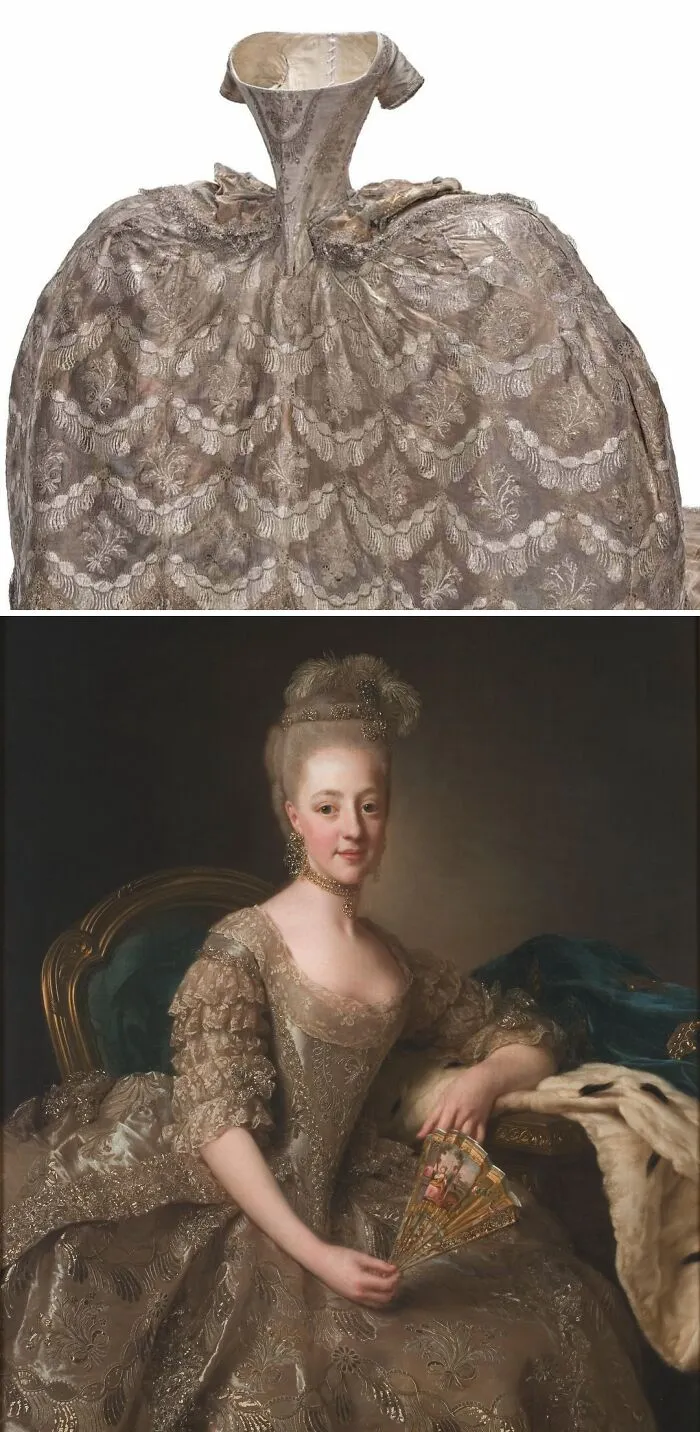
Image credits: anon
Audrey Hepburn's Givenchy Haute Couture White Point D'esprit Ball Gown Worn In The Opera Scene Of 'Love In The Afternoon', 1956
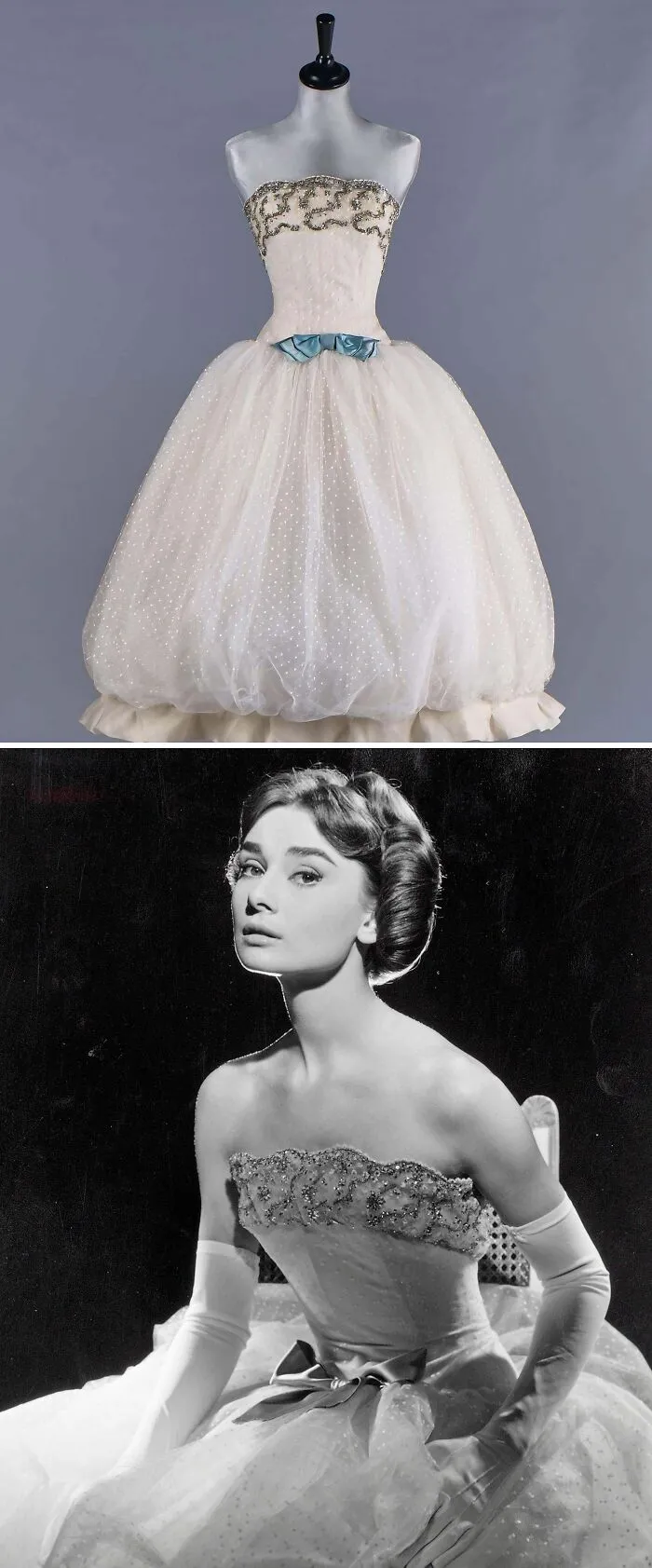
Image credits: anon
Mantua Of Bright Yellow Silk Worn At A Ball At Holyrood In 1760 By Helen Robertson Of Ladykirk, Circa 1760
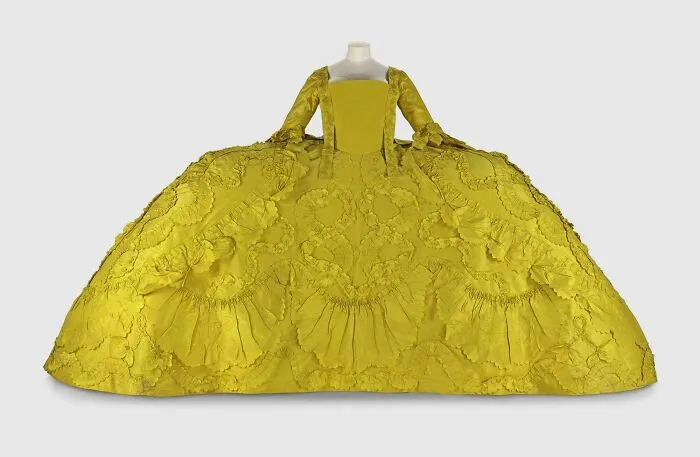
Image credits: Haunting_Homework381
Manchu Bride On Her Traditional Clothes, 1871. The Photo Is Crisp Enough That You Can See Her Makeup
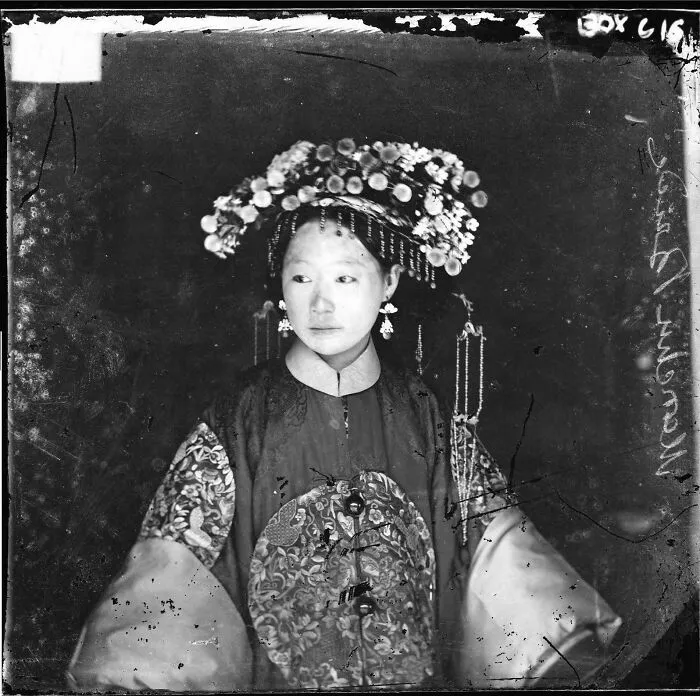
Image credits: Electrical-Aspect-13
Evening Dress By House Of Worth, 1928-29
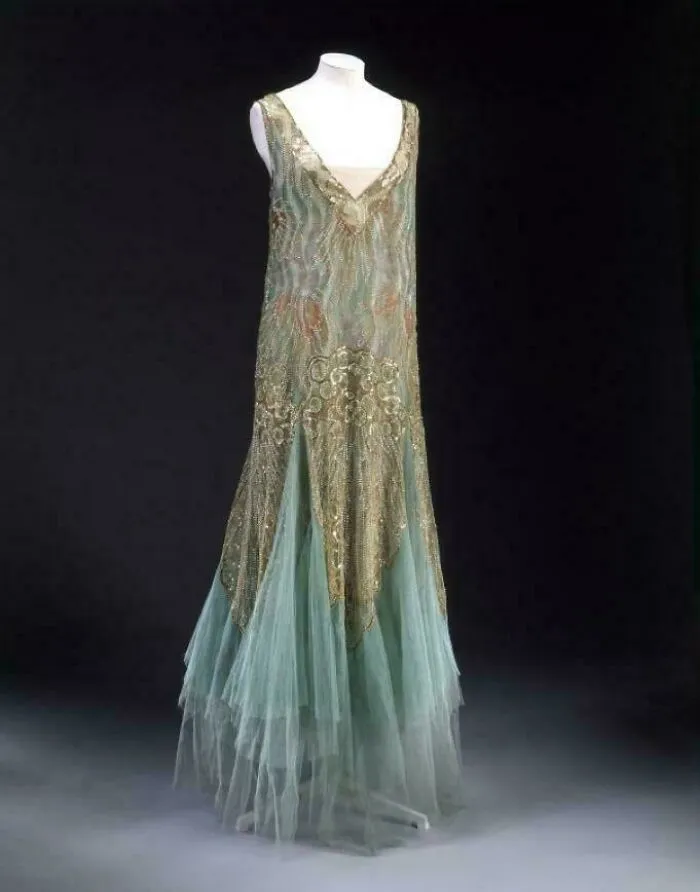
Image credits: anakuzma
Black Velvet With Rhinestones Evening Dress Velvet, Circa 1947
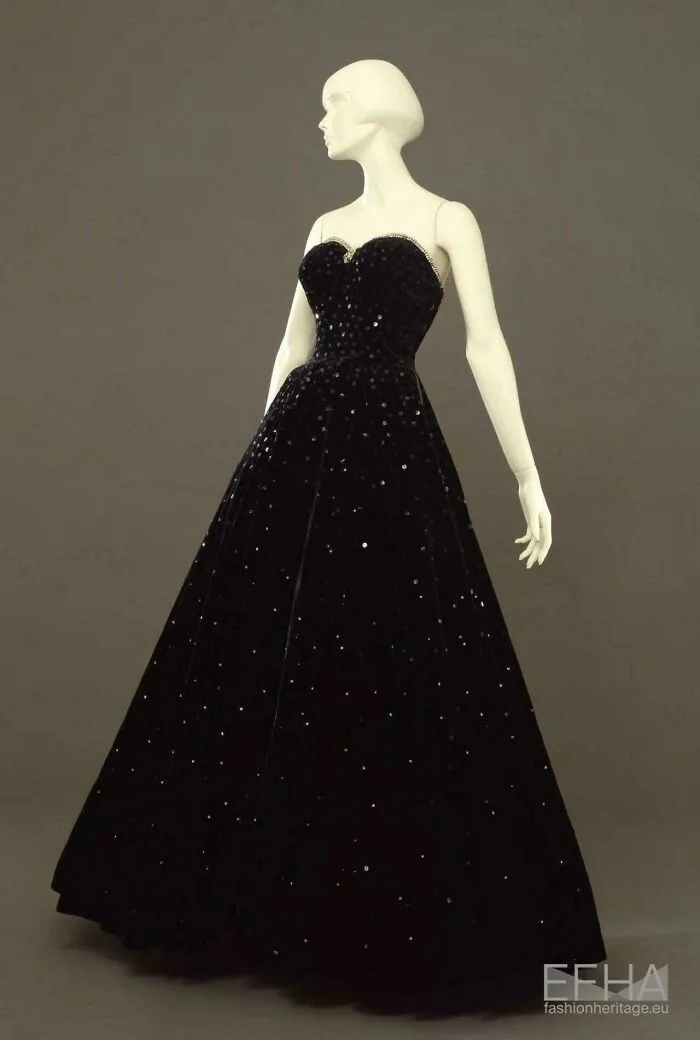
Image credits: Haunting_Homework381
Lady On A Very Interesting Combination Of Sleveless Dress And "Sheer" Lace Shirt With A Pendant In Chain, 1890s. Glass Negative
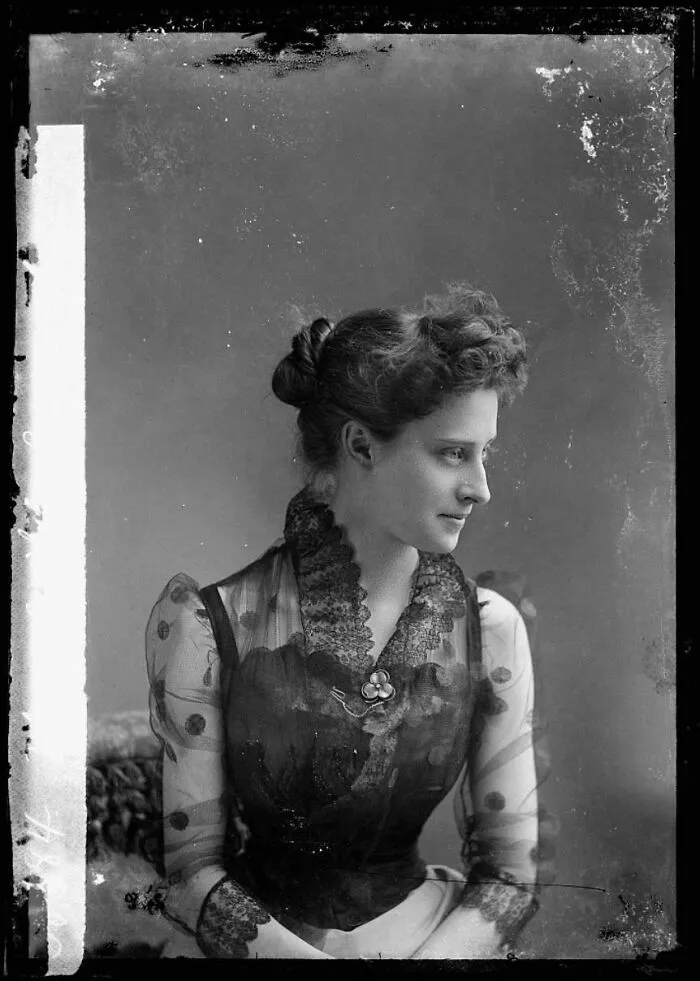
Image credits: Electrical-Aspect-13
Mexique Gown Designed By Christian Dior Circa Autumn-Winter 1951
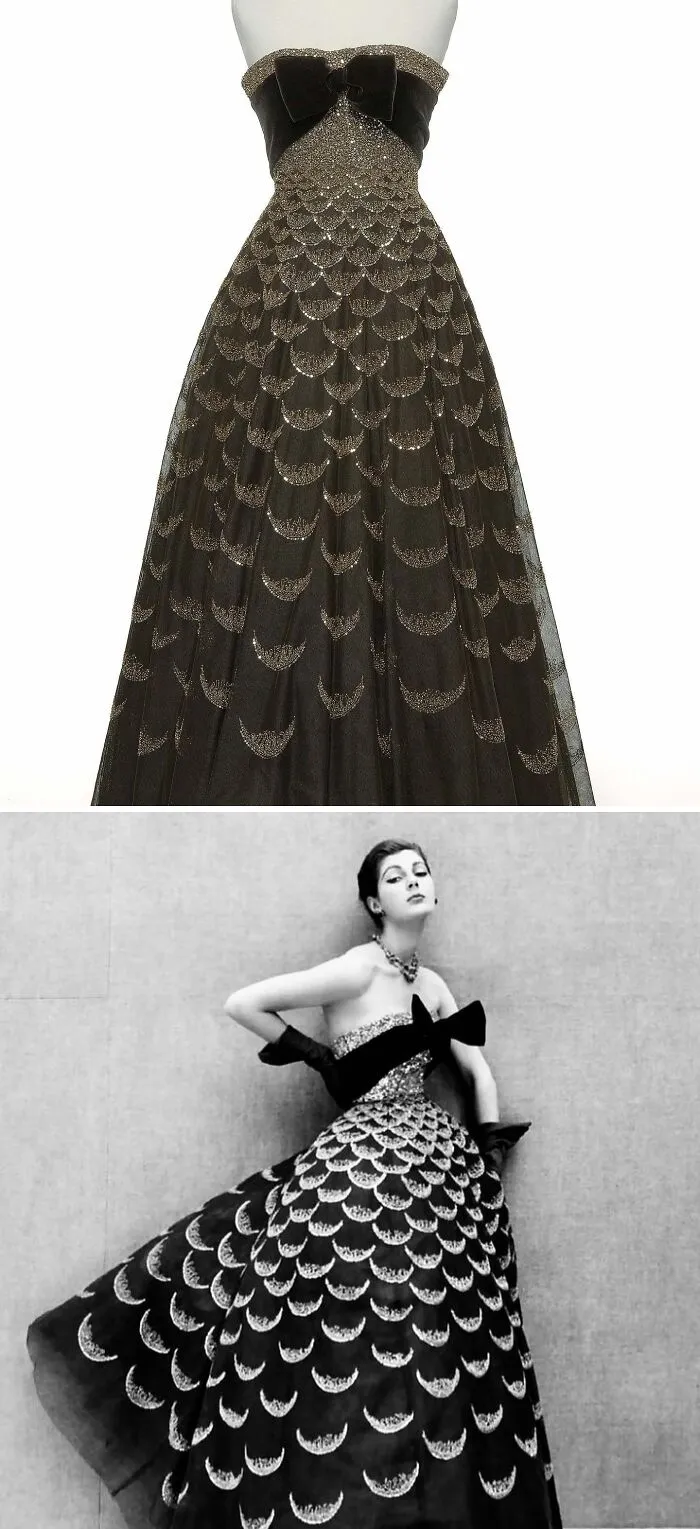
Image credits: Haunting_Homework381
Balenciaga, Bolero And Sheath Dress, 1947-1948
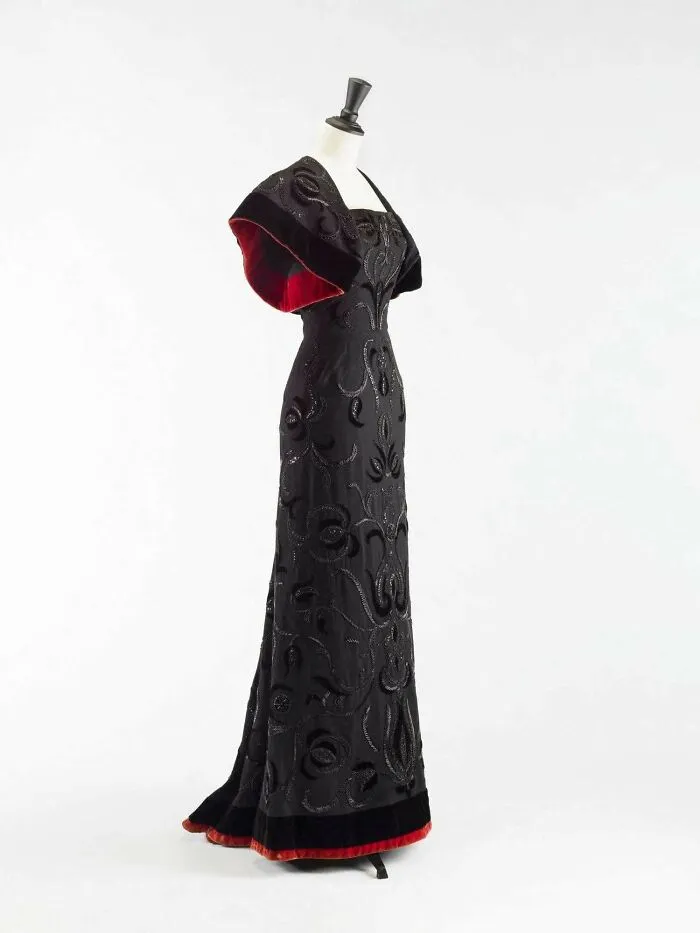
Image credits: anon
Norma Shearer's Embroidered Star Gown Designed By Adrian For The Film "Marie Antoinette" (1938)
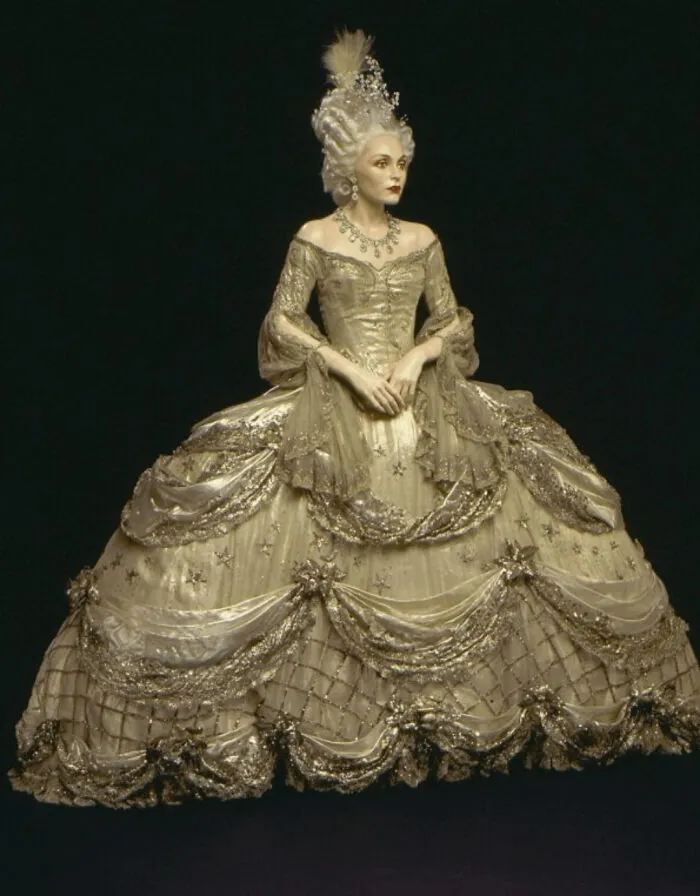
Image credits: Haunting_Homework381
Riding Habit Of Green Wool, Circa 1825
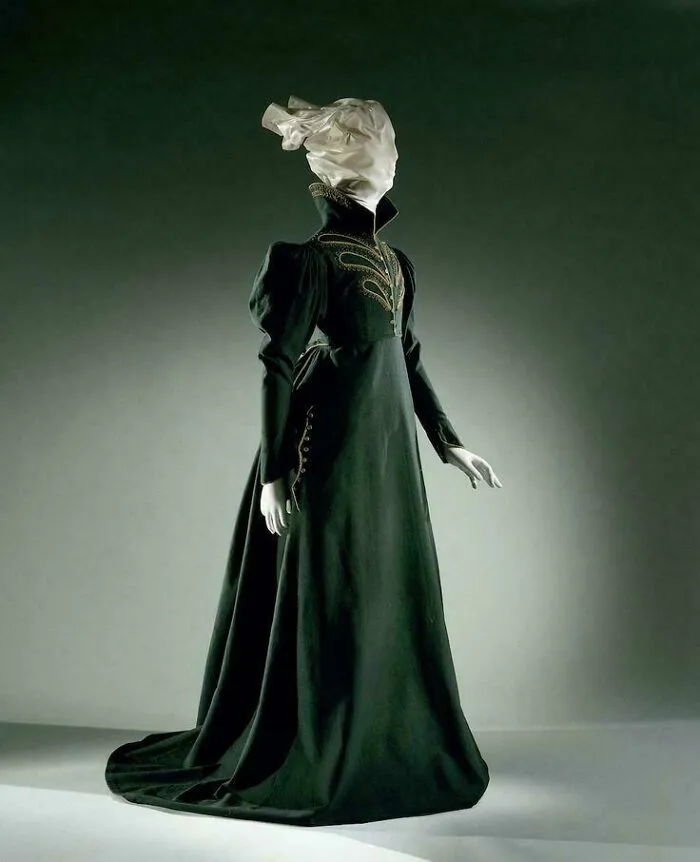
Image credits: Haunting_Homework381
A 1997 Haute Couture Vivienne Westwood Wedding Dress
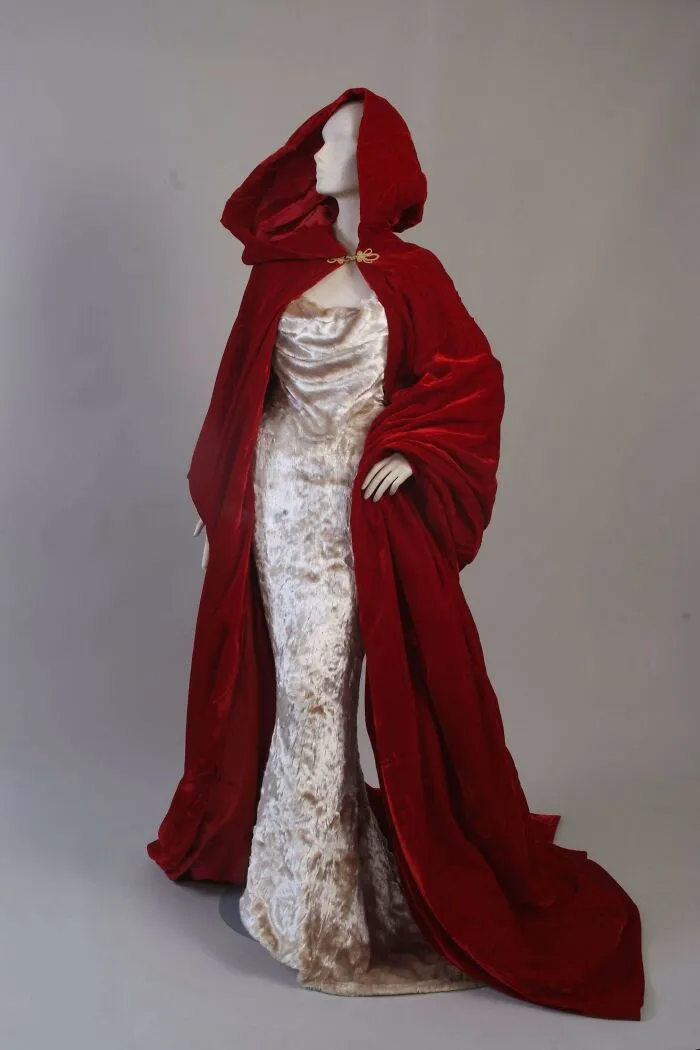
Image credits: Saint-Veronicas-Veil
Wedding Garments Worn By Josephine Of Leuchtenburg And Crown Prince Oscar Of Sweden, Circa 1823
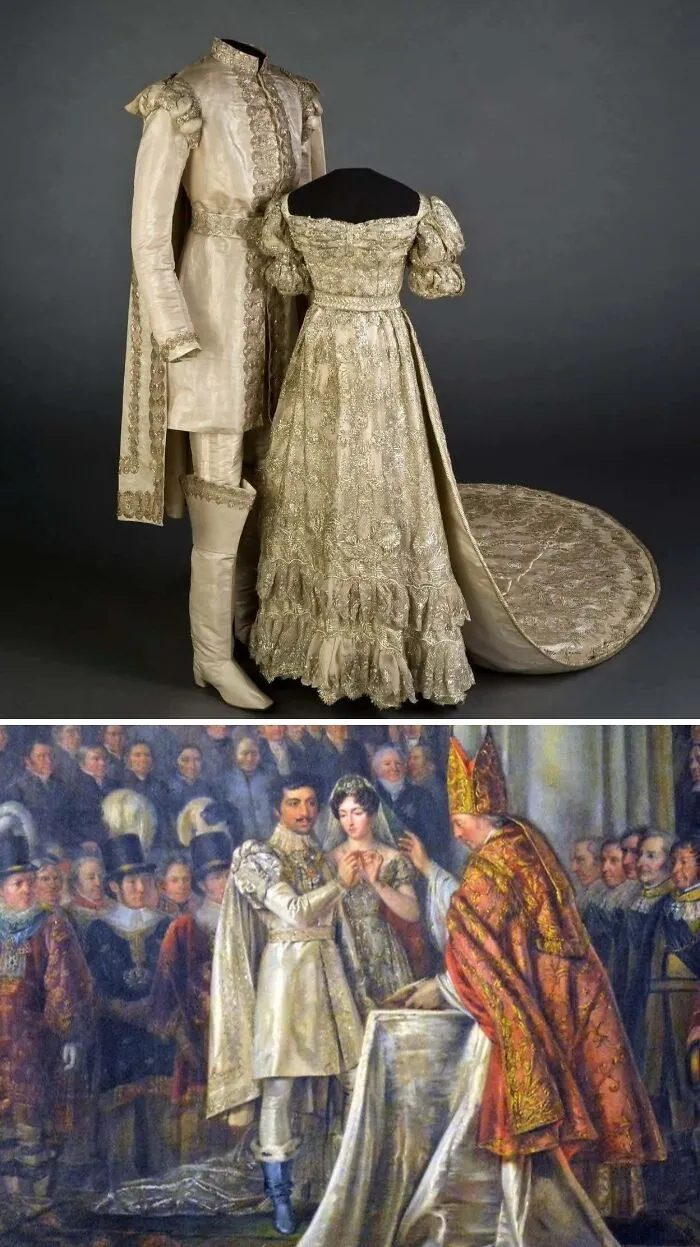
Image credits: Haunting_Homework381
Evening Dress 1907-1910, Callot Soeurs, Paris
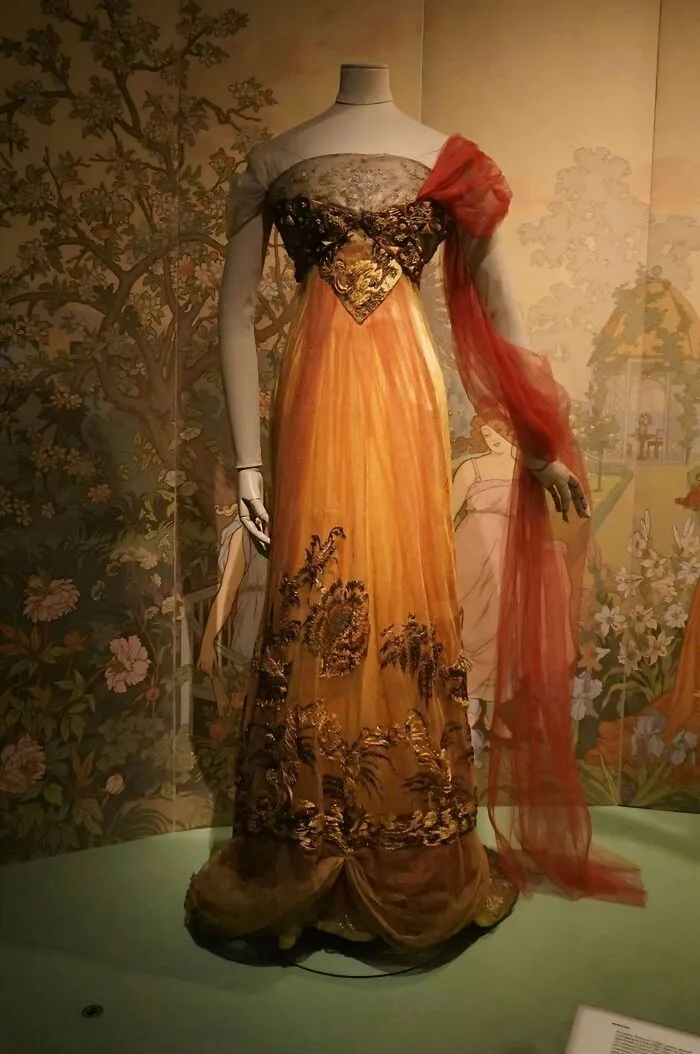
Image credits: anon
Irish Crochet & Hand Embroidered Lingerie Gown Circa 1908
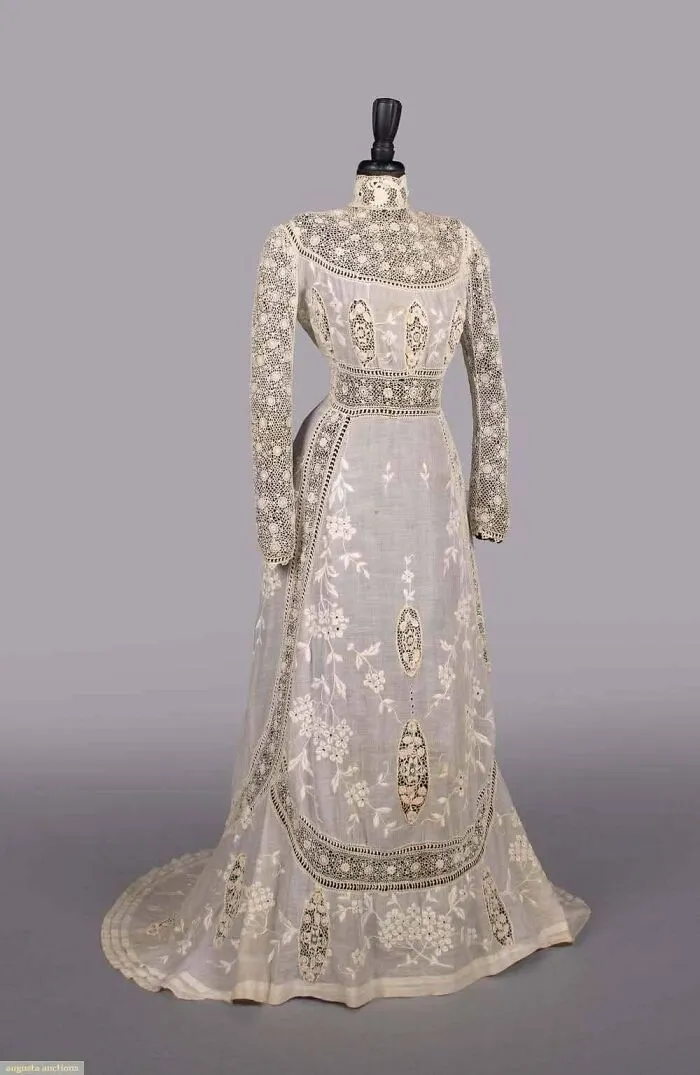
Image credits: Haunting_Homework381
Givenchy, Evening Dress, From Audrey Hepburn's Personal Wardrobe, 1991
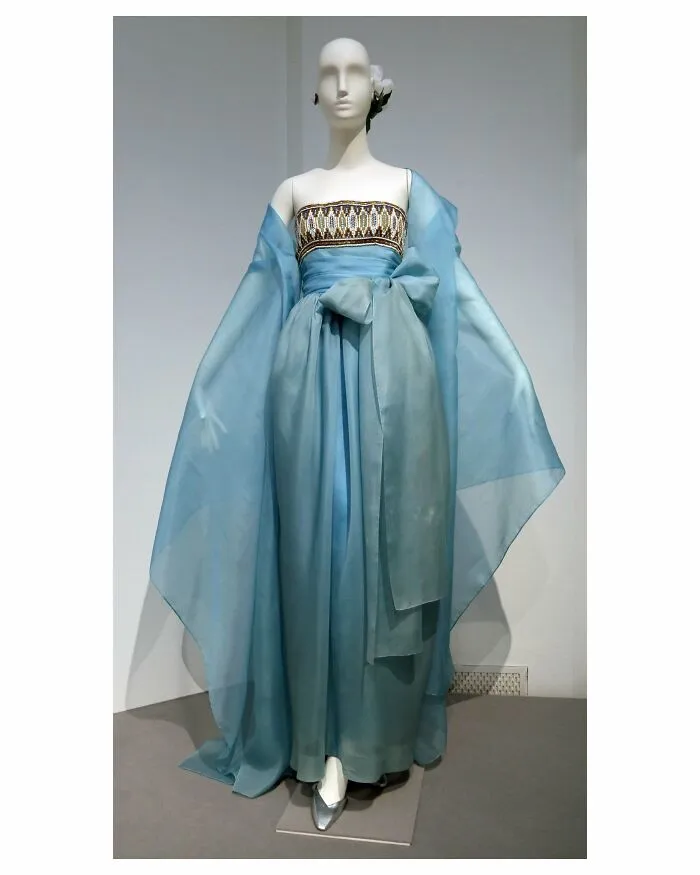
Image credits: BombayJeans
Emilie FLöge - Fashion Designer And Partner And Muse Of Gustav Klimt
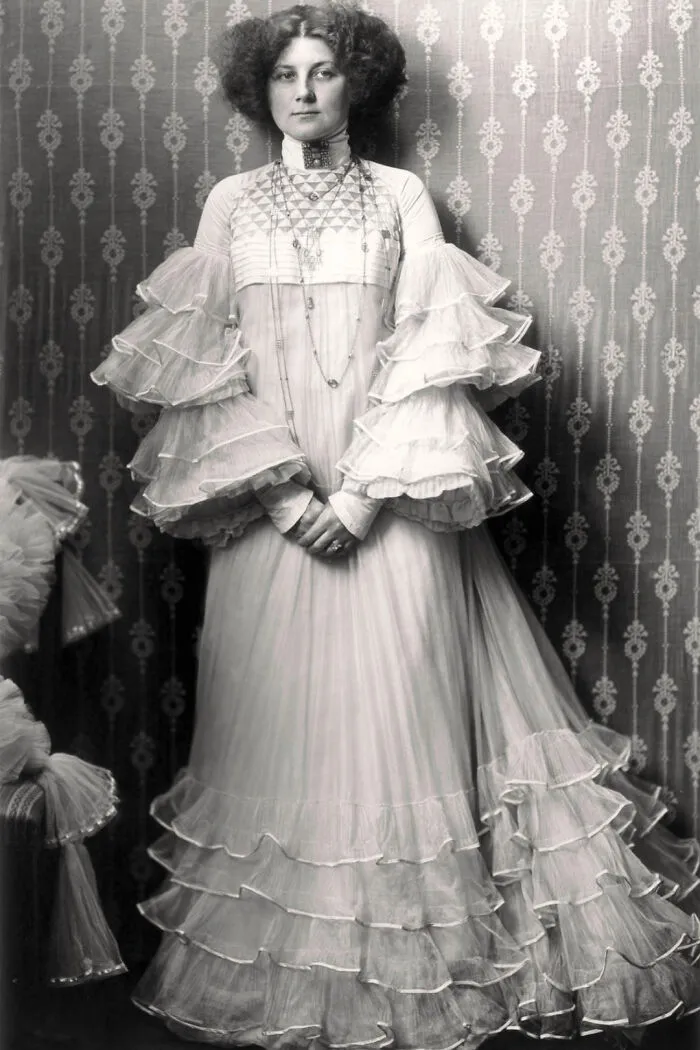
Image credits: ACoconutInLondon
Wedding Ensemble, American, 1878
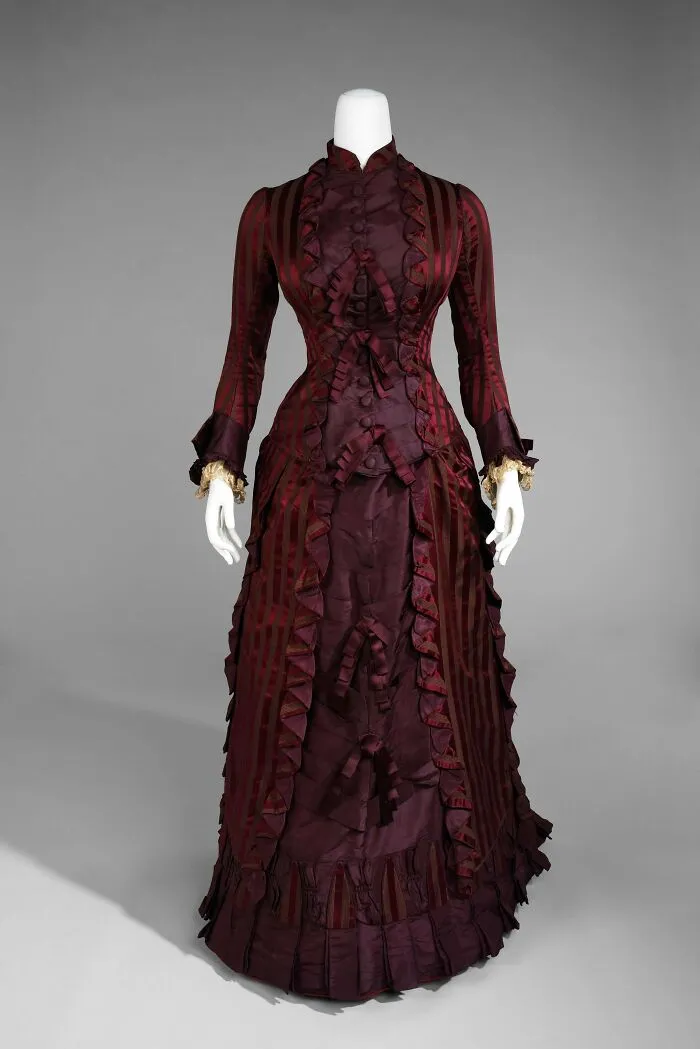
Image credits: anon
My Mother In Her White Satin Wedding Gown, 1947
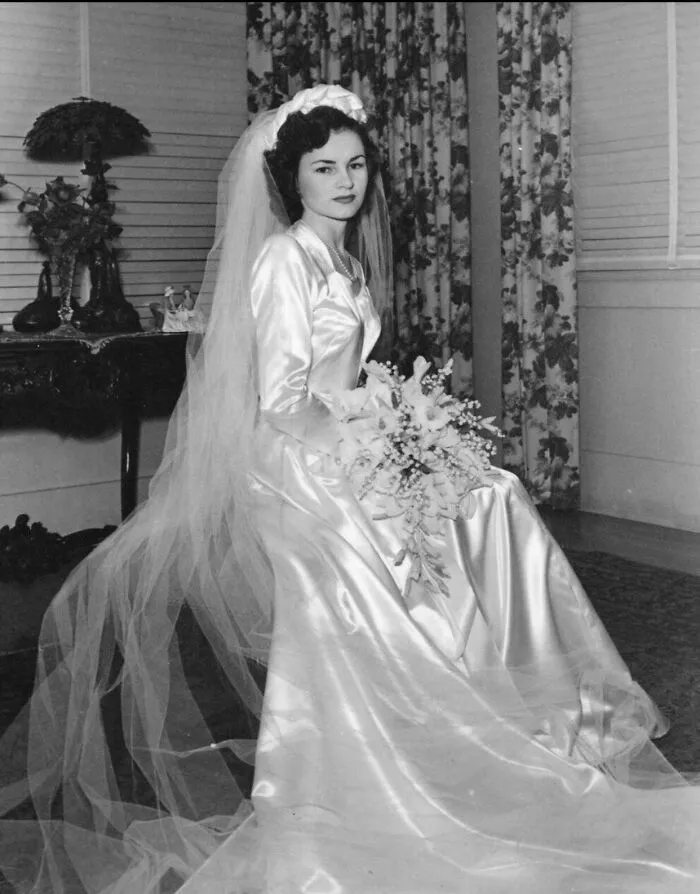
Image credits: dittidot
Chambord Gown By House Of Dior, Circa 1957
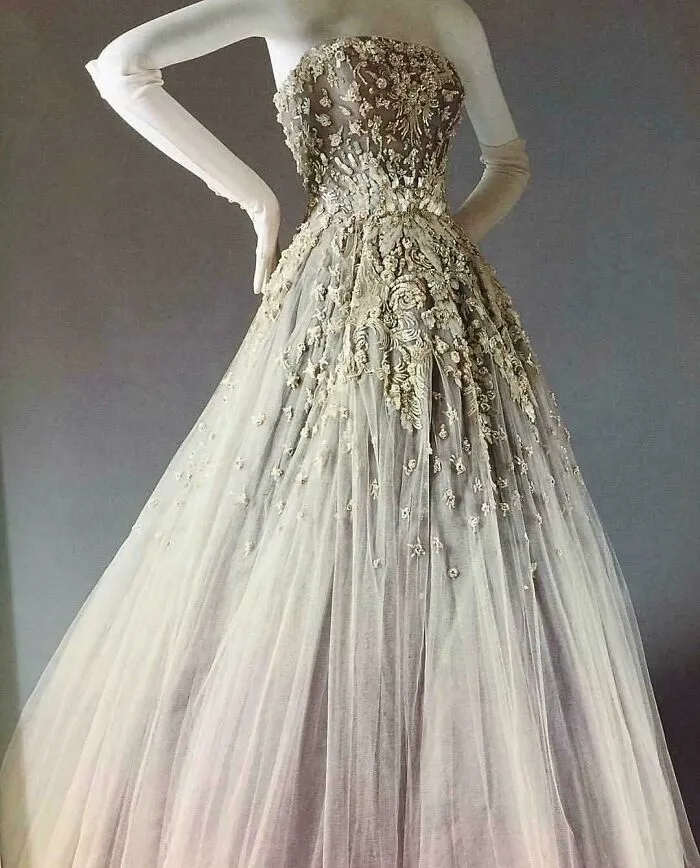
Image credits: Haunting_Homework381
Ball Gown Made Of Silk, With Tulle Embroidered With Floral Motifs, 1905-1906. Museum Für Kunst Und Gewerbe Hamburg
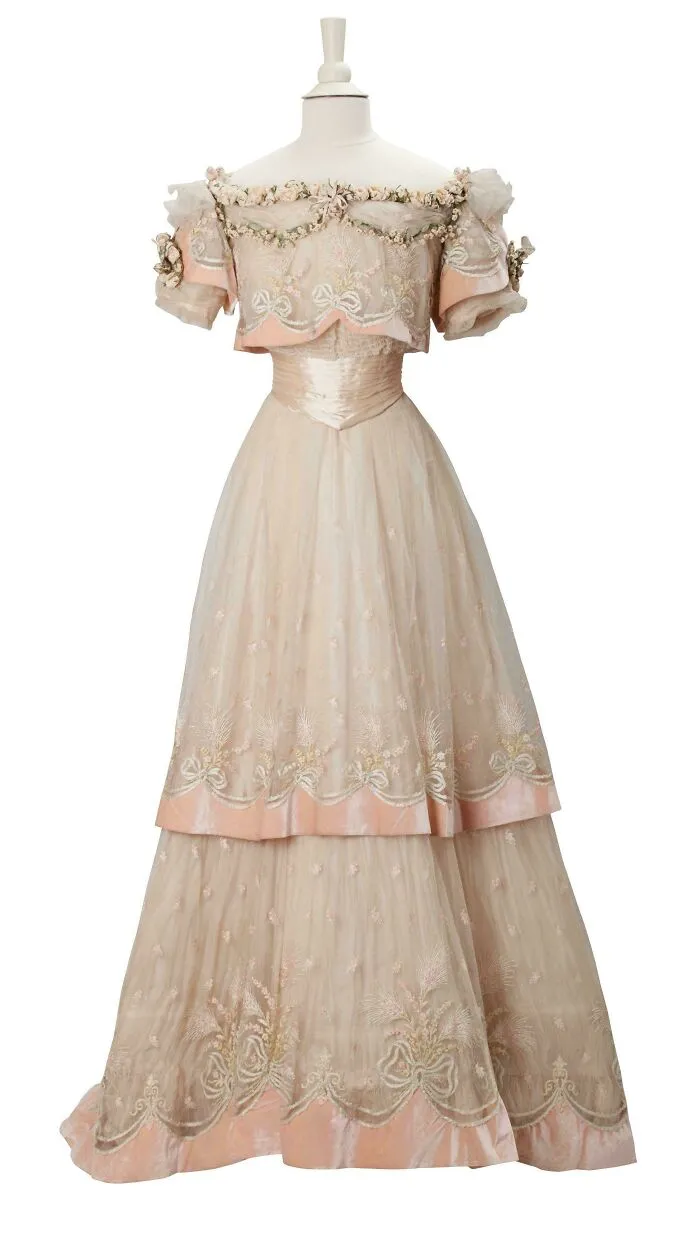
Image credits: KatyaRomici00
Silk Pink Ball Gown With Rhinestones By House Of Worth, Circa 1900
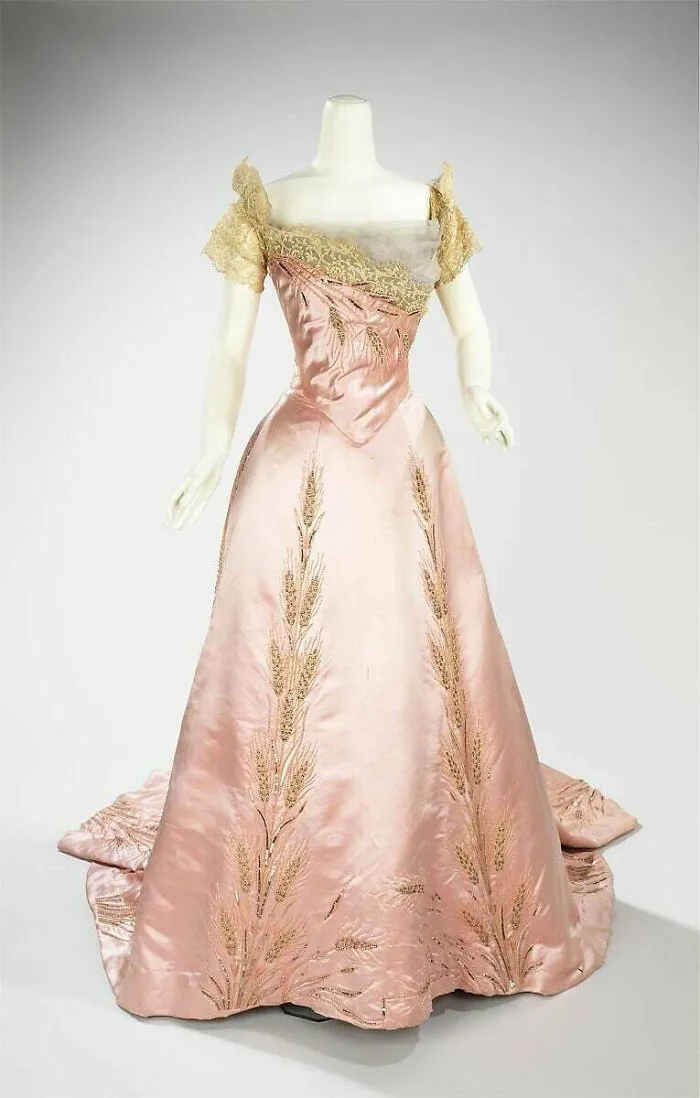
Image credits: Haunting_Homework381
Gala Dress Belonging To Queen Maud, Circa 1937
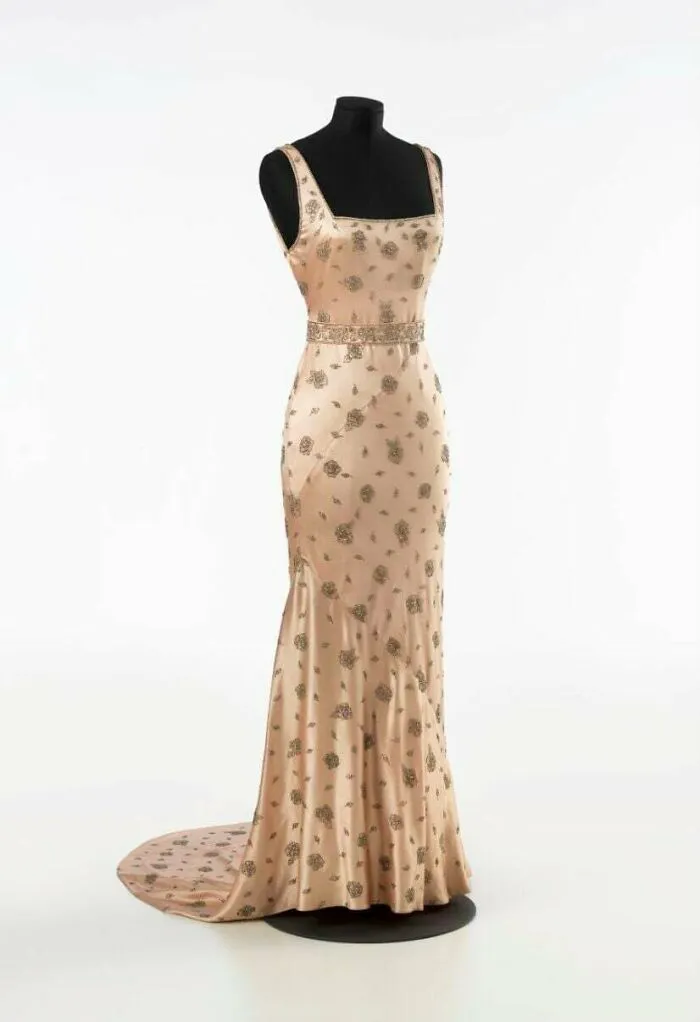
Image credits: Haunting_Homework381
Silk Ball Gown, Circa 1910
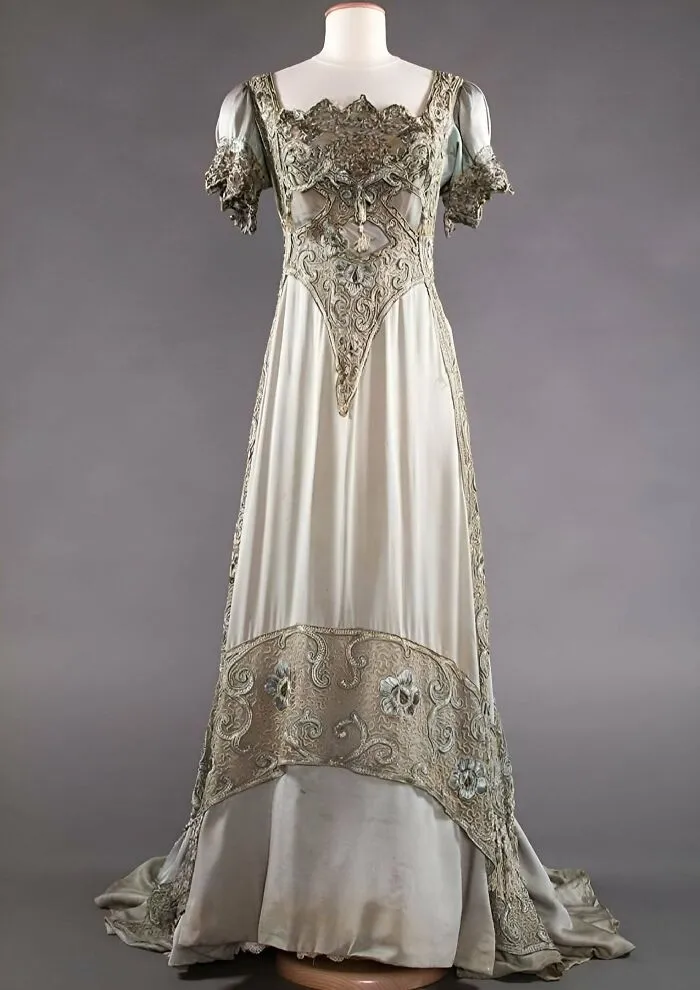
Image credits: Haunting_Homework381
The First Ever Photograph Of A Woman Taken In 1839, Of Dorothy Catherine Draper. Her Daguerreotype Portrait Is The Only Surviving Contemporary Photograph Of Someone Wearing The 1830s Poke Bonnet
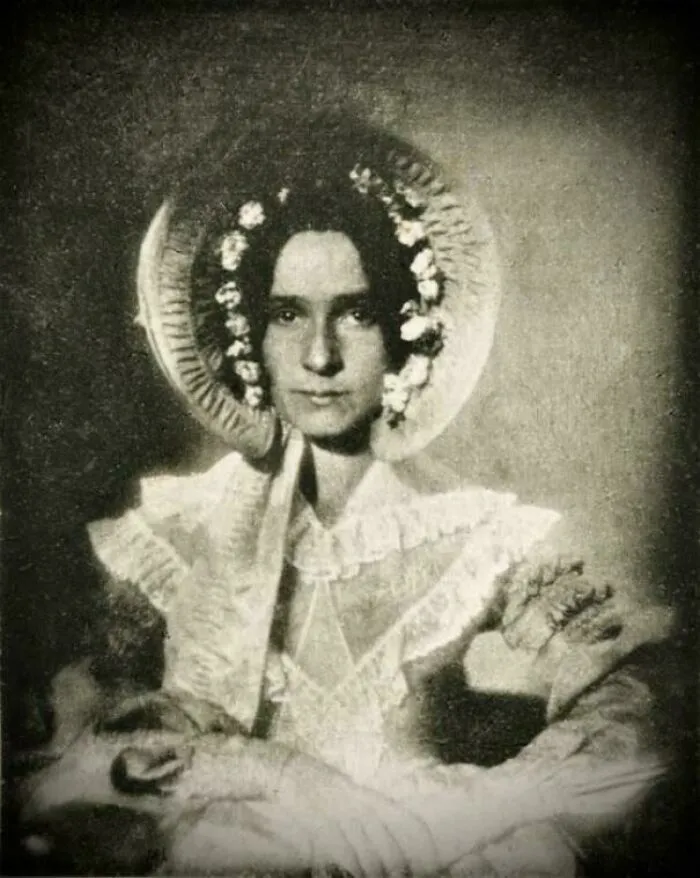
Image credits: anon
Pink Evening Gown Mousseline With Sequins , Circa 1905
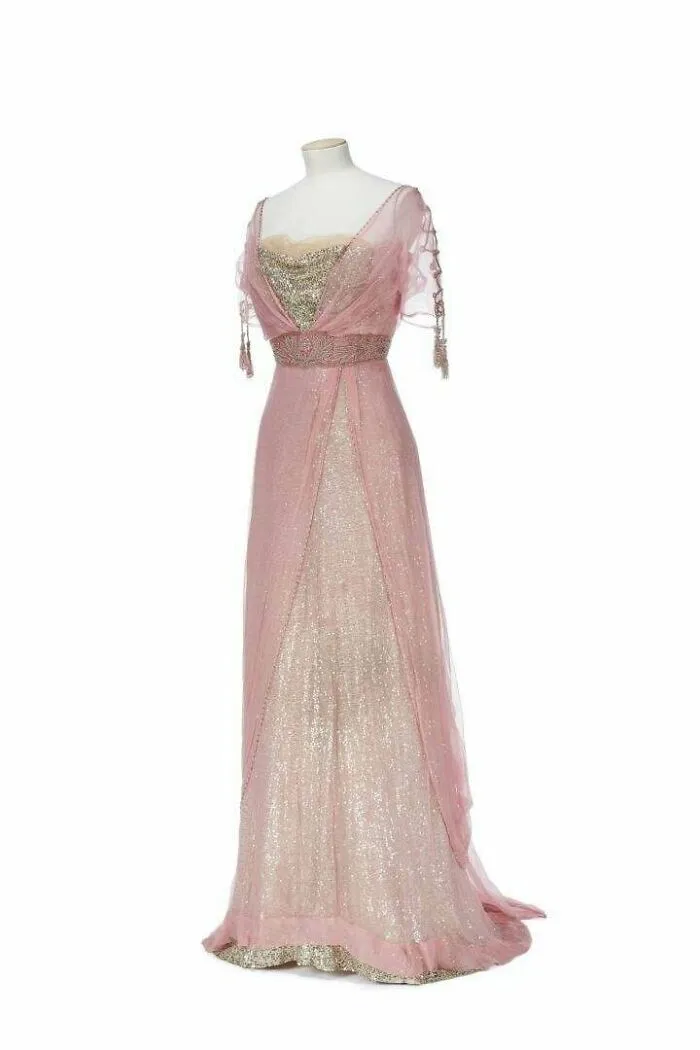
Image credits: Haunting_Homework381
The “Waterfall Dress,” A Slinky Silk Slip Dress With Elaborate Sequins And At Least 100 Strands Of Beads Suspended From A Curved Seam At The Back, 1920s
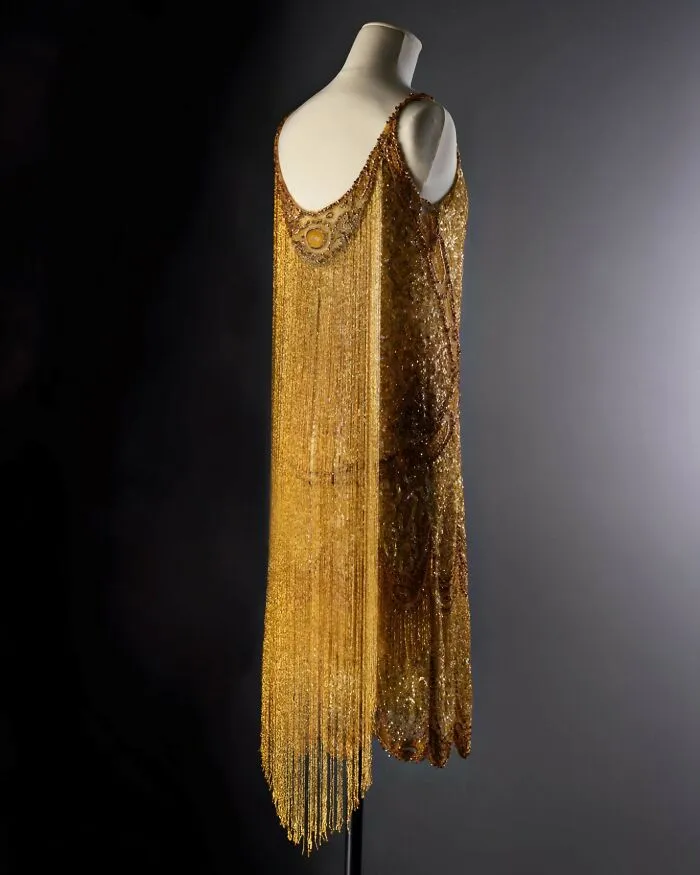
Image credits: Saint-Veronicas-Veil
The Crown Of Princess Blanche, The Daughter Of Henry IV Of England. She Wore This Magnificent Crown On Her Wedding In July 6, 1402, At Cologne Cathedral In Germany
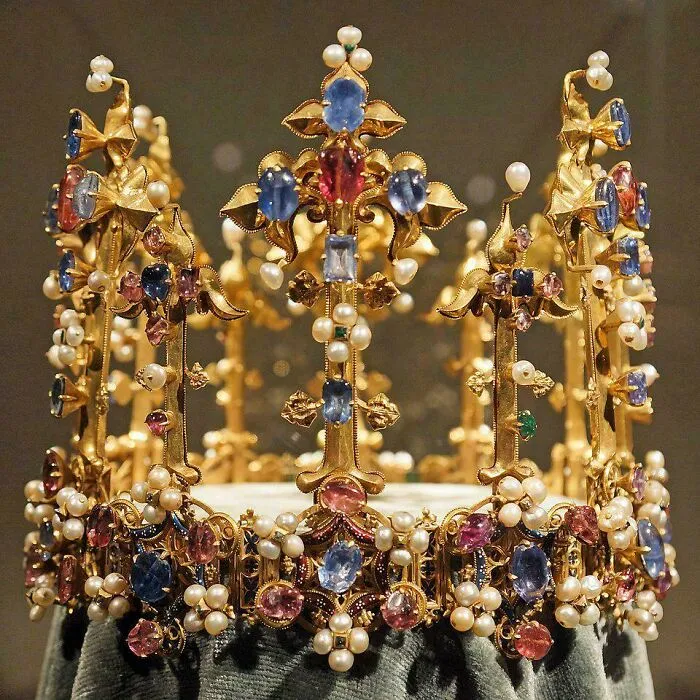
Image credits: Tracypop
1933. Wedding Dress Of Margaret Whigham, Later The Dutchess Of Argyll. Crafted From Satin And Tulle, Embroidered With Delicate Glass Beads
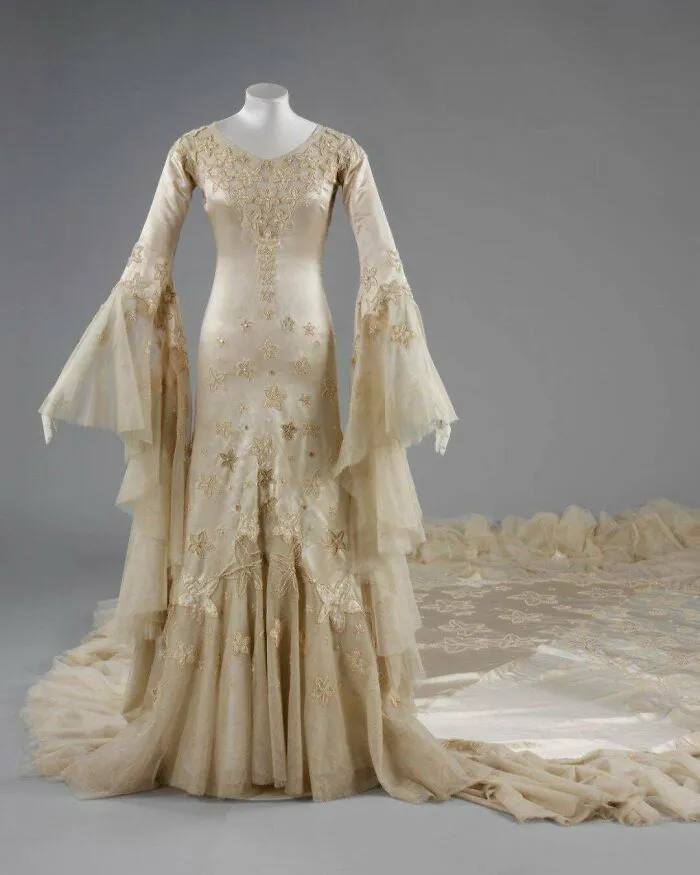
Image credits: KoreKhthonia
1840’s Silk Dress That Instantly Reminded Me Of Princess Belle
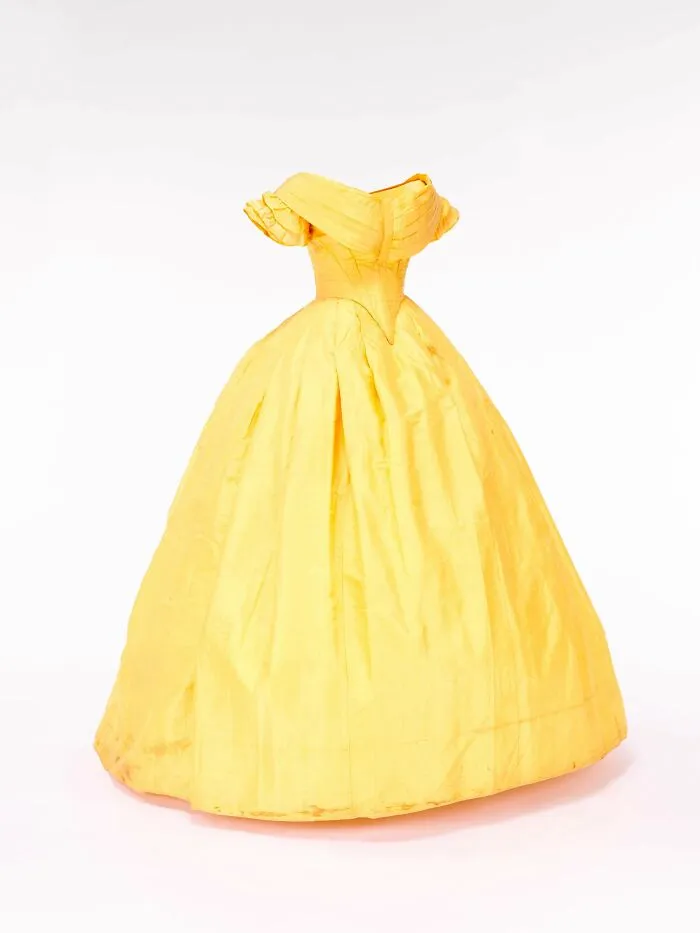
Image credits: anon
Organdy Wedding Gown, Circa 1940s
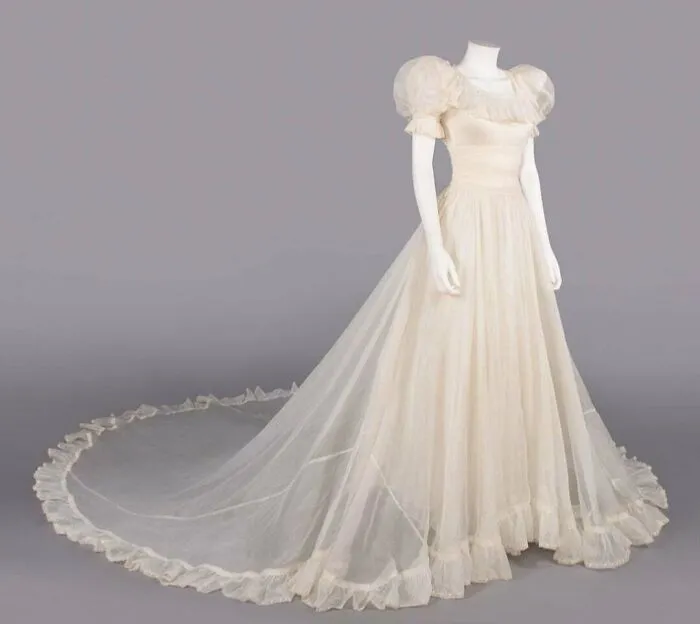
Image credits: Haunting_Homework381
Lily Of The Valley Dress Designed By Dior For Françoise Arnoul In Paris, Palace Hôtel (1956) And Lily Of The Valley Haute Couture Dress From Dior’s Spring-Summer 1957, Libre Line
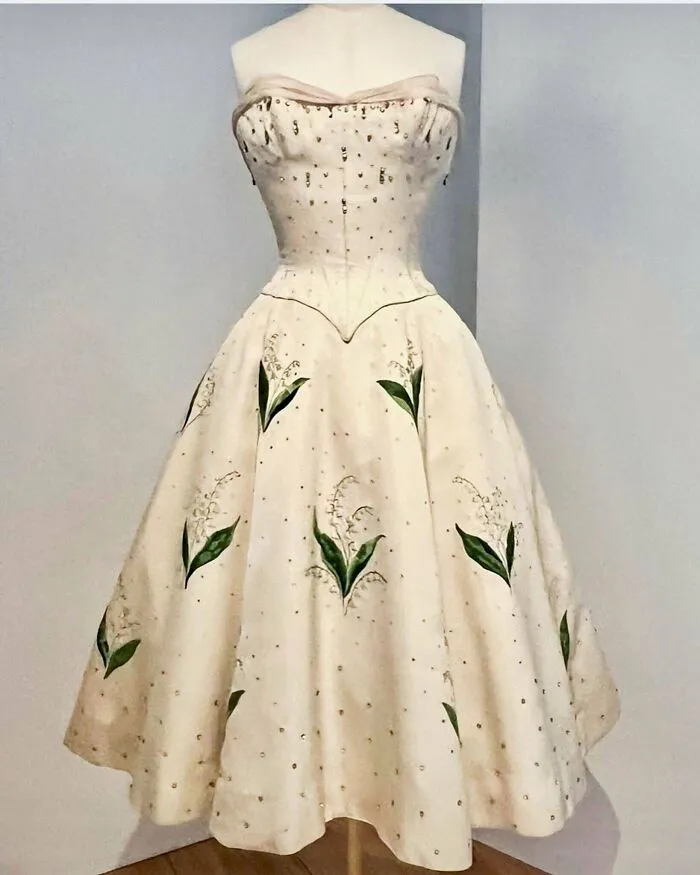
Image credits: anon
Princess Magaret On Her Christian Dior Dress For Her 21 Year Birthday, July Of 1951. Kodachrome By Cecil Beaton
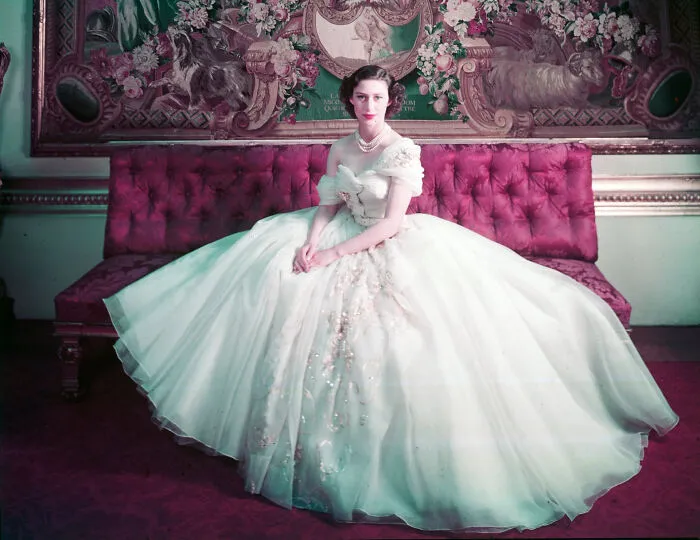
Image credits: Electrical-Aspect-13
Champagne-Coloured Evening Dress From The 1950s. Designed By Legendary London Couturier Norman Hartnell
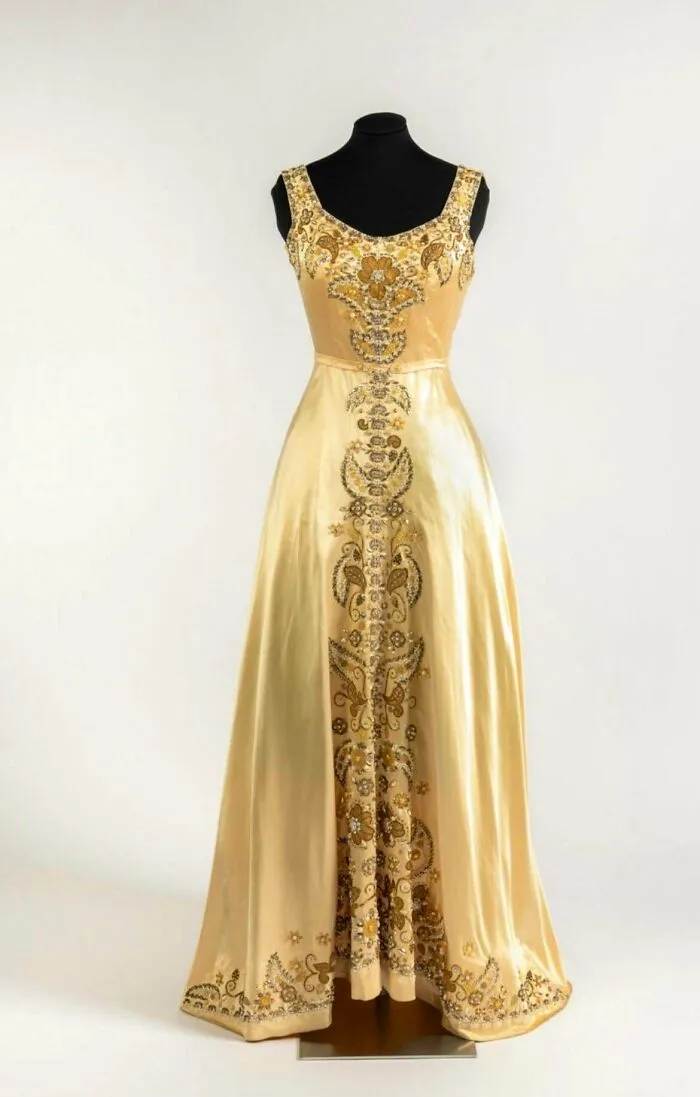
Image credits: anon
Gauze Dress Attributed To Madame Hyde De Neuville. 1828, France. Whitaker Auction
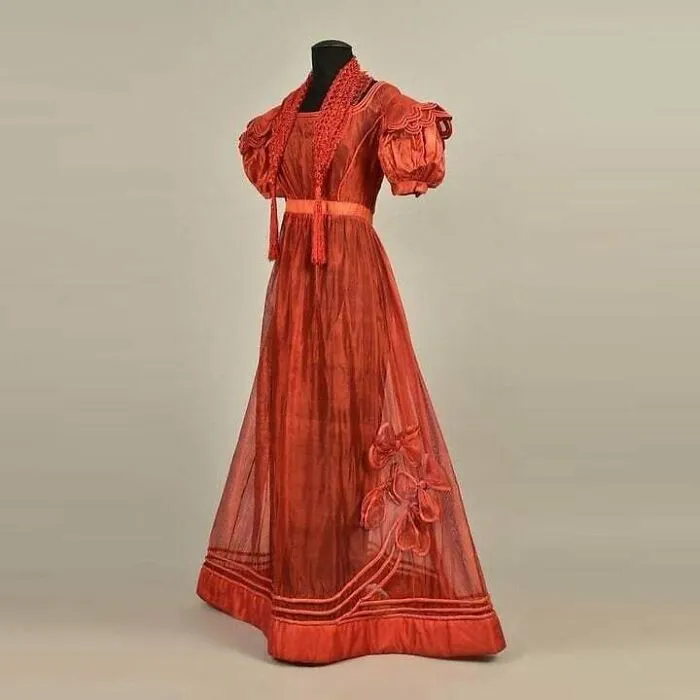
Image credits: anon
Silk Charmeuse Lounging Pajamas, 1940s
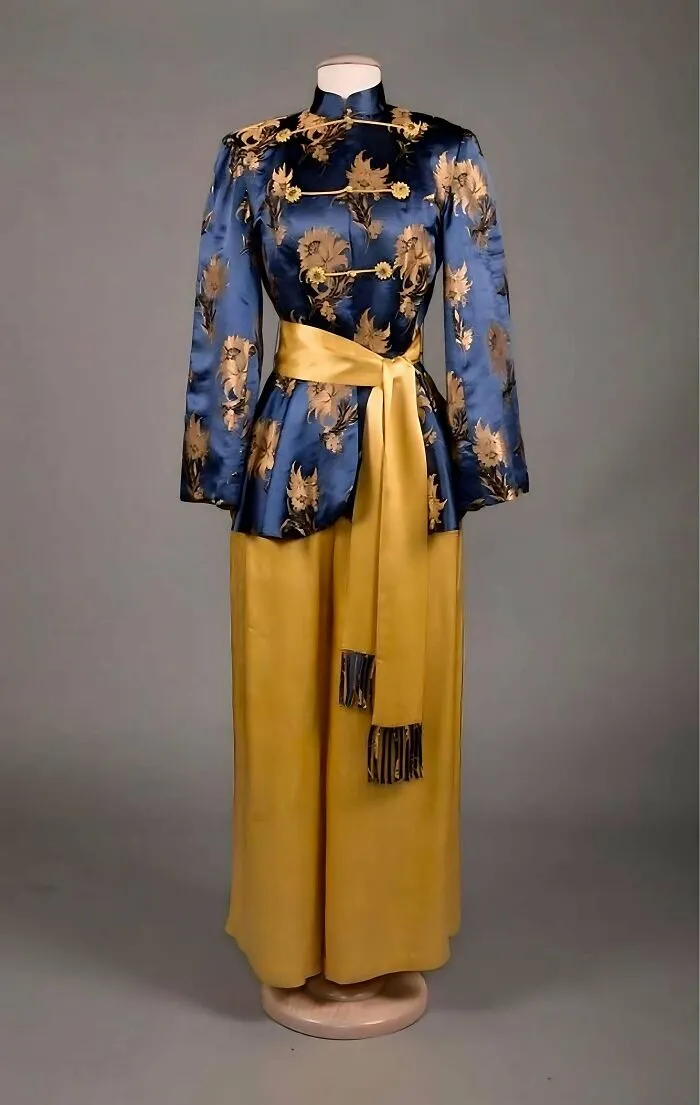
Image credits: anon
A Jay's Of Regent St., London Midnight-Blue Velvet Evening Gown, Circa 1905
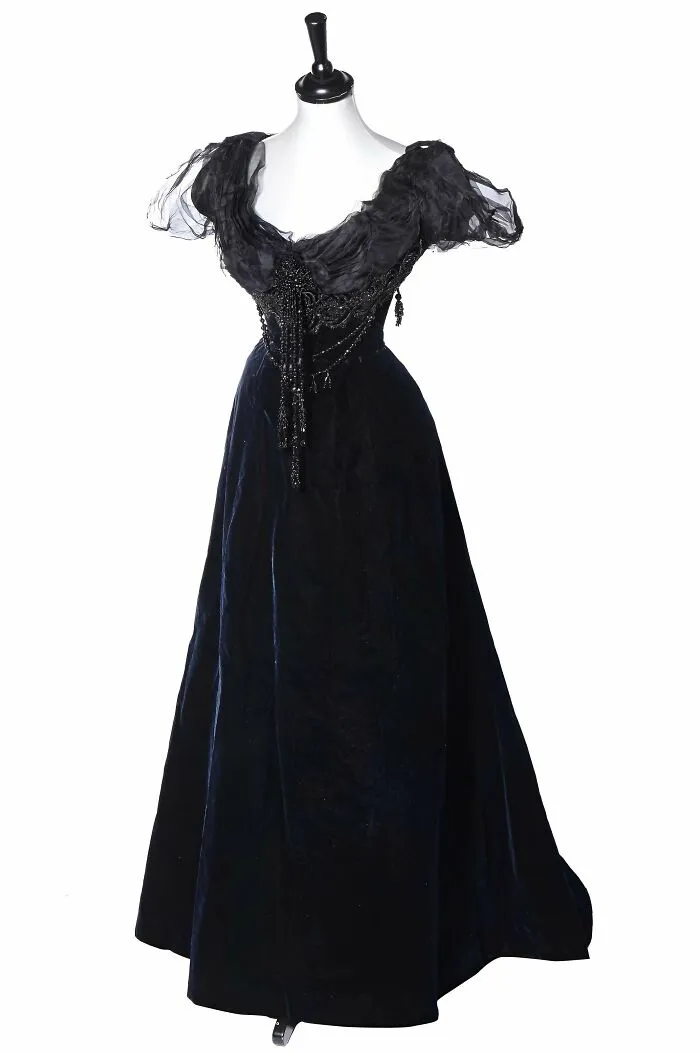
Image credits: anon
Celestial Blue Ball Gown Made By Marie And Josephine Virfolet, Circa 1867
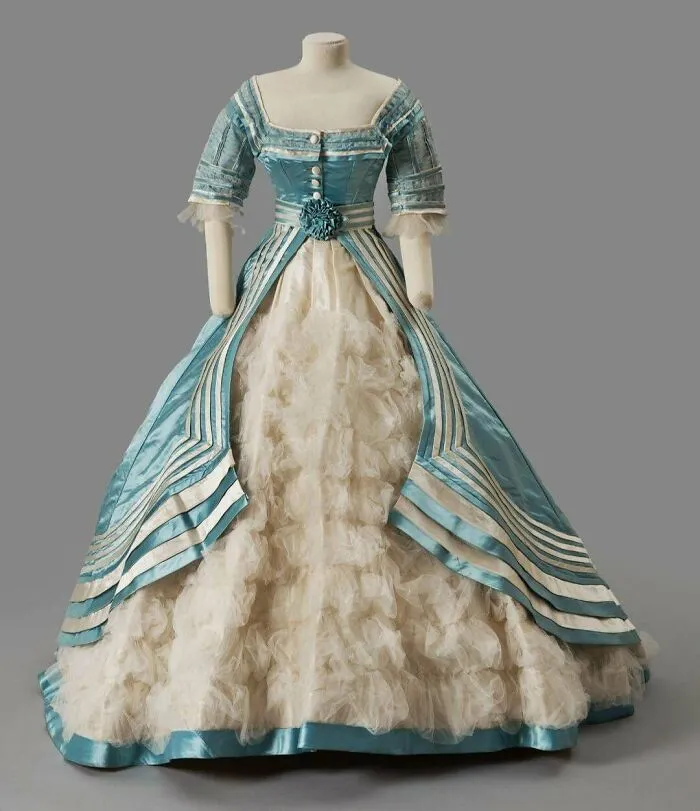
Image credits: Haunting_Homework381
Princess Shimazu, Née Isoku, 6th Daughter Of Prince Sanenori Tokudaiji, 4 Of August 1922. Glass Negative
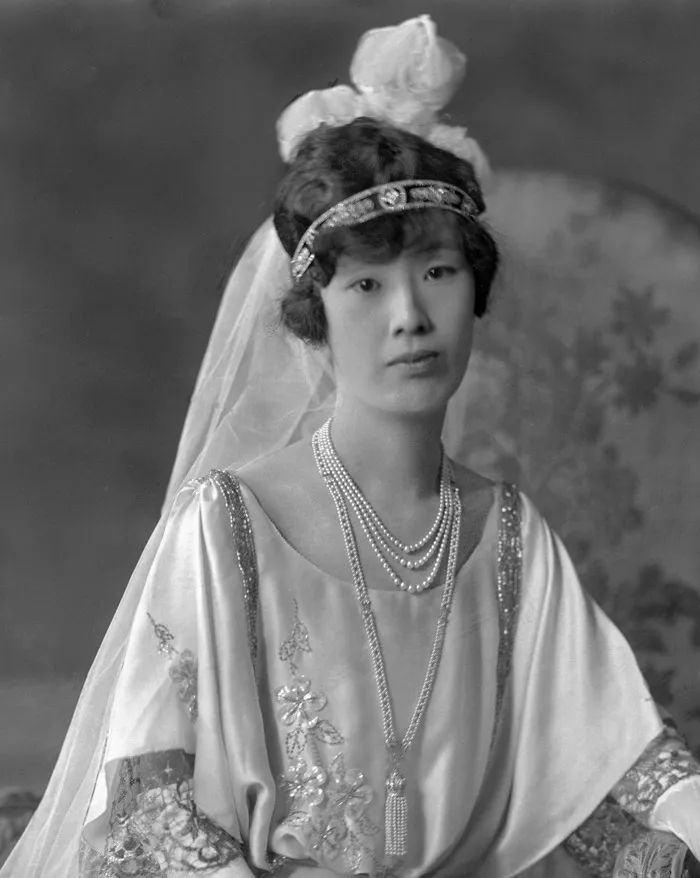
Image credits: Electrical-Aspect-13
Dress Made In United States, In Silk Brocade, Cotton/Linen Lace, Circa 1850
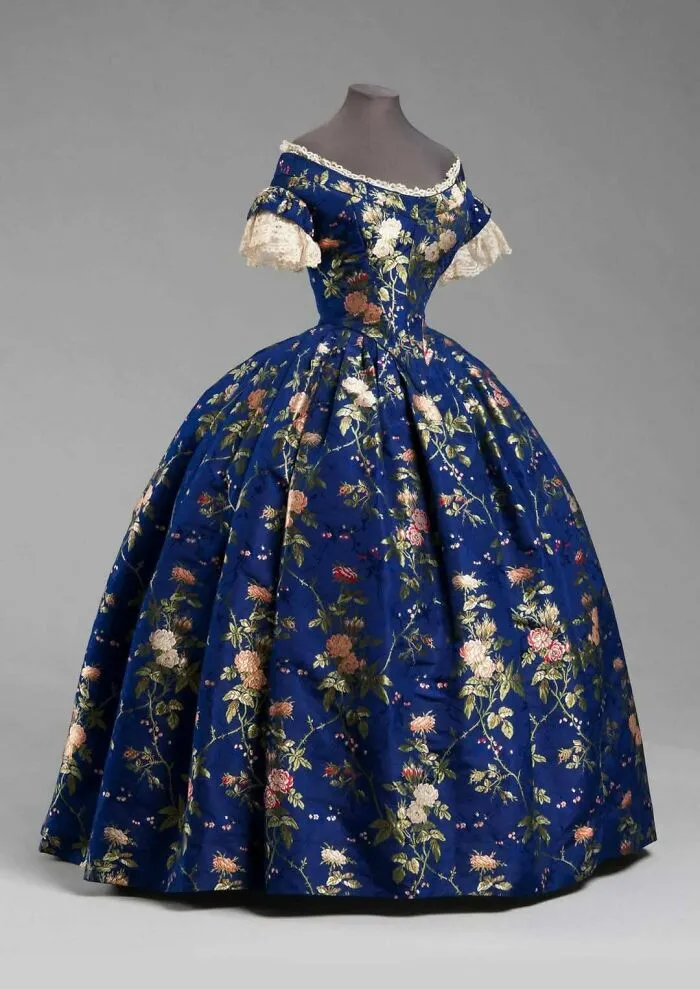
Image credits: Haunting_Homework381
Wedding Mantua With Train, 1759. Worn By Helena Slicher On Her Wedding Day In 1759
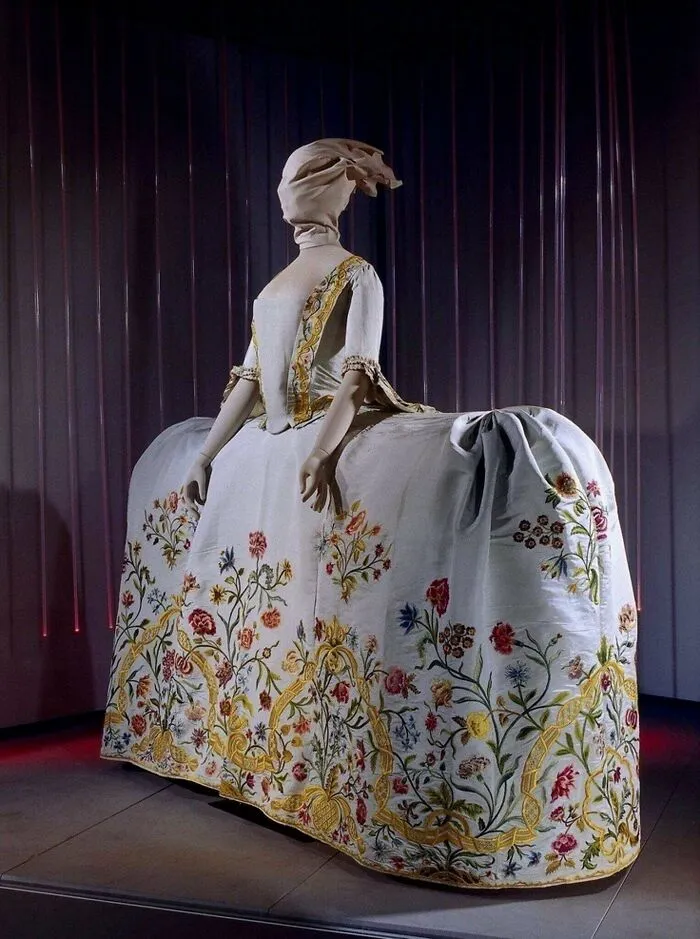
Image credits: anon
Marjorie Merriweather Post Wore This Black Silk Crêpe “Starry Night” Costume In 1926 At The Everglades Ball, An Annual Fancy Dress Ball Held At The Everglades Club In Palm Beach, FL
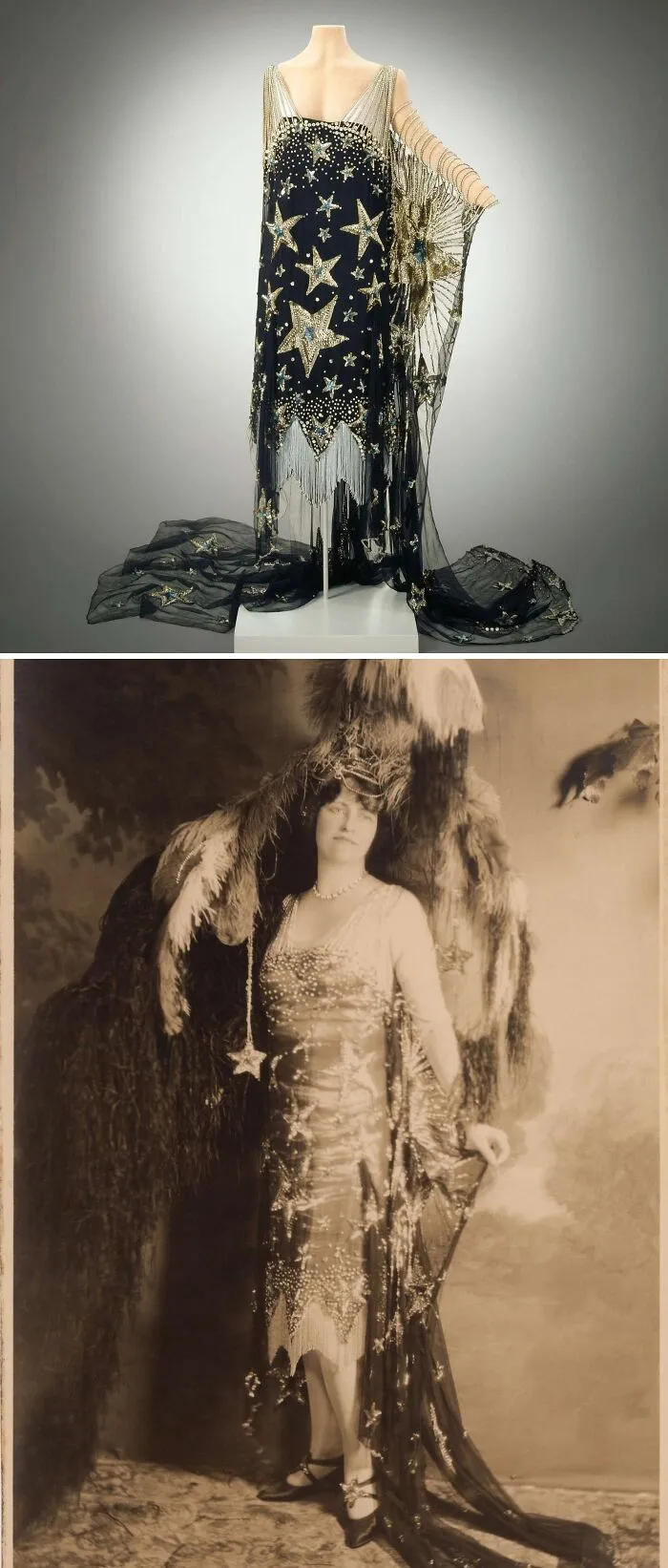
Image credits: Haunting_Homework381
Silk Embroidered Dress, Circa 1798
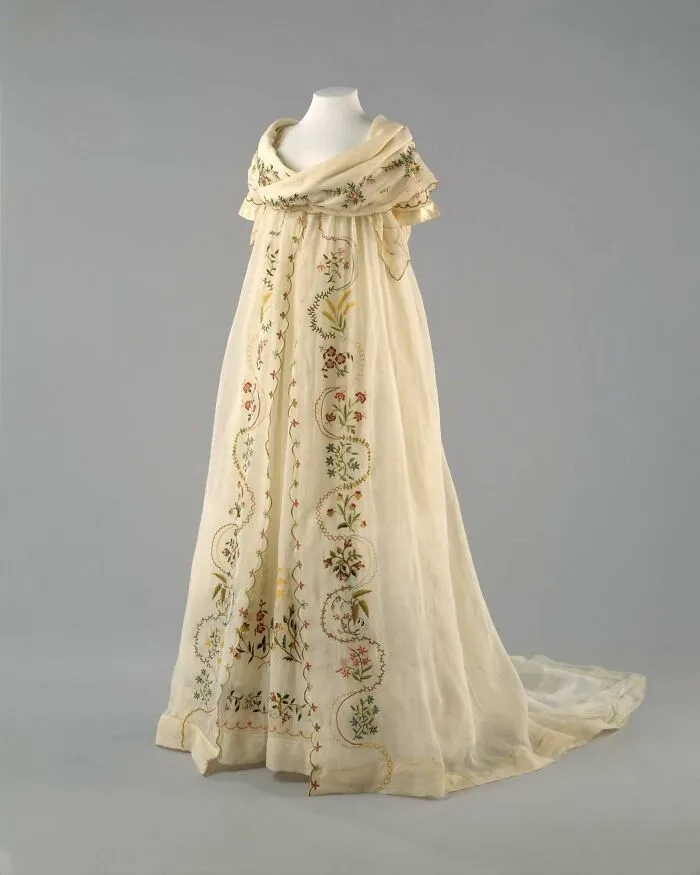
Image credits: Haunting_Homework381
Lady Granvilles Beetle Parure
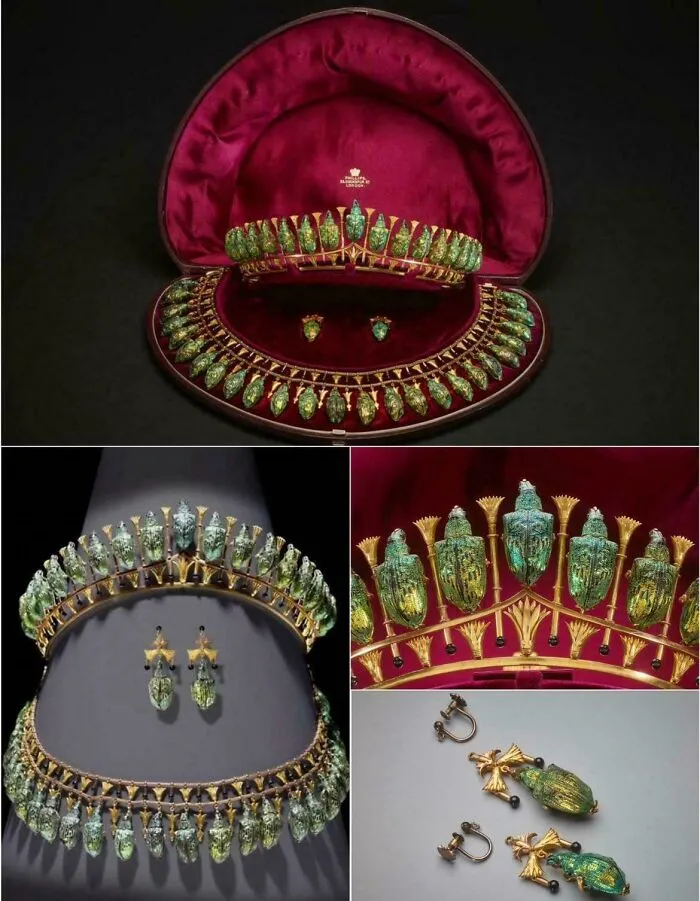
Image credits: Minimum_Leopard_2698
Red Robe A L'anglaise Made Of Silk Taffeta And Decorated With Hand Embroidery
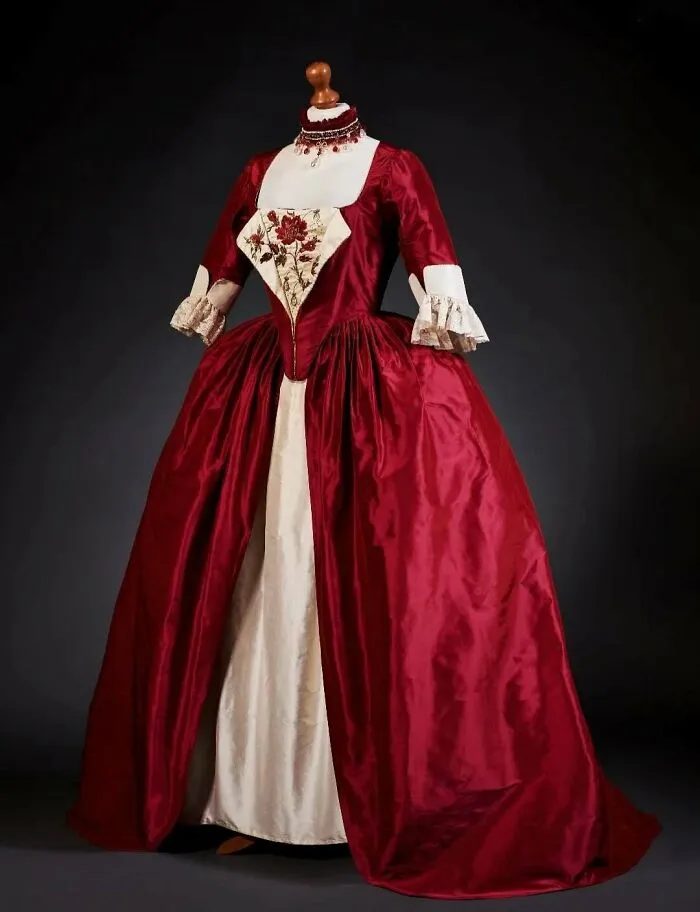
Image credits: Haunting_Homework381
Bride's Dress And Hat, Designed By Bob Mackie, 1980s
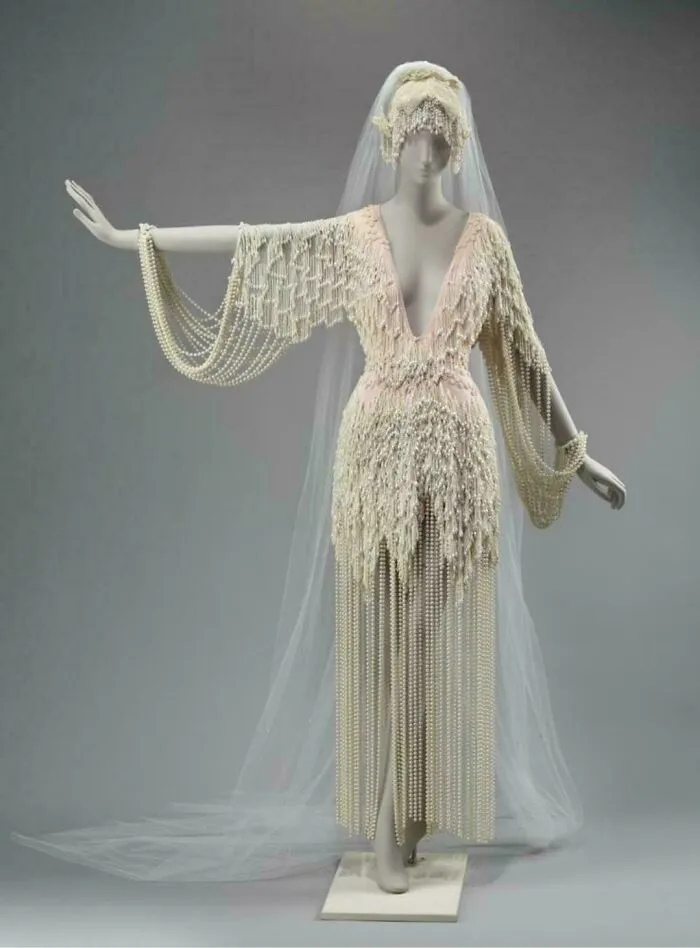
Image credits: KatyaRomici00
Migrant Worker Dressed In Her Sunday Best, July Of 1940. A Nice 2 Piece Suit With Straw Hat And A Nice Collar
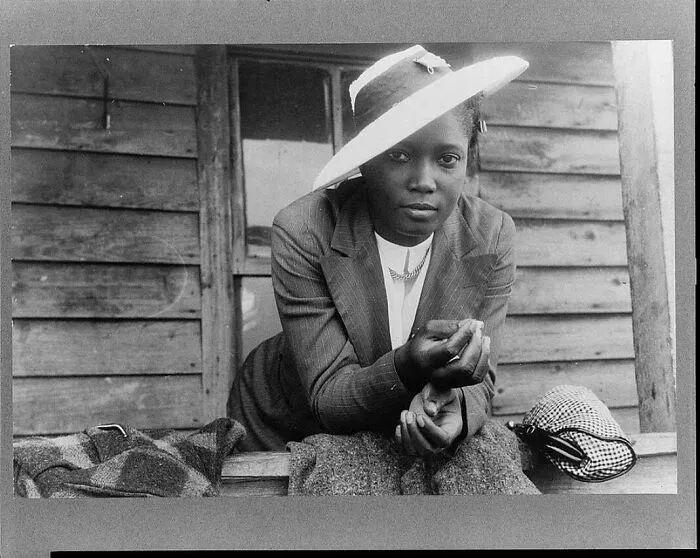
Image credits: Electrical-Aspect-13
Dress Belonging To Queen Maude Of Norway, Circa 1934
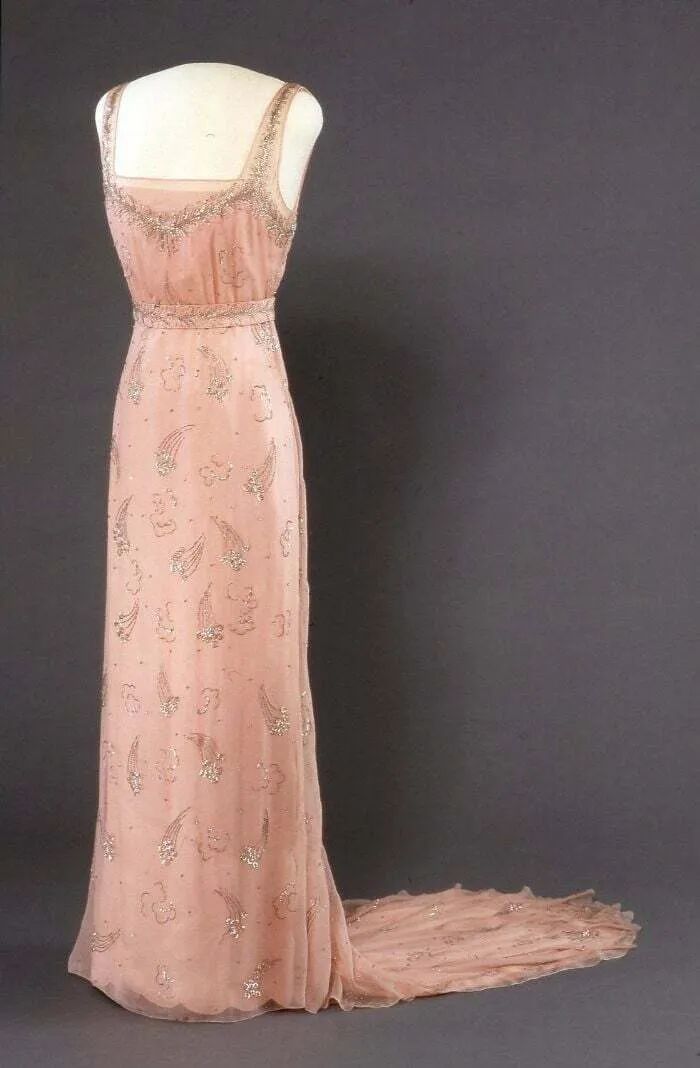
Image credits: Haunting_Homework381
German Fashion
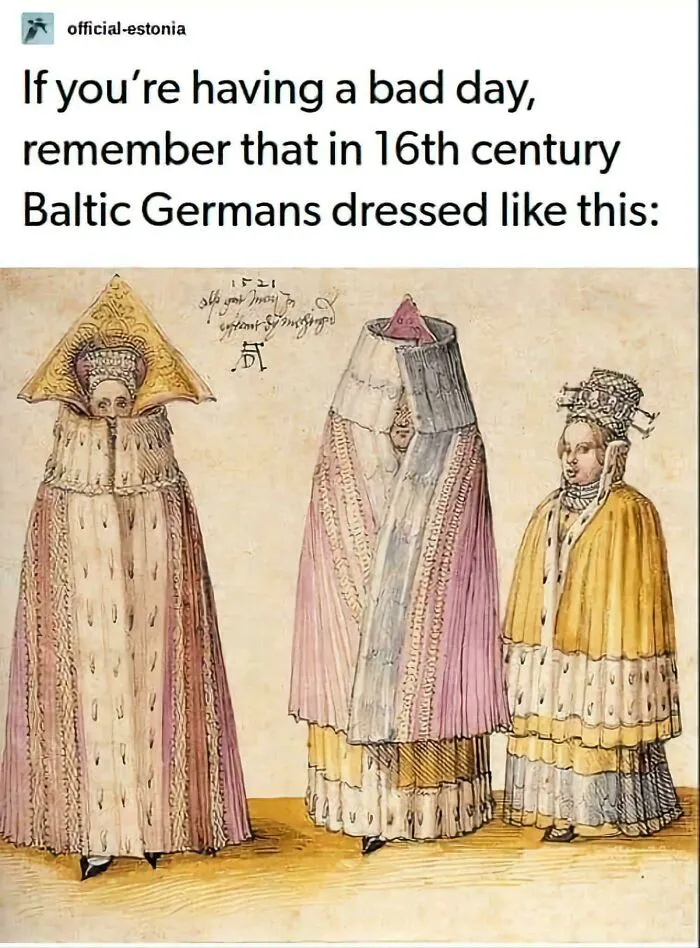
Image credits: Pristine_Witness3908
My Uncles 1973 Nudie Suit
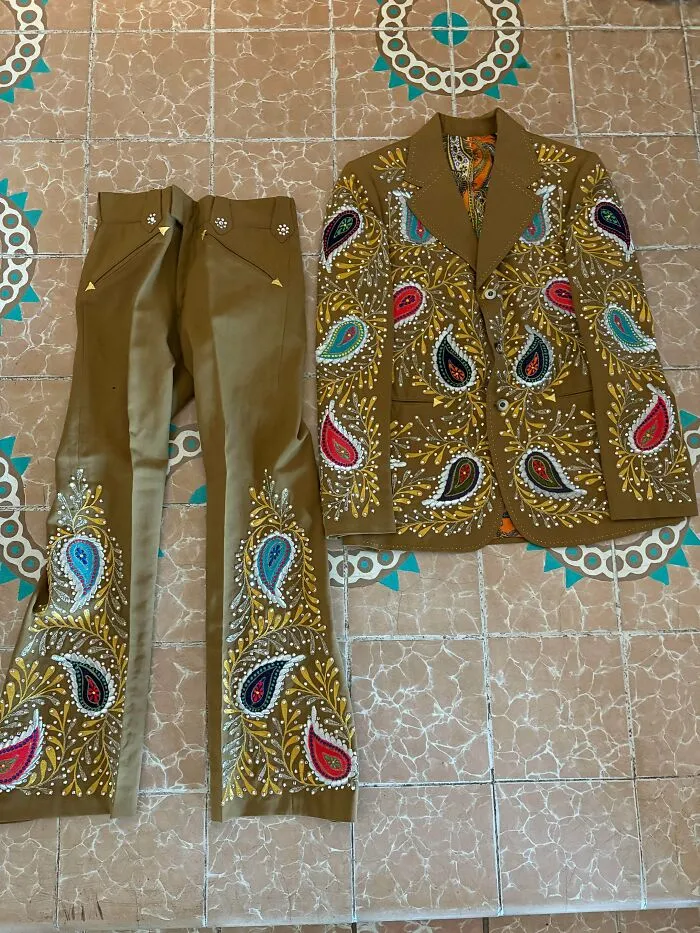
Image credits: figurinitoutere
1945 Women Wearing Slacks
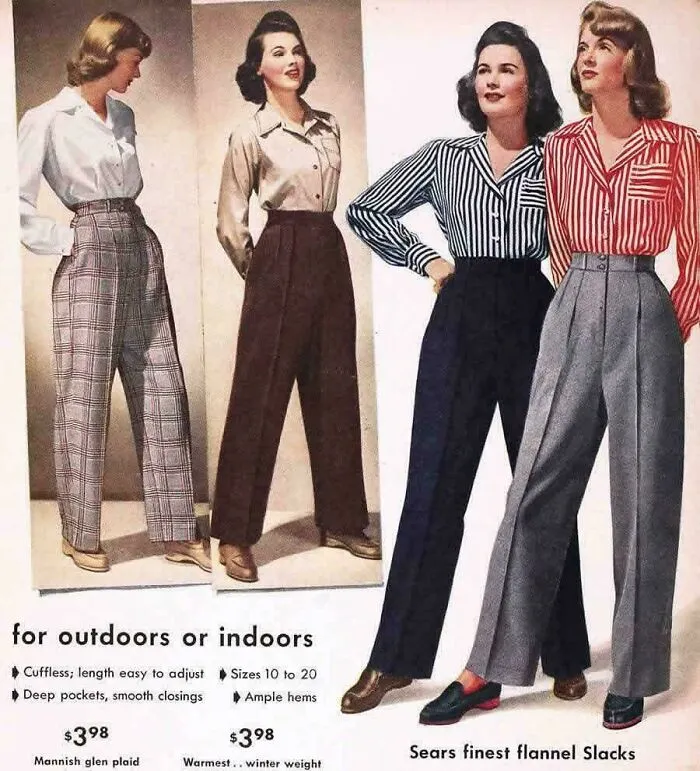
Image credits: Pristine_Witness3908
Dress With A Evening And A Day Bodice, And A Matching Fichu, Made Of Silk, C. 1865. The Met
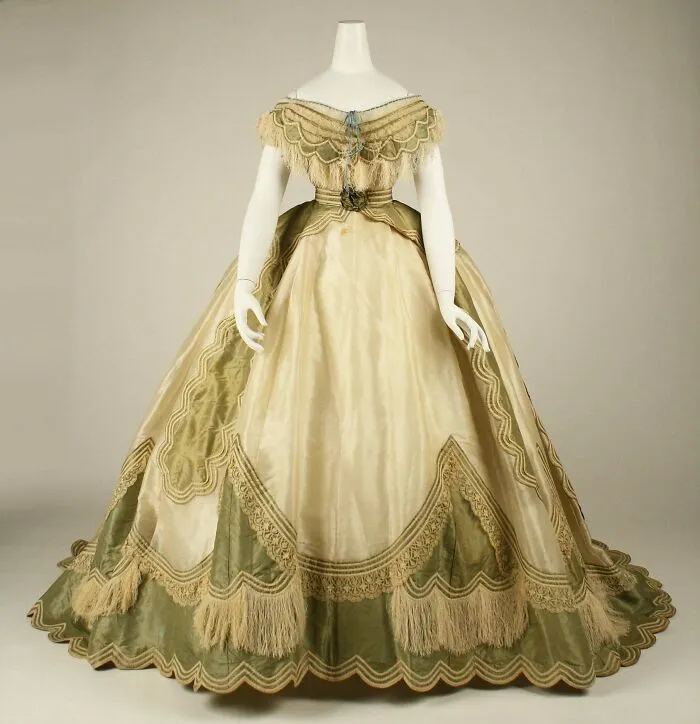
Image credits: KatyaRomici00
"Butterfly" Evening Dress Designed By Charles James, Made Of Off-White Silk Taffeta, Off-White Silk Chiffon, And Multicolored Dupont Nylon Net, 1954. Chicago History Museum
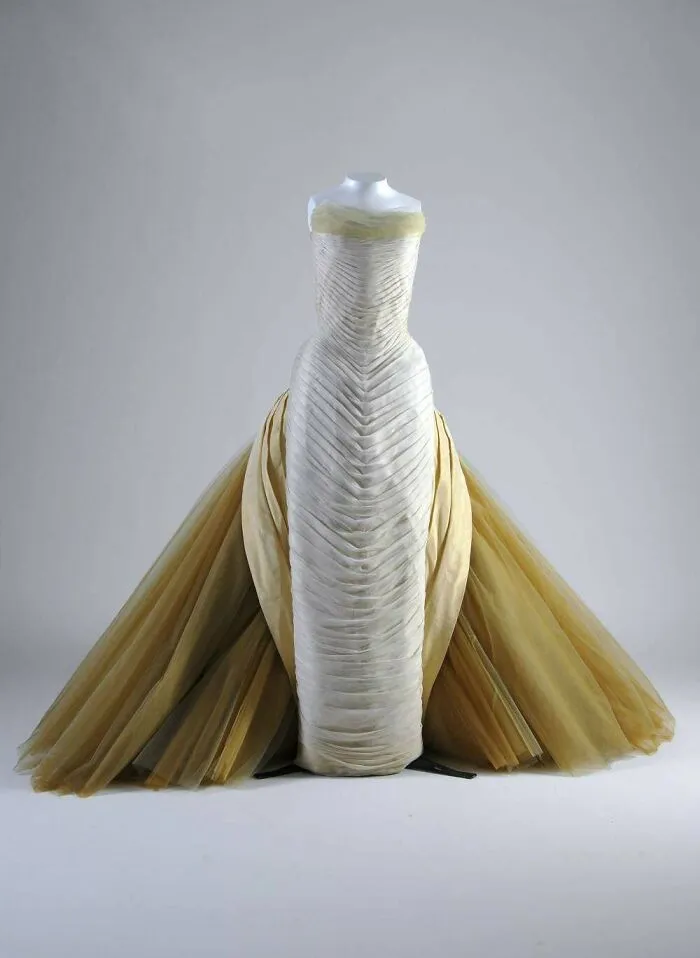
Image credits: KatyaRomici00
Evening Dress By Madame Grès, Made Of Silk, 1939. National Gallery Of Victoria
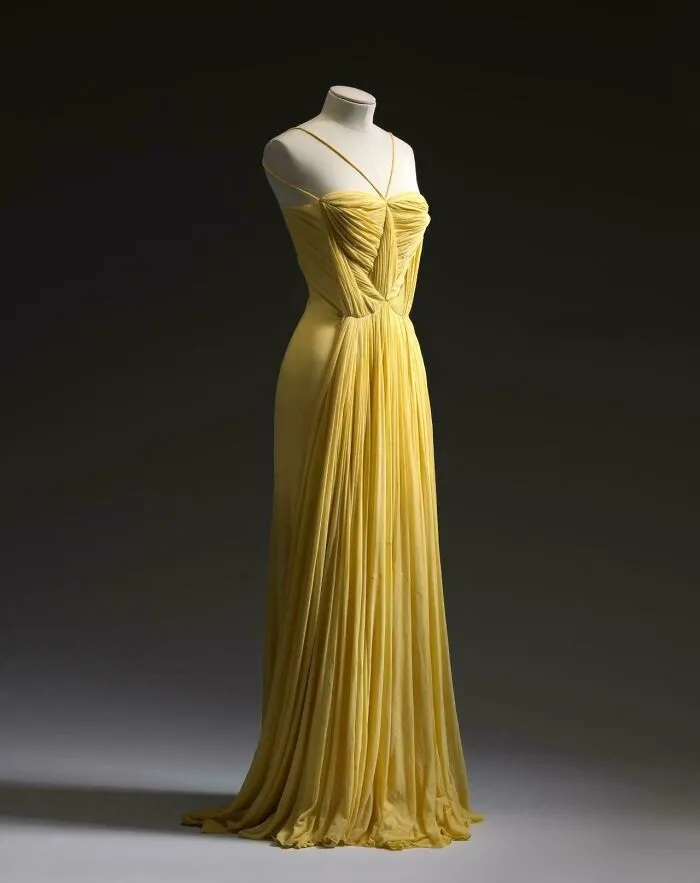
Image credits: KatyaRomici00
Embroidered Organza Cocktail Dress, Circa 1950s
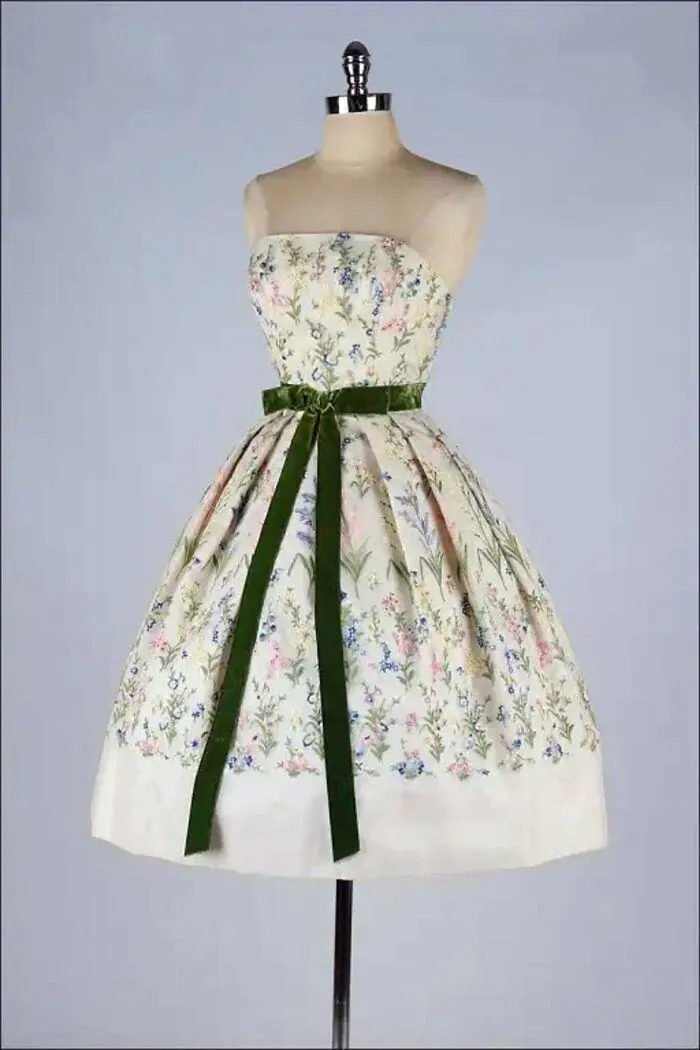
Image credits: anon
Velvet Gown Worn By Mary Lincoln During The Fall/Winter Washington Social Season Of 1861-1862, Made By Dressmaker Elizabeth Keckley
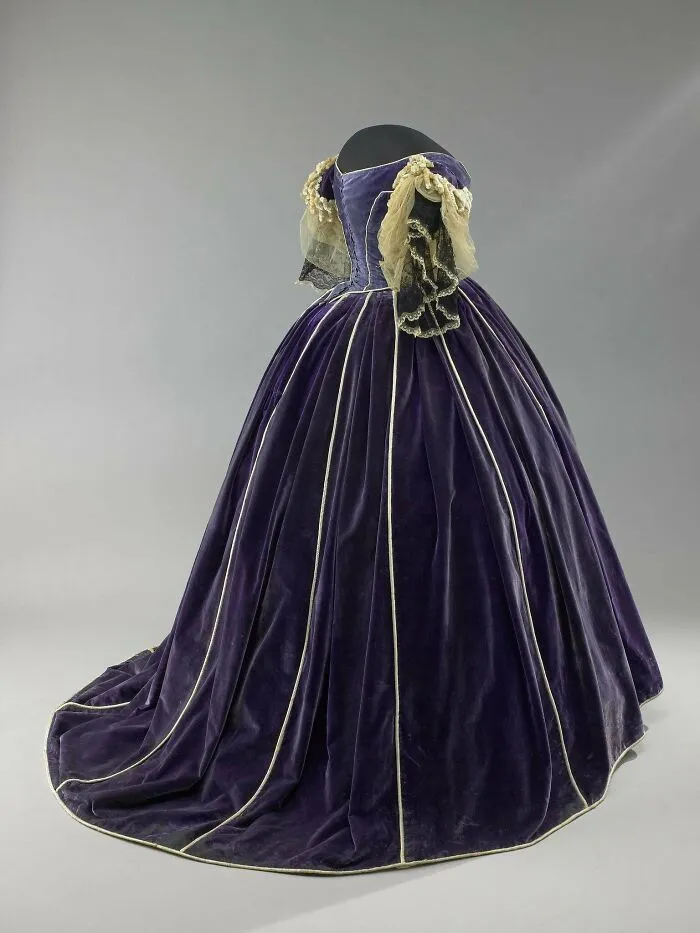
Image credits: Haunting_Homework381
Ball Gown Made Of White Satin With Rose Pattern, The Neckline Is Edged With Black Velvet Ribbons And Ribbons Of Gold And Silver Thread With Floral Pattern, And Black Beads, The Center Front Has A Motif In Gold And Silver Thread, 1906. Gothenburg City Museum
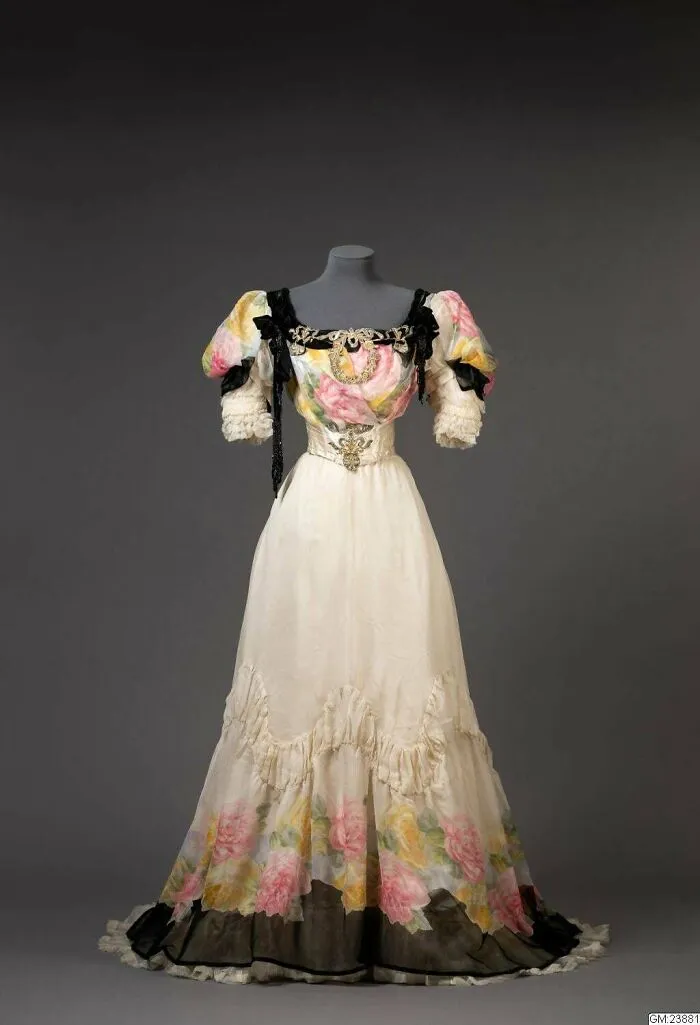
Image credits: KatyaRomici00
Kodachrome Slides Of Singer/Actress Diahann Caroll On Beautiful White Dress, 14 Of March 1955
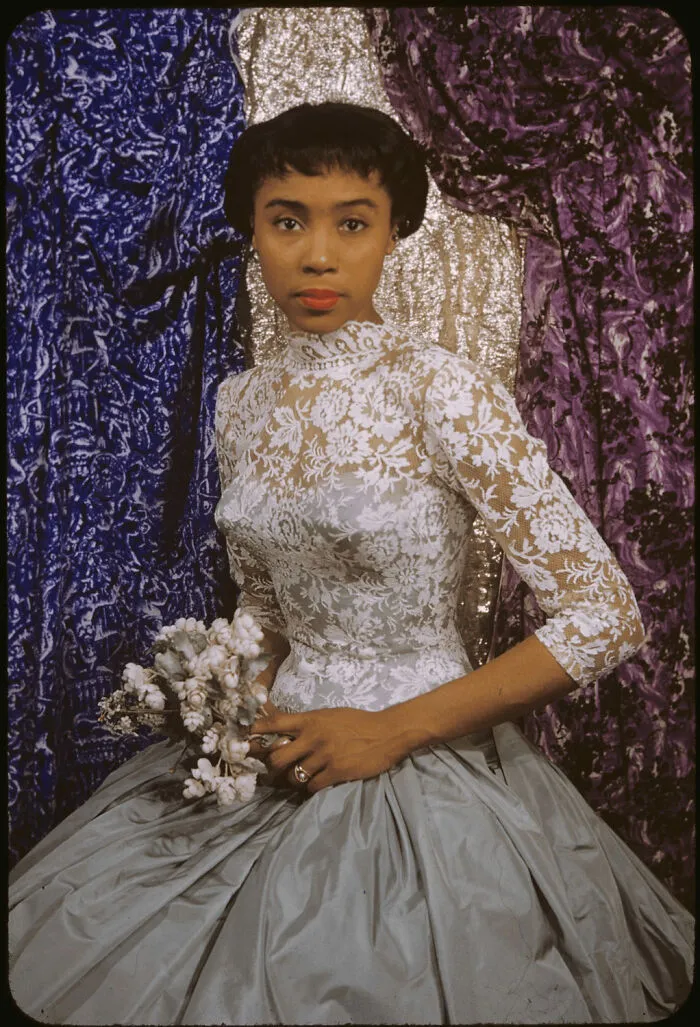
Image credits: Electrical-Aspect-13
The Famous "Venus" Gown By Christian Dior, Circa Fall/Winter 1949-1950
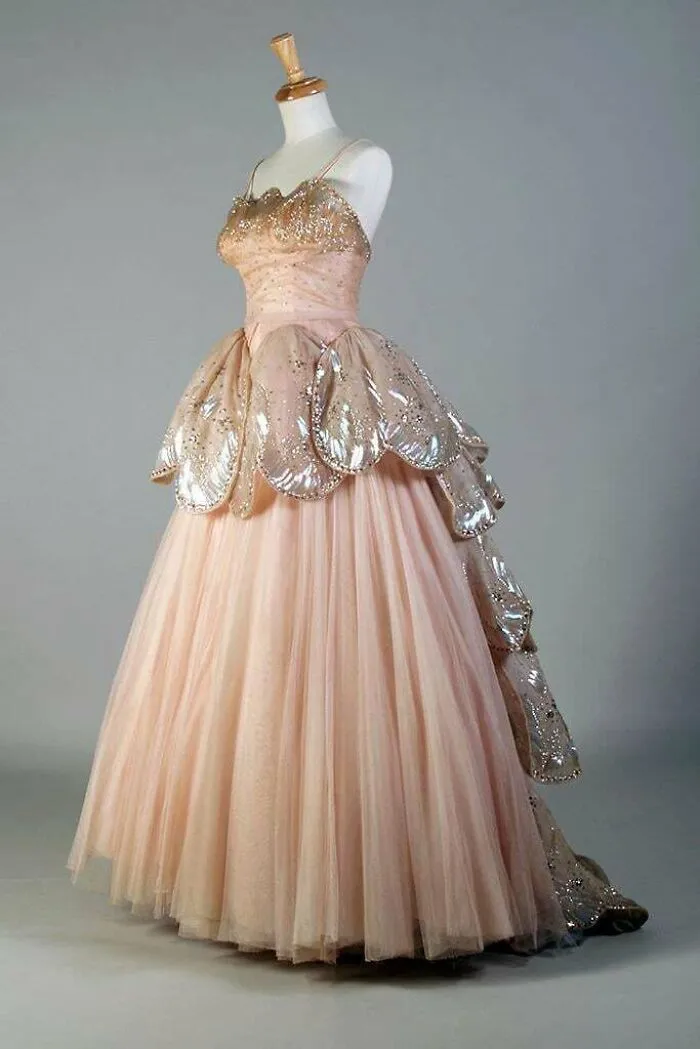
Image credits: Haunting_Homework381
The Petal Gown By Charles James, Circa 1951
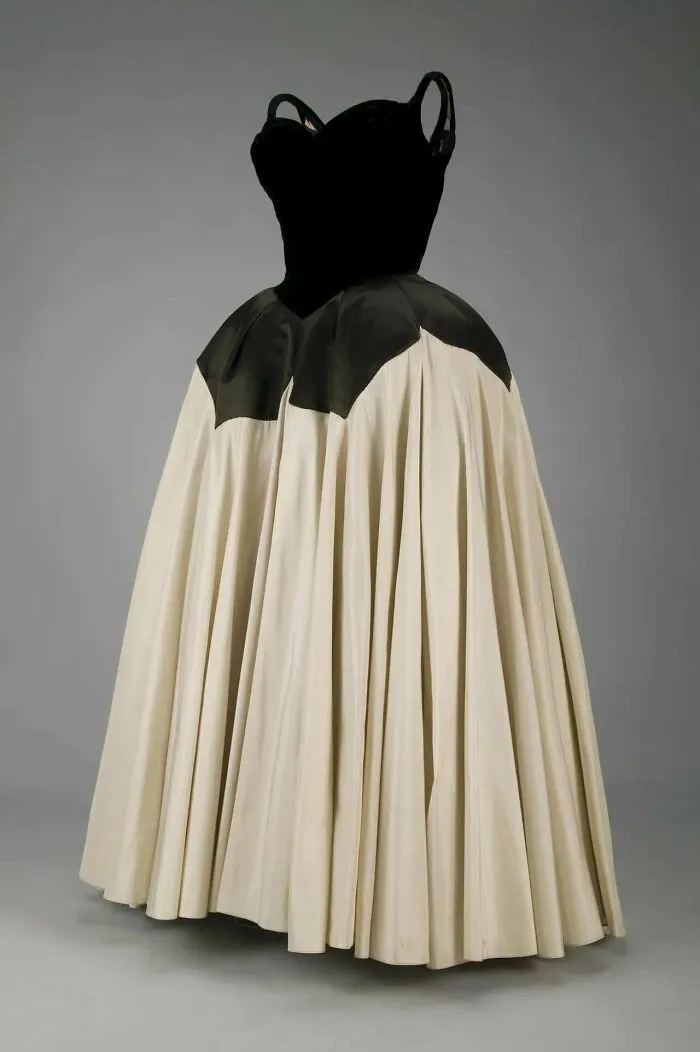
James designed this dress for New Yorker Millicent Rogers in 1949. Two year later the design appeared in Vogue magazine, when it was photographed by Horst and included in James's "black and white" collection. James described the dress as a "curving stem of black velvet above petals of black satin, above 25 yards of blowing, billowing white taffeta." He revived the design in 1958, as a ready-to-wear dress for the junior market. Worn by donor Mrs. Harvey Byron, Jr. neé Kathleen Whitcomb.
Image credits: Haunting_Homework381
Wedding Where One Of The Brides Maids Is Using An Incredible Green Dress, 1962, Kodachrome Shot
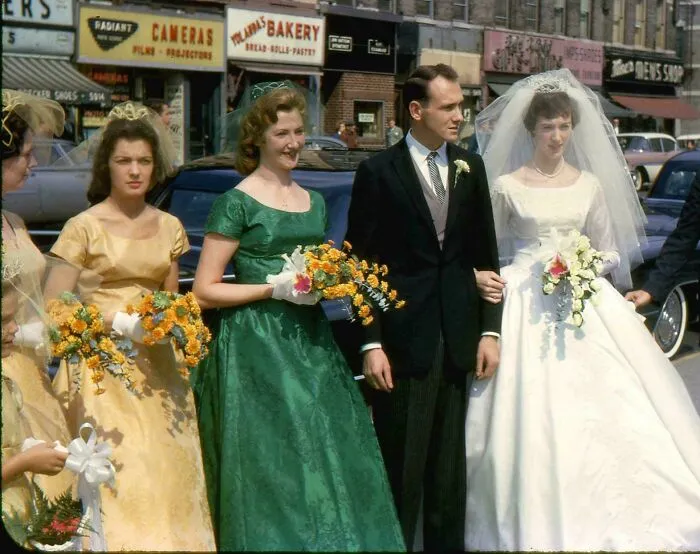
Image credits: Electrical-Aspect-13
Presentation Gown Designed By Madeleine Vionnet For Mrs. Palmer II When Presented To The English Royal Family, Made Of Gray Silk Chiffon, With Rhinestone Trim At Edges And Waist, 1938. Chicago Historical Society
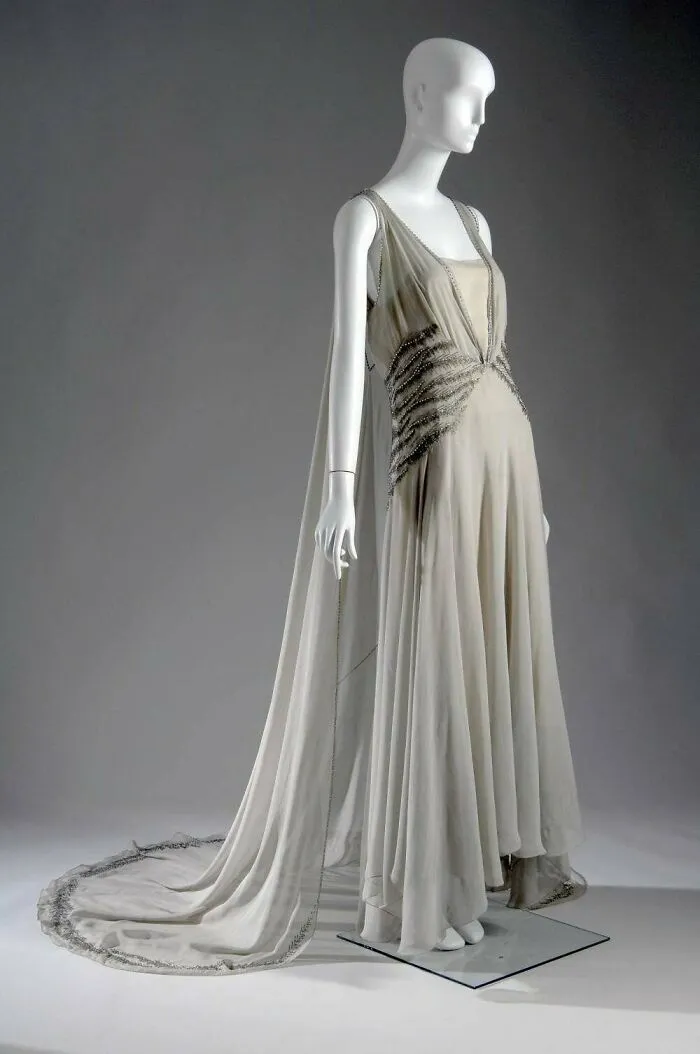
Image credits: KatyaRomici00
A Pierre Balmain Haute Couture Black Velvet 'Holly' Dress, 1955
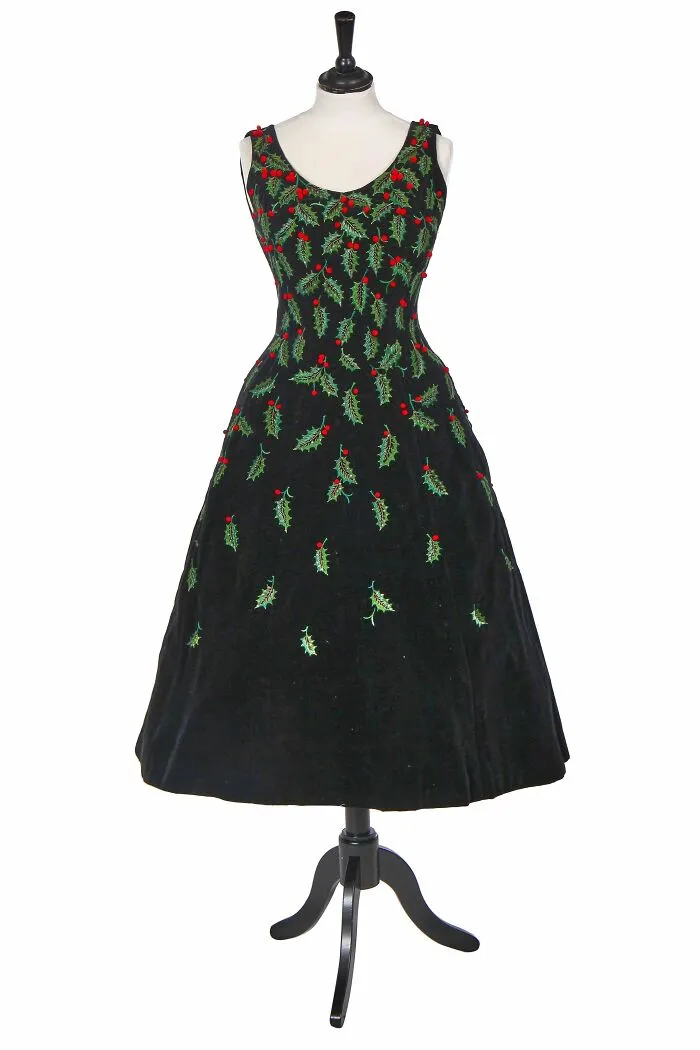
Image credits: Saint-Veronicas-Veil
A Rare Embroidered Linon 'Une Merveilleuse' Gown, French, 1796-1800
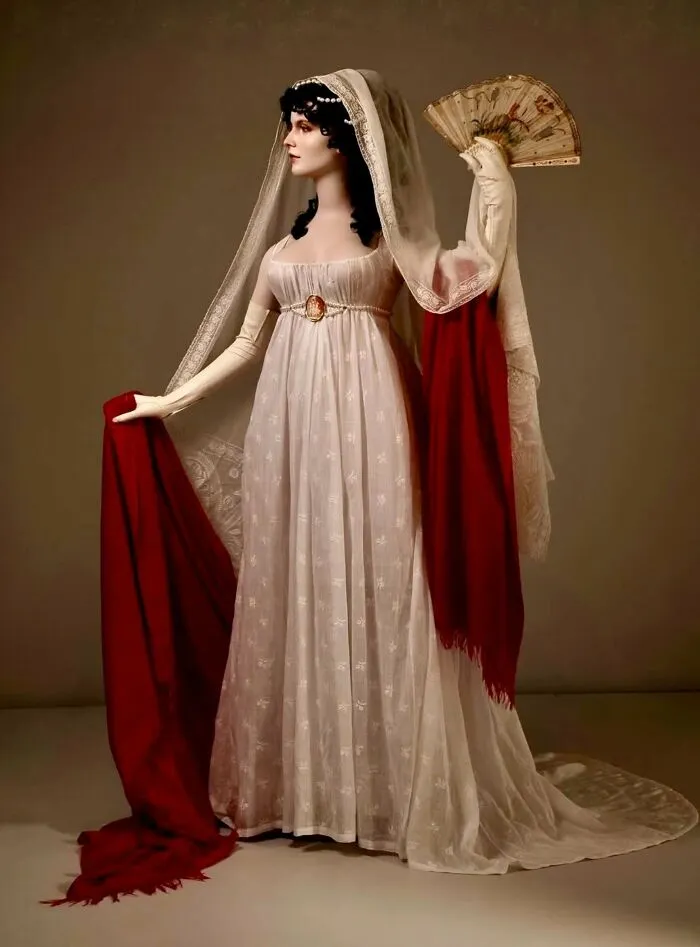
Image credits: Saint-Veronicas-Veil
Wedding Veil By Elsa Schiaparelli, 1935
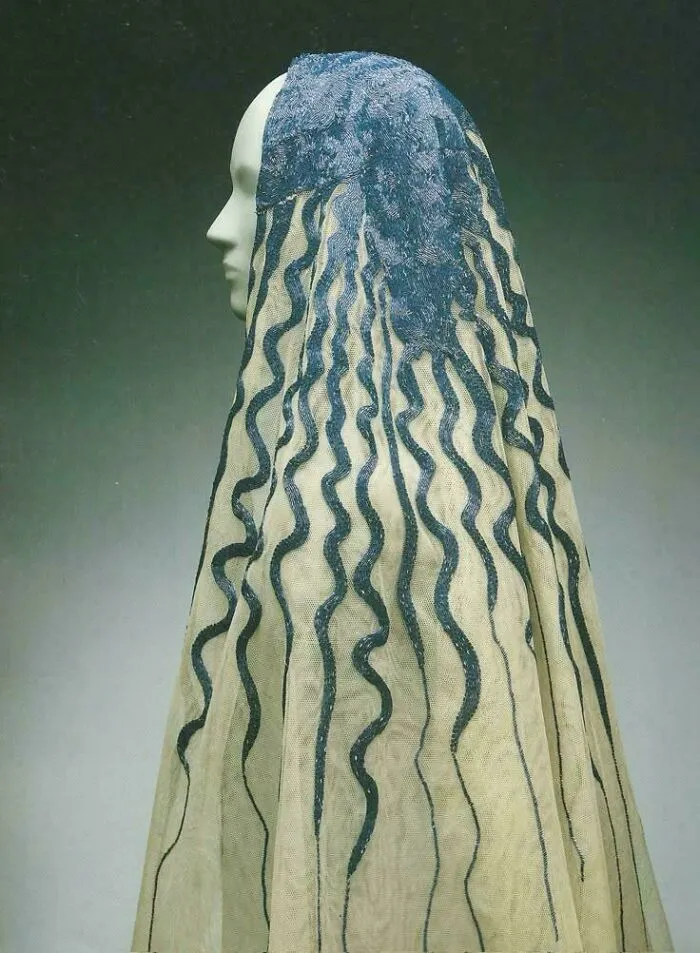
Image credits: Impressive-Durian-22
Hear Me Out: Bring Back The Wimple, I Say!!
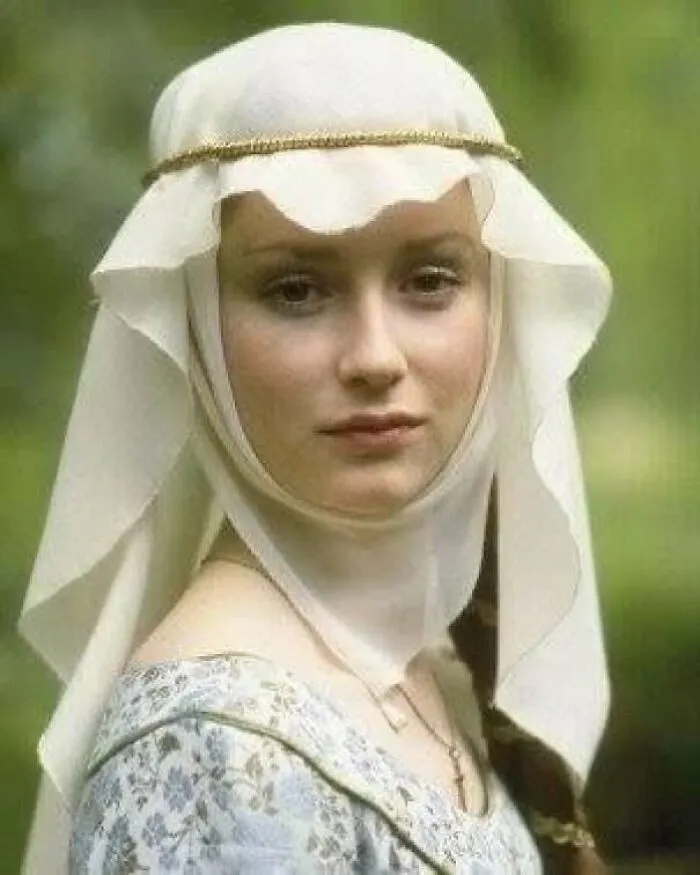
Image credits: muffinmama93
Blue Satin And Lace Gown That Аnnlowe Made For Pianist Elizabeth Mance, Circa 1966
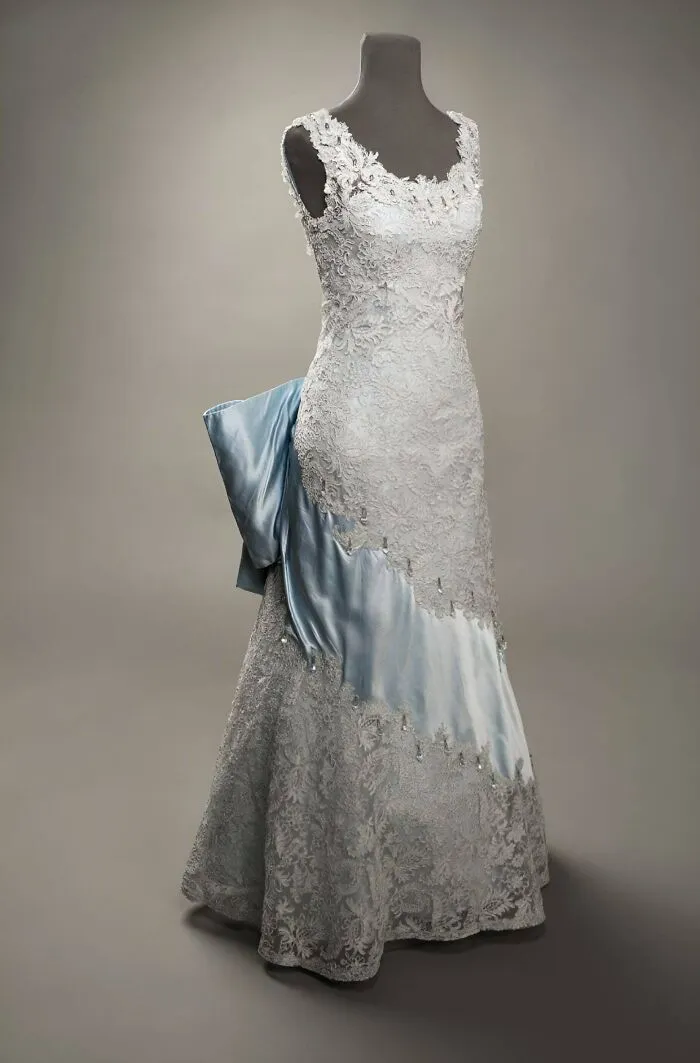
Image credits: Haunting_Homework381
Strapless Pink And Blue Party Dress In Taffeta And Tulle By Will Steinman, Circa 1950s
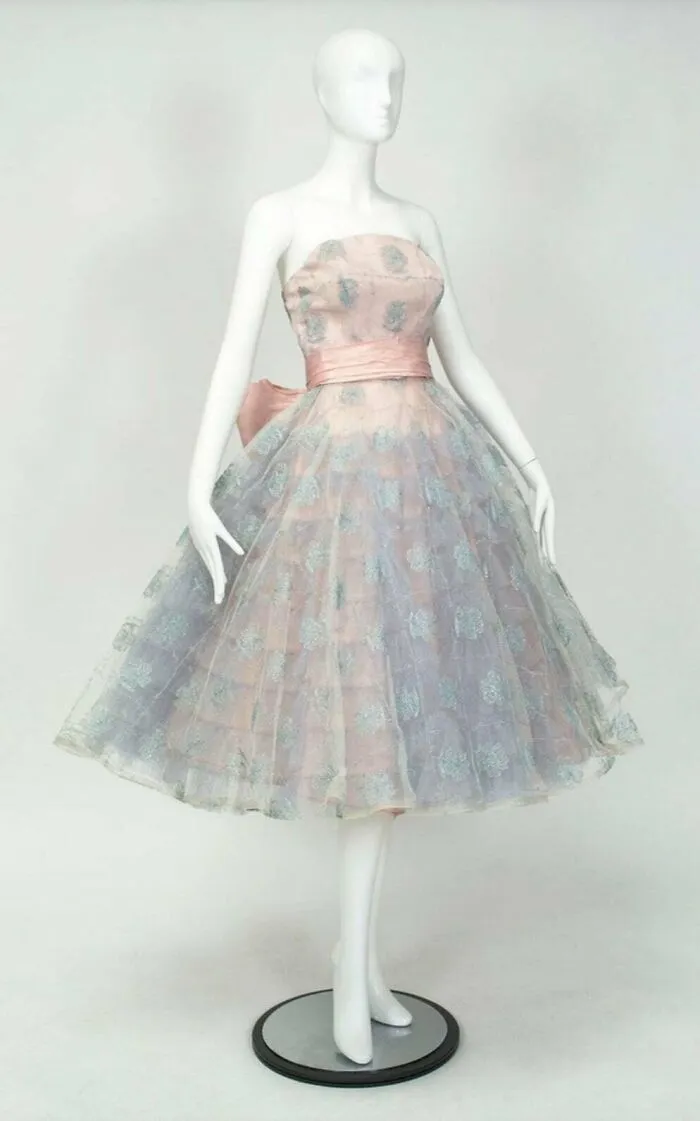
Image credits: Haunting_Homework381
You might also like: 36 famous people who did evil things in the past, but the world sort of ignored it
Follow Bored Panda's daily dive into internet culture on MSN for more curious finds, quirky content, and offbeat observations.