

This post may include affiliate links.
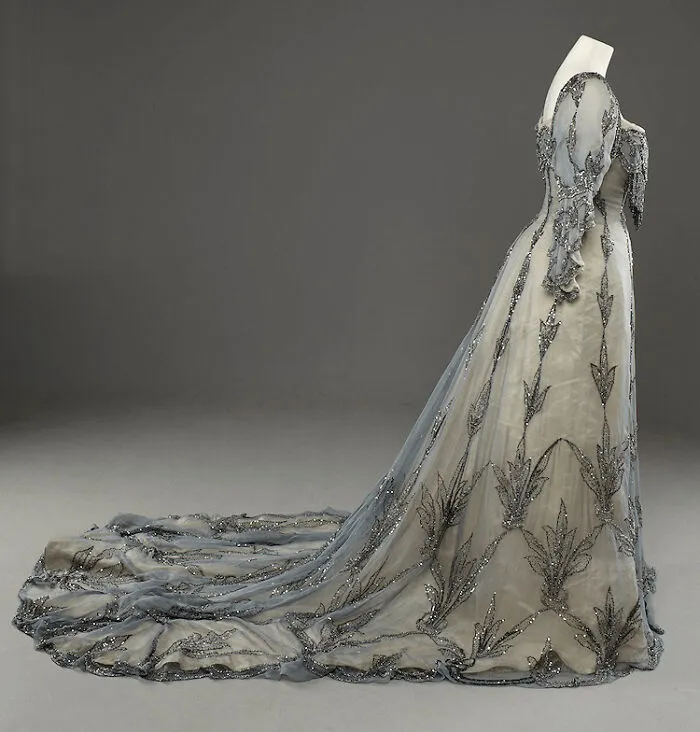
#1 Ball Gown Belonging To Queen Alexandra Of Denmark Designed By Henriette Favre, Circa 1906
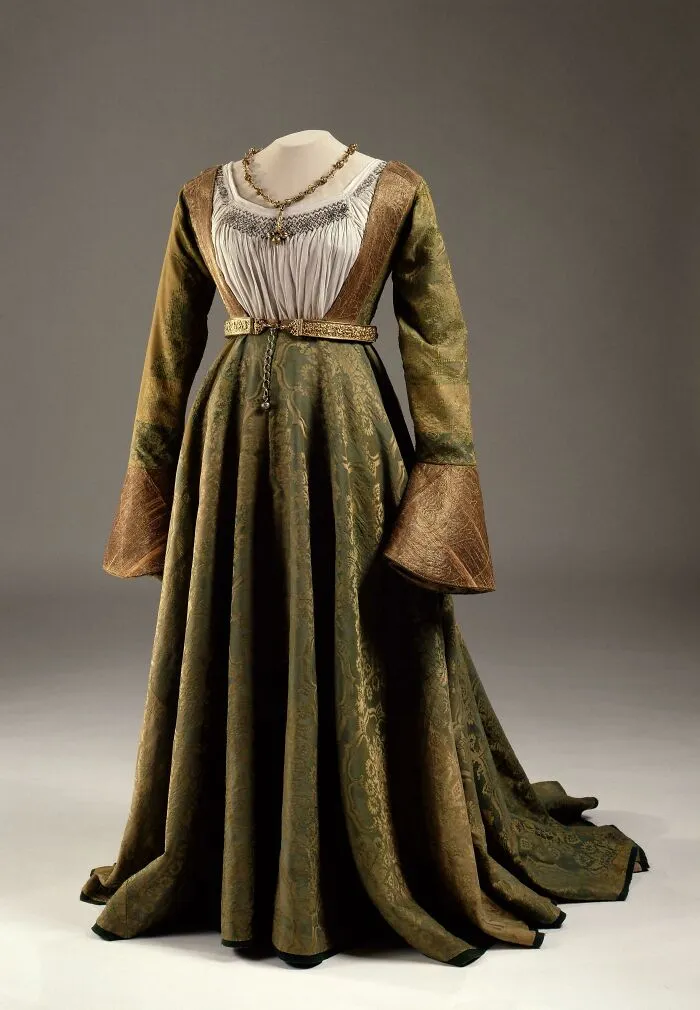
#2 The Exquisite Green Damask Dress In Burgundian Style Worn By Mary Of Habsburg On Her Marriage To Louis II Of Hungary In 1522, One Of Few Dresses To Survive From That Century
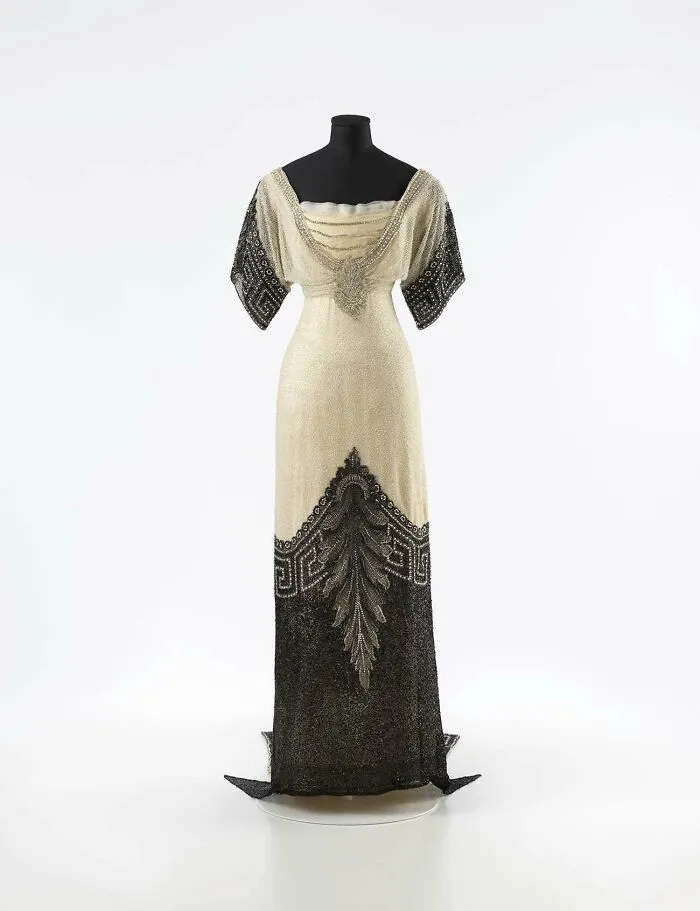
#3 The "Arlesienne" Evening Dress By The House Of Worth Worn By Queen Maud Of Norway, Circa 1912-1913
Whether you’re a serious fashion lover or someone who mostly throws on whatever is clean, let’s agree on one thing: keeping track of fashion trends can be exhausting. One minute it’s low-rise skinny jeans, then oversized sunglasses are everywhere, followed by velour tracksuits, denim miniskirts, peplum tops, and whatever else comes back. It can feel like we’re constantly swimming through a sea of trends, trying to figure out what’s actually fashionable and what has somehow escaped from someone’s old wardrobe. And the funny thing is, a lot of what we consider “new” isn’t new at all. Fashion has always loved a good comeback. Because, let's be honest, vintage fashion never really disappears—it just waits for its next moment.
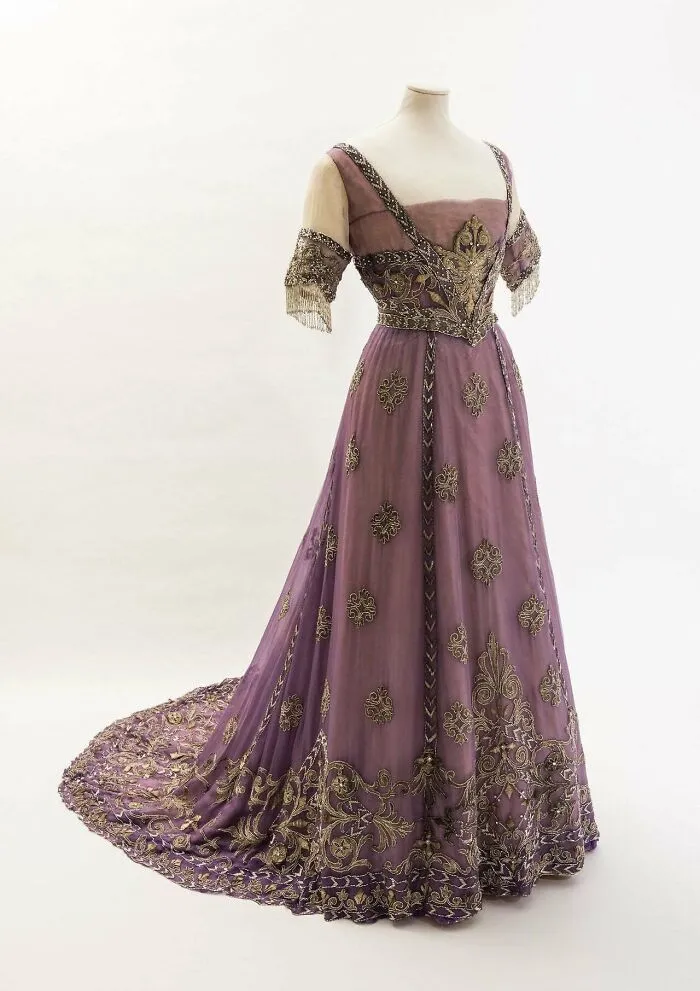
#4 Purple Silk Chiffon Dress By Maison Doeuillet Belonging To Queen Alexandra, Circa 1910
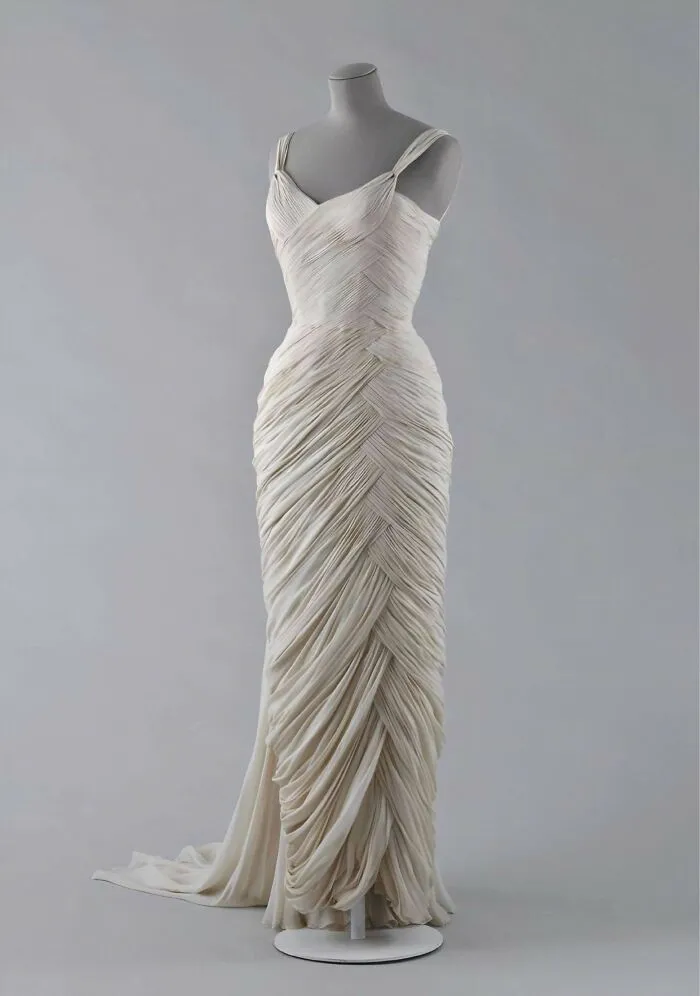
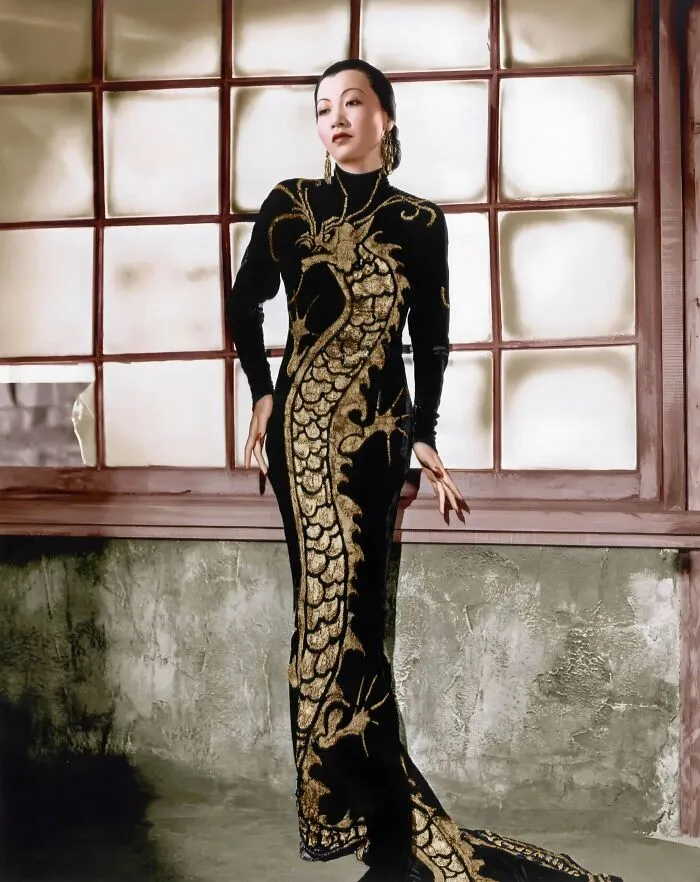
#6 Anna May Wong Wearing Her Iconic Silk Charmeuse Dress Embroidered With Gold And Silver Sequins In A Dragon Motif Designed By Travis Banton For Her Role In The 1934 Hollywood Film Limehouse Blues
But go back far enough and fashion starts getting a whole lot more interesting. There are entire books dedicated to documenting what people wore in different eras. One fascinating example is Vintage Fashion: A Sourcebook by Nicky Albrechtsen, a wonderfully comprehensive reference featuring more than 1,000 garments from the 1920s through the 1980s. It works as both a visual history and an identification guide for collectors, designers, historians, and anyone who enjoys looking at clothes and thinking, “People actually wore that?” And that book covers only a small portion of fashion history.
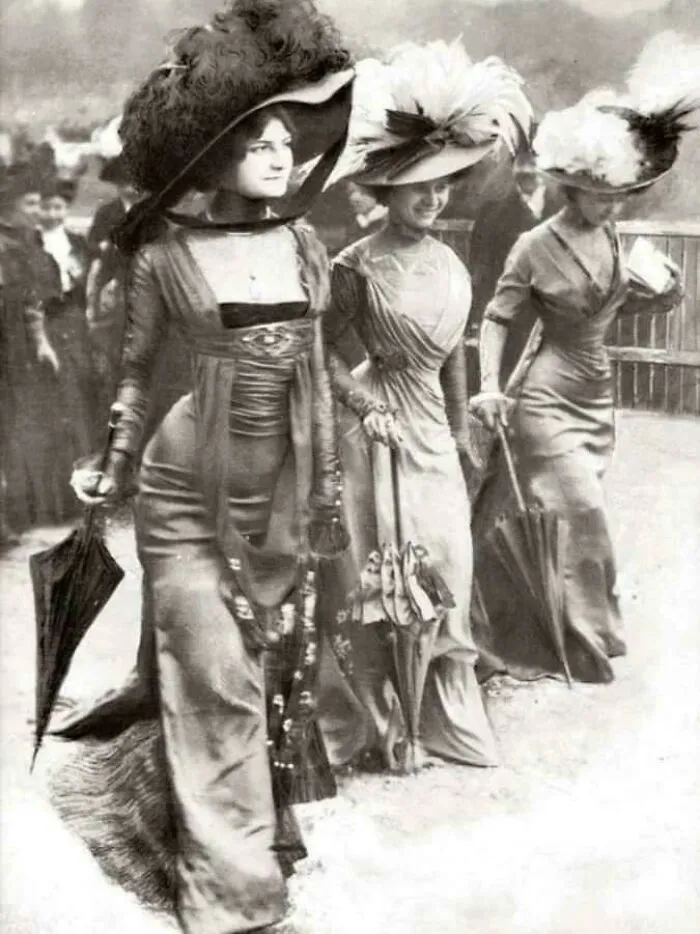
#8 In 1908, Spectators At The Longchamp Hippodrome In Paris Were Astonished By The Outfits Worn By Three Women
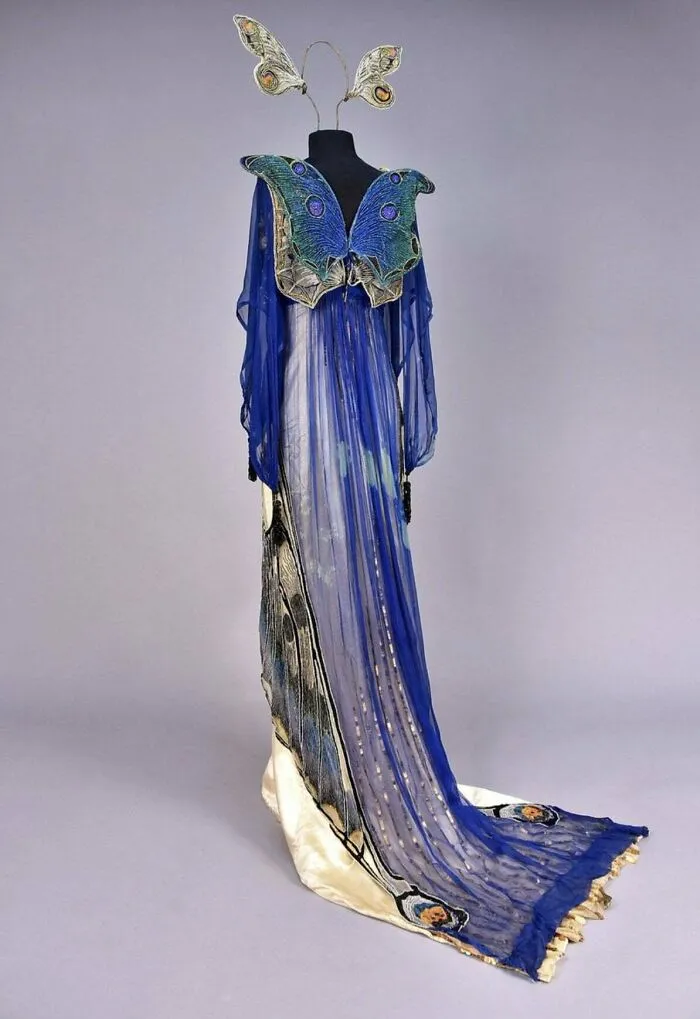
#9 Glimmering Butterfly Fancy Gown And Matching Headdress Made By House Of Worth In 1912
So, let's go even further back and look at some garments and accessories that show just how creative, dramatic, practical, and occasionally downright strange fashion has been over the centuries. Take chopines, for example. During the 16th and 17th centuries, wealthy women in Venice wore these towering platform shoes, which could make the wearer look several inches taller. And while modern platform shoes are usually about making a fashion statement, chopines had a rather practical purpose, too.
According to the Metropolitan Museum of Art, they helped keep the wearer's feet, shoes, and expensive clothing off the wet, dirty streets. Of course, practicality wasn't their only selling point. Chopines also became a way of displaying wealth and social status. The taller and more elaborate the shoe, the more noticeable the wearer could be. Some examples were incredibly high, with historical accounts describing chopines that reached around 20 inches. That's basically walking around on miniature stilts while wearing an elaborate gown. Somehow, people made it fashionable.
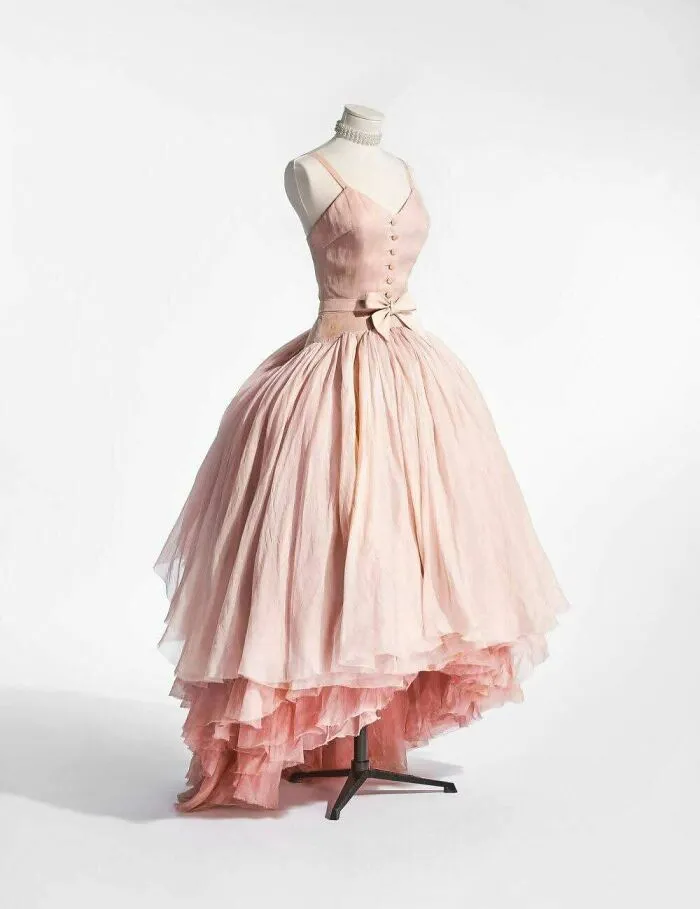
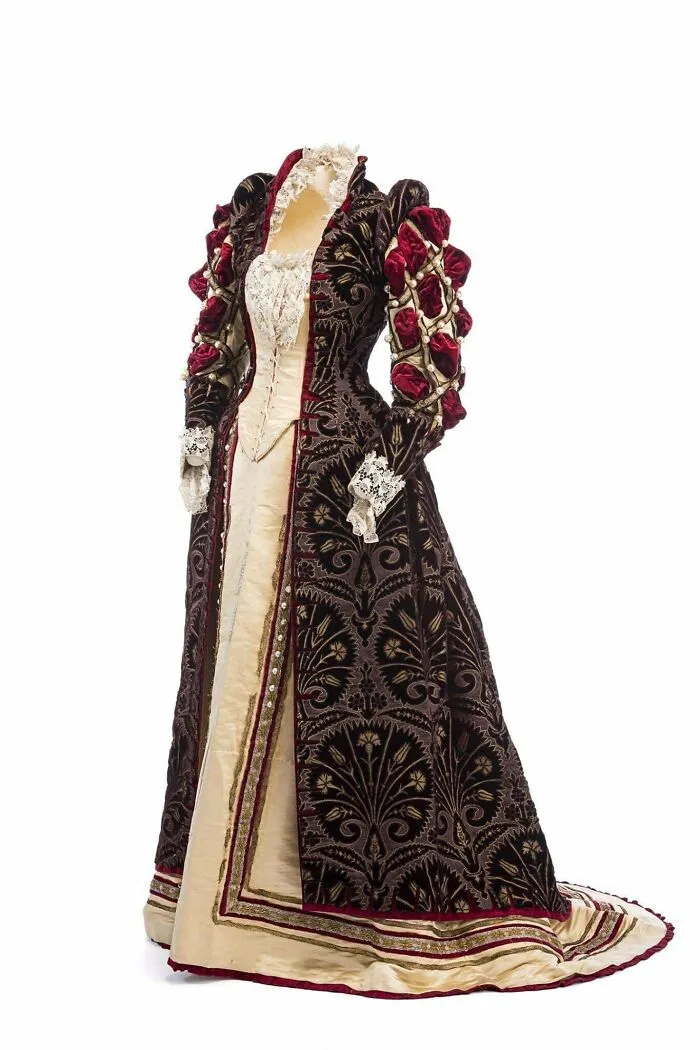
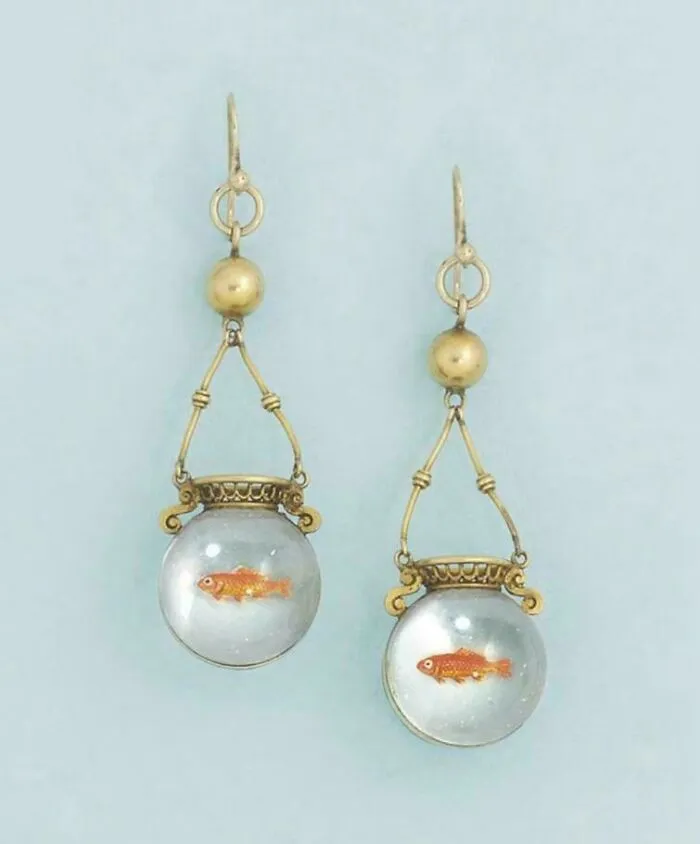
Another historical fashion detail that can seem surprisingly strange today involves children's clothing. For centuries, young children of both genders commonly wore dresses or gowns until they were around six or seven years old. It wasn't necessarily about making a fashion statement. Dresses were simply practical for young children, especially for changing clothes and toilet training. Even the colors we associate with boys and girls haven't always meant what they do today. In fact, pink was once considered more appropriate for boys, while blue was viewed as the softer, more delicate choice for girls.
A 1918 article in Ladies' Home Journal even recommended pink for boys because it was considered the stronger and more energetic color, while blue was described as more delicate and dainty. The familiar pink-for-girls and blue-for-boys convention only became firmly established much later, particularly around the middle of the 20th century. So, the next time someone claims that those color associations are some kind of timeless tradition, history would like a word. Apparently, our supposedly universal fashion rules are a lot more recent than we think.
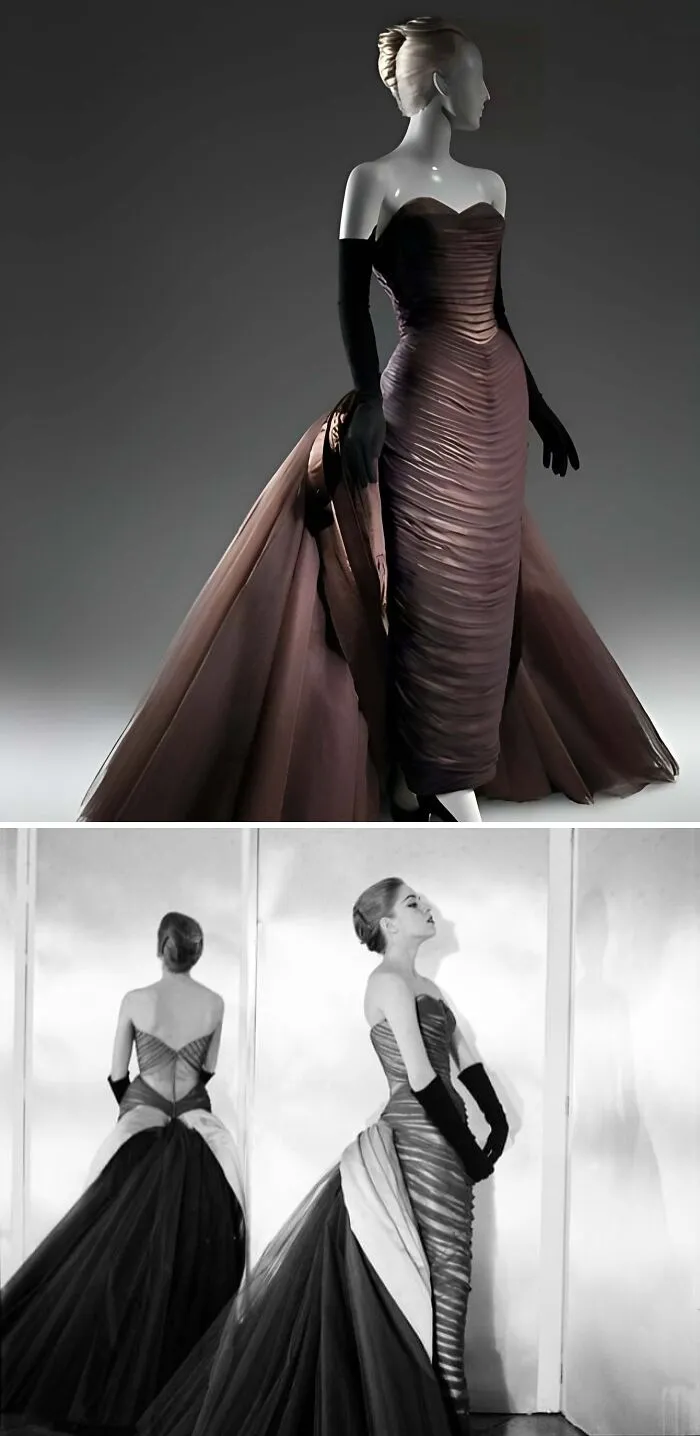
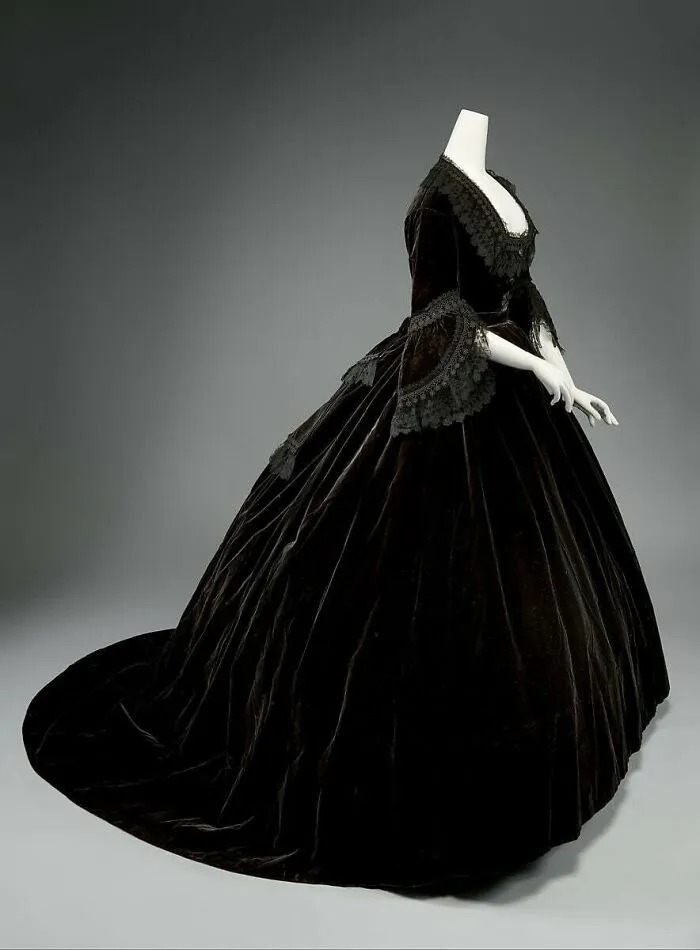
#15 French Silk Dress, Circa 1861
But changing ideas about fashion didn't stop there. Then there was the hobble skirt, a trend from the Edwardian era that really makes you wonder how far people were willing to go for fashion. These long skirts were deliberately narrowed around the lower legs, sometimes so tightly that the wearer could take only tiny steps. And yes, the name was pretty literal: women wearing them had to hobble along. The trend became particularly popular in the years before the First World War, even though it was widely ridiculed and not exactly known for being easy to walk in. Some versions were reportedly so restrictive that women could take steps of only a few inches. Imagine being late for an appointment and realizing your outfit physically won't let you hurry. The style eventually disappeared, but it remains one of the clearest examples of fashion choosing appearance over practicality.
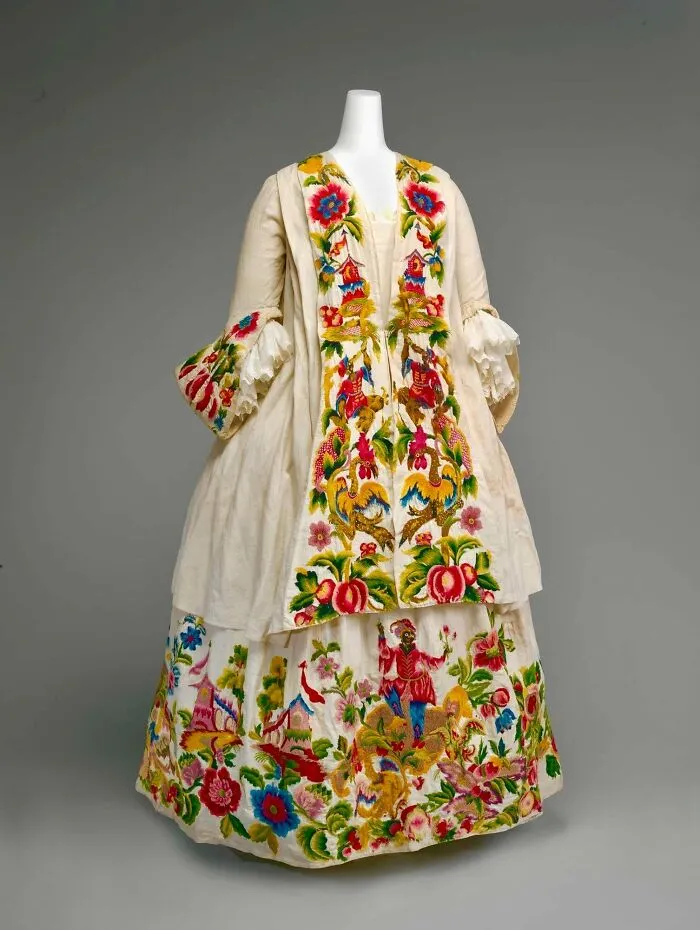
#16 Extremely Unusual Linen Italian Dress Embroidered With Allegorical Figures Of The Four Continents In A Chinoiserie Style, 1725-1740
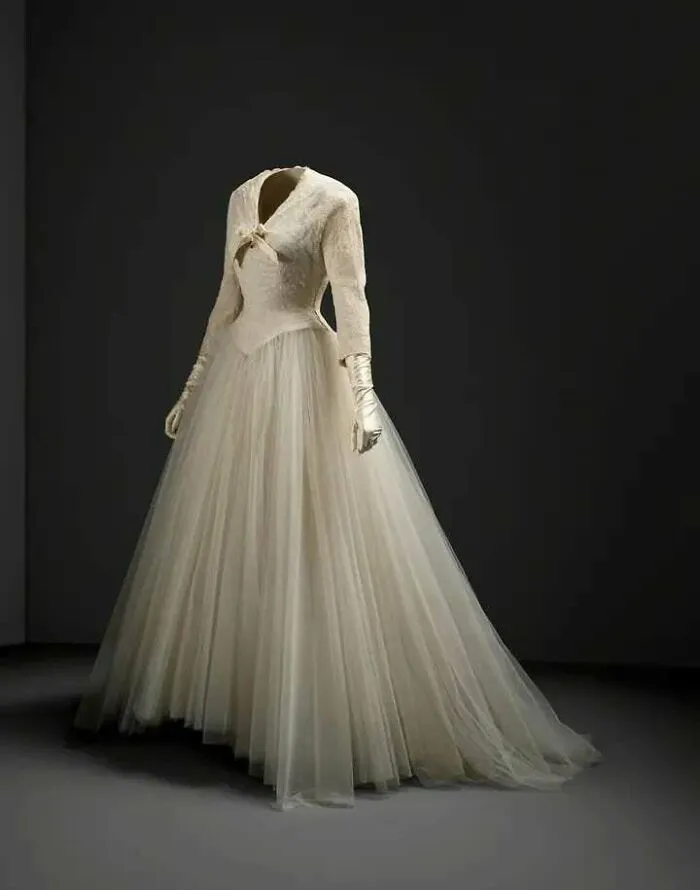
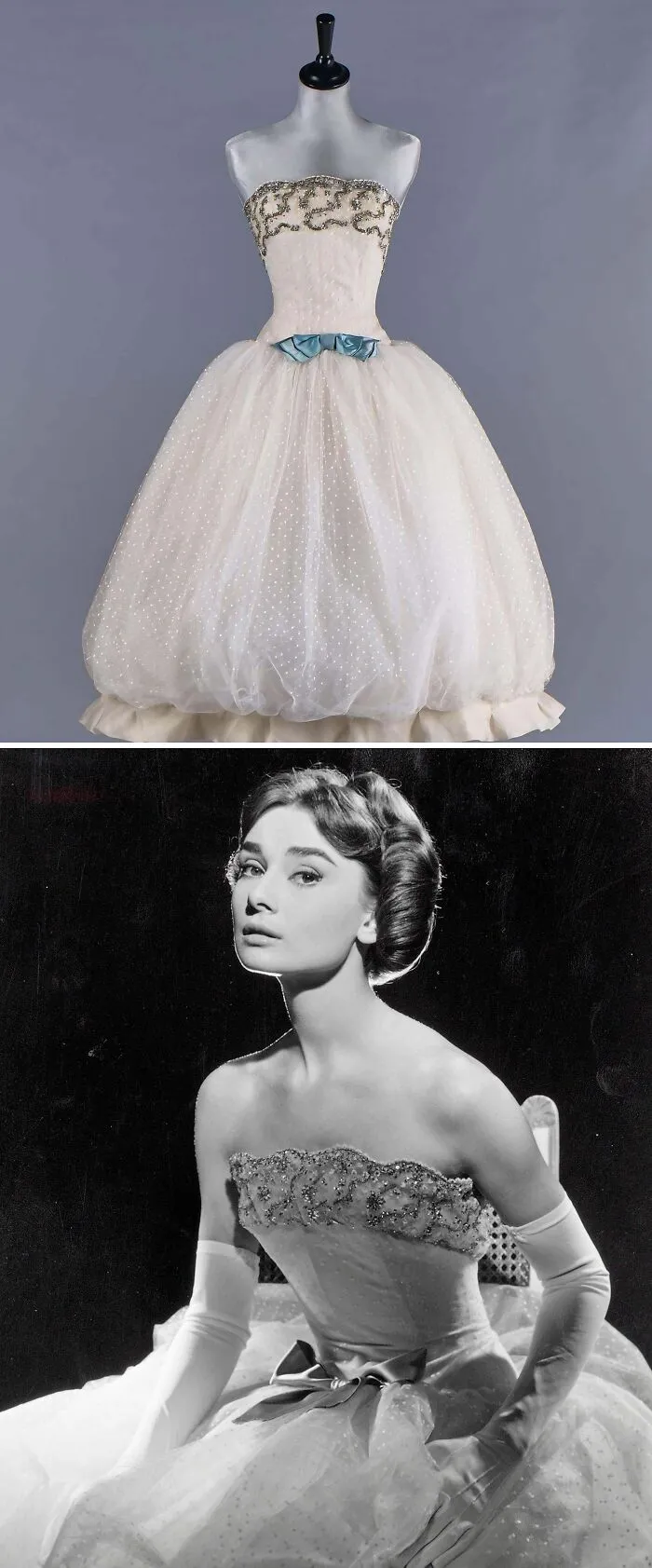
#18 Audrey Hepburn's Givenchy Haute Couture White Point D'esprit Ball Gown Worn In The Opera Scene Of 'Love In The Afternoon', 1956
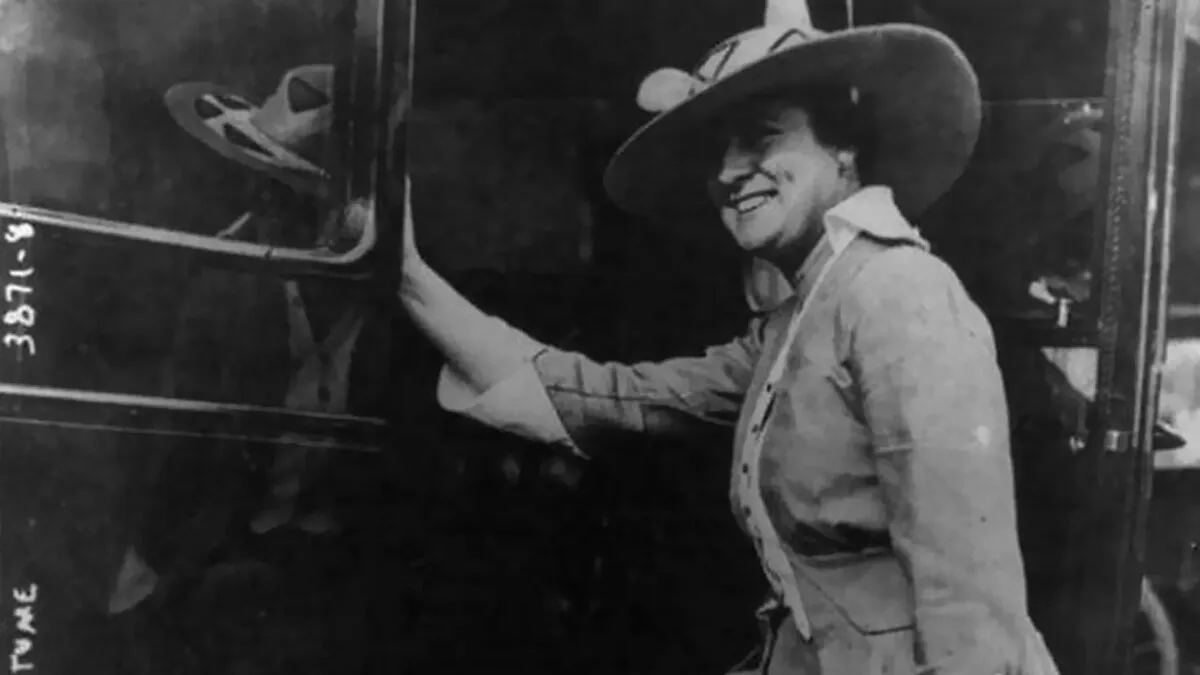
Designer Paul Poiret is often credited with popularizing the hobble skirt, though an unusual real-life inspiration may have inspired the idea. In 1908, Mrs. Hart O. Berg reportedly tied her skirt around her ankles during a flight with Wilbur Wright to stop it from billowing in the wind. She apparently left the makeshift tie in place after the flight and walked away with the restricted silhouette still intact. Whether that moment directly inspired the hobble skirt is difficult to prove, but it certainly makes for one of the more entertaining stories in fashion history
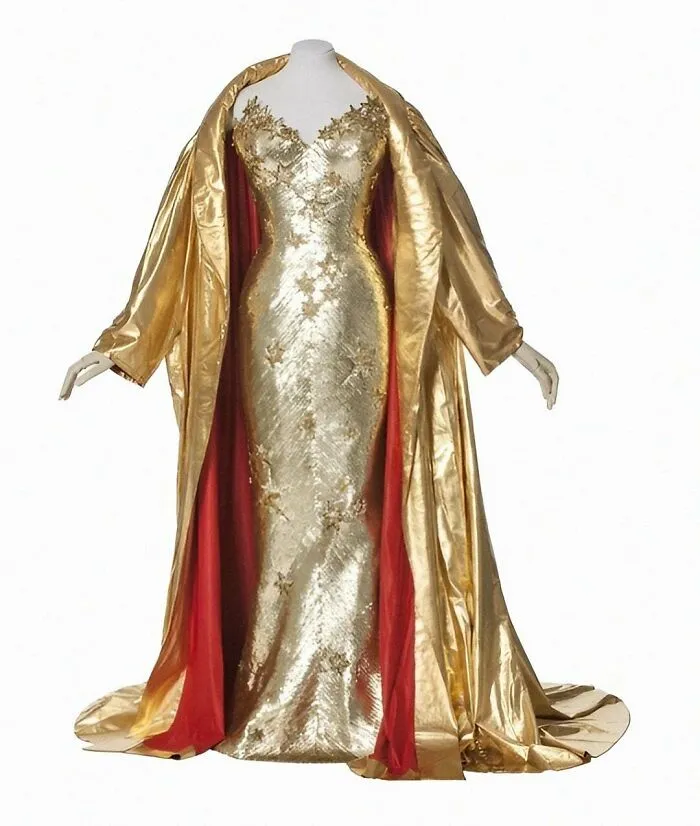
#19 Evening Tulle Dress Embroidered With Rhinestones And Sequins With Metallic Cape Designed By Pierre Balmain, Circa 1952