

There's a special kind of tired that has nothing to do with how many hours you slept, and everything to do with how many notifications hit your phone before you've had coffee. You know the one. Your inbox pings at 11pm with "quick question," and suddenly your brain is running a full shift it never agreed to work.
Turns out this isn't just an unlucky personality trait. A Virginia Tech study found that simply knowing you're expected to check email after hours creates real anxiety, even if you never actually open the app. The dread alone is doing damage, which is probably why places like France have passed right to disconnect laws that let workers legally ignore their boss once the day is done. Most American offices have yet to catch up.
Then there's the meeting problem, which somehow keeps getting worse instead of better. Somewhere out there is a person who scheduled a 30 minute status update that absolutely could have been three sentences in Slack, and they are never held accountable. Researchers at Atlassian surveyed thousands of workers across four continents and found that meetings are the single biggest time drain most people deal with on the job, with roughly three out of every four meetings landing somewhere between mildly useless and a total waste of everyone's calendar.

Add in the fact that managers now spend an average of 13 hours a week just sitting in meetings, and it starts to make sense why so many bosses seem perpetually frazzled. They're not ignoring you on purpose. They're just drowning in back to back calendar invites titled "Quick Sync."


None of this happens in a vacuum either. Workloads have genuinely gotten heavier, and it's not just vibes. The most recent Aflac WorkForces Report found that workplace stress has climbed to levels not seen since before the pandemic, with heavy workloads named as the number one culprit.
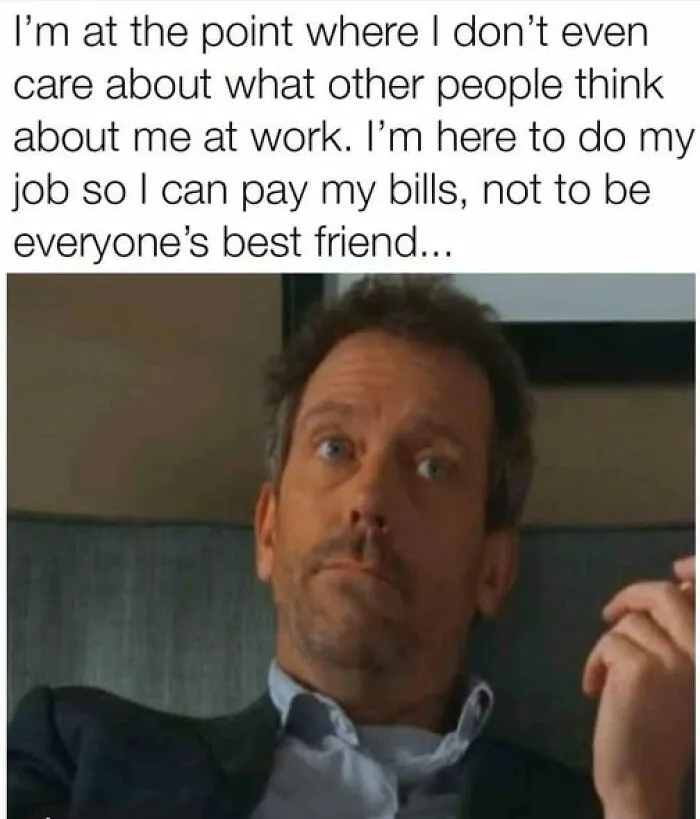
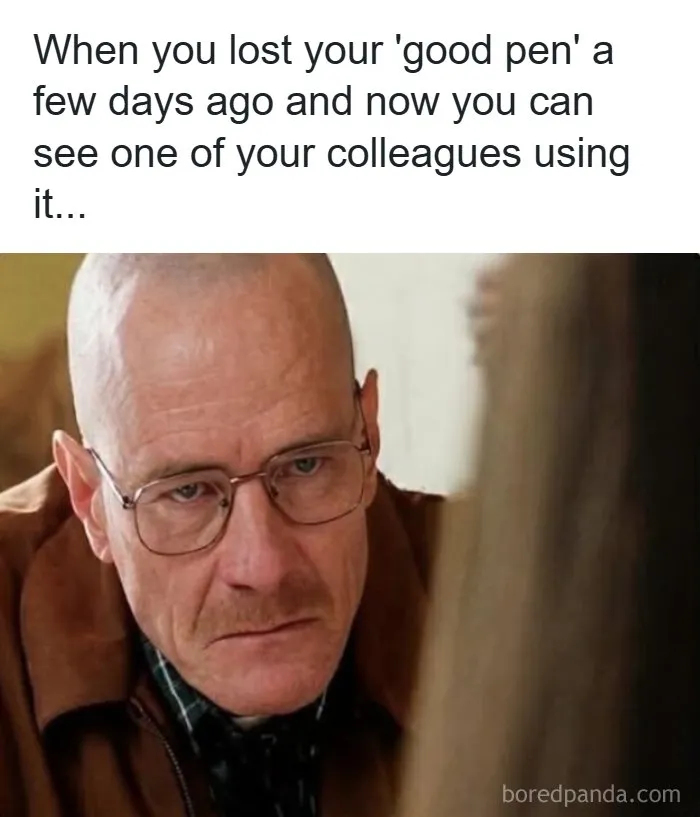

Gallup's newest global numbers back that up in a bigger way. Worldwide employee engagement dropped to just 20 percent in 2025, its lowest point since 2020, and researchers pinned a huge chunk of that decline on burned out managers who no longer have the energy to keep their teams motivated. When the people running the meetings are exhausted too, everyone downstream feels it.
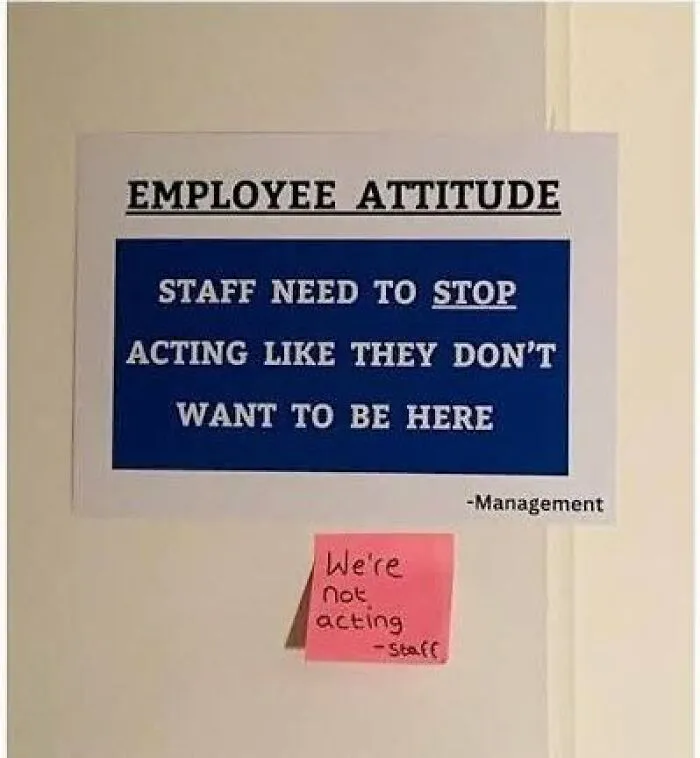
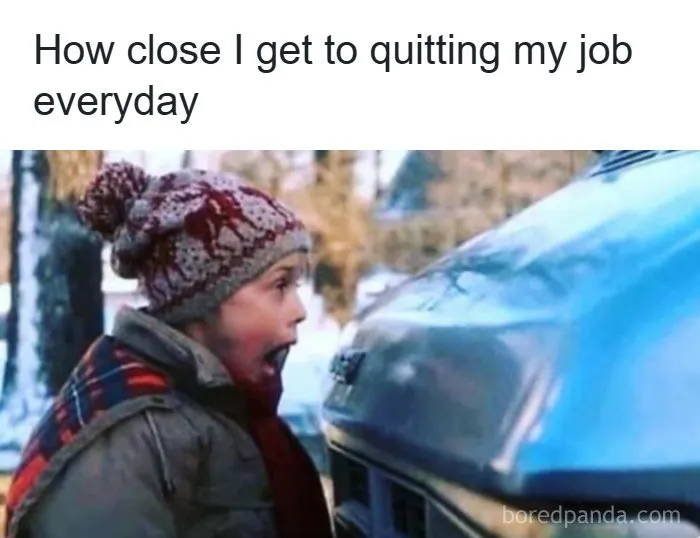
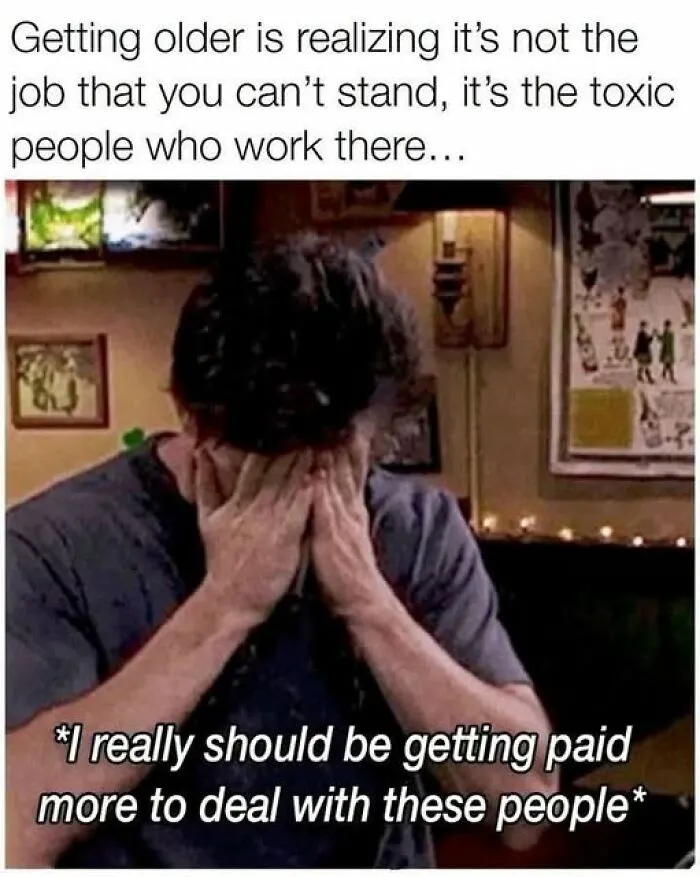
Younger workers seem to be catching the worst of it right now. Surveys consistently show Gen Z employees reporting some of the highest burnout rates of any generation, often because they're stepping into their first jobs during an era of leaner teams, higher expectations, and near constant digital availability.
It's a strange kind of welcome to the workforce. Meanwhile women in full time roles report significantly higher burnout than men do, even though Gallup's latest data shows they're also more engaged and more motivated to grow in their careers. Somehow doing more and caring more just means carrying more.